Solo Travel Now Allowed in Nepal’s Restricted Areas
Posted by: Nepal Holiday Treks and Tours on April 2, 2026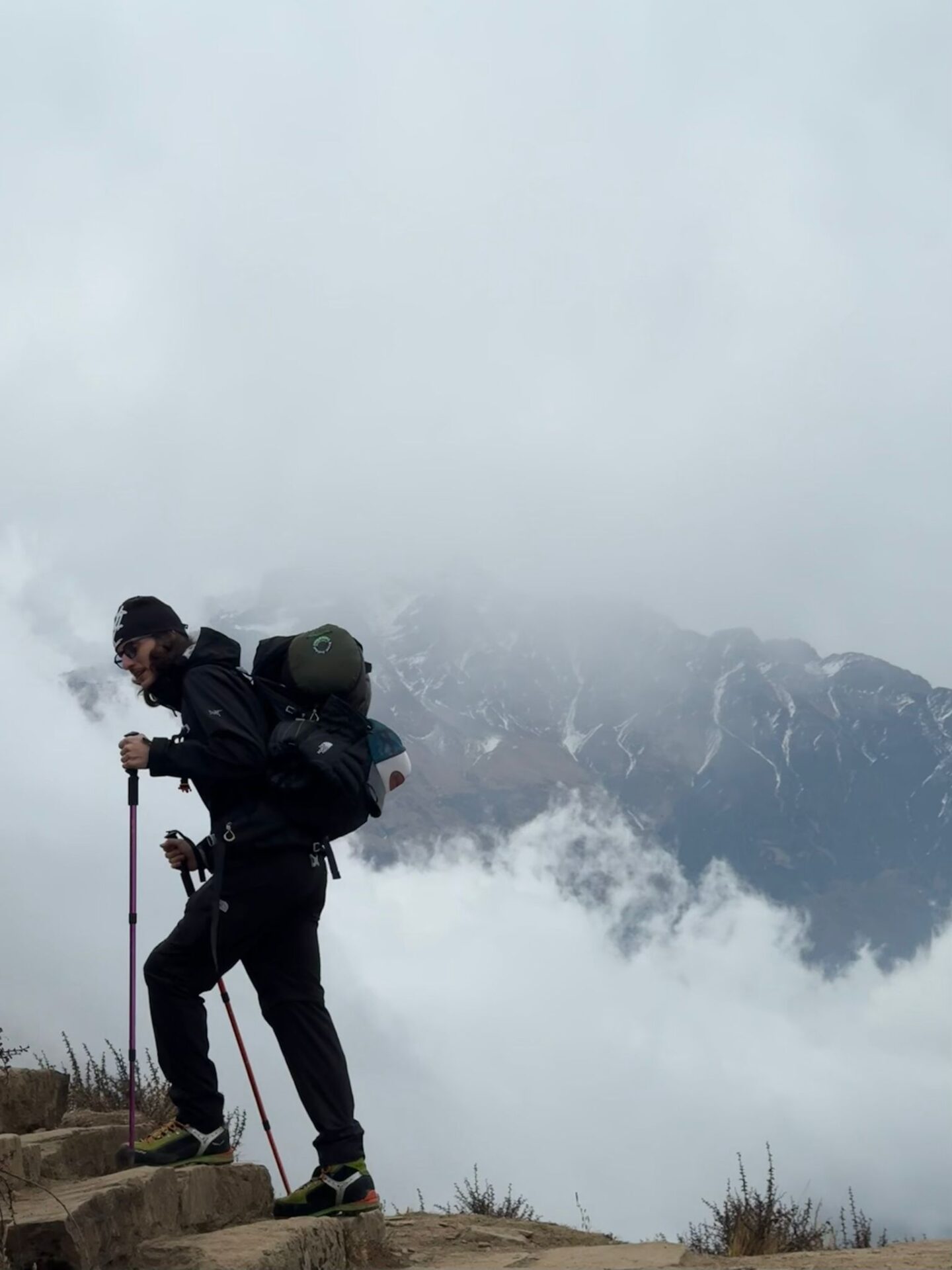
If you had ever dreamed about backpacking to Restricted Areas of Nepal Like Upper Mustang, Manaslu, Nar Phu Valley or Dolpo in the way you want to – just you, your bag, and the mountains. We have good news that can make your day.
Nepal has opened its previously restricted trekking regions to solo travelers now.
As of March 22, 2026, the rule that stops independent trekkers to trek in the restricted area of Nepal alone for decades is removed. No more tension of searching for a second person you have never met, just to satisfy a permit requirement. No more resigning yourself to a group tour that drag you along at someone else’s speed. No more watching these extraordinary destinations seem to stay just beyond your grasp because the system was not created for the way you travel.
The Government of Nepal and the Department of Immigration have listened to the voice of the solo travelers what they have been saying for years. This is the great news for the independent trekking community who has been waiting for. After reading this news, if your instinct tell you to open a new tab and start looking for a flights to Kathmandu. We don’t blame you.
Good News: Nepal Just Ended Its Decades Old Two Person Rule for Restricted Area Trekking
If you have ever tried to plan a solo trek into Upper Mustang, Dolpa or Manaslu region, you already know the frustration. You do the research, you book the flights, you feel ready and then someone tells you that you need a second person just to get the permit. Not for safety. Not for the Mountain. Just because the rule said. Well, that rule does not exist anymore.
These Announcement is landed on March 22, 2026, when Nepal’s Department of Immigration issued an official public notice confirming the policy change. The reform was the sustained, determined lobbying by the Trekking Agencies Association of Nepal (TAAN), which had been pushing for this change since at least November 2025.
Trekking Routes That Were Listed as Restricted Areas by Nepal Government
- Upper Mustang Trek
- Manaslu Circuit Trek
- Tsum Valley Trek
- Nar Phu Valley Trek
- Lower Dolpo Trek
- Kanchenjunga region Trekking
Beyond these top 6, there are other restricted trekking routes in Nepal that ought to be raved about. Among them is the Makalu Base Camp Trek which lies within the breathtaking Makalu Barun National Park and is lesser known, shockingly under visited and fully in line with Nepal’s restricted area permit system. The fifth tallest mountain on earth, wild cloud forests and primal glacial terrain make this one of the most satisfying routes in the country. Then there is Humla Simikot Limi Valley, arguably Nepal’s most remote and least explored restricted region. It lies in the extreme north – west where the roads literally end and here you will find ancient villages, sacred monasteries and glacier lakes, few travelers have ever reached. Unvarnished, silent, and profoundly authentic, these are trails that prove even Nepal’s best kept secrets still are up for grabs.
Why Has The Nepal Government Listed These Routes as Restricted Area?
Nepal welcomes trekkers almost every parts of it but certain regions along its northern border with China (Tibet) had a different story. These areas carry a restricted designation and there are genuine reasons behind it. The reasons behind it are:
The old rule has deep roots, it originated from the era of Khampa insurgency in the 1960s and 70s, when Tibetan fighters were active in the border highlands of Nepal. Restricting access to those northern areas was warranted in that political climate. In 2026, that historical context is considered outdated, and the rule has long been viewed as a hindrance to the tourism sector in Nepal without any real modern justification.
Why Nepal Finally Opened Its Restricted Area to Solo Traveler?
The reason is simple and honestly. While the restricted areas of Nepal are some of the most incredible places on the earth, the number of visitors to these regions was low, as the two person rule was silently discouraging independent travelers. One person trekkers were opting for other destinations. Remotely tourist dependent communities were sensing it. Local guides, teahouse owners and porters were losing livelihoods to a rule that seemed to belong to a bygone age.
Also the Trekking Agencies Association of Nepal (TAAN), pushes hard for the change and the government listened to them. Removing the two person minimum was not just a bureaucratic update. It was Nepal recognizing that the future of responsible, meaningful travel is increasingly independent. One traveler, moving at their own pace, guided by someone local, spending money directly in the communities they pass through, that is exactly the kind of tourism these fragile, protected regions need. Not crowds. Not buses. Just the right kind of traveler, finally given the permission to show up.
What’s New after Nepal’s Restricted Area Rules Change?
The rules have changed. But what does that really mean in practice? Here is what is truly different this time around and why that makes a difference.
Solo Travelers Can Now Apply Independently: The biggest change is simple. You do not need a second person to get a restricted area permit anymore. One traveler, one permit, one journey, all on your own schedule. The two person minimum that has been scaring off alone travelers for decades is no more.
Upper Mustang Just Became More Affordable: The previous fixed charge of USD 500 for 10 days has been changed with a flexible daily rate of USD 50. Trek for 6 days, pay for 6 days. For those visiting the area for less days which is a growing trend, due to the improved roads, that one change alone makes Upper Mustang a whole more reachable than it ever has been.
Permits System Has Gone Digital: Foreign Trekkers to these region now not need a stamped Nepal visa number to apply, the visa Application Submission ID is enough. You can start the process and pay for permits from the comfort of your own home before you even board your plane. But your physical Passport and Visa must still be presented in Kathmandu before the final permit is issued.
What Still Remains Same After this Change?
The two person rule is no more but that does not mean these areas are now open to the public. The structure that keeps them sheltered, secure and really worth the trip is still very much in place. And honestly, that’s a good thing.
Permits Still Go Through a Registered Trekking Agency: You cannot just go to a government office, hand over your passport and walk away with a permit to a restricted area. The procedure is still processed via a trekking agency registered with TAAN like us and that is the rule. It is because we are familiar with the terrain, the rules, and the people. We are not a middlemen. We are the system at work, as it should be.
Documents required for permits:
- Valid Nepal Visa
- Valid Passport
- 2 Passport Size Photo
- Travel Insurance Documents
A Licensed Nepali Guide Is Necessary: You have to trek with a licensed Nepali guide for every step that you take in a restricted area. That has not changed and it will not change. Beyond the legal requirement, this is simply good sense, these are remote, high altitude areas where local knowledge is not a luxury. It is a lifeline.
All Existing Permit Structures Still Apply: Permits for access to restricted areas and for conservation areas and fees for entering the national park, the entire system of permits is still same, just as before.
Travel Insurance Is Necessary: For trekking in these restricted area, a travel insurance is necessary for issuing the permit. We (trekking agency) are responsible for your safety and security in the trek. So, without travel insurance it is not possible to issue the permit by any travel agency.
Why a Licensed Guide Is Still Required In Nepal’s Restricted Areas?
Some independent travelers instinctively resist any mandatory requirement. As a trekking agency we honestly tell you why the guide rule still makes complete sense in restricted areas and why most solo trekkers end up grateful for it.
The Remoteness is Real in Restricted Area: Restricted areas such as Upper Dolpo and Humla may not see a single trekker for a whole day. Trails are less well defined, teahouses are less and rescue assistance is an order of magnitude slower to show up than in high traffic areas .A guide with real knowledge of this country is not a limitation, it is what separates a bad predicament from a life threatening one.
Risk of Altitude Sickness: The majority of restricted area trekking in Nepal has a base well above 4,000 m and passes, such as Larkya La (5,160 m) or Kang La (5,320 m) are serious altitude. An experienced guide identifies the early signs of altitude sickness, makes the call on when to stop, and is aware of what to do if an emergency arises. That decision, formed over seasons of high altitude guiding, is not something you can download.
Cultural Access: Many of the restricted areas in Nepal contain living Tibetan Buddhist communities which have been isolated from the outside world. A good local guide does more than just guide you along the trail, they translate conversations, explain ceremonies, decode the cultural landscape and open doors that would otherwise remain closed to a passerby.
For Rescue If Necessary: We (Trekking companies) are now legally responsible for emergency rescue operations under the new guidelines. That line of accountability relies on having a licensed guide on site who can evaluate a situation and know when to call. It is the structure that makes solo access responsible rather than reckless.
Districts of Nepal with Restricted Trekking Areas
There are 13 districts which is listed under Nepal’s restricted area trekking policy all lie on either Nepal’s northern or western borders with Tibet (China) or India. These districts are classed as restricted not because of geopolitics but because they harbor the most fragile environments and oldest cultures and sacred landscapes that the Himalaya have ever known. If your dream trek falls in any of these districts then you may require a Restricted Area Permit (RAP) processed through a TAAN registered agency like us and as of March 22nd, 2026 you can do restricted area trek as a solo traveler for the first time. Here are the districts:
- Mustang: Upper Mustang, Lower Mustang, Lo Manthang
- Dolpa: Upper Dolpo, Lower Dolpo, Shey Phoksundo
- Gorkha: Manaslu Circuit, Tsum Valley
- Manang: Nar Phu Valley
- Taplejung: Kanchenjunga Base Camp
- Humla: Limi Valley, Simikot
- Mugu: Rara Lake Region
- Darchula: Api Himal Region
- Bajhang: Remote Far Western Border Zones
The Best Restricted Area Treks Now Open To Solo Travelers
Upper Mustang Trek: An Ancient Kingdom
Once the Kingdom of Lo, Upper Mustang occupies a high altitude rain shadow desert lying north of the Annapurna range and it is unlike anywhere else on this planet. Red and ochre canyon walls, cave dwellings etch into cliff sides, walled medieval villages and Tibetan Buddhist culture that has endured with astonishing integrity. The permit fee reduction from USD 500 flat to USD 50 per day is a true game changer for budget oriented solo travelers.
- Best For: Trekkers who loves culture, landscapes and history rather than extreme altitude.
- Duration: 12 to 15 days from Jomsom
- Best Season: Spring and Autumn
Tsum Valley Trek: Nepal’s Most Sacred Hidden Valley
Open to foreign trekkers since 2008, Tsum Valley is one of the best kept secret in Nepal trekking. The Tsumba have preserved a deeply wholesome Buddhist existence here old monasteries, sacred pilgrimage paths and a cultural profundity that often leaves wanderers truly moved and silently transformed. Often done in conjunction with the Manaslu Circuit for an extended, more varied journey.
- Best For: Trekkers seeking culture and off grid discovery over high-altitude challenge.
- Duration: 8 to 12 days
- Best Season: Spring and Autumn
Nar Phu Valley Trek: Nepal’s Hidden Valley
Nar Phu lies just off the main Annapurna Circuit but seems like a world apart. It is quiet, even for a restricted area, just a tiny fraction of the visitors that other remote routes attract. Villages made of stone precariously perched above stunning gorges, a scenery that looks truly unspoiled, and a stillness that is becoming ever more elusive even in the trekking trails that are more popular in Nepal. Typically combined with the Annapurna Circuit for a 15 to 20 day trek.
- Best For: Experienced Trekkers who want maximum remoteness.
- Duration: 12 to 17 days
- Best Season: Spring and Autumn
Dolpo Trek: Nepal’s Most Remote Wilderness
This trek is made famous by peter Matthiessen’s, Dolpo is among the most isolated and spiritually charged places in all of Nepal. Separated by Outer Dolpo and the much yet more inaccessible Inner Dolpo, this is a trekking that requires real dedication in terms of physical stamina and planning. Shey Phoksundo Lake, one of the most stunning high altitude lakes in the world, lies in the center of the trail, with its unearthly turquoise water surrounded by cliffs and pine forests. Beyond it, is Shey Gompa, a traditional seat of Bon and Tibetan Buddhist life for centuries.
- Best For: Highly Experienced Trekkers who want maximum remoteness.
- Duration: 14 to 21 days
- Best Season: Spring and Autumn
Kanchenjunga Base Camp Trek: The Trek to the World Third Highest Mountain
Most trekking tourists are attracted to Everest or Annapurna. Very few reach Kangchenjunga and that is the whole point. The Kangchenjunga Base Camp trek leads you to the base of the world’s third tallest peak via some of the most biodiverse and unknown trails in Nepal. Mild rhododendron forests, alpine pastures, glacial moraines and Limbu and Rai villages of old make a trail that is as rich ecologically as well as culturally unique.
- Best For: Experienced Trekkers looking for the true off the beaten path
- Duration: 18 to 24 days
- Best Season: Spring and Autumn
Kanchenjunga North and South Circuit: The full Loop
For trekkers who want to go beyond, the full Kangchenjunga circuit (joining the North and South Base Camps) is a complete Himalayan expedition in itself. The circuit crosses the Sele La and Mirgin La passes, (being able to enjoy panoramic views of the Kangchenjunga massif from several perspectives) through rhododendron forests red and pink in bloom in spring and through isolated hamlets where trekkers remain curiosities, not routine.
It is tough to organize and needs good acclimation but gives a feeling of genuine accomplishment that is becoming harder and harder to find on more easily reached paths.
- Best For: Very fit experienced Trekkers seeking a full expedition style circuit
- Duration: 24 to 28 days
- Best Season: Spring and Autumn
Limi Valley Trek: Nepal’s Last Greatest Secret
This trek is situated in northwestern Nepal bordering Tibet in Humla district, without doubt the Limi Valley is most secluded restricted trekking area in the country. Three isolated villages – Til, Halji and Jang, rest in a high desert valley so that many trekkers who have done every other restricted route in Nepal have never even heard of it.
The area looks unmistakably Tibetan: large swaths of open land, old monasteries nestling hillsides, yak herders slowly traversing the plateau and an utter stillness that evolves into something you find yourself actively noticing. Halji Monastery, thought to be over a thousand years old is one of the finest religious sites in the area but sees at most a handful of visitors in any season.
- Best For: Trekkers who wants the most remote and untouched restricted area experience in Nepal.
- Duration: 16 to 22 days
- Best Season: Spring and Autumn
Best Trekking Agency for Restricted Area Trekking in Nepal
If you have read this far in the blog, you already know that restricted area trekking in Nepal is not something to be arranged casually. The permits are layered, the routes are remote, the altitudes are serious and the margin for bad planning is thin. You need an agency that actually knows what it doing, not one that is figuring it out alongside you.
Nepal Holiday Treks and Tours is a trekking agency located in Kathmandu and registered with the Government and Trekking Agency Association of Nepal (TAAN). We have been organizing the restricted areas in Nepal untouched wilderness region for many years and trekking in restricted areas is the heart of what we do. Every route we offer is a route we have walked, planned and tested on the ground, not just copied from a brochure.
Here is what we take care of when you trek with us:
Full permit processing: Restricted Area Permit (RAP), TIMS card, national park and conservation area fees, all handled on your behalf.
- Local, licensed and well experienced guides: We offer local, licensed and well experienced guide who speak the local language, know the terrain and the cultures you will encounter along the way.
Complete Solo Traveler Support with Nepal’s New 2026 Policy: Your itinerary, your pace, your journey
All pricing is Transparent and Itemized, so there is no surprises: You will know exactly what you are paying for before you sign up. - Emergency rescue Responsibility: We are legally responsible for your safety in the field as a registered agency, and we do not take that responsibility lightly.
- 24/7 Support: Restricted area trekking involves isolation, altitude and poor connectivity. If there is a matter that needs addressing such as a permit matter at a checkpoint, a weather change, or an emergency, our team in Kathmandu will be available 24/7. Your guide on the trail and our Kathmandu office remain in communication for the duration of your trek, so if anything should arise, it will be taken care of quickly. You are trekking solo but you are never trekking unsupported when you trek with us.
Frequently Asked Questions (FAQs)
Can I trek in Nepal’s restricted areas without a guide in 2026?
No, although the two person rule is gone, trekking with a licensed Nepali guide remains compulsory in all restricted areas.
How Do I Get a Restricted Area Permit in Nepal?
The permit for restricted areas in Nepal is not available for direct purchase from the government office. They have to be obtained through a registered trekking agency with TAAN registered.
How much does a restricted area permit cost in Nepal?
The cost of permits differ from route to route. Upper Mustang is now USD 50 per day after the fee restructure in 2026, down from the flat rate of USD 500 for 10 days. Manaslu Circuit permits are around USD 100 a week. Dolpo permits are also USD 50 a day. Additional national park/conservation area fees are applicable on all routes in addition to the restricted area permit.
Is travel insurance mandatory for restricted area trekking in Nepal?
Yes, travel insurance is mandatory for the issuance of a Restricted Area Permit. None of TAAN’s registered agencies will be able to process your permit without your travel insurance.
What is the difference between a restricted area permit and a normal trekking permit in Nepal?
A normal trekking permit caters for the well-trodden along open trekking routes like Everest Base Camp and Annapurna Circuit. A Restricted Area Permit (RAP) is a separate and additional permit needed for certain border areas that have been granted special protection status. Restricted area treks need both the RAP and the regular permits, you cannot use just one.
Which restricted area trek is best for the first time high altitude trekkers?
Upper Mustang and Tsum Valley treks are the easiest treks of the restricted area for trekkers new to high altitude. No less spectacular than Manaslu or Dolpo with their extreme passes and neither requiring the same level of preparation, these two routes traverse really extraordinary culture. Nar Phu Valley and Manaslu Circuit are recommended for trekkers who have prior experience of the Himalayas.
How far in advance should I book a restricted area trek in Nepal?
We recommend to make reservations 4 to 8 weeks prior to where spring season (March to May) is the high season for trekking. Permits, guide arrangements and teahouse reservations in remote areas all take time. For extended, complicated trips such as Dolpo or Limi Valley, book 2 to 3 months in advance to get the best options.
Can I combine two restricted area treks into one trip?
Yes and several combinations also make for great trips. Tsum & Manaslu Circuit can be merged and considered as a typical 20 – 25 days trip. Nar Phu Valley naturally links with the Annapurna Circuit for a 15 – 20 day trek. KANCHENJUNGA NORTH and SOUTH BASE CAMPS along the full circuit can be done.
Can I apply for a Nepal restricted area permit online from my home country?
Yes and this is one of the best improvements brought along by the 2026 policy update. You do not need to be in Nepal to begin your permit application process any more. With your visa Application Submission ID, you can now pay the fees and submit your documents from home, well before you get on the plane to Kathmandu.
What is the maximum group size for restricted area trekking in Nepal?
With 2026 policy, one licensed guide can only take maximum of 7 trekkers at a time. If your group is more than 7, you will require a second guide and separate permit. This regulation was enacted by the Immigration Department in order to enhance safety surveillance in isolated and high altitude areas.
What happens if I need emergency rescue during a restricted area trek?
Under the 2026 Nepali trekking regulations, the registered trekking agency is responsible for any rescue operations. If a helicopter evacuation is required anywhere along the trail, the agency that scheduled your trek is fully responsible to make that happen and that is exactly why booking through a properly registered and experienced agency like us is nonnegotiable in those parts.
Related Blogs
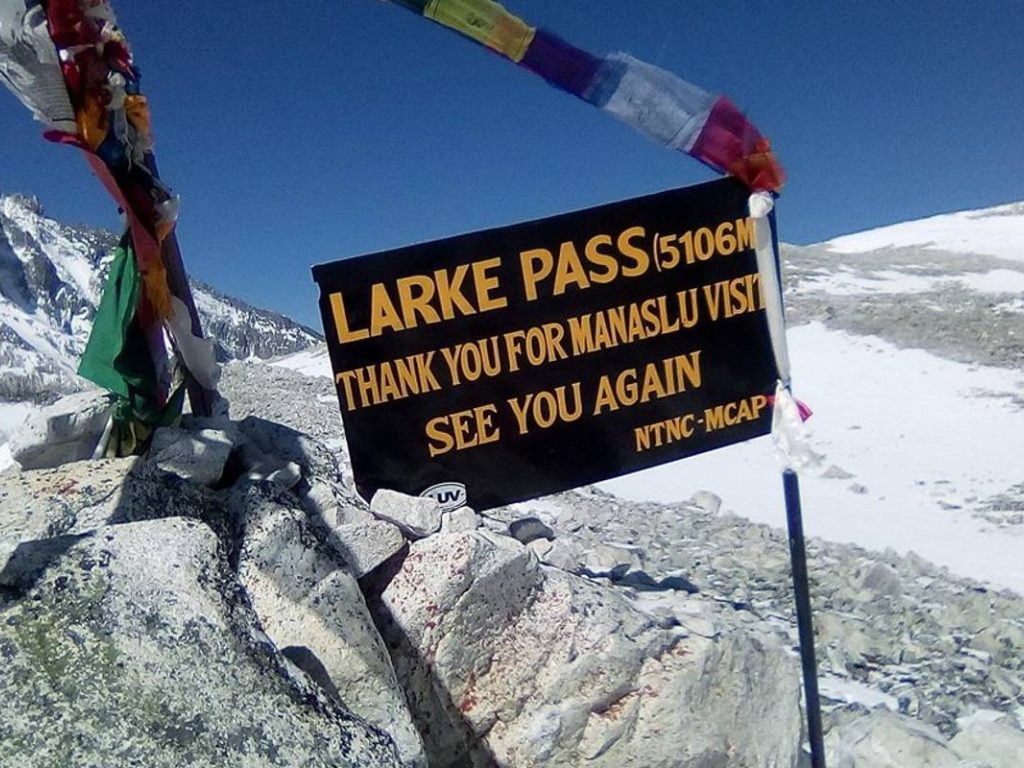
Manaslu Trek via Larke Pass Trek FAQs
Introduction The Manaslu Trek via Larke Pass is a remote Himalayan adventure around Mount Manaslu, the world’s eighth-highest mountain. The route passes through traditional villages, Buddhist monasteries, dramatic valleys, and high mountain landscapes before crossing the challenging Larke Pass. These FAQs cover the route, permits, difficulty, altitude, best time, accommodation, cost, preparation, and other practical […]
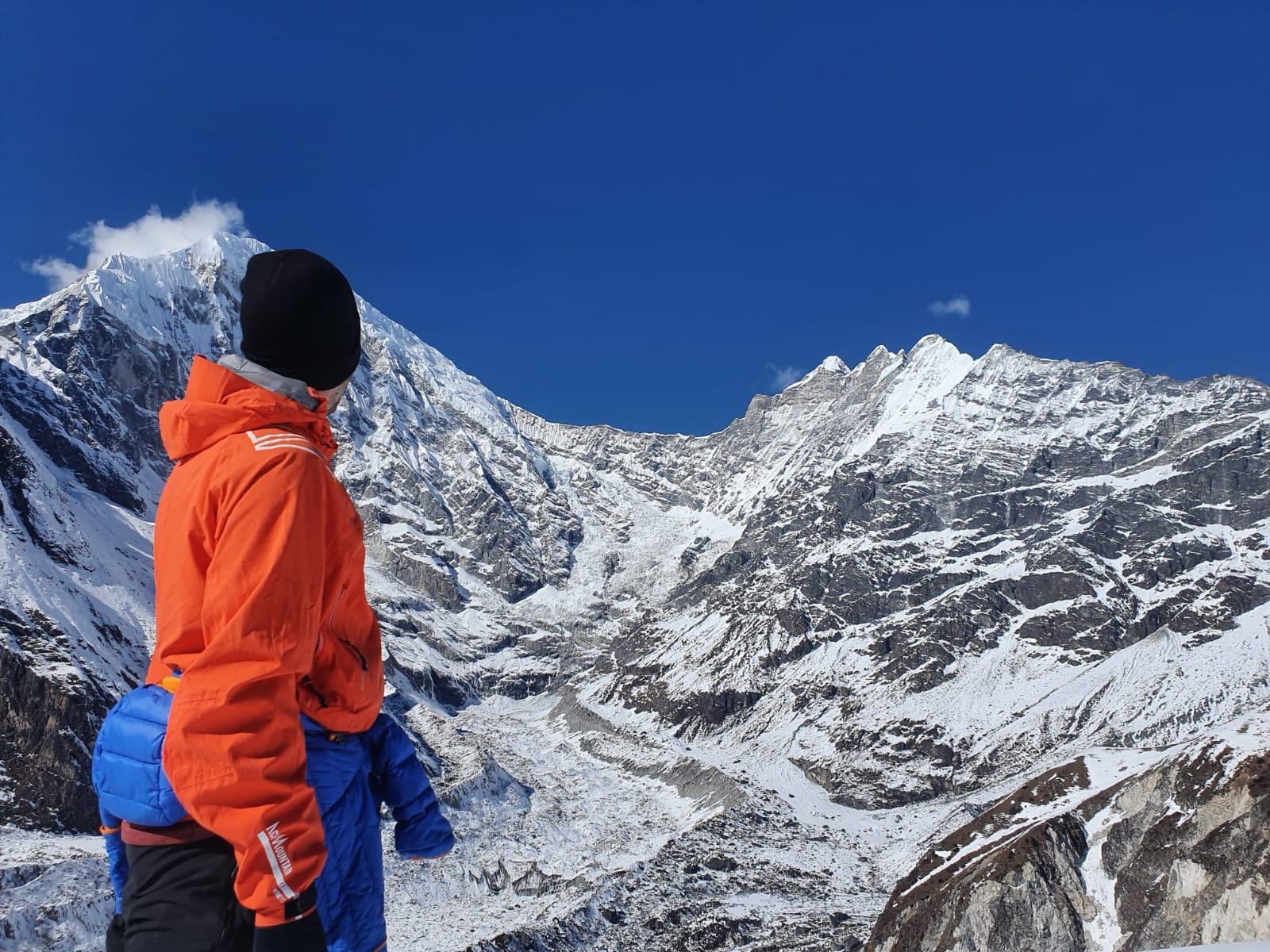
Langtang Valley Trek – Frequently Asked Questions
Introduction Planning a Langtang Valley Trek often comes with questions about the route, difficulty, altitude, permits, best season, accommodation, food, transportation, and preparation. This FAQ guide answers the most common questions trekkers ask before visiting the Langtang region. The Langtang Valley Trek takes you from the lower hills toward Kyanjin Gompa through forests, Tamang villages, […]

Namche Bazaar: The Heartbeat of the Everest Region
Ask any trekker who has walked to Everest Base Camp and most of them will tell you the same thing. It’s just not a random village in the Khumbu region. Namche Bazaar is the town that stays in your heart forever. It is the heart of Khumbu, where you can get luxury services with backdrop […]