
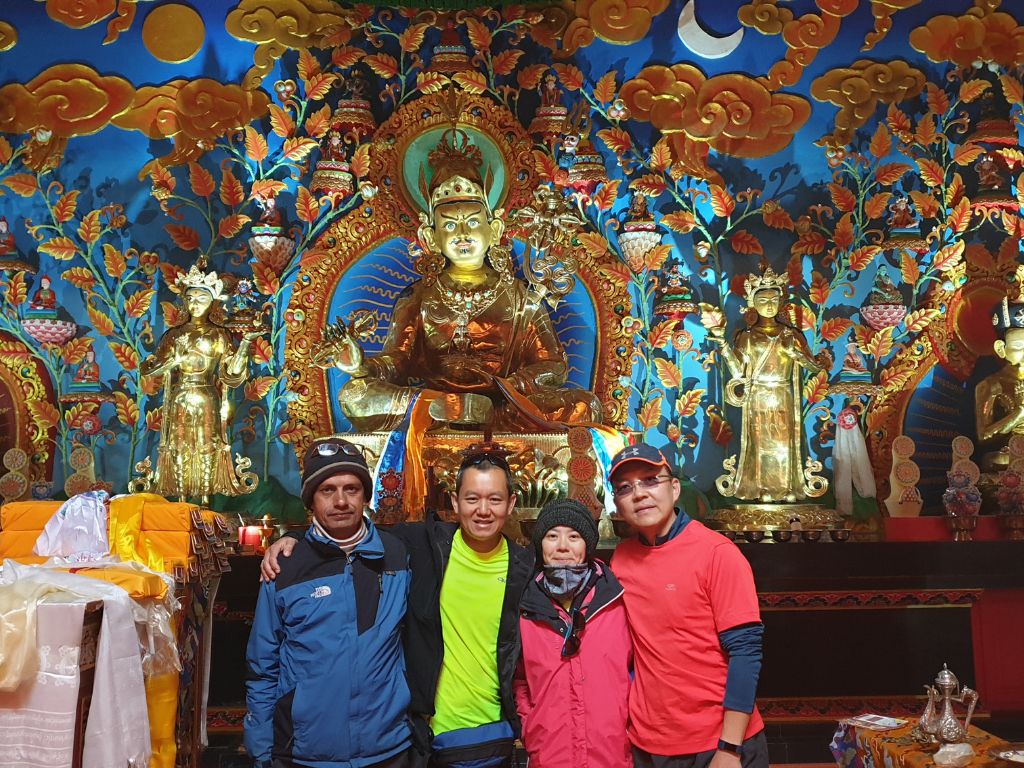


Manaslu Larke pass with Tsum Valley Trek Overview
If you have been dreaming of a Himalayan trek that goes far beyond the typical tourist trail, the Tsum Valley and Manaslu Larke Pass trek is exactly what you are looking for. This 20 day journey takes you deep into one of Nepal’s most sacred and least visited valleys, then carries you up and over the legendary Larkya La Pass at 5,160m which is one of the most dramatic high altitude crossings in the entire Himalaya.
The tsum Valley is tucked against the Tibetan border north of Manaslu was only opened to trekkers in 2008. The Tsumpa people here live by centuries old Tibetan Buddhist traditions. Ancient monasteries like Mu Gompa and Rachen Gompa cling to cliff sides, prayers flags snap in silence and the landscape shifts from lush gorges to barren alpine ridges. You are not just trekking, you are stepping into a world most beautiful valley most people never get to see.
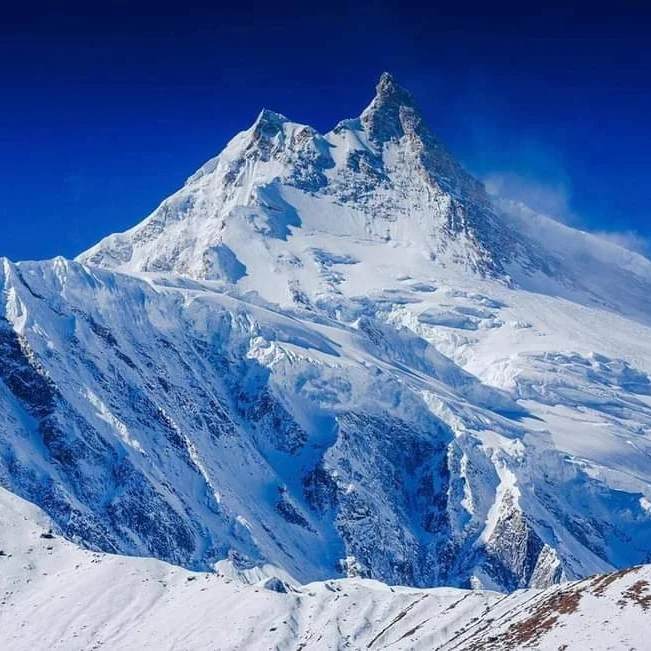
After exploring Tsum Valley the route rejoins the classic Manaslu Circuit and build toward the grand finale, crossing Larkya La Pass with jaw dropping views of Manaslu, Himlung, Cheo Himal and Annapurna II spread across the horizon.
This is a challenging, rewarding and genuinely life changing trek. If you have 20 days and the legs for it, you will not regret a single step.
Best Time to Trek Manaslu Larke Pass with Tsum Valley
Autumn (September to November): This is the most popular window. The monsoon has cleared by late September, skies turn a deep blue and mountain views are at their sharpest. October is the sweet spot with stable trails, perfect temperatures and the best visibility of the year.
Spring (March to May): This is our second recommendation. Rhododendron forests blaze with color in the lower valleys and the weather is generally warm and settled. Snow on Larkya La is manageable by mid-March, though early season crossing can be more demanding.
Winter (December to February): It is possible to trek in the season but cold and challenging. The Larkya La can be blocked by heavy snow and some teahouses in Tsum close for the season. Only experienced cold weather trekkers should attempt this.
Monsoon (June to August): This season is not recommended for trekking. Leeches are rampant in the lower forests, landslides can close sections of trail and the mountain views are almost completely hidden behind cloud.
Difficulty and Fitness Level Required
This is a moderate to challenging trek. It is not a technical climb but it is a serious Himalayan undertaking. The combination of long daily distances, significant elevation gain and remote teahouses conditions means you need to arrive prepared.
Several days involve 7 to 9 hours of walking on steep, uneven terrain. The Ganesh Himal Base Camp hike (Day 10) and the Larkya La Pass crossing (Day 18) are the two most physically demanding days and both start early and involve big elevation changes.
Altitude is the other key factor. You will be sleeping above 4,000m from day 17 onward and crossing a 5,160m pass. Altitude sickness can affect anyone regardless of fitness, so the itinerary is paced with built-in acclimatization.
Talking about your fitness level required in this trek, you should be comfortable hiking 6 to 8 hours a day on consecutive days before attempting this trek. Prior experience at altitude is helpful. Train with a loaded daypack, focus on cardiovascular endurance and take hill and stair training seriously in the months before you go.
What to Except on the Manaslu Larke Pass with Tsum Valley Trek
No two days on this trek feel the same. You will walk through steamy river gorges, cross swaying suspension bridges, pass ancient monasteries and climb toward snow-covered passes, all in the same 20 days. The trails are raw and real, the villages are genuinely off the tourist radar and the people you meet along the way – from Tsumpa monks in Tsum Valley to yak herders in Samdo, make the experience feel like something you couldn’t plan even if you tried. Yes, the altitude will test you. Yes, some days will be long and hard. But the moment you stand on Larkya La Pass at 5,160m with Manaslu, Himlung Himal and Annapurna II blazing in the morning light around you, every tough step makes complete sense. This is not a crowded, hand-held trek. It is a proper Himalayan adventure through one of Nepal’s last truly untouched regions. Come fit, come curious and come ready to be genuinely moved by what you find out here.
Why choose us for the Tsum Valley and Manaslu Larke Pass Trek
There are plenty of trekking agencies in Nepal. So why trek with us?
Because we are not a booking platform or a middleman. We are a locally owned, government registered trekking agency based in Kathmandu with years of hands on experience organizing treks in the Manaslu region, Tsum Valley, Annapurna and Everest. When you book with us, you are working directly with the people who will actually plan, organize and run your trek, not a third party who outsources everything.
Here is what makes us difference:
- We know this trek better than anyone
- 100 percent licensed and government registered
- Your safety is Our Top priority
- We handle every single detail
- Honest and transparent pricing
- We provide sleeping bag
- Emergency rescue ready
- Responsible and sustainable trekking
- Fully customizable itinerary
Outline Itinerary
Day 01: Drive to Machha Khola (869m) – 7-8 hrs
Day 02: Trek to Jagat (1340m) – 6-7 hrs
Day 03: Trek to Lokpa (2240m) – 5-6 hrs
Day 04: Trek to Chumling (2386m) – 4 hrs
Day 05: Trek to Chhekampar (3031m) – 4-5 hrs
Day 06: Trek to Nile (3361m) – 3.5-4 hrs
Day 07: Trek to Mu Gompa & return to Nile (3700m) – 5-6 hrs
Day 08: Trek to Rachen Gompa (3240m) – 1.5 hrs
Day 09: Trek to Gumba Lungdang (3200m) – 7-8 hrs
Day 10: Trek to Ganesh Himal Base Camp & return to Gumba Lungdang (3200m) – 7-8 hrs
Day 11: Trek to Lokpa (2240m) – 5-6 hrs
Day 12: Trek to Ghap (2397m) – 9-10 hrs
Day 13: Trek to Lho (3180m) – 7-8 hrs
Day 14: Trek to Samagaon (3520m) – 4-5 hrs
Day 15: Acclimatization & Rest Day at Samagaon (3520m)
Day 16: Trek to Samdo (3875m) – 3-4 hrs
Day 17: Trek to Dharmasala (4460m) – 3-4 hrs
Day 18: Trek to Bhimthang via Larkya La Pass (3590m) – 7-8 hrs
Day 19: Trek to Tilje (2300m) – 5-6 hrs
Day 20: Drive back to Kathmandu.
Manaslu Larke pass with Tsum Valley Trek Highlights
- Walk through the sacred Tsum Valley
- Visit Mu Gompa, a 400 year old cliff monastery at 3,700m and one of the most sacred sites in the entire Tsum Valley.
- Explore Rachen Gompa, an ancient nunnery with extraordinary views
- Day hike to Ganesh Himal Base Camp
- Panoramic views of Manaslu (8,163m), the world’s eighth highest mountain
- Cross the iconic Larkya La Pass (5,160m) with sunrise over a sea of Himalayan giants
- Trek through Tibetan-influenced villages of Samagaon and Samdo
- Rich flora and fauna in the Manaslu Conservation Area
- Encounter Mani walls, prayer flags, monasteries and ancient trading routes throughout
Manaslu Larke pass with Tsum Valley Trek Itinerary
Expand allDay 1: Drive to Machha Khola (869m) – 7-8 hrs
In the first day, we set out on a 160 km journey east of Kathmandu. Our route takes us past the Trishuli River. We stop for lunch at Jyamire after a few hours. The path to Machha Khola has some paved and unpaved parts, about 30% is not paved.
We resume driving after lunch. Our drive takes about seven hours. We go through villages and cross Arughat, Soti Khola, before we get to Machha Khola.
Day 2: Trek to Jagat (1340m) – 6-7 hrs
As we follow the Kali Gandaki Gorge towards Khorlabesi, get ready for another exciting mountain day. Before continuing our journey, we arrive at Tatopani, a natural hot spring, which is the ideal place to unwind.
After that, we travel uphill to Dobhan Ridge, where we traverse an exhilarating suspension bridge. We might catch a glimpse of Langur monkeys in the nearby forests as we climb to Tharo Bharyang. The day’s journey comes to an end with a quick stroll to Jagat.
Day 3: Trek to Lokpa (2240m) – 5-6 hrs
Now stepping into Manaslu’s restricted zone, we handle all required forms first. Hiking onward, the path leads through Salleri then rises toward Philim. As we leave Ekle Bhatti behind, elevation takes over the climb continues to Lokpa. There, river traffic slows; the Syar meets the route, guiding us into Tsum’s first village. When darkness falls, movement returns – walking trails at dusk reveals how Lokpa hides within its quiet valley, said by locals to carry Padmasambhava’s ancient favor.
Day three kicks things off for the Manaslu Tsum Valley Trek. Following a bridge, the path begins a slow climb upward. It takes roughly three hours to arrive at Philim. Here, you will find a control point for permits along with basic services like banks and eateries. These places serve food – both familiar to Nepal and known abroad – for those staying overnight. After another hour, we reach Chisapani – the Bhotekoshi River stretches out before us in a clear sight. From here, it is just two hours more along a steady though mildly ascending trail to Lokpa, finishing today’s path.
Day 4: Trek to Chumling (2386m) – 4 hrs
Above us, the sky lights up – Himalchuli and Baudha rise early, sharp and gray. From Lokpa, moving toward Saradi Danda, the path stays quiet, soft underfoot. Now and then, thick foliage closes in, trees pressing close to the slope.
After no break for lunch along the way, we keep moving downward for roughly two hours over an uneven slope. Reaching Chumling means pausing at last – feet settled, belly filled.
Day 5: Trek to Chhekampar (3031m) – 4-5 hrs
Down the trail today feels light on effort, moving through mountain folds under open sky. A hanging bridge gets us started – then just a few hundred steps to Tanju, where a gompa waits with vistas stretching to Ganesh and Baudha peaks.
After that, movement shifts toward Upper Tsum Valley – taking about two hours on foot. Getting closer, massive slate cliffs at Chhekampar rise dramatically into view.
Day 6: Trek to Nile (3361m) – 3.5-4 hrs
Now, picture us stepping into the Upper Tsum Valley – its charm and deep traditions unfolding around us. Moving forward, we go north, the path unfolding across broad, even ground. Beyond that stretch lies Lama Gaon, then Burji, each step revealing more of the scenery. Through the journey, villages appear quietly, green farms dot the slopes, while ancient stupas rise at intervals.
From there, we head to Milarepa’s Cave – sometimes called the Pigeon Cave – then continue on to Chi Phu. A short distance later, we arrive at the Nile. Therewe visit the Rachen Nunnery: it houses a little classroom that teaches kids what life ahead might hold.
Day 7: Trek to Mu Gompa & return to Nile (3700m) – 5-6 hrs
Day two in Tsum Valley brings us a long hike – about two and a half hours – to Mu Gompa, perched high above the surrounding landscape. Through quiet trails we arrive at the monastery, where traditions come alive in ways both subtle and profound. Later, we make our way to a nunnery built nearly nine centuries ago, standing tall at 4,000 meters. From there, the skyline opens to reveal the majestic form of Ganesh Himal stretching across the western horizon.
Near the top of the Tsum Valley sits Mu Gompa, its stone walls housing more than two hundred young nuns who come to learn and grow. This place becomes their classroom, where daily routines mix with study and quiet devotion. Though travelers are welcome inside, sharing meals and rest, tonight we move back to the Nile tea house per our original plan.
Day 8: Trek to Rachen Gompa (3240m) – 1.5 hrs
Down we go, leaving behind those amazing days in the high Tsum Valley. After a full morning meal, the group moves along the streambed at Phurba, following the winding trail below Siyar Khola. Soon enough, we reach Rachen Gompa – a place held quiet by tradition, yet alive with meaning.
Day 9: Trek to Gumba Lungdang (3200m) – 7-8 hrs
Now here we go, heading down toward those mountain ranges, passing over ground we’ve already been on. The landscape unfolds slowly as we move, pausing later at a place called Gho to eat. Once done, there is just enough time to look around before starting off once more toward where we mean to stay overnight.
Early light finds us tracing the path we took before, arriving once more at Chumling. Then comes the climb – a trail that rises steadily toward Gumba Lungdang, ending in quiet beauty after long steps.
Day 10: Trek to Ganesh Himal Base Camp & return to Gumba Lungdang (3200m) – 7-8 hrs
Sunrise begins what might become the toughest stretch on foot so far. A dirt path leads upward through air thinner than before, far from lower elevations.
Hours past, beyond Laudang, we arrive at Kharka – wide open ground stretching out – leading onward toward Ganesh Himal Base Camp. High above, at 4,800 meters, the scene feels like something pulled from a dream. Around us rise giant mountains, close enough to touch. Once done there, we return along the same path toward our teahouse in Gumba Lungdang, staying there through the night.
Day 11: Trek to Lokpa (2240m) – 5-6 hrs
Starting from the foot of the range, we move downward as the altitude drops. Early light finds us walking backward through the trails, returning toward Gho. From there, the path leads further along the Shiar River until we arrive at Dhumje.
Up top, the path climbs lightly under pines until reaching Gumba Lungdang. After hours, descent leads into Lokpa village, marking one more fulfilling stretch of our travel.
Day 12: Trek to Ghap (2397m) – 9-10 hrs
Downward the path goes, reaching the Budi Gandaki River early. From there it rises again, entering thick woods right away. Arriving at Deng soon – this village sits among tall bamboo trees, quiet and old.
After that, the path rises again to Bhiphedi – just a short stage before turning toward Ghap. There, we finish walking for now.
Day 13: Trek to Lho (3180m) – 7-8 hrs
Following breakfast, we embarked on a journey through a thick forest, traversing multiple rivers.
We soon arrive at Namrung village, which signifies the beginning of the Nupri region, which is inhabited by Tibetan descendants. Before reaching the charming Tibetan village of Lho, where the rich culture and breathtaking views of the mountains enhance the experience, we continue past tiny Gombas
Day 14: Trek to Samagaon (3520m) – 4-5 hrs
Before starting our day, we awaken to stunning views of Manaslu. Following breakfast, we travel a short distance to reach Shyala village, passing through potato fields and offering breathtaking views of Manaslu and Himalchuli in the distance.
Locals who depend on farming and animal husbandry live in the traditional homes that line the route. We reach Sama Gaon, where two rows of homes greet us after several hours of walking uphill. The village is clearly near the Tibetan border, and the monastery here has significant cultural value.
Day 15: Acclimatization & Rest Day at Samagaon (3520m)
After weeks of hiking, today is a well-earned day to unwind. On our way to Kargyu Chholing Monastery, a 500-year-old site known for its elaborate woodwork, we encounter herds of yaks and dzopkyos as we explore the area. Here, we can admire the eight temple structures that depict Guru Rinpoche.
We can hike to Birendra Tal, which is next to the Manaslu Glacier, for additional adventure, or we can continue on toward the Manaslu Base Camp for stunning views of the mountains. Another choice is to go to Pungyen Nunnery and then explore the surrounding rivers and caverns before heading back to our lodge in Sama Gaon.
Day 16: Trek to Samdo (3875m) – 3-4 hrs
In the morning we head to the village of Samdo. We cross the Budi Gandaki River again. The walk, to the village of Samdo takes around 3 to 4 hours.
We see beautiful views and nice green fields where the people who live there grow their food. The village of Samdo is a place to see these things.
As we get close, to Samdo the path goes down slowly so it is not hard to walk. We do not have to walk a way today so we will eat lunch when we get to Samdo. This gives us a lot of time to rest and look around the village of Samdo. We can take our time. Really see what Samdo has to offer.
Day 17: Trek to Dharmasala (4460m) – 3-4 hrs
The trail from Samdo starts by going through pastures where yaks live and open fields. You will see beautiful views of the mountains around you like Mando and Larke Peak and also Manaslu. The Samdo trail goes up slowly so you have a lot of time to look at the mountains and fields, around you the trail has a lot of space to admire the mountains and the alpine scenery of the Samdo trail.
As you go higher the path gets really rocky. There is not much around. You will come across streams and you have to cross these using wooden bridges. The area has a lot of prayer flags, chortens and Mani walls which makes the spiritual atmosphere of the area really strong. The trail goes up the hill. It is not too bad if you walk at a steady pace the trail is okay to walk on because the Mani walls and prayer flags and chortens are all, around the trail.
You will finally get to Dharmasala. Dharmasala is also called Larke Phedi. This place is where people stay when they want to cross the Larke La Pass the day. The town of Dharmasala is really small. There is a tea house, in Dharmasala where you can eat and sleep.
Day 18: Trek to Bhimthang via Larkya La Pass (3590m) – 7-8 hrs
The day starts early as we leave Dharmasala when the sun comes up.We begin walking. The trail goes up and up over rough ground and curvy paths.The trail gets really steep as we get closer to Larkya La Pass.As we walk we have to cross rocks that were made by glaciers and loose rocks that can be slippery.Sometimes we even see snow when we are really high up on the mountain.
The trail is pretty tough because of the snow and the loose rocks, at elevations of Larkya La Pass.As we go up we see amazing views of Himlung Himal, Cheo Himal, Kang Guru and Annapurna II. When we get to Larkya La Pass, which’s one of the highest points of the trek we stop for a bit to look at the beautiful surroundings. Then we start going down. The path down is steep and rough so we have to be careful where we step.
After a while the path starts to change. We see alpine landscapes with lots of shrubs and meadows. The views of Himlung Himal, Cheo Himal, Kang Guru and Annapurna II are still really beautiful as we walk through these landscapes. As we get close to Bhimthang, the scenery around us changes. We see lots of rhododendron and pine trees. The Bhimthang scenery is really beautiful with streams and green pastures. This is a place to rest after our exciting journey, to Bhimthang.
Day 19: Trek to Tilje (2300m) – 5-6 hrs
The trip from Bhimthang to Tilje is really beautiful. You walk through forests and see rivers and old villages that are very pretty.When you start going down from Bhimthang to Tilje you go through forests that have pine and rhododendron trees. This is a change, from what you saw before.We are walking past Yak Kharka. The mountain views are really beautiful. We see a lot of yaks eating grass in the meadows.We follow the Dudh Khola River. The trail takes us over streams. We cross these streams on bridges. This is very exciting.
The forest is getting thicker with trees like rhododendron and pine and oak. We are arriving at Gho Village. It is a quiet place. We can rest here. Have a nice hot meal.From Gho Village the trail goes through fields, with terraces. These fields lead us to Tilje. Tilje is a village. It has a lot of teahouses where people’re very friendly.
Day 20: Drive back to Kathmandu.
We begin our trip back with a drive from Tilje to Besishar. This drive is really pretty because we pass through scenery and old villages.
From Besishar we go to Kathmandu. The Marsyangdi and Trishuli rivers are, along the way. We follow the rivers as we drive to Kathmandu. The roads are windy. Follow the riverbanks of the Marsyangdi and Trishuli.
We have been driving for a time and now we are finally, in Kathmandu. You can relax in Kathmandu. Have a nice time staying in a place that has everything you need. You will have to pay for the things you want to use in Kathmandu
If the above Manaslu Larke pass with Tsum Valley Trek itinerary does not meet your needs, we can design individualized travel plans based on your preferences and specifications.
Plan My TripManaslu Larke pass with Tsum Valley Trek Cost Includes
- Three meals a day- Breakfast, Lunch, Dinner and 3 Cups of tea or coffee a Day during the trek.
- Accommodation in tea house during the trek private room.
- Fresh fruits after dinner every night as dessert during the trek.
- From Kathmandu to Machha khola by local bus and Dharapani to besisahar by local jeep and besisahar to Kathmandu by local bus.
- Manaslu Special Permit, Manaslu conservation area permits & Annapurna conservation area Permits & Local Government Permits.
- Nepal Holiday Treks and Tours, (-20 degree sleeping bag) and a duffel bag for the trekking carry by porter and after trek you need to refund to the office.
- A highly Experience, helpful, knowledgeable, friendly, English speaking well trained, government license holder Guide with all his salary, food, Drinks, accommodation, equipment, transport, and insurance.
- A strong, helpful, porters with proper safety equipment and walking equipment his salary, food, drinks, accommodation, insurance, (one porter for two people he will carry bag pack max 20-25kg).
- You will be under observation with a pulse oximeter to have your oxygen levels and heart rate measured twice a day during the trek. This is to catch the signs of Altitude Mountain Sickness (AMS) early, thus making trekking safer.
- Normal First aids kit box.
- Arrangement of Emergency helicopter service (paid by your travel insurance company).
- All taxes and company service charges.
- Nepal Holiday T-shirt & Trekking Map.
Manaslu Larke pass with Tsum Valley Trek Cost Excludes
- International airfare and visa fees.
- Accommodation and foods in Kathmandu.
- Airport pickup and drop service.
- Personal expenses of bar and beverage bills, Wi-Fi, hot shower, bottle of water, extra porters, laundry or any other things which are not mentioned by the company.
- If you want From Kathmandu to Machha Khola & Besishar to Kathmandu by Private Jeep have to pay Extra cost.
- Your trekking gears and extra nights in a certain destination.
- Your travel insurance which should include the emergency rescue.
- Tips for your guide and porters which is compulsory.
- Extra expenses due to any event such as strikes, weather conditions, or flight delays.
Manaslu Larke pass with Tsum Valley Trek Additional Info
Food and Accommodation
Where you will sleep?
This is a full teahouse trek from start to finish. No tents, no camping, just locally owned lodges nestled in mountain villages along the route. And honestly, that is one of the best parts. You are not isolated in a campsite, you are sleeping inside real communities, sharing warmth with locals and fellow trekkers after a long day on the trail.
In the lower and middle sections of this trek, teahouses are comfortable with clean private rooms and basic amenities. As you climb higher, especially at Dharmasala (4,460m), expect things to get more basic. Simple wooden rooms, shared toilets and cold or bucket showers are the norm up high. It is part of the experience and after a big day in the mountains, even a thin mattress feels like a luxury.
A good sleeping bag is essential throughout the entire trek regardless if season and we will provide that for you free.
What you will eat?
The food on this trek is simple, hearty and genuinely satisfying. Dal bhat, the classic Nepali meal of lentil soup, rice and vegetable curry available everywhere and is hands down the best fuel for high altitude trekking. Most teahouses also serve noodle soups, fried rice, pasta porridge, eggs and pancakes.
Vegetarian options are available at every stop. We strongly recommend sticking to vegetarian food above 3,500m in remote areas, the freshness of meat can’t always be guaranteed and your stomach will thank you for playing it safe.
Treat yourself to a hot bowl of soup or a cup of ginger tea after a cold day on the pass. Small things feel enormous up there.
Drinking Water
Never drink tap water on this trek. Stick to boiled, filtered or bottled water available at all teahouses along the route. To cut down on plastic waste and save a little money, always carry a quality water filter or purification tablets as a backup. Staying well hydrated is one of the most important things you can do to prevent altitude sickness, so drink more water than you think you need, every single day.
Permits Required for Manaslu Larke Pass with Tsum Valley
The Tsum Valley and Manaslu region is a restricted trekking area, meaning independent trekking is not allowed. All permits must be arranged through a registered trekking agency like us.
Require Permits:
- Manaslu Restricted Area Permit (RAP)
- Tsum Valley Restricted Area Permit
- Manaslu Conservation Area Permit (MCAP)
- Annapurna Conservation Area Permit (ACAP)
A licensed guide is mandatory by law.
Transportation for the Manaslu Larke Pass with Tsum Valley Trek
Your journey begins with a 7 to 8 hour scenic drive Kathmandu to Machhakhola on day 1, winding through green hills, river valleys and mountain villages before the road turns gloriously rough after Aarughat. That bumpy stretch is your first sign that you are heading somewhere special. Once you hit the trailhead, everything from there is on foot, no roads, no vehicles, just raw mountains trails, suspension bridges and yak paths all the way through Tsum Valley and over Larkya La Pass.
On day 20, a full day drive brings you back from Tilje to Kathmandu through the scenic Marsyangdi valley to Besisahar. From Besisahar, you switch to a tourist bus or jeep for the final stretch back to Kathmandu. Tired leg, full heart and 20 days of Himalayan memories to keep you company on the road home.
Prefer a smoother ride? We offer private jeep transfer for both directions for a more comfortable and flexible journey.
Additional Costs to Keep in Mind
We believe in being upfront about money. The trek package covers all the essential but there are a few extra costs you should budget for before you go. Nothing here is a surprise, just real expenses that come with trekking in a remote Himalayan region.
Additional expenses on the trail are:
- Bottled water
- Hot showers at teahouses
- Battery and device charging at lodges
- Wi-Fi and connectivity
- Extra snacks, chocolates bars or energy drinks beyond your included meals
- Additional hot drinks like tea, coffee or hot lemon throughout the day
- Tips for your guide and porters
Travel Insurance for Manaslu Larke Pass Trek with Tsum Valley
Travel insurance is not optional on this trek, it is essential. The Tsum Valley and Manaslu region is remote and if something goes wrong at altitude, a helicopter evacuation is often the only way out. A single rescue flight can cost USD 3,000 to 6,000 or more. Without proper insurance, that is entirely on you.
Make sure your policy must cover:
- High altitude trekking up to at least 5,500m
- Emergency helicopter evacuation
- Medical treatment and hospitalization
- Trip cancellation or curtailment
- Loss or theft of gear
Most standard holiday policies won’t cut it so always check the altitude limit and confirm that helicopter rescue is included.
Carry both physical and digital copy of your policy and emergency contact at all times. Your guide will also keep a copy on the trail.
Our guides carry pulse oximeters, monitor your health daily and are trained in high altitude first aid. In an emergency, we coordinate everything from Kathmandu but your insurance is what makes it all move fast.
If you are not sure which policy to get, contact us before booking and we will help you figure it out.
Altitude sickness during the trek
While ascending quickly you may feel symptoms like nausea, headache, difficulty in breathing, increased heart rate, and uneasiness. And, if the symptoms persist for a longer duration then know that your body could not resist the altitude variation. So, if you feel these symptoms, please let your guide and your group know. Your guide will provide you with immediate first aid. To minimize the risk of altitude sickness here are some guidelines:
- Stop and rest where you are
- Do not go any higher for at least 24 to 48 hours
- Make sure you are drinking enough water
- Do not smoke, drink alcohol, or exercise
Preventing Altitude Sickness (AMS):
- Rest Well: Ensure that you rest well before starting your trek.
- Stay Hydrated: Continue drinking plenty of water during the journey.
- Balanced Nutrition: Maintain the balance of salt and sugar through proper eating habits and not skipping meals.
- Keep Warm: Layer up to remain warm without profuse sweating.
- Controlled Breathing: Breathe deeply and steadily from your diaphragm to maximize lung capacity. Maintain a comfortable walking speed that will allow for controlled breathing. Nasal breathing avoids drying your throat—wearing a muff or scarf in high altitudes might be of use.
- Pace Yourself: It’s not a competition. Pace yourself with a maintainable and Server consistent pace instead of exhausting yourself too early and taking many rest stops. Stop and admire the stunning views.
Upcoming Departures
Manaslu Larke pass with Tsum Valley Trek Gallery
Customer Reviews
Write a ReviewManaslu Larke pass with Tsum Valley Trek FAQs
Why trek with Nepal holiday treks and tours?
We have a great track record of leading treks with experienced and qualified guides, so all your travel needs are professionally taken care of. We are a certified sustainable travel operator and are committed to responsible tourism and actively contribute to the local community through various Trekking.
Do I Need Prior Trekking Experience?
No prior trekking experience is required. You can easily do the trek if you are physically fit and have an adventurous spirit.
What Kind of Physical Conditioning is Required for Preparing for a Trek?
To prepare for the trek, we recommend a combination of cardiovascular exercise, strength training, and endurance-building activities. Regular hiking, running, stair climbing, or biking can increase your endurance. Strength training exercises that focus on legs, core, and overall body fitness will help you cope with the strain of high-altitude trekking.
Can I Rent a Sleeping Bag, Down Jacket, and Duffle Bag?
Yes, sleeping bags, down jackets, and duffle bags can be hired. for the trekking but you need to return to the office
Is There a Place to Store Things Not Needed for the Trek?
Yes, most hotels in Kathmandu provide free storage facilities where you can leave any items that you will not be needing during the trek.
What Should I Do with My Passport, Medications, and Other Valuable Belongings?
It is advisable to carry a copy of your passport, travel insurance, and other important things in your daypack. If you are taking any daily medication, please bring it along with you in your daypack for your ease. You can leave unnecessary stuff in your hotel or our Kathmandu office safely.
Is It Possible to Get Private Rooms During the Trek or in Kathmandu?
Private rooms in teahouses along the hiking trail cannot be guaranteed, especially during the high seasons. You may get private rooms without any extra fee during the off-season. Most of the teahouses have twin-sharing rooms, with dormitory-style accommodation in some areas. If you wish to get a private room in Kathmandu, we can arrange that for an added fee per night.
Do Your Guides Have Official Trekking Certifications and First Aid Training?
Yes, our trekking guides are professional-grade license holders certified by the Hotel Management and Tourism Center. They have completed a 45-day intensive training course and are specialists in high-altitude first aid. They are English- and other language-speaking (on request at an additional cost).
What If I Fall Sick in the Mountains?
Our guides are on standby 24/7 to assist you. They carry a first-aid kit and an oximeter to measure oxygen levels, to ensure that trekkers are in a fit state to carry on. In the event of serious altitude sickness or any other serious medical condition, our guides will immediately call our Kathmandu office. We are prepared to arrange emergency transportation, or helicopter evacuation if necessary.
What is Your Cancellation trip?
There is no refund of a 20% deposit fee in the cancellation of the trip due to any other reason but we welcome rescheduling your trip on any future day. After paying the full cost of any trip, you will receive a refund but the cancellation charge 20% is deducted from you. You have to give written notice of cancellation in order to cancel any trip.
Why Choose Our Trekking Services?
Our company has a high success rate of organizing successful trekking trips with highly experienced and well-trained guides. We are expert in client safety, satisfaction, and responsible tourism. Beyond adventure, we also practice giving back to the local communities through various social activities, so that our travel experiences make a positive impact on the region.
What should I know about booking my flights to / from Nepal? Di I need to plan extra days in case of delays?
We recommend adding a one- to two-day buffer period before and after your trek in case of unforeseen flight delay, especially in remote areas like Lukla. This also leaves some time to buy last-minute gear. We are not responsible for missed overseas flights due to unforeseen cancellations or delays.
What is the temperature rating of the sleeping bag that you lend to trekkers?
The sleeping bags we provide for trekkers are designed to withstand temperatures of up to -10°C (14°F). If you require more heat, our guides can arrange additional blankets at the teahouses on the trekking route.
What sort of insurance do I need? How can I obtain a policy?
Travel insurance is an absolute necessity for all of our trekking trips. Your policy must include medical evacuation to the highest altitude that you will reach on your trek. It should also include coverage for unexpected expenses such as flight cancellations due to bad weather, medical attention, theft, loss, or damage to your belongings. Good travel insurance companies usually offer policies online so you can purchase coverage in advance.
What are the necessary items that I should pack for my trip?
For a full list of equipment required, refer to the Equipment page. If you prefer to buy or hire trekking equipment in Kathmandu, ensure you set aside extra time before beginning your trek.
What type of daypack should I bring?
When selecting a daypack, pick one that is light in weight but that still has enough space to bring your daily essentials such as water, snacks, extra clothing, and personal items.
Is it necessary to bring toilet paper for the trek?
While you can purchase toilet paper at teahouses throughout the trek, it is costly. We recommend that you bring your own supply. Additionally, don’t forget to bring personal hygiene products like soap, towels, hand sanitizer, and wet wipes.
If I am sick can I continue the trek after a day’s rest?
If you fall ill, the decision is based on your status. Altitude sickness requires an immediate descent to a lower elevation, and recovery can take several days. For group trekkers, inquire with your guide whether it is possible to rejoin the group. Private trekkers with a flexible schedule can possibly resume once they recover.
What kind of trekking boot would be best for the trek?
Proper footwear is crucial for an effective trek. Invest in sturdy, comfortable trekking boots with a water-resistant lining. Hard-solved ankle-supported boots are ideal for trekking over rough terrain, allowing comfort and stability on the trail.
Manaslu Larke pass with Tsum Valley Trek Equipment Lists
- Four-season (-20 Degree) Sleeping Bag (Rental available for an additional USD 30)
- Down jacket & warm layers (Rental available for an additional USD 30)
- Thermal base layers
- Waterproof jacket & pants
- Hiking pants & quick-dry clothes
- Trekking boots & socks
- Gloves, beanie & neck buff
- Daypack (10–25L) with rain cover
- Trekking poles & gaiters
- Water bottle/bladder & purifier
- Headlamp & power bank
- Sunscreen, lip balm & personal medicines
- Towel & basic toiletries
- Snacks (energy bars/nuts)
- Sunglasses & sun hat
- Passport & waterproof document bag
- Phone Charger or Power Bank or Charging Cable
- Camera or mobile phone
- Card / Book
- sleeping cloths at Night
- High- Protein Snacks (energy bar/ Nuts)
- water Purification tablets or water Filter
- Crampons (For mountain Passes)
Personal & Medical Kits
- Sunscreen SPF 50+
- Lip balm or Vaseline
- Ointment cream
- Cough syrup and Strepsils (recommended for Khumbu Cough)
- Creams and medicines for any allergies or personal medical conditions
- Small towel
- Toilet paper, small soap, and shampoo
- Anti-diarrhoea medicine, painkillers, blister plasters, and anti-inflammatory medication
Note: Our guides carry medications, oxygen cylinders, and first aid kits during the trip. However, carrying your own personal medical kit and medications is strongly recommended.
Similar Tours
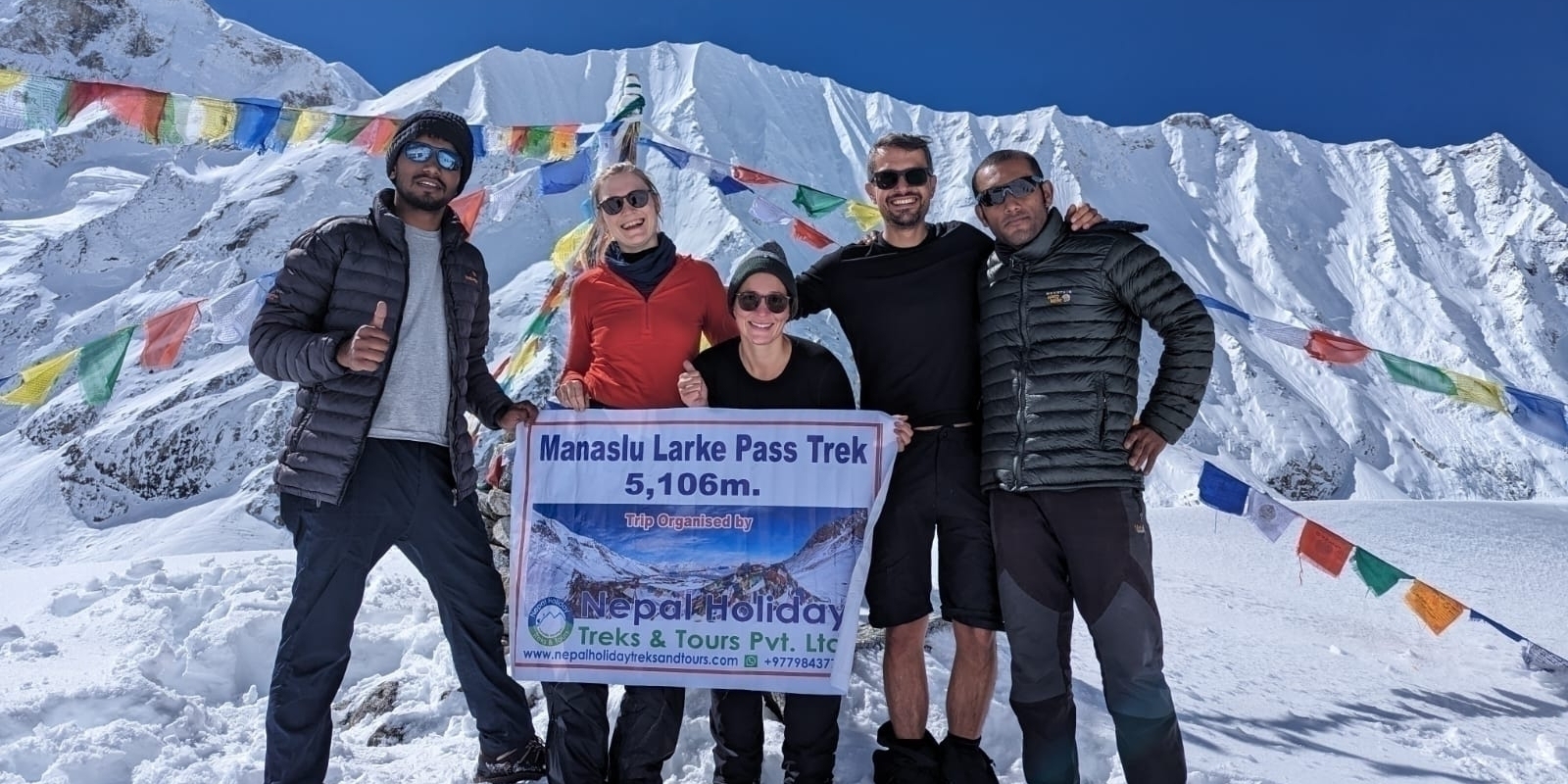
Manaslu Trek via Larke Pass Trek
Manaslu Trek via Larke Pass Trek is a memorable trek that offers trekkers a chance to see one of...
Short Manaslu Tsum Valley Trek
An 17 days trek, the Short Manaslu and Tsum Valley Trek engages trekkers to an adventure close to Mt....
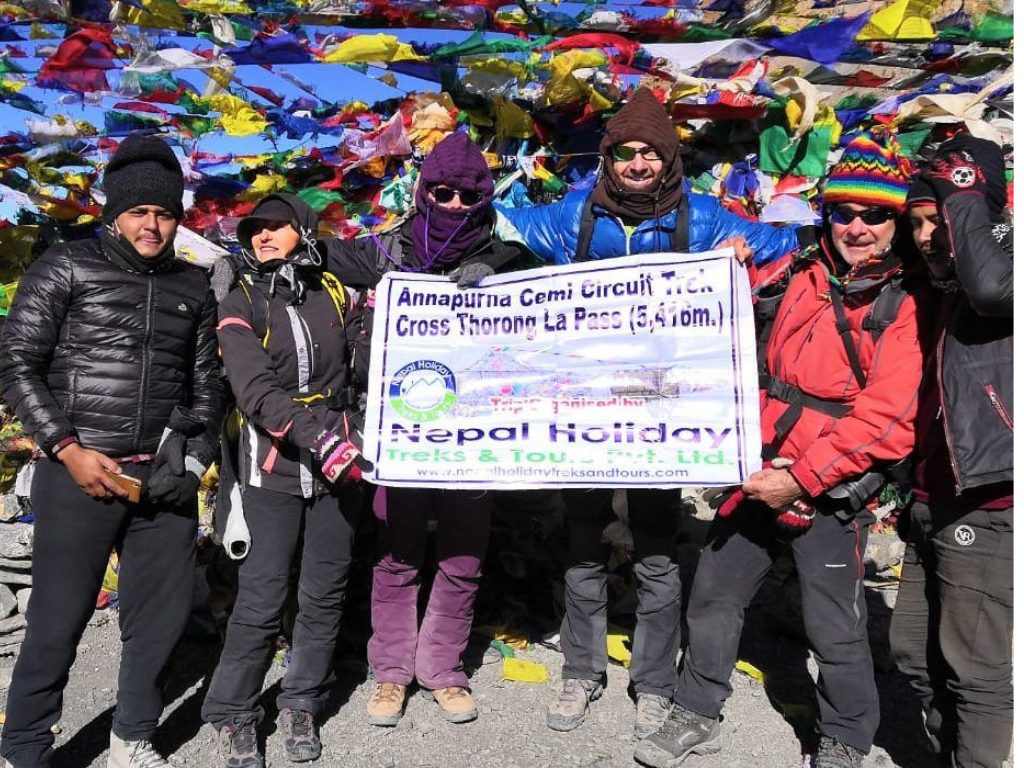
Manaslu With Annapurna Circuit Trek
The Manaslu with Annapurna Circuit Trek is an excellent means of experiencing two of Nepal’s most renowned trekking areas....