

Lower Dolpo Trek – 18 Days Overview
The Lower Dolpo Trek is one of the Nepal’s most extraordinary and off the beaten path trekking adventures. Lower Dolpo is situated in the far west of Nepal, this trek offers breathtaking scenery, traditional Tibetan-Buddhist villages and some of the most pristine wilderness in the Himalayas. If you are searching for a trek which is truly off the beaten track, Lower Dolpo Trek delivers exactly that.
The trail winds through the breathtaking Shey Phoksundo National Park, where you will visit the deepest lake in Nepal, the mesmerizing Shey Phoksundo Lake at 3,611 m. Dressed in a cloak of impossibly turquoise waters, towering cliffs and pine forests, it is undoubtedly one of the iconic views in Nepal. And there are also infrequent opportunities along the trail to glimpse rare fauna – snow leopards and blue sheep in their natural habitat.
The trek reaches its highest and most thrilling point at Numa La Pass (5,190m) and the equally rewarding Baga La Pass (5,070m) is not far behind. These two high altitude passes treat trekkers to breathtaking mountain views of the Dhaulagiri and Kanjirowa ranges of the Himalayas.
The thing that makes trekking in Lower Dolpo so special is that it lives and breathes culture. The Dolpo have maintained their ancestral Tibetan-based traditions over the centuries and visiting villages like Do Tarap and Ringmo is like travelling back in time. Prayer flags, ancient monasteries, mani walls and local hospitality at the warmth of the local hospitality makes every step of this journey deeply meaningful.
With altitudes ranging from 2,320 meters to 5,190 meters over 18 days, this trek is truly for those fit and experienced trekkers seeking an adventure in the Himalaya.
Best Season for Lower Dolpo Trek
Trekking lower Dolpo in the right time can make it the experience of a lifetime or one that you will have wishing you had never gone. The climate in this isolated region of Nepal is harsh, the flights to Juphal are subject to weather conditions and the high passes are not weather friendly. So before you book anything, read this.
The good news is that Lower Dolpo offers two excellent trekking seasons and one unexpected bonus that few are aware of.
Autumn (September to November)
If you can only visit once, visit in autumn.
There is a good reason why October and November are regarded as the best time for Lower Dolpo Trek. The monsoon season has ended and skies are so blue and clear, they seem painted. The air is fresh and the visibility is outstanding and the lake’s turquoise color is at its brightest in the post monsoon season at Shey Phoksundo.\
It is warm enough for a day walk, generally 10 to 180C mid to late day at low altitudes. It gets cold at night, especially above 3,500 meters so you will need a good sleeping bag. The trails are dry, the rivers are steady, and the passes are fully open.
Dolpo is about to its peak season with October approaching which nonetheless, when compared with Everest or Annapurna, means just beautiful emptiness. November is less busy as the colder season takes hold, perfect if you are still looking for solitude.
Spring (March to May)
Spring is also one of the best times to visit Lower Dolpo and it is really quite underrated.
Beginning in March, the days start getting longer and warmer and the lower Dolpo valleys burst forth with wildflowers. Rhododendrons ripen on the hillsides, the light basks in a warm golden glow no autumn sun can rival and the entire scenery is shaking off a long winter sleep. The best time is April and early May. Snow is melting but still holding on at Kagmara La Pass though it is manageable with the right gear, the weather are Warm and beautiful, bright but calm and perfect for tackling some more trails that are not crowded. The heat of the pre monsoon season develops from the end of May and the heat slips away with the monsoon winds.
One thing to keep in mind is spring visibility is not always as crisp as autumn. Some days are hazy with a pre monsoon smog over the southern ranges. Yet the trade-off is wildflowers and warmer temperatures and a land that actually looks alive.
The Monsoon Secret (July to August)
Dolpo lies well within the rain shadow of the massive Dhaulagiri and Kanjiroba ranges, so the monsoon rains do not impact it as much as they do the rest of Nepal. Pokhara is being doused, the trails in Everest are turning muddy, yet Dolpo can be astonishingly dry and clear. Experienced trekkers say that the place comes alive in July and August for precisely this reason, you will see fewer people, dramatic storm light and the landscapes will feel even more remote and wild.
That said, it is a real risk. Flights to Juphal have become unreliable. Can be risky to cross rivers after sudden rainfall. And some lower sections of the track do get wet and slippery. So this is a window that is open only to the experienced trekker who knows the hazards within this area and is flexible enough to re plan their trip.
Winter (December to February)
Winter in Lower Dolpo is a harsh but beautiful in equal measure.
Kagmara La Pass (5,115m) can be closed by snow as early as in December. At altitude, temperatures plunge to well below –20°C at night. In remote portions, teahouses may be closed altogether as local families descend to lower altitudes.
It is not a season for the average trekker. But those with serious cold weather mountaineering experience will discover something exceptional on a winter Dolpo trek – a world of pure white silence, frozen lakes and a degree of seclusion that is virtually unattainable anywhere else in the world.
Challenges of Lower Dolpo Trek
- Extreme Remoteness: There are no roads, no ATMs, no mobile phone signal for days on the Lower Dolpo Trail.
- High Altitude Passes: The trek goes over passes like Numa La (5,190m) and Jeng La (5,110m). Altitude sickness is a genuine danger at these heights. Acclimatizing is not optional it is for survival.
- Unpredictable Weather: Even in peak seasons sudden snowstorms and freezing temperature can shut down passes overnight. Always pack layers and expect delays.
- Tough physical Terrain: Expect 6 to 9 hours of daily walking over steep, rock covered and narrow paths. A good base of fitness before your trek is essential.
- Basic Food and Accommodations: There are no more teahouse menus and cozy lodges. In Lower Dolpo, they provide only modest food and shelter. Some nights you will sleep in local homes. Comfort takes a back seat here.
- Medical Help is far away: On the trail, there are not any clinics. Your only rescue in an emergency is to helicopter evacuation. Travel insurance that covers high altitude helicopter is essential.
Overall Difficulty Rating
The Lower Dolpo Trek is rated as moderate to hard level of trekking – sitting comfortably above beginner level treks like Ghorepani Poon Hill Trek but below the technical demands of something like Island peak or Mera peak climbing expeditions.
To give you an honest comparison:
- Easier Than: Upper Dolpo Trek, Three Passes Trek
- Similar to: Manaslu Circuit Trek, Upper Mustang Trek, Kanchenjunga Base Camp Trek
Lower Dolpo Trek Route Overview
Lower Dolpo Trek is 18 day journey into one of the most secluded and unspoiled region of Nepal. Here is a simple breakdown of the routes you will walk throughout the trek.
Kathmandu to Dolpo (Days 1 to 4)
Your journey starts in Kathmandu with a day to settle in and a half day city tour of UNESCO world heritage sites. Then you fly to Nepalgunj – a gateway city in the lowlands, before catching a short but breathtaking mountain flight to Juphal, the gateway to Dolpo. First, you follow the banks of the Bheri River to the district headquarters of Dunai.
Into the Heart of Dolpo (Days 5 to 8)
From Dunai, the path goes further into the wilderness. You pass through riverside gorges, traditional villages and terraced farmland as you travel through Tarakot and Laini before reaching Nawarpani. The terrain gets increasingly tougher as you head to Do Tarap – a isolated high-altitude village sitting at 4,090m and one of the most culturally vibrant stops on the entire route.
The High Passes (Days 9 to 12)
After a good resting day at Do Tarap, the real challenges begins. Your journey takes you to the base of Numa La Pass before crossing it at 5,190m, the highest point of the trek, with stunning views of Dhaulagiri and the Himalayas. The next day you will cross another dramatic high pass Baga La (5,070m) and descend to the serene camp at Dajok Tang. These two days characterize as the physically and emotionally peak hard of the Lower Dolpo Trek.
Phoksundo Lake (Days 13 to 14)
From the passes, the trail descends to Ringmo village and the famous Shey Phoksundo Lake, the deepest lake of Nepal known for its oligotrophic waters and a deliriously bright turquoise color. A full day for acclimatization here gives you time to breathe it all in on a leisurely walk around the lake. That is the kind of place that reminds you precisely why you came.
The Return Journey (Day 15 to 18)
The last leg drops down through ledges of rock and herbal meadows to Shyanta, then to Juphal. From there, twin flights through Nepalgunj take you back to Kathmandu for a farewell dinner with us before you head home on your final journey.
Why Choose Lower Dolpo Trek?
The Lower Dolpo Trek is not like any other trek in Nepal – it is one of those rare journeys that goes deep into your soul and stays with you long although after you have gone back to the mundanity of daily life. It is located deep in the trans Himalayan wilderness of far western Nepal, this amazing off the beaten path expedition leads you to ancient Tibetan Buddhist settlements, spectacular high mountain passes and the banks of the mythic Shey Phoksundo Lake – the deepest lake in Nepal, acclaimed for its oligotrophic waters and a color impossible to describe, too breathtaking to be real. Instead of the hordes on the trails of Everest or Annapurna, Lower Dolpo offers you something that is becoming rare in today’s world – true seclusion, unspoiled natural settings and a people with the culture you can literally walk back in time centuries. You will cross 5,190m Numa La Pass with the entire Dhaulagiri range stretched across the horizon, camp under the clearest, most star studded skies of your life and sip tea with the friendliest people you will ever find. Lower Dolpo is not just about showing you Nepal – it lets you into a part of reality that most individuals will go without experiencing it. If you are looking for a trek that challenges your body, touches your soul and quietly changes the way you look at everything, Lower Dolpo Trek is the one.
Mountains You Can See from the Lower Dolpo
During the Lower Dolpo Trek, you can also experience the majestic Himalayan beauty of these mountains:
- Mount Dhaulagiri (8,167m
- Kanjiroba Himal (6,883m)
- Churen Himal (7,371m)
- Mukut Himal (6,087m)
- Kagmara Peak (5,960m)
- Putha Hiunchuli (7,246m)
Shey Phoksundo Lake – The Crown Jewel
The undisputed crown jewel of the Lower Dolpo Trek is the mystical Shey Phoksundo Lake. This lake is situated at an altitude of 3,611 meters, this alpine wonder is very often called as the most beautiful lake on earth and there are reasons why. It has a surreal deep turquoise glow that changes with the sunlight ranging from shimmering silver to aqua marines and turquoises.
But there is a secret behind its crystal clarity. Phoksundo Lake is an “oligotrophic” lake, means it is nearly empty of aquatic life. Since the water is ice cold and laden with certain minerals, no fish or plants can live in its depths. This is lack of organic matter is exactly what makes the water so impossibly clear – like a giant mirror reflecting the jagged, snow covered peaks that surround it.
The delightful Ringmo Village (Tsho-wa in the local tongue) is located on its southern shore. This traditional village is a living museum of mud brick homes and Mani walls, where the natives coexist in perfect harmony with the rugged terrain. A quick, scenic hike north of the village brings you to the Tshowa Gompa, an ancient 900 years old Bon monastery situated on a ridge that looks over the lake. While standing here, the prayer flags flutter around you looking down at the “Turquoise Heart” of Dolpo you will understand why this place had been considered sacred for ages.
Lower Dolpo Trek – 18 Days Highlights
- The deepest Shey Phoksundo Lake (3611 m) in Nepal
- Opportunity to experience unique culture, customs, and traditional way of life of Tibetan Buddhists
- Pass through diverse landscapes, from lush forests of pine, oak, and rhododendron to arid high altitude desert terrain.
- We will provide you with a (20 degree sleeping bag) and a duffel bag for the trekking excursion, but you must return them after completing the trek.
- Challenging mountain passes like the Numa La Pass (5190 m) and Baga La Pass (5070 m)
- Opportunities to spotting wildlife and bird watching in their natural habitats
- Experience the warmth and hospitality of the local inhabitants
- Perfect choice for those seeking a more authentic and less crowded trekking experience
- Traverse through river valleys, alpine meadows, and high- mountain passes
- Mesmerizing Shey Phoksundo National Park (3555 sq. km)
Important Notes
Nepal Holiday Treks and Tours Pvt. Ltd. has years of expertise in the field of Himalayan trekking and can curate unforgettable experiences for adventurers like you. In order for trekkers to have a really comfortable and pleasant Everest Base Camp Trek, we are offering different optional services as per your need.
Optional Add-Ons Available:
✅ Porter Service – USD $
Lighten your load and trek with ease! Our experienced porters can take up to 25 kg of luggage, which can be shared between two trekkers. Let the beauty of the landscape soak into you instead, without heavy gear.
✅ Kathmandu to Lukla Helicopter Flight – USD 400
Avoid the pain of regular flights and start your adventure with a helicopter ride from Kathmandu to Lukla. This option offers breathtaking aerial views of the Himalayas while saving you time.
✅ Lukla to Kathmandu Helicopter Flight – USD 500
Complete your trekking in style with a helicopter ride from Lukla back to Kathmandu. Ensuring a smooth return in comfort and with spectacular aerial views of the Everest Region, without risk of possible flight delays.
✅ Upgraded Accommodation – USD 150
Upgrade your trekking experience with upgraded lodges featuring attached bathrooms at key locations: Phakding (1 night), Namche (3 nights), Tyangboche (1 night), Dingboche (2 nights), and Lukla (1 night). Enjoy added comfort after long days on the trail.
✅ Extra Night in Kathmandu – USD 40/night
Arriving early or staying longer? Add extra nights at our partnered 3-star hotel in Kathmandu, including breakfast, to relax before or after your trek.
How to Customize Your EBC Trek:
- Choose Your Trek Departure Date.
- Mention the Number of Travelers.
- Click on ‘Book Now’ or ‘Add to Cart.’
- Choose Your Required Add-on Options.
- Complete Your Booking and Payment
Required Experience:
This trek is ideal for active trekkers who can hike 6 to 7 hours a day carrying a light daypack. On certain days, the trekking is longer and the altitude increases the difficulty level of trekking. The trails are generally good, but there could be boulder and uneven patches in between.
Itinerary and Schedule: We try to follow the itinerary planned; yet trekking in distant mountain regions means uncertainty. Factors such as weather and trekkers’ well-being may make readjustments necessary. Your guide and Sherpa crew will try to stick to the trail as designed but flexibility is a must. Your safety is our topmost priority and also to get you back to Kathmandu before your scheduled departure.
What will the temperature be like during trek?
Weather conditions can vary significantly depending on the season and can change rapidly, especially at higher elevations. If your trek takes you above 3,000m, you should be prepared for temperatures ranging from -10°C to 25°C in a single day. It’s essential to have proper protection against sun exposure and strong winds. For helpful weather insights, refer to reliable source. Feel free to reach out to us for a recommended packing list tailored to your trekking itinerary.
How much money should be we bring?
You’ll require Nepali Rupees for any expenditure not covered by your package itinerary. Such costs might include bottled water, night hot shower, extra snacks, extra hot drinks, repairing or replacing equipment, battery charging, souvenirs, and tips. In case you want to shop, Thamel is an excellent place to shop on your last day. You are welcome to come to our office prior to your trek for individual counsel and assistance with money exchange.
Electricity, telephone, and internet access are available at most lodges and guesthouses along the Lower Dolpo Trek, but with some additional charges. While the trek itself does not have widespread access to electricity, many lodges rely on solar power or generators to provide energy. You can recharge your devices like cameras, mobiles, and laptops at these places, although it usually comes at an extra cost. If you need to make phone calls or access the internet, some accommodations offer limited telephone and Wi-Fi services. You can obtain an internet password from the lodge, but keep in mind that these services typically incur additional fees.
Fill your life with adventures, not things. Have stories to tell, not stuff to show. Hurry up! Adventure is waiting for you and mountains are calling you.
This trip is fully customization. Importantly, this trip is available on both a fixed departure and a private group basis. Moreover, we can also customize the trip as per your needs, please contact us at Whatsapp (+977-9843770916) or email us at info@nepalholodaytreksandtours.com. Let us know how we can help you, and we will do our best to give you the best customer service you’ll get anywhere else.
Furthermore, Nepal holiday treks and tours Pvt. Ltd. is a reputable and reliable company serving relentlessly in the field of tourism to fulfill the dreams of diverse adventure seekers around the globe into reality where they can feel most alive. So, we recommend you to reserve seat for yourself by booking with us right away for a wonderful and unforgettable trip experience.
Lower Dolpo Trek – 18 Days Itinerary
Expand allDay 1: Arrivel in Kathmandu (Tribhuwan International Airport)
Our personnel will be waiting for you at the airport with your name on a placard. He will pick you up from
airport and transfer you to the hotel as per your preference. This day will be for your refreshment and in
the evening you will be provided a guided evening walk to the local markets as well as localities to make
you familiar with the Nepalese atmosphere.
Day 2: Kathmandu Valley Sightseeing
We will be providing you a half day guided sightseeing tour to different UNESCO listed world heritage sites in Nepal with one of our best tour guides and the destinations includes Boudhanath the largest of all
Buddhist monument stupas in Nepal, Swayambhunath the monkey temple and also the oldest one of its
kind, Pashupatinath the Hindu temple of lord Shiva. We will stay overnight at the same hotel in Kathmandu.
Day 3: Take a flight from Kathmandu to Nepalgunj
The flight from Kathmandu to Nepalgunj will last for about an hour. We will reach Humla a rural district of Nepal and the border of India at Simikot. If the time persists we will get involved in the sightseeing activities here at the places like mini zoo, Muslim market as well as local villages. We will have our overnight stay at Nepalgunj.
Day 4: Take a flight from Nepalgunj for Jhupal (Dolpo) and trek to Dunai
The early flight from Nepalgunj will lead us to Jhupal the Dolpo [2,320m/7,610ft] region which will be 45 minutes flight with astonishing mountain views. Our trekking begins from Jhupal walking for 2 to 3 hours along the banks of Bheri River to reach the camping site in Dunai [2,850m/9,348ft] for overnight stay.
Meal Plan: Full Board
Day 5: Trek from Dunai to Tarakot ( 2, 543 m ~/ 5 to 6 hrs)
We will continue our trekking with the early morning breakfast along the bank of the river with smooth trail crossing deep gorges, bridges and villages. We will cross a gorge surrounded with pine trees walking on a path build about seven meters above the river. We will reach Tarakot [2,543m/8,341ft] village after a walk of around 5 to 6 hours.
Day 6: Trek from Tarakot to Laini [3,160 m/10,365 ft] ~/ 6 - 7 hrs)
In the early dawn, we will start to follow the trail upstream made by Tarap chu river crossing the bridge along Sandul Gompa. The trail will pass through the rural villages and terraced farms to reach Laini [3,160 m/10,365 ft] after the walk of 6 to 7 hours.
Day 7: Trek from Laini to Nawarpani [3,545m/11,627 ft] ~/ 5 hrs)
On this day as we continue our trekking we will be walking passing the gorge at Tarap River. We will then are descending to Chyugur Khola and walk few times to reach Nawarpani [3,545m/11,627 ft]. Our today’s journey will rest for around 5 hours.
Day 8: Trek to Do Tarap [4,090m/13,415ft] ~/ 7 to 8 hrs)
Our today’s destination will be Do Tarap [4,090m/13,415ft] hiking for around 7 to 8 hours. We will gradually ascend towards Kamattaraka a stream flowing from the east. We will walk along the juniper bushes and wild roses as well as the Himalayan valleys.
Day 9: Acclimatization day
To make our body favorable with the climate we will rest for a day at Do Tarap for acclimatization. We although will idle on this day as we will stroll around the localities for the wonderful and marvelous views of monasteries, Gompa, lifestyle of the villagers as well as few peaks.
Day 10: Trek from Do Tarap to Numa La Base [ 4,440 m/14,563 ft] ~/ 6 - 7 hrs)
On this day, we are walking for around 6 to 7 hours towards Tarap valley walking through the unique path created by lush verdant grass on both sides of the river. We will pass through monasteries and rough tracks to reach Numa La Base Camp Camp [4440m/14,563 ft].
Day 11: Trek from Numa La Base to Cross Numa La [5,190m/17,023ft] and camp at Pelung Tang [4465m/14,645 ft] ~/ 6-7 hrs)
Today is one of the harsh days of our trekking because we are passing the highest pass on this trek i.e. Numa La [5,190m/17,023ft]. The steep path will lead to the top of the pass from where we can observe the astonishing views of landscapes as well as some mountains like Dhaulagiri. We will descend after the sightseeing to the camp at Pelung Tang [4465m/14,645 ft] after completing the journey of around 6-7 hours.
Day 12: Trek from Pelung Tang to Cross Baga La [5,070m/16,630ft] and camp Dajok Tang [4,080m/13,382ft] ~/ 6 Hrs)
After the breakfast in early morning; we will be trekking from Pelung Tang to Cross Baga La [5,070m/16,630ft] which offers the wonderful views of some snowcapped peaks like Kanjirowa Himalayan range and then we will descend at the camp in Dajok Tang [4,080m/13,382ft]. Our today’s journey will take us approximately around 6 hours.
Day 13: Trek from dajok Tang to Ringmo (3,600m/11,808ft) ~/ 3 - 4 hrs)
We will spend 3 to 4 hours walking today to reach Ringmo (3,600m/11,808ft) walking through the farming fields and pine forests walking for around 3 to 4 hours.
Day 14: Day for acclimatization at Ringmo and a hike to Phoksundo Lake
This day is separated for acclimatization in beautiful Ringmo from where we will take a short hike to one of the charming scenarios around Phoksundo Lake.
Day 15: Trek from Ringmo to Shyanta [ 2,520m/8265 ft] ~/ 5 - 6 hrs)
The trail will descend downhill to Chepka following the trail of massive hanging rocks. This different herbal medicine can be found in this area and we move passing through the village to reach Shyanta [2520m/8265 ft] walking for around 5 to 6 hours.
Day 16: Trek from Shyanta to Jhupal
Today we will trek towards Jhupal via Sulighat crossing the birch trees on the way. We will be enjoying the brilliant scenarios of mountains and Jhupal on the way.
Day 17: Take a flight from Jhupal to Nepalgunj and Kathmandu
We will take an early morning flight from Jhupal to reach Nepalgunj and from their catch another flight for Kathmandu on the last day of our trekking. We will be providing you a farewell dinner along with the trekking staffs at the evening of this day.
Day 18: Last Final Day Departure back to home.
We will send our professional staff or guide to lead you to airport for your departure to your homeland.
If the above Lower Dolpo Trek – 18 Days itinerary does not meet your needs, we can design individualized travel plans based on your preferences and specifications.
Plan My TripLower Dolpo Trek – 18 Days Cost Includes
- Airport pickup and hotel transfers by Private .
- Sight seeing in kathmandu private car and tour guide
- Three meals a day- Breakfast, Lunch, Dinner and 3 cups of tea/Coffee a day during the trek.
- Accommodation in teahouse during the trek private room.
- 2 nights’ accommodation in Kathmandu (3-star category) on the B
- Nepal Holiday Treks and Tours, (-20 degree sleeping bag) and a duffel bag for the trekking, but you need to refund to the office after the trip
- Permit fee for trekking and TIMS card
- An experienced, helpful, knowledgeable, friendly, English speaking well trained, government license holder Trekking Guide with all his salary, food, Drinks, accommodation, equipment, transport, insurance, etc.
- In a day time tea break with cookies every day.
- Fresh fruits after dinner every night as dessert during the trek.
- You will be under observation with a pulse oximeter to have your oxygen levels and heart rate measured twice a day during the trek. This is to catch the signs of Altitude Mountain Sickness (AMS) early, thus making trekking safer.
- Normal First aids kit box.
- Nepal Holiday Treks and Tours trip completion certificate from the company side.
- Welcome and farewell dinner at a typical Nepali cultural restaurant in Kathmandu
- All the government as well as local taxes and company service charges will be cleared before the commencement of your trekking
- This trek also includes all the domestic airfares.
Lower Dolpo Trek – 18 Days Cost Excludes
- International airfare and visa fees.
- Lunch and dinner in Kathmandu.
- Personal expenses of bar and beverage bills, wi-fi, hot shower, bottle of water, extra porters, laundry or any other things which are not mentioned by the company.
- Your trekking gears and extra nights in a certain destination.
- A strong, helpful, porters with proper safety equipment and walking equipment his salary, food, drinks, accommodation, insurance, (one porter for two people he will carry bag pack max 20-25kg).
- Your travel insurance which should include the emergency rescue.
- Tips for your guide and porters which is compulsory.
- Entrance fees during the sightseeing.
- Extra expenses due to any event such as strikes, weather conditions, or flight delays.
Lower Dolpo Trek – 18 Days Additional Info
Accommodation and Meals on the Lower Dolpo Trek
- Bring your own sleeping bag rated to at least – 100C (also provided by us for free but you have to return to us after the trek is completed.)
- Hot showers are rare
- Electricity is unreliable, so always carry a fully charged power bank.
- Rooms in small villages like Ringmo are very limited, so always book in advance through Nepal Holiday Treks and Tours.
- Tsampa – roasted barley flour mixed with butter tea. The traditional meal of the Dolpo-pa and one of the most energy-dense dishes in high altitude.
- Tibetan bread – thick fried flatbread perfect for breakfast
- Thukpa – Hearty Tibetan noodle soup, perfect for a cold evening
- Butter tea — salty, buttery, warming, and a necessity in Dolpo culture. Give it a genuine chance.
Permits Required for the Lower Dolpo Trek
The Lower Dolpo Trek takes you through a restricted and protected region of Nepal and therefore two special permits are required to start this trek. But do not let the paperwork deter you – the process is simple and our team at Nepal Holiday Treks and Tours will handle everything for you.
Here are the two essentials permits you will need:
- Lower Dolpo Restricted Area Permit (RCAP)
- Shey Phoksundo National Park Entry Permit
Documents Required for permits:
- Valid Passport
- Nepal Entry Visa
- Passport size photos
- Travel Insurance Documents
Important Things to Know:
- Permits should be issued through a licensed trekking agency
- Guide is mandatory as it is a restricted area
- Solo trekking is now permitted in the restricted area
- Permits must be carried throughout the trek as it is checked in several checkpoints.
Additional Expenses in Lower Dolpo Trek
When you book Lower Dolpo Trek package, the majority of costs are already included but there are always a few additional expenses that take trekkers by surprise when they are not prepared. Here is a realistic breakdown of potential expenses beyond the cost of the package to help you budget smartly and make your trek stress free.
- Hot Showers
- Charging Devices
- Bottled or boiled water
- Extra snacks and drinks
- Personal shopping
- Entrance fee in monasteries or view tower
- Tips for guide and porters
- Internet and Wi-Fi
- Emergence expenses
- Flight delays or extra nights
Travel Insurance for Lower Dolpo Trek
Planning a lower dolpo trek is exciting but planning with a proper preparation, the treks becomes safe and hassle free. So, travel insurance is not the option it is the necessary.
Why You Need Insurance for Lower Dolpo Trek?
Lower Dolpo is situated in the heart of the Trans-Himalaya, at a distance from roads, hospitals and reliable communication. Elevations regularly exceed 5,000 meters, with passes such as Numa La (5,190m) and Jeng La (5,110m) along the route. Sometimes unpredictable accident can occur. If altitude sickness, injury or medical emergency strike, a helicopter evacuation is only your option and that can cost you as much as $3,000 to $8,000 USD out of pocket. That bill is on you without the insurance.
Your Travel Insurance Must Cover:
- High altitude trekking coverage up to at least 5,500m
- Emergency medical treatment
- Helicopter evacuation
- Trip cancellation and delay
Altitude Sickness on Lower Dolpo Trek
Normally altitude sickness occurs when you travel to a high altitude too quickly. Headache, Dizziness, loss of appetite, fatigue, shortness of breath, drowsiness, flatulence peripheral, fluctuation is body temperature, nausea, tiredness etc are the symptoms occur when your body tries to adjust to the lower air pressure and lower oxygen levels at high altitudes. Here are some things you can do to prevent yourself from getting altitude sickness.
- Stop and rest where you are
- ]Do not go any higher for at least 24 to 48 hours
- Make sure you are drinking enough water
- Do not smoke, drink alcohol, or exercise
- Eating foods and drinking fluids that contain carbs such as bread, pasta, fruits, milk, rice, and so on.
Preventing Altitude Sickness (AMS):
- Rest Well: Ensure that you rest well before starting your trek.
- Stay Hydrated: Continue drinking plenty of water during the journey.
- Balanced Nutrition: Maintain the balance of salt and sugar through proper eating habits and not skipping meals.
- Keep Warm: Layer up to remain warm without profuse sweating.
- Controlled Breathing: Breathe deeply and steadily from your diaphragm to maximize lung capacity. Maintain a comfortable walking speed that will allow for controlled breathing. Nasal breathing avoids drying your throat—wearing a muff or scarf in high altitudes might be of use.
Pace Yourself: It’s not a competition. Pace yourself with a maintainable and Server consistent pace instead of exhausting yourself too early and taking many rest stops. Stop and admire the stunning views.
Who is Lower Dolpo Trek Suitable for?
Lower Dolpo is suitable for you, If:
- You have previous trekking experience at altitude
- You have completed at least one major Himalayan trek such as Everest Base Camp, Annapurna Circuit or Manaslu Circuit.
- You are in good cardiovascular fitness and can comfortably walk 6 to 8 hours per day on uneven terrain
- You are mentally prepared for genuine remoteness, basic accommodations and days without phone signals or internet.
- You have enough time
Lower Dolpo Trek is not suitable for you, If:
- This is your first trek in Nepal or your first time at high altitude
- You have history of serious altitude sickness without medical guidance
- You are not comfortable with basic, no frills accommodation and limited facilities
- You have a tight, inflexible travel schedule – flight delays, weather disruption are common in dolpo
Upper Dolpo Vs Lower Dolpo: What is the Difference?
This is one of the most asked questions about trekking in Dolpo and it deserves the clear and honest answer. Here is the honest answer to this questions.
Lower Dolpo is in the southern part and more accessible half of the Dolpo. It covers Phoksundo Lake, the Tarap Valley, Dho Tarap village and the Kagmara La pass. It needs a Restricted Area Permit that is USD 10 per person per day for the first ten days, and USD 20 per day after that. It is wild and challenging but it is doable for fit, seasoned trekkers with appropriate preparation.
Upper Dolpo lies to the north and is much more remote, the legendary Shey Gompa and the Crystal Mountain, known from Peter Matthiessen’s acclaimed The Snow Leopard is located there. For Upper Dolpo a much more costly permit is needed that is USD 500 per person for ten days, plus USD 50 per day for every extra day. It is longer, more difficult, more costly and even less traveled than Lower Dolpo.
The key thing to understand that the Phoksundo Lake, the most iconic sight in all of Dolpo, is located within the Lower Dolpo, you do not need to go to Upper Dolpo to see it. Most travelers coming to Dolpo for the first time take the Lower dolpo circuit and almost all of them leave with a sense of complete satisfaction and a quiet transformation brought about by what they have experienced.
Why Book your Lower Dolpo Trek with Nepal Holiday Treks and Tours?
Getting to Lower Dolpo independently is not just difficult – for the restricted area permit, it is legally impossible without a registered agency. But beyond the legal requirement, the logistics of this trek are genuinely complex. Coordinating mountain flights, permits, accommodation, guides and porters in one of Nepal’s most remote regions requires local knowledge, local relationships and years of experience.
Nepal Holiday Treks and Tours has all this. With a team of experienced and knowledgeable local guides who are incredibly familiar with the Dolpo area, a history of successful Lower Dolpo trips and dedication to responsible and respectful trekking, we are the partner you want taking care of you from the moment you land in Kathmandu until you fly back out of Juphal.
Contact Nepal Holiday Treks and Tours now to enjoy a personalized Lower Dolpo Trek itinerary along with a detailed cost breakdown.
Alternatives Treks to Lower Dolpo Trek
If you think you are not ready for Lower Dolpo Trek then don’t worry. Nepal offers other beautiful treks similar to Lower Dolpo and they are totally worth it.
- Upper Dolpo Trek
- Upper Mustang Trek
- Manaslu Circuit Trek
- Kanchenjunga Trek
- Nar Phu Valley Trek
- Everest Base Camp Trek
- Dhaulagiri Circuit Trek
Upcoming Departures
Customer Reviews
Write a ReviewLower Dolpo Trek – 18 Days Equipment Lists
General info:
- Sleeping Bag: Four-season sleeping bag with a rating of -20°C (Rental option for USD 35)
- Insulated Jacket: A puffy and warm down jacket suitable for winter (Rental option for USD 35)
- Daypack: 25-30 liter backpack rain cover to carry one’s daily essentials
Clothing:
- Thermal base layers
- Trekking shirts (quick-dry)
- Fleece jacket and down jacket
- Waterproof jacket and pants
- Trekking trousers
- Gloves (inner and outer)
- Warm hat and sun hat
- Trekking socks
Footwear:
- Sturdy trekking boots
- Camp shoes/sandals
- Gaiters (optional)
Accessories:
- Trekking poles
- Backpack (50-60L) and daypack (20-30L)
- Sunglasses (UV protection)
- Headlamp with extra batteries
- Water bottles and purification tablets
Similar Tours
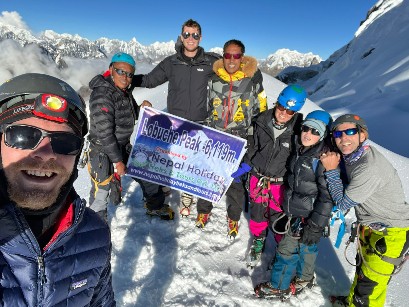
Everest Three High Pass Trek with Lobuche Peak
Overview If you want to experience the best Everest adventure in Nepal, this is it. The Everest Three High Pass...
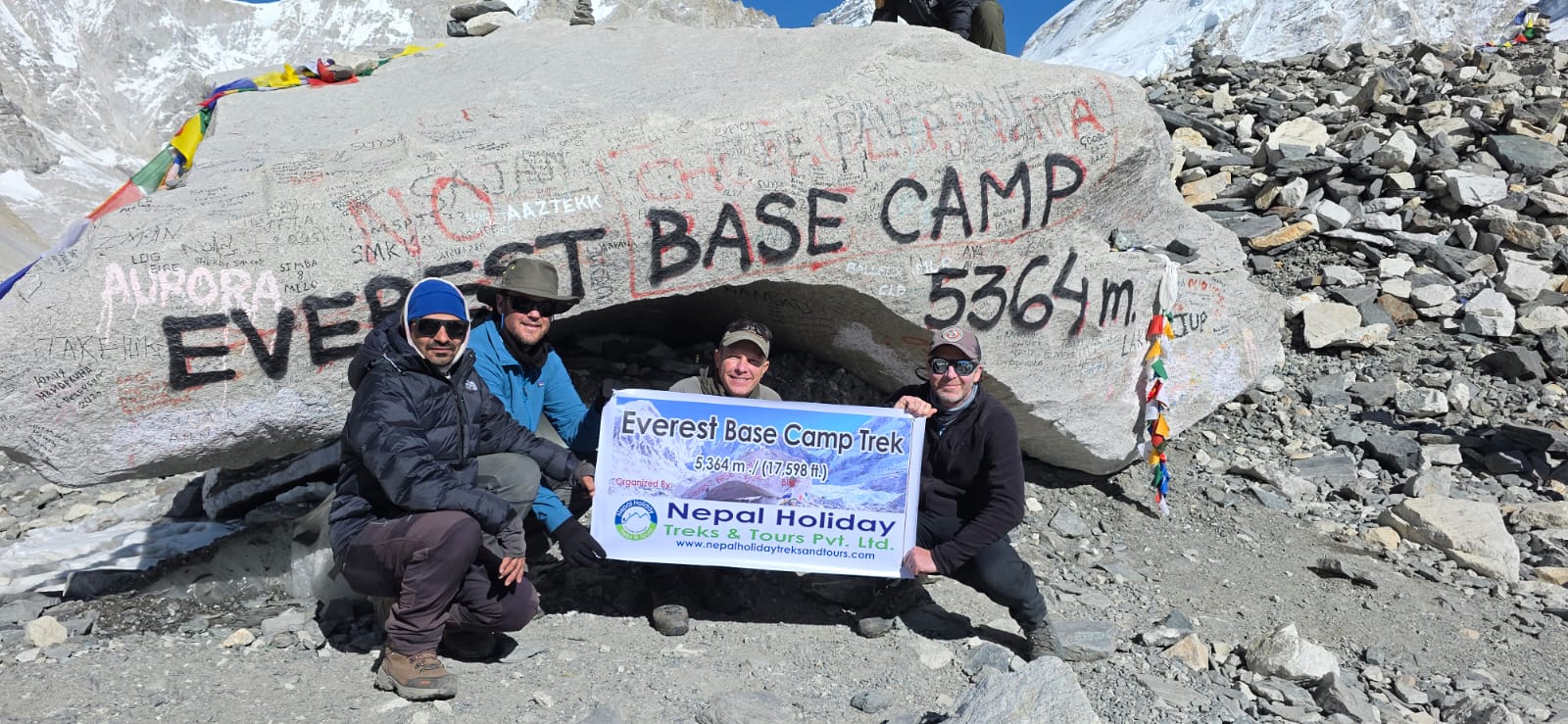
Everest Base Camp Luxury Trek
The Everest Base Camp Luxury Trek is a magnificent Himalayan experience without giving up on luxury. A well-planned journey...
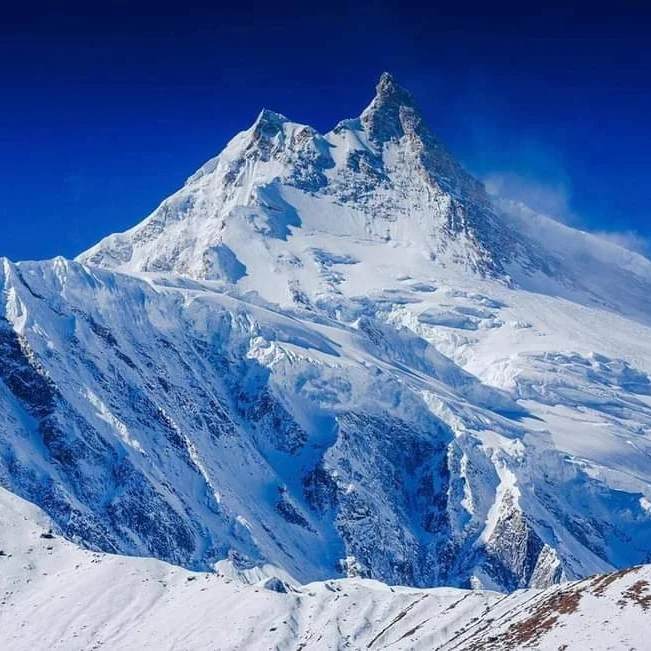
Short Manaslu Tsum Valley Trek
An 17 days trek, the Short Manaslu and Tsum Valley Trek engages trekkers to an adventure close to Mt....
Gokyo Valley Trek Via Renjo-La Pass
Your getaway from the typical trekking route to Everest Base Camp is the Gokyo Valley Trekking. This trekking adventure...
Jomsom Muktinath Trek
Nepal is a stunning country in the Himalayas with magnificent mountains. These mountains’ foothills make for ideal walking terrain....