
Trekking in Nepal | Is Nepal Safe for Trekking?
Posted by: Nepal Holiday Treks and Tours on June 26, 2025
Overview of Is Nepal Safe for Trekking?
Nestled in the lap of the Himalayas, Nepal is a dream destination for trekkers around the globe. With iconic routes like the Everest Base Camp, Annapurna Circuit, and hidden gems like the Tsum Valley or Mardi Himal, it’s no wonder that thousands arrive each year with hiking boots and adventure in their hearts.
But one question lingers in the minds of many, especially first-timers:
“Is Nepal safe for trekking?”
The short answer is: Yes, Nepal is generally safe for trekking—but like all adventures in nature, it requires awareness, preparation, and respect for the environment. Let’s break it down.
The Good News: Why Trekking in Nepal is Safe
1. Kind & Helpful Locals
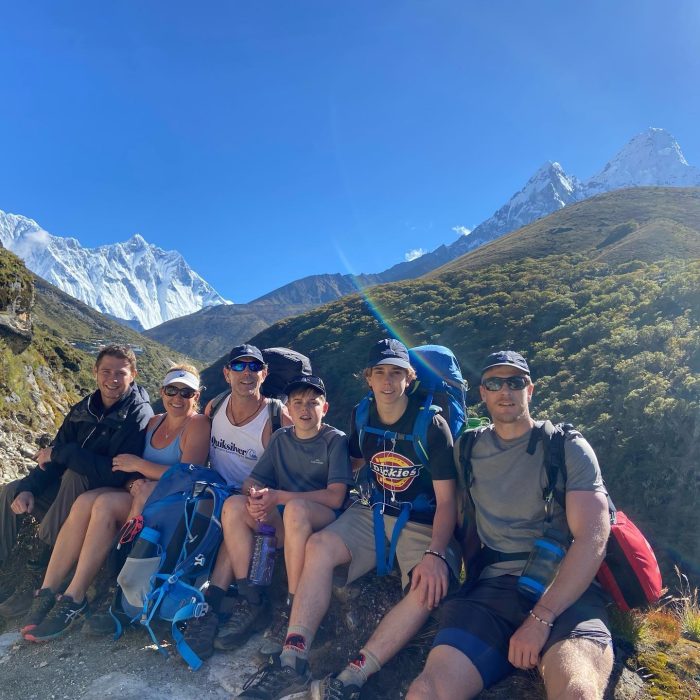
Nepali people are known for being so warm and hospitable. In mountain villages, the locals do go out of their way to help trekkers that are lost or injured. Offering you a cup of tea or escorting you to the right trail is kindness accepted at the cultural level.
2. The Existing Trekking Routes:
Main routes to trails like Everest Base Camp, Ghorepani Poonhill, and Langtang are marked well and usually have a lot of people hiking. You will rarely find yourself without company for too long. Local lodges, known as tea houses, are spread out along the trails and they serve as a very good place for food and shelter as well as social interaction.
3. Security in the Form of Guides and Porters Who Were Trained
There is an ample supply of experienced guides and porters for trekking in Nepal. Licensed guides are trained in first-aid and mountain safety. If you go with a guide, this will increase both your safety and enjoyment, especially in remote or high-altitude areas.
4. Government Initiatives & Information Systems for Trekkers
The information system for trekkers—TIMS card—and permit checkpoints make sure you stay on the official route of trekking through the location. They alert the authorities to any emergencies.
The Risks: What To Watch Out For
Although trekking in Nepal is safe, nature poses its challenges. Here are the main risks and the way to avoid them:
1. Altitude Sickness (AMS)
Above 2,500 meters? Sickness is very real.
Symptoms: headache, nausea, shortness of breath.
Staying safe: slow ascent, drink a lot of water, and take days off for acclimatization. Know the signs and never push through them.\
2. Weather Conditions
Snowfall, fog, or heavy rain could hit anytime and make trails slippery or downright dangerous.
Best seasons are: March to May (spring) and September to November (autumn). Try to avoid monsoons (June to August) unless you are in a rain-shadow trek like Upper Mustang.
3. Remoteness
Some areas do not have phone networks or medical posts.
Pro tip: Carry a satellite phone or GPS tracker while trekking in remote areas like Dolpo or Kanchenjunga.
4. Sudden Natural Perils
In landslides, avalanches, or rockfalls especially in narrow valleys.
Stay updated with the locals and guides. Check weather forecasts and avoid unnecessary risks.
Solo Trekking vs Guided Trekking: Which Is Safer?
- For the most part, solo trekking is safe on well-trodden paths, but has some dangers if you get sick or start wandering off the trail.
- Guided treks offer more safety compared to self guided due to unfamiliar altitudes or cultures.
- For first time trekkers in Nepal hiring a guide is a large advantage and improves safety as well as cultural value during the trek.
Nepal Safe for Female Trekkers?
In respect to woman travelers, Nepal is one the safest countries in Asia. Respect for women is ingrained in Nepali culture.
Suggestions for solo female trekkers:
- Dress respectfully by wearing modest clothing.
- Do not hike on lonely tracks by yourself.
- If preferred, select lady friendly shipping agents and guides.
Essential Safety Tips for Trekking in Nepal
Don’t trek without insurance. Ensure your policy covers high-altitude rescue.
Carry a basic first-aid kit and water purifier.
Let someone know your itinerary and update them daily if possible.
Stick to the trail. Don’t take shortcuts in unfamiliar terrain.
Be mindful of altitude gain. Follow the “climb high, sleep low” rule.
Listen to your guide. They know the mountains better than Google Maps.
Respect the mountains. Take only photos, leave only footprints.
Here’s a destination-wise safety overview of the major trekking routes in Nepal, highlighting how safe they are and what risks to watch for on each:
1. Everest Base Camp Trekking in Nepal (EBC)
Safety: Very Safe (with preparation)
Pros:
Highly popular and well-trodden trail
Many lodges, emergency services, and Wi-Fi in most places
Helicopter rescue readily available
Watch Out For:
Altitude sickness: Quickly reaches 5,364m. Acclimatization is essential.
Cold and snow in winter months (Dec–Feb)
Flight delays to/from Lukla due to weather
Recommended for: Intermediate to experienced trekkers (beginners with guide)
2. Annapurna Circuit Trekking in Nepal
Safety: Safe and Accessible
Pros:
Excellent infrastructure (tea houses, roads in some parts)
Diverse climate zones: from jungle to alpine
Thorong La Pass (5,416m) is a major highlight
Watch Out For:
Thorong La Pass can be risky in snow or storms
Some areas now have roads—be cautious of vehicles
High altitude, though gradual ascent helps
Recommended for: All trekkers with moderate fitness, especially in spring/autumn
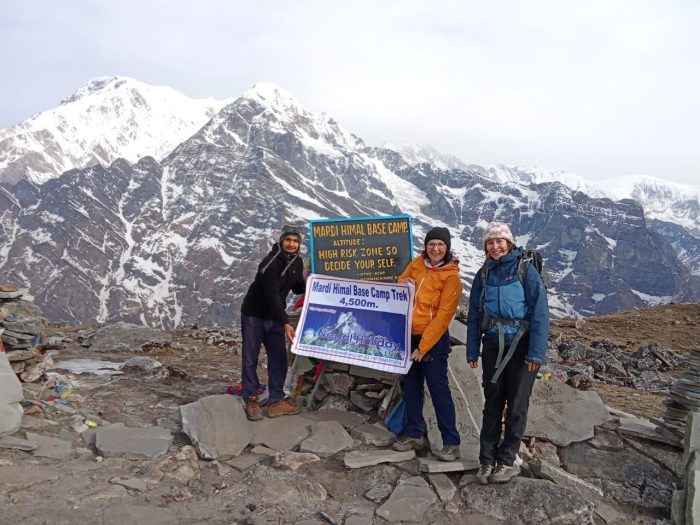
3. Mardi Himal Trekking in Nepal
Safety: Very Safe and Beginner-Friendly
Pros:
Shorter, quieter, and relatively low risk
Trails are clearly marked and tea houses are available
Less altitude-related risk (highest point ~4,500m)
Watch Out For:
Dense forest sections—carry flashlight and stay on trail
Can get slippery during monsoon
Recommended for: Beginners or those with less time
4. Langtang Valley Trekking in Nepal
Safety: Safe (with a guide recommended)
Pros:
Close to Kathmandu (just a few hours’ drive)
Cultural experience in Tamang villages
Moderate difficulty, lower elevations than EBC
Watch Out For:
Landslide-prone in some sections
Remote in parts—less rescue infrastructure than Annapurna/Everest
Was severely affected by 2015 earthquake but now rebuilt
Recommended for: Those seeking cultural & scenic treks, moderate fitness
5. Manaslu Circuit Trekking in Nepal
Safety: Moderately Safe (with guide/permit only)
Pros:
Stunning remote landscapes and less-crowded trails
Restricted area = requires special permit and licensed guide
Larke Pass (5,106m) is breathtaking
Watch Out For:
Limited tea house options in higher regions
Remote = fewer emergency services
Strenuous and long duration
Recommended for: Experienced trekkers with a guide
6. Upper Mustang Trekking in Nepal
Safety: Safe (but expensive & remote)
Pros:
Rain-shadow area = great even during monsoon
Rich Tibetan culture and desert-like scenery
Restricted zone = well-regulated
Watch Out For:
Expensive permits
Very few trekkers—be prepared and carry supplies
Remote infrastructure
Recommended for: Cultural/spiritual trekkers with budget and guide
7. Tsum Valley Trekking in Nepal
Safety: Moderately Safe (remote & restricted)
Pros:
Peaceful, spiritual, and deeply cultural (monasteries, meditation caves)
Can be combined with Manaslu Circuit
Watch Out For:
Requires special permit and guide
Poor cell coverage, very basic lodges
Remote rescue can be delayed
Recommended for: Spiritual seekers and experienced trekkers
8. Ghorepani Poonhill Trekking in Nepal
Safety: ✅ Very Safe and Ideal for Beginners
✅ Pros:
Short and well-developed trail
Close to Pokhara with easy access
Gorgeous sunrise views from Poonhill
⚠️ Watch Out For:
Gets crowded in peak season
Slippery during rain—proper boots needed
📌 Recommended for: Beginners, families, or those with limited time
9. Kanchenjunga Base Camp Trekking in Nepal
Safety: ⚠️ Challenging and Remote
✅ Pros:
Untouched nature, very few trekkers
Rich biodiversity, rare wildlife sightings
⚠️ Watch Out For:
Requires guide, permit, and strong physical fitness
Minimal facilities—must carry essential gear
Long duration and altitude
📌 Recommended for: Veteran trekkers only
10. Dolpo Region Trekking in Nepal (Upper/Lower Dolpo)
Safety: Remote and Advanced Trekking Only
Pros:
Deep spirituality, Tibetan culture
Featured in films like Himalaya
Unexplored terrain and wild beauty
Watch Out For:
Expensive restricted permits
No phone network, high altitude, hard terrain
Must be done with guide and provisions
Recommended for: Expert trekkers and those seeking deep solitude
Final Summary: Trekking In Nepal Safety by Region
| Region / Trek | Safety Rating | Guide Needed? | Best For |
|---|---|---|---|
| Everest Base Camp | ✅ Very Safe | Recommended | Classic high-altitude adventure |
| Annapurna Circuit | ✅ Safe | Optional | Scenic variety + cultural mix |
| Mardi Himal | ✅ Very Safe | Optional | Quick, beginner-friendly |
| Langtang Valley | ✅ Safe | Yes | Close to KTM, cultural charm |
| Manaslu Circuit | ⚠️ Moderate | Required | Remote + stunning landscapes |
| Upper Mustang | ✅ Safe | Required | Culture, desert, offbeat |
| Tsum Valley | ⚠️ Moderate | Required | Spiritual isolation |
| Poonhill (Ghorepani) | ✅ Very Safe | Not necessary | Beginners + short treks |
| Kanchenjunga B.C. | ⚠️ Remote, Risky | Required | Expert trekkers, pure nature |
| Dolpo Region | ⚠️ High Risk | Required | Explorers, silence seekers |
“Your Trek, Your Way”
Trekking in Nepal offers safety and allows for great personalization while also being deeply rewarding for the soul.
Picture a trek where you are not following an itinerary set by others but one of your own creation. You decide when to take a break or if you want to move at all. Only you and the mountains — paced by a guide who appreciates your cadence — enjoy complete freedom.
🧘♀️🌄 Freedom + Safety = The Ideal Trek
This is your exclusive Himalayan getaway, on which you decide:
🥾 Daily walking distance
🍵 Break time and location
🛌 Chosen nightly accommodation from tea houses to lodges
🧭 Prioritized personal preferences such as immersion into culture, nature walks, meditation, photography, silence or local connection
You get to go at your favor without any obligations – it is yours to bend every way until it rests on how your body and spirit wishes.
🛡️ Your Guide: Not a Leader — But a Guardian and Companion
In this tailored manner, the guide comes off as someone who controls the pace on tie such sunder pulls you along scanning items masterfully strung together without orderat becomes much more tender.
A bodyguard — offering protection in every possible setting.
📖 A local historian — sharing luxuriant and local history, folklore, as well as legends and spiritual lore.
🌱 A nature interpreter — explaining rare herbs, wildlife, and other consecrated sceneries.
🧘♂️ A multicultural intermediary – enabling meaningful interaction with various people and their unique cultures from each village one visits southeast of the country.
Every step of the way, you have support while maintaining your solitude and tranquility.
🗣️ “Is That Possible for Me?”
Of course! Furthermore, this trek is more achievable than ever before—it’s a growing trend among:
🌍 Travelers wishing to travel alone for self-discovery purposes.
🧘♂️ Individuals searching for silence in order to meditate or practice yoga.
❤️ Couples who wish to connect with renewed peace together.
🧭 New trekkers looking for freedom from pressure while still feeling a sense of safety.
This is especially ideal for spiritual seekers or slow travelers—creatives such as writers, photographers, or healers—who wish to feel the land instead of just reaching a destination.
🧳 What’s Included?
🧑✈️ Culturally informed guide with legal documentation (trained in mountain safety)
🍲 Flexible meal plans — eat where and what makes you comfortable
🛖 Lodging arranged according to one’s level of comfort and personal vibe
🌐 Optional add-ons include meditation sessions, yoga stops, monastic visits, suburb rituals.
🚁 Emergency evacuation plan provided primary caregiver results within 30 minutes guarantee that participants can be guaranteed care within half an hour following participant notification.
These provide swift updates or check-ins to family members about requested details regarding status or location in real time.
What is the actual charm of trekking in Nepal?
Beyond the majestic mountains and historical paths, first and foremost, it’s that this land embraces you in your true self. It allows you to pause, truly unwind as you savor nature at every corner, and deeply breathe without anxiety.So clearly, trekking in Nepal is completely safe for travelers. However, besides that fact, Nepal actually gives its visitors enough silence to let them glance not only into the vast external world but also their own inner thoughts.
Related Blogs
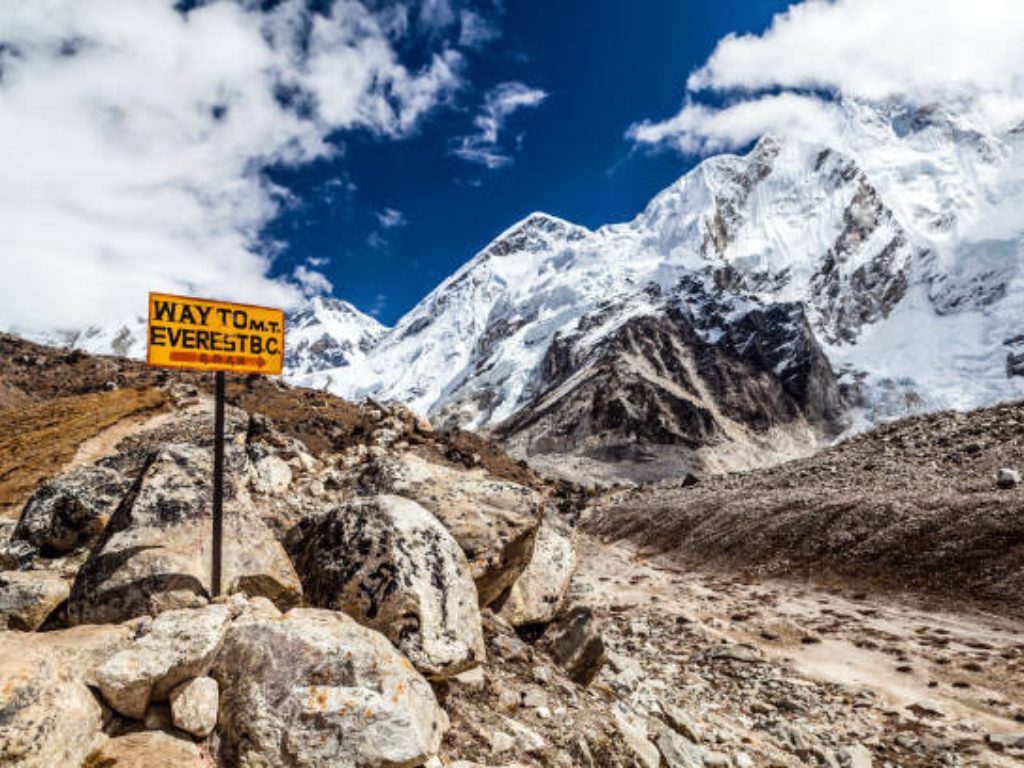
Everest Base Camp Vs Annapurna Base Camp : Which Trek Is Better?
If you are dreaming of trekking in Nepal, you have probably heard of two legendary trails: Everest Base Camp (EBC) and Annapurna Base Camp (ABC). Both trails are famous around the world. Both take you deep into the Himalayas. But they are not the same trek. In this guide, we will compare both treks in […]
How Difficult is the Langtang Valley Trek
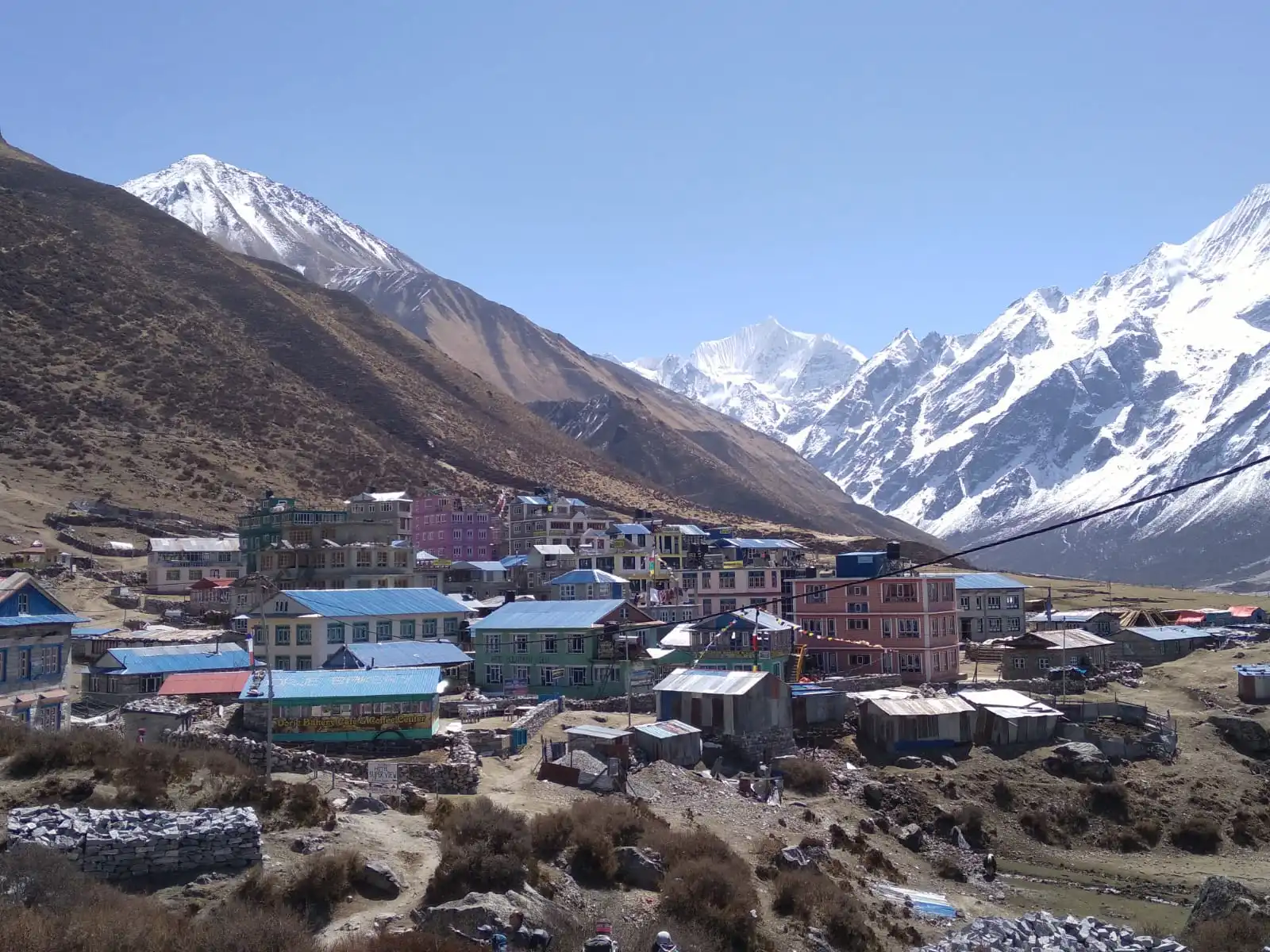
I still remember the first time I stood at Kyanjin Gompa and gazed out at the Langtang Lirung glacier, an ice and rock wall so massive it seemed to be breathing. Behind me, a party of trekkers I had led from Kathmandu was hushed, their hands around cups of butter tea, utterly enraptured. One of them looked […]
Rhododendron Flowers: Nepal’s Colorful Himalayan Blossoms
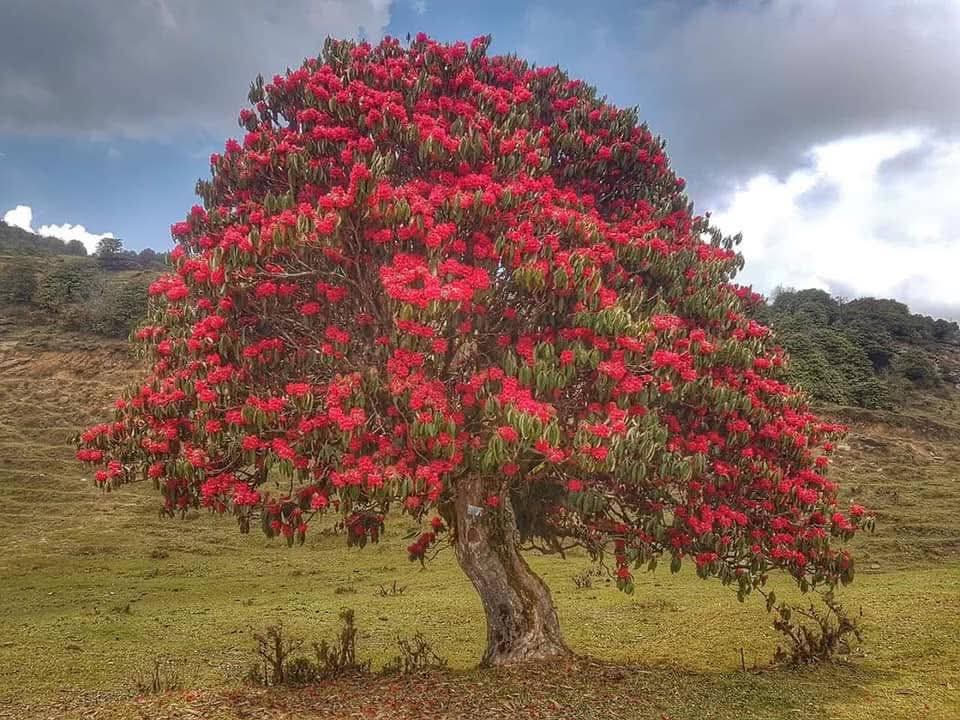
There is a moment, somewhere on the trail between Ghorepani and Poon Hill, when the forest just changes. One minute you are walking through bare oak and pine, your boots crunching on last night’s frost and then almost without warning, the entire hillside catches fire. Not real fire. Something better. Thousands of rhododendron trees in […]