
Tea House Trekking in Nepal: A Complete guide for the trekkers
Posted by: Nepal Holiday Treks and Tours on February 28, 2026
If you are planning a Himalayan trip and are curious about where to sleep, eat, and rest on the trail, this ultimate guide to tea house trekking in Nepal will tell you everything you need to know.
Tea house trekking is the most common and comfortable mode of trekking in Nepal’s mountains. Rather than camping, you sleep in small mountain lodges owned and run by local families. You hike from village to village, eat home cooked meals, and see real Himalayan hospitality and culture.
From the classic trails to Everest Base Camp to the scenic trails of Annapurna Base Camp and the secluded nature of the Manaslu Circuit, tea house trekking enables you to know Nepal as you, affordable and intensely personal.
What is Tea house Trekking in Nepal?
Tea house trekking in Nepal is a popular style of trekking where travelers stay overnight in small, family run mountain lodges which is called as tea houses instead of camping in tents. These simple lodges are located along major trekking routes.
During a tea house trek, you hike from village to village, enjoying Himalayan landscapes while experiencing local culture and hospitality. Tea house trekking in Nepal is affordable, comfortable and ideal for both beginners and experienced trekkers who want an authentic mountain experience without carrying heavy camping equipment.
What Facilities do Tea house in Nepal Offer?
Tea house are not luxury hotels, but they provide everything you truly need after a long day on the trail.
Here is what you can except in a typical Himalayan tea house:
1. Comfortable Sleeping rooms
Tea house offer basic but cozy rooms, usually on a twin-sharing basis.
You can expect:
- Two single beds
- Mattress, pillow and blanket
- Small table or hooks for hanging clothes
- Wooden walls (simple insulation)
Rooms are unheated, so carrying a sleeping bag is highly recommend, especially at higher altitudes.
2. Freshly Cooked Meals
Tea house trekking in Nepal provides the freshly cooked meals. After trekking for hours, a warm meal feels incredibly comforting.
Most tea house offer:
- Dal Bhat (rice, lentils, vegetables – unlimited refills )
- Noodles, Pasta, fried rice
- Momos (dumplings)
- Pancakes, porridge, eggs and toast
- Tea, coffee, hot lemon, ginger tea
In tea house meals are prepared fresh and served in a shared dining hall.
3. Coz Dining Hall with Heating
The dining hall is the heart of every tea house. The dining hall in tea house includes :
- A central stove (usually fueled by wood or yak dung)
- Warm communal atmosphere
- Space to relax, read or chat with other trekkers
Evening here often become the most memorable part of the trek
4. Bathrooms and Hot Showers
In tea house bathrooms and hot showers facilities vary depending on altitude.
At lower elevations:
- Attached bathrooms may be available
- Western style toilets
Whereas at higher elevations:
- Shared bathrooms
- Bucket showers or gas-heated showers (extra cost)
Hot showers are usually available for a small additional fee.
5. Electricity and Charging
Most of the tea house provide solar or local hydro powered electricity, phone charging (takes extra fee) and a basic lighting in rooms. Charging costs increase with altitude because power is limited.
6. Wi-Fi and Connectivity
In tea house, Wi-Fi is available in many villages along popular trekking routes like Everest Base Camp and Annapurna Base Camp. However the connection can be slow and the service is paid and signal becomes weaker at higher altitude. It is enough for basic communication but not for streaming.
7. Drinking Water
Tea house provides boiled drinking water for a fee. They also sell the bottled water but it is more expensive at higher elevations. In tea house trekking many trekkers carry water purification tablets or filters.
8. Basic Safety and Support
Tea house of Nepal also ensures safety and provides support. They help with weather updates, local trail information and emergency communication. They are locally owned and hosts are experienced in supporting trekkers in mountain conditions.
Tea house facilities in Nepal are simple, practical and designed for trekkers. You may not find luxury amenities, but you will find warmth, hospitality and comfort in the middle of the Himalayas.
After a long day of walking, a warm meal, a cozy and a friendly smile from your hosts are often all you need. That simplicity is exactly what makes tea house trekking in Nepal such a beautiful and unforgettable experience.
Why Tea house trekking in Nepal is so Popular ?
Tea house trekking in Nepal has become the most preferred way to explore the Himalayas because it combines adventure with comfort. Instead of camping in tents, trekkers stay in simple mountain lodges run by local families. After walking for hours through forests, rivers and high-mountain trails, having a warm meal and a comfortable bed makes a big difference.
Here are the main reasons why tea house trekking in Nepal is so popular:
- Comfort without Camping
- Affordable Himalayan Adventure
- Authentic Local Hospitality
- Nutritious home-cooked food
- Flexible Trekking Experience
- Well-developed trekking Infrastructure
- Also suitable for beginners and solo travelers
- Opportunity to meet other trekkers in shared dining halls
- Perfect balance between adventure and comfort
Best Tea house Treks in Nepal
There are many tea house treks in Nepal. But some of the most popular and favorite of the trekkers are :
Everest Base Camp Trek
This is the most iconic tea house trek in Nepal, this journey takes you into the heart of the Khumbu region. This trek has well established lodges, stunning views of Everest and vibrant Sherpa culture make it a dream trek for adventure lovers.
Annapurna Base Camp Trek
This scenic Trek offers diverse landscapes from green forest to glacial amphitheaters. In this trek tea house facilities are comfortable and reliable which makes it one of the most popular trekking routes in Nepal.
Langtang Valley Trek
This trek is close to Kathmandu but yet peaceful and less crowded. Langtang valley offer beautiful mountain views and strong local culture. The tea house system in this trek is well developed and welcoming.
Manaslu Circuit Trek
For those who are searching for a remote and adventurous tea house trek in Nepal, the Manaslu Circuit id ideal. It offers dramatic mountain scenery and authentic village life. While more remote, tea house facilities have improved greatly in recent years.
Ghorepani Poon Hill Trek
Ghorepani Poon Hill Trek is a short and a beginner friendly tea house trek known for its breathtaking sunrise views over the Annapurna and Dhaulagiri ranges. Comfortable lodges and manageable walking distances make it perfect for families and first time trekkers.
This best tea house treks in Nepal offer more than just mountain views, they provide cultural connections, warm hospitality and a comfortable place to rest each night. Whether you choose Everest, Annapurna, Langtang or Manaslu, tea house trekking allows you to experience the Himalayas in a simple, authentic and unforgettable way.
Cost of Tea house trekking in Nepal
The approximate cost of tea house trekking in Nepal are:
- Accommodation Cost : $2-15 (depending on itinerary)
- Meals : $10-40 ( depending on your choice )
- Shower, charging, water: $3-6
- Guide: $25-35 (depending on destination)
- Porter (Optional ) : $20
- Transportation: Flight to Lukla (if in itinerary) – $ 350-450 depending on season and airlines.
- Permits: $20-100
How to Prepare for a Tea house trek in Nepal ?
Preparing for a tea house trek in Nepal isn’t just about packing your bag – it is about selecting the right destination, getting in shape, and learning about mountain conditions. If you are well prepared your trip to the Himalayas will be safer, smoother and more fun. Here is a brief, practical checklist to get going:
Choose the Right Trekking Destination
The most important step is to choose the right route. For choosing the right trekking destination you should:
- Choose according to your fitness and trekking experience
- Think about how many days you have
- Settle the altitude to your comfort level
- Pick between popular or less crowded routes.
Build up Your Body Strength and Stamina
Tea house trekking in Nepal typically entails walking 5 to 7 hours a day. You should:
- Begin light cardio training 4 to 6 weeks prior to your trek
- Train hiking on uneven paths
- Tone your legs and core
- Build up your endurance slowly
Proper preparation ensures you enjoy the vistas rather than being tired out.
Pack Smart and Light
Camping gear is not necessary though appropriate clothing is. So you should always have:
- Comfortable trekking boots (well broken-in)
- Warm layers (base, fleece, down jacket).
- Rain jacket and rain pants.
- Sleeping bag (for high altitude)
- Reusable water bottle.
- Personal medication
Light packing makes your trekking so much more pleasant.
Understand Altitude Sickness and Acclimatization
Altitude is an important consideration in Himalayan trekking. You should always:
- Walk slowly and steadily
- Drink lots of water
- No alcohol
- Observe the acclimatization days in your schedule
Good altitude sense avoids altitude sickness.
Get your Permits and Travel Insurance
Permits and travel insurance must be arranged because Permits and entry fees are required for certain trekking areas. You should have :
- National park permits
- Restricted area permits (if required)
- Travel insurance for high altitude trekking
Booking with a local agency like us allows you to effortlessly take care of all the paperwork.
Pick the Best season for You
The best time to do tea house trekking in Nepal is:
- Spring (March–May)
- Autumn (September–November)
In this season there can be seen clear skies, stable weather, and good mountain views.
Bring Sufficient Cash to Cover the Cost of Your Trail Expenses
ATMs cannot be found on most trails. So you should always bring Nepali currency for:
- Warm water for bathing
- Powering up devices
- Food and drink
- Gratuities to guides and porters
Advance planning can avoid inconvenience.
Challenges and Safety Tips for Tea house Trekking in Nepal
Typical Challenges:
- Altitude Sickness: High-altitude treks such as Everest Base Camp can make you feel queasy, give you headaches, or leave you exhausted.
- Changing Weather: Weather in the mountains is subject to fast changes, particularly in high altitudes.
- Cold Temperatures: Night can get very cold, even in trekking season.
- Basic Facilities: Tea houses are basic and hot water and Wi-Fi are a luxury.
- Long walking Hours: On each day you can expect 5 to 7 hours of hiking on uneven trails which can be quite demanding physically.
Important Safety Tips
- Walk consistently and allow enough time to acclimate properly.
- Stay hydrated and eat healthy.
- Bring warm clothing and good hiking boots.
- High altitude and alcohol do not mix.
- For safety and local help, hike with a licensed guide.
- Select the best times (Spring and Autumn) for the most stable weather.
Why Book Tea house Trekking with a Local and Licensed Trekking Agency Like Us ?
Planning tea house trekking in Nepal can be easy but the Himalayas require skill, preparation and local knowledge. Beforehand it is always wise to do some research and pick a trustworthy local trekking company with good reviews like us to make sure your trip is safe, smooth and truly unforgettable.
Here is why trekking with a local Nepal-based agency makes a real difference:
1. Local Expertise You Can Trust
We live and work in the Himalayas. We know the trails, the weather, the altitude and the service levels of tea houses on popular routes such as Everest Base Camp, Annapurna Base Camp.
With our personal experience we can provide honest advice and up to date information on what you can really expect, something the large international booking platforms are unable to provide.
2. Tea house Accommodation is Guaranteed and Comfortable.
Tea houses are sold out in high season. We per-book dependable and comfortable lodges, so you won’t be hunting for accommodations after a long day on the trail.
3. Professional Licensed Guides
Our government licensed guides are trained in:
- Altitude safety
- First aid
- Route navigation
- Cultural interpretation
They do more than just make sure you are safe, but also fill your journey with stories and traditions from the local culture.
4. Permits and Paperwork with No Hassle
Trekking permits and national park permits are mandatory in Nepal. We process all the paperwork professionally, so you save time and avoid unnecessary hassle.
5. Safety and Emergency Support
The mountains are gorgeous but uncertain. We offer:
- Support 24/7
- Emergency evacuation coordination
- Safety briefings should be clear
Your health and safety are always paramount to us.
6. Support for our local communities
When you book with us through local travel agent, you directly support:
- Nepali guides and porters
- Tea house owners
- Mountain communities
Your trip enters you into a responsible and sustainable tourism in Nepal.
7. Personalized and Flexible Service
Every hiker is unique. Whether you prefer a slow pace, custom itinerary or special arrangements, we can customize your tea house trekking experience in Nepal according to your requirements.
Final Advice
Tea house trekking in Nepal does not require ant heavy equipment, but proper preparation makes your journey more cozy and safe. Pack smart, keep your bag light and focus on essentials suited for mountain weather.
With the right gear, you will be fully prepared to enjoy the beauty of the Himalayas and the warmth of Nepali’s tea house hospitality.
FAQs about Tea house Trekking in Nepal
Is tea house trekking suitable for beginners?
Yes, many routes are beginner friendly, especially in the Annapurna and Langtang regions.
Do I need a guide for tea house trekking?
In some regions, a licensed guide is mandatory. Even where not required, hiring a guide is highly recommended for safety.
Are private rooms available?
Yes, especially at lower altitudes but availability depends on the season.
Is altitude sickness a risk?
Yes, especially on higher routes like Everest Base camp. Proper acclimatization is essential.
Are hot showers available ?
Yes, in most villages but need to pay extra.
Is Wi-Fi available in tea house ?
Yes, but it can be slow and costs extra especially at higher altitudes.
How many hours do we walk daily ?
Typically 5 to 7 hours depending on the itinerary.
What permits are required?
Permits vary by region. For Example Annapurna Base Camp requires ACAP permits.
Do tea house provides blankets ?
Yes, but carrying a sleeping bag is recommended for warmth.
Can vegetarian find food easily ?
Absolutely, most of the foods are vegetarian friendly.
Can solo travelers join tea house treks ?
Yes, solo trekking is common, especially with guide support.
Why book through a local agency ?
A local agency ensures proper permits, reliable accommodations, experienced guides and 24/7 safety supports.
Is travel insurance mandatory for tea house trekking in Nepal ?
Yes, most trekking agency require travel insurance that covers high-altitude trekking and emergency evacuation.
What should my travel insurance cover ?
Your travel insurance must cover:
- High altitude trekking
- Emergency helicopter evacuation
- Medical expenses
- Trip cancellation/interruption
How much evacuation coverage is recommended?
At least USD 100,000 coverage is strongly recommended for helicopter rescue and medical treatment.
Related Blogs
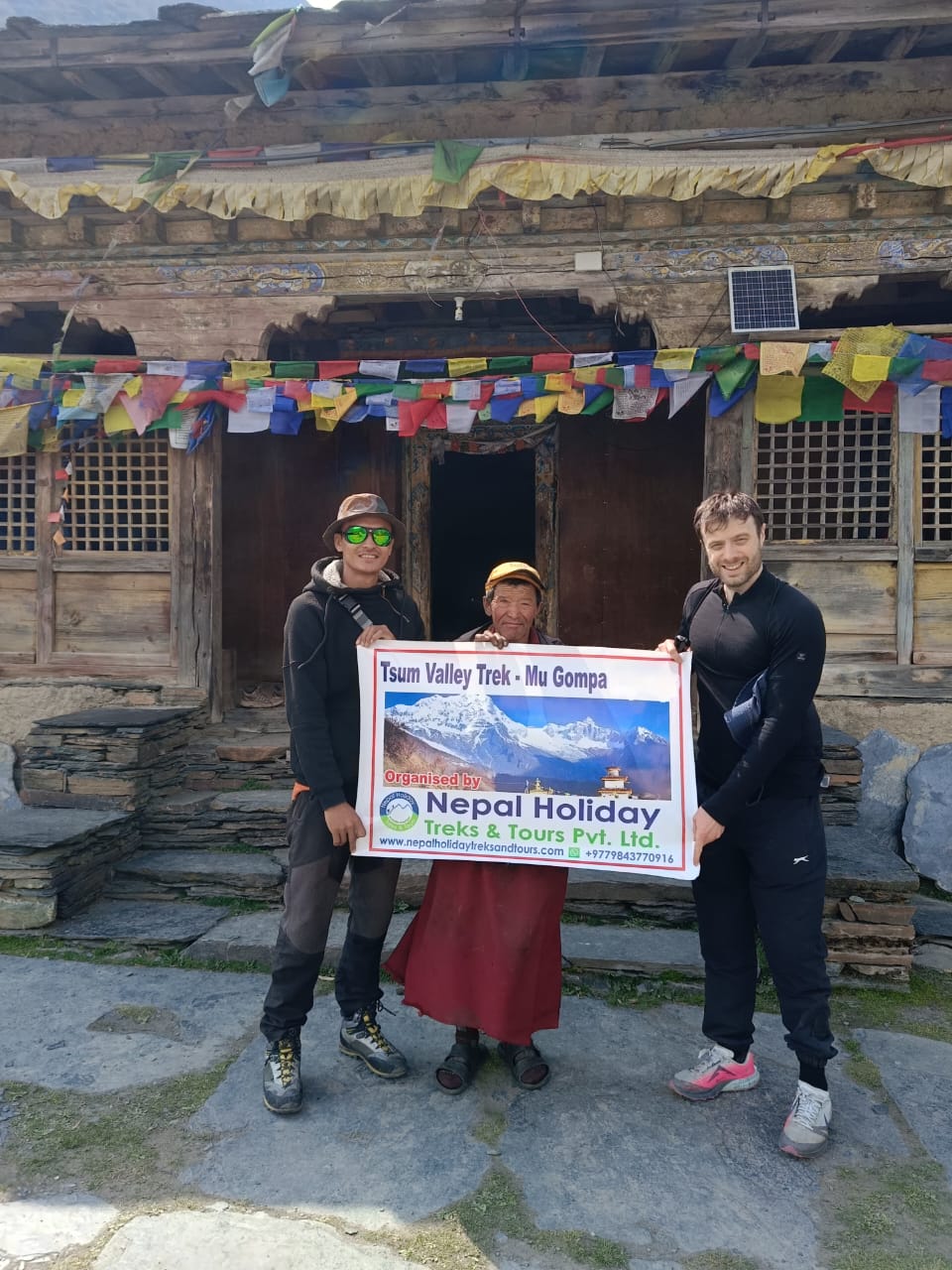
Mu Gompa
Mu Gompa, also known as Dechen Lhundrup, is an important Buddhist monastery in the Upper Tsum Valley of northern Gorkha, Nepal. Located along the remote Tsum Valley Trek, it is one of the region’s main spiritual and cultural landmarks. The monastery sits at approximately 3,700 m (12,139 ft) above sea level within the Manaslu Conservation […]
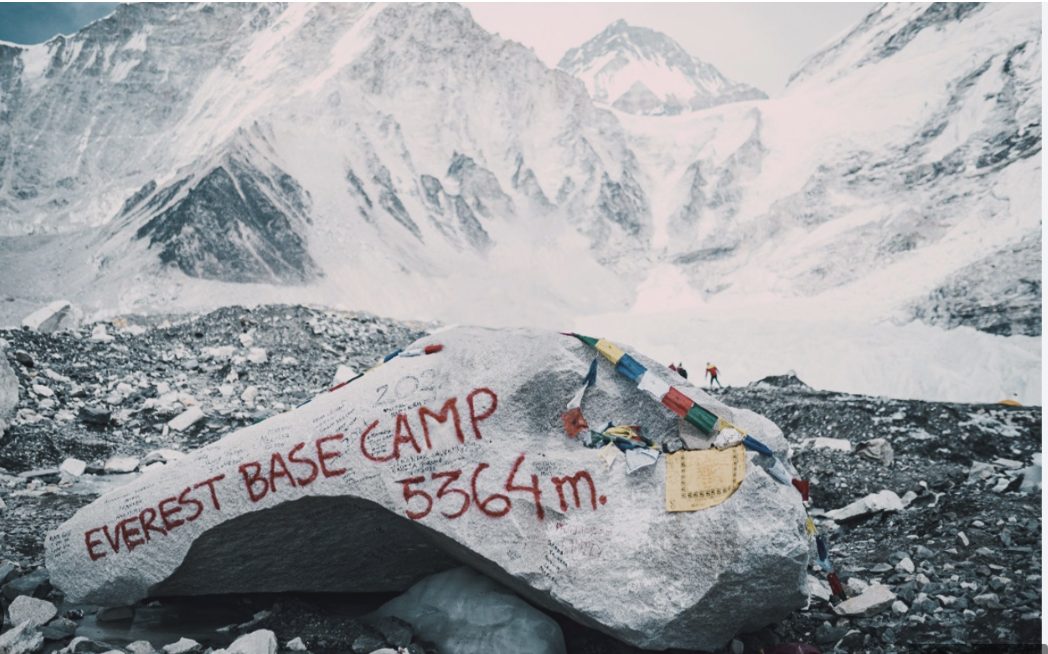
Everest Base Camp Trek FAQs
Introduction Planning the Everest Base Camp Trek often comes with questions about the route, duration, altitude, permits, weather, accommodation, fitness, and overall trekking conditions. These frequently asked questions provide clear and practical information to help you understand what to expect before starting the trek to Everest Base Camp. Frequently Asked Questions General Everest Base Camp […]
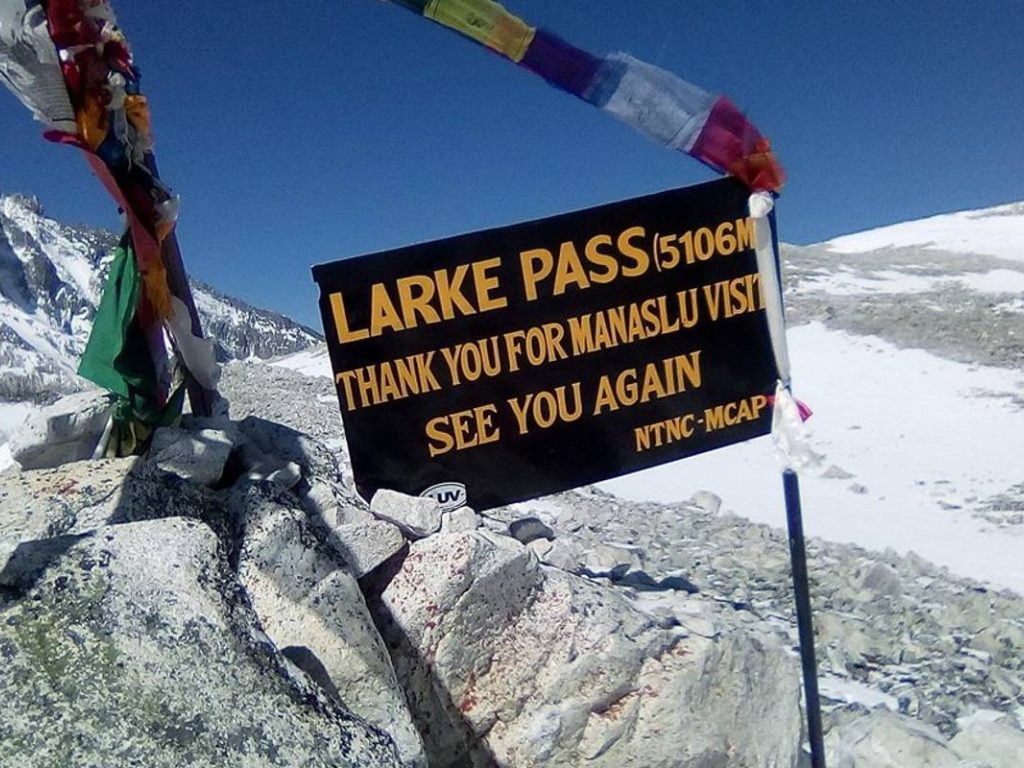
Manaslu Trek via Larke Pass Trek FAQs
Introduction The Manaslu Trek via Larke Pass is a remote Himalayan adventure around Mount Manaslu, the world’s eighth-highest mountain. The route passes through traditional villages, Buddhist monasteries, dramatic valleys, and high mountain landscapes before crossing the challenging Larke Pass. These FAQs cover the route, permits, difficulty, altitude, best time, accommodation, cost, preparation, and other practical […]