
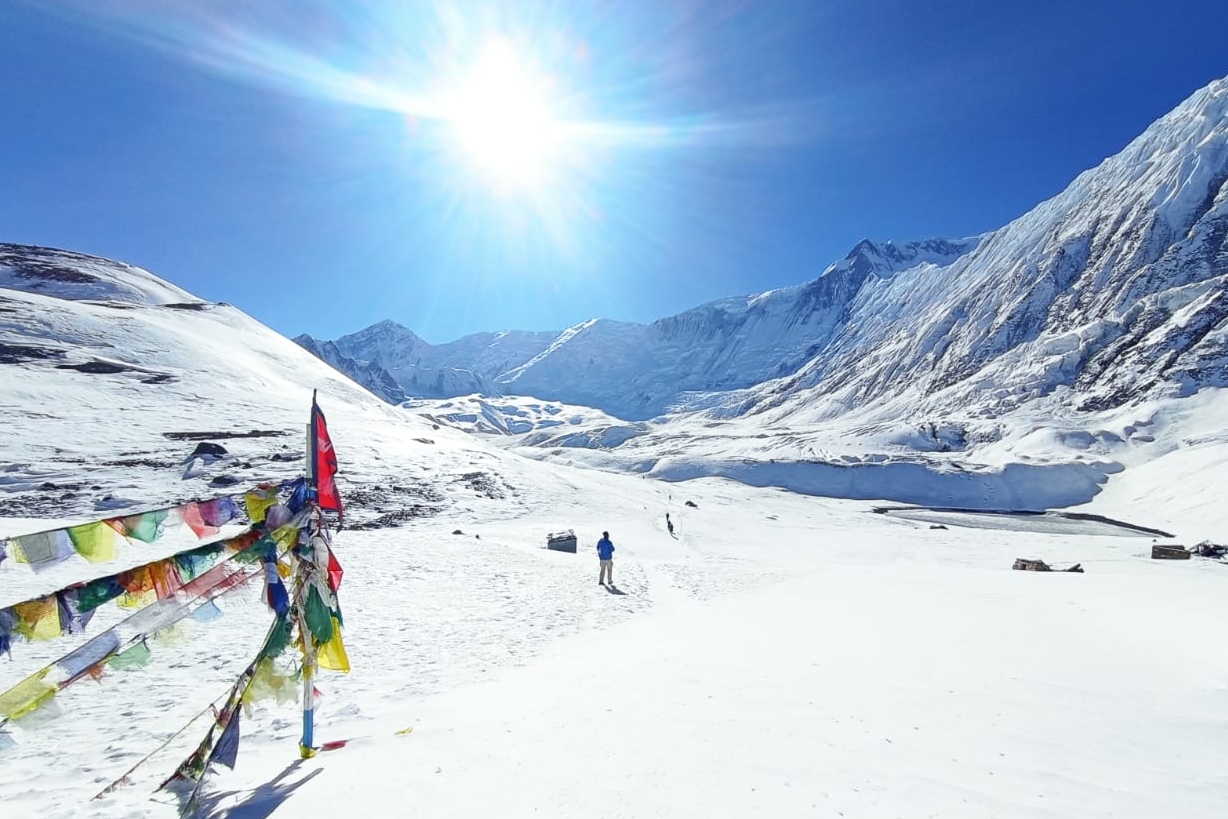


Short Annapurna Circuit Trek – 10 Days Overview
There is a good reason why the Short Annapurna Circuit is regarded as one of the best treks in the world –and this 10 days short trek version offers all of the spectacular views that make it legendary, without taking up weeks of your life. Beginning with that drive – making your way to the town of Chame via jeep and ending with an epic crossing of Thorong La Pass at (17,769 feet), this route sweeps you through an astounding array of terrain, cultures, and elevations in just 10 days.
You will wander through fragrant pine and spruce forests along the thunderous Marsyangdi River, past traditional Gurung and Manangi settlements frozen in time, and into the realm of the high altitude beyond 13,123 feet, where yaks graze and snow-capped peaks rule every horizon. The route also takes a detour to Tilicho Lake – one of the highest lakes in the world at 4,919 meters – making this not simply a circuit trek, but a complete Himalayan experience.
This is far more than a walk in the hills. It is a trek through five ecological zones, two separate cultures, and a terrain that evolves so radically day by day that it nearly seems like multiple journeys wrapped into one.
The shortcut skips the lower Marsyangdi valley stages to save time, going straight into the heart of the Annapurna Conservation Area from Chame. What you gain is efficiency, what you don’t lose is any of the magic. Each day on this trail treats you to something truly different – a different landscape, a different village, and a different challenge. When you finally make your way down to Jomsom on the Mustang side of the pass, you will have no doubt as why trekkers continue to flock to the Annapurna region year after year.
Best Time to visit Short Annapurna Circuit Trek
Choosing the best and perfect time for the Short Annapurna Circuit Trek is very essential for making your journey beautiful, hassle free and memorable. Going for the trek in the perfect season gives you perfect view, experience and happiness. Here are the best seasons when you can visit the Short Annapurna Circuit Trek are:
Spring (March to May)
Spring is all about transformation on the Annapurna Circuit. By March, the slopes from Besisahar to Chame are a blaze of rhododendrons – red ones at the lowest levels, then pink and white as you move upwards. It’s one of Nepal’s best-known sights, and the brief circuit puts you right in the middle of it.
Days are warm and sunny, wildlife is abundant, and the trails seem more like a living thing during other seasons. But with one caveat: May is the season for some afternoon haze and pre-monsoon cloud build-up, obscuring the tops of some of the higher peaks. Aim for late March or April if mountain views are the most important thing for you.
Autumn (September to November)
If you want to know when to do the short Annapurna Circuit, just ask around any experienced trekker, and you will hear October without hesitation. The monsoon retreats by late September, bringing with it clean air and crystal clear skies. Annapurna II, Gangapurna and Tilicho Peak rise jagged over the horizon in a manner that is actually difficult to describe – you have to see it.
Perfect walking temperatures, cool at altitude, warm enough at the lower levels to hang out evenings in teahouses without donning every scrap of clothing you own. October is towards the peak season so there will be a crowd on the trail, and book your teahouses in advance especially around Manang and Thorong Phedi.
Winter (December to February)
Winter trekking on the short Annapurna Circuit is feasible in the lower sections and there is something magical about trekking on deserted trails with snow-capped peaks above. Yet Thorong La Pass (5,416m) gets heavy snowfall and blizzards in December through February, and crossing it during this time without adequate experience and equipment can be life-threatening. Many trekkers skip the pass or double back at Manang in this period. For the high-altitude trekker who is experienced and well equipped the seclusion and winter light are incomparable rewards.
Monsoon is not suitable for the Short Annapurna Circuit Trek as it bring heavy rain, slippery roads and cloudy views. It is better to go on trek in Spring and Autumn. Other than that winter can be your options but Monsoon is not recommended.
Difficulties and fitness Level Required on the Short Annapurna Circuit Trek
Let’s just be clear about this. The Short Annapurna Circuit Trek is not a casual nature walk, it is also not a hardcore adventure just for experienced mountaineers. It is definitely in the moderate to difficult range, and the single greatest factor that makes it feel difficult is altitude and not distance. On most days we walk 4 to 7 hours along well-maintained trails. What makes those hours onerous is that so much of the path is above 3,500 meters, culminating with Thorong La Pass at 5,416 meters on Day 08.
Knowing exactly what makes this trek hard and preparing for it properly – is the difference between an agonizing ordeal and the adventure of a lifetime.
The real challenges on this trek are:
- High Altitude and Acute Mountain Sickness (AMS)
- Thorong La Pass Crossing (5,416m)
- Tilicho Lake Day (4,919m)
- Consecutive Day of Walking
- Cold Temperature and weather at High Altitude
Read More: A comprehensive guide to the difficulty level of the Annapurna Circuit Trek.
Fitness Level required for the Short Annapurna Base Camp Trek are:
- Moderate to good fitness is required
- Strong legs are required
- Good cardiovascular endurance
- Core strength for carrying a pack
- Mental endurance matters as much as physical fitness
- Experience with multiday walking is a big advantage
Short Annapurna Circuit Vs Annapurna Circuit – The Actual Difference
Both routes share the same soul – the same towering passes, the same sacred villages, the same Himalayan magic. The difference is simply how deep you want to go.
The short Annapurna circuit does it in 10 days. Beginning with a drive from Kathmandu to Chame, it races to the heart of the Annapurna region – all the major highlights including Tilicho Lake, Thorung La Pass, Muktinath and the Kali Gandaki Gorge – in a mad dash that does not waste a single day. It’s the best of the best. All distilled down in an excellent little package.
The Full Annapurna Circuit route takes 29 days and is everything you get on the short plus Annapurna Base Camp, the iconic sunrise at Poon Hill, the hot baths at Tatopani, the apple orchards at Marpha and a languid journey through the genuine rural communities in the lower Marsyangdi valley that the Short Annapurna circuit completely skips.
To put it simply – if you have got 10 days, take the short circuit. There is not a single headliner moment you will miss. If you want four weeks to experience the raw, unfiltered mountain reality from your first step on the trail to your last, the full circuit is one of the best long-distance treks in the world.
Two routes. One legendary mountain range. They are equally worth it.
Tilicho Lake – The Himalaya’s Best Kept Secret
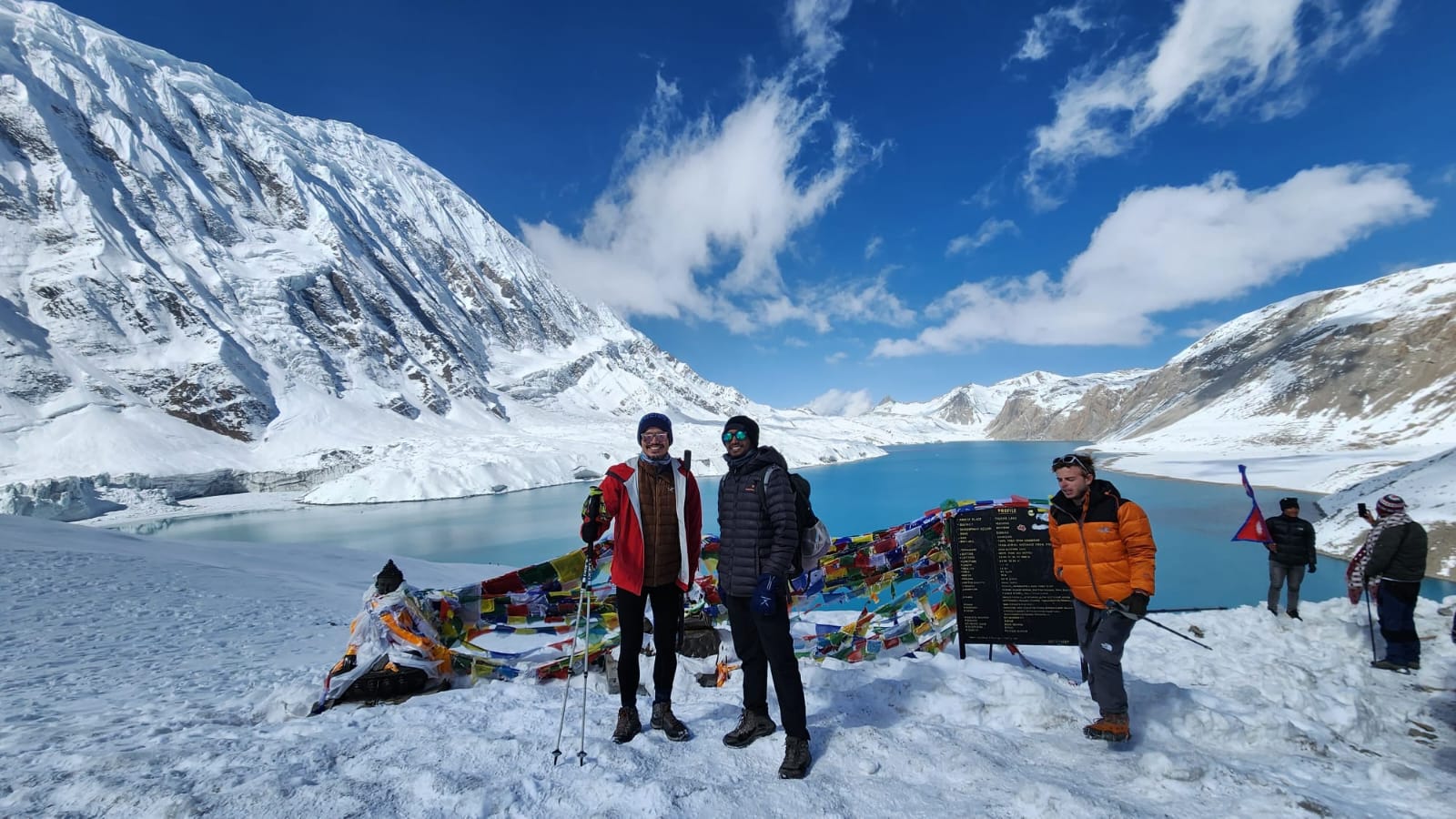
At an altitude of 4,919 meters, Tilicho Lake is not for the faint-hearted — this is something you have to work for. Two days of slogging up rock, ice and silence and you hit the final ridge. Then you crest it. And there it is — endless and immobile and a shade of blue no photograph has ever captured straight on.
The Annapurna massif rises up on three sides, its snow-streaked ridgelines dropping abruptly into water so cold and clear, that looking at it stings. On still days the lens of the camera the whole range is reflected so that you do not know where the mountain ends and the lake begins. The world doubles itself here — and standing at the edge of it, in a silence so stifling that it feels spiritual, you have no problem in understanding just why people cross oceans just to get to this place.
Most trekkers on the Annapurna Circuit never come here. That’s their loss and silently, your gain.
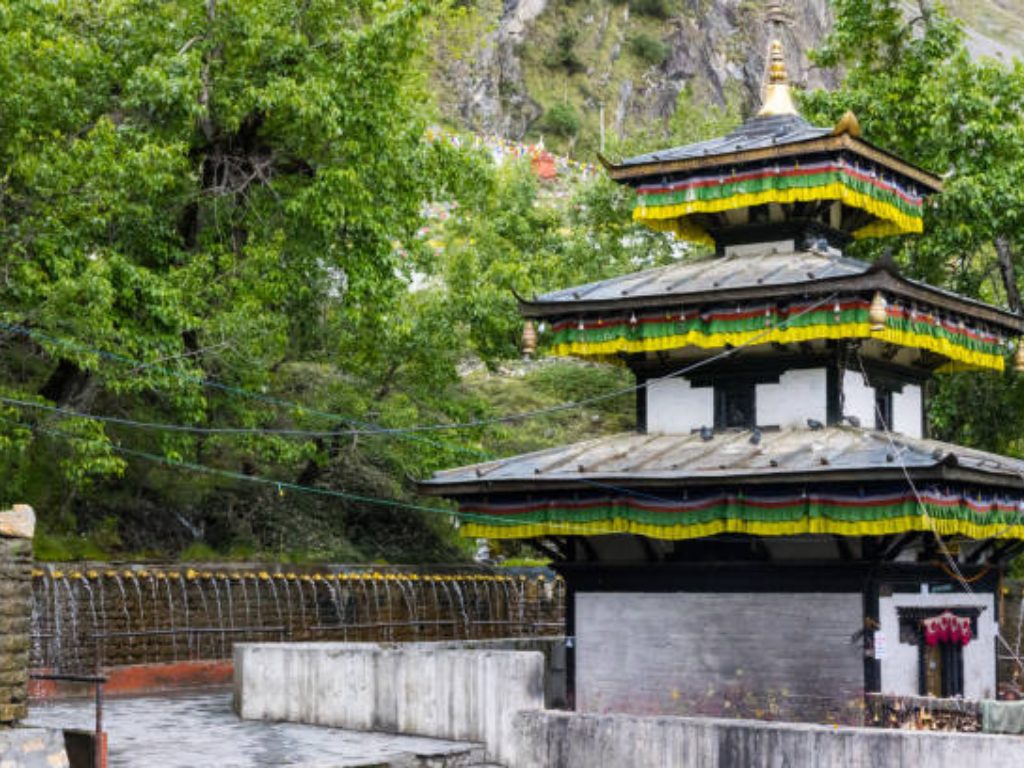
Muktinath Temple – Sacred Mountain Pilgrimage & Spiritual Retreat
Muktinath Temple is a unique and special place in Nepal. People just visit this temple to find peace and connection of spiritual. This temple is hidden in the spectacular Mustang Mountains, it is a holy place for Hindus and Buddhists both. People come here to offer prayers, receive blessings and feel the tranquility of being removed from the rigors of daily existence. The ancient temple and its stunning surrounds make it a truly unforgettable destination. Spiritual fulfillment, or simply to pleasure the eyes with the beauty of the nature, Muktinath is a place that touches the soul.
It is commonly believed that bathing under the 108 jets of water in this temple can wash away sins and raise one to a better life. Others say that pilgrimage to Muktinath brings your wishes come true and the pilgrims gain spiritual enlightenment. The stories and legends associated with the temple and its divine blessings make it a highly revered pilgrimage place for Hindus and Buddhists both.
Outline Itinerary
Day 01: Drive to Chame (140 km (87 miles) (8 to 10 hrs)
Day 02: Chame to Pisang ( 3185m ) (4 to 5hours)
Day 03: Pisang to Manang via Ngawa (3480m) (r4 to 5 hrs)
Day 04: Rest day in Manang
Day 05: Trek to Tilicho base camp
Day 06: Hike to Tilicho Lake and trek down to Yak kharka ( 7-8 hrs)
Day 07: Trek to Thorung Phedi/ High Camp
Day 08: Trek to Muktinath via Thorung La Pass (5416 m)
Day 09: Trek to Jomsom
Day 10: Drive to Pokhara/ or kathmandu
Short Annapurna Circuit Trek – 10 Days Highlights
- Cross Thorong La Pass ( 5,416m)
- Visit Muktinath Temple
- Walk through the deepest Kali Gandaki River Gorge in the world
- Trek through five different Climate Zones
- Discover the hidden treasure of the Annapurna Massif – Tilicho Lake ( 4,919m)
- Explore ancient Temples, Monasteries and Gompas
- Walk through Hindu Villages at the low foothills and the Tibetan Villages at the high foothills
- Gaze across high foothills bordering the highest plateau of Tibet
- Experience two different cultures – Hindu and Tibetan Buddhist
Short Annapurna Circuit Trek – 10 Days Itinerary
Expand allDay 01: Drive to Chame (140 km (87 miles) (8 to 10 hrs)
The first day of the trek begins with 10-11 hours drive of jeep from Kathmandu to Chame. Then, you will save 2-3 days for the trek. The drive passes through scenic view of the landscapes, forests and local small villages. The next day we ascend to Pisang.
Day 02: Chame to Pisang ( 3185m ) (4 to 5hours)
On this day we are crossing the Marshyangdi River and continue our trek through beautiful pine and spruce forest and finally, the trek will end at Pisang a village at 3185 meters of height. We will stay overnight at a tea house in Pisang after a 4 to 5 hours of walk. We will be observing the views of Mt. Annapurna all the way on our trekking.
Day 03: Pisang to Manang via Ngawa (3480m) (r4 to 5 hrs)
Actually, there are two routes from Pisang to Manang (3480m) but you can choose anyone of them because both are similar in providing you the best views. We will be moving from the lower route as other route is called upper route; which will take us to Hume and Braga village where there is a 600 years old monastery, as well as Tibetan styled houses, can be seen here. We will be reaching the Beautiful village of Manang after our 4 to 5 hours walk from Pisang where we will have our overnight stay at a tea house.
Day 04: Rest day in Manang
We will be spending one more day strolling around the village of Manang and interacting with the local peoples. Staying one more day will help us adjust our body to the altitude. The excellent views seen from here of Annapurna Mountains as well as Gangapurna Lake will certainly make you excited. We will stay overnight at a tea house in Manang.
Day 05: Trek to Tilicho base camp
A wonderful trek to the Tilicho base camp passes through the grassland exploring yaks grazing. Enjoy the trek walking slowly maintaining the pace and sightseeing the valley from the top. Finally, reach the Tilicho base camp passing the edge above the Kangsar Khola.
Day 06: Hike to Tilicho Lake and trek down to Yak kharka ( 7-8 hrs)
The next day, in the early morning we will hike to the Tilicho Lake. Here we will enjoy the glimpse of the lake and trek back to the hotel, take breakfast and trek down to Yak Kharka. It takes at least 7-8 hours walk.
Day 07: Trek to Thorung Phedi/ High Camp
After breakfast in the teahouse, the trek starts with few slowly up and downs until crosses the stream on a wooden bridge at 4310 m. After making a short ascent on a good trail to a teashop, the route then follows a narrow path across a high, unstable slope before heading to Thorong Phedi (foot of the hill). If you feel fine today you can make all the way to Thorang High Camp, if you do it today it will be easier for tomorrow. Stay overnight at the tea house.
Day 08: Trek to Muktinath via Thorung La Pass (5416 m)
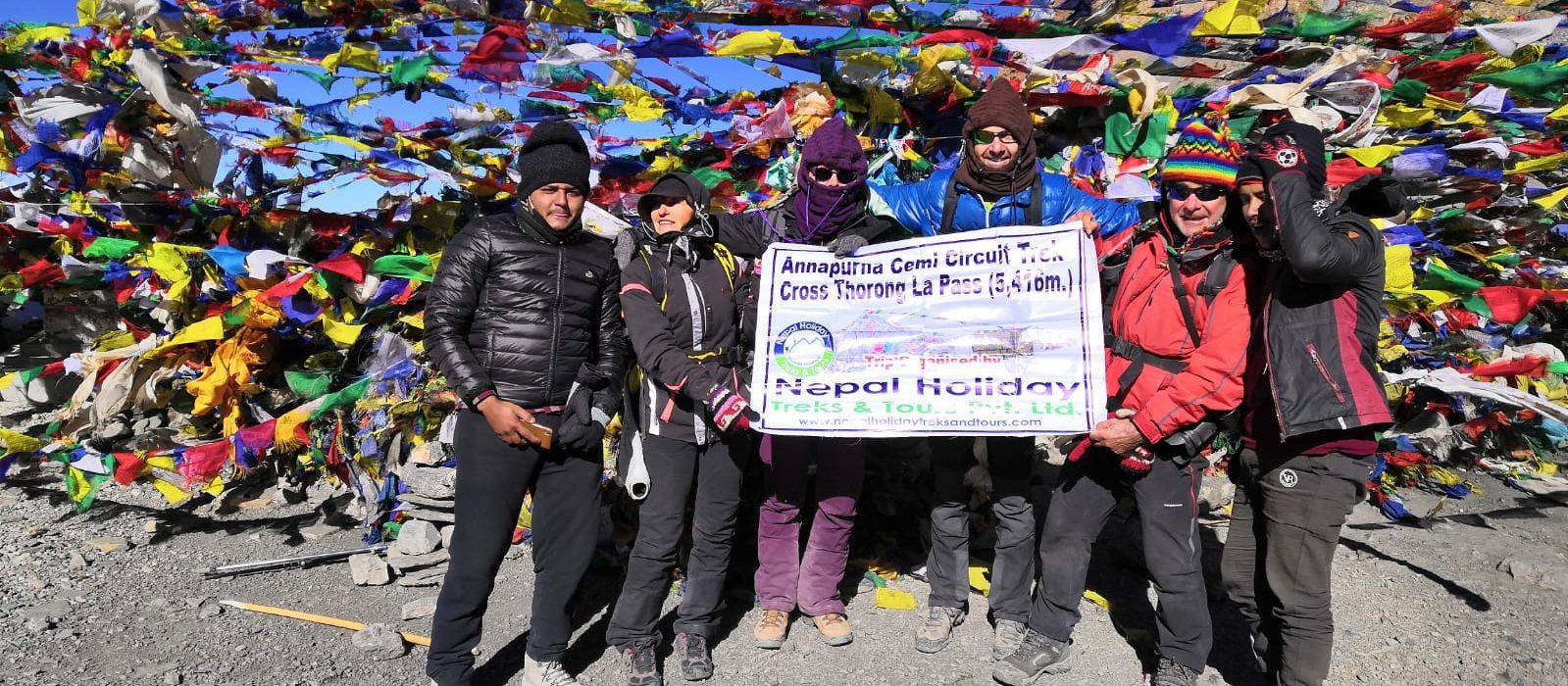
Crossing the arduous Thorong La Pass at a dizzying height of 5,416m/17,764ft is another highlight of this trek. An early start is important to go through the icy high-altitude trail. But the picturesque mountain vistas are more than compensates the strenuous walk through the grueling trail. We reach Muktinath by sunset which is an important pilgrimage site for both Hindus and Buddhist. We can stroll around the area which hosts a Vishnu temple and a Monastery nearby.
Day 09: Trek to Jomsom
It is an easy walk to the routes of Jomsom, although it becomes tedious if there is a strong wind. The trail descends very fast to the Eklai Bhatti than along the Kali Gandaki to the Jomsom. Jomsom is the administrative headquarters of Mustang district. After afternoon you will have the chance to visit Mustang Eco Museum. Stay overnight at the tea house.
Day 10: Drive to Pokhara/ or kathmandu
Today an early morning breakfast guide will take you to the Pokhara by bus. This is also second biggest city after Kathmandu for tourism. After refreshment, you will have guided sightseeing tours in the valley. Stay overnight at the hotel.
If the above Short Annapurna Circuit Trek – 10 Days itinerary does not meet your needs, we can design individualized travel plans based on your preferences and specifications.
Plan My TripShort Annapurna Circuit Trek – 10 Days Cost Includes
- Three times three meals a day—breakfast, lunch, dinner, and 3 cups of tea/coffee a day during the trek.
- Accommodation in tea house during the trek Private room.
- Fresh fruits after dinner every night as dessert during the trek.
- Local bus from Kathmandu to Besishar, then sharing jeep to Chame.
- An experienced, helpful, knowledgeable, friendly, English-speaking, well-trained, government license holder Trekking Guide with all his salary, food, drinks, accommodation, equipment, transport, and insurance.
- Drive to Pokhara or Kathmandu by local bus from Jomsom.
- Trekking permits and TIMS card
- You will be under observation with a pulse oximeter to have your oxygen levels and heart rate measured twice a day during the trek. This is to catch the signs of altitude mountain sickness (AMS) early, thus making trekking safer.
- Normal First aid kit box.
- Arrangement of Emergency helicopter service (paid by your travel insurance company).
- All taxes and company service charges.
- Nepal Holiday Treks, T-shirt & Trekking map.
Short Annapurna Circuit Trek – 10 Days Cost Excludes
- International airfare and visa fees
- Lunch and dinner in Kathmandu & Pokhara.
- any accommodation in Kathmandu & pokhara.
- any airport pickup and drop service.
- Personal expenses of bar and beverage bills, wifi, hot shower, bottle of water, extra porters, laundry or any other things which are not mentioned by the company
- Your trekking gear and extra nights in a certain destination.
- Your travel insurance, which should include the emergency rescue.
- Tips for your guide and porters, which is compulsory.
- Extra expenses due to any event such as strikes, weather conditions, or flight delays etc.
Short Annapurna Circuit Trek – 10 Days Additional Info
Healthy Meals and Accommodations at Annapurna circuit trek
Nepali Dal Bhat is a chief dish with organic and healthy fresh green vegetable curry. Tea shops and lodges provide meals, which are often a mix of Nepalese and western cursine. There are also vegetarian choices. You will enjoy the Variety of delicious foods during the trek. The accommodation is modest, generally with twin beds in a shared room. There may be common rooms at some tea houses where you may rest and socialize with other trekkers.
People and Culture
Nepal is a multi cultural country where people with different culture and traditions lived mutually. So in this region mostly magar and gurung people live, famous for Gurkha regiment. Additionally you can also observe chhetris in the lower elevations and mongoloid Himalayan people in Himalayan. If you want to experience more cultural diversity heritages in Himalayan then Nepal Holiday Treks and Tours Pvt. Ltd. recommends you to Lantang, Manaslu, and Everest region. But no doubt that Annapurna circuit trek is the best scenery as numerous people trek there every year.
Permits required for short Annapurna circuit trek
Simply, every Himalaya in Nepal is a protected area, with the popular name of the Himalayas and Annapurna circuit trek also comes under the Annapurna Conservation Area Project (ACAP). All the trekkers trekking to Annapurna need two different permits.
1. Annapurna Conservation Area Project (ACAP) permits.
2. Trekkers’ Information Management System (TIMS) permits.
Annapurna Conservation Area Permit (ACAP)
The Annapurna Conservation Area Permit (ACAP) is required by all travelers who are traveling to the Annapurna region. The cost of the permit is as follows:
- For foreigners (non-SAARC countries): NPR 3,000 per head
- For SAARC nationals: NPR 1,000 per head
- For Nepali: NPR 100 per head
You can obtain the ACAP permit from:
- Nepal Tourism Board (NTB) Office in Kathmandu or Pokhara
- Checkpoint at entry points of the Annapurna region
Is the Short Annapurna Circuit Suitable For You?
The Short Annapurna Circuit Trek is moderate to strenuous that rating needs some explanation. The walking distances are not extreme. Throughout the most part of day walks ranges from 4 to 7 hours, the terrain is well established with teahouses every few hours. What makes this trek difficult is the altitude. You will be spending days above 3,500 meters. Crossing a 5,416-metre pass, and visiting a lake at nearly 5,000 meters. None of that requires technical climbing skills but it does require a healthy body, a sensible pace, and genuine respect for how altitude affects the human body.
The good news is that the itinerary is designed with acclimatization in mind. The rest day in Manang on Day 04 is mandatory – It’s what makes the rest of the trek safe and enjoyable. Trekkers who rush the ascents are the ones who struggle. People who keep to the schedule, drink lots of water and listen to their bodies almost always make it over Thorong La with a big smile on their face.
Flora on the Short Annapurna Circuit Trek
One of the most quietly amazing things about the Short Annapurna Circuit Trek is how abruptly change in scenery with every 1,000 meters you climb. In a mere ten days you will hike through five entirely different vegetation zones – from the lush jungles subtropical forests around Chame to the barren alpine tundra near Thorong La Pass. It’s like watching the entire spectrum of Earth’s plant life parade by, inch by inch.
The Annapurna Conservation Area – Nepal’s largest protected area at 7,600 sq km — shelter over 1,226 species of plants. Every day on this trail is a quiet botanical adventure, whether you are consciously looking for it or not.
Some of the Plants and flowers you can see on the trail are:
- Sal Trees
- Giant Bamboo
- Banana Plants
- Rhododendron
- Juniper
- Dwarf shrubs, etc.
Fauna on the Short Annapurna Circuit Trek
Annapurna Conservation Area is one of the richest in biodiversity in protected areas in Asia with more than 100 species of mammals and 478 bird species. The animals you see will vary depending on at what elevation you are and time of day you are walking. The mountains truly come alive in the morning and the late afternoon.
You do not have to be a hardcore bird watcher to have once-in-a-lifetime experiences on this island. Watch the rocky ridges and listen to the forest and approach quietly and the Annapurna Circuit will reward you with sights the vast majority of trekkers simply hurry past.
Some of the Birds and Animals you may see on the trail are:
- Snow leopard
- Blue sheep ( Bharal)
- Himalayan Tahr
- Red Panda
- Himalayan Griffon vulture
- Danphe
- Himalayan Marmot
Altitude Sickness During the short Annapurna circuit trek
Normally altitude sickness occurs when you travel to a high altitude too quickly. Headache, nausea, tiredness etc are the symptoms occur when your body tries to adjust to the lower air pressure and lower oxygen levels at high altitudes. Here are some things you can do to prevent yourself from getting altitude sickness.
- Stop and rest where you are
- Do not go any higher for at least 24 to 48 hours
- Make sure you are drinking enough water
- Do not smoke, drink alcohol, or exercise
- Eating foods and drinking fluids that contain carbs such as bread, pasta, fruits, milk, rice, and so on.
Preventing Altitude Sickness (AMS):
- Rest Well: Ensure that you rest well before starting your trek.
- Stay Hydrated: Continue drinking plenty of water during the journey.
- Balanced Nutrition: Maintain the balance of salt and sugar through proper eating habits and not skipping meals.
- Keep Warm: Layer up to remain warm without profuse sweating.
- Controlled Breathing: Breathe deeply and steadily from your diaphragm to maximize lung capacity. Maintain a comfortable walking speed that will allow for controlled breathing. Nasal breathing avoids drying your throat—wearing a muff or scarf in high altitudes might be of use.
- Pace Yourself: It’s not a competition. Pace yourself with a maintainable and Server consistent pace instead of exhausting yourself too early and taking many rest stops. Stop and admire the stunning views.
Travel Insurance for a Safe Annapurna circuit trek
Any trek in Nepal, including the Annapurna circuit trekking, demands travel insurance. When buying travel insurance, ensure that it covers high- altitude trekking and other unexpected emergency. Additionally, you may also obtain the coverage of other activities like hiking, mountaineering, and adventure sports. It can offer you with peace of mind and financial protection in the event of an unforeseen accident.
Guide and Porters for the safety on Annapurna circuit trek
All the trekkers are required to obtain services of licensed trekking guide and to obtain TIMS card through authorized trekking agencies registered with the Government of Nepal. Importantly, Nepal Holiday Treks and Tours Pvt. Ltd. is a reliable and reputable company that can provide you with a safe and technically competent guide and porter. They always carry essential safety equipment, gear, and first aid kids.
Solo Traveler and Group Joining options for the Short Annapurna Circuit Trek
You have been dreaming about the Himalayas. The alpine peaks, the thin mountain air, the comforting heat of a teahouse after a long day on the trail – and now you are really going to get a taste of all of it. But before you tie your boots, there is one question you should consider: is it better to hike alone or with a group?
With the Short Annapurna Circuit Trek, both alternatives are quite good – it all depends on what you want from yourself and your adventure.
Solo Traveler – Short Annapurna Circuit Trek
No Group? No Problem. The Short Annapurna Circuit Trek is best for solo travelers — we assign you a private guide, the itinerary is flexible, and you can trek at your own pace through some of the most breathtaking mountain scenery on the planet. Just you, the trail, and the Himalayas.
Group Joining – Short Annapurna Circuit Trek
Solo travel but cringing about the thought of solo trekking? Join our small group departures and meet people from all over the world with the spirit of adventure like you. Share the trail, the teahouses, the triumph of crossing Thorong La Pass – for the best value. New journey, new friends, unforgettable memories.
Joining a Group Trek on the Short Annapurna Circuit Trek
Traveling solo? We have got you covered. Our fixed-departure group treks are ideal for solo travelers who want to experience the great outdoors without having to worry about logistics. Permits, knowledgeable guides, comfortable teahouse accommodation and meals – we take care of it all, so all you have to do is show up and get lost in the Himalayas. Together with our certified guides you will cross the legendary Thorong La Pass (5,416m) and form unforgettable memories with a group of like- minded adventurers from all over the world.
Best for first-timers or anyone who wants a stress-free, social trekking experience.
Best Alternatives Trek to the Short Annapurna Circuit in Nepal
The 10 day Short Annapurna Circuit trek is considered as one of the best treks in Nepal — but not there are not only one best treks in Nepal. If you have want to increase or you are short on time, money or just want to try out a different trek, there are some wonderful alternative treks in Nepal that offer their own kind of Himalayan magic. These are some of the best ones to consider.
- Everest Base Camp Trek
- Ghorepani Poon Hill Trek
- Annapurna Base Camp Trek
- Langtang Valley Trek
- Manaslu Circuit Trek
Why Choose the Short Annapurna Circuit Trek Over Other Nepal Treks ?
There are many outstanding trekking trails in Nepal — EBC, Langtang, Manaslu, Poon Hill — and they are all truly exceptional in their own ways. So, what is it about the Short Annapurna Circuit that makes it keep coming up? Here’s why.
It packs more variety than any other trek in Nepal
In just 10 days you will pass through five different climate zones, cross a 5,416-metre pass, Visit a glacial lake at an altitude of close to 5,000 meters, visit sacred Hindu and Buddhist pilgrimage sites, and visit two completely different cultures. No other Himalayan Trek in Nepal can match that variation in one trail.
It includes Tilicho Lake – Something amazing that other treks does not have
Tilicho Lake at the elevation of 4,919 meters makes it one of the highest and most spectacular lakes in the world. It’s isolated, seldom crowded, and truly is the only place of its kind in the Himalayan trekking map. And the fact that it lies on this itinerary makes the short Annapurna circuit to the stand out immediately.
It’s the most complete Himalayan experience for limited time
Everest Base Camp requires at least 14 days and you never cross a high pass. Poon Hill is beautiful but short. Langtang is quieter but more compact. The Short Annapurna Circuit gives you altitude, culture, wildlife, nature, and spiritual meaning — all just in 10 days.
It is well organized, well connected and well served
The path is well marked, lined with comfortable teahouses, and the Jomsom airport allows you to fly back to Pokhara in 20 minutes at the end. Even first-time trekkers in Nepal will find logistics are easy enough.
So, if you have 10 days in Nepal and want the single most rewarding trek you could do in that period, the Short Annapurna Circuit is the one.
Upcoming Departures
Short Annapurna Circuit Trek – 10 Days Gallery
Short Annapurna Circuit Trek – 10 Days FAQs
How long is the Short Annapurna Circuit Trek?
The Short Annapurna Circuit Trek is a 10 day trek. It starts with a drive from Kathmandu to Chame and finishes at Jomsom, covering all the major highlights of the Annapurna region without eating away at weeks of your time.
Do I need prior trekking experience for the Short Annapurna Circuit Trek?
Previous multi-day hiking experience is a big advantage, but not an absolute requirement. The most important things is to be physically fit, have strong cardiovascular endurance, and really understand what high altitude trekking is all about.
Which is easier Short Annapurna Circuit Trek or Full Annapurna Circuit Trek?
The Short Annapurna Circuit trek is comparatively less challenging. They have the same hardest parts of the trek: Thorong La Pass (5,416m) and the high altitude days north of Manang and by Tilicho Lake. But the Full Annapurna Circuit lasts for 29 days , so you get more walking days in a row and eventually more overall fatigue on your body. The Short Annapurna Circuit includes all the same iconic highlights in only 10 days — less time on the trail means less overall physical strain.
Is Guide compulsory for the Short Annapurna Circuit Trek?
A guide is not legally required for the Short Annapurna Circuit Trek but it is highly advisable. The route is very well marked and a lot of trekkers walk it solo. But moving in high-altitude terrain over 5,000m, acclimatizing, and dealing with unexpected weather or health scenarios is far safer with an experienced, certified guide.
In addition to safety, a specialist local guide will enhance your overall experience — interpreting what you see of Gurung and Manangi culture, spotting you hidden wildlife, and making sure you never spend a single day on the wrong trail. If you are new to trekking in Nepal or going into high altitude for the first time, hiring a guide is simply the wisest thing you can do.
How much total distance does the Short Annapurna Circuit Trek Cover?
The Short Annapurna Circuit Trek has the overall trekking distance of about 50 to 62 miles (80 to 100 km) which we cover in 10 days. This does not include the drive from Kathmandu to Chame (140 km) on Day 1 and the drive back to Pokhara or Kathmandu on Day 10.
With daily walks of 4-8 hours, it is accessible for those of moderate fitness and too tiring for the really lazy.
Which is harder, Manaslu Circuit Trek or Annapurna Circuit Trek?
Doing the Manaslu Circuit Trek is more challenging. It crosses the Larkya La Pass at 5,160m in more remote and wild terrain with fewer teahouses and limited rescue options. It also necessitates an additional restricted area permit, so it is a more serious business on the whole.
The Annapurna Circuit is more accessible, better signposted and there are teahouses spaced much more closely – thus its easier and less stressful for most walkers.
How much weight my porter can carry during the trek?
A porter can carry 20-25 kg on the trek. These weights can share for two people, i.e: 12 kg weights of each trekker. But we always make sure our porters are carrying a comfortable and safe load — their welfare is just as important to us as yours.
We suggest that you keep your personal duffel bag weight below 15kg so that your porter will be able to comfortably handle the load on high altitude trails.
How long does it take to cross Thorong La Pass?
Crossing Thorong La Pass (5,416m) takes about 6 to 8 hours from Thorong Phedi or High Camp. The climb to the pass is a 4 to 5 hour hike while the descent to Muktinath is a 2 to 3 hour trek.
Time for an early morning start — most trekkers begin between 3:00 AM and 5:00 AM to beat the strong afternoon winds and for a safe crossing.
What are the Mountains seen during the Short Annapurna Circuit Trek?
Annapurna I (8,091m), Annapurna II (7,937m), Annapurna III (7,555m), Annapurna IV (7,535m), Gangapurna (7,455m), Tilicho Peak (7,134m), Dhaulagiri (8,167m), Manaslu (8,163m), Machhapuchhre (8,163m), Thorong Peak (6,144m)
Short Annapurna Circuit Trek – 10 Days Equipment Lists
Pack light, but make sure you bring the essential clothing and equipment needed for changing weather and high-altitude conditions. The following checklist covers the recommended gear for a comfortable and safe trek.
Note: If the sleeping bag, down jacket is lost or damaged, a compensation fee of USD 150 per item will be charged.
Sleeping Gear & Bags
- Four-season (0°C) sleeping bag and puffy down jacket (recommended)
- Daypack (35–45 liters recommended) with rain cover
- Sleeping bag liner
Head & Upper Body
- Sun hat or cap
- UV-protection sunglasses
- Warm knitted hat or beanie
- Headlamp with spare batteries
- Scarf, neck gaiter, or Buff
Torso
- Technical-fabric base layers suitable for the season
- Quick-drying T-shirts or shirts: 2 short-sleeve and 2 long-sleeve
- Fleece jacket or pullover
- Waterproof and windproof outer-shell jacket
Lower Body
- Technical-fabric thermal base layer
- Comfortable pants for wearing inside teahouses
- Waterproof and windproof shell pants
- Hiking pants: 2 pairs
- Hiking shorts
Hands
- Wool or technical-fabric liner gloves
- Insulated hard-shell outer gloves for colder conditions
Feet
- Warm wool or technical-fabric socks
- Liner socks, such as silk, if preferred
- Waterproof trekking or hiking boots
- Hiking socks
- Gaiters for dust, rain, or snow
- Microspikes or ice cleats, especially from November to March
- Comfortable casual shoes
Undergarments & Sleepwear
The quantity of clothing can be adjusted according to your personal preferences and laundry opportunities during the trek.
- Quick-drying technical-fabric underwear
- Sports bras for women
- Pajamas or comfortable sleeping clothes
First Aid & Personal Medications
Our guides carry a basic first-aid kit and essential medications, but bringing your own personal medical supplies is strongly recommended.
- Sunscreen
- Personal ointment or basic skincare products
- Lip balm
- Suitable medication for a dry mountain cough
- Mosquito repellent for Kathmandu and lower-altitude areas
- Personal prescription medications
Other Essentials
- Passport
- Extra passport-sized photographs
- Reusable water bottle
- Toiletry kit
- Toilet paper (2 rolls)
- Water purification tablets or a UV water purifier
- Hydration bladder
- High-protein snacks, such as protein bars or nuts
- Quick-drying towel
- Trekking poles
- Earplugs
- Pillowcase
- Waterproof or dry bags for important documents, electronics, and money
- Airline tickets and copies of travel documents
Optional Items
You can purchase or rent additional trekking gear in Nepal if needed. Thamel, Kathmandu’s main tourist hub, has a wide selection of trekking equipment at reasonable prices, and your guide can assist you with purchasing any last-minute supplies.
- Power bank or spare batteries
- Camera and mobile phone
- Thermos flask for hot water
- Books or playing cards
- Comb
- Binoculars
- Pee bottle or pee funnel for women
- Whistle
- Thermos flask for hot water
Tip: Avoid overpacking. Choose lightweight, quick-drying, and versatile clothing that can be layered according to the temperature and altitude.
Similar Tours
Everest Three High Pass Trek with Lobuche Peak
Overview If you want to experience the best Everest adventure in Nepal, this is it. The Everest Three High Pass...
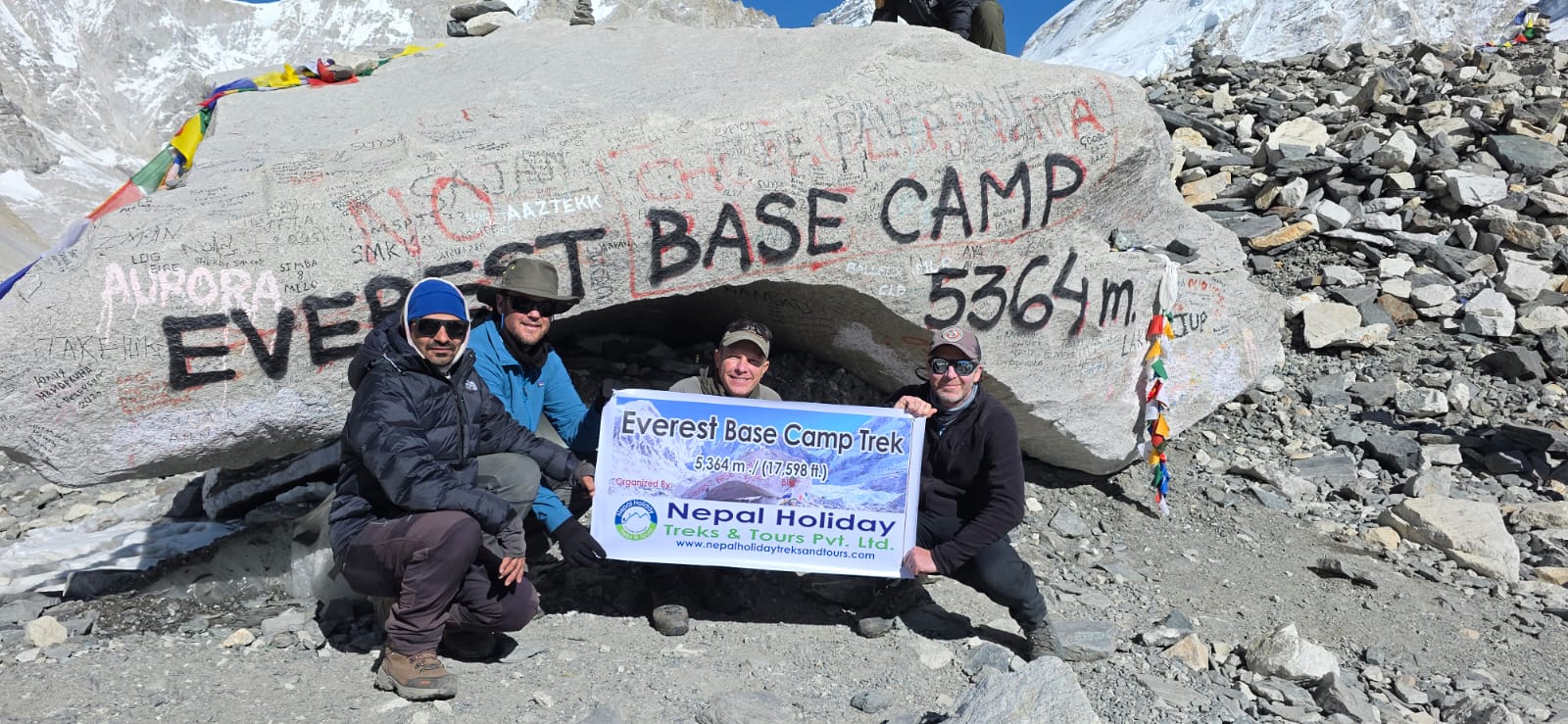
Everest Base Camp Luxury Trek
The Everest Base Camp Luxury Trek is a magnificent Himalayan experience without giving up on luxury. A well-planned journey...
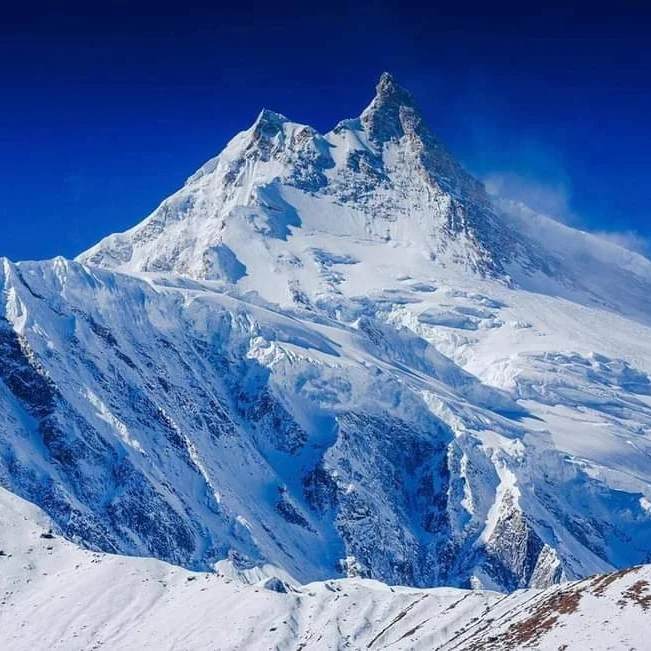
Short Manaslu Tsum Valley Trek
An 17 days trek, the Short Manaslu and Tsum Valley Trek engages trekkers to an adventure close to Mt....
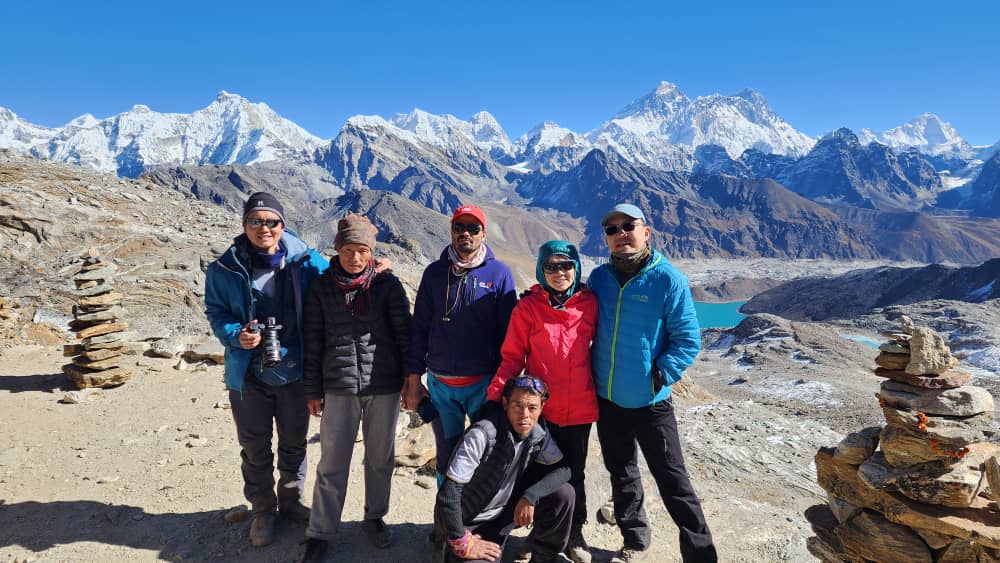
Gokyo Valley Trek Via Renjo-La Pass
Your getaway from the typical trekking route to Everest Base Camp is the Gokyo Valley Trekking. This trekking adventure...
Jomsom Muktinath Trek
Nepal is a stunning country in the Himalayas with magnificent mountains. These mountains’ foothills make for ideal walking terrain....