
Best Time for Annapurna Circuit Trek: Weather, Seasons, and Monthly Guide
Posted by: Nepal Holiday Treks and Tours on November 27, 2026
Choosing the best time for Annapurna Circuit Trek depends on weather conditions, trail accessibility, mountain visibility, and the kind of trekking experience you prefer. Although the route can be attempted throughout the year, spring and autumn generally offer the most favorable conditions for crossing Thorong La Pass (5,416 m).
The Annapurna Circuit takes you through several climatic zones, from warm river valleys and subtropical forests to alpine landscapes and the dry terrain of the Mustang region. As you gain elevation, temperatures drop, weather patterns change, and trail conditions become increasingly important.
March to May and September to November are the two main trekking seasons. Spring brings blooming rhododendrons and gradually warming temperatures, while autumn offers clearer skies and generally stable weather. October is particularly popular because of its favorable mountain visibility and relatively dry trails.
However, these months are not the only options. Summer offers greener landscapes and fewer trekkers, while winter provides quieter trails but comes with freezing temperatures and potential snowfall around Thorong La Pass.
Understanding what each season offers will help you choose the right departure date for your Annapurna Circuit adventure.
Which Season Is Best for Annapurna Circuit Trek?
Autumn is generally the best season for the Annapurna Circuit Trek, particularly October and early November. Spring is another excellent option, especially for trekkers who want to experience flowering forests and moderate daytime temperatures.
Here is a quick comparison of the four seasons:
Season | Months | Main Advantages | Main Challenges |
Spring | March–May | Blooming flowers, mild weather, mountain views | Increasing crowds, occasional snowfall |
Autumn | September–November | Clear skies, dry trails, stable weather | Busy teahouses, colder nights |
Summer/Monsoon | June–August | Green landscapes, fewer trekkers | Heavy rain, muddy trails, landslides |
Winter | December–February | Quiet trails, snow-covered scenery | Freezing temperatures, snow and ice |
If weather reliability and mountain visibility are your priorities, choose autumn. For colorful forests and comfortable trekking temperatures, spring is worth considering.
Annapurna Circuit Trek Weather by Season
Weather along the Annapurna Circuit changes considerably with altitude. The lower sections experience warmer conditions and seasonal rainfall, while the higher settlements around Manang and Thorong Phedi have much colder temperatures.
The Annapurna region also includes a rain-shadow area beyond the main Himalayan range. This means places such as Manang and parts of Mustang generally receive less monsoon rainfall than the southern slopes.
However, reaching these relatively dry areas still requires passing through lower valleys that can experience substantial rainfall during summer.
Spring (March to May)
Spring is one of the most favorable periods for the Annapurna Circuit Trek. Temperatures gradually rise after winter, vegetation begins to develop, and forests across the lower sections become colorful with seasonal flowers.
March marks the beginning of the spring trekking season. Higher elevations may still have patches of snow, particularly around Thorong La Pass. As April approaches, temperatures become more comfortable, and trekking conditions generally improve.
April is especially popular among trekkers because of its combination of mild daytime weather, flowering forests, and mountain visibility.
By May, temperatures increase further, particularly in the lower valleys. The weather can become less predictable toward the end of the month as the monsoon approaches.
What to expect during spring:
- Rhododendron forests bloom across suitable elevations.
- Daytime temperatures become more comfortable for walking.
- Mountain views are generally good during favorable weather.
- Snow may remain around higher sections during early spring.
- More trekkers arrive as the season progresses.
- Occasional rain and snowfall can still affect the route.
Advantages of spring
- Pleasant daytime temperatures across much of the route.
- Seasonal flowers add color to the forest sections.
- Good opportunities for mountain photography.
- Longer daylight hours provide more flexibility for walking.
- Generally favorable trekking conditions.
Disadvantages of spring
- Popular sections can become crowded.
- Early-season snowfall may affect higher trails.
- Cold nights remain common at higher elevations.
- Weather can become less predictable toward May.
Spring is particularly suitable for trekkers who enjoy natural scenery and want to experience the changing vegetation of the Annapurna region.
Autumn (September to November)
Autumn is widely considered the best time for Annapurna Circuit Trek because of its relatively stable weather, clear mountain views, and dry trail conditions.
September marks the transition from the summer monsoon. Early in the month, rainfall and cloudy conditions may continue, particularly in the lower valleys. By late September, the weather generally becomes more suitable for trekking.
October is the most popular month. The skies are often clear, daytime temperatures are comfortable, and the mountain ranges become more visible. The route also passes through landscapes refreshed by the monsoon rainfall.
November offers another good opportunity, especially during its first half. As the month progresses, temperatures decrease, and early snowfall may affect higher elevations.
Autumn also coincides with major Nepalese festivals, including Dashain and Tihar. Depending on your itinerary, you may experience local celebrations and traditional village activities along the route.
What to expect during autumn:
- Generally stable weather, particularly in October.
- Clear views of the Annapurna and Dhaulagiri ranges.
- Relatively dry and manageable trails.
- Comfortable daytime conditions in many sections.
- Colder nights as November approaches.
- Higher numbers of international trekkers during peak periods.
Advantages of autumn
- Excellent mountain visibility during favorable weather.
- Dry trails make walking more manageable.
- October generally provides favorable trekking conditions.
- Pleasant daytime temperatures across many elevations.
- Opportunities to experience Dashain and Tihar celebrations.
Disadvantages of autumn
- Popular teahouses may become crowded.
- Accommodation and transportation can experience higher demand.
- Early September may still receive monsoon rainfall.
- Temperatures drop considerably toward November.
- Snowfall can occur at higher elevations late in the season.
If you want favorable weather and clear views of the Himalayan mountains, October is an excellent month to plan your Annapurna Circuit Trek.
Summer and Monsoon (June to August)
Summer coincides with the monsoon season in Nepal. Heavy rainfall affects many lower sections of the Annapurna Circuit, making this one of the less favorable periods for a conventional trekking experience.
Rain can turn forest paths into muddy and slippery trails. Water levels in rivers and streams may rise, while landslides can affect road access and walking routes in steep valleys.
The higher sections have a different climate. Because of the rain-shadow effect, Manang and areas toward Mustang generally receive less rainfall than the southern side of the Annapurna range.
This creates an interesting contrast between the wet lower valleys and the comparatively dry landscapes beyond Manang.
Summer also brings dense vegetation, flowing waterfalls, and seasonal wildflowers. With fewer trekkers on the route, the teahouses may be less crowded.
However, reduced visibility, leeches in humid forest sections, and possible trail disruptions are important considerations.
What to expect during monsoon:
- Frequent rainfall in lower elevations.
- Muddy and slippery walking trails.
- Green vegetation and seasonal waterfalls.
- Fewer trekkers compared with spring and autumn.
- Relatively dry conditions in some rain-shadow areas.
- Possible landslides and flooding along vulnerable sections.
Advantages of monsoon
- Fewer trekkers on the popular sections.
- Lush vegetation and flowing waterfalls.
- More peaceful trekking environments.
- Less competition for accommodation in many areas.
- Comparatively dry conditions around parts of Manang and Mustang.
Disadvantages of monsoon
- Heavy rainfall in lower valleys.
- Leeches in humid and forested areas.
- Limited mountain visibility during cloudy weather.
- Increased risk of landslides and flooding.
- Possible transportation and trail disruptions.
Monsoon trekking requires flexibility and careful planning. It is generally more suitable for experienced trekkers who understand the seasonal conditions and can adjust their plans when necessary.
Winter (December to February)
Winter is the coldest season on the Annapurna Circuit. Temperatures decrease significantly as you gain elevation, and freezing nights are common in settlements such as Manang and Thorong Phedi.
The lower sections can remain relatively manageable, but conditions become more demanding around the higher mountain passes.
Snowfall may cover sections of the trail, while ice can make walking difficult. Thorong La Pass is particularly sensitive to winter weather, as heavy snowfall and strong winds can make crossing unsafe or temporarily impossible.
On the other hand, winter brings fewer trekkers and offers opportunities to experience quieter mountain settlements. Snow-covered landscapes and clear weather after snowfall can also provide excellent mountain views.
The main challenge is not simply the cold but the possibility of changing trail conditions and limited access to accommodation at higher elevations.
What to expect during winter:
- Freezing temperatures, especially after sunset.
- Snowfall around higher elevations.
- Icy trails near Thorong La Pass.
- Fewer trekkers throughout much of the route.
- Shorter daylight hours.
- Possible teahouse closures in some higher settlements.
Advantages of winter
- Less crowded trekking routes.
- Quiet mountain villages.
- Snow-covered Himalayan landscapes.
- Good visibility during suitable weather.
- A more isolated trekking experience.
Disadvantages of winter
- Very cold nights at higher elevations.
- Snow and ice can make trails dangerous.
- Thorong La Pass may become inaccessible.
- Some teahouses may close.
- Shorter daylight hours reduce walking flexibility.
Winter trekking should only be considered after checking current snow conditions, accommodation availability, and pass accessibility. A flexible itinerary and appropriate cold-weather equipment are essential.
Annapurna Circuit Trek Weather Month by Month
The following table provides a general overview of seasonal conditions throughout the year. Actual temperatures vary considerably depending on elevation, weather patterns, and the specific location along the route.
Month | General Weather | Trekking Conditions |
January | Very cold, possible snowfall | Snow and ice may affect higher trails |
February | Cold with gradually increasing sunshine | Higher elevations can remain snowy |
March | Cool to mild, occasional snowfall | Spring conditions begin developing |
April | Mild and generally favorable | Excellent spring trekking period |
May | Warmer, occasional rain | Good early in the month; pre-monsoon conditions later |
June | Increasing rainfall | Lower trails become wetter |
July | Heavy monsoon rainfall | Muddy trails and possible landslides |
August | Rainy and humid | Monsoon conditions continue |
September | Transition from monsoon | Conditions generally improve toward late September |
October | Mild days and clear skies | One of the best trekking months |
November | Cooler and generally dry | Good early-season conditions; colder later |
December | Cold with possible snowfall | Higher passes may become difficult |
Rather than relying on a single temperature estimate for the entire route, consider the elevation of your overnight stops. Conditions in lower villages can be very different from those around Manang and Thorong Phedi.
Other Factors to Consider When Choosing Your Trekking Season
Weather is an important consideration, but it should not be the only factor when selecting your departure date. Crowd levels, physical preparation, cultural experiences, and trail accessibility can also influence your journey.
1. Crowds and Accommodation Availability
Spring and autumn attract the largest number of trekkers. Their favorable weather conditions make these periods particularly popular for the Annapurna Circuit.
During October and April, you may encounter more trekkers along the main route, especially around popular overnight settlements. Teahouses can become busy, making advance planning useful during peak periods.
Summer and winter generally attract fewer visitors. This can provide a quieter experience, although some accommodation options may be unavailable during winter.
If you prefer a balance between favorable conditions and fewer crowds, consider the shoulder periods:
- Early March: The spring season is beginning, but higher elevations may still have snow.
- Late May: The main spring rush starts to decrease, although pre-monsoon weather becomes less predictable.
- Late September: Monsoon conditions generally begin improving.
- Early November: Good trekking opportunities remain, with fewer visitors than during October in some sections.
2. Festivals and Cultural Experiences
The Annapurna Circuit passes through settlements with distinct cultural traditions, including communities influenced by Tibetan Buddhist culture.
Your trekking dates may also overlap with important Nepalese festivals.
Some festivals to consider include:
- Maghe Sankranti (January): A traditional festival celebrated in Nepal, particularly in lower settlements.
- Tamu Lhosar (December or January): The Gurung community’s New Year celebration, with traditional food, music, and cultural activities.
- Holi (February or March): The festival of colors, celebrated across Nepal.
- Dashain (September or October): One of Nepal’s major festivals, centered on family gatherings and traditional celebrations.
- Tihar (October or November): A festival associated with lights, decorations, and traditional customs.
Festival dates follow the Nepali calendar and change each year. Check the dates for your intended trekking year before planning around a particular celebration.
3. Physical Fitness and Acclimatization
The Annapurna Circuit reaches Thorong La Pass at approximately 5,416 meters, where the reduced oxygen level makes proper acclimatization essential.
Your body needs sufficient time to adjust as you move toward higher elevations. This is important regardless of whether you trek in spring or autumn.
A suitable itinerary should include gradual elevation gains, appropriate rest periods, and an acclimatization stop around Manang.
Avoid rushing the ascent simply to complete the trek within a limited number of days. Weather disruptions can also affect your schedule, particularly during winter and monsoon.
Remember that favorable weather does not eliminate the risk of altitude sickness. Pay attention to symptoms and descend if your condition worsens.
4. Trail Conditions and Thorong La Pass Accessibility
Thorong La Pass is one of the most important considerations when choosing the best time for Annapurna Circuit Trek.
At 5,416 meters, the pass is exposed to cold temperatures, strong winds, and rapidly changing weather.
Spring and autumn generally offer more favorable crossing conditions. However, unexpected snowfall can still affect the route.
During winter, accumulated snow and ice can make the pass difficult or unsafe to cross. In monsoon, the main concerns are heavy rainfall, landslides, and difficult access through lower valleys.
Before leaving Manang, check the latest weather forecast and local trail conditions. Do not attempt the crossing when weather conditions are unsafe.
5. Trekking Permits and Seasonal Planning
Permit arrangements are another part of your preparation. The applicable requirements for the Annapurna Circuit depend on the current trekking regulations.
The Annapurna Conservation Area Permit (ACAP) is relevant to this route. Other documentation requirements should be checked before departure, as regulations can change.
Although seasonal weather does not determine the permit application process, it can influence access to checkpoints, transportation, and trekking routes.
Arrange the required documentation before starting your journey and allow some flexibility in your travel schedule.
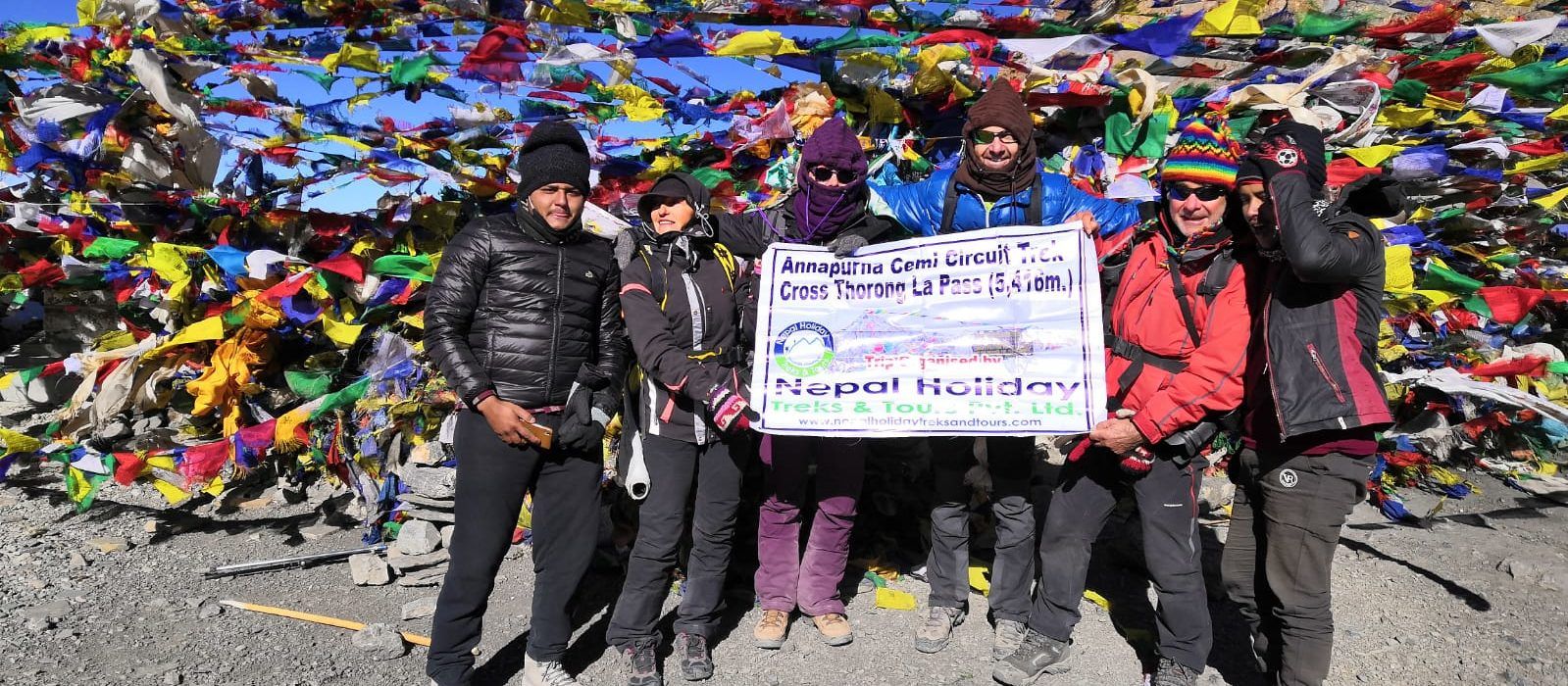
Annapurna Circuit Trek – 29 Days
The Annapurna Circuit Trek is one of the most breathtaking and rewarding trekking journey in the World. In this...
Frequently Asked Questions
1. Which month is best for Annapurna Circuit Trek?
October is generally the best month for Annapurna Circuit Trek because it offers relatively stable weather, clear mountain views, and dry trail conditions. April is another excellent option, particularly for trekkers interested in spring flowers and moderate temperatures.
2. Is October a good time for Annapurna Circuit Trek?
Yes. October is one of the most favorable months for this trek. The monsoon has generally ended, the trails are relatively dry, and mountain visibility is often excellent. However, popular teahouses can become crowded.
3. Can I do Annapurna Circuit Trek in April?
Yes. April is an excellent month for the Annapurna Circuit. Temperatures are generally comfortable, rhododendron forests are in bloom, and mountain views are often clear. Some higher sections may still experience cold weather and occasional snowfall.
4. Is September suitable for Annapurna Circuit Trek?
Late September is generally more suitable than early September. The monsoon usually begins to withdraw during this period, improving trail conditions and mountain visibility. However, rainfall can continue, especially in the lower valleys.
5. Can I trek Annapurna Circuit during the monsoon?
Yes, but monsoon trekking requires additional preparation. Heavy rainfall, slippery trails, leeches, and landslide risks can affect the lower sections. Some higher areas around Manang and Mustang receive less rainfall because of the rain-shadow effect.
6. Is winter trekking possible on the Annapurna Circuit?
Winter trekking is possible, but it involves additional challenges. Snowfall, freezing temperatures, icy trails, and possible closures around Thorong La Pass can affect the journey. Check local conditions before attempting the higher sections.
7. Which season has the clearest mountain views?
Autumn generally offers the most consistent opportunities for clear mountain views, particularly in October and early November. Spring also provides good visibility, although weather conditions can change.
8. When is the Annapurna Circuit least crowded?
Summer and winter generally have fewer trekkers than spring and autumn. However, these quieter months come with weather-related challenges. Late September and early November can also provide a balance between favorable conditions and comparatively fewer visitors.
9. Is May too hot for Annapurna Circuit Trek?
May is generally suitable for trekking, especially during its first half. Lower elevations become warmer, while higher sections remain considerably cooler. Toward the end of May, pre-monsoon rainfall and cloud cover may become more frequent.
10. How cold does it get during Annapurna Circuit Trek?
Temperatures depend on altitude and season. Lower settlements can experience relatively mild daytime conditions, while Manang, Thorong Phedi, and areas near Thorong La Pass can become very cold, especially at night and during winter.
Related Blogs
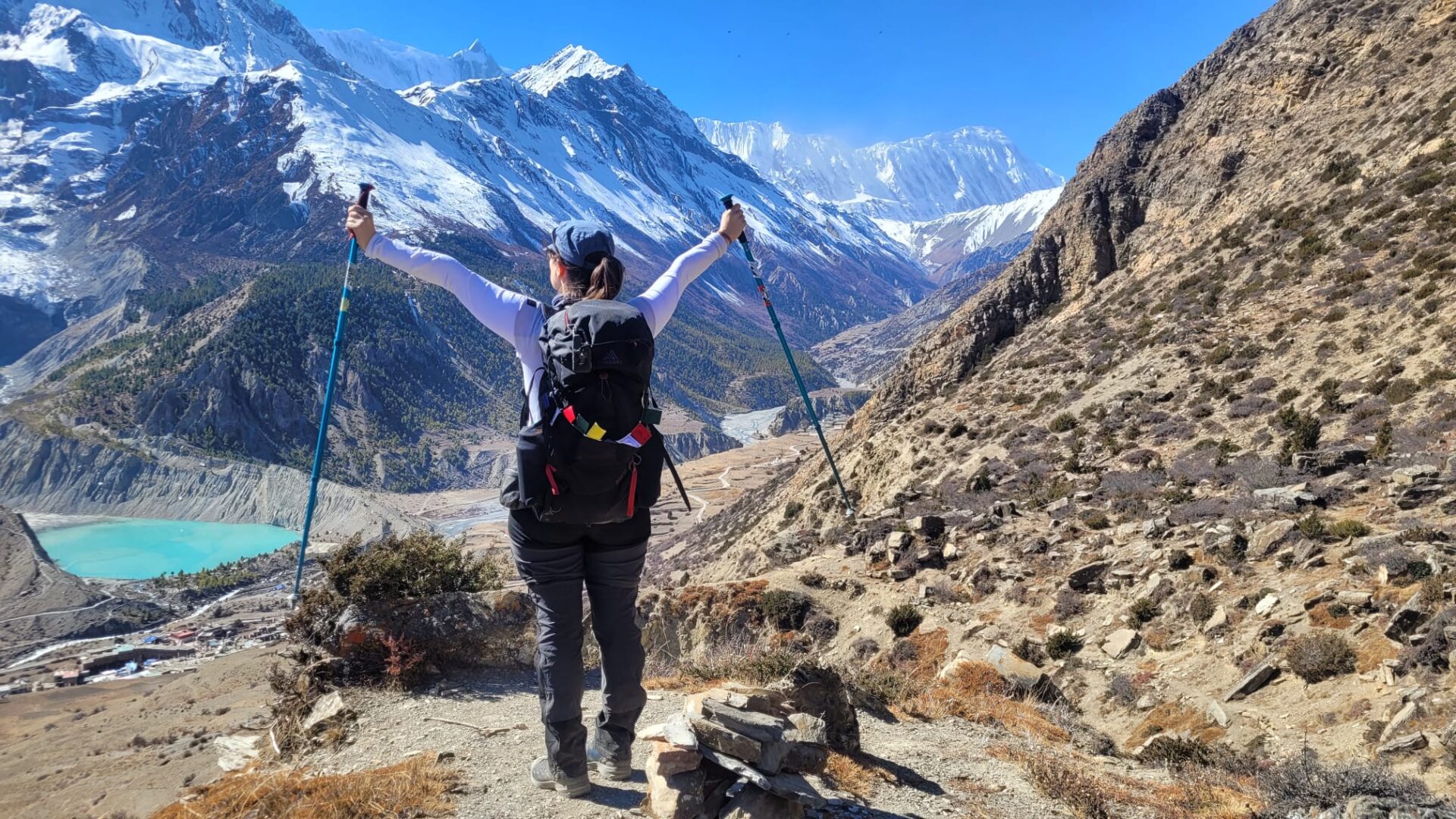
Manang Village: Travel Guide, Attractions, Accommodation, and Things to Do
Manang Village is a traditional Himalayan settlement in the Annapurna region of north-central Nepal. Situated at approximately 3,540 metres above sea level, the village lies along the Annapurna Circuit trekking route and serves as an important stop for trekkers preparing to cross Thorong La Pass (5,416 m). Surrounded by dry mountain slopes, glacial landscapes, and […]
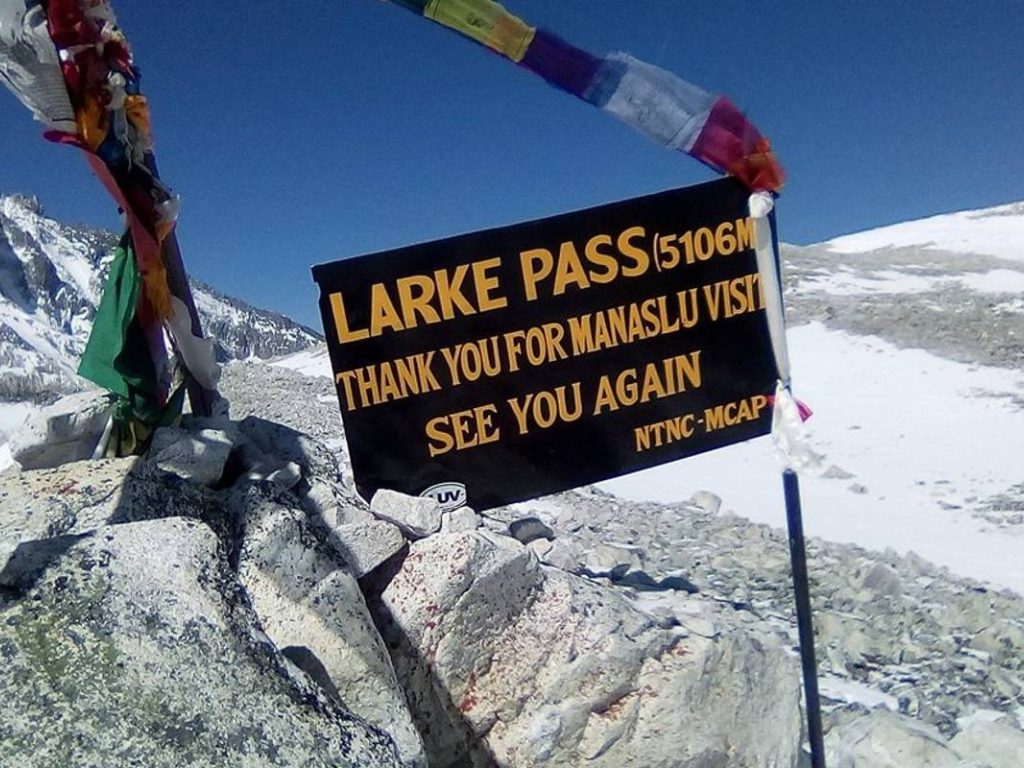
4 AM Rule for Larke La Pass Crossing on the Manaslu Circuit Trek
The 4 AM rule for Larke La Pass crossing is a common early-start practice followed by trekkers on the Manaslu Circuit Trek. Trekkers usually leave Dharamsala (Larke Phedi) around 4:00 AM to cross Larke La Pass (5,106 m) before afternoon winds and changing mountain weather make the journey more difficult. However, the 4 AM start […]

Manaslu Circuit Trek for Beginners
If you want to experience the Himalayas away from the busy trails of Everest and Annapurna, the Manaslu Circuit Trek is an excellent option. Located in the remote mountains of the Gorkha region, this trek takes you through quiet mountain villages, dense forests, terraced hillsides, and traditional Tibetan-influenced settlements. The trail offers a closer look […]