
4 AM Rule for Larke La Pass Crossing on the Manaslu Circuit Trek
Posted by: Nepal Holiday Treks and Tours on November 5, 2026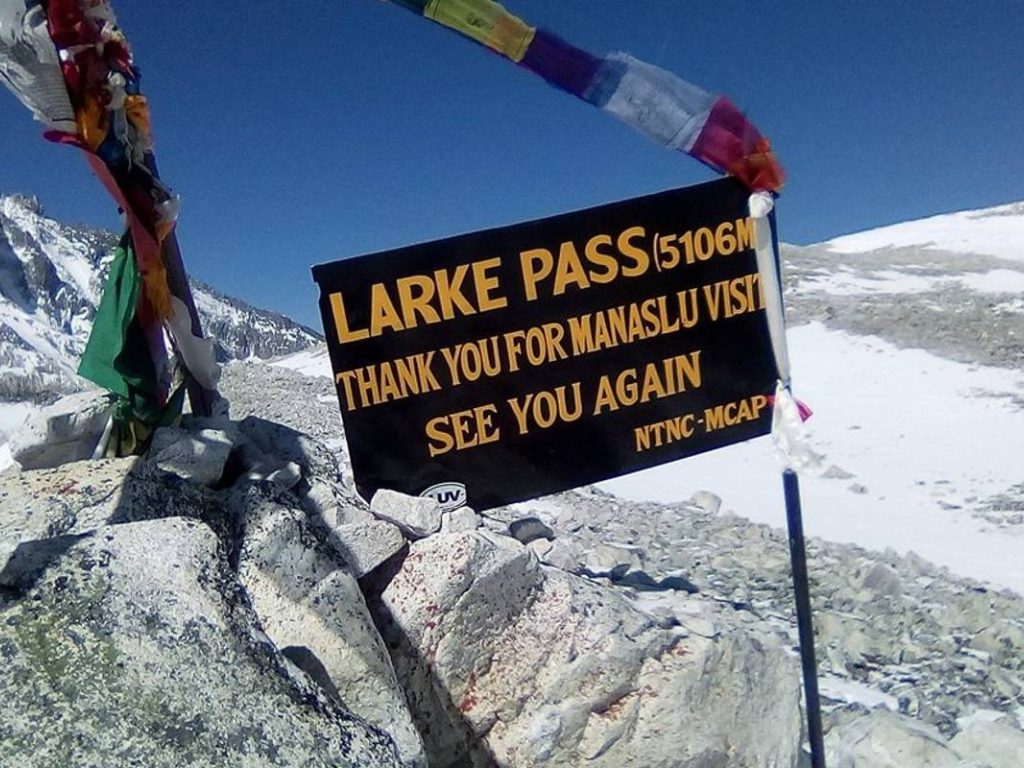
The 4 AM rule for Larke La Pass crossing is a common early-start practice followed by trekkers on the Manaslu Circuit Trek. Trekkers usually leave Dharamsala (Larke Phedi) around 4:00 AM to cross Larke La Pass (5,106 m) before afternoon winds and changing mountain weather make the journey more difficult.
However, the 4 AM start is not an official government rule. It is a recommended safety practice that allows trekkers enough time to reach the pass and descend to Bimthang before dark.
Crossing Larke La Pass is one of the longest and most demanding days of the Manaslu Circuit Trek. The combination of high altitude, cold temperatures, possible snow, and a long descent makes an early departure important.
Why Is the 4 AM Rule Important for Larke La Pass Crossing?
Starting early gives trekkers more time to manage the challenging conditions around Larke La Pass. At 5,106 meters, the weather can change quickly, and afternoon conditions may become less favourable for walking.
The main reasons for the early start include:
1. To Avoid Strong Afternoon Winds
Wind conditions around Larke La Pass can become stronger as the day progresses. Walking early in the morning helps trekkers reach the pass before afternoon winds potentially affect the crossing.
2. To Manage Changing Weather Conditions
Weather in the Manaslu region can change rapidly, particularly at higher elevations. Clouds, snowfall, and poor visibility can make navigation and walking more difficult. An early departure provides additional time to complete the crossing before conditions deteriorate.
3. To Cross Snow and Icy Sections
Depending on the season and recent snowfall, parts of the trail may have snow and ice. Early departures allow trekkers to manage these sections with sufficient time and under the guidance of their trekking guide.
4. To Reach Bimthang Before Dark
Reaching Larke La Pass is not the end of the journey. Trekkers must continue descending towards Bimthang after crossing the pass. This section takes several more hours, so leaving Dharamsala early helps provide enough daylight to complete the day’s walk.
What Is the Best Time to Start from Dharamsala?
Most trekking groups leave Dharamsala between 3:30 AM and 4:30 AM, depending on weather forecasts, trail conditions, and group fitness.
The following is a general example of the crossing schedule:
Activity | Approximate Time |
Leave Dharamsala | 3:30–4:30 AM |
Reach Larke La Pass | 8:00–10:00 AM |
Begin the descent | After crossing the pass |
Reach Bimthang | Afternoon |
These times are estimates, not a fixed schedule. Walking speed, altitude adjustment, snow conditions, and weather can affect the actual timing.
Is the 4 AM Rule Compulsory?
No, the 4 AM rule is not an official government regulation or a compulsory departure time for every trekker.
It is a common safety recommendation used by trekking guides and groups crossing Larke La Pass. Your guide may recommend leaving earlier or later depending on the weather, snowfall, visibility, and overall trail conditions.
The most important thing is to follow your guide’s instructions rather than focusing only on the exact departure time.
What Happens If You Start Late?
Starting late can reduce the available daylight for crossing the pass and reaching Bimthang. You may also face stronger winds, changing weather, or reduced visibility later in the day.
A late departure can make an already long trekking day more difficult. If weather conditions are unsafe, your guide may recommend delaying or postponing the crossing rather than rushing towards the pass.
Essential Preparation for the 4 AM Start
Since you will begin walking before sunrise, preparing your equipment the previous evening is important.
- Headlamp: Carry a reliable headlamp with spare batteries for walking in darkness.
- Warm clothing: Wear thermal layers, an insulated jacket, gloves, and a warm hat.
- Trekking boots: Use comfortable, well-fitted boots with good grip for rocky, snowy, or icy sections.
- Water and snacks: Carry sufficient drinking water and energy-rich snacks for the long walking day.
- Daypack: Pack essential items the night before to avoid delays in the morning.
- Altitude awareness: Inform your guide if you experience headaches, nausea, dizziness, unusual fatigue, or breathing difficulties.
Do not rush to maintain a particular schedule. Your health and safety are more important than reaching the pass at a specific time.
Final Thoughts
Manaslu Trek via Larke Pass Trek
Manaslu Trek via Larke Pass Trek is a memorable trek that offers trekkers a chance to see one of...
The 4 AM rule for Larke La Pass crossing is a practical safety recommendation rather than an official trekking regulation. Starting early from Dharamsala gives trekkers more time to manage high-altitude conditions, possible snow, changing weather, and the long descent to Bimthang.
Although 4:00 AM is a common departure time, the final decision should always depend on the weather, trail conditions, and advice from an experienced trekking guide. Proper preparation and a steady walking pace are essential for a safer Larke La Pass crossing.
FAQs About the 4 AM Rule for Larke La Pass Crossing
1. What is the 4 AM rule for Larke La Pass crossing on the Manaslu Circuit Trek?
The 4 AM rule refers to the common practice of starting the trek early from Dharamsala (Larke Phedi) before sunrise. Trekkers usually begin walking around 3:30–4:30 AM to reach Larke La Pass before afternoon winds and potentially changing weather conditions. This early departure also provides enough daylight to descend to Bimthang.
2. Is starting at 4 AM compulsory for crossing Larke La Pass?
No, starting at exactly 4 AM is not a compulsory government rule or an official trekking regulation. It is a commonly followed safety practice recommended by trekking guides. The actual departure time depends on weather forecasts, snowfall, trail conditions, visibility, and the walking pace of the group.
3. How many hours does it take to cross Larke La Pass from Dharamsala to Bimthang?
The journey from Dharamsala to Bimthang generally takes around 8–11 hours of walking. The duration includes the gradual ascent to Larke La Pass, time spent at the summit, and the long descent towards Bimthang. Snow, ice, altitude, and individual fitness can affect the total walking time.
4. What is the best time to reach Larke La Pass during the crossing?
Trekkers generally aim to reach Larke La Pass between 8 AM and 10 AM when starting around 4 AM. However, this is an approximate schedule rather than a fixed requirement. Walking speed, weather conditions, snow accumulation, and the physical condition of the group can influence arrival time.
5. Why is it important to start early for the Larke La Pass crossing?
An early start gives trekkers more time to complete the demanding crossing before late afternoon. Weather conditions at higher elevations can change quickly, and strong winds, snowfall, or poor visibility may make the trail more difficult. Starting early also provides additional daylight for the descent to Bimthang.
6. Where does the Larke La Pass crossing start, and where does it end?
The crossing usually starts at Dharamsala, also known as Larke Phedi, which is the final overnight stop before the pass. From there, trekkers gradually ascend to Larke La Pass at approximately 5,106 meters and continue descending towards Bimthang, where they usually spend the night.
7. What is the altitude of Larke La Pass on the Manaslu Circuit Trek?
Larke La Pass is approximately 5,106 meters (16,752 feet) above sea level. It is the highest point of the Manaslu Circuit Trek and requires proper acclimatization before attempting the crossing. The high altitude can make breathing and physical activity more difficult, even for experienced trekkers.
8. Is Larke La Pass difficult to cross in the early morning?
Yes, the early morning crossing can be physically demanding because temperatures are usually very cold before sunrise. Trekkers must walk through darkness during the initial section and may encounter snow or icy trail conditions. Proper clothing, a headlamp, suitable trekking boots, and a steady walking pace are important.
9. What equipment should I carry for a 4 AM start at Larke La Pass?
Trekkers should prepare warm and practical equipment for the early morning departure. Essential items include a reliable headlamp, insulated jacket, thermal layers, warm gloves, trekking boots with good grip, a water bottle, energy snacks, and sunglasses for later in the day. Carrying spare headlamp batteries is also recommended.
10. Can weather conditions change the 4 AM departure time for Larke La Pass?
Yes, weather conditions can influence the departure schedule. Heavy snowfall, strong winds, poor visibility, and icy trails may require changes to the planned crossing time. Your trekking guide should check the weather and trail conditions before departure and decide whether it is safe to proceed.
11. Can beginners cross Larke La Pass on the Manaslu Circuit Trek?
Beginners can attempt Larke La Pass if they have prepared physically, followed a suitable acclimatization schedule, and trek with an experienced guide. However, the crossing is not an easy walking day because of the high altitude and long distance. Some previous hiking or trekking experience can help beginners manage the demanding conditions.
12. What happens if trekkers start late from Dharamsala?
Starting late can reduce the available daylight for crossing Larke La Pass and reaching Bimthang. Trekkers may also face stronger afternoon winds or changing weather conditions. A late departure should not be taken lightly, and the group should follow the guide’s recommendations rather than rushing to reach the pass.
13. Do trekkers need a headlamp for the Larke La Pass crossing?
Yes, a headlamp is an essential item because most trekking groups leave Dharamsala before sunrise. It helps trekkers see the trail, maintain their footing, and keep their hands free while walking in darkness. Carrying spare batteries or a fully charged rechargeable headlamp is advisable.
14. Why is Bimthang the overnight destination after crossing Larke La Pass?
Bimthang is the usual overnight destination because it lies on the descent route after crossing Larke La Pass. After spending several hours ascending to the pass and reaching its summit, trekkers continue downhill towards Bimthang. Staying overnight allows the group to rest and recover before continuing the Manaslu Circuit Trek.
Related Blogs

Manaslu Circuit Trek for Beginners
If you want to experience the Himalayas away from the busy trails of Everest and Annapurna, the Manaslu Circuit Trek is an excellent option. Located in the remote mountains of the Gorkha region, this trek takes you through quiet mountain villages, dense forests, terraced hillsides, and traditional Tibetan-influenced settlements. The trail offers a closer look […]
Top 9 Trekking in Nepal Better Than Everest Base Camp
Nepal, home of the mighty Himalayas, has long been a dream destination for trekkers. Its trails offer everything: snow-capped peaks, rich culture, spiritual monasteries, and jaw-dropping landscapes. Trekking in Nepal has been a famous adventure activity around the world. For decades, the Everest Base Camp (EBC) trek has been the most popular route. Walking to […]
Mu Gompa
Mu Gompa, also known as Dechen Lhundrup, is an important Buddhist monastery in the Upper Tsum Valley of northern Gorkha, Nepal. Located along the remote Tsum Valley Trek, it is one of the region’s main spiritual and cultural landmarks. The monastery sits at approximately 3,700 m (12,139 ft) above sea level within the Manaslu Conservation […]