
Manang Village: Travel Guide, Attractions, Accommodation, and Things to Do
Posted by: Nepal Holiday Treks and Tours on November 22, 2026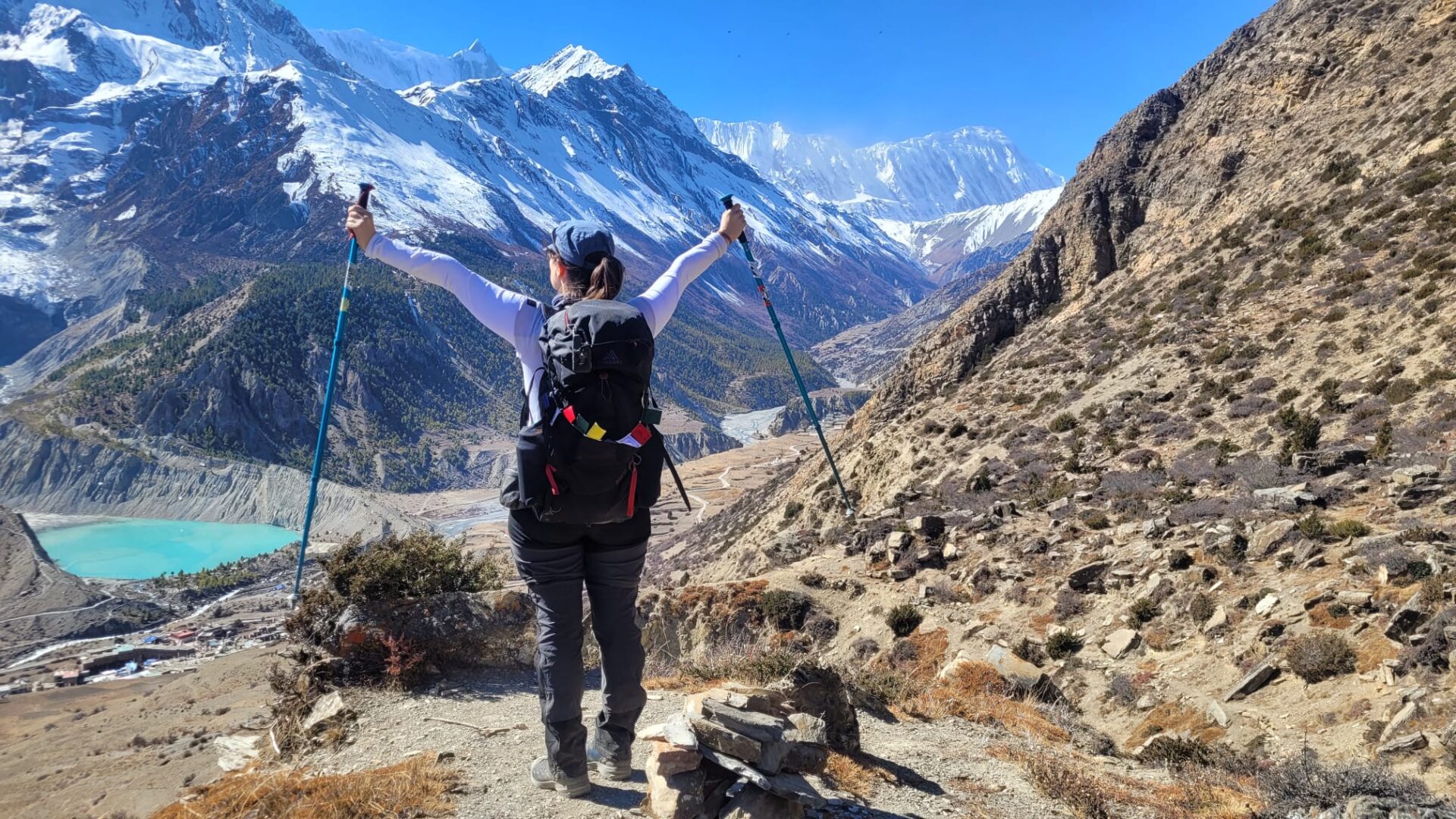
Manang Village is a traditional Himalayan settlement in the Annapurna region of north-central Nepal. Situated at approximately 3,540 metres above sea level, the village lies along the Annapurna Circuit trekking route and serves as an important stop for trekkers preparing to cross Thorong La Pass (5,416 m).
Surrounded by dry mountain slopes, glacial landscapes, and snow-covered Himalayan peaks, Manang offers a different environment from the greener lower Annapurna region. Its stone-built houses, Buddhist monasteries, traditional settlements, and Tibetan-influenced culture make it an important destination for understanding life in the high Himalayas.
Many trekkers spend an additional night in Manang for altitude acclimatization before continuing towards Yak Kharka, Thorong Phedi, and Thorong La Pass. The village also provides access to nearby attractions, including Gangapurna Lake, Gangapurna Glacier, and the route to Tilicho Lake.
Where Is Manang Village Located?
Manang Village is located in Manang District of Gandaki Province, Nepal, within the upper Marsyangdi Valley. It sits north of the Annapurna mountain range and is surrounded by high-altitude landscapes, including the Annapurna and Gangapurna mountain groups.
The village is one of the major settlements along the northern section of the Annapurna Circuit. It is connected to lower settlements such as Chame through a mountain road and trekking trails.
At approximately 3,540 metres, Manang is an important acclimatization destination for trekkers ascending towards Thorong La Pass. Its location also makes it a convenient base for exploring the surrounding valleys, monasteries, and glacial lakes.
Culture and Traditional Lifestyle in Manang
Manang has a distinctive cultural identity influenced by Tibetan Buddhist traditions. The local community, commonly known as Manangi, has maintained traditional customs, religious practices, and architectural styles over generations.
Historically, the Manang region was connected to trade routes between Nepal and Tibet. Trade helped shape the area’s economy and cultural relationships with neighbouring Himalayan communities.
Today, visitors can observe traditional stone houses, prayer flags, mani walls, chortens, and Buddhist monasteries throughout the settlement. Religious festivals and community ceremonies remain important parts of local life.
The traditional lifestyle is closely connected to mountain agriculture, animal husbandry, trade, and tourism. Visitors should respect local customs, especially when entering monasteries or visiting religious sites.
How to Reach Manang Village
Travelling to Manang involves a combination of road transportation and trekking, depending on your starting point and preferred travel experience.
From Kathmandu to Manang
The journey from Kathmandu generally begins with a drive towards Besisahar, the main gateway to the Annapurna Circuit. From Besisahar, travellers continue towards Chame and the upper Marsyangdi Valley.
- Kathmandu to Besisahar: Approximately 6–8 hours by road, depending on traffic and road conditions.
- Besisahar to Chame: Requires additional travel by local jeep or other available transportation.
- Chame to Manang: Continue by road or trek through settlements along the Marsyangdi Valley.
Travel times vary depending on road conditions, weather, and transportation availability.
From Pokhara to Manang
Pokhara is another common starting point for travellers heading towards Manang. From Pokhara, you can travel by road to Besisahar before continuing towards Chame and Manang.
Private jeeps are generally more convenient for travellers who want greater flexibility. Local transportation may be available, but schedules and road conditions can affect the journey.
Trekking to Manang
Manang is a major overnight stop on the Annapurna Circuit Trek. The trekking route passes through several mountain settlements, including:
- Besisahar
- Bhulbhule
- Jagat
- Dharapani
- Chame
- Pisang
- Manang
The route gradually gains elevation as it follows the Marsyangdi River towards the upper valley. Trekkers can experience changing landscapes, traditional villages, forests, and increasingly rugged mountain terrain.
Best Places to Visit Around Manang Village
Manang is more than an overnight stop on the Annapurna Circuit. Several natural and cultural attractions can be explored during an acclimatization day or a longer stay.
1. Gangapurna Lake
Gangapurna Lake is one of the most accessible natural attractions near Manang Village. Located below Gangapurna Glacier, the lake is known for its glacial water and mountain surroundings.
It is a popular short hiking destination for trekkers spending an acclimatization day in Manang. The walk provides views of the surrounding mountains and the changing glacial landscape.
2. Gangapurna Glacier
Gangapurna Glacier lies above Manang Village and forms part of the dramatic landscape surrounding the settlement.
The glacier is an important geographical feature of the upper Marsyangdi Valley. Trekkers can observe its ice formations and surrounding rocky terrain from nearby viewpoints.
Visitors should avoid walking onto unstable glacier surfaces without suitable equipment and professional guidance.
3. Tilicho Lake
Tilicho Lake is one of the major natural attractions accessible from the Manang region. Located at approximately 4,919 metres, it is surrounded by steep mountain slopes and high-altitude terrain.
The route branches from the Annapurna Circuit near Khangsar and continues towards Tilicho Base Camp before reaching the lake.
The journey requires additional trekking days and careful altitude management. Many trekkers include Tilicho Lake in their Annapurna Circuit itinerary before continuing towards Thorong La Pass.
6. Thorong La Pass
Thorong La Pass is one of the main highlights of the Annapurna Circuit Trek. Located at approximately 5,416 metres, it connects the Manang region with the Mustang side of the Annapurna region.
Trekkers usually spend time acclimatizing in Manang before continuing towards Yak Kharka and Thorong Phedi or High Camp.
The pass involves a demanding high-altitude crossing, usually beginning early in the morning. Weather conditions can change quickly, so proper preparation and suitable trekking equipment are essential.
Accommodation Options in Manang
Manang has several accommodation options for trekkers and independent travellers. Most visitors stay in locally operated teahouses, guesthouses, and mountain lodges.
Facilities vary between properties, but common options include:
- Teahouses: Basic accommodation with private or shared rooms, dining areas, and meals.
- Guesthouses: Locally operated places offering rooms, food, and basic traveller facilities.
- Hotels and lodges: Some properties provide additional comfort, private bathrooms, and improved room facilities.
Most accommodation establishments provide meals throughout the trekking season. Hot showers, Wi-Fi, charging facilities, and attached bathrooms may be available at selected properties, sometimes for an additional charge.
During the spring and autumn trekking seasons, booking ahead can be useful, particularly during busy periods.
Food and Drinks Available in Manang
Food in Manang reflects a combination of Nepali and Tibetan culinary traditions. Teahouses and restaurants serve meals suitable for trekkers who need regular energy during high-altitude journeys.
Common food options include:
- Dal Bhat: Rice served with lentil soup, vegetables, and other side dishes.
- Momos: Steamed dumplings filled with vegetables or meat.
- Thukpa: A warm noodle soup prepared with vegetables and sometimes meat.
- Fried Rice: Rice cooked with vegetables, spices, and optional protein.
- Tibetan Bread: A traditional bread commonly available in Himalayan settlements.
- Local Tea: Tea prepared with milk, spices, or other local ingredients.
Apple products are also associated with the wider Manang region. Depending on the season and availability, visitors may find locally produced apple juice and other apple-based products.
For trekking at higher elevations, drinking enough water and eating regular meals are important. Alcohol is best avoided during acclimatization and high-altitude trekking.
Trekking and Outdoor Activities in Manang
Manang provides access to several trekking routes and outdoor experiences in the Annapurna region.
Annapurna Circuit Trek: The village is one of the main overnight stops on this long-distance trekking route. Trekkers use Manang to acclimatize before ascending towards Thorong La Pass.
Tilicho Lake Trek: This side trip takes trekkers through Khangsar and Tilicho Base Camp to reach the high-altitude lake.
Acclimatization Hiking: Short hikes around Manang, Gangapurna Lake, and nearby viewpoints help trekkers explore the area while adjusting to the altitude.
Cultural Exploration: Visitors can explore traditional settlements, Buddhist monasteries, prayer walls, and local architecture.
Mountain Photography: The surrounding mountain landscapes, glacial features, and traditional villages provide opportunities for landscape and cultural photography.
Other activities, such as technical climbing and mountain biking, may be possible in the wider region, but they require suitable routes, equipment, and local guidance. Do not assume that activities such as rafting or paragliding are regularly available directly from Manang.
Best Time to Visit Manang Village
The best time to visit Manang depends on your travel plans, weather preferences, and trekking route. Spring and autumn are generally the most suitable seasons for the Annapurna Circuit and surrounding attractions.
Spring (March to May)
Spring is one of the main trekking seasons in Manang. Temperatures gradually become warmer, and daytime conditions are generally suitable for walking.
The season is also associated with clearer mountain views and increasing trekking activity. Snow may still remain around higher elevations, particularly near Thorong La Pass, depending on winter conditions.
Autumn (September to November)
Autumn is another popular period for visiting Manang. The monsoon generally ends before the main trekking season, improving visibility and trail conditions.
October and November are particularly popular months for the Annapurna Circuit. However, temperatures become colder as the season progresses, especially at night and above 4,000 metres.
Winter (December to February)
Winter brings freezing temperatures, snowfall, and difficult conditions at higher elevations. Thorong La Pass may become inaccessible during periods of heavy snowfall.
Travelling during winter requires additional preparation, flexible plans, and updated local weather information.
Monsoon (June to August)
The monsoon season brings rainfall to many parts of Nepal. However, Manang lies in a relatively rain-shadowed area north of the Annapurna range.
Conditions can still vary, and lower sections of the approach route may experience landslides, muddy trails, and transportation disruptions.
Weather and Temperature in Manang
Manang has a cold, dry high-altitude climate. Temperatures vary significantly depending on the season, elevation, and time of day.
| Season | General weather conditions |
| Spring | Gradually warmer days and cold nights |
| Summer | Relatively mild temperatures with variable weather |
| Autumn | Generally clear days and increasingly cold nights |
| Winter | Freezing temperatures and possible snowfall |
Daytime temperatures can be relatively comfortable in direct sunlight, while temperatures drop considerably after sunset.
Trekkers should bring layered clothing, thermal base layers, a warm down jacket, gloves, and suitable sleeping arrangements for cold nights.
Weather conditions around Thorong La Pass can be considerably harsher than in Manang Village itself.
Altitude Acclimatization in Manang
Manang is an important acclimatization stop on the Annapurna Circuit because of its elevation of approximately 3,540 metres.
Trekkers ascending from lower settlements need time to adjust to the reduced oxygen availability at higher elevations. Spending an additional night in Manang is a common part of Annapurna Circuit itineraries.
During acclimatization, trekkers can take short hikes to nearby viewpoints and return to the village for the night.
Important altitude precautions include:
- Allow sufficient time for acclimatization.
- Avoid ascending too quickly.
- Drink enough water and eat regular meals.
- Avoid alcohol during the acclimatization period.
- Recognize symptoms such as headaches, nausea, dizziness, and unusual fatigue.
- Descend and seek medical assistance if symptoms become severe or worsen.
Acclimatization does not completely eliminate the risk of altitude sickness. Trekkers should understand the symptoms of acute mountain sickness (AMS) before starting the journey.
ecessary in serious medical situations, depending on weather and operational conditions.
Popular Trekking Routes Around Manang
Manang is an important connection point for several trekking itineraries in the Annapurna region.
| Trekking Route | Main Highlight |
| Annapurna Circuit Trek | Thorong La Pass and Annapurna landscapes |
| Tilicho Lake Trek | High-altitude glacial lake |
| Annapurna Circuit with Tilicho Lake | Combines the circuit with a side trip to Tilicho |
| Manang Valley Exploration | Traditional villages and surrounding landscapes |
The Annapurna Circuit is the main trekking route passing through Manang. Many trekkers combine it with Tilicho Lake before crossing Thorong La Pass towards Muktinath.
The exact duration depends on the starting point, transportation arrangements, acclimatization schedule, and selected side trips.
Frequently Asked Questions About Manang Village
1. Where is Manang Village located in Nepal?
Manang Village is located in Manang District, Gandaki Province, in the upper Marsyangdi Valley of the Annapurna region in north-central Nepal.
2. What is the altitude of Manang Village?
Manang Village is situated at approximately 3,540 metres (11,614 feet) above sea level.
3. Why is Manang important on the Annapurna Circuit?
Manang is an important acclimatization stop before trekkers ascend towards Thorong La Pass. It also provides access to Tilicho Lake, Gangapurna Lake, and nearby traditional villages.
4. How many days should I spend in Manang?
Most Annapurna Circuit trekkers spend one or two nights in Manang. An additional day is commonly used for acclimatization and exploring nearby attractions.
5. Can I reach Manang by jeep?
Yes. Manang is accessible by road from the lower Marsyangdi Valley. Jeeps are commonly used, although road conditions and transportation availability vary by season.
6. What is the best month to visit Manang?
October and November are popular months because of generally clear weather and favourable trekking conditions. March, April, and May are also suitable for visiting.
7. Is Manang suitable for beginner trekkers?
Manang itself can be visited by travellers with different experience levels, but reaching it involves mountain travel and increasing elevation. Continuing towards Thorong La Pass requires good preparation, appropriate acclimatization, and suitable physical fitness.
8. Is there accommodation available in Manang?
Yes. Manang has teahouses, guesthouses, and lodges offering rooms and meals. Facilities vary between establishments.
9. Can I visit Tilicho Lake from Manang?
Yes. Manang provides access to the Tilicho Lake trekking route through Khangsar and Tilicho Base Camp. The side trip requires additional trekking time and preparation for high-altitude conditions.
10. Is Manang affected by altitude sickness?
Yes. At approximately 3,540 metres, Manang is high enough for altitude sickness to occur. Trekkers should acclimatize properly and monitor symptoms before ascending further.
11. What food is available in Manang?
Common meals include dal bhat, momos, thukpa, fried rice, Tibetan bread, and different types of tea. Food availability depends on the season and individual teahouses.
12. Can I cross Thorong La Pass directly from Manang?
It is not advisable to cross Thorong La Pass directly from Manang without an appropriate acclimatization and overnight plan. Most trekkers continue through Yak Kharka and Thorong Phedi before attempting the pass.
13. Is Manang accessible during winter?
Manang may remain accessible during parts of winter, but snow, freezing temperatures, and road disruptions can affect travel. Thorong La Pass may be closed or unsafe during heavy snowfall.
14. Is there mobile network and Wi-Fi in Manang?
Some accommodation facilities offer Wi-Fi, and mobile network coverage may be available depending on the provider and location. Connectivity can be unreliable, particularly outside the main settlement.
15. What are the main attractions near Manang?
Popular attractions include Gangapurna Lake, Gangapurna Glacier, Braga Monastery, Khangsar Village, Tilicho Lake, and Thorong La Pass.
Related Blogs
4 AM Rule for Larke La Pass Crossing on the Manaslu Circuit Trek
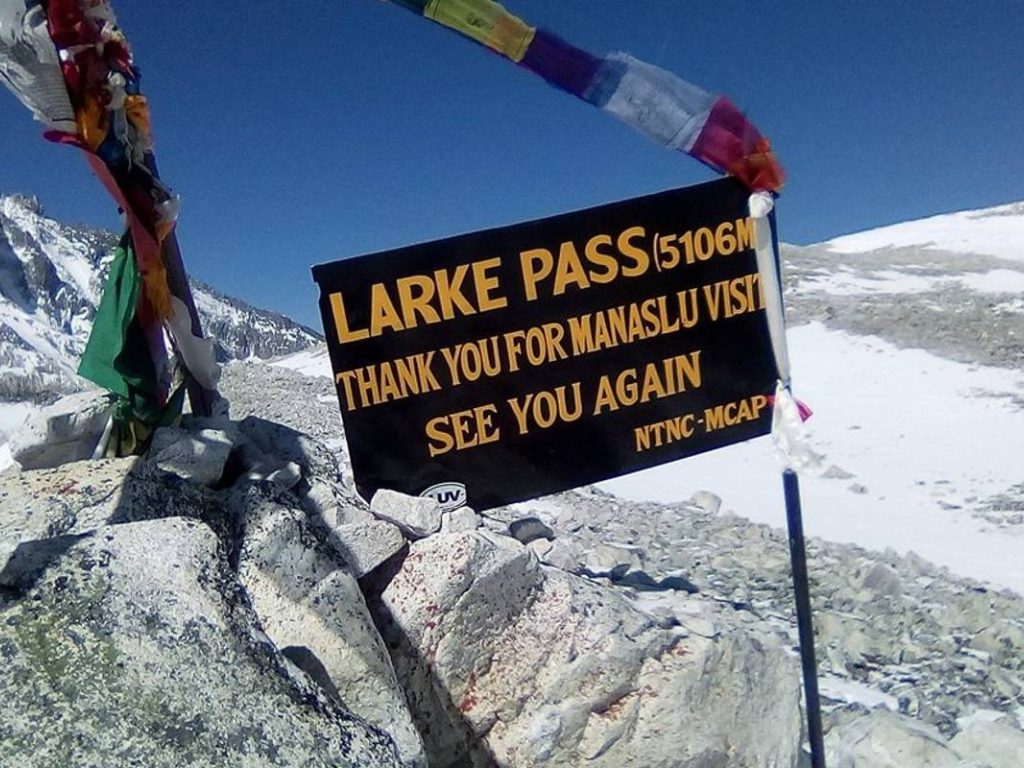
The 4 AM rule for Larke La Pass crossing is a common early-start practice followed by trekkers on the Manaslu Circuit Trek. Trekkers usually leave Dharamsala (Larke Phedi) around 4:00 AM to cross Larke La Pass (5,106 m) before afternoon winds and changing mountain weather make the journey more difficult. However, the 4 AM start […]

Manaslu Circuit Trek for Beginners
If you want to experience the Himalayas away from the busy trails of Everest and Annapurna, the Manaslu Circuit Trek is an excellent option. Located in the remote mountains of the Gorkha region, this trek takes you through quiet mountain villages, dense forests, terraced hillsides, and traditional Tibetan-influenced settlements. The trail offers a closer look […]
Top 9 Trekking in Nepal Better Than Everest Base Camp
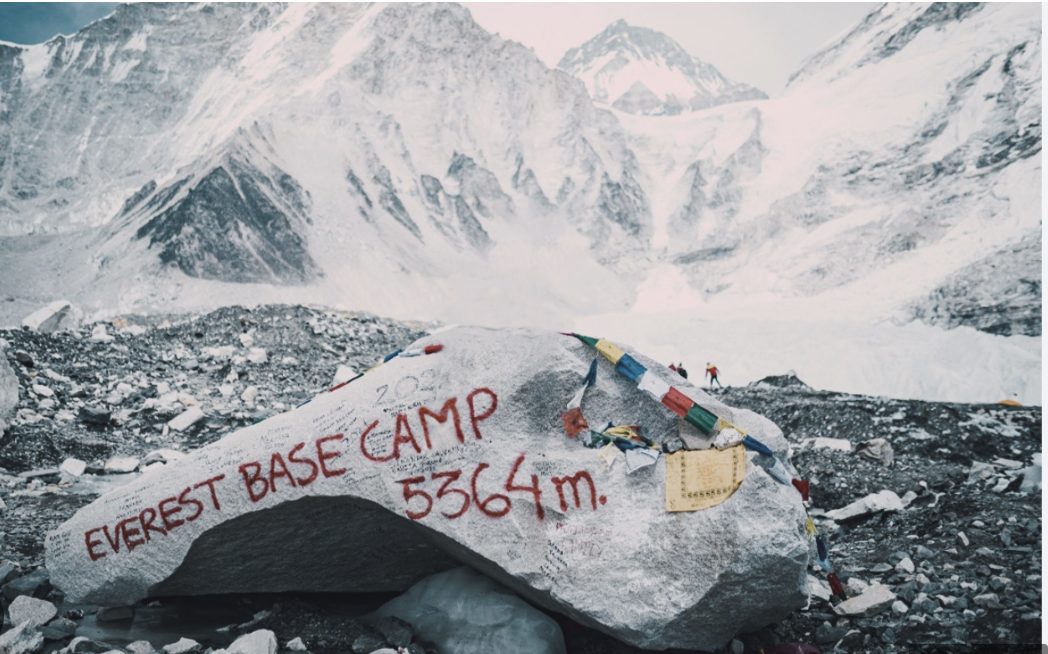
Nepal, home of the mighty Himalayas, has long been a dream destination for trekkers. Its trails offer everything: snow-capped peaks, rich culture, spiritual monasteries, and jaw-dropping landscapes. Trekking in Nepal has been a famous adventure activity around the world. For decades, the Everest Base Camp (EBC) trek has been the most popular route. Walking to […]