
Manaslu Circuit Trek for Beginners
Posted by: Nepal Holiday Treks and Tours on October 30, 2026
If you want to experience the Himalayas away from the busy trails of Everest and Annapurna, the Manaslu Circuit Trek is an excellent option. Located in the remote mountains of the Gorkha region, this trek takes you through quiet mountain villages, dense forests, terraced hillsides, and traditional Tibetan-influenced settlements. The trail offers a closer look at local mountain life, along with the adventure of crossing the high-altitude Larkya La Pass.
Although the Manaslu Circuit Trek is generally more demanding than some of Nepal’s popular trekking routes, beginners can complete it with proper preparation, a suitable itinerary, and a reasonable level of fitness. Previous high-altitude trekking experience is helpful but not essential. Understanding the altitude, walking conditions, and daily challenges is important before setting out.
This guide covers everything beginners should know before planning the Manaslu Circuit Trek, including its difficulty level, best seasons, altitude and acclimatization, required permits, estimated costs, physical preparation, packing essentials, and a day-by-day itinerary. Whether this is your first Himalayan trek or your first multi-day mountain adventure, you will find the practical information needed to prepare for the journey.
How Hard Is the Manaslu Circuit Trek?
The Manaslu Circuit Trek is considered a moderate to challenging trek due to its long walking days, changing terrain, and high-altitude sections. The difficulty increases as you approach Larkya La Pass (5,160 m), where low oxygen levels, cold temperatures, and possible snowfall can make the crossing physically demanding. However, with proper preparation, a gradual itinerary, and good physical fitness, most healthy trekkers can complete the route.
Physical Difficulty Explained
The Manaslu Circuit Trek requires a reasonable level of fitness and stamina. Most trekking days involve walking for 5–7 hours across forest trails, stone steps, suspension bridges, rocky paths, and mountain terrain. Some sections include long uphill climbs and steep descents, which can put extra pressure on your legs.
You do not need mountaineering or technical climbing skills. However, regular walking, cardio exercises, and leg-strength training before the trek will help you manage the daily distances more comfortably.
Altitude and Acclimatization
Altitude is one of the main challenges of the Manaslu Circuit Trek. The highest point is Larkya La Pass (5,160 m), where the air contains considerably less available oxygen than at sea level. As you gain elevation, your body needs time to adjust to the changing conditions.
Altitude sickness can affect anyone, regardless of fitness level. Common symptoms include headaches, nausea, dizziness, loss of appetite, and unusual fatigue. A well-planned itinerary with adequate acclimatization time, a gradual walking pace, and proper hydration can help reduce the risk.
Never continue ascending if you develop symptoms of altitude sickness. Severe or worsening symptoms require immediate descent and medical attention.
Daily Walking Hours
Walking hours vary depending on the overnight stops, trail conditions, and your pace. Most days require approximately 5–7 hours of walking, while the Larkya La Pass crossing is usually the longest and most demanding day.
The trail changes throughout the journey. Lower sections follow river valleys, forests, and traditional villages, while higher sections become more exposed, rocky, and rugged. Snow and icy patches may also make the approach to Larkya La Pass more difficult, particularly during colder months.
Best Time for Manaslu Circuit Trek for Beginners
The best time for beginners to trek the Manaslu Circuit is during spring (March–May) and autumn (September–November). These seasons generally offer favorable weather, clearer mountain views, and better trail conditions.
Spring (March to May)
Spring brings warmer temperatures, green forests, and blooming rhododendrons. The weather is generally suitable for trekking, although mornings remain cold at higher elevations. Snow may still affect the Larkya La Pass crossing early in the season.
Autumn (September to November)
Autumn offers clear skies, dry trails, and excellent mountain views. October and November are particularly popular because weather conditions are generally more stable, making this season a good choice for beginners.
Winter (December to February)
Winter brings freezing temperatures and possible snowfall at higher elevations. Snow and ice can make crossing Larkya La Pass difficult. This season is better suited to experienced trekkers with proper equipment.
Monsoon (June to August)
Frequent rainfall makes trails muddy and slippery. Landslides, leeches, and cloudy skies can also affect the trek. Monsoon is generally not recommended for beginners.
What Makes the Manaslu Circuit Trek Special for Beginners?
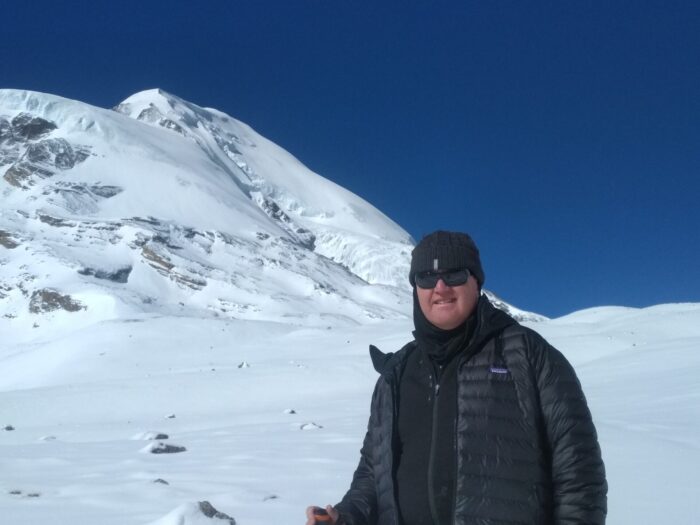
The Manaslu Circuit Trek offers a mix of landscapes, from subtropical forests and terraced hillsides to traditional mountain villages and snow-covered Himalayan peaks. The changing scenery makes every stage of the journey different.
The trek also provides an opportunity to experience local culture and traditional mountain life. Along the route, you will pass villages with stone and wooden houses, Buddhist monasteries, prayer flags, and welcoming local communities. Teahouses provide basic accommodation and warm meals, making the journey more comfortable.
Another highlight is crossing Larkya La Pass (5,106 m). Reaching the top after days of walking is a major achievement and one of the most memorable parts of the Manaslu Circuit Trek.
Permits and Regulations: What Beginners Should Know
The Manaslu region is classified as a restricted trekking area by the Nepalese government. Therefore, trekkers must obtain the required permits before starting their journey. These include:
- Manaslu Restricted Area Permit (RAP): Required for trekking through the restricted section of the Manaslu region.
- Manaslu Conservation Area Permit (MCAP): Required to enter the Manaslu Conservation Area.
- Annapurna Conservation Area Permit (ACAP): Required when exiting the Manaslu region through the Annapurna Conservation Area.
Trekkers must travel with a licensed guide arranged through a registered trekking agency.
Update: Solo Trekkers Can Now Apply for the Manaslu Permit
Since March 22, 2026, solo trekkers have also been allowed to apply for the Manaslu Restricted Area Permit (RAP). However, the requirements to trek with a licensed guide and arrange the trek through a registered trekking agency remain in place.
For beginners, booking through a registered trekking agency makes it easier to arrange the necessary permits, guides, and other trekking requirements.
Accommodation and Facilities
The Manaslu Circuit Trek has teahouses and basic lodges along the main route, so carrying camping equipment is generally unnecessary. Most trekkers stay in these local accommodations throughout the journey. However, facilities vary from village to village, and comfort levels become more basic as you gain altitude.
Most teahouses offer simple rooms with twin beds, mattresses, pillows, and blankets. Shared bathrooms are common, particularly in higher villages. Hot showers, charging facilities, and other additional services may be available for an extra fee. Bringing a sleeping bag is recommended, especially during colder months.
Food is available at teahouses throughout the trek. Typical meals include dal bhat, noodles, rice, soups, potatoes, eggs, and basic breakfast options. The menu is generally more limited than in Kathmandu, and food prices increase as you reach higher elevations because supplies are harder to transport. You can purchase energy bars, snacks, and other essentials in Kathmandu before starting the trek.
Drinking water is available at most overnight stops. Rather than buying bottled water throughout the journey, carry a reusable water bottle and purchase boiled or filtered water from teahouses. You can also use water purification tablets or a suitable filter when treating water from natural sources. Avoid drinking untreated water from rivers, streams, taps, or other local sources, as it may contain harmful microorganisms.
Internet and mobile connectivity are available in some villages, particularly along the lower sections of the Manaslu Circuit. Many teahouses provide Wi-Fi, sometimes for an additional charge. However, internet access can become unreliable or unavailable at higher elevations.
You can purchase a local SIM card in Kathmandu before the trek. Mobile network coverage depends on your provider and location, so do not expect a consistent signal throughout the route. It is better to inform family members about possible communication gaps before leaving for the mountains.
Packing List for Manaslu Circuit Trek Beginners
Packing the right equipment is essential for a comfortable and safe Manaslu Circuit Trek. Temperatures can vary significantly between lower villages and higher elevations, especially around Larkya La Pass (5,160 m). Beginners should focus on lightweight, warm, and weather-appropriate gear rather than carrying unnecessary items.
Essential Packing Items
- Down jacket: Provides warmth during cold mornings, evenings, and high-altitude nights.
- Thermal layers: Pack thermal tops and bottoms to keep your body warm.
- Waterproof jacket and trousers: Protect you from rain, snow, and strong winds.
- Trekking boots: Choose comfortable, well-broken-in boots with good grip and ankle support.
- Trekking poles: Help maintain balance and reduce pressure on your knees during steep ascents and descents.
- Sleeping bag: Carry a warm sleeping bag suitable for freezing temperatures at higher elevations.
- Personal medication and first-aid kit: Include essential medicines, blister plasters, and basic first-aid supplies.
Packing Tips for Beginners
Avoid overpacking, as carrying unnecessary weight can make long walking days more difficult. Choose versatile clothing that you can layer as temperatures change. A comfortable daypack, reusable water bottle, headlamp, sun protection, and personal toiletries are also useful.
Pack according to the trekking season and check the weather forecast before departure.
Altitude Safety and Acclimatization Tips
Altitude is one of the main challenges of the Manaslu Circuit Trek. Proper acclimatization and a steady walking pace help reduce the risk of altitude sickness.
- Include acclimatization days: Allow time to adjust to higher elevations, particularly around Samagaon. Short hikes to higher elevations followed by sleeping at a lower altitude help your body adapt.
- Recognize altitude sickness: Headaches, nausea, dizziness, loss of appetite, and difficulty sleeping are common symptoms. If symptoms develop, stop ascending and inform your guide. Severe breathlessness at rest, confusion, or difficulty walking straight require immediate descent and medical assistance.
- Walk slowly and stay hydrated: Maintain a comfortable pace, take regular breaks, and drink enough fluids throughout the day. Avoid alcohol and smoking at high altitudes.
- Listen to your body: Never ignore altitude sickness symptoms to complete the itinerary. If you feel unwell, inform your guide immediately. An extra rest day or descent may be necessary.
FAQ’s
Can a Beginner Trek the Manaslu Circuit?
Yes, beginners can complete the Manaslu Circuit Trek with proper physical preparation, a suitable itinerary, and guidance from an experienced trekking guide. Previous trekking experience is helpful but not essential. However, the long walking days and high altitude require good stamina and endurance. Beginners should choose an itinerary with sufficient acclimatization and rest days.
How Long Is the Manaslu Circuit Trek?
The Manaslu Circuit Trek covers approximately 177 km (109.9 miles) and generally takes 14–17 days to complete, depending on the route and itinerary. Beginners may benefit from a few additional days for rest and acclimatization, allowing their bodies more time to adjust to the increasing altitude.
Where Is the Manaslu Circuit Trek Located?
The Manaslu Circuit Trek is located in the Manaslu region of north-central Nepal, within the Manaslu Conservation Area. The journey typically begins with an 8–9-hour drive from Kathmandu to Machha Khola and ends in Besisahar. The return drive from Besisahar to Kathmandu takes approximately 6–7 hours, depending on road and traffic conditions.
How Difficult Is the Manaslu Circuit Trek?
The difficulty of the Manaslu Circuit Trek depends on your physical fitness, preparation, trekking experience, and ability to adjust to high altitude. The main challenges are the long walking days, steep sections, changing trail conditions, and the crossing of Larkya La Pass (5,160 m). However, maintaining a steady pace, following a gradual itinerary, and allowing enough time for acclimatization can make the journey more manageable.
What Happens If I Cannot Complete the Manaslu Circuit Trek?
If you cannot continue the trek due to illness, injury, altitude sickness, or exhaustion, your guide will help arrange a safe exit from the mountains. Depending on your location and the situation, you may return along the same trail, arrange horse assistance where available, or request a helicopter evacuation if necessary and weather conditions permit. Helicopter evacuation may involve additional costs and is subject to availability.
Is the Manaslu Circuit Trek Only for Experienced Trekkers?
No, the Manaslu Circuit Trek is not limited to experienced trekkers. Beginners with good fitness and proper preparation can also complete the journey. A beginner-friendly itinerary should allow shorter walking days, gradual altitude gains, and sufficient acclimatization time. Following your guide’s advice and listening to your body are equally important throughout the trek.
Do I Need a Guide for the Manaslu Circuit Trek?
Yes, a licensed trekking guide is mandatory for the Manaslu Circuit Trek because the region is classified as a restricted trekking area. Trekkers must arrange the required restricted-area permit through a registered trekking agency and follow the applicable group requirements. Independent trekking without a licensed guide is not permitted.
How Fit Do I Need to Be for the Manaslu Circuit Trek?
You should have a reasonable level of physical fitness and mental endurance to complete the Manaslu Circuit Trek. Most trekking days involve approximately 5–7 hours of walking, with longer hours required when crossing Larkya La Pass. Regular hiking, walking, cycling, stair climbing, and leg-strength exercises can help you prepare. Start training at least 6–8 weeks before departure and gradually increase your walking distance and exercise intensity.
Related Blogs
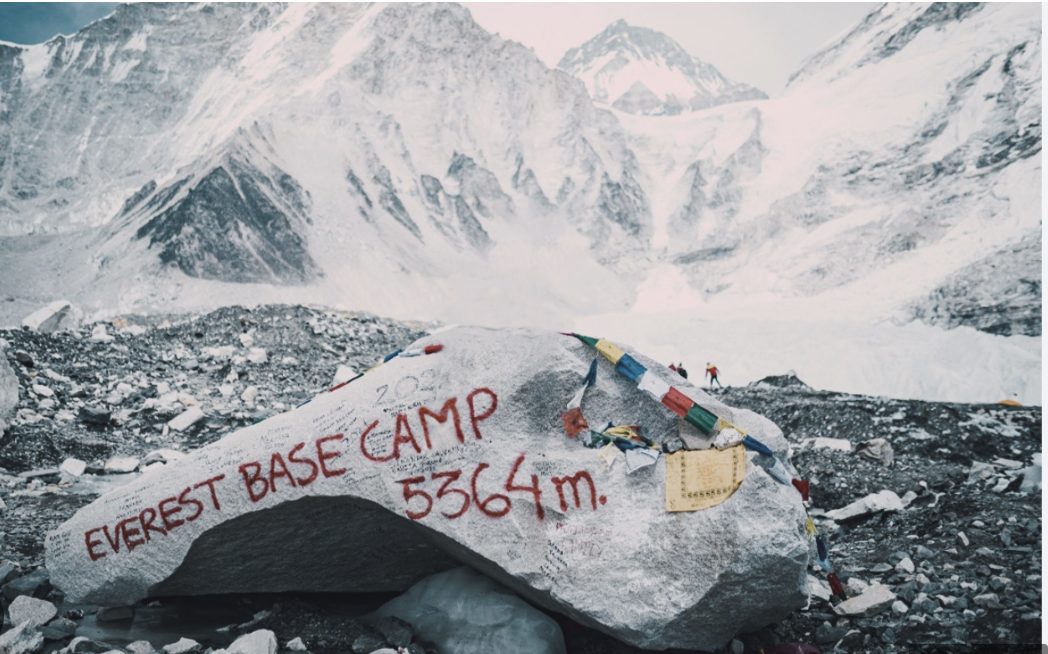
Top 9 Trekking in Nepal Better Than Everest Base Camp
Nepal, home of the mighty Himalayas, has long been a dream destination for trekkers. Its trails offer everything: snow-capped peaks, rich culture, spiritual monasteries, and jaw-dropping landscapes. Trekking in Nepal has been a famous adventure activity around the world. For decades, the Everest Base Camp (EBC) trek has been the most popular route. Walking to […]
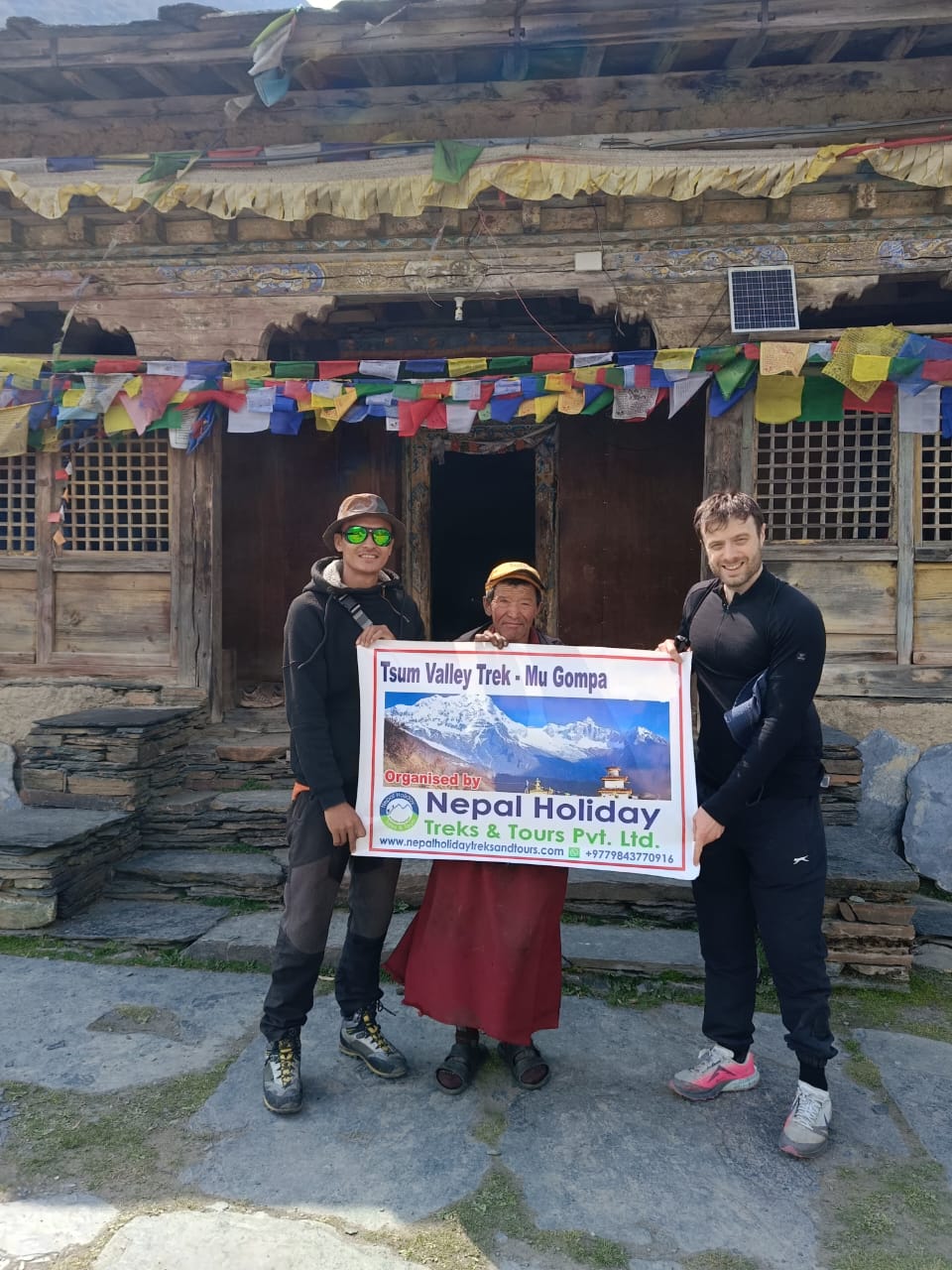
Mu Gompa
Mu Gompa, also known as Dechen Lhundrup, is an important Buddhist monastery in the Upper Tsum Valley of northern Gorkha, Nepal. Located along the remote Tsum Valley Trek, it is one of the region’s main spiritual and cultural landmarks. The monastery sits at approximately 3,700 m (12,139 ft) above sea level within the Manaslu Conservation […]
Everest Base Camp Trek FAQs
Introduction Planning the Everest Base Camp Trek often comes with questions about the route, duration, altitude, permits, weather, accommodation, fitness, and overall trekking conditions. These frequently asked questions provide clear and practical information to help you understand what to expect before starting the trek to Everest Base Camp. Frequently Asked Questions General Everest Base Camp […]