

Upper Mustang Trekking Overview
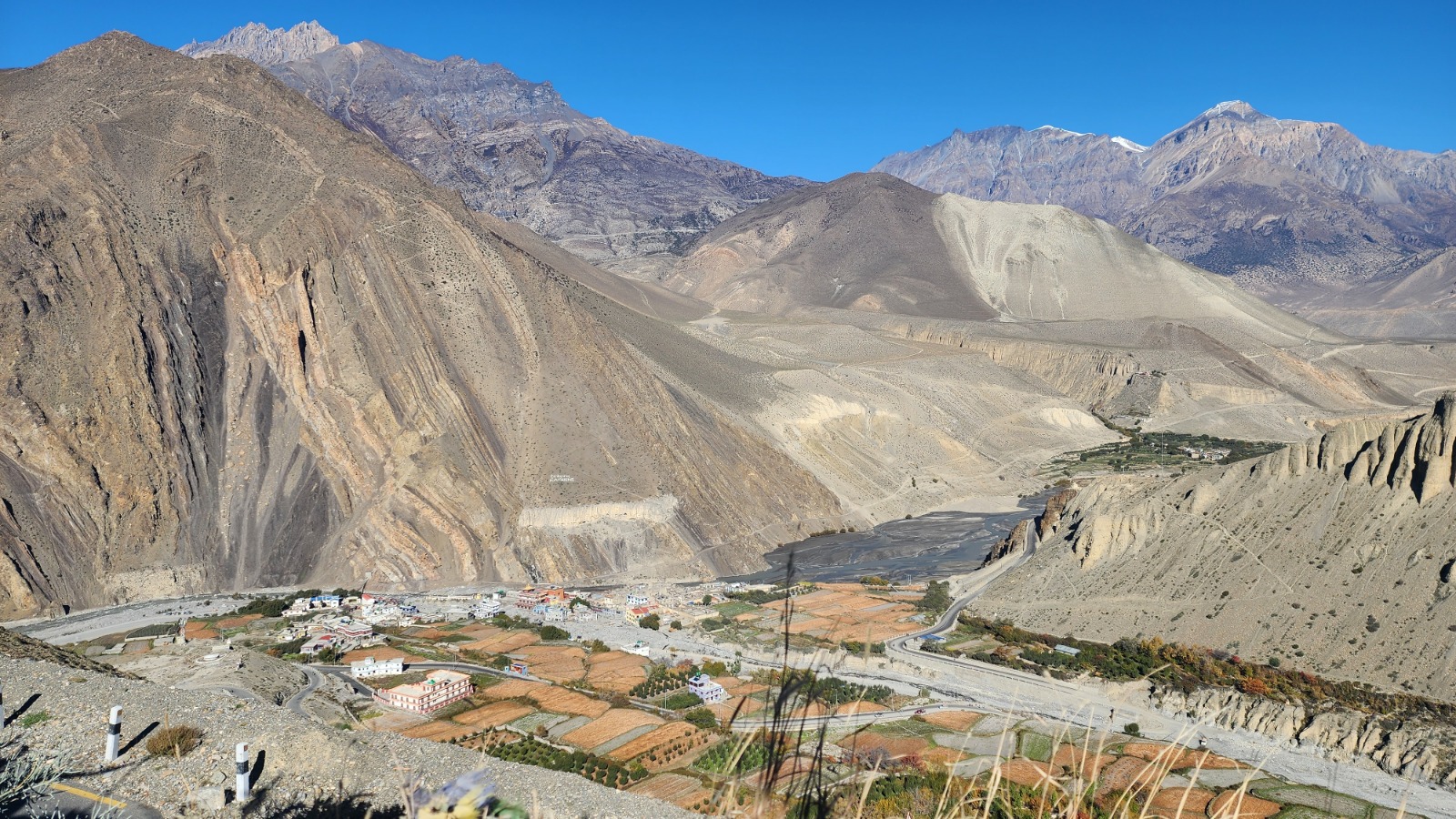
Upper Mustang trekking is a moderate and a remote routes in the north of Annapurna at an average altitude of 4000 m that combines adventure, culture, and natural beauty, making it a must-do for any trekker enthusiast visiting Nepal. This region is known for its unique landscapes, with its desert like terrain, deep canyons, and towering peaks. The word “Mustang” is derived from Tibetan word which means fertile plain in Nepali. Upper Mustang trekking is an exotic tour and one of the most mysterious trek that brings you into the hidden world of the old Buddhist kingdom of mustang also called Lo. Moreover, Lo- manthang, chooser cave and Ghar gompa is the major attraction of this trekking. The trail takes you through ancient monasteries, traditional villages, and Buddhist temples, providing insight into the rich culture and history of the upper mustang region. It is also well- known for “Last Forbidden Kingdom” because of its unique landscapes and preserved Tibetan culture.
The inhabitants of mustangs’ mainly celebrate Lhosar, Tiji, Saku Lugka and Duk Chu festivals. They celebrate Tiji festival at Lo- manthang in the middle of May. It lasts for 3 days. Similarly, horse festival or yartung mela known locally marked in the august full moon day lasts for 3 or 4 days starts in Lo- manthang and travels downwards, with horse races, archery, dancing and festivities all the way. The people in upper mustang follow Tibetan Buddhist culture and speak traditional Tibetan Languages. On special occasions, they invite Lamas to perform religious rituals at their home. The township abounds with mani walls,
numerous chortens and monasteries.
Best Time for Upper Mustang Trek
Choosing the best time for trekking means balancing the safety, comfort and the quality of your experience. As upper mustang is a high altitude desert, the wrong timing can turn a majestic trip into survival challenge. Here are the best time for Upper Mustang Trek:
Spring (March to May)
Spring is undoubtedly the best season to visit Upper Mustang. In this season skies are clear, the Himalayan views are breathtaking and the whole scenery is set alight with wildflowers and blooming rhododendron on the lower trails.
Temperature: Day Time 15°C to 20°C / Night Time 0°C to 5°C
There is also the renowned Tiji Festival at Lo Manthang – a three day Bon Buddhist celebration with masked dances, music and centuries old rituals. If you are lucky enough to make your trek during Tiji, which is normally in May, you will know for sure that this is something you will never forget.
Autumn (September to November)
Autumn is a close rival for the best time to visit with spring. The monsoon has just passed, bringing crystal blue skies, landscapes look as they have been washed clean and mountain views so sharp they will make your jaw drop.
Temperature: Day 10°C to 18°C/Night -2°C to 4°C
The trails are perfect, the teahouses have everything you want and the trekking overall is as smooth as it comes. October is especially in demand and with good reason.
Monsoon (June to August)
This is what makes Upper Mustang unique from all other treks in Nepal. The rest of the land is under the monsoon rain but the sky in Upper Mustang is free from clouds getting it to be dry and possible for trekking.
Temperature: Day time 18°C to 25°C / Night time 5°C to 10°C
The scenery turns a brilliant gold and green, the trails quiet down and if having a place nearly to yourself is your idea of heaven, this is your window. Be ready for some dusty, windy weather and possibly showers in the lower reaches near Jomsom.
Winter (December to February)
In winter season Upper Mustang is cold, raw and demanding. In the higher elevations heavy snow fall can occur, some teahouses are closed and many local families descend to Pokhara or Kathmandu in the winter. Only experienced trekkers who are adequately prepared and do not mind the cold can indeed have an incredible and profoundly solitary experience up here.
Temperature: 0°C to 8°C during the day and -10°C to -15°C during the night.
A good sleeping bag, high quality cold weather gear and a private jeep with heating on the approach road are non-negotiable in winter. This season is best experienced trekkers only.
Our Honest Recommendation: If it is your first time trekking in Upper Mustang, come either in October or April. The weather is perfect, the views are breathtaking and the whole experience just flows. You will not regret it.
Upper Mustang Trek Difficulty
Upper Mustang Trek is considered as a moderate difficult trek, so any fit beginner can do it without any experience in mountaineering. But that does not mean it is walk in the park either.
In this trek you should spend about 5 to 6 hours a day trekking on rugged trails across barren high desert, dusty trails, some occasional steep climbs and descents. The altitude ranges from about 2,800 to 4,000 meters for the most part, so altitude sickness is something to think about especially if you rush your acclimatization.
What makes this trek is unique and honestly a little tough is not simply the altitude. It is the remoteness. You are deep in one of Nepal’s most remote districts, far from anything resembling modern life, on ancient trails that have changed little in centuries. The terrain is dramatic, the itineraries include narrow canyon trails, exposed ridge lines and dry, windswept plateaus that will stun and sometimes test even the most experienced trekker.
The good news is that there are nothing like the Thorong La or Larkya La pass to get your heart pounding here. The highest elevation, Lo Manthang at 3,840 meters is doable for anyone who trains regularly and pays attention to their body while trekking.
Our honest advice: Begin to walk regularly a minimum of 6 to 8 weeks before the trek. Improve your endurance by going for long walks, make sure to break in your walking shoes ahead of time and drink plenty of water while trekking. Do that and the Upper Mustang Trek will give you one of the most unforgettable experiences Nepal has to offer.
Unforgettable Road Trip to Upper Mustang
If you think Upper Mustang is only for trekkers, think again. The road trip to this ancient Himalayan kingdom is an adventure in its own right – raw, rugged and completely unforgettable. Driving through the Kali Gandaki valley with its towering cliffs and endless canyon views, dusty mountain trails stretching ahead every turn of the wheel feels like flipping a page of a story book you never want to end.
The route usually begins at Pokhara or Beni, then goes through Tatopani, Ghasa, and Marpha before arriving at Jomsom, the gate way to Upper Mustang. From there a jeep ride takes you deeper into the mystical terrain of Kagbeni, Chele, Syangboche and on to the walled city of Lo Manthang. The roads are rough and unpredictable but that is exactly what makes it so thrilling.
Along the route, you will stop by old monasteries fluttering prayer flags, apple farms and minuscule villages that feel like they’re frozen in time. The terrain changes so spectacularly – lush green valleys to stark, windswept plateaus that appear almost from another planet.
A road to Upper Mustang is not simply about arriving. It is about everything you see, feel and experience along the way. Fasten your seat belt – this is one ride you will be telling your grandkids about.
Upper Mustang Trekking Highlights
- Special UNESCO World Heritage Site Excursions in Kathmandu Pashupatinath, Boudhanath, Swyambhunath, and Patan Durbar Square.
- This was one region in the Himalayas that was barred for trekkers until 1992 and therefore remains fresh, untouched, and exclusive.
- The height you will reach is at some of the high passes, which is roughly around 4,000 meters (13,123 feet).
- Dry and barren yet strikingly beautiful, this is the land with narrow canyons, high ridges, and old walled towns.
- It gives trekkers the experience of the rich Tibetan Buddhist culture with old caves, monasteries such as Tingkhar Monastery, and age-old traditions that are pretty untouched by the aspects of modern life.
- You will be visiting ancient Tibetan Buddhist monasteries, traditional villages, and interacting with locals who still live in medieval-style societies. The famous Lo Manthang is a historic city, which is the capital of the Upper Mustang region.
- Trek offers a great view of the Himalayan ranges that includes Annapurna, Dhaulagiri, and Nilgiri. The landscape is marked by desert-like terrain, rock formations, and river valleys.
Upper Mustang Trekking Itinerary
Expand allDay 1: Drive to Pokhara From kathmandu .
We take the tourist bus for kathmandu to Pokhara early in the morning.
Day 2: Fly to Jomsom from pokhara(2725m)-Kagbeni (2810m)
20min flight and 4hrs walk respectively: Early morning we are flying North West from Pokhara towards the great portal between the snows covered peaks of Annapurna and Dhaulagiri. We shall enjoy the wellraised massifs of more than 8000 meters, and the deepest gorge on this planet. And we start our trek from the main gate to Upper Mustang with a beautiful trail from Jomsom towards Kagbeni.
Day 3: Trek to Chele (3624m) 6hrs.
The trail leads up towards the east bank of the Kaligandaki climbing over many ridges as it heads north
and reaches Tangbe village. The town is a labyrinth of narrow alleys amongst white washed houses, fields
of buckwheat, barley, wheat and apple orchards. The Nilgiri peak, dominates the southern skyline of
Kagbeni, all the way by different shapes. There are too many Nepali and Tibetan songs sung portraying
the beauty of Chossang.
Day 4: Trek to Syangboche ( 3,800 m) (7- 8 hrs)
Today’s walk is more into undulating trails with couple of steep climb and descents. Despite hours of walk
the tremendous canyons with its unusual color that opens out is extraordinary. In this bizarre, the farming
fields with rich red buckwheat and brilliant green and the south view offering you a panorama of Nilgiri,
Annapurna, Tilicho Peak, and Yakawa Kang adds up to its magnificence.
Day 5: Trek to Ghami ( 3,520 m) (6-7 hrs)
We keep up our trek, crossing the river to the Kali Gandaki valley and climbs steeply up a rocky gully to
Chaile. From here the culture changes from the Manangi culture to the Tibetan culture of Lo. The climb
continues along steep, treeless, waterless terrain, along the side of the spectacular steep canyon to a pass
and cairn of rock. Then the trail makes a long gradual descent to some Chortens on a ridge, and with a
further descent before coming along a pleasant trail to Samar village. We climb above Samar to a ridge,
then descend into a large gorge, which the trail goes into another valley field, crosses a stream and we to
our destination.
Day 6: Trek to Charang (3560m) via Ghar Gompa ( 3,950 m) (7 hrs)
We have interesting red cliffs, blue sheep sightings on our way. We shall be crossing steel bridge of the
Tangmar Chu (river) and arrive to a Mani wall perhaps the longest and most spectacular Mani wall in
Nepal. The huge five-story white Dzong (fortress) and red Gompa are the main attractions to visit and
observe collections of statues and Thangkas as well as huge paintings of seated Buddha’s.Ghar Gompa is
another main attraction for the day. It is the oldest and unique Gompa built during the eighth century. The Gompas, Mani in this area are all found in red and white color. According to the legend, a famous
Rinpoche (Padma sambhava) once came here and fought a big demon which he tore apart and the
remains of the demon spread to every direction. So it’s pretty interesting how there is no any sign of
vegetation or animals and the sight is creepy.
Day 7: Trek to Lo-Manthang ( 3,810 m) (5 hrs)
Finally we get to the plateau of Lo Monthang, ‘The Capital city and the Plain of Aspiration’ of Mustang. The fabled walled city of Lo, the kingdom with a single entrance is a welcome sight. The king, “Lo Gyelbu”,
named Jigme Palbar Bista, still resides at his four-storied palace inside the walled city of Lo Manthang.
Day 8: Rest Day at Lo Manthang.
Lo Manthang the capital city of Mustang contains about 150 houses and has some of the largest and finest
Tibetan Buddhist Gompas in Nepal. The city itself is absolutely fascinating place with four major ancient
Monasteries which are impressive and an enormous 14th century palace imposing 4-storey building in the
center of the city. The main attraction sites in this area are: Nyphu Cave monastery built into the side of a
soaring cliff. 2500 years old Jhong Sky Cave that has more than 44 compartments and gives u the pre
historic settlement of humans. Thinkar summer palace and the extraordinary ancient monasteries inside
the walled city itself which is exceptional.
Day 9: Additional rest.
Further more we are here to get physically acclimatized and have many more to explore from the previous
day around Lo Manthang.
Day 10: Trek to Yara ( 3,650 m) (6 - 7 hrs)
From Lo-Manthang the trail walks straight till Dhi pass 4100 meters and descends down to Dhi village. The trek from Lo Manthang to Muktinath is harder, but more rewarding and interesting than the west side of the valley. Dhi village is one of the best villages of whole Lo-mathang and it seems more prosperous and is settled in a very suitable place. And we reside to Sara.
Day 11: Trek to Tangye ( 3,240 m) ( 4- 5 hrs)
The trek continues crossing the rivers and through a grassless, treeless bare hill. After the pass the trail
again drops directly to Tangye village at an elevation of 3370m.Tangye is a small village of around 30
houses but most of the houses are attached to each other. On the rooftops one can see piles of dry
woods, which is believed to reflect the prosperity in their society.
Day 12: Trek to Tetang/Chossang ( 2, 980 m) ( 6 - 7 hrs)
The trail walks through a steep ridge of hills providing some fine views of the wind carved hills. Tetang
village is formed between 2 hills, they should have found it a safe place to avoid the strong wind that hits
the entire Kaligandaki valley.
Day 13: Trek to Kagbeni ( 2 ,810 m) ( 4 - 5 hrs)
And we slide back and exit from the restricted area of Mustang and stay overnight in Kagbeni.
Day 14: Trek to Jomsom
Again we make a one day trip to Jomsom and overnight stay there.
Day 15: Fly back from Jomson-Pokhara ( 20 min & 30 min).
Early morning we fly back to Jomsom and again to Pokhara. And rest here in Pokhara exploring the city
since we have a whole day left.
Day 16: Back to Kathmandu
We take the tourist bus from Pokhara. And we shall be in Kathmandu for your respective departure
according to your scheduled plan.
If the above Upper Mustang Trekking itinerary does not meet your needs, we can design individualized travel plans based on your preferences and specifications.
Plan My TripUpper Mustang Trekking Cost Includes
- Tourist Transportation to Pick and drop for Kathmandu – Pokhara-Kathmandu.
- Flight charges for Pokhara – Jomsom – Pokhara.
- Special permits for Upper Mustang and ACAP permit during the trek.
- All taxes and other applicable fees & charges.
- 2 night hotel B/B in Pokhara.
- Three meals a day- Breakfast, Lunch, Dinner and 3 cups of tea/Coffee a day during the trek.
- Airport pickup and hotel transfers by Private .
- Accommodation in teahouse during the trek private room.
- An experienced, helpful, knowledgeable, friendly, English speaking well trained, government license holder Trekking Guide with all his salary, food, Drinks, accommodation, equipment, transport, and insurance etc.
- Fresh fruits after dinner every night as dessert during the trek.
- You will be under observation with a pulse oximeter to have your oxygen levels and heart rate measured twice a day during the trek. This is to catch the signs of Altitude Mountain Sickness (AMS) early, thus making trekking safer.
- Normal First aids kit box.
- Arrangement of Emergency helicopter service (paid by your travel insurance company).
- All taxes and company service charges.
Upper Mustang Trekking Cost Excludes
- International airfare and visa fees.
- Lunch and dinner in Kathmandu.
- Personal expenses of bar and beverage bills, wi-fi, hot shower, bottle of water, extra porters, laundry or any other things which are not mentioned by the company.
- Your trekking gears and extra nights in a certain destination.
- A strong, helpful, porters with proper safety equipment and walking equipment his salary, food, drinks, accommodation, insurance, (one porter for two people he will carry bag pack max 20-25kg).
- Your travel insurance which should include the emergency rescue.
- Tips for your guide and porters which is comparison.
- Entrance fees during the sightseeing.
- Extra expenses due to any event such as strikes, weather conditions, or flight delays.
Upper Mustang Trekking Additional Info
Accommodation and Food on Upper Mustang Trek
Let’s be honest – you are not visiting Upper Mustang for luxury hotels, fine dining or even all that much comfort. You are coming for the adventure and the good news is, the simple tea houses and hearty local food along this trek have charm of their own that you will genuinely fall in love with.
During the trek, you stay in locally run teahouses, a kind of Himalayan guesthouse that provides a bed, warm blankets and a roof over your head after a day hiking. Rooms are simple but clean, with twin beds, communal or suite bathrooms and limited amount of electricity. There is no Wi-Fi or heater in the rooms, the warmth is supplied by the wood stove in the communal dining room, where trekkers assemble each night to swap tales over cups of hot tea.
In Lo Manthang, the ancient walled capital of Mustang, the lodges are a cut above with cozier rooms and better amenities – a modest but welcome step up after days of off-the grid trekking.
What Will You Eat?
The food is simple and hearty, yet surprisingly tasty. Expect a mix of Nepali and traditional Tibetan meals that will keep your feet moving and your mood elevated. Some absolutes must tries on the trail include:
- Dal Bhat – Unlimited refills of rice, lentil soup and curry.
- Thukpa – Warm Tibetan noodle soup, perfect after a cold day on the trail
- Momos –
- Buckwheat pancakes
- Butter tea
There are plenty of vegetarian dishes available. All trek packages in the organized category usually include all meals so you just have to concentrate on the trekking.
Permits Required for the Upper Mustang Trek
Before you head out on the trail, there is one thing you simply cannot skip – obtaining the necessary permits. Upper Mustang is a restricted area, you do not just show up and start trekking. A bit of paperwork here really goes a long way.
Here are the permits required for the Upper Mustang Trek:
Restricted Area Permit (RAP)
This Restricted Area Permit is required to enter in the restricted area as the Upper Mustang is restricted area. The Cost is USD 500 per person for the first 10 days and USD50 after that.
Annapurna conservation Area Permit (ACAP)
The Upper Mustang trail passes through the Annapurna Conservation Area, therefore this permit is also required for you .It is about 3,000 NPR per person (about 22 USD) and this amount is used for conservation in the area.
Important Things to Remember
- You need to carry both permit with you during the trek as you will have to show them on several check points along the way.
- Permits cannot be obtained individually. It must be issued through the registered trekking agency.
- Please make sure that your passport is valid at least for 6 months as it is required for the permit process.
- Always keep a photocopy of your permit and store separately from the originals.
- Travel Insurance is necessary to issue the permits
Experience the Enchanting Tibetan Culture and Traditions of Upper Mustang
If you have ever dreamed of stepping into a world that feels untouched by times, Upper Mustang is it. Hidden in the rain shadow of the Himalayas in northern Nepal, the Tibetan kingdom of Lo is among the last places on earth where Tibetan culture really lives and breathes not behind glass in a museum, but on the dusty streets of everyday life.
Walking around in the walled city of Lo Manthang, you will be encircled by centuries old gompas, prayer flags and the rhythmic sounds of monk. The people still dress in traditional Tibetan clothing, follow the Bon and Tibetan Buddhist religions and celebrate ancient festivals like the Tiji with colorful mask dances and rituals that have been handed down from generation to generation.
The land feels holy. Red-ochre cliffs and sky caves lie along the terrain, whitewashed chortens also dot it, speaks of the deeply spiritual way of life. The local people are resilient and warm and that is immediately obvious in conversations with them.
Whether you enjoy butter tea in a local home, spin prayer wheels on a dusty trail or admire ancient cave murals, Upper Mustang presents the extraordinary living Tibetan culture unaltered for over half a millennium.
This is not simply a trek. It is a cultural trip that stays with you long after you leave.
Vibrant Festivals of Upper Mustang: A Celebration You will never Forget
Tiji Festival: The Crown Jewel
The most famous is the Tiji Festival, which takes place in Lo Manthang every spring (typically May). Monks clad in bright costumes and intricate masks dance – dramatically telling the tale of good overcoming evil in the sacred Cham over three thrilling days. Brightly hued thangkas are unfurled, massive effigies are burned and the entire walled city shakes with prayer, music and communal pride. It is one of the most photogenic, spiritually powerful festivals in all of Nepal.
Yartung Festival: Horse, Heritage and Celebrations
By August, Upper Mustang marks Yartung, a vibrant horse racing festival based on ancient Tibetan custom. Locals show off their traditional best dress and race horses through the open fields, as music, dancing and feasting fill the air. It is an unusual glimpse into the nomadic soul that still so strongly pulses through Mustang.
Lhosar: Tibetan New Year
Lhosar, the Tibetan New Year is enthusiastically celebrated in all parts of Upper mustang. Families reunite, monasteries glow with rituals and the entire area vibrates with festive joy. It is a close knit, soulful holiday that feels truly personal and not staged for tourists.
Why Visit During a Festival?
Festivals in Upper Mustang are not tourist shows but are authentic sacred community rituals, which have always honored outsiders, they always welcome to join them in the celebration. Attending one of these is a chance to see a culture that has survived largely intact for centuries, maintaining ways that have been lost in nearly every other part of the world.
Plan in advance, apply for the special Upper Mustang Restricted Area Permit and prepare for a journey that far surpasses the usual Himalayan trek.
Travel Insurance for the Upper Mustang Trek
The Upper Mustang Trek leads you to the last forbidden kingdom in Nepal. When you are out there, you are a long way from hospitals, pharmacies or emergency services. If something goes wrong, a sprained ankle, altitude sickness or an unforeseen weather delay, the right travel insurance is not just smart, it is essential.
Here is what your travel insurance must cover:
- High altitude trekking up to at least 4,000 meters
- Emergency helicopter evacuation
- Medical expenses
- Trip cancellation and delays
- Lost or stolen gear
When purchasing your policy, read the fine print carefully. It should explicitly state that you are trekking at altitude and that helicopter rescue in Nepal is covered. A few regular travel insurance policies do not cover these, so do check twice before you book.
Our Advice: Buy your travel insurance before you depart from your own country. Do not wait until you get to Kathmandu. A good policy provides peace of mind right from when you get on your flight to when you step off in your home town.
Altitude Sickness in Upper Mustang
Upper Mustang is located at an altitude of 3,800m to 4,200m above sea level, so altitude sickness is a matter of concern here for every trekker. It is not a matter of how fit you are, the thin air in the mountains gets to everyone. Headaches, dizziness, nausea, fatigue and poor sleeping are common symptoms of altitude sickness. The key is to recognizing these symptoms early and react sensibly rather than pushing through.
In serious cases altitude sickness can escalate into life threating conditions like HAPE or HACE, which requires immediate descent and medical attention. Knowing when to turn back is not weakness, its wisdom.
Preventive Measures
- Climb slowly and never rush your ascent.
- Acclimatize at Kagbeni or Chele before going up.
- Follow the “climb high, sleep low” rule.
- Drink a minimum of 3 to 4 liters of water per day.
- No alcohol or sleeping pills in the first two days
- Take Diamox – talk to your doctor before the trek.
- Trek with a knowledgeable and certified guide.
- Purchase travel insurance that includes coverage for helicopter evacuation.
Alternative Treks to Upper Mustang Trek
Upper Mustang Trek is a one of the best trekking adventure but Nepal’s Himalayas boast an equal number of soul-stirring journeys yet to be explored. If you have been mesmerized by the wonders of Upper Mustang or simply wish to venture elsewhere, these alternate routes are just as packed with wonder, beauty and culture.
Why Choose Nepal Holiday Treks and Tours?
Planning your trek in Nepal is thrilling and exciting but choosing the best company makes all the difference between good trip and the trip of a lifetime. That is where Nepal Holiday Treks and Tours comes in.
We are experienced, passionate and local trekking professionals who have intimate knowledge of Nepal’s mountains, trails and culture. From the initial contact with us, to your safe return home, we are with you all the way – literally and figuratively.
Here are our services:
- Experienced and local guides with good English
- Your safety is our first priority
- Honest and transparent price
- Last minute booking
- Customizable itineraries
- 24/7 hours customer support
Upcoming Departures
Customer Reviews
Write a ReviewUpper Mustang Trekking FAQs
Why am I going to trek with Nepal Holiday?
Nepal Holiday offers experienced guides, excellent customer service, and local knowledge that can make your trek safe, enjoyable, and well-organized.
What is the highest point in the Upper Mustang Trek?
What are the other documents that I need to bring along for trekking?
You will be requiring a valid passport with six-month validity, a Nepal visa available on arrival or online, and permits such as the Annapurna Conservation Area Permit (ACAP) and TIMS card.
I have previously gone on a trek; will I need a guide?
Not compulsory but highly advisable for safety, navigation, and to enrich your trekking experience. Guides speak English and have local knowledge.
When is the best season to trek the Upper Mustang Trek?
The best seasons are Spring – March-May and Autumn – September-November when the weather is clear and the trails are dry.
Are there any dangerous high-altitude passes on this trek?
No, there are no dangerous passes compared to other treks in Nepal. The trek is relatively moderate in terms of altitude and terrain. However, some of the high points, like Ghara (3,200 meters) and Lo Manthang, can still cause some discomfort due to the altitude.
Is the medicine for altitude sickness necessary for this trek?
It‘s better if the altitude sickness medicines like Diamox are taken and the doctor consulted beforehand. Although the highest point Lo Manthang isn’t extreme, the general altitude of 3,000–3,800 meters will definitely cause discomfort if not properly acclimatized.
Can I get altitude sickness while trekking the Upper Mustang?
Yes, though the height of the trek is not as high as other treks, altitude sickness is possible, particularly if trekkers do not acclimatize well. Symptoms such as dizziness, headaches, and nausea can happen above 3,500 meters (11,483 feet); therefore, go slow, keep yourself hydrated, and listen to your body.
What kind of weather does one experience on the upper mustang trek?
Upper Mustang lies in the rain shadow area, and the weather is usually dry and sunny. During the time of trekking seasons, the temperature ranges from 15°C to 25°C (59°F to 77°F) during the daytime while dropping to 0°C to 5°C (32°F to 41°F) at night. It receives very less rainfall, and the best time is during spring and autumn. Winters are cold, and the temperature drops below freezing at night.
Do I need a visa to enter Nepal?
Yes, you can get a visa on arrival at the airport or apply online prior to your trip.
Who will pick me up at the airport upon my arrival in Nepal?
A representative from Nepal Holiday will meet you at the airport and transport you to your hotel.
How safe is Nepal to trek solo for women travelers?
Generally, Nepal is safe to trek for a solo female traveler, but always in the back of one’s mind should be taking standard precautions such as the choosing of a reputable company or guide.
How should I prepare physically for the trek?
Pay attention to cardiovascular exercises, strength training, and practicing hiking with a loaded backpack in order to get your body ready for the trek.
What type of accommodation am I supposed to expect during the trek?
The types of accommodation range from basic lodges to a tea house. Private rooms are available on request; however, sometimes extra costs may be incurred.
Will it be a problem being a vegetarian on the trek?
Being a vegetarian is no problem to diet on, and teahouses accustomed to providing vegetarian meals.
Upper Mustang Trekking Equipment Lists
- Four-season (-20 Degree) Sleeping Bag (Rental available for an additional USD 30)
- Down jacket & warm layers (Rental available for an additional USD 30)
- Thermal base layers
- Waterproof jacket & pants
- Hiking pants & quick-dry clothes
- Trekking boots & socks
- Gloves, beanie & neck buff
- Daypack (10–25L) with rain cover
- Trekking poles & gaiters
- Water bottle/bladder & purifier
- Headlamp & power bank
- Sunscreen, lip balm & personal medicines
- Towel & basic toiletries
- Snacks (energy bars/nuts)
- Sunglasses & sun hat
- Passport & waterproof document bag
- Phone Charger or Power Bank or Charging Cable
- Camera or mobile phone
- Card / Book
- sleeping cloths at Night
- High- Protein Snacks (energy bar/ Nuts)
- water Purification tablets or water Filter
- Crampons (For mountain Passes)
Personal & Medical Kits
- Sunscreen SPF 50+
- Lip balm or Vaseline
- Ointment cream
- Cough syrup and Strepsils (recommended for Khumbu Cough)
- Creams and medicines for any allergies or personal medical conditions
- Small towel
- Toilet paper, small soap, and shampoo
- Anti-diarrhoea medicine, painkillers, blister plasters, and anti-inflammatory medication
Note: Our guides carry medications, oxygen cylinders, and first aid kits during the trip. However, carrying your own personal medical kit and medications is strongly recommended.
Additional Tours
Similar Tours
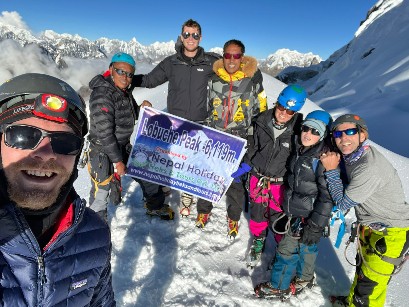
Everest Three High Pass Trek with Lobuche Peak
Overview If you want to experience the best Everest adventure in Nepal, this is it. The Everest Three High Pass...
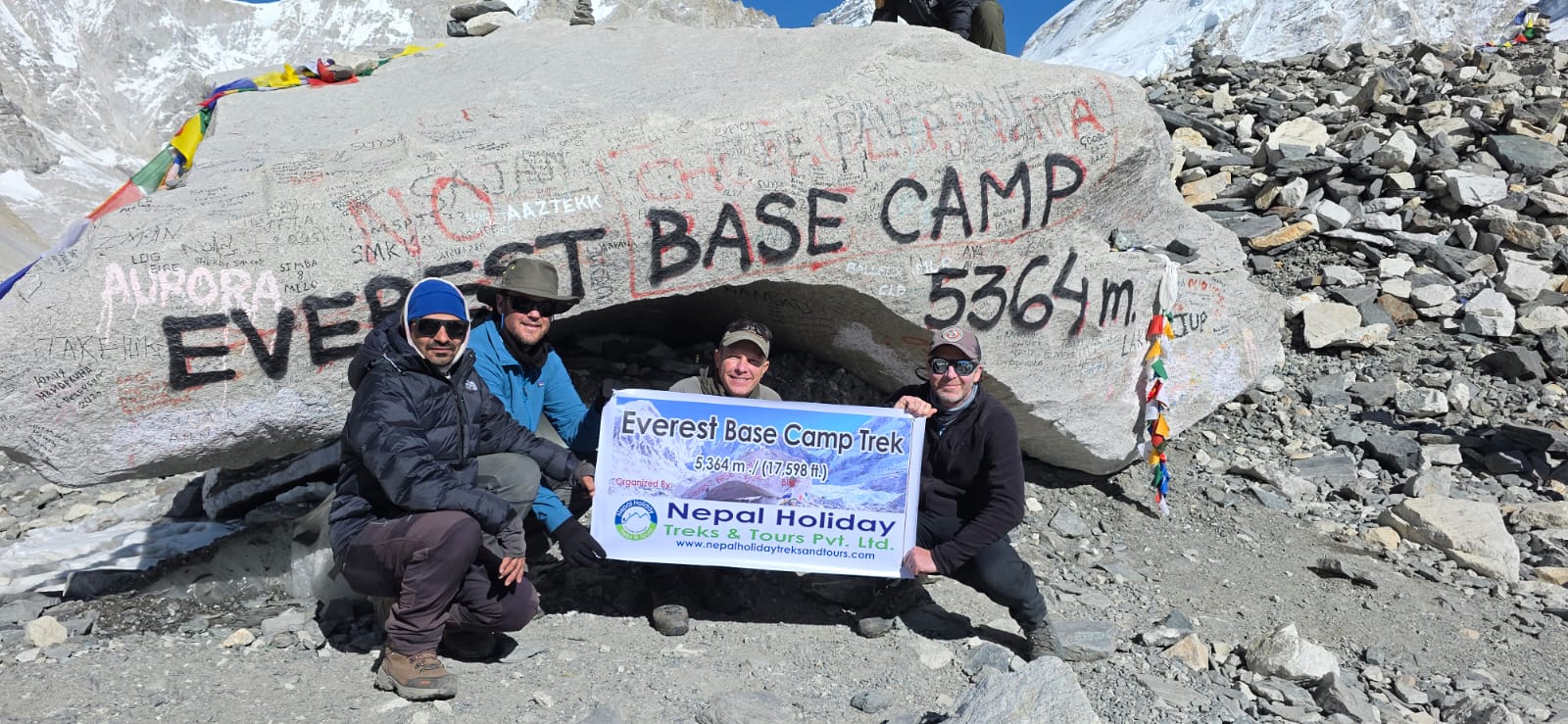
Everest Base Camp Luxury Trek
The Everest Base Camp Luxury Trek is a magnificent Himalayan experience without giving up on luxury. A well-planned journey...
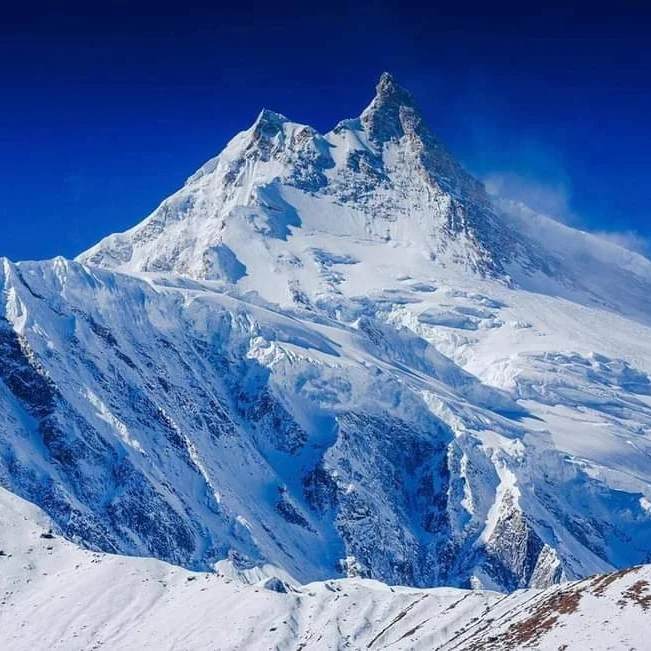
Short Manaslu Tsum Valley Trek
An 17 days trek, the Short Manaslu and Tsum Valley Trek engages trekkers to an adventure close to Mt....
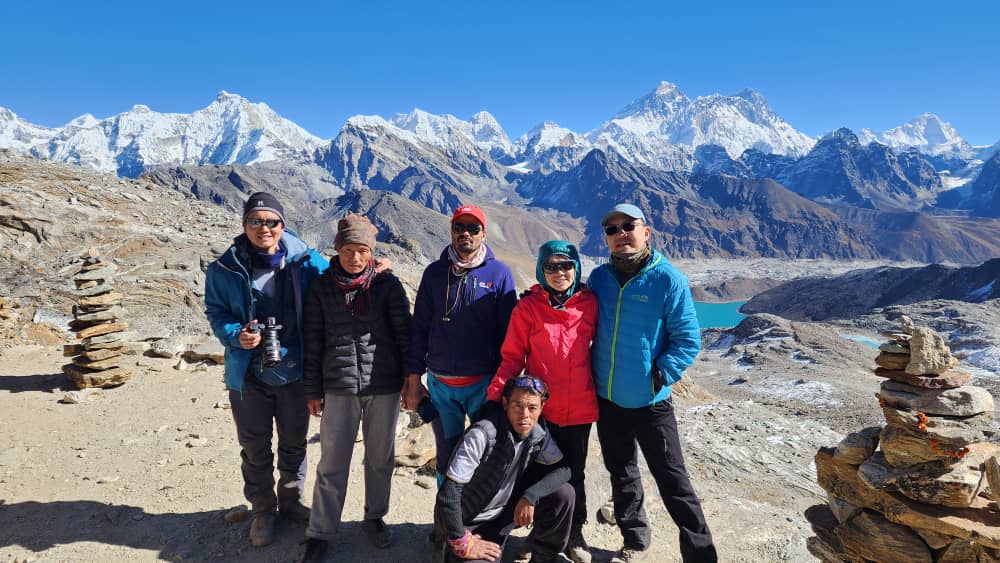
Gokyo Valley Trek Via Renjo-La Pass
Your getaway from the typical trekking route to Everest Base Camp is the Gokyo Valley Trekking. This trekking adventure...
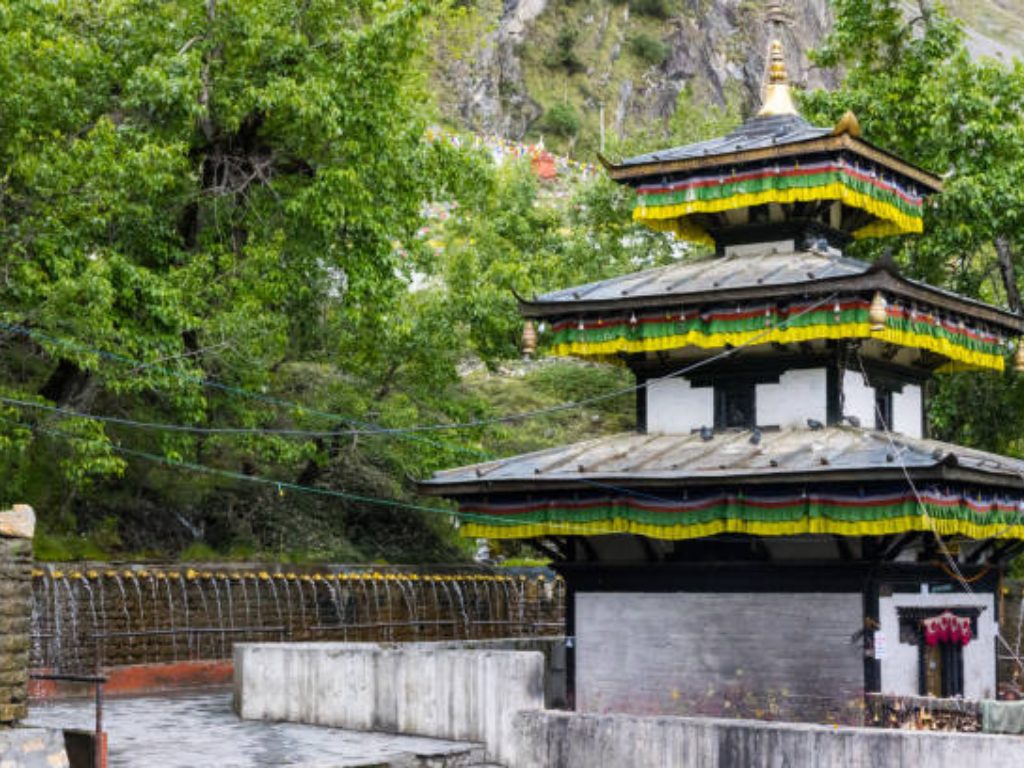
Jomsom Muktinath Trek
Nepal is a stunning country in the Himalayas with magnificent mountains. These mountains’ foothills make for ideal walking terrain....