

Gokyo Valley Trek Via Renjo-La Pass Overview
Your getaway from the typical trekking route to Everest Base Camp is the Gokyo Valley Trekking. This trekking adventure will provide you a unique experience on your way to the Everest Base Camp, away from the crowds and with its own alluring attractions. Viewing the picturesque snowy mountains, Himalayan highland sceneries, terraces, valleys, lakes, and the unmatched culture and traditions of the Everest region is possible with Nepal’s Eco Adventure’s Gokyo Valley Trek and Thame Valley via Renjo-la pass.The powerful Mahalangur Himalayan range, which includes the four highest mountains in the world and is distinguished by its various valleys, is located in the Khumbu region.
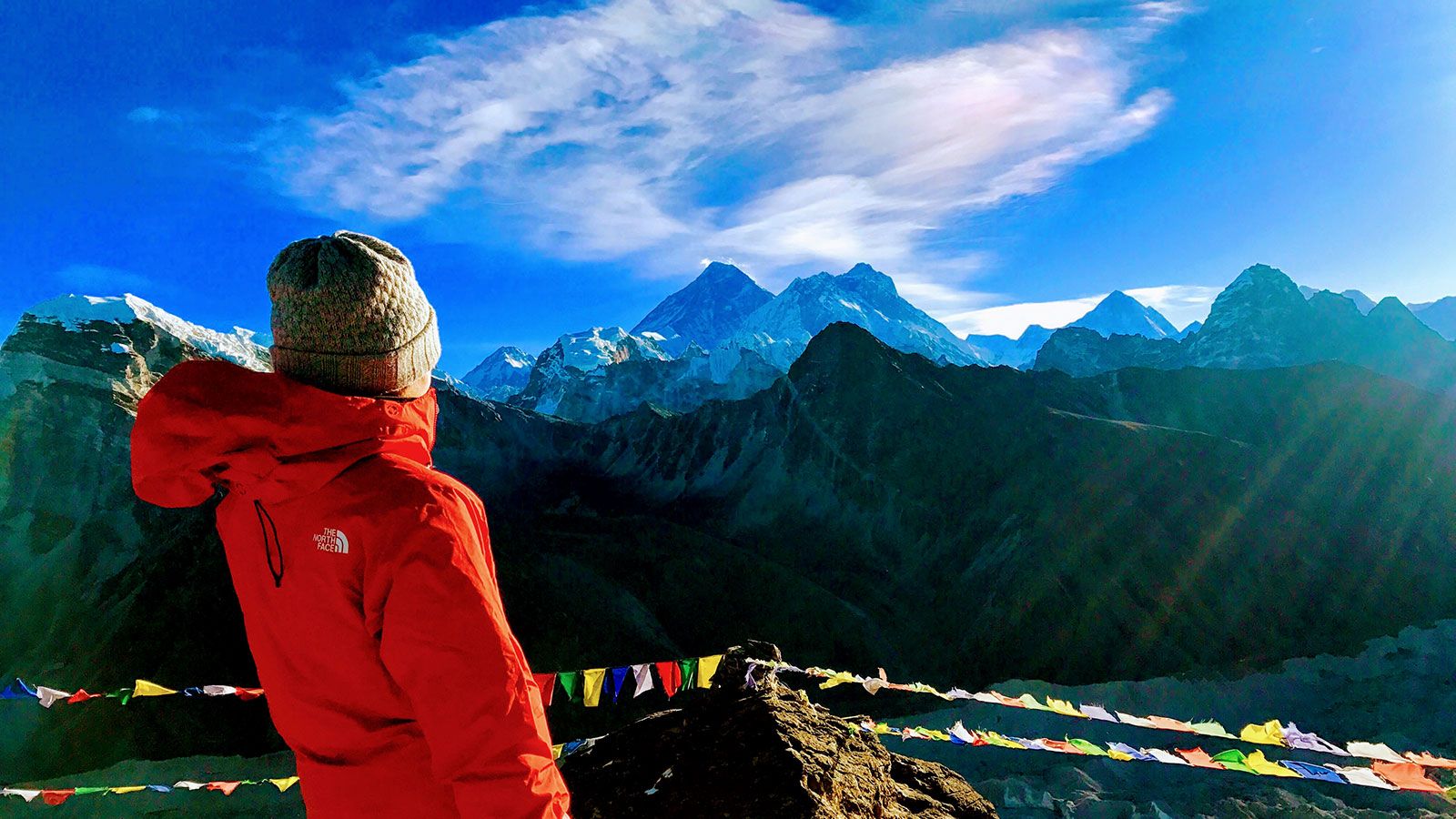
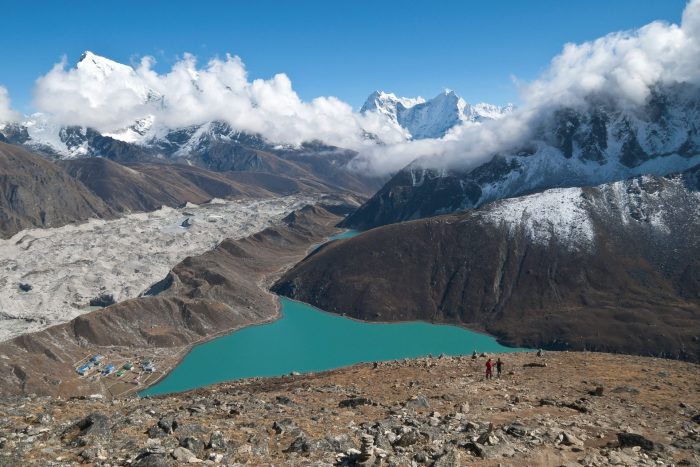
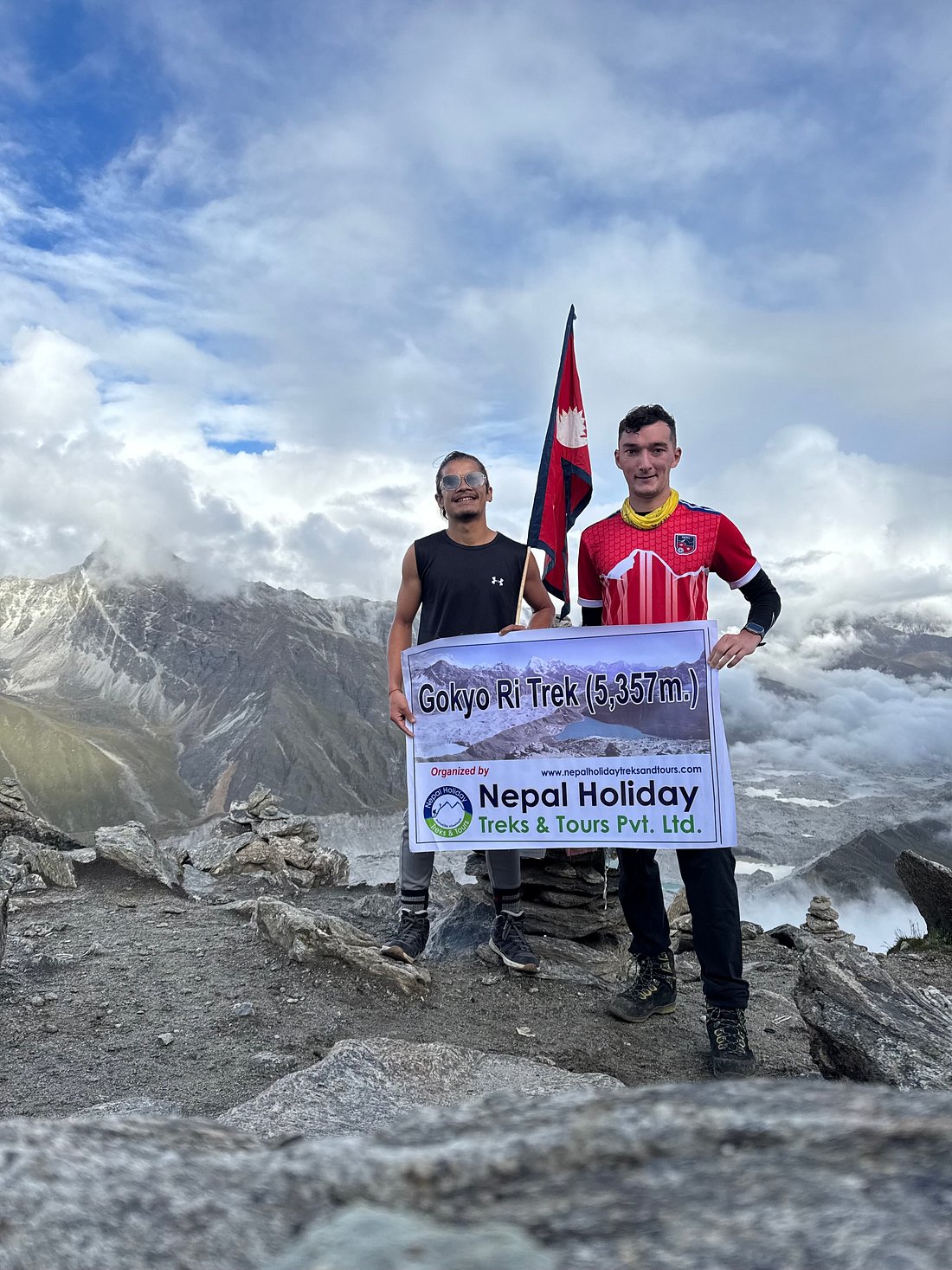
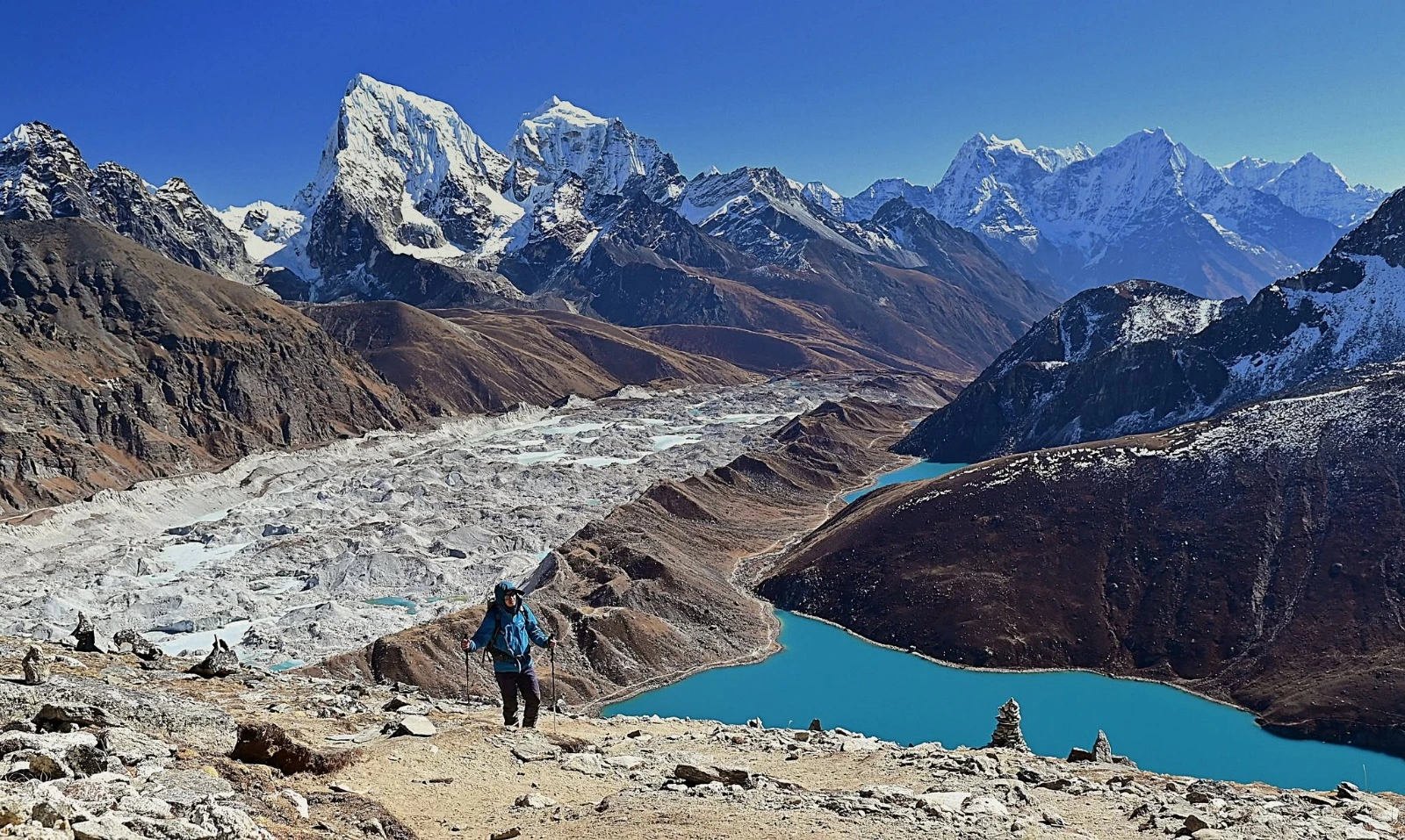
The Gokyo Valley is well known for its five amazing lakes.You have to see it to believe it: gorgeous turquoise lakes protected by silver mounts. The most mysterious views of the world’s tallest mountains, including Mt. Everest (8848m), Lhotse (8516m), Makalu (8585m), Cho-Oyu (8201m), and other notable summits including Ama Dablam, Kongde, Thame Peak, Thamserku, and Khagtega, can be found on the Gokyo Valley journey. One of the main attractions of Gokyo Valley is Ngozomba Glacier, the biggest glacier in the Himalayas, which is visible from Cho Oyu Peak to Dole. The 5357-meter-high Gokyo Ri summit is yet another alluring feature of this hike. We can enjoy a 360-degree panoramic view of Everest, Lhotse, Makalu, Cho Oyu, Nuptse, Pumori, Lingtren, Chola Peak, and Machherma from this, the best vantage point for Mount Everest,Ama Dablam, Thamserku, Kusum Kangaru etc.
The indigenous Sherpa people of the Himalayas have effectively adapted to the harsh alpine environment. Sagarmatha National Park has recently seen a rise in eco-friendly tourism, which has reduced the amount of trash that hikers in the area leave behind. The lifestyle and traditions of the deeply religious Sherpas exhibit a distinctive fusion of Tibetan and Nepalese Buddhism. Monasteries, chhortes, praying flags, and scribbles that have been soaked in them for generations will all be visible to us.
The Gokyo Renjo La Pass Trekking vacation package from Nepal Eco Adventure starts with a picturesque 30-minute flight to Lukla. Namche, Dole, Gokyo, Gokyo Ri, Renjo-La Pass, Lungden, and Thame Village will all be traversed on foot.The trip’s highest points are Renjo-La Pass (5345m) and Gokyo Ri (5357m) above sea level. You will be able to observe several kinds of glossy plants because of the significant elevation range. On your ascent, you may spot uncommon animals including musk deer, wild mountain goats, lophophorus, snow leopards, pheasants, mountain hawks, and snow ducks. The Khumbu region is thought to be home to the mystic Yeti. So be careful!
Three High Passes Trekking is also included in the 12-day Gokyo Valley trek with Nepal Holiday Treks and Tours, and it can be added to other Everest region packages. So prepare for a trip to the world’s youngest mountains by packing your baggage!
Major Attraction of the Gokyo Valley Trek with Renjo La Pass
Honestly, where do we even begin? This trek is one of those rare journeys that keeps surprising you – just when you think you have seen the most beautiful thing in the Himalayas, the trail turns a corner and shows you something even more spectacular. Here is what is waiting for you out there:
Gokyo Lakes: Nothing quite prepares you for your first glimpse of the Gokyo Lakes. These incredible turquoise glacial lakes sitting above 4,700 meters are among the highest freshwater lakes in the entire world and they are absolutely stunning. Sacred, serene and surrounded by snow-capped giants, this is the kind of place that makes you stop walking and just breathe it all in.
Gokyo Ri (5,357m): We always tell our trekkers, wake up early for this one, because the sunrise from Gokyo Ri is something you will talk about for the rest of your life. Standing on the summit with Everest, Lhotse, Makalu and Cho Oyu all lined up before you at once is simply overwhelming. No photograph will ever do it justice – you just have to be there.
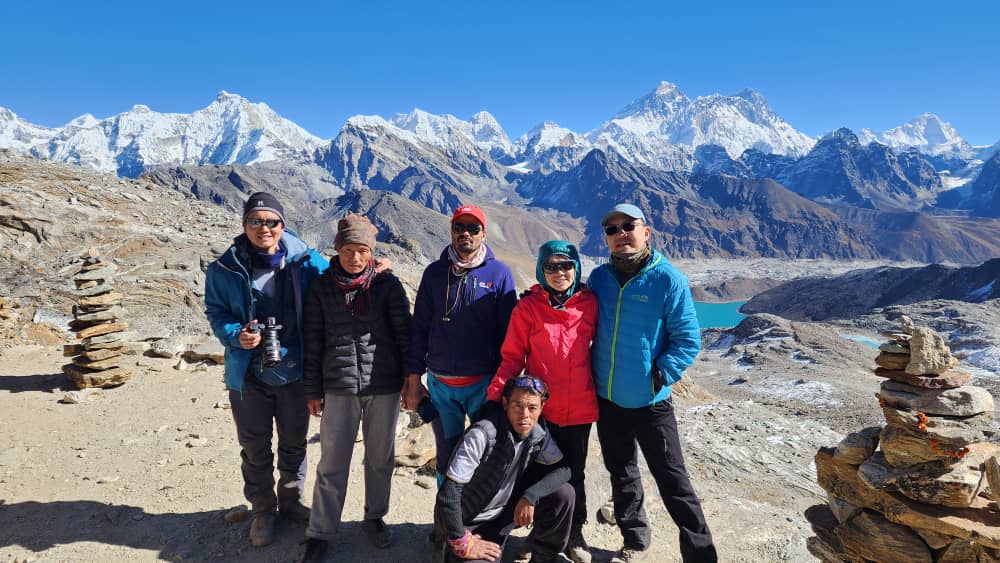
Renjo La Pass (5,360m): This is the moment the whole trek builds toward. Crossing Renjo La is tough. We won’t sugarcoat it but the second you reach that summit and see what is on either side, every hard step suddenly makes complete sense. The Gokyo Lakes glittering behind you, the full Everest range stretching out ahead of you. It is one of the greatest viewpoints in the entire Himalayas and we are so proud to take our trekkers there.
Ngozumpa Glacier: The biggest glacier in Nepal follows the path closely near Gokyo and strolling next to it is honestly humbling. This ancient river of ice stretches for kilometers and puts the sheer scale of the Himalaya into perspective like nothing else.
Namche Bazaar: Oh, Namche. Every trekker falls a little bit in love with this place. It is lively, colorful, warm and energetic – a great place to get off your feet, fill your stomach with a good meal and inhale that unmistakable Himalayan spirit. It is also where the mountains begin to show themselves in earnest, and believe us that first look at Everest from above Namche never gets old.
Thame Village and Monastery: If Namche is the Khumbu’s heart, Thame is its soul. This peaceful and traditional Sherpa village also has one of the region’s oldest monasteries and the very own legend, Tenzing Norgay was born here. Strolling down the streets of Thame is like going back in time and we are delighted to introduce this secret treasure to our trekkers.
Everest Views Like You Have Never Seen: Yes, you will get to see Everest on this trek and it is not just a far off mountain on the skyline. From Gokyo Ri and Renjo La Pass, you get some of the most dramatic and unobstructed views of the world’s highest mountain anywhere on earth. No Base Camp required.
Authentic Sherpa Culture: Among the things we care about the most at our agency is ensuring our trekkers don’t simply lay eyes on the mountains – they lay eyes on the people as well. Villages like Dole, Machhermo, Lungden and Thame provide an authentic, laid back view into Sherpa life. The monasteries, the prayer flags, the yak caravans and that well known mountain hospitality that warms your soul just as much as the dal bhat warms your stomach.
We have been taking trekkers on this route for years and we never get tired of watching people experience it for the first time. The Gokyo Lakes and Renjo La Pass Trek is not just a trek – it is a life experience. And we would love to share it with you.
Best Time for Gokyo Valley Trek via Renjo La Pass
Spring (March to May)
Spring is one of the most wonderful seasons to visit the Khumbu region. The rhododendrons are blooming, the days are longer, sunnier and the weather is nice overall, with temperatures usually between 11 and 18°C. The lower trails are splashed with reds and pinks, the Gokyo Lakes glisten under blue skies and the sunrise from Gokyo Ri is simply breathtaking.
April and May are the best months for this season. The skies are mostly clear, the pass is fully open and the trail atmosphere is fresh and vibrant. Unlike during the high-season at Everest Base Camp, trails here are comparatively less crowded, giving you a more peaceful Himalayan experience in the Himalayas.
Autumn (September to November)
If you ask any experienced trekker in Nepal, the answer is autumn. This is the highest trekking season for a reason. The monsoon has just retreated, bringing bluebird days and sunshine. The rains wash away smog and dust and give the best mountain views of the year.
Especially October and November have the best clear sky days before the beginning of the thaw which allows for the best views of Everest and surrounding peaks, these are also the most popular months for trekkers wanting good weather and good photo opportunities. The air is clear and cold and crossing Renjo La Pass with the whole Everest massif laid out before you is a once in a lifetime moment.
Winter (December to February)
Winter brings silence to the trail but also some serious challenges. The early weeks of December and the late weeks of February are also options for this trek; however, January is not recommended since high passes may be closed due to snow.
Temperatures drop sharply at altitude, particularly at night and Renjo La turns icy and more technical. But if you are experienced, have the proper cold weather kit and a flexible schedule in your itinerary, early December and late February offer something very special – quiet trails, dramatic snow-dusted landscapes and a raw Himalayan encounter without the crowds.
Monsoon (June to August)
This is the one season that most trekkers choose to avoid. It is because trails are slippery in monsoon, views are often blocked by cloud and rain and mountain weather becomes more and more unpredictable. The risk of leeches in the lower sections, potential landslides and frequent Lukla flight cancellations make it clear why most trekkers choose to skip this season entirely.
Trek Difficulty of Gokyo Valley Trek via Renjo La Pass
Let’s be honest, this is not a casual walk in the park. But it is also not reserved for elite mountaineers. With the right preparation, a reasonable fitness level and a willingness to take it one step at a time, this trek is absolutely achievable.
The trails are well defined and are relatively consistent in their grade strain for most of their length. The real challenge is in the altitude. You will be spending a number of days above 4,000m and crossing Renjo La Pass at 5,300m where thin air makes each uphill step more difficult than it ought to be. The trail leads you up to over 5,000 meters at key points, so the likelihood of feeling even a little altitude sickness – headaches, tiredness and breathlessness are common and is exactly why the acclimatization days included in the itineraries are so necessary.
The hardest day is the crossing of Renjo La Pass — a long, uphill trek on rocky, sometimes icy ground, then a drop down into Lungden. This part needs about 6 to 7 hours and it requires an application of your physical and mental strength. But the views from the summit make every difficult step worthwhile.
Overall, this trek is considered as a moderate to strenuous trek. If you are able to walk 5 to 6 hours a day on rough ground and have some time to prepare by hiking, running, or cycling, you are well prepared. A good guide, proper acclimatization and a slow steady pace are your best tools on this trail.
The Mountain will challenge you. But it will also reward you beyond words.
Outline Itinerary
Day 1: Fly from Kathmandu to Lukla & Trek to Phakding (2610m) 4-5 hrs walk.
Day 2: Trek to Namche Bazaar (3445m). 5-6 hrs walk.
Day 3: Acclimatization day at Namche Bazaar / Hike to Everest View Hotel
Day 4: Trek to Dole (4150m). 5-6 hrs walk.
Day 5: Trek to Machhermo (4470m). 5-6 hrs walk.
Day 6: Trek to Gokyo Valley (4750m), after Lunch visit around the Gokyo lake. 5 hrs walk.
Day 7: Early morning hike to Gokyo Ri 5360m for sunrise views
Day 8: Trek to Lungden via Renjo-La pass 5360m. 10 hrs walk.
Day 9: Trek down to Thame (3850m) and visit Thame Monastery. 4-5 hrs walk.
Day 10: Trek down to Namche Bazaar(3440m) 5-6 hrs walk.
Day 11: Trek down to Lukla. 7 hrs walk.
Day 12: Fly back to Kathmandu.
Gokyo Valley Trek Via Renjo-La Pass Highlights
- Witness breathtaking views of Everest, Lhotse, Makalu, and Cho Oyu 5,360m from the high mountain pass.
- Experience an unforgettable sunrise over the Everest range with a panoramic view of Himalayan giants.
- Traverse one of the most scenic and less frequented high passes in the Everest region.
- Hike on Nepal’s longest glacier, offering surreal landscapes and dramatic ice formations.
- Explore the bustling Sherpa villages of Lukla, Namche Bazaar, and Thame with their culture and traditions.
- Relative quietness and stunning off-the-beaten-path experiences as compared to regular Everest Base Camp treks.
- Witness Buddhist landmarks like mani stones, chortens, prayer wheels, and colorful prayer flags.
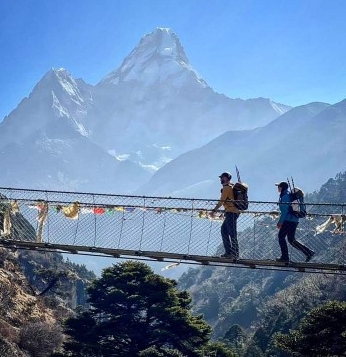
- Trek over suspension bridges with deep gorges and cross the high-altitude Renjo La Pass for an exhilarating experience.
- Explore the sacred glacial lakes, sacred to Hindus and Buddhists, nestled in the Gokyo Valley.
Gokyo Valley Trek Via Renjo-La Pass Itinerary
Expand allDay 1: Fly from Kathmandu to Lukla & Trek to Phakding (2610m) 4-5 hrs walk.
We’ll board a flight to Lukla (2810m), from TIA. You may be able to celebrate the locate of amazing slopes, streams and mountains amid the 30 minutes long flight. On reaching Lukla airplane terminal, you will be presented to your porter, and served a wholesome breakfast. After that, we are going head north to Phakding (2620m). It is a simple 3 hour climb through the Dudhkoshi valley. We are going head north from the airstrip to Chheplung (2700m) and cross the precious stone clear Thadokoshi on a locally built suspension bridge. Past the bridge, you’ll witness Kusam Kanggru (6367m), which is one of the hardest mountains to prevail. Absent from the ThadoKoshi, the path proceeds towards the Ghat (2590m) and we are going cross a edge checked with painted Mani stones. We are going carry on our mount to reach the excellent tribal town of Phakding where you may remain overnight.
Day 2: Trek to Namche Bazaar (3445m). 5-6 hrs walk.
On our moment day of journey, we are going head to Namche bazaar, celebrated town of Khumbu region. On our way to Namche, we are going cross the winding Dudhkoshi Stream 5 times on thrilling suspension bridges, secured with colorful Buddhist supplication banners. At that point,
we’ll proceed your climb, which can bring you to Jorsale. From there, it’s a two and a half hour rising to Namche, with two major perspectives on your way. On the off chance that you’re fortunate, on a clear day, you’ll be able savor the trancelike see of Everest. At Jorsale, you may enter Sagarmatha National stop (UNESCO World Legacy Location) where you will be required to confirm your grants. After 5-6 hours of intense climbing, we’ll reach Namche Bazaar, chief financial center of the locale, moreover, door to Everest.
Day 3: Acclimatization day at Namche Bazaar / Hike to Everest View Hotel
Adjustment to cruel topography and tall elevation is crucial some time recently assist proceeding the rising to dodge elevation ailment and other unwelcome sickness. You will be taken for a one day climb through the lovely towns of Khunde and Khumjung. After getting back at Everest see lodging, you’ll be able go to see at the giant skull of so called enchanted animal “Yeti”, in a cloister within the locale. You’ll moreover savor at a pastry kitchen at world’s most noteworthy height. On a reasonably clear day, you’ll be able see breathtaking see of peaks such as Everest, Lhotse, Ama Dablam among others. The see of mountains from Everest View Inn, is additionally commendable. After a nourishing breakfast at lodging, we’ll endeavor an hour long climb to the Syangboche airstrip (3790m), from where we are going relentlessly climb towards Khundu. On your way up, you’ll be able see century’s ancient Chorten (stone Buddhist landmarks). From there, we’ll move eastwards to Khumjung, the biggest settlement in entire Khumbu locale, at the lap of sacred crest of Khumbila. After savoring lunch at Khumjung, we are going path a moderate climb to Everest See Lodging, from where you’ll once more appreciate the see of Himalayas.The plummet to Namche (3540m) is roughly 4/5 hours walk.
Day 4: Trek to Dole (4150m). 5-6 hrs walk.
Presently the journey enters over 4000m. A small climb to the edge best out of Namche will allow us a great see of Everest and Lhotse. From there, we are going proceed the standard path for some time. All through the path, you’ll be able witness merchants offering Tibetan handwork. You may be able to involvement the one of a kind cretinism of Nepalese and Tibetan Buddhism. After we arrive at the crossroad, which lies considerably tall all over the Dudh Koshi, the path is separated. The upward path, which we’ll take after extends to Mon La Pass. The downhill path leads to Everest base camp. We are going presently take after the pass to reach Phortse. At Phortse, we are going meander and see the societies at ancient religious communities, which have centuries doused in them. We might moreover visit the nearby powerhouse, or indeed journey to luri top. We are going presently path steeply to rhododendron wildernesses, and, from there to settlements of Tonga and Gyele (3,960m). After that, we arrive at Dole. From here, ready to have a marvelous see of Khumbila and Tawache (6,542m). We’ll investigate around Dole, and remain overnight.
Day 5: Trek to Machhermo (4470m). 5-6 hrs walk.
Journey starts with a relentless climb along the valley. The discuss is presently more slender, comparatively. The juniper timberlands presently rule the woods. As we go up, able to see wonderful summer settlements and touching arrive all through. The locate of tall silver mountains will be a treat, no ponder. Eminent sees of Cho Oyu, its neighboring crests Kantega and Thamserku will devour our eyes. By noon, we are going have arrived at Machermo (4,410m). We’ll spend the rest of the day investigating Machermo (4,410m) and spend the night there
Day 6: Trek to Gokyo Valley (4750m), after Lunch visit around the Gokyo lake. 5 hrs walk.
After breakfast, we’ll proceed the path over the edge for more outlandish sees. Majestic Cho Oyu stands tall, right before us. Underneath is the flawless see of Khantega pig out, natural. Past the edge, the valley expands as path goes side by side to Pangram at 4,390m. We plummet down to the riverside, some time recently we climb up to the fetal frigid store of the Ngozumpa ice sheet. Presently, after a somewhat higher climb, we arrive at Gokyo, for a night stay.After the Lunche We’ll moreover visit and savor the locate of attractive Fifth Lake and take pictures. Overnight remain in Gokyo Town.
Day 7: Early morning hike to Gokyo Ri 5360m for sunrise views
Early within the morning, we are going prevail 5463m tall Gokyo Ri from where we are able see extraordinary Everest, Cho Oyu, Lhotse, Makalu among others. We’ll climb to Fifth Lake from where the see of crests is indeed superior. We’ll at that point plunge to Gokyo and spend the another night at Gokyo.
Day 8: Trek to Lungden via Renjo La pass 5360m. 10 hrs walk.
We delicately go tough over the lavish lush range. The incline dynamically gets to be more extreme and we head for the beat. The journey is very complex because it is exceptionally steep. From the best, we will see staggering display of Rolwaling, Tengi Ragi Tau Mountains and little Rermo Pokhari Lake to the west and Everest, Lhotse, Makalu, Gyachung Kang and Gokyo lakes to the east. Through DudhPokhari lakes, we journey downhill through the beautiful meadow towards the Bhote Koshi Valley to proceed adjacent to the stream. Luckily, we’ll come over yak caravans coming from Tibet heading towards Lungdeng. We are going spend the night at Lungdeng.
Day 9: Trek down to Thame (3850m) and visit Thame Monastery. 4-5 hrs walk.
We are going hike to Thame. Arranged at 3800m, we’ll also visit the notable Thame religious community and encounter otherworldly Buddhist hones. Ready to moreover witness the exquisite culture of Sherpa individuals at Thame. We’ll spend the night here and appreciate the much required rest for our downhill journey to Namche streaming day.
Day 10: Trek down to Namche Bazaar(3440m) 5-6 hrs walk.
We’ll hike to Thame. Situated at 3800m, we’ll also visit the historic Thame religious community and encounterotherworldly Buddhist practices. Ready to moreover witness the dazzling culture of Sherpa individuals at Thame. We’ll spend the night here and appreciate the much required rest for our downhill journey to Namche streaming day.
Day 11: Trek down to Lukla. 7 hrs walk.
It is around a 7 hours long walk downhill from Namche to Lukla. On this day, our time at extraordinary Sagarmatha National Park will come to an conclusion. Following day, we are going board a plane to capital. You’ll offered farewell to this journey with a memorable walk down to Lukla.
Day 12: Fly back to Kathmandu.
Early morning, we’ll catch a plane from Lukla to Kathmandu. Don’t forget to choose a seat on the proper side, to see the voracious mountains once more. On coming to Kathmandu, you’ll be escorted back to your inn.
If the above Gokyo Valley Trek Via Renjo-La Pass itinerary does not meet your needs, we can design individualized travel plans based on your preferences and specifications.
Plan My TripGokyo Valley Trek Via Renjo-La Pass Cost Includes
- Three meals a day- breakfast, Lunch, Dinner and 3 cups of tea/Coffee a day during the trek.
- Accommodation in a tea house during the trek, private room.
- Domestic flight ticket from Kathmandu to Lukla and Lukla to Kathmandu or Ramechhap to Lukla and Lukla to Ramechhap, including airport taxes.
- Your hotel to Kathmandu airport to hotel private jeep & from Kathmandu to Ramechhap airport to Kathmandu sharing jeep.
- An experienced, helpful, knowledgeable, friendly, English speaking, well trained, government license holder Trekking Guide with all his salary, food, Drinks, accommodation, equipment, transport, insurance, etc.
- Fresh fruits after dinner every night as dessert during the trek.
- You will be under observation with a pulse oximeter to have your oxygen levels and heart rate measured twice a day during the trek. This is to catch the signs of Altitude Mountain Sickness (AMS) early, thus making trekking safer.
- Includes the Sagarmatha National Park entry permit, TIMS card, and Khumbu Pasang Lhamu Municipality access permit.
- Normal First aid kit box.
- Arrangement of Emergency helicopter service (paid by your travel insurance company).
- All taxes and company service charges.
Gokyo Valley Trek Via Renjo-La Pass Cost Excludes
- International airfare and visa fees.
- Lunch and dinner in Kathmandu.
- any accommodation and airport pickup and drop in Kathmandu.
- Personal expenses of bar and beverage bills, Wi-Fi, hot shower, bottle of water, extra porters, laundry, or any other things that are not mentioned by the company.
- Your trekking gear and extra nights in a certain destination.
- Your travel insurance, which should include the emergency rescue.
- Tips for your guide and porters, which is compulsory.
- Extra expenses due to any event such as strikes, weather conditions, or flight delays.
Gokyo Valley Trek Via Renjo-La Pass Additional Info
Accommodation on the Gokyo Valley via Renjo La Pass
During this trek, you will be staying in teahouses. They are modest, cozy, family run guesthouses that are the meaning and heartbeat of Himalayan trekking. Do not expect five star luxury up here, but expect warm beds, friendly Sherpa hosts and that feeling of being completely at home in the mountains. Rooms are simple but functional, with twin beds, blankets and pillows provided at each stop. On this trail, shared bathrooms are the standard, while attached private bathrooms are common in lower altitude towns such as Namche Bazaar, but they are scarce in higher elevation. Teahouses get busy during peak season, so our team always books accommodation in advance, so you can relax without worrying about getting a bed after a day on the trail.
Food on the Gokyo Valley via Renjo La Pass
The food on this trek is simple, hearty and genuinely good. Every teahouse offers a combination of Nepali and western cuisine that will keep you energized and happy while trekking. Dal Bhat – lentil soup with rice and vegetables, the quintessential Nepali meal is the trekker’s best friend here. It is hearty, healthy and comes with unlimited refills. You can also get pasta, noodles, soups, fried rice, eggs and pancakes in most places.
One thing to remember is that food gets pricier the higher you go. Everything above Namche Bazaar must be carried by porters or yaks, so prices will increase with altitude. There are plenty of vegetarian choices right across the route, if you have any particular dietary needs then let us know we will arrange according to your needs.
Drinking water on the Gokyo Valley Trek via Renjo La Pass
Keeping yourself hydrated on this trek is nonnegotiable, it is one of the best things you can do for your health and altitude acclimatization. Drink at least 3 to 4 liters of water each day while on the trail.
That being said, never drink the tap water or the stream water at any point along this route, regardless of how clean it appears. At every teahouse you will find boiled water, which is the cheapest, safest and easiest solution to drinking clean water. Bottled water is available but it becomes more and more expensive as you go higher and contributes to plastic waste on the mountain – something we strongly discourage.
Our advice is bring a reusable water bottle that includes a filter or bring water purification tablets. They are light, eco-friendly and will be your best trail companion every sing day you go out.
Permits Required for the Gokyo Valley Trek via Renjo La Pass
- Sagarmatha National Park Entry Permit
(Cost: NPR 3,000 for foreigners and NPR 1,500 for SAARC nationals)
- Khumbu Pasang Lhamu Rural Municipality Permit
(Cost: Approximately NPR 3,000)
Documents Required for the Permits:
- Valid Passport
- Valid Nepal Visa
- Pass port sized photos
- Travel Insurance documents
- Emergency contact
We will handle all your permits and documents so you can focus on your trek.
Travel Insurance Required for the Gokyo Valley Trek via Renjo La Pass
Travel insurance on this trek is mandatory – it is a must. When you are crossing a 5,300 meters pass in a remote area of the Himalayas, you need to know you are covered, if things don’t go as per plan.
Here is what your travel insurance policy must cover:
- High Altitude Coverage at least 5,500m
- Emergency Helicopter Evacuation
- Medical Expenses and Hospitalization
- Trip cancellation or Delays
- Lost or Damaged Equipment
Always read the fine print before purchasing – a lot of normal travel insurance policies do not cover high-altitude activities, so double check that yours includes trekking at this height.
Additional Costs to Expect on the Gokyo Valley Trek via Renjo La Pass
Our packages covers all the essentials – permits, accommodation, meals and so on. However there are some personal and additional expenses that fall outside the package cost. Here are the extra costs you should budget before you go:
- Travel Insurance Cost
- Hot showers and charging your electronics
- Wi-Fi cost on the teahouses
- Extra snacks and chocolates
- Tips for your guides and porters
- Personal expenses and Souvenirs
- Cost of rented equipment
Our advice – Always carry more cash on hand than you expect to need. On this route, there are only ATMs in Namche Bazaar and they can be unreliable. A bit of additional planning can make the difference between a stressful trek and a happy one.
Guide and Porter for the Gokyo Valley Trek via Renjo La Pass
Let’s be straightforward with you, some trekkers consider going solo to save money. And while we completely understand that, the Gokyo Lakes and Renjo La Pass Trek is not the route to take that risk. This is a remote, high-altitude trek crossing a 5,300meter pass through some of the most unpredictable mountain terrain in the world. Having the right people beside you is not a luxury here – it is a decision that could genuinely keep you safe.
Think about it this way. When the altitude hits harder than expected, when the weather turns suddenly on Renjo La or when you are not sure if that headache is just dehydration or something more serious – your guide is the person who knows exactly what to do. No app, no guidebook and no map replaces that kind of real, experienced human judgment in the mountains.
And your porter? They carry your heavy load so that you can walk freely, look up at the mountains and actually enjoy every single step of this incredible journey instead of grinding through it under a heavy pack.
Our Guide and Porters: Every guide on our team is government licensed, altitude trained and deeply experienced on this specific route. They speak excellent English, understand mountain safety inside out and bring a warmth and passion for Sherpa culture that genuinely enriches your entire experience on the trail. Our porters are equally handpicked, fairly paid, properly equipped with the right gear and treated with the full respect they deserve as essential members of your team.
When you trek with us, you are in good hands from the first step to the last and that is a promise we take very seriously.
Why Choose Us for your Gokyo Valley Trek via Renjo La Pass?
We know you have options and we respect that. But here is the truth: not every agency will treat your trek with the same care, passion and responsibility that we do. This is not just a business for us. These are our mountains, this is our home and every trekker we guide feels like a guest we are genuinely honored to have here.
Here is what makes us different:
- Years of experience guiding trekkers on this route
- Government licensed, altitude trained and passionate guides
- Honest and fully transparent pricing
- Fully personalized and flexible itineraries
- Your safety is our first priority
- Hundreds of happy and returning trekkers
Upcoming Departures
Gokyo Valley Trek Via Renjo-La Pass Gallery
Customer Reviews
Write a ReviewGokyo Valley Trek Via Renjo-La Pass FAQs
Is Wi-Fi available on the trek?
Yes, Wi-Fi is available at most tea houses along the route, as in Namche Bazaar, Dole, Machhermo, Gokyo and Thame. But do not expect the type of connection that you are used to at home. The signal is slow, often unreliable and weakens as you rise.
Is Wi-Fi free or paid?
Most teahouses charge individually for use of their Wi-Fi, usually around NPR 200 to 500 per hour or per session based on the location and altitude. It is extra and not included in your package, so keep some extra cash for that.
Can I charge my device on the trek?
Yes, there are charging facilities at most teahouses on the route. However like Wi-Fi, charging is almost always an extra fee, typically between 200 to 500 NPR per device, depending on the location. Always bring the fully charged power bank with you.
Are ATMs available on the trek?
ATMs are available only in the Namche Bazaar on this route but they can be unreliable. Bring plenty of cash for your whole trek’s additional expenses.
Can I customize the itinerary?
Absolutely. We understand that every trekker is different. Whether you need extra acclimatization days, a slower pace or a modified route – we are happy to tailor the itinerary to suit your needs, fitness level and schedule.
What happen if I get sick on the trail?
Your safety is our first priority. During the trek if altitude sickness or a medical emergency occur, your guide will make an immediate decision to descend or to organize an emergency helicopter evacuation. This is precisely why full travel insurance including coverage for helicopter evacuation is mandatory prior to trek.
What happen if my Lukla flight is cancelled?
In the case your flight is cancelled, you will be rebooked on the next flight with seats available which will most likely be the next day, since flights to Lukla only run in the morning hours as that is when visibility is best. Our team in Kathmandu monitors your flight status closely and keeps you informed.
Will a flight cancellation ruin my entire trek?
Not if you plan ahead. This is precisely why we always advise you have a minimum of two buffer days in your schedule: one at the beginning and one at the end of your trekking. These spare days absorb any stragglers without impacting your overall experience on the trail. We factor this into every itinerary we design for our trekkers.
Gokyo Valley Trek Via Renjo-La Pass Equipment Lists
Pack light, but make sure you bring the essential clothing and equipment needed for changing weather and high-altitude conditions. The following checklist covers the recommended gear for a comfortable and safe trek.
Note: If the sleeping bag, down jacket is lost or damaged, a compensation fee of USD 150 per item will be charged.
Sleeping Gear & Bags
- Four-season (0°C) sleeping bag and puffy down jacket (recommended)
- Daypack (35–45 liters recommended) with rain cover
- Sleeping bag liner
Head & Upper Body
- Sun hat or cap
- UV-protection sunglasses
- Warm knitted hat or beanie
- Headlamp with spare batteries
- Scarf, neck gaiter, or Buff
Torso
- Technical-fabric base layers suitable for the season
- Quick-drying T-shirts or shirts: 2 short-sleeve and 2 long-sleeve
- Fleece jacket or pullover
- Waterproof and windproof outer-shell jacket
Lower Body
- Technical-fabric thermal base layer
- Comfortable pants for wearing inside teahouses
- Waterproof and windproof shell pants
- Hiking pants: 2 pairs
- Hiking shorts
Hands
- Wool or technical-fabric liner gloves
- Insulated hard-shell outer gloves for colder conditions
Feet
- Warm wool or technical-fabric socks
- Liner socks, such as silk, if preferred
- Waterproof trekking or hiking boots
- Hiking socks
- Gaiters for dust, rain, or snow
- Microspikes or ice cleats, especially from November to March
- Comfortable casual shoes
Undergarments & Sleepwear
The quantity of clothing can be adjusted according to your personal preferences and laundry opportunities during the trek.
- Quick-drying technical-fabric underwear
- Sports bras for women
- Pajamas or comfortable sleeping clothes
First Aid & Personal Medications
Our guides carry a basic first-aid kit and essential medications, but bringing your own personal medical supplies is strongly recommended.
- Sunscreen
- Personal ointment or basic skincare products
- Lip balm
- Suitable medication for a dry mountain cough
- Mosquito repellent for Kathmandu and lower-altitude areas
- Personal prescription medications
Other Essentials
- Passport
- Extra passport-sized photographs
- Reusable water bottle
- Toiletry kit
- Toilet paper (2 rolls)
- Water purification tablets or a UV water purifier
- Hydration bladder
- High-protein snacks, such as protein bars or nuts
- Quick-drying towel
- Trekking poles
- Earplugs
- Pillowcase
- Waterproof or dry bags for important documents, electronics, and money
- Airline tickets and copies of travel documents
Optional Items
You can purchase or rent additional trekking gear in Nepal if needed. Thamel, Kathmandu’s main tourist hub, has a wide selection of trekking equipment at reasonable prices, and your guide can assist you with purchasing any last-minute supplies.
- Power bank or spare batteries
- Camera and mobile phone
- Thermos flask for hot water
- Books or playing cards
- Comb
- Binoculars
- Pee bottle or pee funnel for women
- Whistle
- Thermos flask for hot water
Tip: Avoid overpacking. Choose lightweight, quick-drying, and versatile clothing that can be layered according to the temperature and altitude.
Similar Tours
Ama Dablam Base Camp with Everest Base Camp Trek
Everest base camp with Ama Dablam treks a wonderful combination that leads you beneath towering and mighty peaks of...
Everest Base Camp Trek with Lobuche Peak – 18 Days
Everest Base Camp trek with Lobuche Peak climb is an adventure that includes the standard Everest Base Camp trek combined with the challenge of ascending Lobuche Peak to 6,119 m. Enjoy stunning...
Everest Three High Passes Trek Nepal
The Three Passes Trek Nepal which is also known as the Everest Three High Passes Trek is considered the...
Gokyo Valley Trek Via Renjo-La Pass
Your getaway from the typical trekking route to Everest Base Camp is the Gokyo Valley Trekking. This trekking adventure...
Everest Three High Pass Trek From Salleri
The Everest Three Passes Trek from Salleri is one of the most beautiful and rewarding hikes in the Himalayas....