
Annapurna Circuit Trek Difficulty: Can Beginners Really Do It?
Posted by: Nepal Holiday Treks and Tours on December 27, 2025
The Annapurna Circuit Trek has a certain stature. People exaggerate about its length, the altitude which it reaches, and the famous crossing of Thorong La Pass as if they were all precocious tests meant for the experienced people only. Yes, I too had the same doubts as the most inexperienced when I first thought of taking this trip. I doubted if my body would be able to take so many days of walking, if my lungs would be able to cope with the altitude, and if my mind would not lose control when the comfort of civilization was slowly taken away.
The question was not only about the difficulty of the trek but also about beginners realistically being able to handle that difficulty.
After doing the circuit, watching others on the way, and thinking about my experience, I came to the conclusion that the difficulty of the Annapurna Circuit is a very subjective one. It is not the kind of trek that conquers you at once. Rather, it opens up gradually and forces you to acclimatize to it day by day. For the non-experienced, this is indeed a great benefit
Understanding the Nature of Difficulty on the Annapurna Circuit
The Annapurna Circuit is not that difficult or extreme in the way many think. Technical ascents, no ropes, and no points of feeling one wrong step could lead to your being cut off from the hike, which are typical of extreme conditions, are not present here. The only challenge is a prolonged one. We walk day after day, which means we are slowly gaining altitude, getting used to cooler climates, and learning to be content with basic needs as well. This kind of difficulty does not hit like a thunderbolt; rather, it comes on softly; sometimes we won’t even notice it until we look back and see how far we’ve traveled.
For novices, this slow process could actually become a pro. The hike is a real teacher giving us time to learn, adjust and get a grip on how our bodies react to the combination of walking, high altitude, and long distance. It is tough but at the same time, it is not cruel.
Length and Duration: Living in the Mountains, Not Racing Through Them
The Annapurna Circuit is long, it often takes from 12 to 18 days, depending on the way and the speed of walking. One might easily be daunted by the time alone, especially a person who has never gone for trekking for more than a few days. The thought of getting up, walking, and doing the same for weeks sounds very tiring indeed.
On the contrary, the extent of the trek is planned in a way that humans won’t suffer maximum discomfort. The daily effort is usually between 5 to 7 hours of walking, which is divided into daily distances. We have lunch, take breaks and get to our place before night. Eventually, the body becomes accustomed to this pattern. The muscles become stronger, the lungs adapt to the new pace of breathing, and the brain gets used to the daily routine. What at first feels long and exhausting gradually becomes a way of living
For the novices, the main point is to realize that this is not a competition. The Annapurna Circuit favors the steady going, not the speed.
Terrain and Trail Conditions: Challenging but Accessible
The terrain is one of the factors that make the Annapurna Circuit doable for beginners. The path is not only well-marked and frequently visited but also has clear-cut ways linking settlements through various terrains. In the lower areas, we are surrounded by forests, terraces, and stairs made of stone that lead to the traditional villages. The sections are demanding in a decent way, and they feel like long hikes due to their familiarity.
The higher we go, the more the terrain opens up to the vast valleys and arid lands where the trail is more rough but less steep. Even at the Thorong La Pass, the uphill is still slope-like and not technical. The trail has rocks and uneven spots, but nothing too extreme that only highly skilled trekkers could do. Good shoes and slow but steady walking are enough to keep beginners usually feeling that they are in the middle of a challenge without feeling that it is an unsafe situation.
Altitude: The Most Serious Aspect for Beginners
The primary factor that defines the Annapurna Circuit’s difficulty is its altitude. Beginners must respect this factor above all others. Once you get above the altitude of 3,000 meters, the body’s reaction to exertion starts to change. It becomes harder to breathe, sleep patterns are disturbed, and the feeling of tiredness may come up all of a sudden. These alterations may be quite disturbing, especially for first-timers to the high altitude.
The gradual ascend of the Annapurna Circuit is one of the reasons it is suitable for beginners. The trail is set with proper acclimatization in mind, and the settlements are arranged in such a way that the altitude gain is very slow and gradual. Visiting tourist spots like Manang can be a great way for the body to adapt, thus one day can be considered a “rest day”. A beginner who takes the time to listen to their body, keep hydrated, and maintain a slow pace is likely to adapt in the end.
In fact, most altitude-related problems are not caused by a person being a novice but by taking too quick a step or not paying attention to the early warning signs.
Thorong La Pass: The Psychological Peak
Thorong La Pass stands at 5,416 meters and is often described as the hardest day of the trek. For beginners, the idea of reaching such a height can be intimidating. The day starts early, usually in darkness, and the cold can be intense as we begin the climb.
However, the difficulty of Thorong La is more mental than technical. The path itself is gradual, and the challenge lies in maintaining a steady pace while breathing thin air. Every step feels slower, and progress can feel minimal. But this slow movement is exactly what keeps us safe.
Many beginners cross Thorong La successfully because they respect the pace their body demands. The pass does not punish inexperience; it punishes impatience.
Physical Fitness: What Beginners Actually Need
Contrary to popular belief, the Annapurna Circuit does not require exceptional physical fitness. What it requires is basic endurance and consistency. The ability to walk uphill for several hours at a slow pace is far more important than strength or speed. Simple preparation such as regular walking, stair climbing, light jogging, or cycling can significantly improve comfort on the trail.
Beginners often underestimate how adaptable the human body is. Within the first week of trekking, legs grow stronger, breathing becomes more controlled, and daily walking feels increasingly natural. The trek itself becomes a form of training, gradually building stamina rather than demanding it from the start.
Mental Endurance: The Silent Test of Long Hikes
Mental stamina is a very important factor in the way newbies go through the Annapurna Circuit. There are times when the ascent feels like an uphill battle; the new sights are just more of the same, and the simplicity of lodge life is just a routine that one has to go through. The mind with no electronic stimulation is compelled to slow down and participate in the life of the moment.
The mental transition from the normal to the newly imposed lifestyle is somewhat hard for the first timers. But the majority of them later tell about it as the greatest part of the trip. The hike gives rise to a feeling of solitude, waiting, and a stronger bond with the nature. The acceptance of discomfort as a non-issue becomes a vital ability.
Weather and Seasonal Challenges
A major factor along the Annapurna Circuit is the weather which changes considerably and at the same time adds to the hardship. The lower areas can be hot and humid while the upper regions have cold mornings and strong wind. At the Thorong La Pass, the temperature can be as low as freezing especially during the night and early hours of the morning.
For the newcomers, it is very important to be well-prepared. Wearing layers of clothes, good insulation and wind protection really make a big difference. If we are well-prepared, then the cold is hardly ever a danger but it can be very uncomfortable. Knowing the difference will help the newcomers to turn their fear into a pleasant trek with a realistic expectation of what is to come.
Accommodation and Food: Why Beginners Feel Supported
One of the most beginner-friendly aspects of the Annapurna Circuit is the tea house system. Instead of camping, we stay in local lodges that provide beds, meals, and shelter. This greatly reduces the physical and logistical burden of the trek. Warm meals, hot drinks, and a place to rest each night contribute significantly to recovery.
For beginners, this support system creates a sense of security. We are not isolated in the wilderness; we are part of a network of villages that welcome trekkers. This makes the overall difficulty feel manageable rather than overwhelming.
The Role of Guides and Porters for Beginners
While the Annapurna Circuit can technically be done independently, beginners benefit greatly from trekking with a guide. A good guide helps manage pace, monitor altitude symptoms, and provide reassurance during challenging moments. Their local knowledge adds depth to the experience, turning the trek into a cultural journey rather than just a physical one.
Porters also play an important role in reducing physical strain. By carrying heavy bags, they allow beginners to focus on walking comfortably, conserving energy for altitude and long days.
Common Mistakes Beginners Make
Most difficulties faced by beginners come from avoidable mistakes. Rushing the itinerary, skipping acclimatization days, underestimating cold weather, or carrying too much weight can turn a manageable trek into a stressful one. Beginners who remain flexible, listen to advice, and accept slower progress generally have a smoother experience.
The mountains reward humility. Those who respect their limits are often the ones who finish feeling strongest.
Age, Background, and Experience: What Really Matters
Age and previous trekking experience matter far less than mindset on the Annapurna Circuit. I have met older beginners who completed the trek comfortably and younger trekkers who struggled due to impatience. The ability to go slow, rest when needed, and stay mentally steady matters far more than physical strength alone.
Why Beginners Often Enjoy the Annapurna Circuit More
Newcomers very frequently to the Annapurna Circuit feel nothing but awe. Each of the villages appears to be new, each of the mountains feels gigantic, and each of the gains feels very intimate. The lack of expectations based on earlier treks allows the beginners to get more involved with the trip itself.
Not only does the circuit teach about trekking, it also teaches about patience, persistence and simplicity. For some of the beginners this is the point that comes when they change their opinions about both traveling and personal limitations.
Final Reflection: Can Beginners Do the Annapurna Circuit Trek?
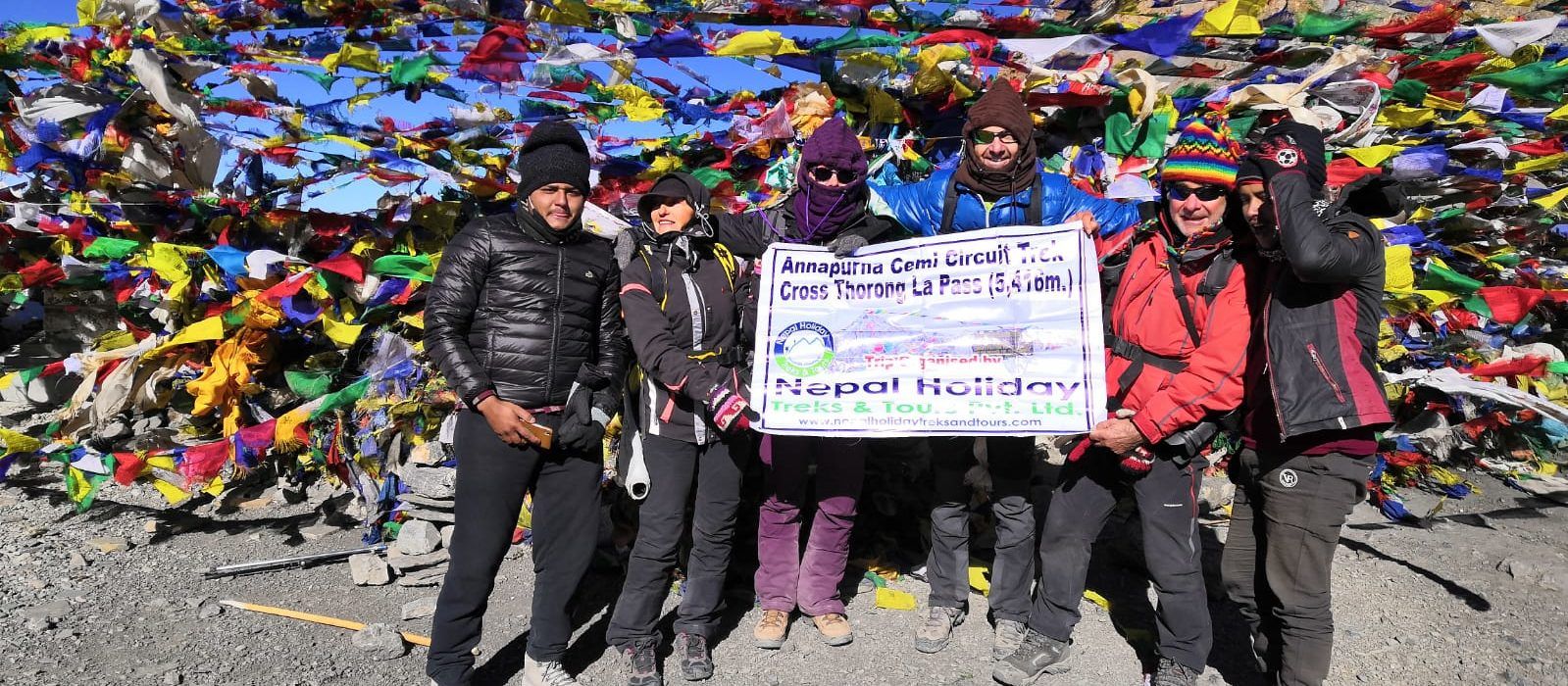
Annapurna Circuit Trek – 29 Days
The Annapurna Circuit Trek is one of the most breathtaking and rewarding trekking journey in the World. In this...
Absolutely, beginners can do the Annapurna Circuit Trek but not as a mere walk in the park and definitely not without advance preparation. This trek requires altitude respect, body patience, and discomfort acceptance. It does not need technical skills or super fitness, but it does want consistency, awareness and humility.
The people who are willing to take their time, to be very attentive and to have faith in the program will find that the Annapurna Circuit is more than just a trek; it is an extensive dialogue with the mountains and that is a conversation that the beginners are fully capable of taking part in.
FAQs
Is the Annapurna Circuit Trek difficult?
The Annapurna Circuit Trek is moderate to challenging. It is not a technical trek, but the long walking days, high altitude, and Thorong La Pass (5,416 m) make it physically and mentally demanding.
Is the Annapurna Circuit suitable for beginners?
Yes, with preparation. Beginners can do it if they:
- Are reasonably fit
- Train before the trek
- Walk slowly and follow proper acclimatization
- Use a guide
Without preparation, beginners may find it tough, especially at high altitude.
What is the hardest part of the Annapurna Circuit Trek?
The hardest part is:
- Crossing Thorong La Pass (5,416 m)
- Long day (7–9 hours of walking)
- Cold, windy conditions
- Thin air and altitude fatigue
This day requires strong mental focus and steady pacing.
How many hours do you walk per day?
On average:
- 5–7 hours per day
- On pass-crossing day: 7–9 hours
Walking is gradual most days, but some sections have long ascents and descents.
How difficult is the altitude on this trek?
Altitude is the main challenge:
- You sleep above 4,000 m for several nights
- Oxygen levels drop significantly
- Risk of Acute Mountain Sickness (AMS) exists
Proper acclimatization days make a huge difference.
Do I need technical climbing skills?
No.
The trek does not require mountaineering or technical climbing skills. The trails are well-defined, but snow may be present near the pass in early spring or late autumn.
How physically fit do I need to be?
You should be able to:
- Walk 6–7 hours a day with a backpack
- Handle uphill and downhill trails
- Maintain stamina for 10–14 days
Cardio fitness (hiking, jogging, cycling) is very helpful.
Is the trek mentally challenging?
Yes. Mental difficulty comes from:
- Long days of walking
- Cold temperatures
- Basic accommodation
- Limited comfort and connectivity
Patience, flexibility, and a positive mindset are important.
- How difficult is the Annapurna Circuit compared to Everest Base Camp?
- Annapurna Circuit: Longer, higher pass, more physically demanding
Everest Base Camp: Shorter, busier, slightly easier physically
Many trekkers find Annapurna Circuit more challenging overall.
Is the trek safe despite the difficulty?
Yes, if done properly:
- Slow pace
- Acclimatization days
- Experienced guide
- Hydration and rest
Most difficulties arise when trekkers rush or ignore altitude symptoms.
Can older trekkers do the Annapurna Circuit?
Yes. Many trekkers aged 50–65+ successfully complete it with:
- Good fitness
- Slow pace
- Extra acclimatization
- Porter support
Age matters less than preparation.
Does weather affect difficulty?
Very much:
- Cold and snow increase difficulty near the pass
- Strong winds at high altitude
- Best seasons: Spring (Mar–May) and Autumn (Sep–Nov)
Winter and monsoon seasons are more challenging.
Is the Annapurna Circuit Trek harder than it looks?
Yes.
Photos show beauty but not:
- Thin air
- Long climbs
- Physical fatigue
But the difficulty is rewarding, not extreme.
Final honest summary
The Annapurna Circuit Trek is:
- Not easy
- Not technical
- Very achievable with preparation
If you train well, walk slowly, and respect altitude, the difficulty becomes a powerful and unforgettable experience rather than a problem.
Related Blogs
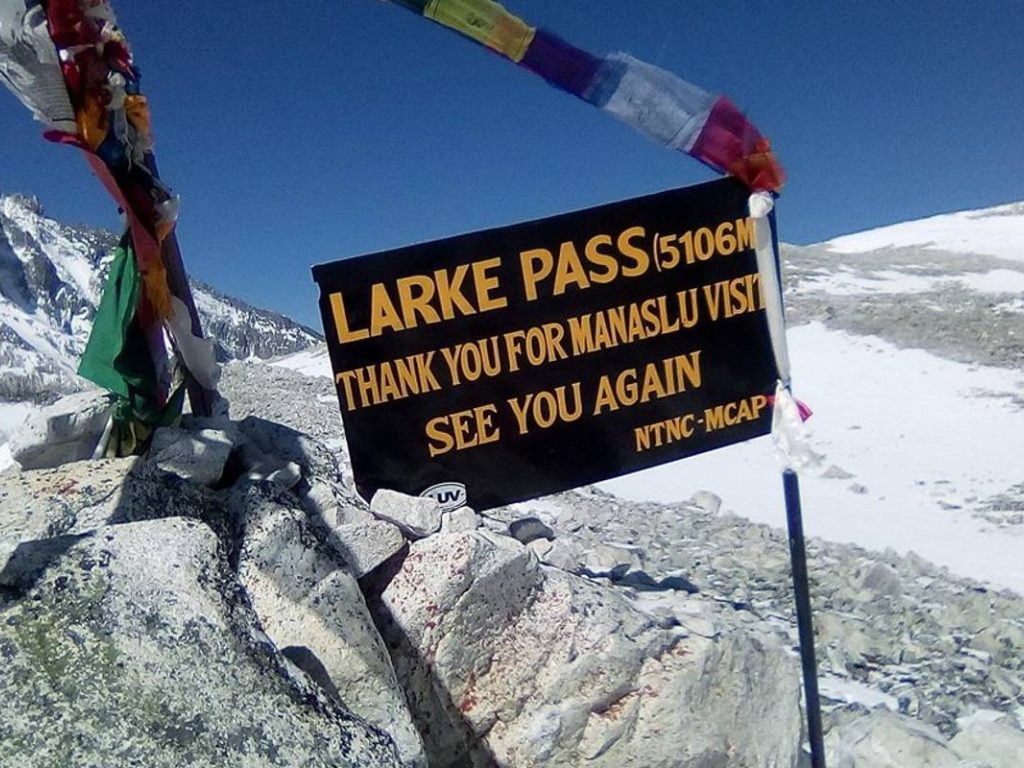
Manaslu Trek via Larke Pass Trek FAQs
Introduction The Manaslu Trek via Larke Pass is a remote Himalayan adventure around Mount Manaslu, the world’s eighth-highest mountain. The route passes through traditional villages, Buddhist monasteries, dramatic valleys, and high mountain landscapes before crossing the challenging Larke Pass. These FAQs cover the route, permits, difficulty, altitude, best time, accommodation, cost, preparation, and other practical […]
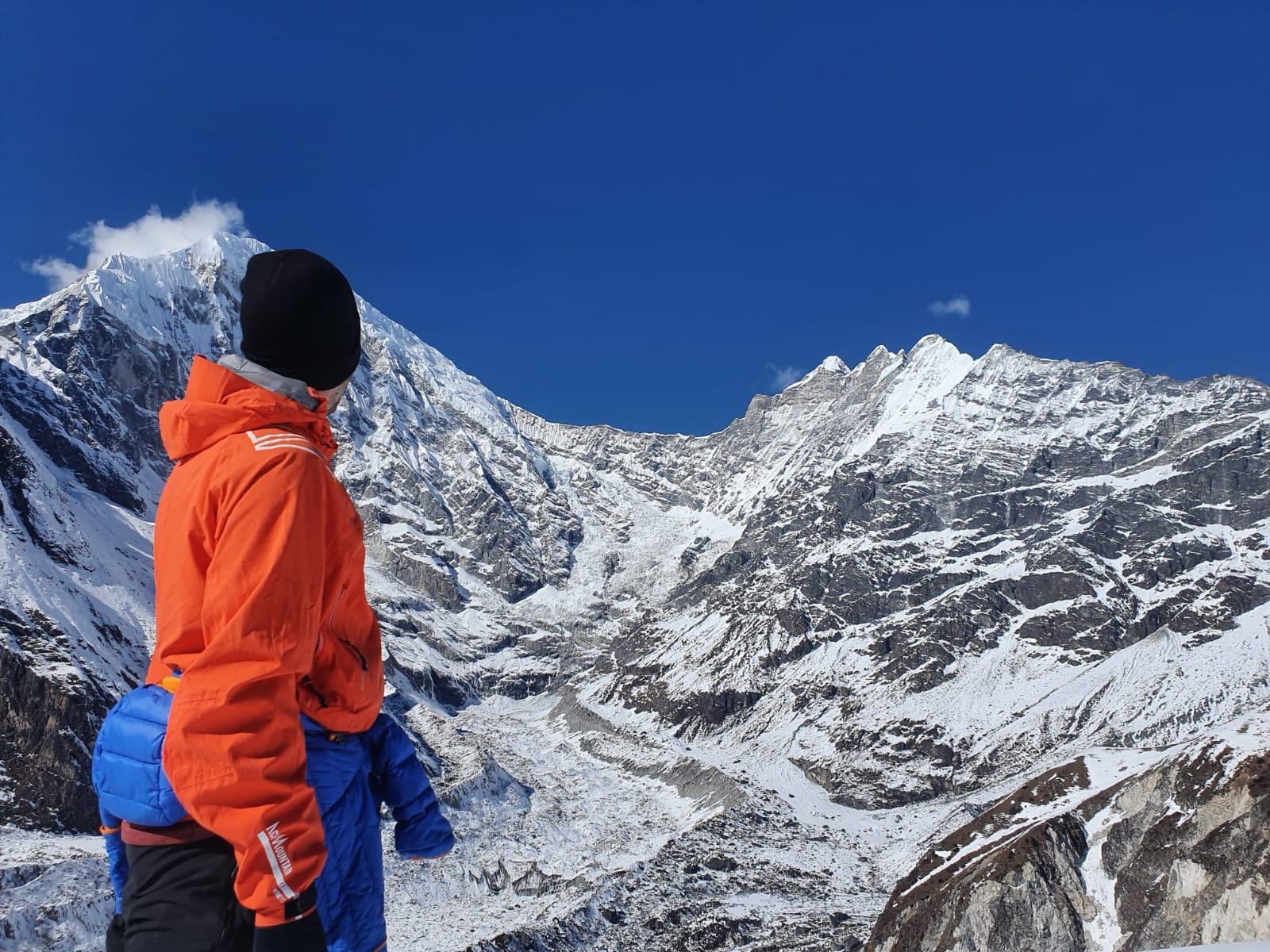
Langtang Valley Trek – Frequently Asked Questions
Introduction Planning a Langtang Valley Trek often comes with questions about the route, difficulty, altitude, permits, best season, accommodation, food, transportation, and preparation. This FAQ guide answers the most common questions trekkers ask before visiting the Langtang region. The Langtang Valley Trek takes you from the lower hills toward Kyanjin Gompa through forests, Tamang villages, […]

Namche Bazaar: The Heartbeat of the Everest Region
Ask any trekker who has walked to Everest Base Camp and most of them will tell you the same thing. It’s just not a random village in the Khumbu region. Namche Bazaar is the town that stays in your heart forever. It is the heart of Khumbu, where you can get luxury services with backdrop […]