Dolpo Region: Routes, Permits, Costs & Difficulty Explained
Posted by: Nepal Holiday Treks and Tours on April 27, 2026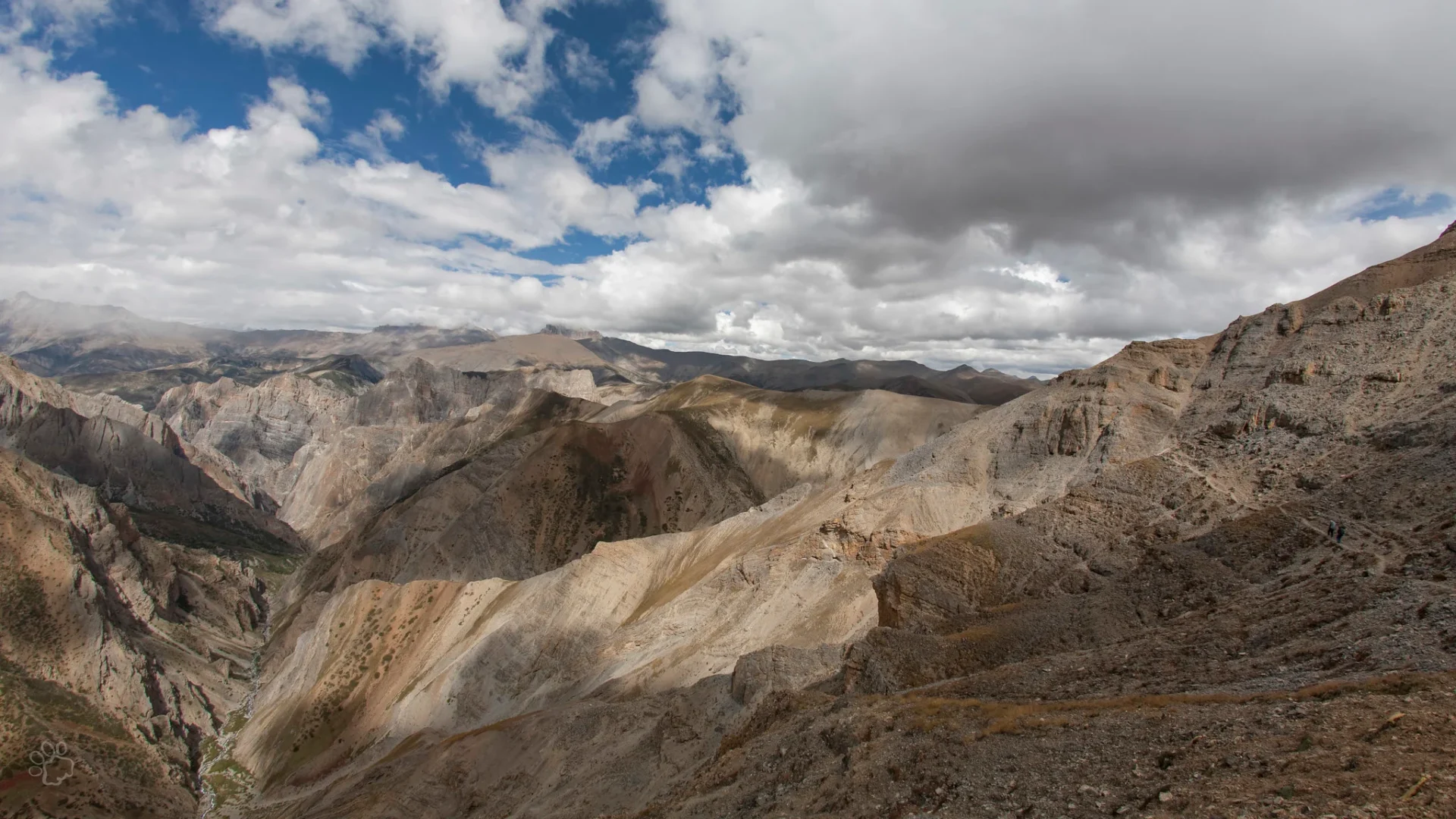
Here is everything you need before you go)
There are places of Nepal where trails do not just lead you to a place, they take you back in time. Dolpo is one of those places. Hidden behind the Dhaulagiri massif in northwest Nepal, this high altitude trans-Himalayan region is located largely above 4,000 meters, isolated from the outside world for much of the year. This is the northern Nepal which most trekkers never see.
If you have been dreaming about it – maybe after seeing Caravan or reading Peter Matthiessen’s The Snow Leopard — you are not alone. But Dolpo is not an impulse decision. It takes planning, budget and a realistic understanding of what you are getting into. This guide is here to help you with all that.
Where Exactly is Dolpo?
Dolpo is a remote district in the Karnali province in the far northwest Nepal, bordering with Tibet. It is divided into two separate trekking areas – Lower Dolpo and Upper Dolpo and they feel entirely different worlds.
Lower Dolpo is more attainable of the two. It centers around Phoksundo Lake, a glacial jewel of turquoise energy that looks almost too vibrant to be real. The trails are tough but doable for fit, motivated beginners.
Upper Dolpo is a different matter altogether. This is the land of Tibetan Buddhism as it still breathes in the raw – ancient monasteries, yak caravans and villages where life has shifted scarcely in centuries. It is also more expensive, more remote and considerably tougher.
For the first time trekkers interested in Dolpo, Lower Dolpo is the obvious choice. And honestly it is more than enough to leave a mark on you.
The Main Trekking Routes
Lower Dolpo Trek: The Phoksundo Lake Circuit
This is the classic entry to Dolpo and the route that most first time trekkers take. Usually, you fly from Kathmandu to Nepalgunj and then take a short mountain flight to Juphal (2,475m) – already a memorable landing on a strip carved out of a hillside.
From Juphal, the path winds through the deep river gorges and through pine forests and traditional Magar and Tibetan villages before climbing to Phoksundo Lake at 3,611m. Most trekkers do a loop, coming back by another valley. The entire loop is approximately 13to 17 days.
Lower Dolpo Trek at a Glance
- Start/End: Juphal (fly from Nepalgunj)
- Duration: 13 to 17 days
- Max Altitude: 5,000m (if extending to Jang La Pass)
- Highlights: Phoksundo Lake, Ringmo village, Phoksundo waterfall, Shey Phoksundo National Park
- Best for: First time trekkers with good physicality and good walking ability
Upper Dolpo Trek: Shey Gompa & Beyond
Upper Dolpo takes you further in terms of geography and spirit. The center piece is Shey Gompa, a 900 years old monastery built against a dramatic crystal mountain, the very landscape that Matthiessen encountered in The Snow Leopard. Getting there means crossing passes at 5,000m plus and trekking for days through a terrain that is more like Tibet than Nepal.
This route typically takes around 18 to 28 days and it needs experienced guides, a good team and a full camping equipment. Teahouse planning is nigh non-existent in Upper Dolpo – you should carry everything.
The Great Himalaya Trail (Dolpo Section)
For experienced and skilled trekkers who have the luxury of time, the Dolpo section of Nepal’s Great Himalaya Trail links the area with nearby districts such as Mustang or Humla. This is hardcore expedition stuff but if you are reading this as your first trip to Dolpo, put this idea aside for your second visit.
Permits Required in the Dolpo Region
Let’s be honest with you – Dolpo is one of the most permit heavy trekking regions in Nepal. It is a restricted area and the government has purposely maintained that status to safeguard the culture and ecosystem of Dolpo Region. There are good reasons for that. It means that the paperwork and its cost is real.
Here is what you need:
- Restricted Area Permit (RAP): For Lower Dolpo, this costs USD 10 per week. For Upper Dolpo, it jumps to USD 50 per week (October- December) or USD 500 per 10 days (the standard rate for most of the year)
The restricted area permit is the gatekeeping cost of Dolpo Region. It keep the region from becoming Everest Base Camp. Most trekkers, once they arrive, quietly agree it was worth it. - Shey Phoksundo National Park Entry: NPR 3,000 (USD 22) per person.
- TIMS (Trekkers Information Management System): Around NPR 2,000 (USD 15) for independent trekkers
Important Information: Permits must be issued through the registered trekking agency and a government licensed guide is mandatory for the Dolpo Region as it is a restricted area.
Document Required for the Permit
- Valid passport
- Valid Nepal Visa
- Passport size photo
- Travel insurance
Travel Insurance for the Lower Dolpo Trek
Travel insurance is not an option in Dolpo, you must have it. Dolpo is the remotest trekking region of Nepal. There are no hospitals or roadside clinics and no quick way out should you get in trouble. Altitude sickness, injuries, and sudden changes in weather can affect anyone at over 4,000m- not matter how fit or how experienced they are. And when they do come, a helicopter is often the only way out and that evacuation costs between $3,000 and $5,000 USD. Without the right cover, that bill is yours to pay.
Before your trek, make your policy covers:
- High altitude trekking above 5,000m
- Emergency helicopter evacuation
- Medical treatment and evacuation
- Trip cancellation and flight delays
- Lost or damaged gears
What Affect the Cost of Dolpo Trek?
There is no fixed rate for Dolpo treks – if someone is giving you a flat rate without asking a single question about your plans, they are either guessing or they are simplifying matters too much. The bottom line is that there are a few real things that can push your budget up or down and knowing what they are before you book will make planning a whole lot less stressful.
They are:
The route you choose
Lower Dolpo and Upper Dolpo are the two financial obligations of a different nature. Upper Dolpo has a much higher restricted area permit fee, requires a full camp setup (no teahouses), and more days on the trail and it all adds up. Your itinerary is the largest single factor in your total cost.
How long you trek
A greater number of days results in additional guide and porter fees, plus extra meals and lodging. 13 day Lower Dolpo circuit and 20 day Upper Dolpo expedition are entirely different budgets. There is a price to pay for every additional day trekking in the mountains and to be honest the days you add on for resting and acclimatizing are just as important to budget for as the walking days.
Group Size
Trekking in a group shares certain fixed costs like guide fees, equipment and logistics, among more people. A solo trekker pays all the costs individually. If you are budget conscious, a small group departure can have a significant impact on your bottom line.
The Season you go
High season like October leads to increased requirements for guides, porters and teahouse beds. Juphal-bound flights are snapped up quickly. Spring is a bit less busy and you can get away with spending a bit more. Off-season trekking in winter or monsoon may seem cheaper on paper but you pay for the added complexity and risk in other ways.
The Agency you choose
Not all trekking agencies are same. A reputable, experienced local agency with licensed guides, appropriate equipment and authentic on ground support is a different cost level than a budget operator running on fumes. In a place as isolated as Dolpo, the caliber of your team isn’t a luxury, it literally determines your safety and your experience. Make your selection wisely.
Every Dolpo trek is different and so is every budget. Tell us your date, your group and how far you want to go, and we will build you a clear, honest, truthful quote without any surprises or hidden fees. Just a real plan for a real adventure.
Contact our team now – let your Dolpo trek begin with one conversation.
Should I trek Dolpo independently or with an agency?
This question can come to your mind. Let me clear this that trekking permits for the dolpo trek should be issued through the registered trekking agency. And here is the honest reason why you should always go with the agency:
- Permits alone will confuse you but we can issue your permit in 5 minutes
- Dolpo is not a trail you wing: There are no reliable maps, no google signal, No room for guess work, so local knowledge is not just needed it’s everything there.
- Flight Disruption are normal: Air traffic at Juphal Airport suddenly stopped. You need someone on ground level to make calls, not you to just keep refreshing a booking app.
- Altitude Emergencies: At 3,800 m and above, you will need assistance from professionals if something happen. Not a forum thread.
- The cheaper solo trip isn’t: Permit fees that are not plain to see, wrong gear, a delayed flight, a wrong turn – it all adds up fast. A package is a lot more predictable honestly.
You come to experience Dolpo – Not to manage it and Dolpo rewards those who come prepared. Let us give the chance to prepare for you.
How Hard Is It, Really?
The truth is Dolpo is truly challenging. This isn’t a path you can just walk into on a whim with a pair of sneakers and a positive attitude.
Lower Dolpo is rated as strenuous to very strenuous difficulty level. There is a lot of altitude gain, trails are frequently rocky and poorly marked and some days you will be walking six hours through terrain that demands a lot from your legs and lungs. Altitude sickness is really a concern from day four or five onwards.
Upper Dolpo pushes that difficulty level to another scale. Several passes at over 5,000m, no teahouse support and days where your nearest fellow human might be a yak herder two valleys away. It is not dangerous if you are prepared but it will definitely test you.
The main Difficultfies are:
The Altitude
This is the big one. Dolpo is at an elevation that most trekkers have never been. After you pass 4,000m, your body begins working overtime simply to breathe. Even strong healthy trekkers often suffer from headache, exhaustion and disrupted sleep. High Altitude Sickness (AMS) can strike suddenly and if it does, the only genuine cure is to get down.
The rule everyone knows but not everyone follows: climb high, sleep low. Ascend not more than 300-500 m for sleeping altitude per day above 3,000m. Make sure you include rest days in your itinerary, particularly at Phoksundo Lake and before any high pass crossing. The mountains here don’t compromise.
The Terrain
The trails in Dolpo are a far from the crowded rutted tracks of Everest Base Camp or Annapurna Circuit. Many stretches are not marked, they are worn down or they are just ancient mule paths that demand your full attention where you step. Slippery river crossings on rocks, long steep scree descents and ridgeline paths above sheer drops all figure into this hike.
Trekking poles are not optional here – they are your best friend in the way.
The Remoteness
This is where Dolpo’s difficulty becomes psychological as much as physical. Mobile signal vanishes early. Teahouses in Lower Dolpo are found but rudimentary – stone walls, thin mattresses, meals restricted to dal bhat, noodles and tea. In Upper Dolpo, even those disappears.
Emergency evacuation by helicopter is possible but not guaranteed – weather logistics and cost all factor in. Travel insurance with helicopter rescue cover is not a suggestion, it’s a requirement.
The Cold
Even in busy season like October – the air gets cold enough at night at over 4,000m to freeze. Wind chill on the exposed passes can make it seem much colder than the temperatures. A good -15°C sleeping bag, a decent down jacket and appropriate layering, these are essentials.
How to Handle Dolpo’s Challenges?
Go slow with the altitude
It doesn’t matter how fit you are. Spend two days in Kathmandu before heading up. Never gain more than 300 to 500 m of sleeping altitude per day above 3,000 m. Rest up at Phoksundo Lake even if you think you are fine. Drink water consistently. If you get headache – stop, don’t climb another meter that day.
Train before you arrive
Begin 8 to 12 weeks prior. Long, steep hikes with a pack, not in the gym, real walking with weight. On the descending, your knees take the real punishment, so strengthen them. Two weeks of half hearted preparation won’t cut it here.
Pack warm
Above 4,000m at night it get cold enough to surprise people. A -15°C sleeping bag, a down jacket, thermals and windproof gloves are not extras – they are essentials. Don’t leave them in the bottom of your bag.
Let your guide lead
They see you struggling before you even realize it. Trust their pace. Let them call the rest day that you are too stubborn to call yourself.
Best Time to Trek in Dolpo
Spring: May to June
Spring is the one of the golden seasons for Dolpo trekking. The routes are passable, rhododendrons are flowering at lower elevations and skies are often clear before the arrival of monsoons. On the trail it is warmish – cold at night above 4000m, but manageable. If this is your first excursion to Dolpo and your schedule cannot accommodate an autumn trip, May or early June is your best alternative.
Autumn: Late September to November
This October in particular is when Dolpo shines at its absolute best. The monsoon has passed, the skies are in a deep unreal blue, the terrain turns warm gold and browns and the high passes are still full swing. Visibility on the peaks is extraordinary. Teahouses are running. Trails are dry. If you can only go once and want the finest conditions – go in October.
Monsson: July to September
Here is something most people are unaware of: Dolpo lies in the rain shadow of the Dhaulagiri massif, so it gets much less monsoon rain than the rest of Nepal. Trekking in the months of July and August is doable – rather trekkers with an iron will and some are attracted to the dramatic skies and solitude of the trails. But rivers rise, sections become slippery and a handful of operators simply won’t run trips during this time. If you go in the monsoon, go with your eyes open and with a very good guide.
Winter: December to February
Lower Dolpo is still open in winter to experienced trekkers. But from 4,000m upwards, the cold is truly serious. We are talking well below freezing even at the passes during the day. Some lodges close for the winter. High routes become impassable without equipment and experience. If you don’t have both, winter is one to watch from a distance and plan for next time.
If you can go in October. Go in October. Clear sky, dry trails, open passes – in this month Dolpo is at its very best. May and June make a good second choice if autumn is not an option. The monsoon months are feasible – Dolpo is drier than most of Nepal but trails become unpredictable and many operators avoid it. Winter is only for the experienced and well-equipped trekker, at above 4,000m the cold is no joke and some lodges close up completely. Choose your moment – the mountains will be waiting.
A Taste of the Trail: Days on the Route
Here is what Lower Dolpo really actually feels like when you are trekking on it, not on paper but boots on ground, pack on back, one day at a time.
Day 01 – Day 02 : Kathmandu to Nepalgunj to Juphal
You need two flights to reach here and by the time you get off the plane in Juphal, you will already feel that you have left the world behind. Nepalgunj is hot, noisy and chaotic — nothing like what’s on the way. The tiny twin Otter into Juphal is an experience on its own. Mountains fills every window and the runway seems to appear from nowhere and take my word for it — there is a rousing round of applause when you land. You have arrived at 2,475 meters above sea level. Start drinking water and slow down.
Day 03 – Day 05: Juphal to Dunal to Chhepka
These first walking days are your body’s warm up call. The trail traces the Bheri River through deep gorges, buckwheat fields and traditional villages where prayer flags snap in the wind overhead. You will learn to walk quickly – clockwise round the Mani walls .Your guide will explain why. Expect 6 – 7 hours on your feet each day. Your legs are still just beginning to comprehend what they have signed up for.
Day 06 – 08: Phoksundo Lake to Ringmo Village
Nothing prepares you for the moment Phoksundo Lake appears below you. That color – a deep, turquoise – stops you mid-step every time. Ringmo village is located just above it, with a Bon Buddhist community that has settled here for generations. Stay two nights here. Walk slowly and you can talk to people if you get the chance. This is the heart of Lower Dolpo and it deserves your full attention.
Day 09 – 14: Return via Kagmara La Pass
Crossing Kagmara La at 5,115m is the most challenging day of your trek and the one you will remember for lifetime. Start before dawn. Take it easy. When you reach the top and see the entire Himalayan chain stretching out in every direction, your lungs burning and legs trembling, you will experience something that cannot be described in words. The trail descends from there back to Juphal and the descent takes two to three more days and it’s each day a little bit warmer, a little bit greener and a little bit closer to the person you were before all this changed you.
What to Expect On the Ground in Dolpo
Knowing what daily life looks like on the trail matters just as much as knowing the route. Here is what to expect when it comes to the people, the food and the place you will rest your head each night.
Culture: Dolpo is also one of the last places on earth where ancient Bon Buddhism still breathes in its purest form. Villages like Ringmo feel untouched – monasteries hundreds of years old remain active, mani walls are lined with hand-carved prayers and prayer flags catching the wind above every ridgeline. The people are warm and quiet and deeply connected to a way of life that has changed little in generations. Walk clockwise around religious structures and ask permission before taking photographs and traverse these villages with authentic respect. You are walking into something ancient and very sacred – treat it like that.
The Food: Dal bhat will be your best friend on this trek – lentil soup, rice and vegetables, served hot and refilled to your satisfaction. Most teahouses still have noodle soup, eggs, chapati and simple pasta. Higher up, menus get shorter and tsampa – roasted barley combined with butter tea makes regular appearances. It is simple, filling mountain food that does exactly what it needs to do after a long day on the trail. Bring your own snacks like chocolates, nuts, energy bars for those tougher days when the next hot meal is still a few hours away.
Accommodation: The teahouses in Lower Dolpo are basic – stone-walled, with thin mattresses, cramped rooms and bathrooms that are usually communal. Do not look for coziness in the traditional sense. What you will find instead is warmth from the kitchen fire downstairs, a cup of hot tea in your hands and the muted contentment of a bed after a truly hard day. It turns out that is more than sufficient. Teahouses do not exist at all in Upper Dolpo. You will be camping – tents, sleeping bags and a camp kitchen, taken by your team into some of the most remote terrain in Nepal. It is a rawer, harder experience. And for the right kind of traveler, it is the best kind.
Practical Tips before You Go
Book Internal flights Early: The Mountain flights between Nepalgunj and Juphal are weather dependent and are often delayed or cancelled. Consider adding some buffer days to your schedule.
Hire through a reputable agency for your first time: The permits, guides, porters and equipment for camping in Upper Dolpo and lower Dolpo are genuinely hard to arrange. It is worth the expense to hire someone who has been there before like us.
Thamel in Kathmandu is still your gear base: Sleeping bags, trekking poles, down jackets – everything you need for the trail can be rented or purchased in Thamel before you go.
Water Purification is essential: Water in remote region like Dolpo are unsafe to drink directly. Bottled water are costly there. So, carrying the purification tablets is very much important.
Wi-Fi and Connectivity Barely Exists: Dolpo region is very remote. Wi-Fi and connectivity in the region are very rare there. Be ready for that.
Is Dolpo Worth it for the First Timer?
If you have read this far through the blog, you already know the answer. Dolpo is costly, logistically complicated, physically challenging and geographically unrelenting. It is one of the most extraordinary places you can walk on this planet.
People who go to Dolpo talk about it differently than other treks. Not louder – quieter, actually. There is something about that landscape, that altitude, that ancient culture clinging to the edge of the Tibetan Plateau that settles into you and stays. The mountains in Dolpo don’t just surround you. They have opinions about you.
Start with Lower Dolpo. Do your research, find a good guide, train honestly and leave your expectations behind. What you find up there will be its own thing entirely.
Ready to Start Planning?
Dolpo does not come with a manual and every trek here looks a little different depending on when you go, how you move and what the mountains decide to do that week. If you are sitting with questions about permits, routes, the right season or simply whether you are ready for this – ask us. That’s exactly what we are here for. We have walked these trails, crossed these passes and helped first-timers find their footing in one of the most extraordinary places on earth. No question is too small, no concern too basic. The better prepared you are, the better your Dolpo will be and we genuinely want it to be unforgettable.
Contact us directly. Your Dolpo story starts with a single question.
Frequently Asked Questions
Do I need prior trekking experience to do Lower Dolpo?
You do not need to be an expert mountaineer but having some previous trekking experience at altitude is strongly recommended. The most important thing you can have is good physical health, a true respect for altitude and a willingness to move slowly.
Can I get a Dolpo trekking permits on my own?
No, Dolpo is a restricted area and permits have to be obtained through a registered trekking agency. A government licensed guide is also a legal necessity in the entire region.
Is the Dolpo Trek safe for solo trekkers?
Trekking without a guide in not allowed in Dolpo. A guide is mandatory. More than just a regulation, it is the isolation, unmarked trails and altitude that make it imperative for your safety that you not trek alone but with a professional guide.
What is the Group Size for the Dolpo Trek?
Most groups run between 2 to 10 trekkers. A smaller group travels more quickly and does less damage to the sensitive surroundings. Private treks can be arranged for those wishing for a more private experience.
Is there electricity in Dolpo?
Electricity in Dolpo is extremely limited. Some teahouses in lower Dolpo have solar powered electricity, but it is unreliable and not accessible to all. In Upper Dolpo, do not expect electricity.
Can I charge my devices on the trek?
Some teahouse offer charging for a small fee in lower dolpo. In Upper Dolpo do not expect charging. Always bring the fully charged power bank to charge your electronic devices.
Can I extend my Dolpo trek to other regions?
Yes, experienced trekkers can connect Dolpo to neighboring regions like Mustang or Humla via the Great Himalaya Trail. These extensions add significant days, cost and difficulty. For first timers, focus on Dolpo first and plan extensions for your next visit.
Are there ATMs and Banking facilities in Dolpo?
No, there are no ATM in whole region of dolpo. Bring sufficient Nepali rupees from Kathmandu or Nepalgunj for your whole trek – for lodging, food, charging fees and anything else you might need to buy.
What happens if I get altitude sickness in Dolpo?
If you show signs of serious altitude sickness such as a headache, confusion, inability to walk in a straight line or breath – descend immediately. Don’t wait and see if it will go away. Your guide will help and if necessary, organize an emergency helicopter evacuation. This is precisely why travel insurance with helicopter rescue cover is a must-have before you go.
Related Blogs
Manaslu Trek via Larke Pass Trek FAQs
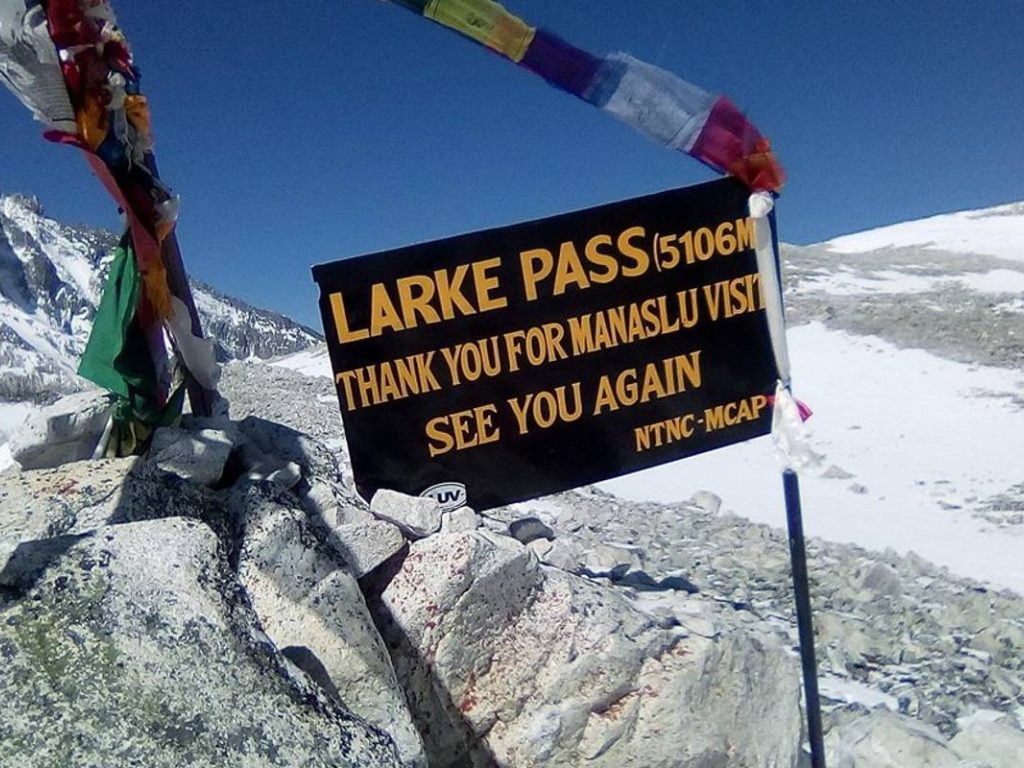
Introduction The Manaslu Trek via Larke Pass is a remote Himalayan adventure around Mount Manaslu, the world’s eighth-highest mountain. The route passes through traditional villages, Buddhist monasteries, dramatic valleys, and high mountain landscapes before crossing the challenging Larke Pass. These FAQs cover the route, permits, difficulty, altitude, best time, accommodation, cost, preparation, and other practical […]
Langtang Valley Trek – Frequently Asked Questions
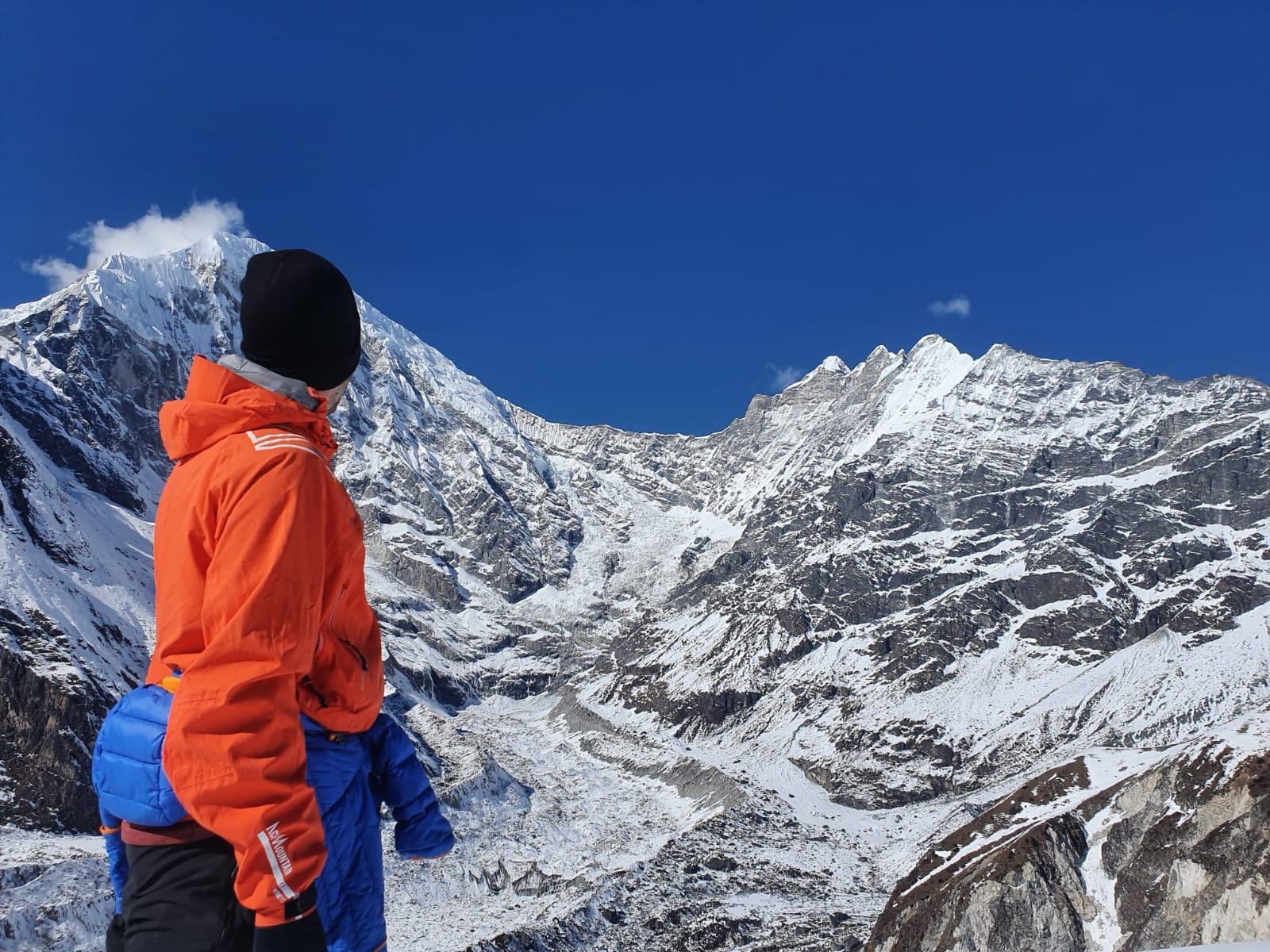
Introduction Planning a Langtang Valley Trek often comes with questions about the route, difficulty, altitude, permits, best season, accommodation, food, transportation, and preparation. This FAQ guide answers the most common questions trekkers ask before visiting the Langtang region. The Langtang Valley Trek takes you from the lower hills toward Kyanjin Gompa through forests, Tamang villages, […]

Namche Bazaar: The Heartbeat of the Everest Region
Ask any trekker who has walked to Everest Base Camp and most of them will tell you the same thing. It’s just not a random village in the Khumbu region. Namche Bazaar is the town that stays in your heart forever. It is the heart of Khumbu, where you can get luxury services with backdrop […]