
How Difficult Is the Manaslu Trek? An Honest Guide Before You Go
Posted by: Nepal Holiday Treks and Tours on April 1, 2026
Wondering how difficult the Manaslu Trek is? Get an honest breakdown of altitude, terrain, weather and mental challenges before you go. The honest answer is it is tough, but if you prepare properly, it is definitely doable. Here is what you need to know.
What is the Manaslu Trek?
The Manaslu Circuit Trek circles the world’s 8th highest mountain, located in the district of Gorkha in Nepal. The complete circuit usually requires 14 to 18 days, as much as 177 km, through secluded hamlets, ancient Buddhist monasteries, thick rhododendron forests, and alpine lands. The highlight is the Larkya La Pass at 5,160 m which is one of the highest and most dramatic trekking passes in Nepal.
In compare to the famous tourist destination like Everest Base Camp and Annapurna Circuit, Manaslu still feels like being genuinely off the beaten track. Fewer teahouses, trekkers, and a wilder feel which is exactly, why it is so magical and exactly why it demands a little more from you.
How Difficult Is It Really?
The Manaslu Circuit Trek is rated as strenuous to extremely challenging. It is far above the day hikes and moderate treks such as Annapurna Base Camp or Langtang Valley, and while it is not technical mountaineering but it is a very demanding trekking route by any standard, more than most multiday routes you will find in Asia.
For those who used to only doing short day hikes or casual weekend trails, Manaslu is going to be a wakeup call. But for experienced high altitude trekkers who have trained for this trek and know how to pace themselves, it is a completely doable and profoundly rewarding challenge.
Here is what really makes it tough:
The Altitude : The Greatest Challenge of All
If there is one thing that makes the Manaslu Trek more challenging than all the rest that is the altitude. This is not a trek that toes the line with high elevation, it fully commits to it.
The Numbers
Once you are out of the lower subtropical valleys and on the trail, the climbing is unremitting. Most of the trek you will be is between 3,000m and 5,160m, with multiple nights in a row above 4,000m. The body needs time to adjust to the lower oxygen levels at these altitudes and no amount of fitness can speed up that process. Acclimatization is a biological phenomenon and is not a variable in training.
Acute Mountain Sickness (AMS)
Acute Mountain Sickness is the major and common medical problem on the Manaslu Circuit. AMS is the result of the body not adjusting properly to the altitude and can affect even the most experienced of trekkers, so it can affect anyone. Symptoms of AMS can be mild (headache, dizziness, fatigue) to serious (nausea, loss of coordination, and in its extreme form, High Altitude Pulmonary Edema (HAPE) or High Altitude Cerebral Edema (HACE), both of which can be fatal if left untreated).
The absolute rule on Manaslu, just like on any high altitude trek is never go up if you have symptoms. Rest, hydrate, and go down if symptoms get worse. A good itinerary will help to build in rest/acclimatize days at the key points like Samagaon (3,530 m) and Samdo (3,875 m), allowing your body the break it needs prior to the big push to Larkya La Pass.
The Larkya La Pass
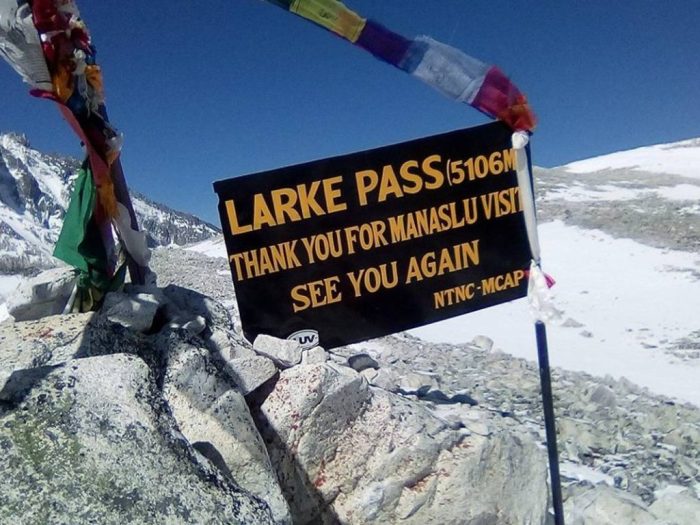
The Larkya La Pass (5,160 m) is the highest point of the trek and the altitude difficulty reaches its maximum at this point. A lot of trekkers report breathlessness from the first steps going up, even after days of acclimatization. The cold whips your face, the atmosphere is thin, and every step on the scale feels heavier than the last. This is altitude doing exactly what altitude does and knowing about it in advance takes a lot of the terror out of it.
The Physical Demand on the Manaslu Trek
Daily Walking Hours
The Manaslu Circuit is not just a slow walk from teahouse to teahouse. Typically a day, you will be walking from 6 to 8 hours. Some parts are shorter and more relaxed, especially in the lower valleys. But a handful of days, including the approach to and crossing the Larkya La Pass stretch to 9 or 10 hours of walking.
That means you will be on your feet most days, carrying your daypack, over rough terrain, climbing up and down a lot of elevation, for nearly every single day for two weeks straight. The compound wear down is real, and it hits trekkers for a loop far more often than the occasional difficult day does.
Elevation Gain and Loss
The Manaslu Circuit is all about massive vertical gain/loss every day. Much of it consists of climbing 800 m to 1,200 m and then descending sharply, battering knees and quads. Hard climbing and hard descending, the trail is unlike paved roads or rolling hills, it climbs hard and drops hard over and over. Trekking poles are useful not only on Manaslu. They are practically essential.
Difficulty During the Larkya La Pass Crossing
The physical demands of the pass crossing warrant special mention. Since the challenging journey begins with an early morning start, you can expect to leave Dharamsala (High Camp) between 2 am to 4 am under the cover of darkness, in below freezing weather, to embark on a strenuous climb to the pass summit. The ascent itself from High Camp to the summit involves an elevation gain of about 600 m along rocky, sometimes icy, terrain.
There is little time to linger at the summit, it is very cold, the wind can be very strong, and you want to start going down before you get caught in a bad weather. The descent from Larkya La to the Bimthang valley is lengthy, precipitous and technically challenging, especially if snow or ice is lying on the top part. Your legs will be tired by this point in the trek. Your lungs will be working overtime. And yet this is exactly where trekkers say they experienced their most intense memories of the trip.
Carrying a Pack
When you are on a guided walk, your porter carries your main bag and equipment and you have to only carry a small daypack. Even at altitude, a relatively small 11 to 15 pounds (5 to 7 kg) seems heavier than at sea level. You will feel having a hard time breathing. You move more slowly. This is all completely normal but it is helpful to know before going in, so you do not freak when a 15 pound bag feels like 35.
The Terrain on the Manaslu Trek
The difficulty level on the Manaslu Circuit Trail is as unpredictable as the ground on which it is set. The lower portion of the trek Soti Khola to around Deng follows lush river gorges with narrow, at times exposed trails tethered to steep cliff faces. Crossing rivers on swinging bridges is a recurring challenge, and though these bridges are typically solid, they can give you a bit of a thrill if you are not a fan of heights.
The trail changes dramatically as you ascend through Tsum Valley and into the Nubri region. Rhododendron and pine forests give way to broad valleys, moraine terrain, and glacial rivers. The trails are rockier and less marked. Scrambling over loose scree and boulders on some stretches above 4,000 m requires you to keep your footing and remain focused.
After Samdo you start our approach to Dharamsala and the terrain is alpine and exposed. Snow may be found on north facing slopes throughout the year at altitudes over 4,500 m and the last part of the trip to Larkya La consists of traveling across glaciers of diverse firmness. This is where sturdy trekking boots become absolutely essential.
Narrow and Exposed Sections
A few sections along the Manaslu route are actually narrow and exposed. Cliff hugging paths above river gorges in the lower reaches and rocky ridgelines near the pass call for good footing. These yards are not technical mountaineering dangerous, but they require you have your head on a swivel and keep your wits about you. Trek with a serious fear of heights and you will get queasy in a couple places.
The Weather: An Unpredictable Variable
Manaslu Circuit weather can change rapidly and unpredictably and this makes the trek more challenging. At high altitude, even the finest trekking seasons can experience sudden changes.
Spring Season (March to May)
The valleys begin to warm and are draped by rhododendrons at lower elevations during spring. In April and May, the Larkya La Pass is normally free of winter snow. There is usually a crisp, clear morning, then cloud building during the afternoon. You can still get the odd snowfall above 4,000 m in March. In general, spring offers the most stable and spectacular trekking conditions of the year.
Autumn Season (September to November)
Autumn is generally regarded as the best season to visit the Manaslu Circuit. The skies are clear and bright blue, the mountain views are crisp and clear and the ground is dry and firm after the monsoon. October is the best month, everything is near perfect, the light is golden, and the Larkya La is usually clear. November is not far off and the nights are already rapidly becoming cold in not to mention freezing cold temperatures plummeting far below freezing point above 4,000 m.
Weather Risks
Regardless of season do not trek unprepared for sudden storms, high winds at the pass and plummeting temperatures after dark on the part of trekkers. The isolated and hard to reach Manaslu area means that delays caused by bad weather getting stranded at a teahouse for a day or two more are not uncommon. A flexible mentality and buffer days in your schedule are necessities, this is not luxuries for this trek. They make proper sense to plan.
The Mental Difficulty: What Nobody Talks About Enough
Physical fitness is what everyone focuses on when it comes to the difficulty of trekking. But veteran trekkers will argue that the mental challenge of the Manaslu Circuit is just as great and less spoke about it.
The Remoteness
Manaslu region is off the beaten track trekking area. This translates to basic infrastructure, fewer teahouses than in the Everest or Annapurna circuits, and an authentic sense of isolation that can feel uplifting one day and soul crushing the next. No tourist shops, no busy trail cafes, no familiar comforts hiding in every alcove. Some trekkers thrive in this environment. Others say the isolation is mind numbing by the end of the first week.
The Monotony of Long Days
Even on such breathtaking trails, trekking for seven or eight hours a day for two straight weeks takes a mental toll. There will be days when the views are spectacular and your heart sings. There will be days when you are sore footed and the weather is dull, your appetite has been stunted by the altitude, and your only option is to get one foot in front of the other and keep walking. And being able to motivate yourself on those days, pushing through without drama is what separates the trekkers who feel triumphant at the end and those who feel annihilated.
Altitude and Mood
One of the surprises for many trekkers is the impact sustained altitude has on their mood and thinking. At above 4,000 m, it is quite normal to feel more emotional, mentally tired, more anxious than usual or just plain down. The brain suffers from less oxygen just like the lungs and muscles do. Having that knowledge beforehand is realizing that an unexpected slump in spirits at high camp is a physiological reaction, not a personal disaster, it allows you to deal with it with perspective rather than panic.
The Pre Pass Anxiety
Nearly all trekkers get some feelings of nervousness in the few days before the Larkya La crossing. The pass is big psychologically, it is the focal point of the entire trip, and the altitude, early morning darkness, and physical demand all combined make it feel like a big deal. The good thing is that this anxiety usually vanishes as soon as you start moving. Preparation, a good guide and then the company of other trekkers on the trail, help make this crossing seem a lot more feasible than it did from the teahouse in Dharamsala the night before.
The Remoteness Factor
The Manaslu Circuit is located within a restricted area, as defined by the Nepalese government, and is accessible only on payment of a special permit, with the provision of a licensed guide. That restriction has kept much of the region’s authenticity intact, but it also means the safety net that more popular treks offer isn’t there.
Teahouse quality varies widely on the trail. Some are nice and well equipped. Others are rudimentary. you get cold rooms, a short menu and squat toilets. Warm showers above Samagaon are almost non existent, as is steady electricity. Above the lower villages, Wi-Fi is almost non existent. Trekkers who are used to modern comforts find this treks some getting used to.
Emergency evacuation, if necessary, is a far more complicated, time consuming affair in the Manaslu region than in terrain with helicopter access fields spaced every few miles. Make sure your travel insurance explicitly covers high altitude helicopter rescue above 5,000m .This is an absolute non negotiable on this trek.
How Does It Compare to Other Nepali Treks?
To put the Manaslu Trek’s difficulty in perspective:
Easier than Manaslu: Annapurna Base Camp, Langtang Valley, Ghorepani Poon Hill, Everest Base Camp (as far as infrastructure and support are concerned though EBC is somewhat comparable in altitude)
About the same level: Upper Mustang, Kanchenjunga Circuit, Dolpo region treks
More challenging than Manaslu: Mera Peak climbing, Island Peak, technical Himalayan routes
The Manaslu Circuit fills a sweet spot as it is truly challenging, truly rewarding and truly achievable for any experienced trekker who doesn’t wish to rely on technical climbing skills.
Who Should and Should not Attempt the Manaslu Trek?
Suitable for Trekkers who:
- Have previously completed a high altitude trek above 4,000 m at least once
- Can walk 6 to 8 hours a day on consecutive days without difficulty.
- Have trained consistently and are in good cardiovascular shape.
- Are comfortable being in a remote location with basic facilities and accommodation
- Are prepared to be flexible with the itinerary, if altitude or weather demands it.
May Need More Preparation If You:
- Have never trekked at high altitude before
- Struggle with long consecutive days of walking
- Experience a significant fear of heights or exposed terrain
- Suffer from heart or lung disease (talk to your doctor first)
- Are uneasy about very rudimentary teahouse conditions
That doesn’t mean beginner trekkers have no chance on Manaslu, it means the preparation bar is set higher, and that giving yourself more days on the route for acclimatization is more important.
How to Prepare Properly
Physical Training
Start your training 2 to 3 months minimum ahead of your trekking. Focus on:
- Lengthy hikes with elevation, preferably with a loaded pack
- Cardiovascular fitness: running, cycling, stair climbing
- Multiday hiking to mimic the trail’s day in and day out grind
- Leg Strength Training: Squats, Lunges, Step ups , To Protect Your Knees Going Downhill
Gear
Do not skimp on gear for Manaslu. The basics are good high altitude trekking boots (with ankle support), moisture wicking base layers, insulating mid layers, a waterproof outer layer, warm gloves and a beanie, UV protection sunglasses, decent trekking poles, and a sleeping bag rated for at least -10°C. Good headlamps with fresh batteries are essential for the predawn pass crossing.
Health Preparation
Consult with your doctor prior to the trek, especially in relation to altitude medication. Diamox (Acetazolamide) is widely used as a prophylactic for AMS and should be talked about with your doctor well ahead of time. Make sure that your travel insurance explicitly covers high altitude trekking and helicopter evacuation above 5,000 m, most standard policies don’t.
Hire the Right Guide
On Manaslu Circuit, a guide is your legal obligation. But aside from needing a permit, a guide is really irreplaceable. They are familiar with the trail, the teahouses, the weather, and most importantly they know when to push forward and when to stop. Select a guide who has particular experience on Manaslu, not just general trekking qualifications.
Final Honest Review
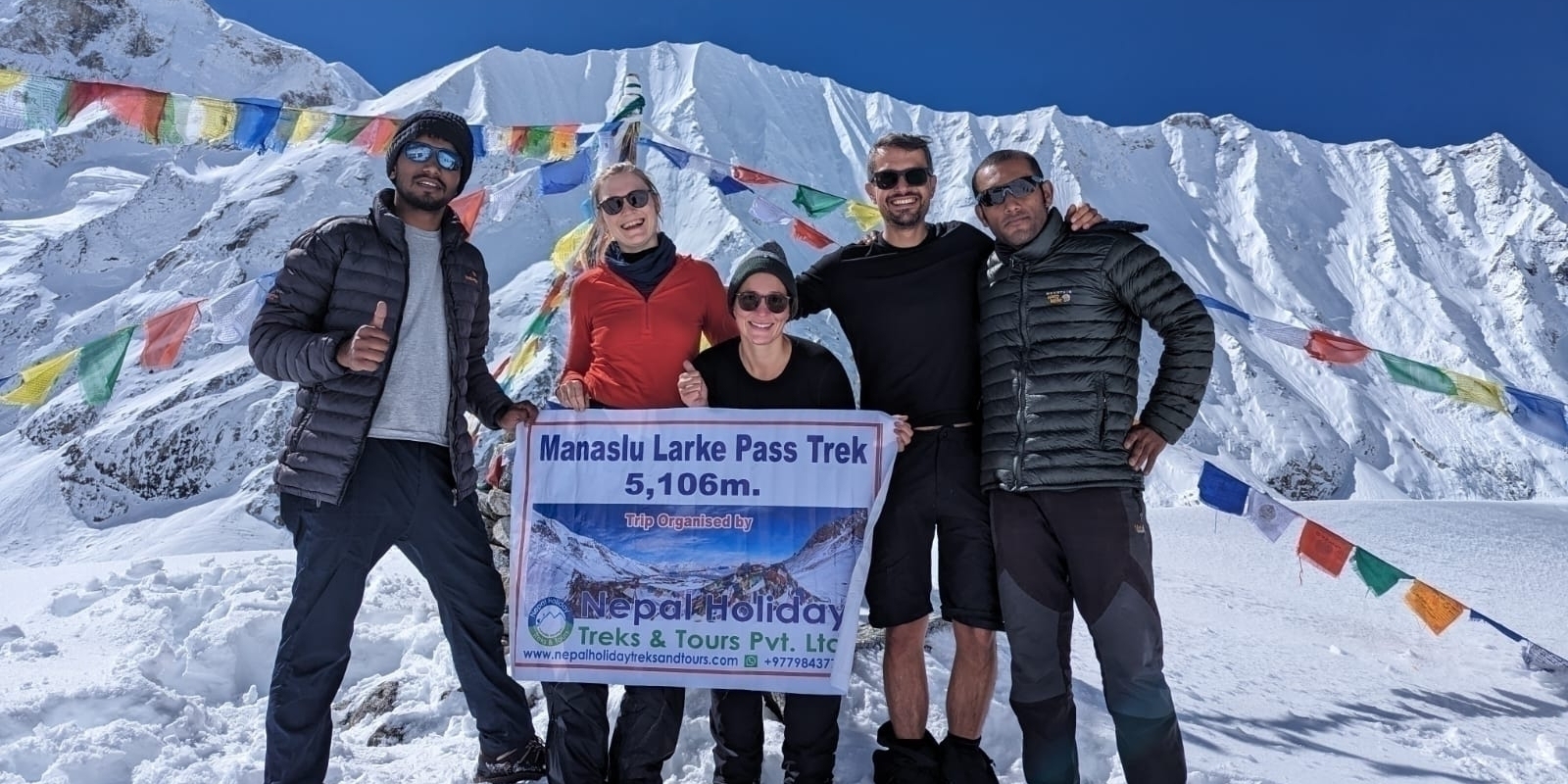
Manaslu Trek via Larke Pass Trek
Manaslu Trek via Larke Pass Trek is a memorable trek that offers trekkers a chance to see one of...
The Manaslu Trek is tough. There is no edition of this guide that really says otherwise. The altitude is sustained and serious, the terrain is challenging, the weather is unpredictable, the walking days are long, and the remoteness adds a psychological weight that no amount of fitness training can prepare you for.
However, here is the other side to the coin: men, women, young people, old people, and anyone and everyone one can imagine in the broad spectrum of health and fitness completes the Manaslu Circuit each and every season. They make the crossing at Larkya La in the night, in the cold, in the rarefied air at 5160 m, then descend to the west side with something in the eyes that is real difficult to put into words.
The challenge is not a reason to give the Manaslu Trek a miss. Isn’t that what makes it worth doing?
Get ready. Go slow. Trust your guide. Respect the mountain. Let the Manaslu Circuit provide you with an experience that reminds you what it feels like to be really, truly alive.
Planning Your Manaslu Circuit Trek? Our experienced team is here to help you choose the right itinerary, prepare properly and trek with confidence. Get in touch today – the mountain is waiting.
Related Blogs
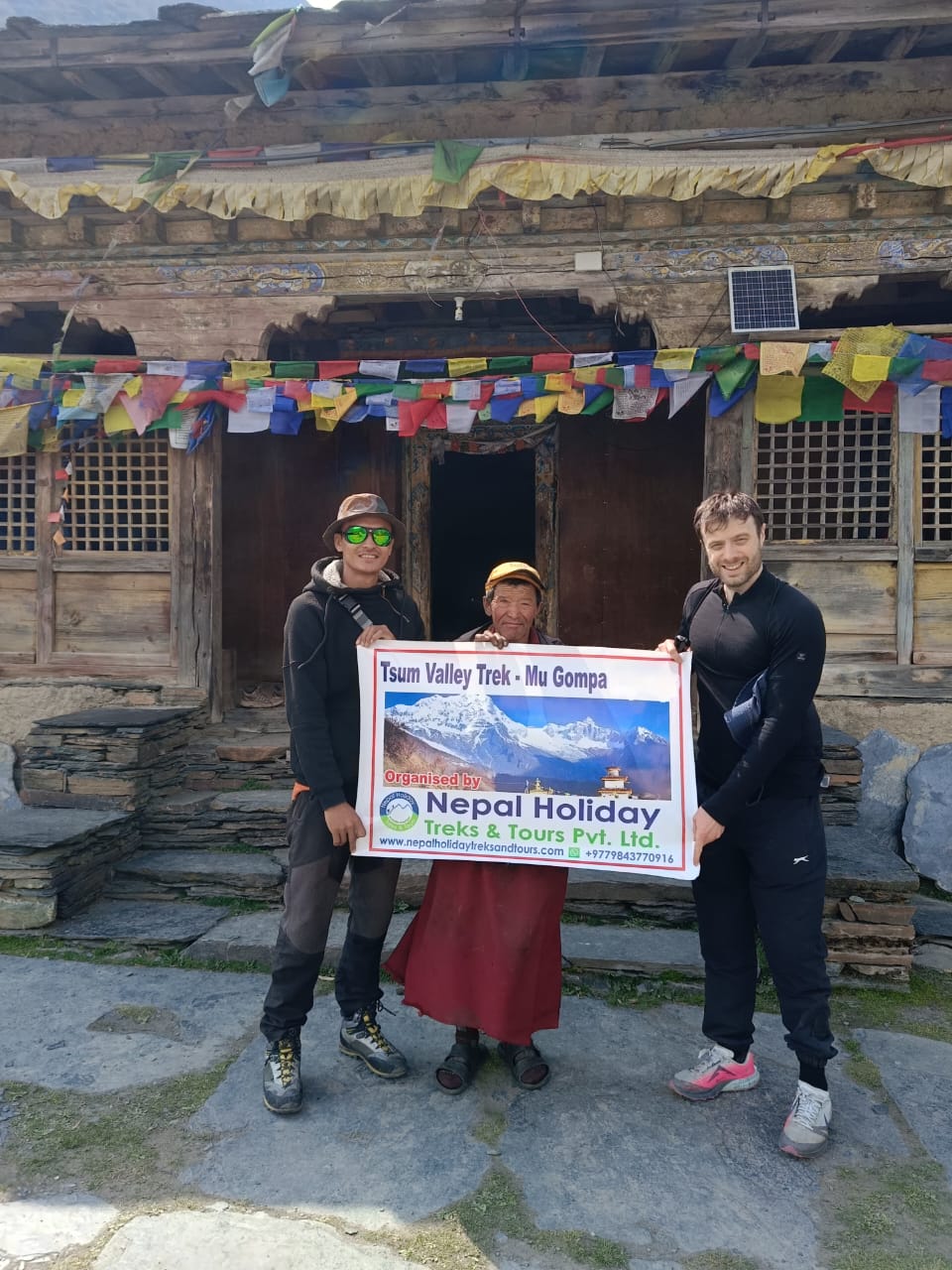
Mu Gompa
Mu Gompa, also known as Dechen Lhundrup, is an important Buddhist monastery in the Upper Tsum Valley of northern Gorkha, Nepal. Located along the remote Tsum Valley Trek, it is one of the region’s main spiritual and cultural landmarks. The monastery sits at approximately 3,700 m (12,139 ft) above sea level within the Manaslu Conservation […]
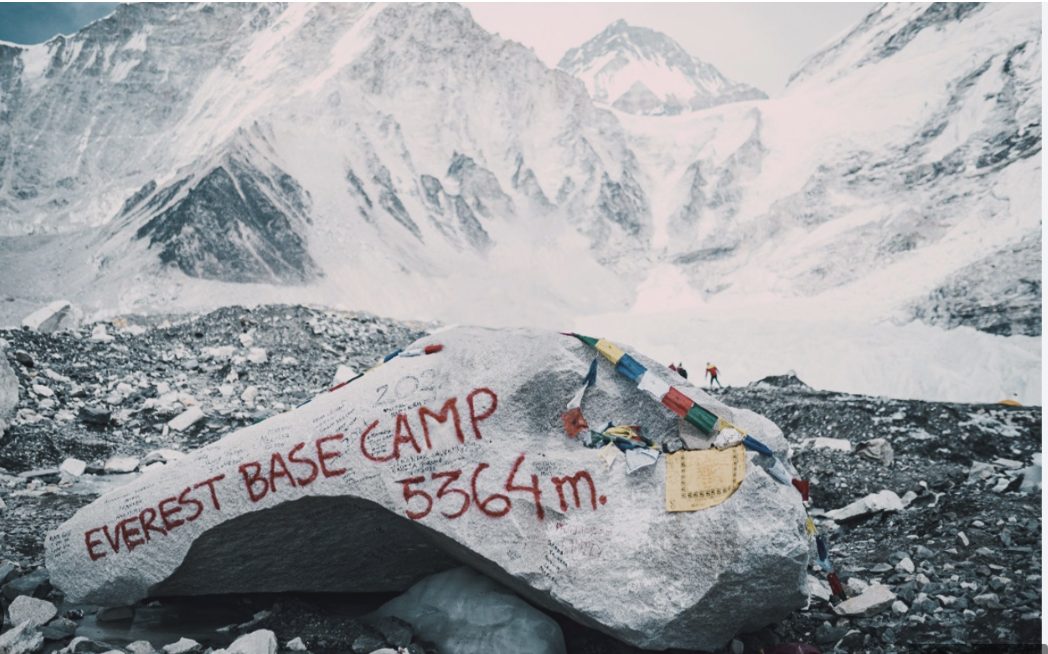
Everest Base Camp Trek FAQs
Introduction Planning the Everest Base Camp Trek often comes with questions about the route, duration, altitude, permits, weather, accommodation, fitness, and overall trekking conditions. These frequently asked questions provide clear and practical information to help you understand what to expect before starting the trek to Everest Base Camp. Frequently Asked Questions General Everest Base Camp […]
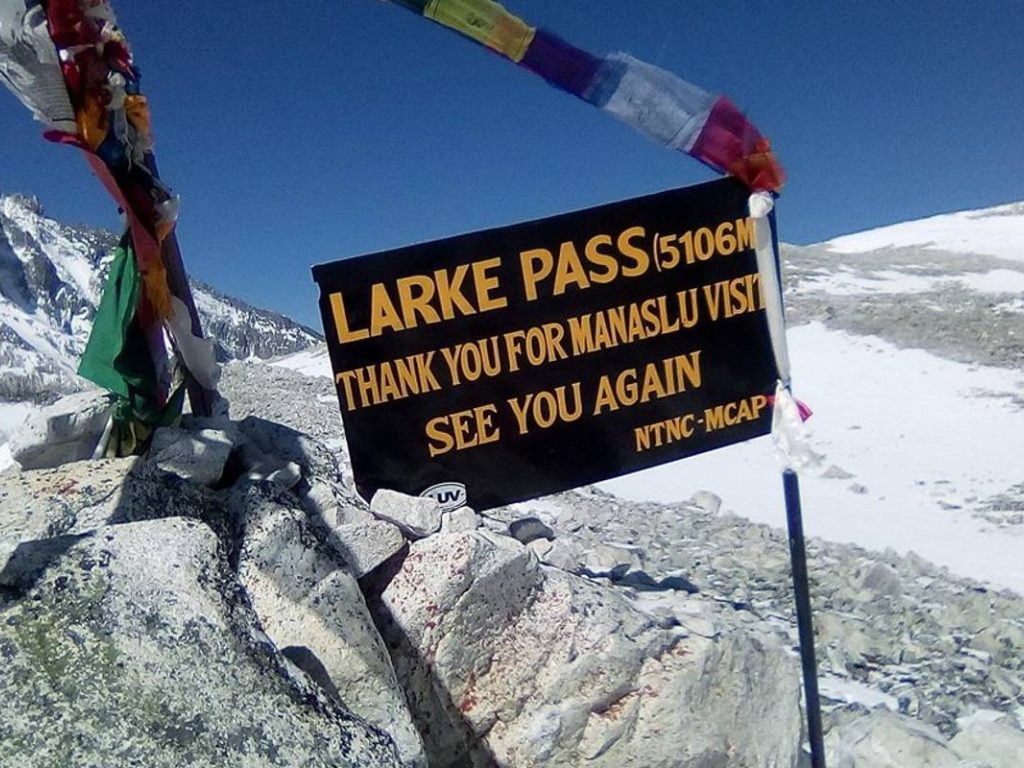
Manaslu Trek via Larke Pass Trek FAQs
Introduction The Manaslu Trek via Larke Pass is a remote Himalayan adventure around Mount Manaslu, the world’s eighth-highest mountain. The route passes through traditional villages, Buddhist monasteries, dramatic valleys, and high mountain landscapes before crossing the challenging Larke Pass. These FAQs cover the route, permits, difficulty, altitude, best time, accommodation, cost, preparation, and other practical […]