
How Difficult is the Langtang Valley Trek
Posted by: Nepal Holiday Treks and Tours on June 13, 2026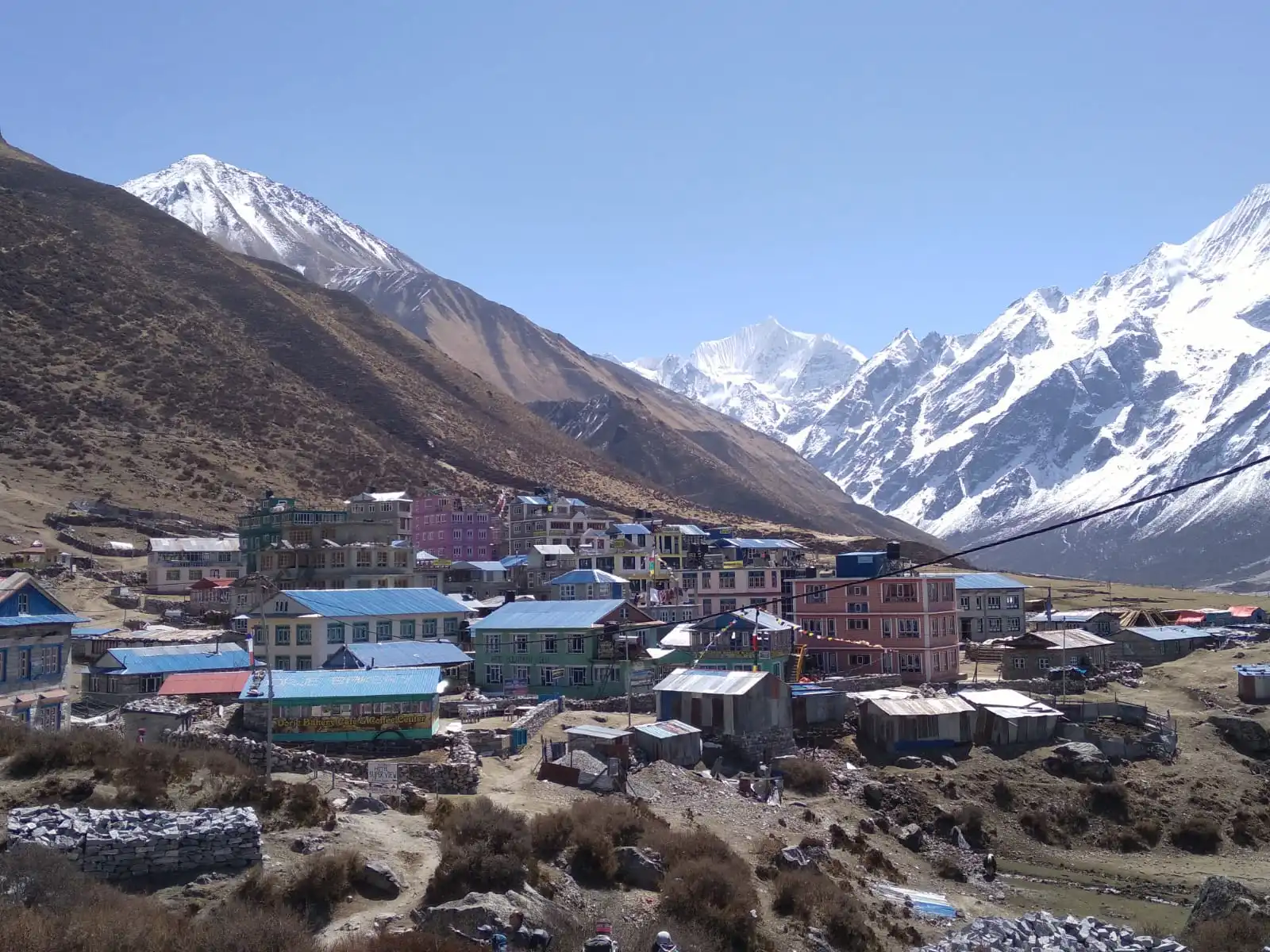
I still remember the first time I stood at Kyanjin Gompa and gazed out at the Langtang Lirung glacier, an ice and rock wall so massive it seemed to be breathing. Behind me, a party of trekkers I had led from Kathmandu was hushed, their hands around cups of butter tea, utterly enraptured. One of them looked at me and said, “I was never told it would be this beautiful.”
What I had told them was how impossible a place this was to reach.
That is what this blog is about. Not the pretty end but the real, honest answer to the question I get asked more than any other question: How hard is the Langtang Valley Trek?
If you are considering doing this trek, you deserve the honest answer and that is what I am going to tell you.
First, Let Me Tell You What Langtang Valley Trek Actually Is
The Langtang Valley Trek will take one into the Langtang National Park, at a distance of about 51 kilometers north of Kathmandu. It traces the Langtang Khola (river) through dense jungle, over traditional Tamang villages and into a high altitudinal glacial valley skulking at the feet of the Himalayas.
The classic trail generally takes 7 to 10 days on the basis of the beginning from Syabrubesi(1,462m) and going higher to Kyanjin Gompa(3,870m) or for the more daring to the top of Tserko Ri (4,984m).
It is frequently described as a moderate trek and that notion is true and also deceptive! Allow me to explain what I mean by that.
The Honest Difficulty Rating: Moderate But with Real Challenges
When trekking professionals say moderate, they mean it is not technically demanding, you do not need crampons, ropes or mountaineering experience. But moderate does not mean easy. There are specific aspects of this trek that catch people off guard every single season and I want you to walk in with your eyes open.
The Altitude
This is the factor I spend the most time talking about with every trekker before we leave Kathmandu.
You start around 1,462m in Syabrubesi which feels comfortable. But within four to five days, you are sleeping at 3,870m in Kyanjin Gompa and if you choose to climb Tserko Ri, you are pushing close to 5,000m.
Altitude sickness does not discriminate. It does not care how fit you are, how young you are or how many gym sessions you have done. I have guided marathon runners who struggled above 3,500m and I have guided 55 years old trekker who felt absolutely fine. You simply cannot predict how your body will respond until you are up there.
The most common symptoms above 3,000m are:
- Headaches (very common, usually manageable)
- Nausea and loss of appetite
- Dizziness and fatigue
- Difficulty sleeping (the nights at Kyanjin Gompa can be rough)
- In serious cases: HACE (High Altitude Cerebral Edema) or HAPE (High Altitude Pulmonary Edema), both of which require immediate descent.
How we manage altitude on this trek: The itinerary is designed with proper acclimatization days. We do not rush. At Kyanjin Gompa, you spend an extra rest day and we use it to hike up to Kyanjin Ri (4,773m), going high during the day and sleeping lower at night is one of the best ways to acclimatize. Staying hydrated, avoiding alcohol and eating even when you do not feel hungry all make a significant difference.
I make sure every trekker understands the golden rule of altitude trekking: if symptoms worsen, we descend. No negotiation.
Annapurna Base Camp Helicopter Tour
The Annapurna Base Camp Helicopter Tour is a premium short adventure designed for travelers who want to experience the...
The Trail Conditions
The Langtang trail is not a gentle woodland walk. Let me tell you an honest picture of what your legs are going to deal with.
Syabrubesi to Lama Hotel: This is the day that surprises most people. You are walking through dense rhododendron and bamboo forest and the trail climbs aggressively. The path is rocky, occasionally slippery when wet and your legs will feel it by the time you reach Lama Hotel. Expect 6 to 7 hours of actual walking.
Lama Hotel to Langtang Village: You start to emerge from the forest and the views open up. The trail continues to climb but feels more gradual. You will cross landslide zones, a sobering reminder of the devastating 2015 earthquake that buried the original Langtang Village.
Langtang Village to Kyanjin Gompa: This is the most scenic day and also the day altitude starts to really make itself known. The valley opens up into a wide glacial plain and the climb, while not extreme, is felt heavily at this elevation.
The descent on the return: Do not underestimate it. Descending on rocky trails with tired legs is where most trekking injuries happen. Knees take a serious beating. Trekking poles are not optional on this route, they are essential.
The Weather
Langtang Valley has a reputation for being colder and wetter than other popular trekking corridors in Nepal and it is earned. The valley funnels wind in a way that can make even mid-season days feel bitterly cold.
Best seasons to trek Langtang:
- Spring (March to May): Rhododendrons bloom across the forests, skies are generally clear, temperatures are pleasant in the lower sections. My personal favorite time to guide this route.
- Autumn (September to November): Post-monsoon clarity, outstanding visibility of the peaks, comfortable temperatures. The most popular trekking window.
- Winter (December to February): Possible but hard. Snow covers the trail above 3,000m, temperatures at Kyanjin Gompa drop to -15°C or colder at night. For experienced trekkers only.
- Monsoon (June to August): Leeches on the lower trail, slippery paths, obscured views. I generally advise against it unless you specifically love the solitude and don’t mind rain.
Even in good seasons, afternoon clouds are common and temperatures drop sharply after sunset. I tell every trekker: bring more warm layers than you think you need. You will use all of them.
Daily Walking Hours and Distance
People often underestimate how many hours they will actually be on their feet. Here is an honest breakdown.
Route | Walking Time |
Drive from Kathmandu to Syabrubesi | 7 to 8 hrs drive |
Syabrubesi to Lama Hotel | 6 to 7 hours |
Lama Hotel to Langtang Village | 5 to 6 hours |
Langtang Village to Kyanjin Gompa | 4 to 5 hours |
Acclimatization and Kyanjin Ri hike | 5 to 6 hours (optional) |
Kyanjin Gompa to Lama Hotel | 6 to 7 hours |
Lama Hotel to Syabrubesi | 5 to 6 hours |
Drive back to Kathmandu | 7 to 8 hrs drive |
Accommodation and Food
I want to address this because comfort level is part of the difficulty equation, especially for first time trekkers.
Teahouses along the Langtang route are warm and welcoming, but they are basic. In the lower sections you will find relatively comfortable rooms with attached bathrooms. By the time you reach Kyanjin Gompa, expect shared bathrooms, thin mattresses and the distinct possibility of no hot shower unless you pay extra for a bucket wash.
The food is simple but genuinely good – dal bhat (lentil soup with rice) is the trekking staple and honestly one of the most satisfying things you will eat after a long day on the trail. Noodles, pasta, eggs and local yak cheese (Kyanjin Gompa is famous for it) round out the menu.
At higher elevations, prices increase and menu options shrink. Stock up on snacks and chocolate at lower teahouses.
The 2015 Earthquake
I think I should mention this. The 2015 Gorkha earthquake also triggered a deadly avalanche that buried the original Langtang Village killing more than 350 people, both villagers and trekkers. It has been rebuilt and the community is strong and friendly. But the scars remain in the land.
But to walk this valley is not just physical, it is emotional. The Tamang people who have made a new home here are incredible and I feel a profound responsibility whenever I bring trekkers through their village. Drinking your tea in a local teahouse, purchasing locally made products and showing respect for the culture, it is more important here than almost anywhere else I’ve trekked.
Who is the Langtang Valley Trek Suitable For?
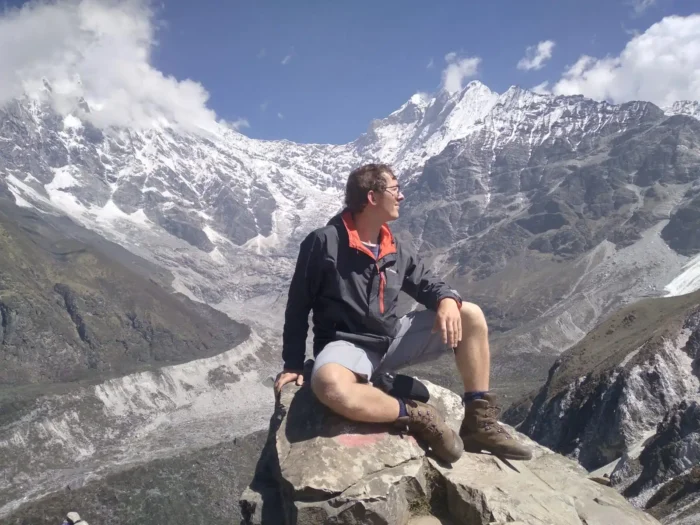
Based on my years of guiding this route, here is my honest assessment:
Well-suited for:
- Trekkers with a moderate level of physical fitness
- People who have done some hiking before, even at lower altitudes
- Those who want a genuine Himalayan experience without the crowds of the Everest Base Camp or Annapurna circuits
- Anyone who appreciates culture, glaciers and raw mountain scenery over luxury
- Trekkers with at least 7 full days available
Think carefully if:
- You have no experience hiking above 3,000m and are not prepared to monitor altitude symptoms carefully
- You have existing heart or respiratory conditions (please consult your doctor)
- You are expecting hotel standard accommodation or western food
- You are pressed for time and hoping to rush the itinerary
Tips for Every Trekker Before you Leave
After hundreds of times walking this trail, these are the things I tell every single group:
- Start training at least 6 to 8 weeks before your trek
- Buy a good pair of broken in trekking boots
- Bring trekking poles
- Acclimatize in Kathmandu first
- Get proper travel insurance
- Hire a licensed local guide
- Drink water constantly even when you are not thirsty
- Walk slowly
The Reward and It is Worth Every Step
I have spent a lot of this blog being honest about the challenges. But I want to end with this:
The Langtang Valley is one of the most extraordinary places I have ever walked. Not in Nepal, on earth.
There is something about the scale of it. The glacier coming down from Langtang Lirung, the yaks grazing on high pastures, the monks spinning prayer wheels at Kyanjin Gompa at sunrise, the absolute quiet that settles over the valley at night when the stars are so bright they do not look real. You earn every single moment of that view with your legs and your lungs and because of that, it stays with you in a way that no picture can capture.
Ready to Trek Langtang Valley? Let Us Take You There
We are a locally owned, licensed trekking agency based in Kathmandu and the Langtang Valley Trek is one of our signature routes. We have been guiding trekkers through this valley for years and we do it with the care, safety standards and local knowledge that this landscape deserves.
Why Trek With Us?
We are not a booking platform. We are the people who will actually walk beside you. Our guides are local, our porters are paid fairly and every dollar you spend with us stays in the communities along the trail. We believe in responsible, sustainable trekking and we believe the best way to experience the Himalayas is with people who love them as much as we do.
Spaces fill quickly during peak season (March to May and September to November). We keep our groups small – maximum 10 trekkers to ensure a personal, safe and high-quality experience.
People often ask me which trek they should do first. And Langtang is one of the most beautiful ways to answer.
Frequently Asked Questions
Is the Langtang Valley Trek hard for Beginners?
No, the Langtang valley is not that hard for beginners, if you are well fit and have desire to trek, you can easily do Langtang valley trek.
How long does the Langtang Valley Trek take?
The classic Langtang Valley Trek route takes 7 to 10 days.
Do we need any special permits for Langtang?
Yes, a Langtang National Park entry permit and a TIMS card. Both are arranged in Kathmandu.
Do I need a guide for the Langtang Trek?
Not legally required but strongly recommended. A licensed local guide manages your safety, adjusts the pace and directly supports the Tamang communities who rebuilt this valley after the 2015 earthquake.
Is Langtang Valley better than Everest Base Camp or Annapurna?
Related Blogs

Namche Bazaar: The Heartbeat of the Everest Region
Ask any trekker who has walked to Everest Base Camp and most of them will tell you the same thing. It’s just not a random village in the Khumbu region. Namche Bazaar is the town that stays in your heart forever. It is the heart of Khumbu, where you can get luxury services with backdrop […]
Everest Base Camp Vs Annapurna Base Camp : Which Trek Is Better?
If you are dreaming of trekking in Nepal, you have probably heard of two legendary trails: Everest Base Camp (EBC) and Annapurna Base Camp (ABC). Both trails are famous around the world. Both take you deep into the Himalayas. But they are not the same trek. In this guide, we will compare both treks in […]
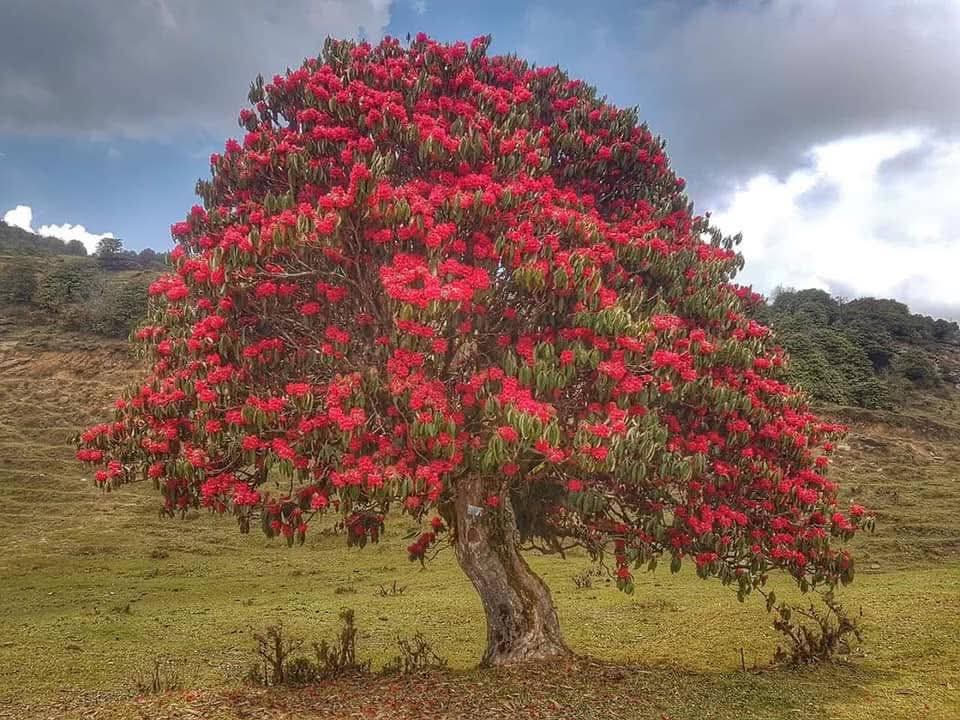
Rhododendron Flowers: Nepal’s Colorful Himalayan Blossoms
There is a moment, somewhere on the trail between Ghorepani and Poon Hill, when the forest just changes. One minute you are walking through bare oak and pine, your boots crunching on last night’s frost and then almost without warning, the entire hillside catches fire. Not real fire. Something better. Thousands of rhododendron trees in […]