
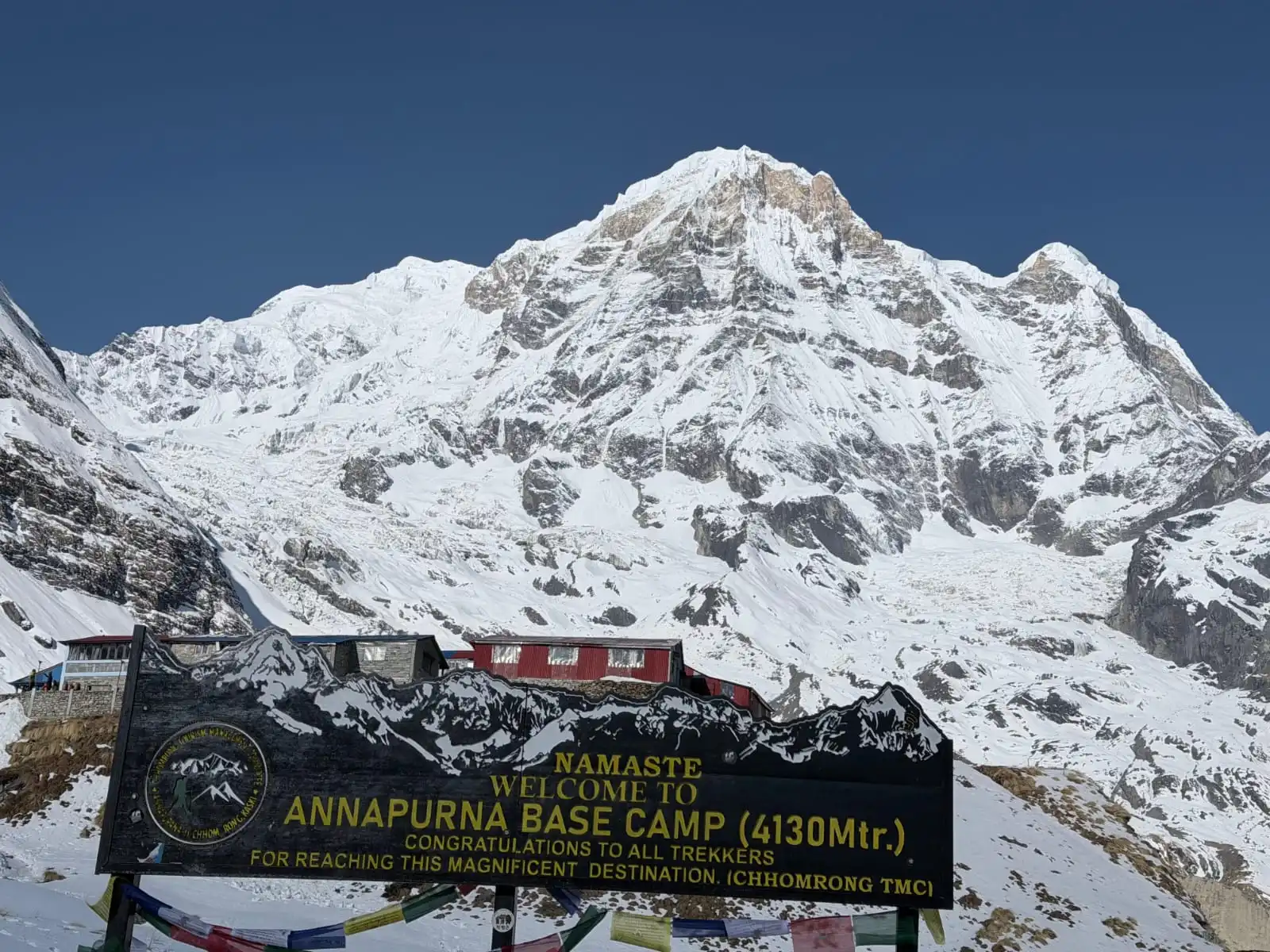


Short Annapurna Base Camp Trek – 6 Days Overview
The 6-Days short Annapurna Base Camp Trek is adventure packed despite having less time in hand. Annapurna Base Camp trek in 6 days is also recognized as the Annapurna Sanctuary Trek. This trekking route is proof you don’t have to spend two weeks to visit t an awe-inspiring destination on earth. The trek begins with a scenic drive from Pokhara to Naya Pul which takes you directly to the beginning of the track. From there you hike to Chhomrong, which can be considered as the last friendly village in the mountains. As you progress deeper into the Sanctuary, the landscapes shifts around you — bamboo groves, mist-draped woods, roaring rivers, and the sheer majesty of the high Himalayas, revealed step by step through Dobhan and Deurali.
Then comes the moment that you have been waiting for arrives – Annapurna Base Camp (4,130m). Sitting within the broad natural Amphitheatre of the Annapurna Sanctuary, surrounded by Annapurna I (8,091m), Dhaulagiri (8,167m), Machhapuchhre (6,993m) and Annapurna South (7,219m) – it’s one of those rare moments when a photograph can’t really capture the feeling of the moment. Your passage back down the mountain from Bamboo to New Bridge is your gentle farewell to the hills – tired feet, a full heart, and a tale (or two) to tell for years. A 6-day itinerary, this moderately challenging trek is suitable for those with decent fitness and limited time, ideal for travelers who have limited time but don’t want to miss out on once-in-a-lifetime experiences.
The Annapurna Sanctuary is waiting. Only six days is what you need.
Best Time for Short Annapurna Base Camp Trek (ABC)
Choosing the right season for your Trek is one of the most important decision you will make – especially if you are a first time trekker. The right seasons gives you clear skies, stunning views and a journey worth every penny. Whereas the wrong season can leave you with muddy trails, hidden mountains and genuine regret. So always choose your timing wisely before doing any trek. Here are the best seasons for the Short Annapurna Base Camp trek recommended by the guides and the trekkers who had already visited ABC multiple times:
Autumn (September to November)
Autumn is undeniably the best season to do the Short Annapurna Base Camp Trek. Following the intense monsoon downpours that cleanse the trails, the skies become a deep crystal blue and mountain views are crisp, clear and mind-blowing. The weather is reliably clear and dry, the temperatures during the day are warm, but cool enough at night – that every day on the trail is a delight. October and November are perhaps the golden months to do this trek. The trails are bustling with trekkers from all over the world and the whole Annapurna region seems to hum with energy and excitement. If you want the best weather, clearest mountain views, and overall most fulfilling experience – autumn is the perfect season.
Spring (March to May)
Spring is the next best time for Short Annapurna Base Camp Trek and most of the many trekkers actually prefer it over Autumn for one big reason — the rhododendrons. From late March to early May, the rhododendron forests lining the entire trail become a breathtaking corridor of red, pink and white flowers. Weather is warm and comfortable, mornings are sunny and good for taking photos, and mountain views can be seen any time in any season. Trails are little quieter than autumn and that lends the whole trip a more peaceful and intimate feel. If you love color, nature and a little more solitude on the trail – spring is perfect for you.
Monsoon (June to August)
Trekking in Monsoon is good but there are realities that all hikers should have a seasoned understanding of. The trails become slippery and muddy due to heavy rain, leeches are abundant in the lower parts of the route and thick clouds obscure mountain views most of the day. But the scenery is unbelievably lush and green this time of year and the waterfalls on the trail are just stunning. If you have a passion for untamed natural beauty and don’t mind getting a little wet – then the monsoon trek is for you. Just be prepared and go with a trustworthy guide.
Winter (December to February)
The Short Annapurna Base Camp Trek is most difficult in winter but offers something truly unforgettable to those who venture out it. The trails are nearly deserted and the mountains feel like they are yours alone. On bright winter days the views are crisp, dramatic and stunning. Still, temperatures at Annapurna Base Camp can fall to -15°C or lower during the night, and blizzards may block the upper sections of the trail beyond Deurali. Winter trekking is recommended for experienced trekkers with appropriate cold weather equipment and a reasonable level of fitness. For the daring, the bold and the brave – winter on the Annapurna trail is an experience like no other.
Season after season the Short Annapurna Base Camp Trek has something truly magnificent to offer. Be strong, honest in your preparation and the mountains will always provide you with something to take home, in your heart.
Difficulty and Fitness Level Required for the Annapurna Base Camp – 6 Days
The 6 – Days Annapurna Base Camp is not much harder than you think, it is a moderately challenging. If you are physically fit and well prepare then you can easily do this 6 Days short Annapurna Base Camp Trek.
How Hard Is It, Really?
As I have personally done this trek, it is not as easy as people think and not as harder too. The main difficulty of this trek is you have to walk for 5 to 7 hours non-stop in a single day. You will be walking through steep forest trails, stone – pave paths and high altitude terrain, reaching an altitude of 4,130m (13,549 feet) at Annapurna Base Camp (ABC). Altitude Sickness is also the main difficulties for the trekkers as you ascends to the higher altitude and it is a 6 days trek, so you have less time to acclimatize. So, the altitude will test you more than the distance itself.
What Fitness Level Do You Need?
For doing this trek, you don’t need to be an athlete but you should have good base level of cardiovascular fitness. If you can comfortably jog for 30 – 40 minutes, hike for 5 -7 hours and walk on the uphill and downhill stairs, then you don’t need to worry, this trek is perfect for you.
We recommend to prepare well in advance doing activities like hiking with a small backpack, building leg strength with squats and lunges and improve stamina with cycling or swimming even you are physically fit.
Route Overview – Short Annapurna Base Camp Trek
This 6-day itinerary provides a perfect balance between time and offers the ultimate Annapurna Sanctuary experience. Once you begin the trek at New Bridge, which is a short drive from Pokhara, you go directly to the trail’s center – no days wasted, every day of your trek counts.
From New Bridge the path ascends to Chhomrong, the final large Gurung settlement before the mountains take over. This is where the real trekking. The routes then drop steeply into the tight Modi Khola gorge, crossing rivers and weaving through bamboo and rhododendron forests to Dobhan. From Dobhan, the trail ascends to Deurali, where dense forest gives way to exposed alpine terrain and the walls begin closing in around you.
The route reaches its magnificent climax in breathtaking Annapurna Base Camp (4,130m) — located in the heart of the Annapurna Sanctuary, and surrounded by Annapurna I (8,091m), Dhaulagiri ( 8,167m), Machhapuchhre ( 6,993m), and Annapurna South ( 7,219m). The return trip backtracks along the same path down via Deurali, Dobhan and Bamboo to New Bridge and from there, by vehicle back to Pokhara.
Simple, direct and outrageously beautiful – this trail captures the whole Annapurna Sanctuary experience in six days.
Why Choose the 6-Days Short Annapurna Base Camp Trek?
There are thousands of treks in Nepal, so what makes this one so special? Because Short Annapurna Base Camp Trek is a complete package. Mountains, culture, forests, rivers, and perhaps the most spectacular high-altitude destination on earth – all in just six days.
Instead of longer expeditions that require weeks of your time, this trek caters to those with real busy lives. You don’t have to be an expert mountaineer or take weeks off work. All you need is average fitness, a sense of adventure and the willingness to keep putting one foot in front of the other.
The view changes daily. One day you are hiking through bamboo groves dense with mist; the next you are trekking across snowfields with giants looming all around you. Not a day on this trail is like any other – and that’s what makes it so addictive.
Then there’s the moment you reach Annapurna Base Camp (4,130m) — you are standing in the Annapurna Sanctuary, surrounded by Annapurna I (8,091m), Dhaulagiri (8,167m), Machhapuchhre (6,993m), and Annapurna South (7,219m). It is the kind of moment that makes you understand what travel is really about.
But perhaps the greatest unsung reason to do this trek is the people. The hospitality of a Gurung family who operate a teahouse, a shared meal of Dal Bhat amongst fellow trekkers, your guide showing you a Himalayan Monal ( bird) resting in the trees – these are the moments you didn’t anticipate, and the ones that will remain with you.
This is not simply a trek. It is six days that will truly change the way you see the world.
Outline Itinerary
Day 01: Drive – Pokhara to New Bridge, Trek to Chhomrong
Day 02: Trek – Chhomrong to Dobhan
Day 03: Trek – Dobhan to Deurali
Day 04: Trek – Deurali to Annapurna Base Camp ( ABC)
Day 05: Trek – Annapurna Base Camp ( ABC ) to Bamboo
Day 06: Trek – Bamboo to New Bridge, Drive to Pokhara
Short Annapurna Base Camp Trek – 6 Days Highlights
- Scenic drive from Pokhara to New Bridge through beautiful hills and local villages.
- Trek through lush green forests, bamboo groves beautiful rhododendron forests along the trail.
- Close up view of majestic mountains like Annapurna South, Machhapuchhre (Fishtail) , Hiunchuli and Gangapurna through the trek.
- Walk alongside the beautiful Modi Khola river all the way to the Sanctuary.
- Enter the breathtaking Annapurna Sanctuary – a natural bowl completely surrounded by mighty Himalayan Peaks.
- Stand at Annapurna Base Camp (4,130m) and enjoy a spectacular 360 degree panoramic view of the mighty Annapurna massif including Annapurna I (8,091m), Annapurna South, Machhapuchhre, Hiunchuli and Gangapurna all around.
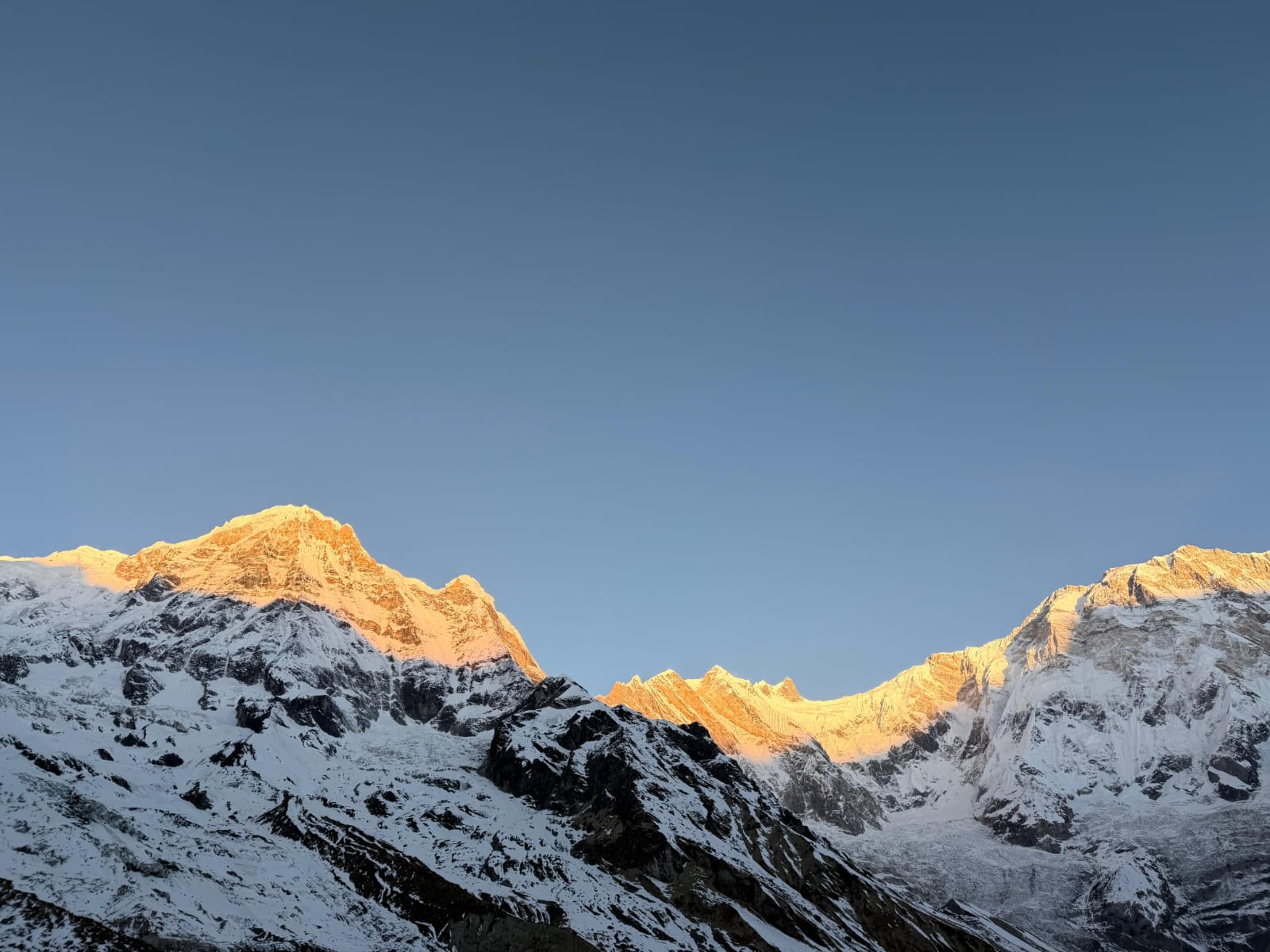
- Witness stunning sunrise and sunset views over the snow-capped Annapurna range.
- Experience the warm and welcoming culture of Gurung villages along the route.
- Trek through the Annapurna Conservation Area – rich in wildlife, nature and natural beauty.
- Short and achievable 6 day itinerary – perfect for beginners and those with limited time.
Short Annapurna Base Camp Trek – 6 Days Itinerary
Expand allDay 01: Drive - Pokhara to New Bridge, Trek to Chhomrong
Your adventure begins with a road trip from Pokhara to New Bridge (1.5 to 2 hours), along twisting mountain roads and river valleys. When you get there, you put your boots on and go. The trek to Chhomrong is a gradual ascent with your first breathtaking views of Annapurna South and Machhapuchhre. Chhomrong is the last major Gurung village before the Sanctuary and by the time you arrive, you will already know this treks means the business.
Day 02: Trek - Chhomrong to Dobhan
Today the trail gets serious. You descend the renowned stone staircase from Chhomrong — almost 2,000 steps cut into the mountainside — cross the Chhomrong Khola river, then ascend once more through stunning bamboo and rhododendrons forests of Sinuwa. The valley walls rise as you venture further into the gorge, and the sound of the Modi Khola river keeps pace with you all the way to Dobhan. A tough but profoundly satisfying day.
Day 03: Trek - Dobhan to Deurali
We will have a cup of tea, and after that, we will hike up for an hour to Ghandruk which leads to Kidron River. After having an easier walk for an hour, and steep climbing towards Chomrong, we will observe the great view of forest with rhododendron, various flora, and faunas, Annapurna South, Fishtail mountain. Chhumrungroming provides the very beautiful view of the Annapurna. Then we will head to Chomrong to stay a night there which is a great place for Annapurna massif. We will have all the breakfast, lunch and dinner there.
Day 04: Trek - Deurali to Annapurna Base Camp ( ABC)
This is the day you have been waiting for. The trail from Deurali now leaves the jungle and the path opens onto a broad alpine plain that stretches across snowfields and glacial moraine as the Annapurna Sanctuary unfolds before you. You initially arrive at Machhapuchhre Base Camp (MBC, 3,700m) — with the iconic Fishtail Mountain looming directly overhead — prior to the final ascent to Annapurna Base Camp (4,130m). To stand inside the Sanctuary, boxed in by Annapurna I (8,091m), Dhaulagiri (8,167m), Machhapuchhre (6,993m), and Annapurna South (7,219m) is a moment that words simply cannot do justice.
Day 05: Trek - Annapurna Base Camp ( ABC ) to Bamboo
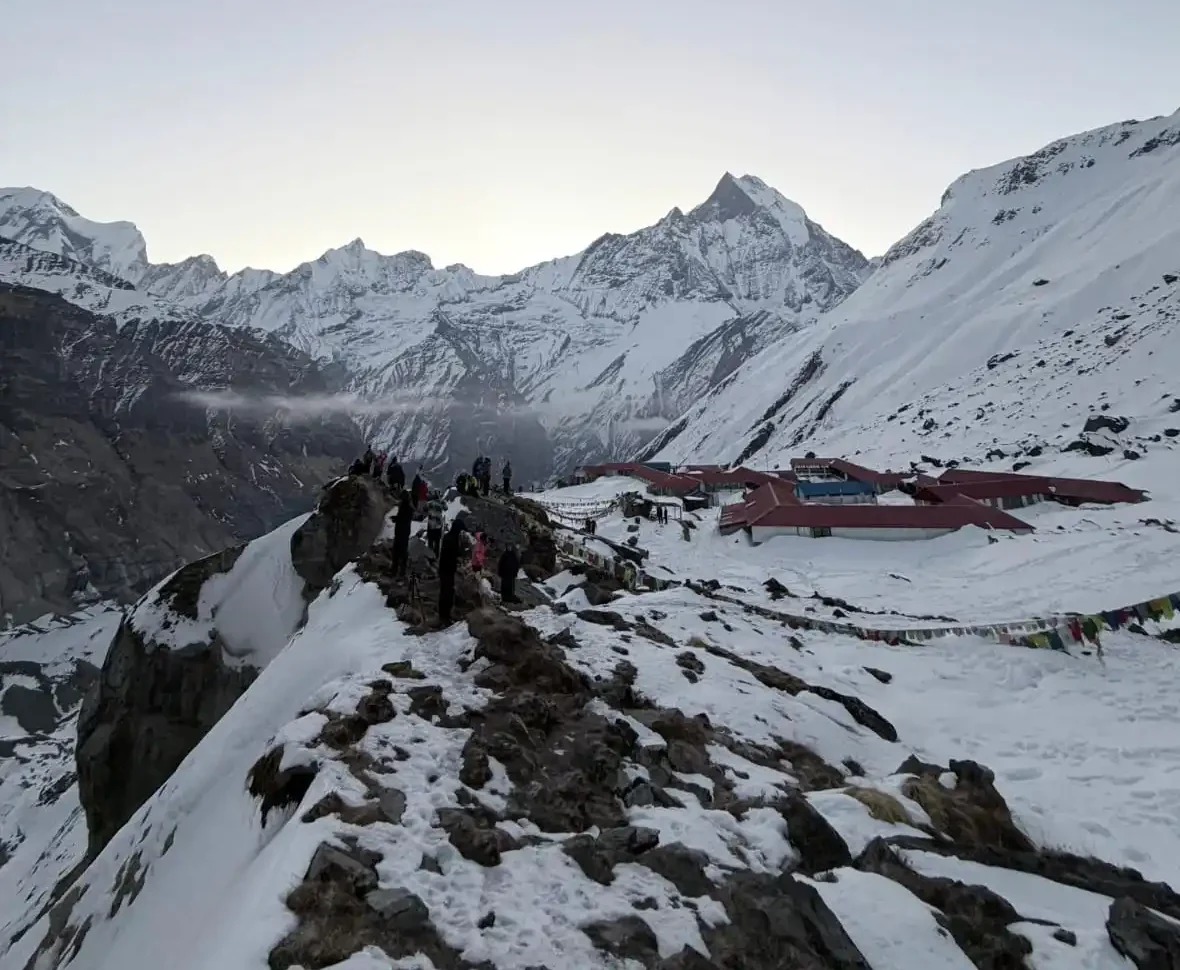
After one final sunrise at base camp — and believe us, you want to get up for it — it’s time to make your way back down. The air grows warmer and richer with every step, and the descent seems to fly much faster than the climb. You re-trace your steps through Machhapuchhre Base Camp (MBC) and Deurali and then descend into the stunning bamboo and rhododendron woodland below. Your legs will be tired when you reach Bamboo but your heart will be full and there’s nothing like it.
Day 06: Trek - Bamboo to New Bridge, Drive to Pokhara
On the last day, you make your way down on a long but satisfying descent through forest to New Bridge where your vehicle is waiting. The trail re-crosses old ground — but it’s not the same on the way out, it’s quieter and more contemplative. Once you reach New Bridge you have a relaxing drive of 1.5 to 2 hours back to Pokhara. That hot shower, cold drink, and lakeside dinner at Phewa Lake? You really have earned it.
If the above Short Annapurna Base Camp Trek – 6 Days itinerary does not meet your needs, we can design individualized travel plans based on your preferences and specifications.
Plan My TripShort Annapurna Base Camp Trek – 6 Days Cost Includes
- Three times three meals a day- Breakfast, Lunch, Dinner and 3 cups of tea/Coffee a day during the trek.
- Accommodation in tea house during the trek Private room.
- Fresh fruits after dinner every night as dessert during the trek.
- Annapurna Conservation Area Permit.
- Trekkers Information Management System (TIMS card).
- An experienced, helpful, knowledgeable, friendly, English speaking well trained, government license holder Trekking Guide with all his salary, food, Drinks, accommodation, equipment, transport, and insurance.
- All taxes and Company service charge.
- Arrangement of Emergency helicopter service (paid by your travel insurance company).
- Normal First aids kit box.
- From Pokhara to New Bridge to New Bridge to Pokhara by local bus.
- Nepal Holiday Treks, T-shirt & Trekking map.
Short Annapurna Base Camp Trek – 6 Days Cost Excludes
- International airfare and visa fees.
- any accommodation in pokhara and Kathmandu & Lunch and dinner in Kathmandu & Pokhara.
- Personal expenses of bar and beverage bills, Wi-Fi, hot shower, bottle of water, extra porters, laundry or any other things which are not mentioned by the company.
- Your trekking gears and extra nights in a certain destination.
- Your travel insurance which should include the emergency rescue.
- Tips for your guide and porters which is comparison.
- Extra expenses due to any event such as strikes, weather conditions, or flight delays.
Short Annapurna Base Camp Trek – 6 Days Additional Info
Accommodation
During the trek, you will overnight in teahouses – snug, family-run guesthouses that are the pulse of trekking culture in Nepal. These lodges provide twin and double rooms with basic furniture and warm blankets from Chhomrong all the way to Annapurna Base Camp. Lower on the trail (Chhomrong, Dobhan), you have fairly comfy rooms, some with baths. As you ascend toward Deurali and ABC, the accommodations become Spartan – bunk-style beds, shared bathrooms but the mountain vistas are worth you left behind. Bring a sleeping bag liner – nights above 3,000m get cold.
Meals
The teahouses all serve freshly cooked food, and it’s much better than you would expect on a hiking route. The true menu hero, however, is dal bhat – rice, lentil soup, vegetable curry and pickles — hearty, healthy and almost always accompanied by free refills. Otherwise, there’s a decent selection of eggs, porridge and Tibetan bread at breakfast; noodle soup, egg fried rice and momos at lunch; and pasta, fried potatoes and vegetable curry at dinner. Garlic soup is a teahouse favorite and highly suggested for acclimatization – don’t miss it as you gain altitude.
The prices and the menu diversity reduce a bit at higher altitudes, which is completely normal — everything is porter-carried up the mountain. It’s routine practice on the trail to eat all your meals at the teahouse where you’re staying; lodgings often come at a discount or are based on that.
There are warm beverages — ginger lemon honey tea, milk tea, black tea — at every stop, and warm drinks are strongly recommended over cold ones at high altitude. Bring a reusable water bottle and use purification tablets instead of buying single-use plastic all the way up.
Vegetarian options are also available throughout the trek. If you are Vegetarian then let us know before your trek, we will manage it for you.
Permits Required for the Annapurna Base Camp Trek
- ACAP – Annapurna Conservation Area Permit
- TIMS Card – Trekkers Information and Management System )
Why are these permits required for the Annapurna Base Camp Trek?
Additional Cost on the Annapurna Base Camp Trek
Additional Cost on the Annapurna Base Camp Trek
In terms of expenses, there are few extra expenses that all trekkers need to know before heading to Annapurna Base Camp Trek or any other trek. Most people only think about the cost of the main package when they are budgeting for Annapurna Base Camp Trek. Below is a candid analysis of the hidden fees you will need to factor in before you go.
Travel Insurance
Travel Insurance is not optional on a high altitude trek – it is essential. Make sure your policy covers high altitude trekking, emergency helicopter evacuation and medical expenses. A good travel insurance policy will give you complete peace of mind on the trail.
Tips for guide and porters
Tipping your guide and porters is not compulsory but it is a deeply appreciated gesture and a strong part of Nepali trekking culture as you are rewarding them for their hard work to make your journey hassle free and enjoyable.
Hot showers and charging fee
Many teahouses along the trail charges additional fees for hot showers and for charging your phone or other electronic devices. The fees varying according to the teahouse and the altitude.
Wi-Fi and Internet
Wi-Fi can be found in most teahouses along the route but you cannot use it for free. Do not expect speed or reliable connection – especially at higher elevations.
Drinks and Snacks
Water, tea, coffee, soft drinks and snacks can be found in all teahouses, but the prices rise dramatically the higher you go. Budget accordingly and bring some snacks from Pokhara to be financially smart on the trail.
Personal Gear and Equipment
If you do not have the right trekking equipment yet such as sturdy hiking boots, a warm sleeping bag, trekking poles and layered clothing you will have to buy or rent it all before the trek. There are numerous gear shops in Pokhara and in Kathmandu where you can rent quality gear at a very reasonable price.
Emergency and Miscellaneous Expenses
Always carry some money aside for emergencies – a sudden illness, an extra night at a teahouse due to bad weather, or whatever else that might pop up and need a little extra cash. It is always good and sensible to have a backup money.
Knowing about these additional expenses ahead of time means no surprises on the trial. Take the time to plan, budget realistically and all you will need to worry about is enjoying every step of this amazing trip.
ATMs in the Short Annapurna Base Camp Trek
There are not any ATMs after Pokhara on the Short Annapurna Base Camp trek. Be sure to bring enough Nepali Rupees (NPR) before you go on your trek. ATM and currency exchange are easily available in Kathmandu (Thamel) and Pokhara. We suggest you to keep some extra money as an emergency fund.
Guides and Porters on the Short Annapurna Base Camp Trek
At Nepal Holiday Treks and Tours, our guides and porters are the soul of your trekking adventure. Our guides are all government licensed, speak fluent English, and are extremely knowledgeable about the Annapurna region itself, trail conditions, local culture, altitude safety and even emergency first aid. They are not just guides, but also your companion on the mountain.
Our porters are solid, dependable and professional. You will be able to enjoy every step of the journey without the burden of a heavy pack as they carry your main bag (up to 25kg shared between two trekkers).
Your guide and porter are both fully taken care by us. Their salary, food, accommodation, equipment and insurance are all paid by us.
Is the Annapurna Base Camp Trek ( ABC ) Suitable for you ?
Short Annapurna Base Camp trekking is not technical – no ropes, no ice axes, no mountaineering experience required but it requires demand something real of you. You should be able to walk five to seven hours a day on steep, uneven trails in the Himalayas, so you would better be reasonably fit and really want to do it. If you can do long days going uphill two days in a row you can do this trek.
Weather Information at Annapurna Base Camp
The weather on the Annapurna Base Camp route is unpredictable and depends on the time of year. Spring (March to May) is the great time to trek with warm days (10°C – 20°C) and chilly nights (0°C – 5°C), when rhododendrons bloom and skies are mostly clear and sunny. Autumn (September to November) is the most popular and overall best overall season with daytime temperatures varying between 8°C to 18°C, and temperatures at night ranging from -2°C to 5°C, with skies are crystal clear and the best mountain views of the year. Winter (Dec to Feb) is bitterly cold and tough with daytime temperature falling as low as -5°C to 5°C and nights at Annapurna Base Camp dipping down to -15°C or lower, with heavy snowfall possible above Deurali – trail is recommended for experienced trekkers only. Monsoon (June to August) is warm at 15°C to 25°C during daytime but heavy rain makes trails wet and muddy and the scenery beautifully lush and green. No matter what season you are travelling, always pack warm layers and a waterproof jacket for safety and comfort while walking.
Altitude Sickness and Preventive Measures on the Annapurna Base Camp Trek
Altitude Sickness is something every trekker should understand before heading to Annapurna Base Camp. It is not something to fear – but is definitely something to respect.
What is Altitude Sickness?
Altitude sickness also called as Acute Mountain Sickness (AMS) is a condition that occurs when you go up to a high altitude too fast without giving your body the time to get used to having less oxygen in the air. The higher you go, the thinner the air is, and your body just can’t keep up. It is not a sign of weakness – it can strike anyone at any age no matter how fit you are or how many treks you have under their belts.
Common Symptoms of Altitude Sickness
- Persistent Headache
- Nausea and Dizziness
- Fatigue and Weakness
- Loss of appetite
- Shortness of breath even while resting
Preventive Measures of Altitude Sickness
- Walk slowly – never rush the ascent
- Drink plenty of water everyday on the trail
- Eat regular warm meals to keep your energy up
- Sleep at lower altitude whenever possible
- Always listen to your body
The Golden Rule – if symptoms gets worse, descend immediately. No view is ever worth your health. The mountain is always be waiting there for you.
You don’t need to have trekked before, but a little bit of preparation like regular walking, hiking, or stair climbing will make a big difference on the trail. Age is no barrier either. We have seen trekkers in their 60s and 70s reach base camp with big smiles on their faces. What is important is your general health, not the digits in your passport.
Altitude is the one matter to be serious about. The trail reaches at 4,130m, and thinner air affects everyone differently, regardless of fitness level. The pace of the itinerary allows for acclimatization, but hydration, slow walking and listening to your body are absolute musts on the mountain.
If you have a heart condition, lung condition, or any other serious medical concern, consult your doctor before booking. Otherwise, if you are healthy, motivated, and ready to earn the view - this trek is for you.
Solo Traveler and Group Joining Options
At Nepal Holiday treks and Tours we warmly welcome both solo travelers and groups and we have the perfect options for everyone.
Solo Trekking
Like to travel in your own timing? That’s no problem at all. We frequently host itineraries for single travelers and ensure you never feel isolated on the trail. You have a single knowledgeable guide who handles all the logistics – route finding and safety, along with accommodation and food – so your only concern is to enjoy the journey.
Group Joining Options
Traveling solo but want some company on the trail? Join Our Group Option. We connect small groups of like-minded travelers from across the globe who are travelling to Annapurna Base Camp on similar dates. It’s a great way to make friends, share the experience, and keep the cost down – all at the same time.
Best Alternative Treks to the Annapurna Base Camp Trek
If the Annapurna Base Camp doesn’t fit in your schedule or fitness level, here are some good alternatives in the same region:
1. GhorePani Poon Hill Trek (4 – 5 Days): This is one of the most popular short treks in the Annapurna region. Suitable for beginners trekkers stunning views of the Annapurna and Dhaulagiri ranges at sunrises from Poon Hill (3,210m). Easy to moderate difficulty level.
2. Mardi Himal Trek (5 -7 Days): A secret gem in Annapurna region with less crowd. Offers stunning panoramic close-up views of Machhapuchhre (Fishtail) and Mardi Himal provides moderate difficulty and is perfect for people looking for an off the beaten track trail.
3. Annapurna Circuit Trek : A traditional high-altitude trek around the Annapurna mountain range, culminating in the crossing of the high Thorong La Pass (5,416m). Ideal for experienced trekkers with extra time.
4. Khopra Danda Trek: A quiet, less-travelled trail with good Dhaulagiri and Annapurna South views. Not as crowded and ideal for nature lovers.
Why Choose Nepal Holidays Treks and Tours for your Annapurna Base Camp Trek?
Choosing the right trekking company can make all the difference between a good trek and an absolutely unforgettable one. Here is why hundreds of trekkers trust us every year to take them safely to Annapurna Base Camp and back.
- 25+ years of experience: It has been more than 25 years since we started organizing treks in Nepal. We are familiar with every turn of the trail, every teahouse along the way, and every challenge the mountain may throw at you. And it’s that experience that makes our trekkers safe, happy and coming back again and again.
- The Best Local Guides: Our guides are not just experienced – they are local. They know the Annapurna area like the backs of their hands. They can speak the English language, familiar with local culture and truly care about each and every trekker they take out on the trail.
- 100% Safety Record: Safety is not just a promise for us – it is our proudest achievement. We still hold a 100% record for safety on all our treks. Your security is always our top priority – no exceptions.
- Customized Treks: Some trekkers has less time and some has more and we understand that every trekker is different. If you want to reduce the number of days on the route, make it longer or alter the route entirely – we will make the ideal trek just for you.
- 24/7 Support: When you phone us, when you are with us, and as you leave us, we are at your service – around the clock. Night or day, we are only a phone call away and always ready to help.
- 99% Repeated Customers: This is the figure we are proudest of 99% of our customers return to trek with us again and that says more about who we are than any award or certificate ever could. When trekkers place their trust in us once they almost always come back for more and that’s the greatest achievement we could ever receive.
- Unbeatable Price: We offer the best value for money on the Annapurna Base Camp trek – Quality service, experienced guides and a safe and memorable journey at a price that is hard to beat anywhere in Nepal. What we quote is exactly what is you pay. No hidden costs. No surprises. Just pure value.
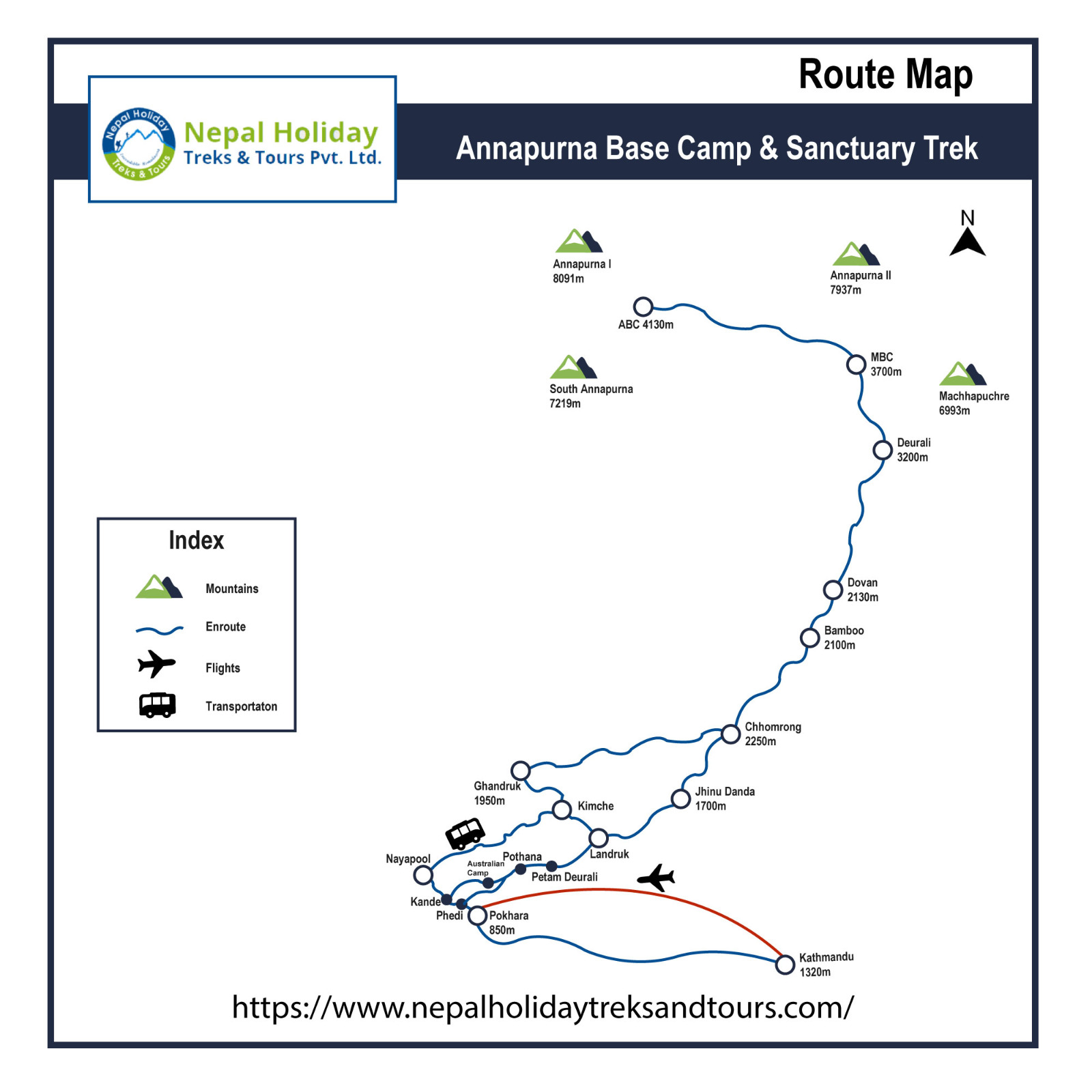
Trip Map
Upcoming Departures
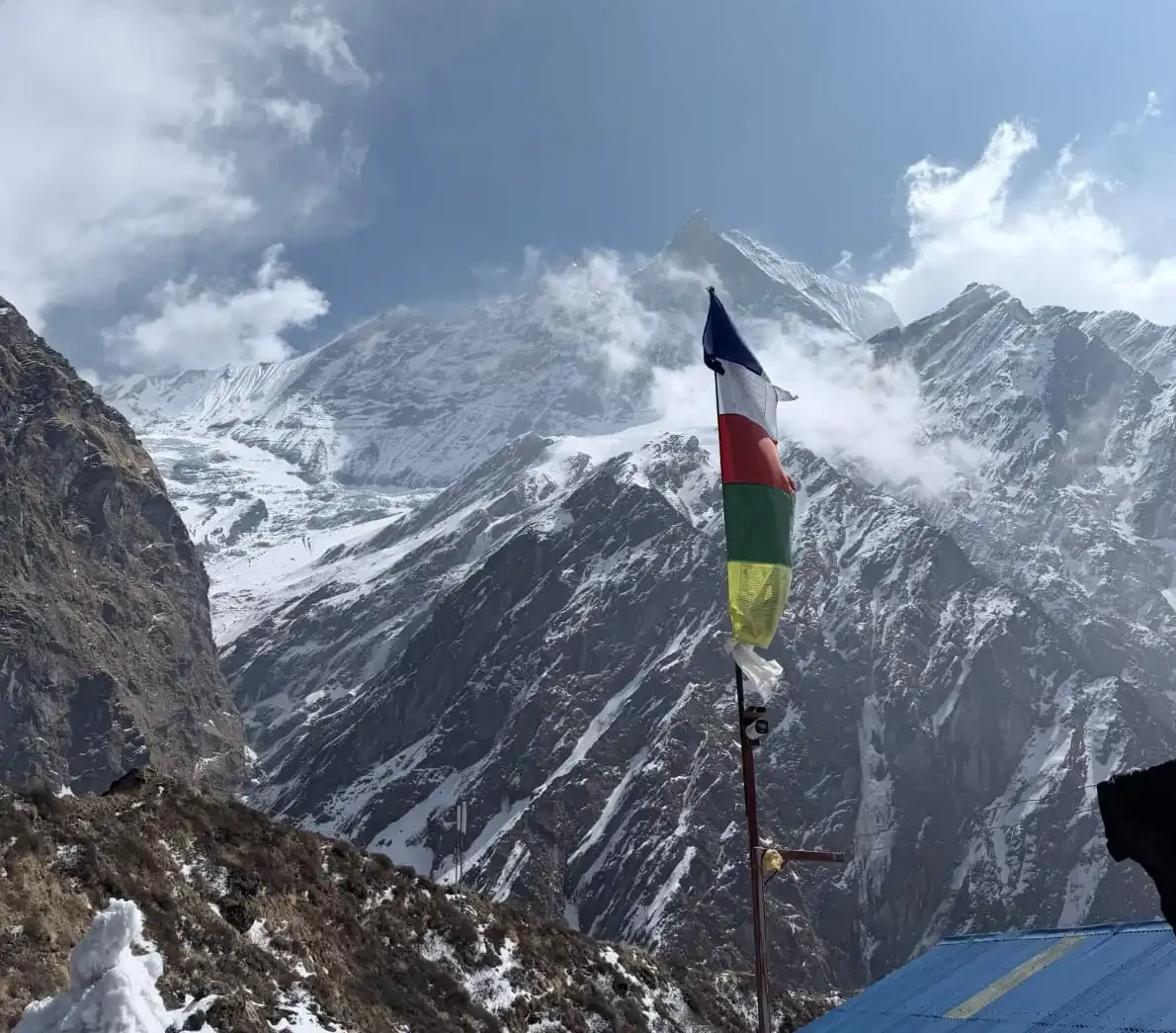
Short Annapurna Base Camp Trek – 6 Days Gallery
Customer Reviews
Write a ReviewShort Annapurna Base Camp Trek – 6 Days FAQs
Is there an age limit for mountain trekking?
There is no strict age requirement, but trekkers should be in good health and able to handle the physical demands of the trek. Children and elderly trekkers may need special considerations, and it‘s always good to check with the trekking company.
Do I need prior experience in trekking?
No previous trekking experience is needed, although a good level of physical fitness and preparation for hiking will contribute to your enjoyment. The trek is suitable for both beginners and experienced trekkers.
What physical training do I need to do to prepare for the trek?
You need to build up cardiovascular endurance, strength, and leg muscles. Regular hiking, brisk walking, or climbing stairs can help you build up stamina for the trek.
What physical standards do I need for the trek?
You need to be in good general health, capable to walk several hours every day, and able to do moderate physical exertion as well. No previous experience is required, but a considerable amount of fitness is needed.
What type of bag or down jacket can be hired?
You can rent the down jackets, sleeping bag, and the trekking poles in Kathmandu. Your trekking company will be able to assist in that matter.
Day 24. What kind of a bag will the porters be carrying?
Most of your clothes and personal items go inside it – including your duffel bag or trekking backpack– the porters will carry them. You yourself will carry your daypack which should include your essential things.
What kind of accommodation does teahouse region offer?
Accommodation in teahouses, most of the time in very basic rooms with shared bathroom and simple beds. Some teahouses may have private rooms, for which an extra charge may be levied.
Is it possible to have private rooms while trekking or while in Kathmandu?
Yes, most of the teahouses can provide a private room on an extra payment basis during trek. Private rooms are very much available at Kathmandu in hotels.
Is the water okay to drink? Do I need to bring purifying tablets or filters?
Water in the trekking areas is not safe to drink without purification. It is better if you bring water purification tablets or a filter to make your drinking water safe.
Is your guide a trekking guide, certified by the Hotel Management and Tourism Centre?
Yes, guides are taught by the Hotel Management and Tourism Centre of Nepal. They also include training on first aid, specifically for high altitude conditions.
Do I need a guide and porter in Annapurna Base Camp (ABC) Trek?
A guide and porters are not mandatory but recommended, especially for first time trekkers. They offer security, local knowledge, and logistical assistance.
Is Visa required for entry into Nepal?
Yes, visitors to Nepal require a visa except Indian citizens. You may obtain one on arrival at Tribhuvan International Airport in Kathmandu. Or you can apply in advance for a visa at a Nepalese embassy or consulate in your country.
Can I get a vegetarian food in the teahouses?
Yes absolutely. All Annapurna Base Camp teahouses serve vegetarian food too. There are so many tasty things to eat – dal bhat (rice, lentil soup & veggies), noodles, eggs, porridge, Tibetan bread, and veg curry. Just tell us in advance of your trek and we will get everything sorted for you.
Is buying water necessary in Annapurna Base Camp Trek?
There is no need to purchase bottled water on the trail. We highly suggest that you bring a reusable water bottle with purification tablets or a filter instead – it is safer, less expensive and way better for environment. Bottled water can be purchased at teahouses, but the price increases with altitude.
What kind of rooms can we except in tea houses along the Annapurna Base Camp trail?
Teahouses have modest, clean rooms with double or twin beds and warm blankets. Rooms are a bit nicer at places like Chhomrong, some even have attached bathrooms. At Deurali and ABC, higher up, the rooms are more basic, with shared bathrooms. Private rooms are available in most teahouses for a small extra fee – just let us know in advance we will arranges as per your choice.
Are there any laundry services on the trek?
When you go to high-altitude teahouses to the highest levels, the laundry service is minimal and your clothes may take a couple of days to dry because of the cold climate. There is also the option of doing your own laundry by hand. We suggest bringing some quick-drying clothes to help make things easier on the trail.
What is the difference between Annapurna Base Camp Trek and Annapurna Circuit Trek?
The Annapurna Base Camp Trek (6–12 days) takes you straight to the Annapurna Sanctuary, at 4,130m, with breathtaking close-up views of Annapurna I and Machhapucchre whereas the Annapurna Circuit Trek (12–21 days) is a more extended loop that goes around the whole Annapurna massif, traversing the high Thorong La Pass (5,416m) amid varying terrain and isolated villages. The Base Camp Trek is best for beginners with time constraints, and the Circuit Trek is most suitable for experienced trekkers looking for an extended, more arduous trip.
Short Annapurna Base Camp Trek – 6 Days Equipment Lists
Pack light, but make sure you bring the essential clothing and equipment needed for changing weather and high-altitude conditions. The following checklist covers the recommended gear for a comfortable and safe trek.
Note: If the sleeping bag, down jacket is lost or damaged, a compensation fee of USD 150 per item will be charged.
Sleeping Gear & Bags
- Four-season (0°C) sleeping bag and puffy down jacket (recommended)
- Daypack (35–45 liters recommended) with rain cover
- Sleeping bag liner
Head & Upper Body
- Sun hat or cap
- UV-protection sunglasses
- Warm knitted hat or beanie
- Headlamp with spare batteries
- Scarf, neck gaiter, or Buff
Torso
- Technical-fabric base layers suitable for the season
- Quick-drying T-shirts or shirts: 2 short-sleeve and 2 long-sleeve
- Fleece jacket or pullover
- Waterproof and windproof outer-shell jacket
Lower Body
- Technical-fabric thermal base layer
- Comfortable pants for wearing inside teahouses
- Waterproof and windproof shell pants
- Hiking pants: 2 pairs
- Hiking shorts
Hands
- Wool or technical-fabric liner gloves
- Insulated hard-shell outer gloves for colder conditions
Feet
- Warm wool or technical-fabric socks
- Liner socks, such as silk, if preferred
- Waterproof trekking or hiking boots
- Hiking socks
- Gaiters for dust, rain, or snow
- Microspikes or ice cleats, especially from November to March
- Comfortable casual shoes
Undergarments & Sleepwear
The quantity of clothing can be adjusted according to your personal preferences and laundry opportunities during the trek.
- Quick-drying technical-fabric underwear
- Sports bras for women
- Pajamas or comfortable sleeping clothes
First Aid & Personal Medications
Our guides carry a basic first-aid kit and essential medications, but bringing your own personal medical supplies is strongly recommended.
- Sunscreen
- Personal ointment or basic skincare products
- Lip balm
- Suitable medication for a dry mountain cough
- Mosquito repellent for Kathmandu and lower-altitude areas
- Personal prescription medications
Other Essentials
- Passport
- Extra passport-sized photographs
- Reusable water bottle
- Toiletry kit
- Toilet paper (2 rolls)
- Water purification tablets or a UV water purifier
- Hydration bladder
- High-protein snacks, such as protein bars or nuts
- Quick-drying towel
- Trekking poles
- Earplugs
- Pillowcase
- Waterproof or dry bags for important documents, electronics, and money
- Airline tickets and copies of travel documents
Optional Items
You can purchase or rent additional trekking gear in Nepal if needed. Thamel, Kathmandu’s main tourist hub, has a wide selection of trekking equipment at reasonable prices, and your guide can assist you with purchasing any last-minute supplies.
- Power bank or spare batteries
- Camera and mobile phone
- Thermos flask for hot water
- Books or playing cards
- Comb
- Binoculars
- Pee bottle or pee funnel for women
- Whistle
- Thermos flask for hot water
Tip: Avoid overpacking. Choose lightweight, quick-drying, and versatile clothing that can be layered according to the temperature and altitude.
Similar Tours
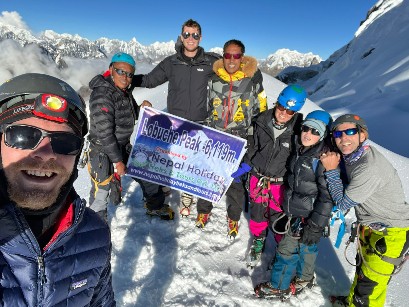
Everest Three High Pass Trek with Lobuche Peak
Overview If you want to experience the best Everest adventure in Nepal, this is it. The Everest Three High Pass...
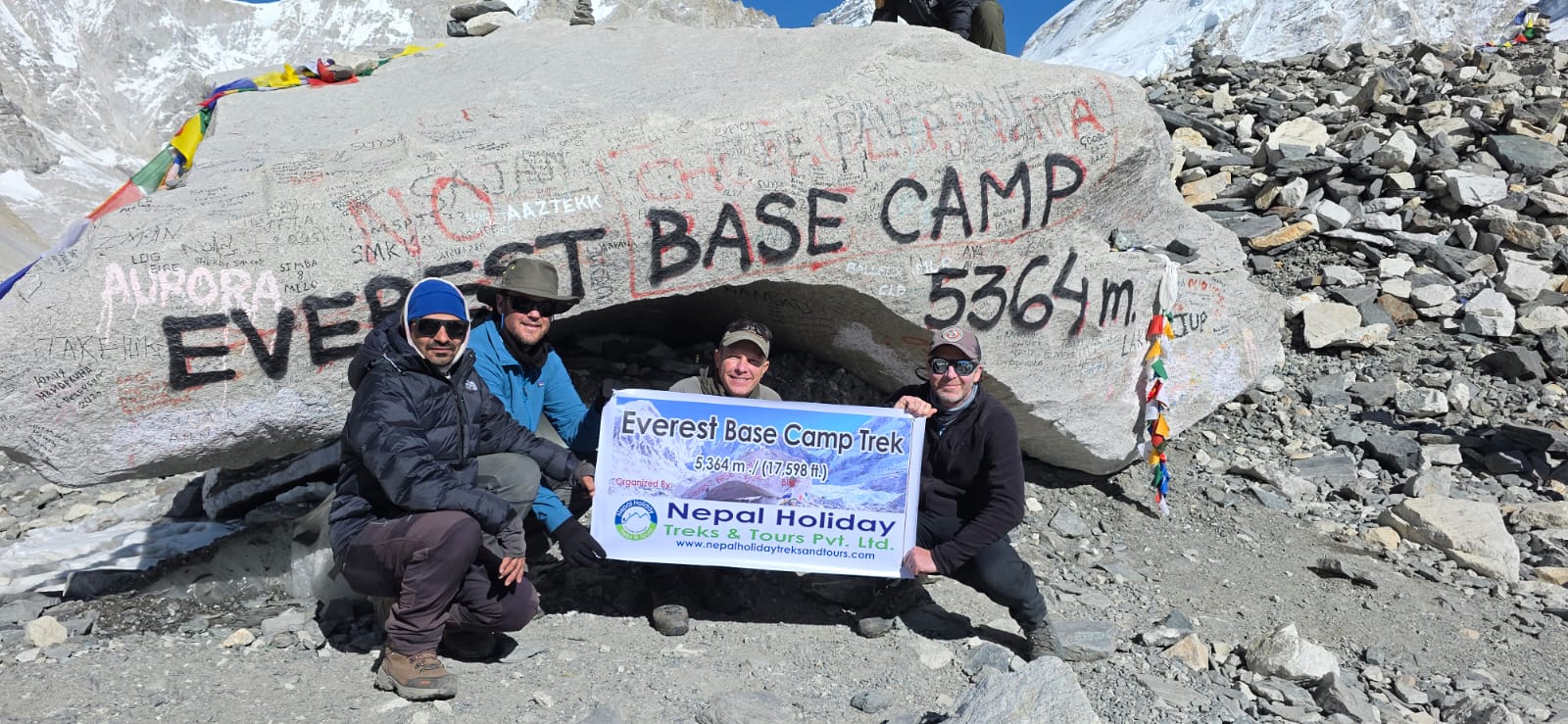
Everest Base Camp Luxury Trek
The Everest Base Camp Luxury Trek is a magnificent Himalayan experience without giving up on luxury. A well-planned journey...
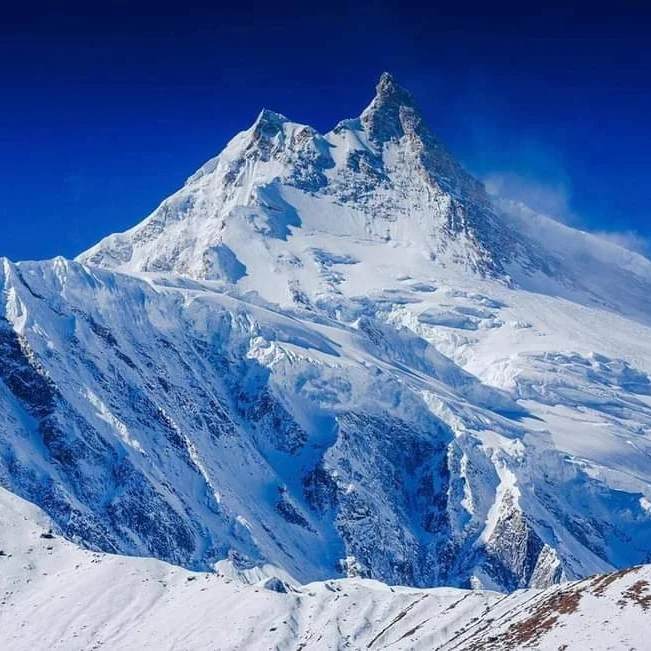
Short Manaslu Tsum Valley Trek
An 17 days trek, the Short Manaslu and Tsum Valley Trek engages trekkers to an adventure close to Mt....
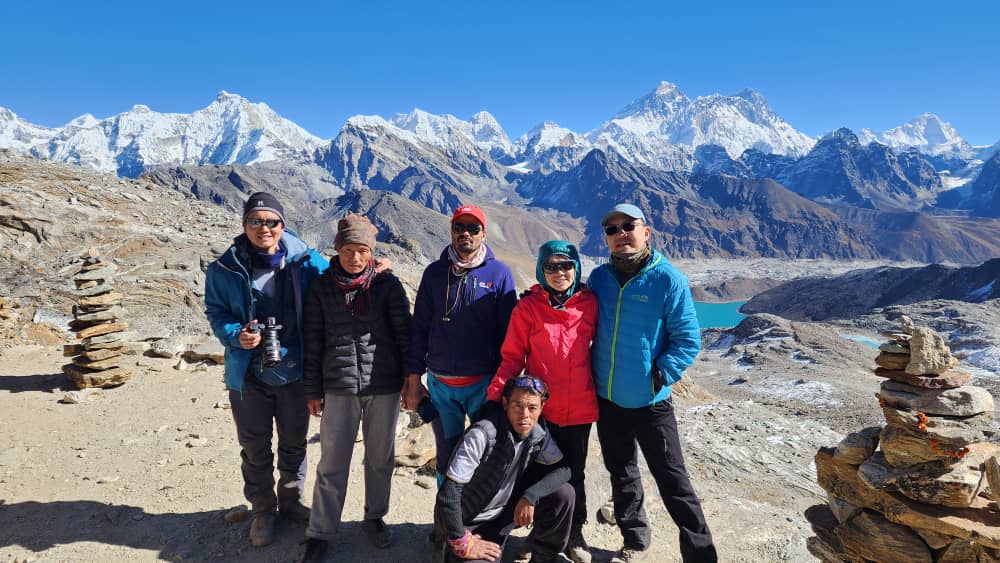
Gokyo Valley Trek Via Renjo-La Pass
Your getaway from the typical trekking route to Everest Base Camp is the Gokyo Valley Trekking. This trekking adventure...
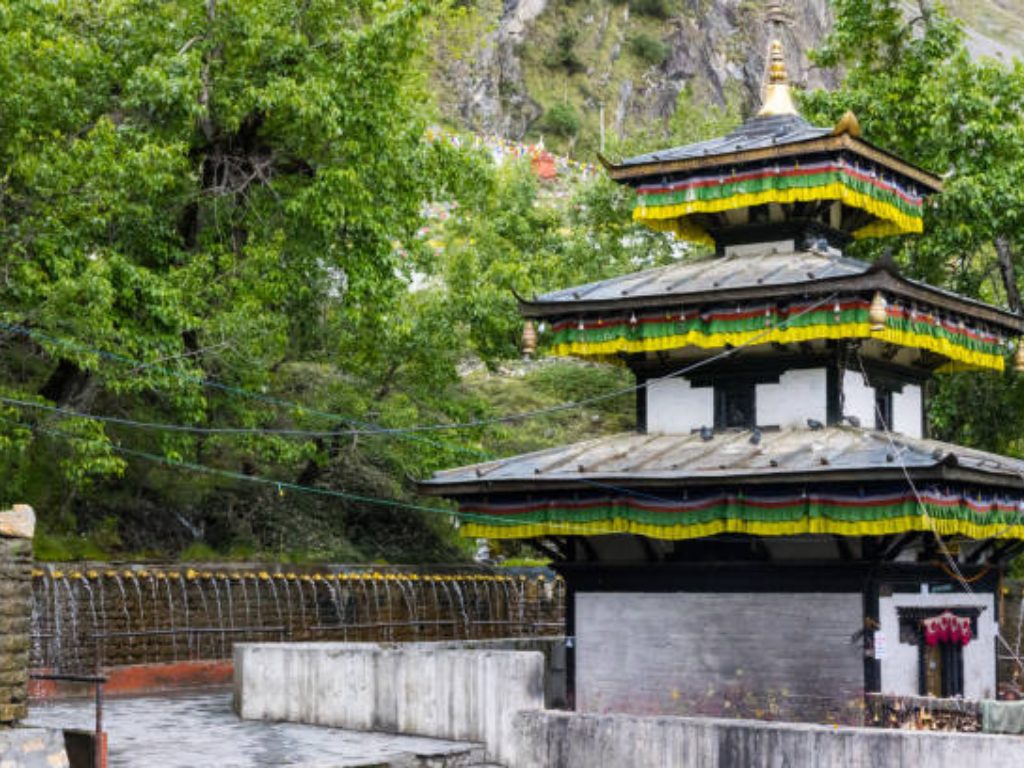
Jomsom Muktinath Trek
Nepal is a stunning country in the Himalayas with magnificent mountains. These mountains’ foothills make for ideal walking terrain....