
Everest Base Camp Vs Annapurna Base Camp : Which Trek Is Better?
Posted by: Nepal Holiday Treks and Tours on July 21, 2026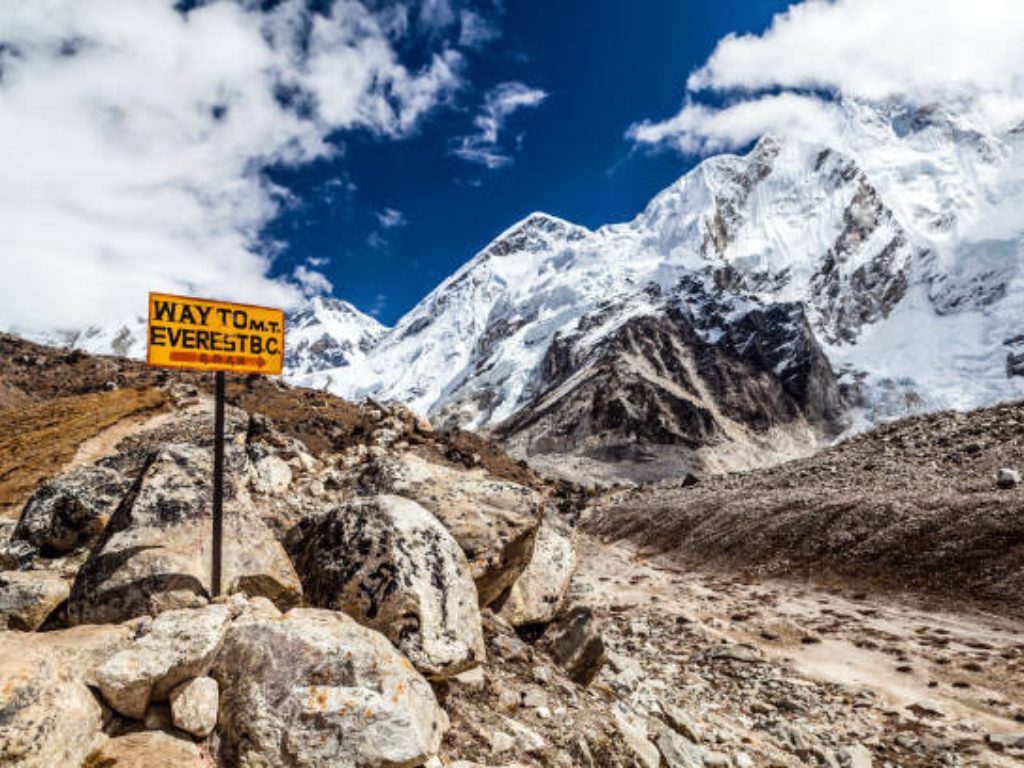
If you are dreaming of trekking in Nepal, you have probably heard of two legendary trails: Everest Base Camp (EBC) and Annapurna Base Camp (ABC). Both trails are famous around the world. Both take you deep into the Himalayas. But they are not the same trek.
In this guide, we will compare both treks in simple, easy to understand English – no confusing jargon, just honest, practical information so you can decide which trail fits you best.
Quick Comparison at a Glance
Max Altitude
- Everest Base Camp: 5,364m (Kala Patthar: 5,545m)
- Annapurna Base Camp: 4,130m
Duration
- Everest Base Camp: 12 to 14 days
- Annapurna Base Camp: 7 to 10 days
Difficulty
- Everest Base Camp: Hard
- Annapurna Base Camp: Moderate
Transportation
- Everest Base Camp: Flight to Lukla
- Annapurna Base Camp: Drive to Pokhara
Cost
- Everest Base Camp: Higher
- Annapurna Base Camp: Lower
Crowd Level
- Everest Base Camp: Very busy
- Annapurna Base Camp: Busy but less than EBC
The Views: Two Different Kinds of Beautiful
Everest Base Camp
EBC gives you the feeling of standing at the roof of the world. Every single day, you walk a little closer to Mount Everest, the tallest mountain on earth, while other giants slowly reveal themselves along the way – Lhotse, Nuptse and Ama Dablam. As you climb higher, the trail changes completely. Trees disappear, the air gets thinner and the landscape turns raw, dry and almost lunar. Glaciers, moraines and grey rock replace the greenery you started with. It does feel like you are walking into the sky itself and that is exactly why so many trekkers put Everest Base Camp at the top of their bucket list.
Annapurna Base Camp
ABC tells a completely different story. Instead of a slow climb into a bare high altitude world, you move through thick rhododendron forests, past waterfalls, rivers and stone built villages carved into the hillsides. The colors change as you climb – deep green forest giving way to a natural amphitheater of peaks. There, the entire Annapurna range wraps around you on almost every side. It is a view that does not just impress you from a distance, it surrounds you. Many trekkers describe ABC as feeling more personal and intimate like the mountains are close enough to touch rather than towering far above in the distance.
In Short: Everest Base Camp is about scale, drama and standing beneath the world’s most famous mountain. Annapurna Base Camp is about immersion – walking through changing landscapes until the mountains surround you completely. Both views are beautiful – they are simply two different kinds of unforgettable.
Difficulty and Altitude Sickness Risk
This is probably the biggest difference between the two treks and it is one most people overlook until they are already on the trail.
Everest Base Camp
EBC takes you above 5,000 meters and Kala Patthar goes even higher, to about 5,500 meters. Up there, you get roughly half the oxygen that you breathe at sea level, so even slow, steady walking will make you work hard. Altitude sickness is a very real danger here, which is why any decent itinerary includes acclimatization days, at the very least in places like Namche Bazaar and Dingboche. It is not just about being fit, you also need mental stamina. The days are long, the air is thin and mornings at high camps can be brutally cold.
Annapurna Base Camp
ABC sits at around 4,130 meters. That is still high enough for you to notice thinner air and get a mild headache, but it is well below the altitude where serious sickness becomes a real risk. Most healthy trekkers come away from the Annapurna region just fine, even without years of trekking experience.
So which one should you choose?
If you have no idea how your body responds to altitude and this is your first real mountain trek, Annapurna Base Camp is the smarter, gentler place to start. The Everest Base Camp trek, on the other hand is better suited to trekkers who are ready for the physical and mental demands of high altitude.
Time Needed
Everest Base Camp
EBC usually takes 12 to 14 days from start to finish. That includes the flight to Lukla, several acclimatization days built in along the route and the walk back once you have reached the base camp (or Kala Patthar for sunrise view). Add travel days before and after and you are realistically looking at over two weeks away from home.
Annapurna Base Camp
ABC is a much shorter commitment, typically completed in 7 to 10 days. There is no domestic flight involved, you simply drive from Pokhara to the trailhead which also removes the risk of flight delays caused by bad mountain weather, a common problem on the EBC route.
If your holiday time is tight or you simply do not want to spend two full weeks trekking, Annapurna Base Camp is the best experience for you with world class scenery.
Cost
Everest Base Camp
It costs more overall, mainly because of the Lukla flight – one of the most expensive short domestic flights in Nepal and one that is notorious for weather delays and cancellations. On top of that you are paying for more trekking days, additional permits and lodge and food prices that climb steadily higher the further you go into the Khumbu region, since everything has to be carried in by porter or yak.
Annapurna Base Camp
It is noticeably more budget friendly. It is shorter, it does not require a flight, road access goes closer to the start of the trail and teahouse prices along the route are generally lower than what you will find on the way to Everest.
If you are travelling on a limited budget, ABC is suitable for you rather than EBC.
Culture along the Way
The people and traditions you encounter are just as much a part of these treks as the mountains themselves.
Everest Base Camp
It takes you through Sherpa villages like Namche Bazaar, Tengboche and Dingboche. Along the way, you will pass Buddhist monasteries, colorful prayer flags fluttering in the wind and stone Mani walls carved with sacred mantras. There is also a strong mountaineering heritage woven into this region – this is the very same route used by many of the climbers who go on to summit Everest itself and you can feel that legacy in the lodges, the local stories, and the framed photos on teahouse walls.
Annapurna Base Camp
It introduces you to a different world entirely, passing through Gurung and Magar communities with their own distinct food, traditions and traditional stone and slate architecture. The lower, forested sections of the trail also add another layer to the experience, filled with birdsong, rhododendron blooms and a sense of nature constantly changing around you as you climb.
Both routes offer a genuine window into Nepal’s incredible cultural diversity – you are simply seeing two different sides of it.
Route Overview
Everest Base Camp
Everest Base Camp trek starts with a flight to Lukla and honestly that flight alone is a beautiful experience. From Lukla, you walk through some of the most well-known Sherpa villages in the world, places like Namche Bazaar, Tengboche and Dingboche. The trail keeps climbing but slowly with rest days built in so your body can catch up with the altitude. By the time you reach Lobuche and then Gorak Shep, you are close. Most people also wake up early to climb Kala Patthar for sunrise, since that is where you get the best view of Everest itself, better than base camp in some ways. After that you simply walk back down the same trail.
Annapurna Base Camp
This one starts differently. Instead of flying, you drive from Pokhara straight to the trailhead, so there is no waiting around for flight delays. You pass through villages like Ghandruk and Jhinu Danda, walking through forest and past terraced fields as you slowly gain height. Chhomrong, Himalaya and Deurali come next and then the trail opens up completely near the end. That is the moment mountains suddenly surround you on almost every side. Most trekkers head back the same way and a lot of them stop at Jhinu Danda for a hot spring soak, which feels amazing after days of walking.
Basically: EBC is longer, higher and takes you through classic Sherpa country into a wild, high altitude world. ABC is shorter, greener and ends with the mountains closing in around you like a natural amphitheater. Two different journeys, both worth it.
Safety
Both treks mentioned here are quite safe if you are sensible and do not rush them.
Everest Base Camp
The most important issue here is altitude. Once you reach 5,000 meters your body needs time to acclimatize. So do not skip the rest days even if you feel okay. Many people want to push on faster but that is usually when altitude sickness catches up with them. Good travel insurance that covers high altitude and emergency rescue is another thing you really cannot skip. Also, the Lukla flight can be delayed due to weather, so it is wise to leave a day or two extra in your plan just in case.
Annapurna Base Camp
Altitude sickness is much less of a problem here, since ABC does not get that high. You might get a mild headache near base camp but for most healthy trekkers it is nothing serious. The biggest things to be mindful of are wet, slippery trails if you go during monsoon and sudden weather changes as you start ascending. Walking with a guide, decent gear and basic insurance is pretty much all you need here.
Who Should Choose Which Trek?
Choose Everest Base Camp if:
- You want the ultimate bucket list Himalayan experience
- You have good fitness and some trekking experience
- You have 2 weeks available
- Budget is not your main concern
Choose Annapurna Base Camp if:
- You want a slightly easier, safer trek
- You love forests, rivers and diverse landscapes not just high peaks
- You are travelling with family or as a first time trekker
Can You Do Both?
Yes, absolutely and many trekkers do exactly that. A common approach is to tackle Annapurna Base Camp first, treating it almost like a practice run. It lets you test how your body handles multi day trekking and moderate altitude, build up your fitness and confidence and simply enjoy everything the Annapurna region has to offer. Once that is done, trekkers often return later to take on the bigger physical and mental challenge of Everest Base Camp.
Doing both is not just possible for many people, it becomes two of the most memorable trips of their lives.
Final Thoughts
There is no wrong choice here – both treks are incredible in their own way. Everest Base Camp is about chasing the world’s highest peak and testing your limits. Annapurna Base Camp is about walking through pure, layered Himalayan beauty in a shorter, friendlier trek.
Think about your time, fitness and budget, then pick the trail that matches your story. Either way, you will come home with memories that last a lifetime.
Frequently Asked Questions
Is Annapurna Base Camp easier than Everest Base Camp?
Yes, Annapurna Base Camp is generally considered easier due to lower altitude, shorter duration and less risk of altitude sickness.
Do I need prior trekking experience for EBC?
Beginners can also do Everest Base Camp Trek but with proper preparation.
What is the best season for these treks?
Both treks are best done in spring (March to May) and autumn (September to November) when the weather is clear and stable.
Can I trek to Annapurna Base Camp without a guide?
Yes, you can but it is not really recommended, especially if it is your first time trekking in Nepal. A guide helps with permits, navigation, local knowledge and safety – and honestly it makes the whole trip a lot smoother and more enjoyable.
Is there mobile network and Wi-Fi on these treks?
Yes, both routes have decent connectivity these days. Most teahouses offer Wi-Fi for a small fee and local SIM cards work in most places, though the signal can get weaker the higher you go.
Can I see Mount Everest from Annapurna Base Camp?
No, Everest is not visible from ABC since they are in completely different mountain ranges. From ABC, you get close up views of the Annapurna range instead, including Annapurna I, Machhapuchhre and Hiunchuli.
Related Blogs
How Difficult is the Langtang Valley Trek
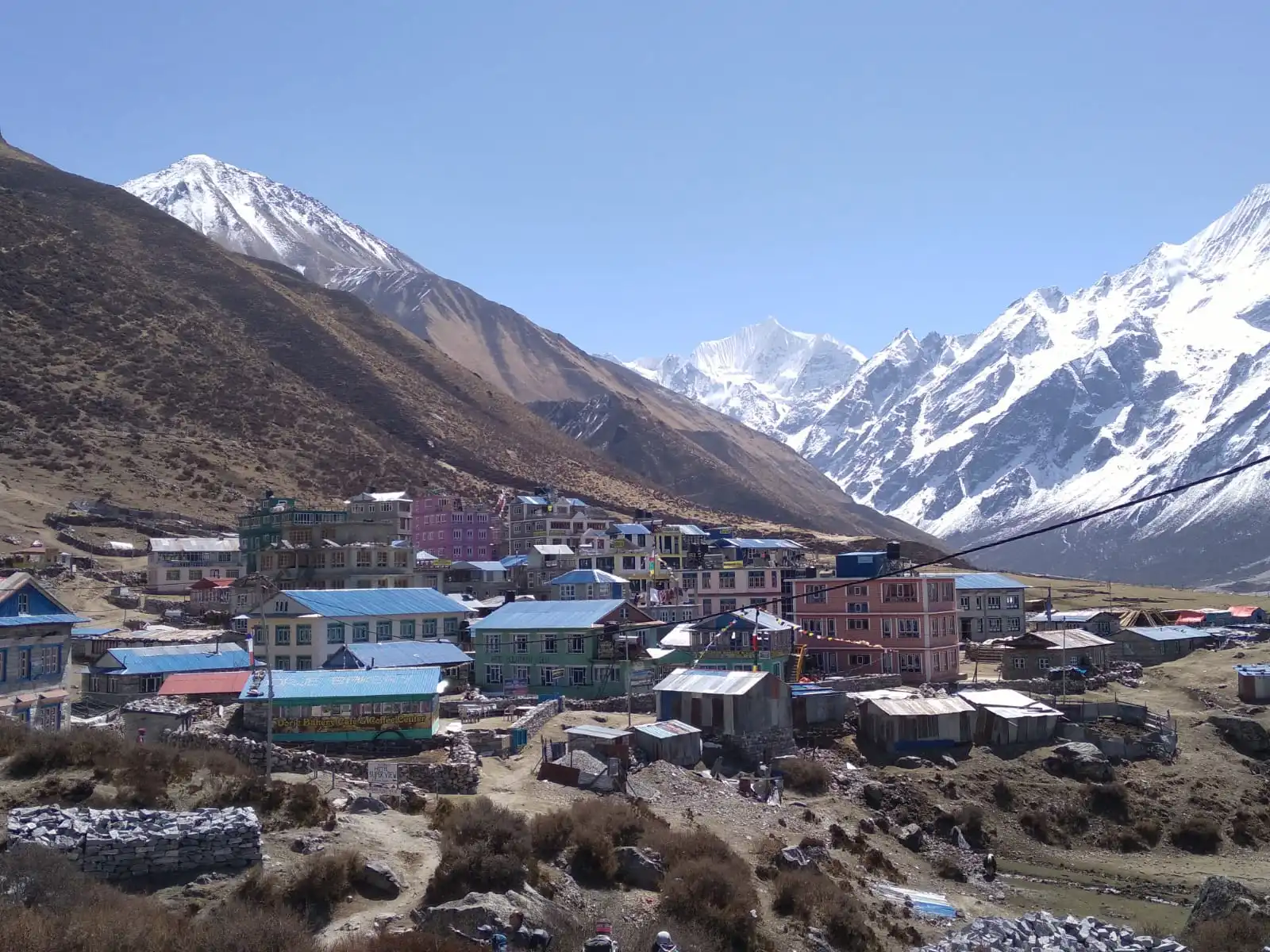
I still remember the first time I stood at Kyanjin Gompa and gazed out at the Langtang Lirung glacier, an ice and rock wall so massive it seemed to be breathing. Behind me, a party of trekkers I had led from Kathmandu was hushed, their hands around cups of butter tea, utterly enraptured. One of them looked […]
Rhododendron Flowers: Nepal’s Colorful Himalayan Blossoms
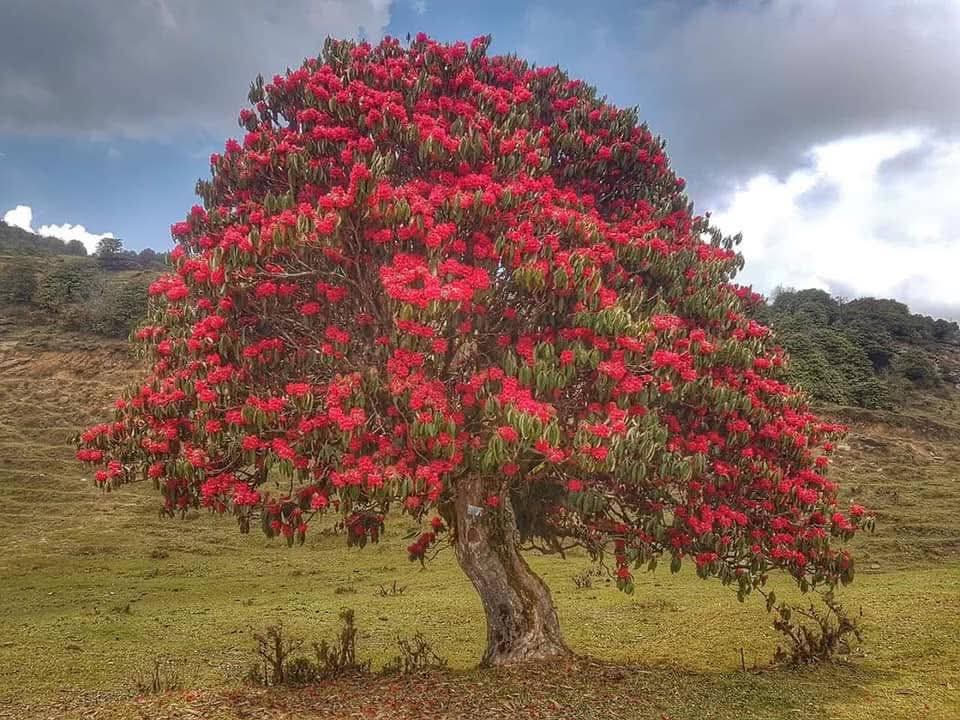
There is a moment, somewhere on the trail between Ghorepani and Poon Hill, when the forest just changes. One minute you are walking through bare oak and pine, your boots crunching on last night’s frost and then almost without warning, the entire hillside catches fire. Not real fire. Something better. Thousands of rhododendron trees in […]
Best Family Trekking Holiday in Nepal for Kids
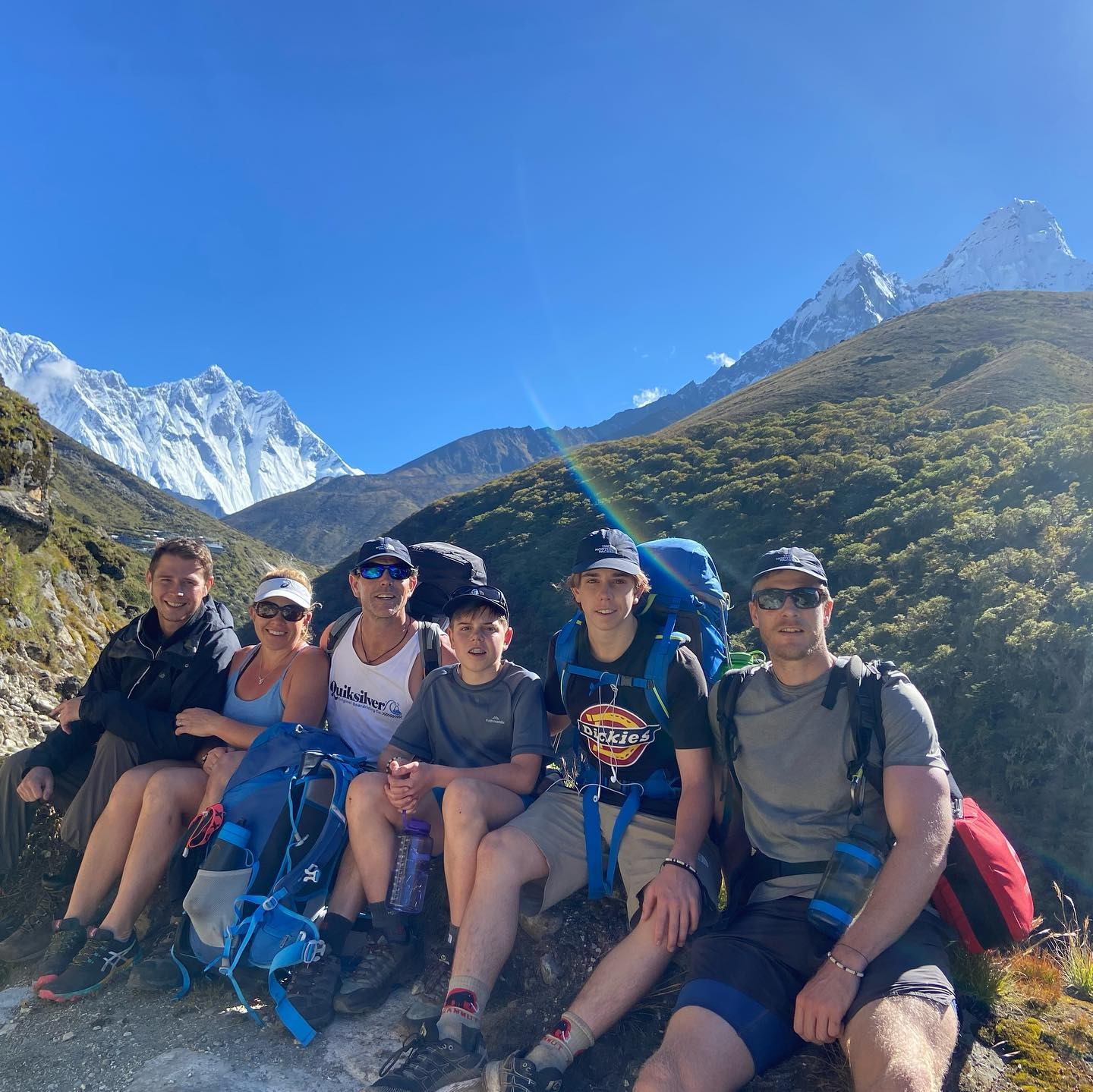
I want to start this guide with something I tell every parent who contacts me before their first Nepal trek. You are not being reckless by bringing your children here. You are giving them something extraordinary. I have been guiding families through the hills and valleys of Nepal since 2009. I have walked these trails […]