
Best Family Trekking Holiday in Nepal for Kids
Posted by: Nepal Holiday Treks and Tours on May 31, 2026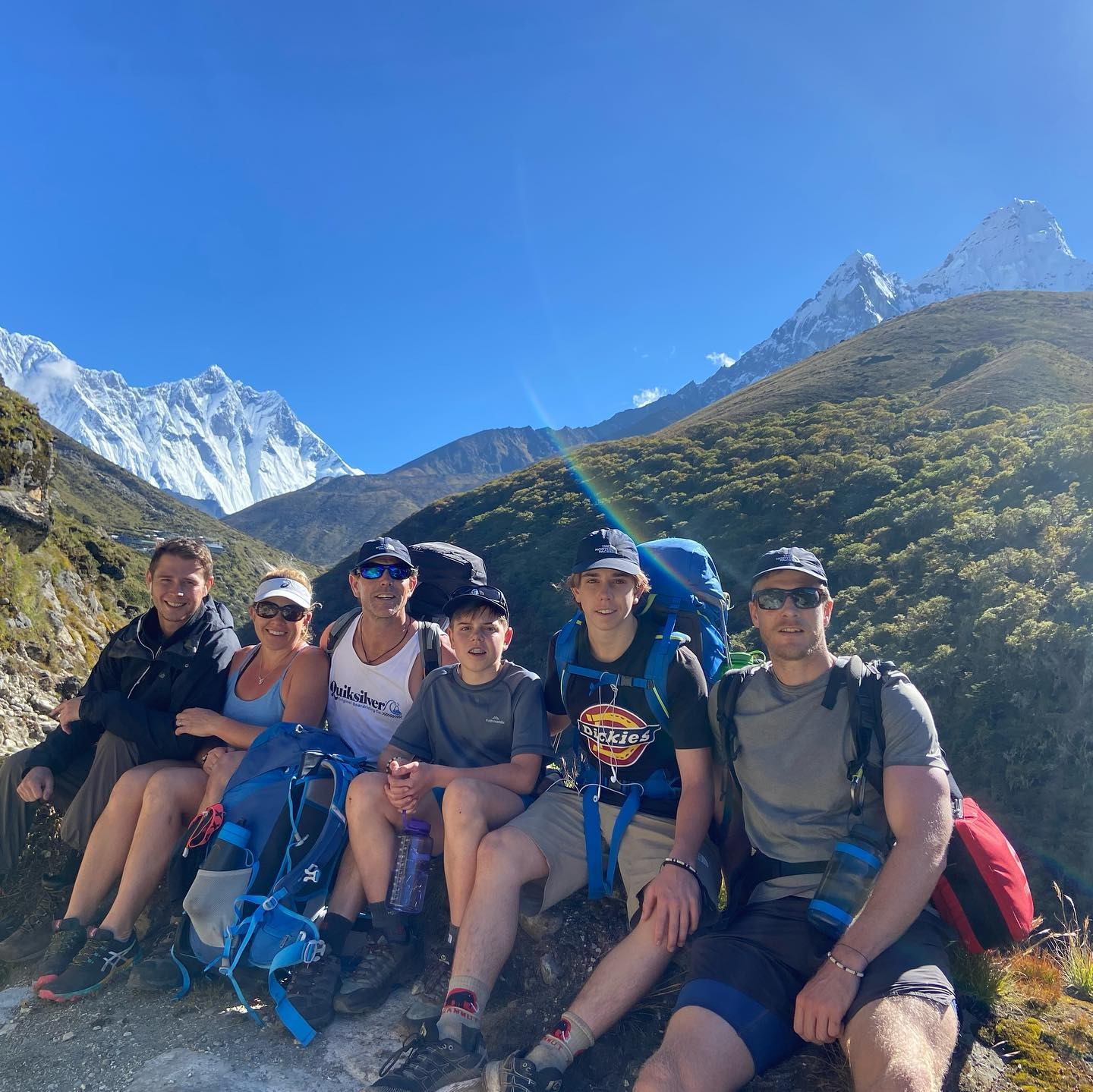
I want to start this guide with something I tell every parent who contacts me before their first Nepal trek.
You are not being reckless by bringing your children here. You are giving them something extraordinary.
I have been guiding families through the hills and valleys of Nepal since 2009. I have walked these trails with four year olds on their first ever hike and with teenagers who arrived staring at their phones and left staring at the mountains. I have watched kids who were terrified of sleeping somewhere unfamiliar become children who set up their sleeping bags with complete confidence by day three. I have seen families arrive as four individuals and leave as a proper team.
A family trekking holiday in Nepal does something to people. And once you understood how accessible and genuinely child- friendly it really is, the question stops being “should we do this?” and becomes “why haven’t we done this already?”
This guides covers everything – the best routes for kids, the right age to start, how to keep children happy on the trail, what to pack, when to go, how much it costs and all the practical details that make the difference between a smooth adventure and a stressful trip. I am writing it the way I wish someone had written it for me when I first started bringing families into these mountains.
Let’s get into it.
Why Nepal is one of the Best Countries in the World for a Family Trekking Holiday?
Before I get into specific routes, I want to explain why Nepal specifically works so well for families with children because the reasons are not obvious until someone explains them to you.
The trails pass through living villages, not empty wilderness. This is one of the biggest things that makes Nepal different from trekking. Every few hours on the trail, you walk through a real village – children playing in courtyards, women carrying baskets, farmers tending their terraced fields, monks sitting outside small monasteries. For children, this constant human activity makes the trek feel like an adventure story, not just a long walk. There is always something to look at, ask about and wonder over.
The teahouse system was practically designed for families. You do not need tents, sleeping mats, cooking stoves or any camping equipment. Every night, you arrive at a teahouse, order hot food from a proper menu and sleep in a warm bed. The menus include dal bhat, noodle soup, pasta, rice dishes, eggs, pancakes and hot chocolate. Kids eat well. Parents sleep properly. This makes logistics dramatically simpler when you are travelling with children.
The altitude on family-friendly routes is completely manageable. Many of the best family treks in Nepal stay comfortably below 3,500 meters – high enough for dramatic mountain scenery, low enough that altitude sickness is rarely a serious issue when you ascend at the right pace. You do not need oxygen, technical gear or any mountaineering experience.
Nepali people are genuinely wonderful with children. I have seen it hundreds of times. A child walks into a teahouse kitchen and within five minutes the owner’s wife is teaching them to roll chapati dough. Local kids appear from nowhere and drag your children off to play football in a field. Elderly village men pulls coins from behind ears. Nepali culture is deeply family-oriented and international children are welcomed with a warmth that is completely genuine.
Short and flexible itineraries are available. This is not Mount Everest. Some of the very best family treks in Nepal take just three to five days. You can extend them if things are going brilliantly or cut them short if someone is struggling. That flexibility is incredibly important when you are travelling with unpredictable children.
What Age Can Kids Start Trekking in Nepal?
This is the single most common question I receive and I am going to give you an honest, experienced based answer rather than a generic one.
Ages 4 to 6: Yes, it is possible but only on the gentlest routes and only with realistic expectations. Children this age can walk two to three hours a day on easy terrain. They will need to be carried for some sections. They get tired, cold and hungry quickly and they need constant snacks and encouragement. Dhampus, Australian Camp and the Nagarkot area are realistic options. Do not attempt high passes or long days with this age group.
Ages 7 to 9: This is where things start to open up significantly. Children aged seven to nine can handle lower sections of Langtang valley and the Royal Trek are all very realistic. Kids this age are often the most curious and engaged on the trail, they ask brilliant questions, notice wildlife, collect interesting rocks and generally have far more energy than their parents.
Ages 10 to 12: A genuinely adventurous age for the trekking in Nepal. Children in this range can handle Poon Hill, Langtang Valley (full route to Kyanjin Gompa), Mardi Himal and with good fitness preparation, Annapurna Base Camp. They respond well to challenge and responsibility. Give them a proper role on the trek, carrying their own daypack, navigating with a map, recording the trip in a journal and they rise to it every time.
Ages 13 and above: Teenagers can realistically handle most of the routes I will cover in this guide, including more demanding ones. The key is making them fell active participants rather than passengers. Teenagers who feel like they are along for their parent’s trip have a different experience from teenagers who feel likely they are along for their parent’s trip have a different experience from teenagers who feel like they are on their own adventure. A good guide can make all the difference here.
The Best Family Treks in Nepal for Kids
Ghorepani Poon Hill Trek
- Duration: 4 to 6 days
- Max altitude: 3,210m
- Difficulty: Easy to moderate
- Best age: 4+
If you ask me which trek to do with kids on your first Nepal trip and this is always my answer.
From Nayapul near Pokhara, you walk through rhododendron forests and Gurung villages to the famous Poon Hill sunrise viewpoint. Annapurna, Dhaulagiri and the sacred Machhapuchhre glowing gold at dawn. I have seen it dozens of times and it still stops me cold.
Daily walks are four to six hours at an easy pace with teahouses every couple of hours. Do the full loop – up via Ghorepani, down via Tadapani to Ghandruk, the scenery is different every day and the Gurung village of Ghandruk at the end is one of the warmest, most beautiful places in all of Nepal.
Why kids love it: The pre-dawn Poon Hill trek feels excitingly rule breaking. The spring rhododendron forests feel like a fairytale. And reaching Ghandruk with giants of the Himalaya all around gives everyone, included adults a real sense of having earned something.
Annapurna Base Camp Trek
- Duration: 10 to 13 days
- Max altitude: 4,130m
- Difficulty: Moderate
- Best age: 7+
For families who want a real challenge, the kind that produces stories your kids will still tell as adults – Annapurna Base Camp delivers like nothing else.
The trail follows the lush Modi Khola valley through rhododendron forests and alpine meadows before arriving at ABC itself: a natural amphitheater completely ringed by some of the highest mountains on Earth. Annapurna I (8,091m), Annapurna South, Hiunchuli and Gangapurna tower above you on all sides. Standing inside that circle of giants with your children is one of the most powerful moment Nepal offers.
Altitude is real at 4,130m, ascend gradually, take rest days seriously and keep an eye on everyone. With a sensible pace and a good guide, families with kids aged 7 and above complete this trek regularly and come home quietly transformed.
Why kids love it: Older children feel the full weight of what they actually accomplished. Five days of real uphill walking to stand at the base of an 8,000m peak builds a kind of confidence you simply cannot manufacture any other way.
Everest Panorama Trek
- Duration: 7 to 10 days
- Max Altitude: 3,880m
- Difficulty: Moderate
- Best Age: 5+
The Everest Panorama Trek gets your family everything that matters – real Everest views, Sherpa culture, ancient monasteries and the full Khumbu atmosphere without crossing into dangerous altitude.
The flight into Lukla alone is something children describe for years. Then it is on to Namche Bazaar, Tengboche Monastery and Khumjung village, walking through the legendary Sherpa heartland with the world’s highest peaks visible on almost every clear day. From Tengboche at 3,860m, Everest, Lhotse, Nuptse and Ama Dablam are laid out across the skyline in a way that genuinely takes your breath away.
Families with fit, altitude ready teenagers can optionally add the Kala Patthar ascent (5,545m) for the classic Everest summit view but treat that as a bonus for the right family, not the default.
Why kids love it: The Lukla flight. The yaks blocking the trail. Namche Bazaar perched on a steep hillside like something from an adventure novel. And the first moment Everest appears above the ridge, they never forget it.
Mardi Himal Trek
- Duration: 5 to 7 days
- Max altitude: 4,500m
- Difficulty: Moderate
- Best age: 10+
Mardi Himal is the Annapurna region‘s best kept secret and for families with older kids or teenagers, that is exactly the point.
The trail climbs steeply through beautiful rhododendron and oak forest before breaking out onto a dramatic high ridge with jaw dropping close-up views of Machhapuchhre, Mardi Himal and the full Annapurna massif. At High Camp, the mountains are so close and so enormous they fill your entire field of vision. No crowds, no queues of other trekkers, just your family, the ridge and some of the most breathtaking scenery in the Himalayas.
Because this route is less visited than Poon Hill or ABC, the sense of wilderness feels completely real. You are not following a crowd. You are actually exploring and teenagers feel that difference immediately.
Why kids love it: The physical challenge is real and teenagers know it. Reaching 4,500m after days of serious climbing builds a very specific kind of quiet confidence. I have guided kids on this trek who arrived with earphones in and arms folded and finished it asking when they could come back.
Everest Base Camp Trek
- Duration: 14 to16 days
- Max altitude: 5,364m
- Difficulty: Challenging
- Best age: 14+
This is the one, families dream about. Everest Base Camp is not easy, it is not short and it does not forgive poor preparation. But for families with fit teenagers who are serious about the challenge, it is one of the greatest shared experiences you will ever have.
From the legendary flight into Lukla, you trek through the heart of Sherpa country like Namche Bazaar, Tengboche Monastery, Dingboche, Lobuche, all the way to Base Camp at 5,364m at the foot of the world’s highest mountain. The scale of everything up here is genuinely hard to describe. The Khumbu Icefall crashing down from above. Prayer flags whipping in the wind. The summit of Everest visible above the West Ridge. You feel very small and very alive at the same time.
Acclimatization is everything on this trek. Build in proper rest days at Namche and Dingboche, never rush the altitude and make sure your guide knows exactly what to watch for. With the right preparation and a licensed, experienced guide, fit teenagers aged 14 and above complete EBC every season.
Why kids love it: Standing at Everest Base Camp after two weeks of hard walking is one of the most earned feelings a young person can experience. Teenagers who complete this trek come home different, more patient, more resilient aware of what they are genuinely capable of.
Langtang Valley Trek
- Duration: 7 to 9 days
- Max altitude: 3,870m
- Difficulty: Moderate
- Best age: 5+
Langtang trek is my personal favorite for families who want something wilder and less walked. Beautiful valley scenery, ancient Buddhist monasteries and wildlife children absolutely love red pandas in the lower forests, Himalayan monals in the clearings, langur monkeys near the villages and enormous yak herds across the upper meadows.
At Kyanjin Gompa, a local cheese factory has been making yak cheese the traditional way for generations. Watching it made and eating it fresh with bread and honey is the kind of simple experience kids talk about for months after they get home.
Worth knowing: the 2015 earthquake devastated Langtang Village. The community rebuilt with remarkable resilience. Trekking here puts money directly into the hands of families who earned every rupee of it.
Why Kids love it: Wildlife spotting keeps everyone alert all days. Yak encounters at Kyanjin are genuinely thrilling. And the sense of exploring somewhere genuinely less visited gives children a real feeling of discovery.
Dhampus and Australian Camp Trek
- Duration: 2 to 4 days
- Max altitude: 2,100m
- Difficulty: Easy
- Best age: 4+
Trekking with toddlers or a grandparent joining the group? This is the one. Gentle trails through terraced farms and forest lead to extraordinary Annapurna views at Dhampus and Australian Camp, sweeping 270 degree Himalayan panoramas from an altitude low enough that there is zero concern for anyone.
I once guided a family with a 75 year old grandfather and a 5 year old granddaughter on the same trip. Both completed every section. The grandfather called it the best holiday of his life. The little girl asked to come back next year.
Why kids love it: Young children finish this trek feeling genuinely proud of themselves — because they actually did it themselves. The mountain views feel far bigger and more dramatic than anyone expects from such an easy, accessible walk.
Nagarkot to Dhulikhel Trek
- Duration: 1 to 3 days
- Max altitude: 2,175m
- Difficulty: Easy
- Best age: All ages
Short on time? Not sure if your family is ready for a longer trek? This ridge walk through the hills outside Kathmandu gives you real Himalayan views including Everest on a clear morning with almost no logistics at all.
Drive to Nagarkot, stay overnight at a mountain view guesthouse, catch the famous sunrise over the Himalaya, walk through pine forest to Dhulikhel and be back in Kathmandu by lunchtime. No complicated permits, no internal flights, no heavy planning.
Why kids love it: It is accessible enough to work even on skeptical children. Parents regularly tell me their kids arrived reluctant and left obsessed with trekking. The Himalayan sunrise from the Nagarkot ridge is one of those moments that quietly recalibrates everything.
Gokyo Lakes Trek
- Duration: 12 to 14 days
- Max altitude: 5,357m
- Difficulty: Moderate to Challenging
- Best Age: 7+
If you want the full Everest region experience but prefer something a little less trafficked than the main EBC highway – Gokyo is the answer.
The Gokyo valley is one of the most beautiful places in the entire Himalayas. A chain of glacial lakes at high altitude, their water an almost unreal shade of turquoise, surrounded by some of the world’s highest peaks. The climb to Gokyo Ri at 5,357m rewards you with a 360 degree panorama that many serious trekkers rate higher than the view from Kala Patthar – Everest, Cho Oyu, Lhotse and Makalu all visible at once.
The trail follows the same Lukla to Namche approach as EBC before branching off up the Gokyo Valley. Because the route diverges from the main EBC trail, the higher sections feel noticeably quieter and more peaceful – something families genuinely appreciate after the busy lower stretches.
Families who want the absolute Himalayan Adventure can combine Gokyo with EBC via the Cho La Pass – a high altitude crossing that is dramatic and unforgettable but requires good weather, sure footing and a very experienced guide.
Why kids love it: The Gokyo Lakes stop everyone in their tracks, the color of the water against the grey moraine and white peaks above is unlike anything children have seen in their lives. And the summit view from Gokyo Ri, with four 8,000m peaks visible at once, is the kind of panorama that makes even teenagers put down their cameras and just look.
Essential Tips for Trekking in Nepal with Kids
Always Hire a Guide: A licensed, experienced guide handles logistics, speaks Nepali with locals, watches for altitude symptoms before they become serious and keeps children engaged with stories and knowledge. For families especially, this is the single best investment you can make.
Hire a Porter too: Free yourself from heavy packs so you can focus entirely on your children. It is also direct, fair wage employment for a local person.
Pack the Right Snacks: Trail snacks are non-negotiable. Chocolate, dried mango, nuts and familiar treats from home provide crucial motivation in the last hour before the next teahouse.
Give Kids their Own Daypack: Children aged 7 and above carrying their own water, snacks and jacket feel like participants, not passengers. That sense of ownership changes everything.
Take Altitude Seriously: Above 3,000m never gain more than 300-500m of sleeping altitude per day. Take rest days. Know the symptoms of altitude sickness. A good guide will manage this but informed parents are the best second layer of protection.
Get Proper Travel Insurance: Helicopter evacuation from a remote trail costs thousands of dollars. Family travel insurance with trekking coverage and helicopter rescue included is completely non-negotiable.
Frequently Asked Questions about Family Trekking in Nepal
1. What is the minimum age for trekking in Nepal?
There isn’t an official minimum age. In practice, perfectly healthy children as young as 4 can handle the easiest routes. Choose the trail according to your child’s skills and stamina, not by their age on paper.
2.Is Nepal safe for family trekking with kids?
Yes, on the right trails, with a guide and proper preparation. The popular family trails are well-travelled, well supported and walked safely by thousands of families walking with kids every season.
3. Do I need guide for trekking in Nepal with children?
Absolutely. A guide can get permits, lead on the trail, watch for altitude symptoms and entertain kids along the route.
4. What food is available on Nepal treks for kids?
More than expected. Dal bhat, noodle soup, fried rice, eggs, pasta, pancakes and hot chocolate are virtually on every teahouse menu. For the long stretches between stops, take along some familiar snacks from home.
5. Do children need travel insurance for Nepal Trekking?
Yes, every member of the family needs it. Be sure it covers trekking at your route’s altitude and includes helicopter evacuation. A rescue flight without insurance costs thousands. With insurance, it’s free.
6. How do I prevent altitude sickness in my child?
Ascend slowly, take rest above 3,000m and keep everyone well hydrated. Never gain more than 300-500m of sleeping altitude per day. If your child has a persistent headache or nausea – rest. If it gets worse, come down at once. Don’t ever push through it.
7. What is the best time of the year to take kids trekking Nepal?
October is the greatest single month of the year – clear, crisp with perfect temperatures and breathtaking mountain views. March and April are a close second as rhododendron forests bloom. Stay clear of June to August - the monsoon rains make trails slippery, foggy and erratic.
8. How much does a family trek in Nepal cost?
A family trek total cost is based on the destination of this trek and season. There is no same price for the all trek packages, it varies as per destination and time of travel.
9. Can we combine the trek with other Nepali experience?
Absolutely and I always suggest it. A couple of days in the capital Kathmandu, a wildlife safari in Chitwan, Pokhara right after your trek and you have a classic Nepal family holiday that gets you mountains, culture and wildlife all on one trip.
How to Choose the Right Trekking Agency for your Family Trek in Nepal
Here is something nobody tells you when you start planning a Nepal family trek.
The agency you choose matters more than the route you pick.
I have seen families walk the most beautiful trails in the Himalayas and have a miserable time because their guide was unprepared, their logistics were chaotic and nobody was watching out for them. And I have seen families on very modest, short treks have the holiday of their lives because the right people were looking after them every single step.
Nepal’s trekking industry is enormous. There are hundreds of agencies, some outstanding, some genuinely dangerous to trust with your family. Here is exactly how to tell the difference.
- Check they are officially registered or not
- Ask specifically about family and children experience
- Verify your guide is government licensed and first aid trained
- Get a fully itemized quote
- Ask about their emergency protocol
- Ask about porter welfare
Your family deserves the best experience Nepal has to offer. Take the time to choose the agency that earns it.
Why Families Trust Nepal Holidays Treks & Tours
After everything I have just told you about choosing the right agency, let me tell you about ours.
Nepal Holiday Treks & Tours has been guiding families through the Himalayas for over 20 years. Not twenty years of sending people up trails and hoping for the best – twenty years of listening to parents, learning what families actually need on the mountain and building an operation around getting it right every single time.
Here is what that two decades of experience means for your family in practice.
- We offer licensed and experienced guide
- We are fully registered and licensed trekking and tour agency
- We build the itinerary as per your choice, time and preference
- Our porters and staffs are treated with full respect
- We are always with you before, during and after the trek
Contact us today and take the first step toward the holiday your family will talk about for the rest of their lives.
Related Blogs
Everest Base Camp Vs Annapurna Base Camp : Which Trek Is Better?
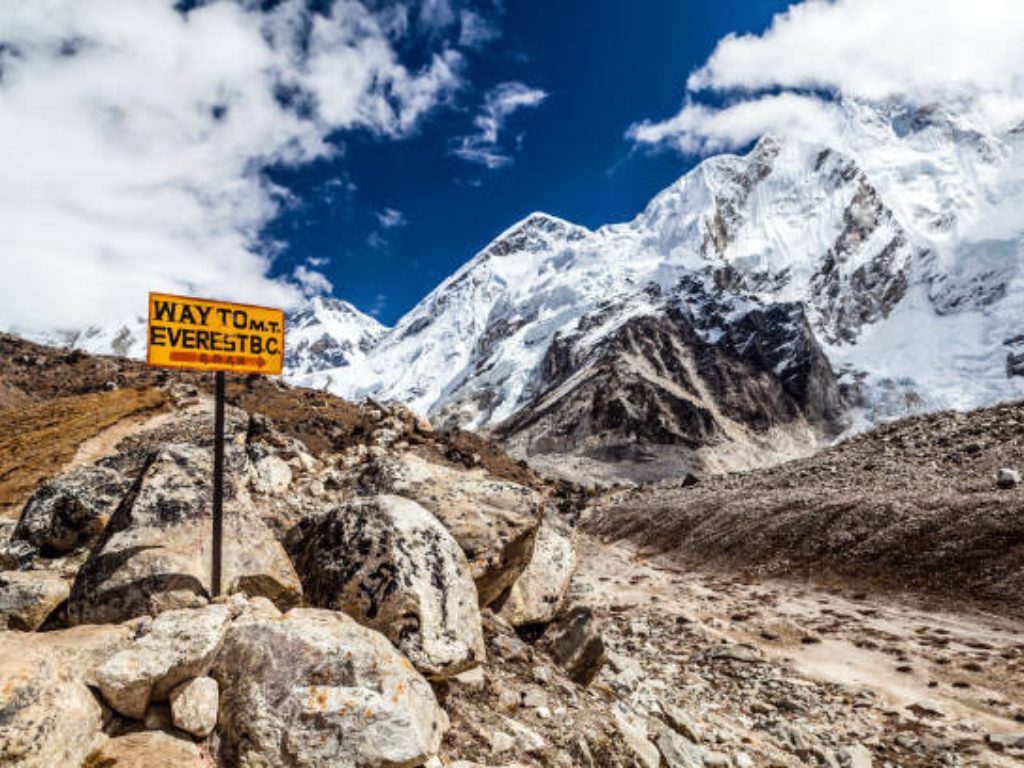
If you are dreaming of trekking in Nepal, you have probably heard of two legendary trails: Everest Base Camp (EBC) and Annapurna Base Camp (ABC). Both trails are famous around the world. Both take you deep into the Himalayas. But they are not the same trek. In this guide, we will compare both treks in […]
How Difficult is the Langtang Valley Trek
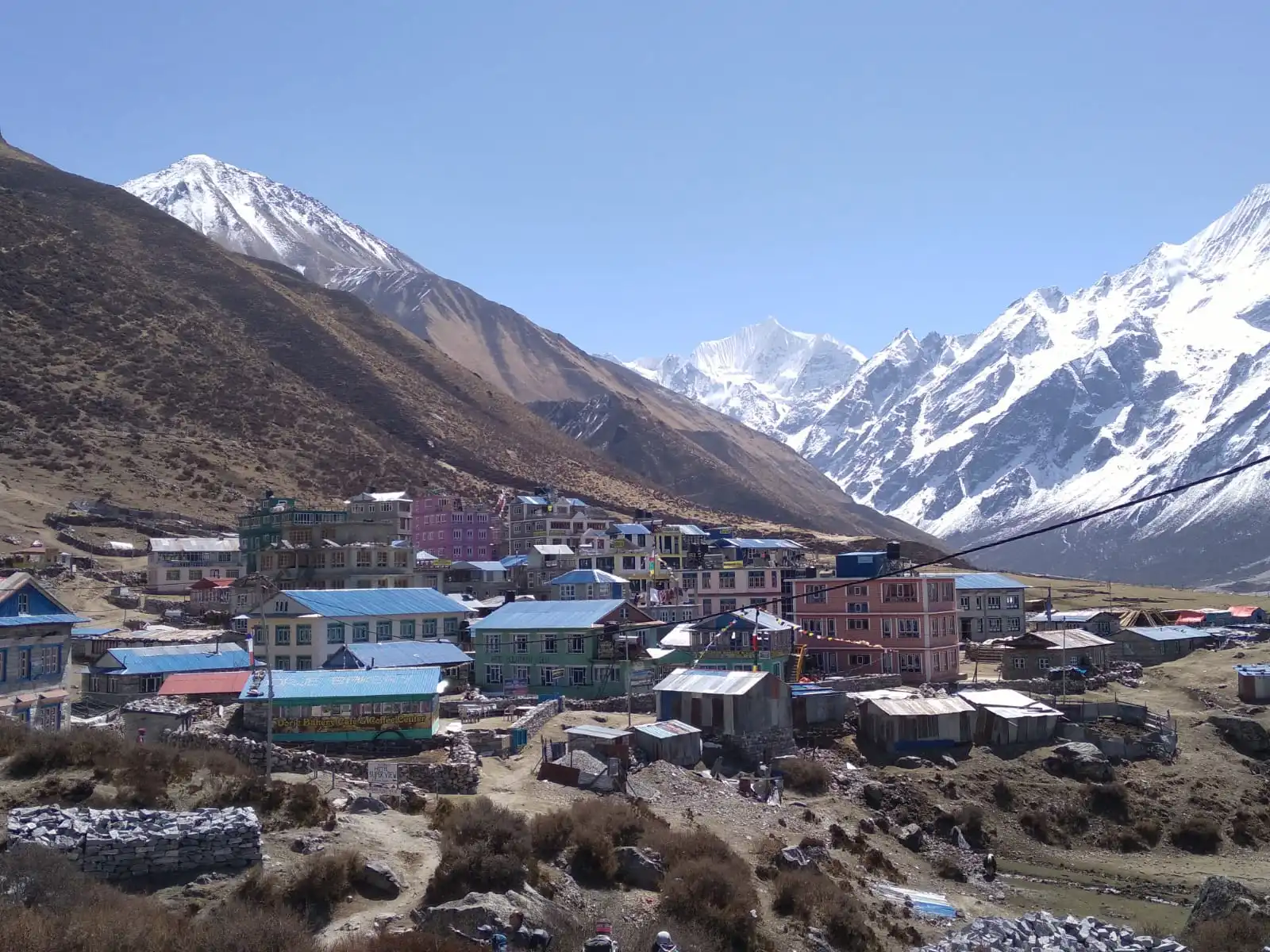
I still remember the first time I stood at Kyanjin Gompa and gazed out at the Langtang Lirung glacier, an ice and rock wall so massive it seemed to be breathing. Behind me, a party of trekkers I had led from Kathmandu was hushed, their hands around cups of butter tea, utterly enraptured. One of them looked […]
Rhododendron Flowers: Nepal’s Colorful Himalayan Blossoms
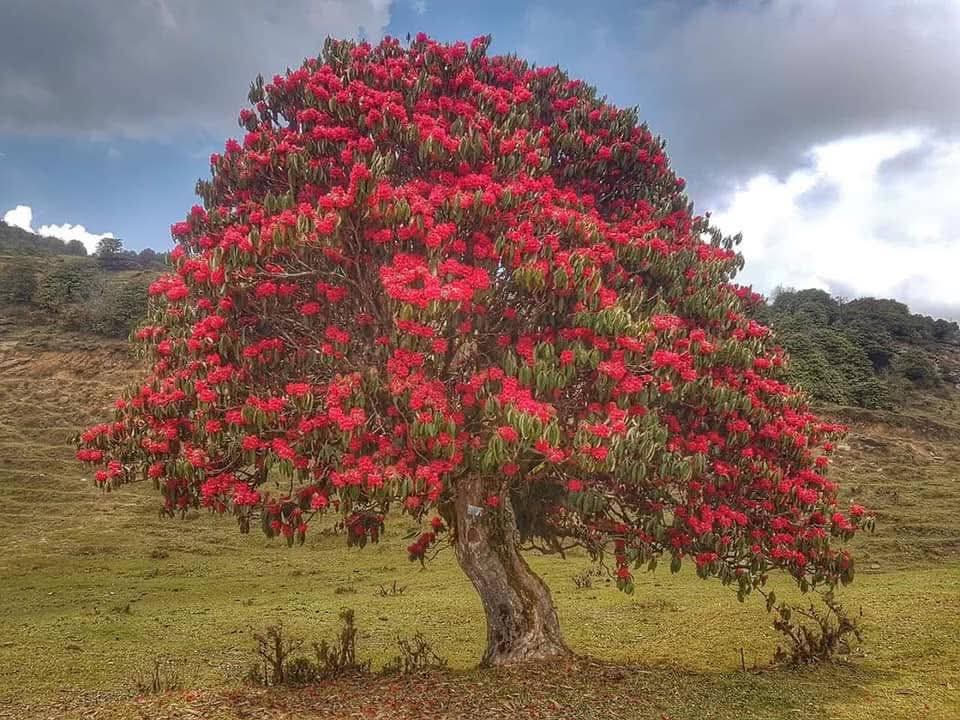
There is a moment, somewhere on the trail between Ghorepani and Poon Hill, when the forest just changes. One minute you are walking through bare oak and pine, your boots crunching on last night’s frost and then almost without warning, the entire hillside catches fire. Not real fire. Something better. Thousands of rhododendron trees in […]