Nepal Trekking Permits and Fees (2026)
Posted by: Nepal Holiday Treks and Tours on May 30, 2026
If you want to trek in Nepal, it is one of the best things you can do in your life. The mountains are beautiful, the people are kind and the trails are like nothing else in the world.
But before you pack your bag for and buy your flight for the trek, there is one thing you must understand and that is Permits.
For trekking on the beautiful trails of Nepal you will need permits. And in 2026, the rules have changed a little bit. If you see old information from old blogs, you might get into trouble at a checkpoint. So let me explain everything clearly and simply.
Why Do You Need a Trekking Permit in Nepal?
This should be your question. You are just walking in the mountains. Why do you need a permit?
Well, Nepal uses the permit fees for some very good reasons:
- To protect the environment: The Himalayas are very fragile. The money helps clean trails, manage waste and protect nature.
- For your safety: If something goes wrong like a storm or an accident, authorities can find you because your information is registered.
- To support local people: The money from permits goes to build schools, health posts and roads in remote villages.
So when you pay for a permit, you are not just following a rule. You are actually helping the mountains and the people who live there. That feels good, right?
Big Changes in 2026 – What is New?
Before we talk about fees, let me tell you what has changed this year. This is important.
No More Paper TIMS Card (In Many Areas)
The old TIMS (Trekkers Information Management System) card was a simple paper card. Now Nepal uses a digital e-TIMS with a QR code. Checkpoints will scan it. It is faster and more modern.
Also TIMS is no longer needed in the Everest (Khumbu) and Annapurna regions. Many old websites still say you need it there, that information is wrong in 2026. However, TIMS is still required in Langtang, Manaslu and some western areas of Nepal.
You Must Hire a Licensed Guide
This is a big one. Nepal now strictly enforces that all foreign trekkers must have a licensed guide on all major trails. You cannot trek alone without a guide in national parks and conservation areas.
A guide costs around $30 to 40 per day.
Solo Trekkers Can Now Get Restricted Area Permits
This is actually good news. Before 2026, if you wanted to trek in a restricted area like Upper Mustang, you needed it to be in a group of at least two people. As of March 2026, solo trekkers can now apply for these permits too. You still need a guide but you do not need a trekking partner anymore.
Digital Checkpoint with QR Codes
Nepal now uses digital checkpoints with QR scanners on major trails like Annapurna and Manaslu. Your permit is linked to your passport. No permit means no entry. Simple as that.
Types of Permits You Need
There are mainly four types of permits in Nepal. Which ones you need depends on where you are going.
TIMS Card (e-TIMS)
Think of the TIMS card as your trekker’s ID, it registers you with Nepal’s tourism system so authorities know who is on the trail and can help if something goes wrong. It is a simple but important piece of paperwork that keeps independent trekkers accountable and safer.
- Who needs it: Trekkers in Langtang, Manaslu or far-western Nepal (not required in Everest and Annapurna in 2026)
- Cost: Around NPR 2,000 (USD 15) for individual trekkers
- Where to get it: Nepal Tourism Board office in Kathmandu or Pokhara or through a trekking agency.
National Park Entry Permit
Nepal’s national parks protect some of the world’s most extraordinary landscapes, from glaciers and rhododendron forests to rare wildlife like snow leopards and red pandas. This permit is essentially your entry ticket and the fees go directly toward conservation and park management.
- Popular parks: Sagarmatha National park (Everest), Langtang National Park and others
- Cost: NPR 3,000 + 13% VAT (USD 28) per person
- Where to get it: Department of National Parks office in Kathmandu or at park entrance gate or through a trekking agency.
Conservation Area Permit
Conservation areas work a lot like national parks but are managed with a stronger focus on balancing local community needs with environmental protection. Trekking here means your permit fee supports both the ecosystem and the people who call it home.
- Popular area: Annapurna Conservation Area (ACAP), Manaslu Conservation Area
- Cost: NPR 3,000 (USD 22 TO 25) per person
- Where to get it: Nepal Tourism Board office in Kathmandu or Pokhara or through a trekking agency
Restricted Area Permit (RAP)
Some of Nepal’s most remote and culturally rich regions sit close to sensitive border zones, which is why they require a special government permit to enter. These areas are largely untouched by mass tourism, offer a truly rare experience but access is tightly controlled and must be arranged in advance through official channels.
- Areas: Upper Mustang, Upper Dolpo, Lower Dolpo, Tsum Valley, Nar Phu Valley
- Cost: Varies a lot by region (more on this below)
- Where to get it: Only through a registered trekking agency at the Department of Immigration in Kathmandu
Permits Fees by Trekking Route (2026)
Here is a simple breakdown of what you will pay depending on where you trek.
Everest Base Camp Trek
Permits
- Sagarmatha National Park Entry: NPR 3,000 + VAT (USD 28)
- Khumbu Pasang Lhamu Municipality Fee: NPR 2,000 to 3,000 (USD 15 to 22)
- TIMS Card: Not required in 2026
- Estimated Total: USD 37 to 50 per person
The Municipality fee replaced the TIMS card in the Everest/Khumbu region. You pay this when you arrive in Lukla.
Annapurna Circuit/ Annapurna Base Camp Trek
Permits
- ACAP (Annapurna Conservation Area Permit): NPR: 3,000 (USD 22)
- TIMS card: Not required in Annapurna in 2026
- Estimated Total: USD 22 per person
Langtang Valley Trek
Permits
- Langtang National Park Entry Permit: NPR 3,000 (USD 22)
- TIMS Card: Still required costs around NPR 2,000 (USD 15)
- Estimated total: USD 37 per person
Manaslu Circuit Trek
Permits
- Manaslu Conservation Area Permit: NPR 3,000 in peak season and NPR 2,000 in off season
- Chumnubri Rural Municipality Fee: NPR 2,000 (USD 15)
- Restricted Area Permit (RAP): Varies by season, ask us and we will provide you based on your trekking month
- TIMS Card: Price change by season
- Estimated Total: USD 70 TO 100+ per person
Restricted Areas (Upper Mustang, Dolpo, etc.)
These places are very special and very expensive to enter. The government keeps the fees high to control the crowds.
Area
- Upper Mustang: USD 500 for first 10 days, then USD 50 extra per day
- Upper Dolpo: USD 500 for first 10 days
- Lower Dolpo: USD 200 for first 10 days
- Tsum Valley: varies season by season, contact us if you need for which month.
These permits must be arranged by a registered trekking agency like us. You cannot apply yourself.
Factors That Affect the Cost of Your Trekking Permits
You might look at two trekkers who did the same route and find they paid very different amounts. That is not a mistake. Many things can change your total permit cost. Here are the main ones.
The region you choose
This is the biggest factor. A permit for the Annapurna Circuit costs around USD 22. A permit for Upper Mustang costs USD 500 just for the first ten days. The more remote and sensitive the area, the higher the price. The Nepal government keeps prices high in restricted areas on purpose, to protect the environment and limit crowds.
The season you travel in
Nepal has peak season (roughly March to May and October to November) and off season. Some permits like the Manaslu Conservation Area Permit charge NPR 3,000 in peak season and NPR 2,000 in off season. If you are flexible with your dates, the off season can save you real money.
How long you stay
For restricted areas like Upper Dolpo and Upper Mustang, you pay for a minimum number of days and then extra for each day after that. So a 15 day Upper Mustang trip costs more than a 10 day one simply because of the extra daily rate.
Your nationality
SAARC citizens from India, Bangladesh, Sri Lanka, Pakistan, Bhutan, Maldives and Afghanistan pay roughly half the price that other foreign nationals pay on most permits. Children under 10 are usually free for national park and conservation area entry.
Whether you trek solo or in a group
Guide costs are per person per day. If you are traveling alone, you carry that full cost yourself. A group of four trekkers splits the guide cost, which brings the overall per person expense down. That said, solo trekking in restricted areas is now allowed since March 2026, so the cost difference is mainly about the guide, not the permit itself.
Which agency you use
Permit fees themselves are fixed by the government. But trekking agencies charge service fees on top of that for handling the paperwork. These service fees vary between agencies. A cheaper agency is not always better if they make mistakes or get you the wrong permits.
VAT and additional local fees
Some permits like the Sagarmatha National Park Entry Permit add 13% VAT on top of the base price. Some areas also charge a local municipality fee, like the Khumbu Pasang Lhamu fee on the Everest route. These small add-ons can increase your total by USD 10 to 20, so always ask for the full breakdown before you pay.
Where to Get Your Permits
There are three ways to get your Nepal trekking permits. We will be honest with you about all of them but we will also tell you which one we think is the smartest choice.
Option 1 – Nepal Tourism Board (NTB) Offices
You can go in person to the NTB office and apply yourself.
- Kathmandu Office: Pradarshani Marg
- Pokhara Office: Dam side area
Bring your passport, 2 pp sized photos and cash in Nepalese Rupees. It is possible to do this yourself but it takes time, sometimes half of a day or more. You need to know exactly which permits you need, fill out the right forms and make sure everything is correct. One small mistake and you may have to come back another day.
If you enjoy standing in queues and doing paperwork in a foreign country, go for it.
Option 2 – At Park Entrance Gates
For some permits like the Sagarmatha National Park permit, you can get it at the entrance gate when you arrive (for example, at Monjo on the Everest trail).
This sounds convenient. But here is the problem, if something goes wrong, if the office is closed, if there is long line, if you are missing a document – you are stuck. And you are already deep in the mountains at that point. Not a good situation.
We always recommend getting your permits before you start trekking. Do not take the risk.
Option 3 – Through a Registered Trekking Agency (We recommend this)
We are a trekking agency, so yes, we are a little biased here but we are also telling you the truth.
Going through a registered trekking agency is genuinely the easiest, safest and most stress free way to handle all your permits in Nepal. Here is what we do for you.
- We check exactly which permits you need for your specific routes and dates
- We apply for all of them on your behalf
- We handle the paperwork
- We give you all your permits before your trek starts, so you walk in with confidence
- We also assign you a licensed guide who knows every checkpoint and every rule on the trail
And remember for Restricted Area Permits, going through a registered agency is not just recommended. It is the Law. You cannot get these permits yourself.
When you book with us, you do not spend your first day in Nepal running between government offices. You spend it eating Nepali cuisine, resting your legs and getting excited for the mountains.
Practical Tips Before You Go
Here are some simple but very important tips:
Carry cash in Nepalese Rupees because most permit offices and checkpoints do not accept cards. Only restricted area permits are paid in USD. If you issue permit through trekking agency they will accept cards and USD.
- Bring 2 to 4 passport size photos. You will need them for permits
- Make photocopies of everything, if you want to issue your permits from government offices
- Apply early. Do not wait until the last day. Some permits take time, especially restricted area ones
- Keep your permits easy to access. Checkpoints will check them many times during your trek
- Travel insurance is important. Many permit applications now ask for proof of insurance.
Final Thoughts
Trekking in Nepal is truly one of the greatest adventures you can have. The mountains, the trails, the villages, the culture, everything is amazing.
The permit system can look confusing at first. There are different permits for different areas and the rules change sometimes. But once you understand the basics, it is usually not that hard.
Just remember the simple rule: get your permits before you walk, hire a licensed guide and carry your documents at all times.
Do that and you are good to go. The mountains are waiting for you.
Frequently Asked Questions
Do I really need a permit just to trek in Nepal?
Yes, all major trekking routes inside national parks and conservation area require a permit. Checkpoints on the trail will check it. No permit means no entry.
Can I get my permits after I arrive in Nepal?
Yes, you can. But we always recommend getting them before your trek starts. Last minute issues, wrong documents or long queues can delay you and ruin the first day of your trip.
Can I trek alone without a guide?
Not legally. Nepal now requires all foreign trekkers to have a licensed guide on major trails in national parks and conservation areas.
What is the cheapest trekking permit in Nepal?
The Annapurna Conservation Area Permit (ACAP) at around USD 22 is one of the most affordable permit.
What is the most expensive permit?
Upper Mustang. It costs USD 500 for the first 10 days, then USD 50 per extra day.
Can I apply for a restricted area permit myself?
No, restricted area permits can only be arranged through a registered trekking agency.
Are children exempt from permits fees?
Children under 10 years old are usually free for national park and conservation area permits.
What documents do I need to get my permits?
Your original passport, 2 to 4 passport size photos and cash and travel insurance.
What happens if I trek without a permit?
You will be stopped at checkpoint. You may be fined, sent back or both. In some areas you cannot proceed at all without the correct documents. It is simply not worth the risk.
What is the easiest way to sort all my permits before trekking?
Book through a registered trekking agency like us. We know exactly which permits you need for your specific route and dates and we will handle all the paperwork and hand you everything before you set foot on the trail.
Related Blogs
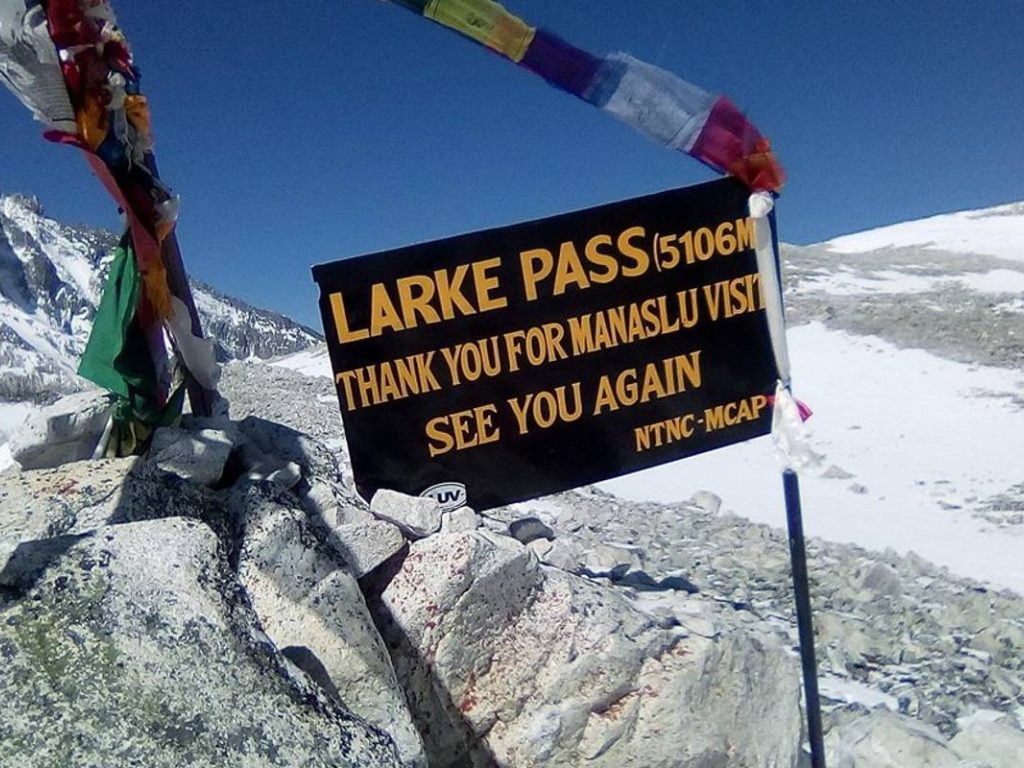
Manaslu Trek via Larke Pass Trek FAQs
Introduction The Manaslu Trek via Larke Pass is a remote Himalayan adventure around Mount Manaslu, the world’s eighth-highest mountain. The route passes through traditional villages, Buddhist monasteries, dramatic valleys, and high mountain landscapes before crossing the challenging Larke Pass. These FAQs cover the route, permits, difficulty, altitude, best time, accommodation, cost, preparation, and other practical […]
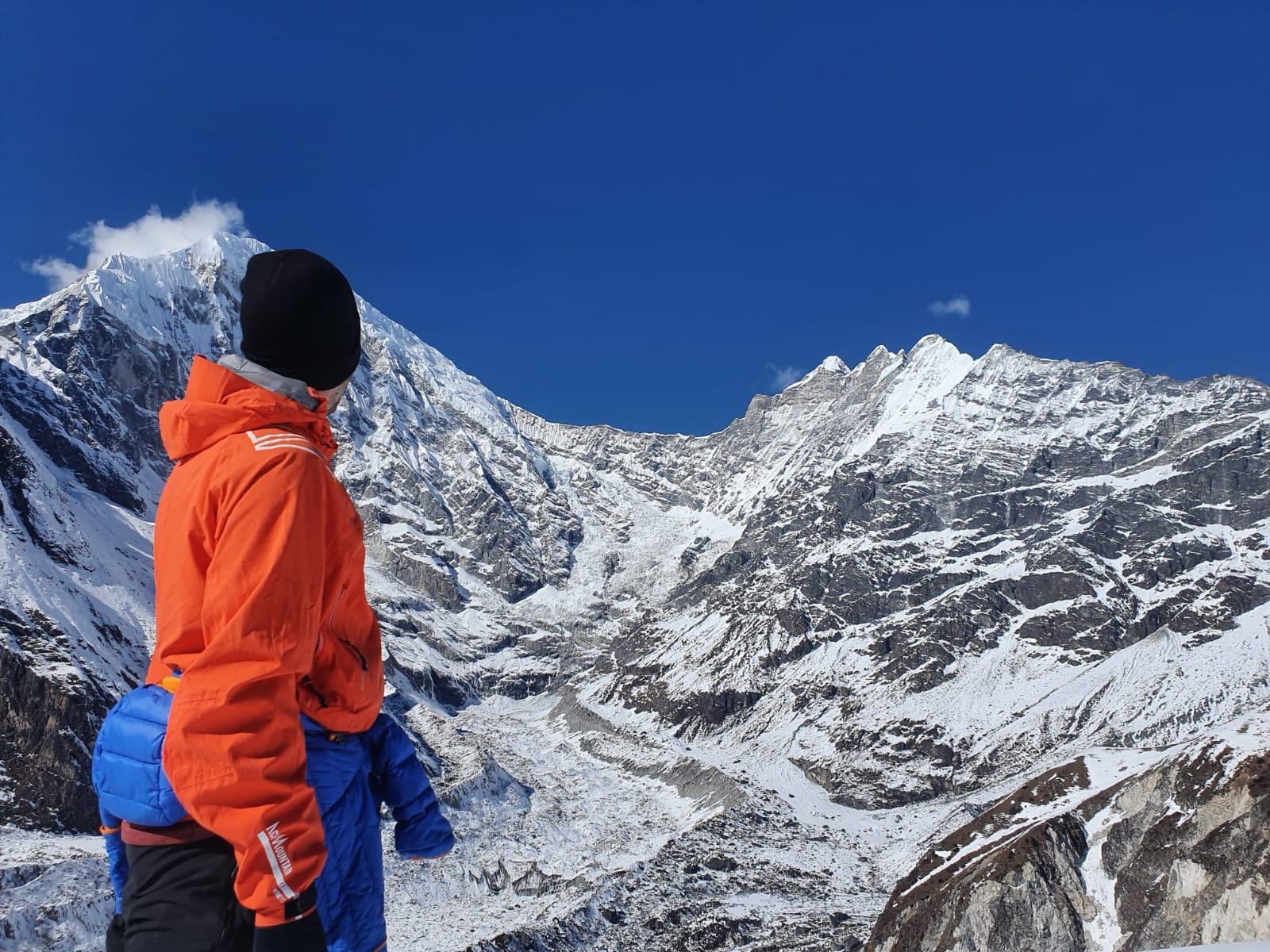
Langtang Valley Trek – Frequently Asked Questions
Introduction Planning a Langtang Valley Trek often comes with questions about the route, difficulty, altitude, permits, best season, accommodation, food, transportation, and preparation. This FAQ guide answers the most common questions trekkers ask before visiting the Langtang region. The Langtang Valley Trek takes you from the lower hills toward Kyanjin Gompa through forests, Tamang villages, […]

Namche Bazaar: The Heartbeat of the Everest Region
Ask any trekker who has walked to Everest Base Camp and most of them will tell you the same thing. It’s just not a random village in the Khumbu region. Namche Bazaar is the town that stays in your heart forever. It is the heart of Khumbu, where you can get luxury services with backdrop […]