

Langtang Valley Trek – 9 Days Overview
Langtang Valley Trek is a Himalayan valley in the mountains of the north- central Nepal known for its trekking routes and natural environment. Langtang Valley lies within the Langtang national park, the first mountainous park around the Nepal Himalayas which was established in 1976 to protect its rare flora and fauna and its pristine environment. The park is well known for its populations of red pandas, Himalayan black bear, Snow Leopard, wild dog, ghoral, serow and more than 250 species of birds. Similarly, the park contains a wide variety of climatic zones, from subtropical to alpine. From this small mountain town, there are several incredible day- hikes with fantastic views. The trek captures all the best of Himalayan trekking with stunning scenery and great culture. It’s most famous for more than 1000 plants and other mammals with birds of 150 species. Nepal’s first Himalayan national park is in Langtang region which is announced in 1971. Comparing Everest Base Camp, Manaslu Circuit and Annapurna Base Camp, Langtang Valley Trek is easy and short trekking trails. The magnificent view from Kyanjin Ri hill is a widely-talked experience of this trek.
Approximately 25% of the park is forested. Trees include the deciduous oak and maple evergreen like pine, and various types of rhododendron. Along the trail, you may encounter wildlife such as musk deer, Himalayan red panda, monkey (Langur) and various species of butterflies and birds. The trek begins with the scenic drive along the Trishuli River north of Kathmandu, through Trishuli Bazaar. Then, we will reach to Dhunche and finally reach Syabru Bensi, a Sherpa village and farmlands of the people. Langtang valley is popularly known as the valley of glacier trek, is situated at 19 miles north of Kathmandu.
One of the major attractions of Langtang region is its abundant snow glaciers. With over 70 glacier basins, it is one of the richest regions in Nepal for glaciers. Gosainkunda, the famous sacred lake is situated in Langtang region. High mountain passes add more to make trekking trails an exhilarating adventure. Langtang valley is so naturally beautiful and it resembles heaven. The Langtang valley is also known as a treasure house of alpine plants and the whole valley gets covered with flowers during the summer.
Best Time for Visiting the Langtang Valley Trek
The ideal time for Langtang Valley Trek is spring (Mar to May) and autumn (Sep to Dec). During these months, the sky is clear and stable and travelers can enjoy fine mountain views of Langtang Himalayan range, green forest, and traditional Tamang villages. These two seasons are the best time for trekking in Langtang Valley Trek.
- Spring (March to May)
Spring is one of the best seasons to enjoy trekking in Langtang valley. The trail is lined with colorful rhododendron forests, wildflowers and the fresh mountain air. The temperature remains moderate and enjoyable for trekking and the clear weather provides excellent views of snow peaks such as Langtang Lirung and other Himalayas. - Autumn (September to November)
Autumn is the best season to do Langtang Valley Trek. After the monsoons, the mountains are crystal clear and the landscapes are green and vibrant. The weather is dry and stable; excellent for trekking and photography. This time of year is also good because you can catch Nepal’s biggest festivals – Dashain and Tihar – on the trail. - Winter (December to February)
Winter hiking is possible in Langtang Valley but much colder, particularly at higher altitudes such as Kyanjin Gompa. Snowfall can cause some trails to be difficult but the mountains are absolutely stunning and the trails are quieter with less hikers. - Rainy Season (June to August)
Monsoon causes heavy rain, making trails slippery, and clouds cover most of the mountain views, so this is the least recommended time to do the Langtang trek. But the valley turns lush and green, and the trails see less traffic.
As the skies are clear and the temperature is cool, spring and autumn are still the best time for the Langtang Valley Trek with the most delightful views of the Himalaya.
Difficulty and Fitness Level Required in the Langtang Valley Trek
As per this 9 days Langtang Valley Trek itinerary, it is a moderate trek, which means you don’t have to be an expert hiker, but you still have to have some trekking experience at least the basic level of it. The pace is swinging gradually upwards as you proceed by altitude gain through daily forest walks, walks through villages, walks on mountain trails.
- Trekkers spend 4 to 7 hours per day on natural mountain trails.
- There are frequent ascents and descents, particularly from Lama Hotel until Langtang Valley.
- The highest lodging point is Kyanjin Gompa (3,817 m), with a side trip to Kyanjin Ri (5,150 m), where altitude could complicate the hike.
- The trail is call steep and rocky in parts .
- The high altitude and the weather conditions may bring a bit of exertion for some of you during this trek.
Key points about the Langtang Valley Trek
- The circuit way is less crowded than Annapurna Circuit and Everest Base Camp Trek
- Along the way there are many tea houses where you stay each night with great sleep in bed with blankets, great meals, showers, and can charge your electronics and cameras.
- There is no need to pay expensive domestic flights because the trailhead can be reached by car.
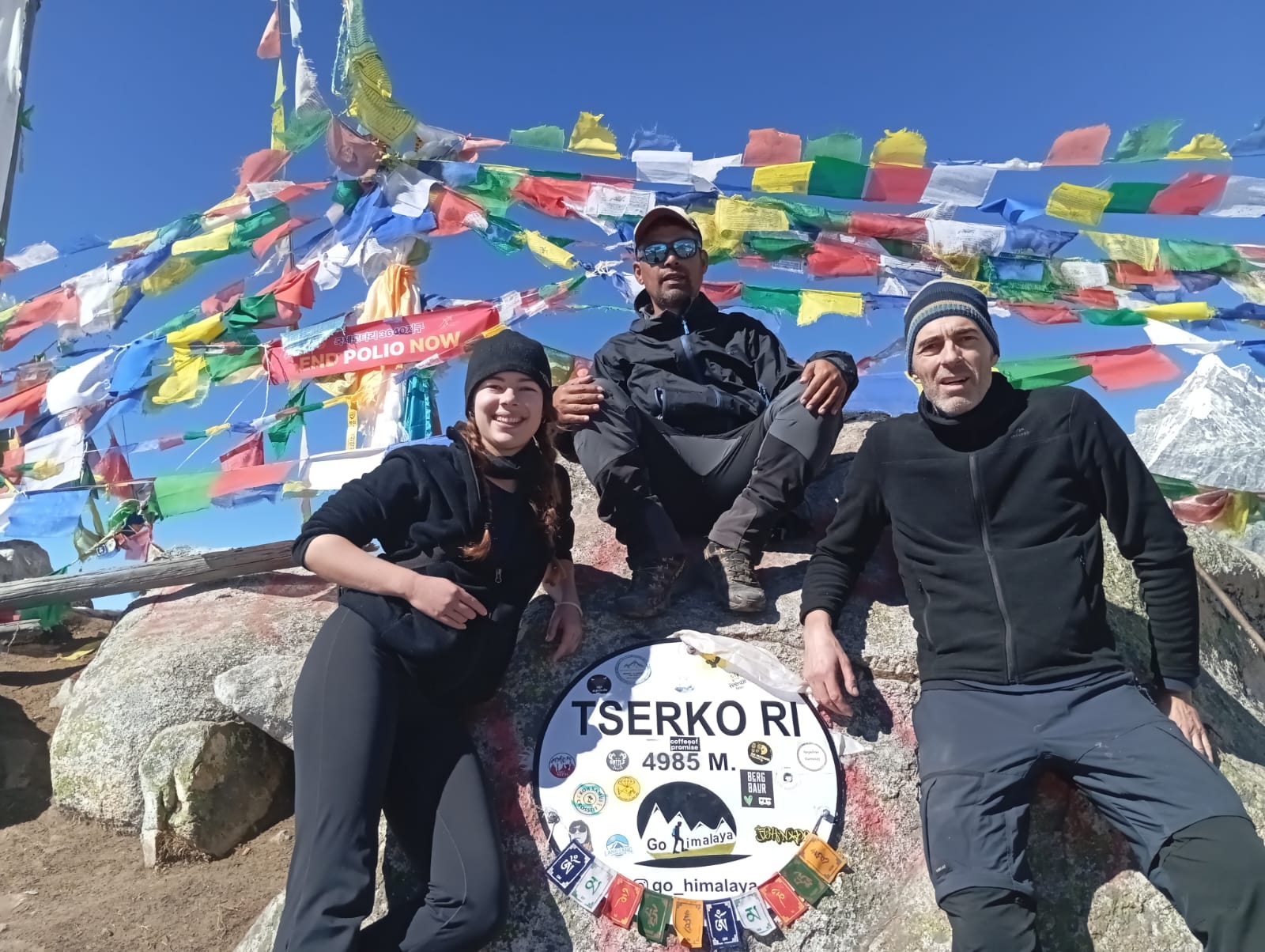
- You can hike up to Kyanjin Ri and Tserko Ri, so we think it is important to base in Kyanjin Gompa at least three nights, you can enjoy fully.
Route Overview of the Langtang Valley Trek – 9 Days
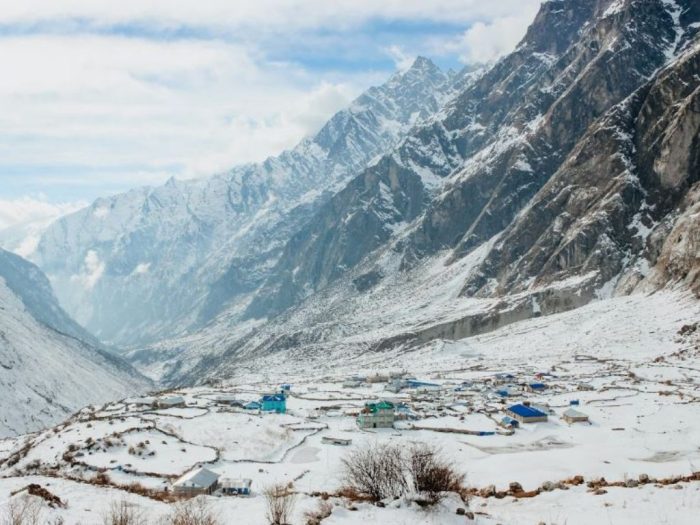
Langtang Valley Trek begins with a scenic 7–8 hour drive from Kathmandu to Syabrubesi (1,550 m), the crowded trailhead town is the starting point of one of Nepal’s most popular trekking trails. From Syabrubesi the track ascends slowly as you pass the pretty Tamang hamlet of Briddhim (2,229 m), where you will be welcomed by traditional culture and mountain hospitality at every step. The route then winds through emerald forested slopes to the well-known resting place of Lama Hotel (2,500 m) after about 4–5 hours trekking, the path over this stretch of the trail is surrounded by rhododendron and offers some fine wildlife and river valley vistas. Higher still, the trail emerges into the broad, glacier-carved Langtang Valley (3,455 m), where immense snowcapped summits, grazing yaks and reconstructed Tamang villages form an almost picture perfect Himalayan vista.
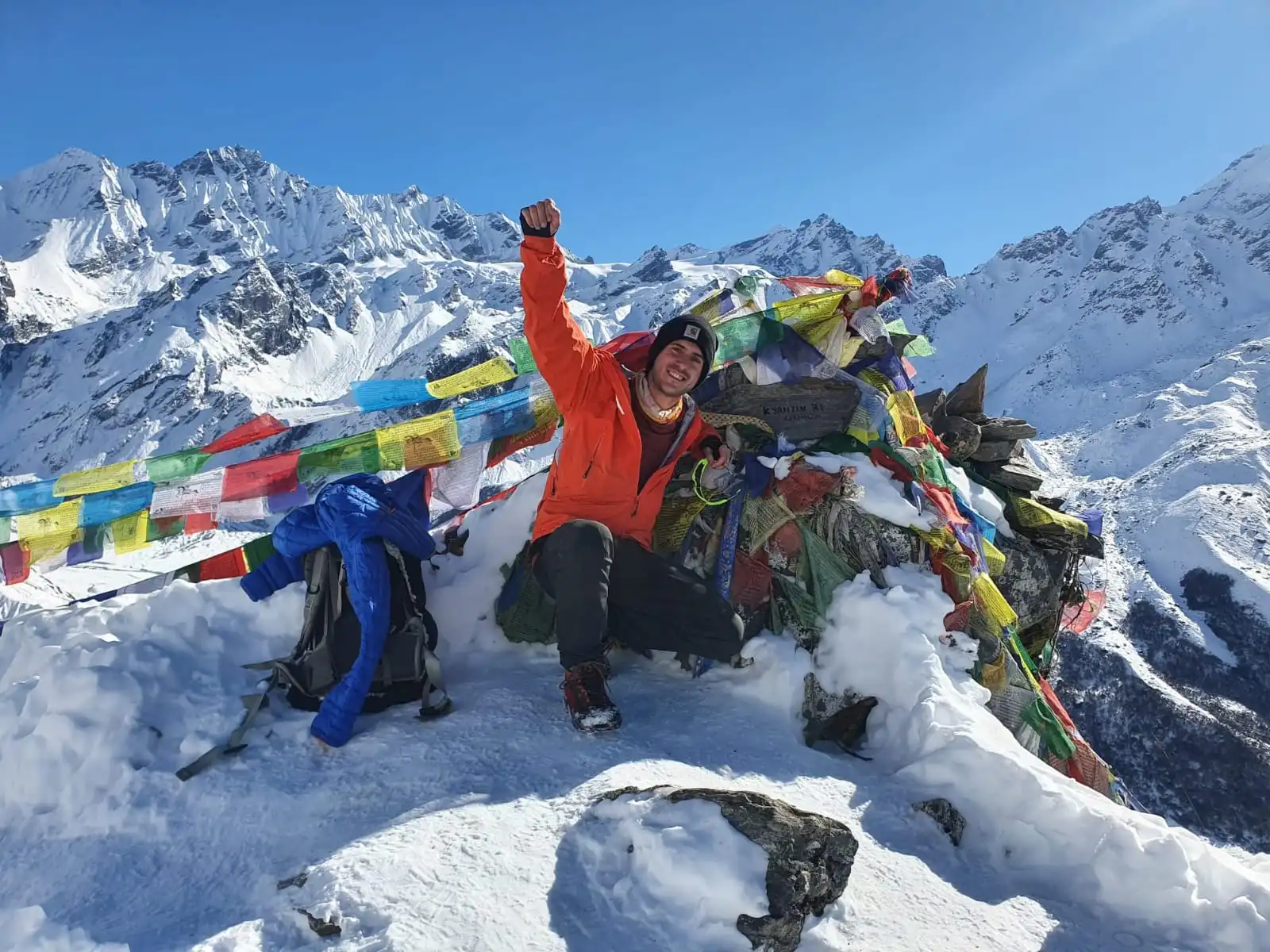
The trail climbs further to Kyanjin Gompa (3,817 m), the spiritual and scenic hub of the entire trek, which has an ancient Buddhist gompa and the renowned local yak cheese factory, amongst other amenities. For higher strivers, an optional ascent to Kyanjin Ri summit (5,150 m) offers a 360-degree view of some of the world’s most spectacular mountain scenery, dominated by the massive Langtang Lirung (7,234 m). In the return trip we follow the wonderful trail back down through Langtang Valley and Lama Hotel to Syabrubesi over two days, then a last scenic 7-8 hour car ride transports you tranquilly back to Kathmandu — finishing a truly 9-day Himalayan adventure that will leave you breathless.
Langtang Valley Before and After the 2015 Earthquake
The Langtang Valley was considered out of the question as a trekking destination in Nepal for decades – a vibrant, friendly window of traditional Tamang villages, cozy teahouses and age-old Himalayan life. From all over the world, trekkers came here to hike in the shadows of towering peaks, to eat with warm locals, to see a side of Nepal that seemed beautifully unspoiled by the modern age.
Then all changed in a matter of seconds, on 25th April 2015.
The cataclysmic 7.8 magnitude quake — and the avalanche it triggered — buried Langtang Village under slabs of ice and rock, utterly. There were more than 350 casualties just in the valley, including trekkers and residents. Entire villages were destroyed as paths were shattered and one of Nepal’s best-liked trekking regions was plunged into profound darkness.
But silence never lasted long in Langtang
One stone at a time, the local residents of the Langtang village started to rebuilding to their incredible fortitude and unwavering sense of community. Trails were restored, tea houses reopened and the valley gradually revived. With the same warmth and stunning mountain scenery that it has always been known for Langtang is once again open, flourishing and welcoming to trekkers.
Hiking in Langtang today has significance that goes beyond that of most mountain rides. The teahouse where you stay, the meal you eat there and the trail you walk, all are tiny, but potent acts of support for a community that refused to die. This is a valley that has paid for its beauty twice — and that makes walking every inch of it feel really worthwhile.
As you trek Langtang you are not merely hiking along one of the most beautiful valleys in Nepal— you are travelling along its narrative of survival, optimism and revival.
Why Choose this Langtang Valley Trek ?
Choosing the Langtang Valley Trek means choosing the journey in which you can experience big mountains, rich culture and untouched beauty – all with-in a short drive from Kathmandu. Unlike the crowded Annapurna and Everest trails, Langtang offers a genuinely off the beaten path experience without comprising on dramatic Himalayan scenery.
The trek brings you up close and personal with the finest peaks of Nepal, such as :
- Langtang Lirung (7,234 m)
- Ganesh Himal (7,422 m)
- Dorje Lakpa (6,988 m)
- Yala Peak (5,520 m)
- Naya Kanga (5,844 m)
- Tserko Ri (4,984m)
The side trip to Kyanjin Ri (5,150 m) also offers a jaw-dropping 360-degree view of these giants that is really hard to forget.
Beyond the mountains, the warm Tamang culture, ancient Buddhist monasteries, dense rhododendron forests and roaming wildlife make every day on the trail feel like a completely different adventure. And by trekking here, you are also directly supporting communities that courageously rebuilt after the devastating 2015 earthquake.
Outline Itinerary
Day 01: Drive to Syabrubesi From Kathmandu (1550 m) (7-8 hrs)
Day 02: Trek to Briddhim (2229 m)
Day 03: Trek to Lama Hotel (2500 m) (4-5 hrs)
Day 04: Trek to Langtang Valley (3455 m)
Day 05: Trek to Kyanjin Gumba (3817 m)
Day 06: Rest Day at Kyanjin Gumba ( hike to kyanjin – Ri (5150 m)
Day 07: Trek back to Lama Hotel ( 6 hours )
Day 08: Trek back to Syabrubesi
Day 09: Drive back to Kathmandu
Langtang Valley Trek – 9 Days Highlights
- Langtang Lirung (7227 m), the highest peak in the area
- Opportunity to interact with the local Tamang and Tibetan communities
- Tamang and Sherpa ethnic groups, culture, customs, and traditions.
- Exploring: Local Tamang culture and way of life, glaciers valley, flora, and fauna: red panda, snow leopard, musk deer, bear, langur, etc. in Langtang National Park.
- Visiting: Historical, Cultural, and Natural shrines of Langtang region, Kyangin Gompa, many chortens, mane walls, fluttering prayer flags, Langtang valley or the valley of the glacier, Kyangin Ri, local cheese factory etc.
- Observe breathtaking views of the surrounding peaks from Kyanjin Ri (4773 m)
- Offers stunning views of snow- capped peaks, including Langtang Luring (7227 m), Dorje Lakpa (6966 m) and Gangchempo (6387 m)
- Visit a traditional yak cheese factory in Kyanjin Gompa.
- Experience traditional lifestyle, customs, and warm hospitality of the local people
- Visit ancient monasteries, and explore Buddhist prayer flags, and prayer wheels along the way
Langtang Valley Trek – 9 Days Itinerary
Expand allDay 01: Drive to Syabrubesi From Kathmandu (1550 m) (7-8 hrs)
On our very first day, we take a local bus to Syabrubesi (1550 m) which takes 7-8 hours’ drive from Kathmandu. We shall enjoy the scenic drive making through Trishuli valley of the Himalayan views and mountainous lifestyle through the terraced fields and rustic villages. The best time to trek the Langtang Valley is during autumn, from September 15 to December 15, or in spring, between March 15 and May 30. Both of them have fine weather and are clear enough to present the best views.
Day 02: Trek to Briddhim (2229 m)
From Syaprubesi our trail trek starts and we head toward Bridhhim (2229 m) where we shall be accompanied by beautiful green forests, birds and other small animals, crossing several suspension bridges and tea houses on the way. We have a very short trek but the trail goes straight up a steep one.
Day 03: Trek to Lama Hotel (2500 m) (4-5 hrs)
We have a similar trek on this day like the previous day and by this day we shall have the few ideas about our surroundings. We have a short trek of 4-5 hours to Lama Hotel (2500 m).
Day 04: Trek to Langtang Valley (3455 m)
Today also we will have a pleasant walk as we follow the trail through rhododendron and pine forest until we reach Ghoda Tabela (3030 m). This surrounding area is densely filled with wild habitat and many small babblers and lots of medicinal plants. After lunch, we will walk another few more hours on the scenic trail that takes us to Langtang village (3455 m) where we shall be resting overnight.
Day 05: Trek to Kyanjin Gumba (3817 m)
Leaving the beautiful valley behind we trek towards Kyanjin Gomba (3817 m) a principle monastery of the region. From here we will have beautiful views of Mt Ganchempo and Mt. Langtang Lirung (7227 m).
Day 06: Rest Day at Kyanjin Gumba ( hike to kyanjin - Ri (5150 m)
Other than resting and have acclimatization we have the option to go hike around Tserko Ri (5150 m) or Kyanjin Ri (4773 m). Also, we can take a walk around Kyanjin Gompa enjoying the views glaciers, ice falls, birds and yaks.
Day 07: Trek back to Lama Hotel ( 6 hours )
We shall be heading back following the same trail that goes all the way downhill through the forest following the river. Passing by the ethnic Tamang settlements that follow the religious and cultural practices similar to the Tibetans. On this day we have a walk of around 6 hours.
Day 08: Trek back to Syaprubesi
On this day we have a trek of 5 hours which is easy as the trail follows downhill through the lush green vegetation.
Day 09: Drive back to Kathmandu
We take the local bus back to Kathmandu following the same route as we had the one last time. And we end our journey reaching Kathmandu.
If the above Langtang Valley Trek – 9 Days itinerary does not meet your needs, we can design individualized travel plans based on your preferences and specifications.
Plan My TripLangtang Valley Trek – 9 Days Cost Includes
- Three meals a day- Breakfast, Lunch, Dinner and 3 cups of tea/Coffee a day during the trek.
- Accommodation in tea house during the trek private room.
- Local Transporting from Kathmandu to Syabrubesi & Syabrubesi to Kathmandu.
- National park Trekking permits & local government permit and TIMS Card.
- An experienced, helpful, knowledgeable, friendly, English speaking well trained, government license holder Guide with all his salary, food, Drinks, accommodation, equipment, transport, and insurance etc.
- Fresh fruits after dinner every night as dessert during the trek.
- You will be under observation with a pulse oximeter to have your oxygen levels and heart rate measured twice a day during the trek. This is to catch the signs of Altitude Mountain Sickness (AMS) early, thus making trekking safer.
- Arrangement of Emergency helicopter service (paid by your travel insurance company).
- Normal first aid kit box.
- All the government taxes and company operating charges.
- Nepal Holiday Treks T-shirt and Trekking Map.
Langtang Valley Trek – 9 Days Cost Excludes
- International airfare and visa fees
- Lunch and dinner in Kathmandu
- Any accommodation and pickup and drop service in Kathmandu.
- Porter service.
- Personal expenses of bar and beverage bills, wifi, hot shower, bottle of water, extra porters, laundry or any other things which are not mentioned by the company
- Your trekking gears and extra nights in a certain destination
- Your travel insurance which should include the emergency rescue
- Tips for your guide and porters
- Entrance fees during the sightseeing
- Extra expenses due to any event such as strikes, weather conditions, or flight delays
Langtang Valley Trek – 9 Days Additional Info
Meals and Accommodation at Langtang Valley Trek
The accommodation in the mountains and remote villages are generally modest and basic. The room, shower and rest rooms are available in a twin- shared basis. The mountain tea house provides rooms with just a bed, pillow, and blankets but the view is spectacular from the rooms.
Teas hops and lodges usually provide plentiful and delicious foods which suits the preferences of various trekkers such as Nepali foods, Indian, Italian, Tibetan and Continental food. All the foods will be cooked by the local cook by using local vegetables so the taste would be very local.
Permits Required for the Langtang Valley Trek
Permits Required For 9 days Langtang Valley Trek Trekking in Nepal needs a few essential permits, which must be attained before the trip.
These are necessary to access protected areas, contribute to conservation, and keep travelers safe in the Langtang area of Nepal. The process of getting permits for the Langtang trek is easy and simple as compared to restricted areas such as Manaslu.
Langtang National Park Entry Permit
Langtang Valley Trek is the offbeat trek inside Langtang National Park with more wild life, forests and breath taking Himalayas scenes. The Langtang National Park Entry Permit is also required for trekkers to enter the park. This permit serves to protect the natural habitat and the trekking trails.
- Cost : NPR 3000 per person for foreign trekkers
- SAARC Nationals : NPR 1500 Per Person
TIMS Card ( Trekker’s Information Management System )
TIMS card is also essential to have for Langtang valley trek. This is with a view to monitoring the records of trekkers by the authorities for safety and management. In case of emergencies, it assists in tracking trekking movements and offering help.
- Cost: Around NPR 2,000 per person.
Important Tips For Trekkers
Trekkers must carry two copies of their permits (the original and a photocopy) since these will be inspected at multiple checkpoints on the route. A permit can be purchased from the Nepal Tourism Board in Kathmandu or through an authorized trekking agency.
Possessing the right permits for the 9 days Langtang Valley Trek will allow you to trek responsibly in one of the most breathtaking valleys of the Himalayas of Nepal and let you contribute to conservation and support local communities.
Wi-Fi and Charging on the Langtang Valley Trek
Wi-Fi can be found in a few teahouses in villages like Syabrubesi, Lama Hotel, Langtang Village and Kyanjin Gompa. But the connection is slow most of the time and is very much weather-dependent. Teahouses also offer charging services for the phones, cameras and power banks but usually they charge a fee of about 200-500 NPR per device. Because electricity can be scarce in the countryside, a power bank is strongly recommended.
ATM and Money Tips for Trekkers
There are very few ATM facilities on the Langtang valley trek and trekkers are strongly advised to carry enough Nepalese rupees from Kathmandu before heading out. Syabrubesi might have some small ATM or banking services but they are not very dependable. Teahouses and stores on the trail don’t take credit or debit cards, so you need cash for meals, Wi-Fi, charging your devices, snacks, and other incidentals.
Common Additional Costs on the Trek
- Hot showers in teahouses (NPR 200-500)
- Wi-Fi internet Access
- Charging electronic devices
- Bottled drinking water or filtered water
- Snacks, soft drinks, tea or coffee
- Rental personal equipment, if required
- Tips for guides and porters
Planning your finances, Wi-Fi and charging requirements for the Langtang Valley Trek is the key for you to have an enjoyable and hassle-free trekking holiday while exploring Nepal’s spectacular Himalayan valleys.
Is Langtang Valley Trek Suitable for you?
Langtang Valley Trek is good for all trekkers who has a good fitness level and passionate about mountains. You don’t need to have any trekking experience to do this — but you should be able to do comfortable hiking for 5-7 hours a day on mountain trails that are going uphill. It is generally applicable for 12 years and upwards age group, and everybody in good health who is of this age or older can easily complete this trek. Since the highest overnight stop is at Kyanjin Gompa (3,817 m), altitude awareness is necessary, and anyone with a past of mortal altitude sickness is highly advised to consult a doctor prior. If you are fit, ready and hungry for a true Himalayan adventure — Langtang valley trek is decidedly in your reach.
Guide and Porter Langtang Valley Trek
It’s always suggested to trek with a knowledgeable experienced licensed guide or join a trekking agency (Nepal holiday treks and tours Pvt. Ltd.) to assure safety and utilize your time in a best way.
A guide are familiar with terrain, excellent in safety performance and always carry essential safety equipment, first aid kids and gear to enhance your trip experience without compromising on safety. Therefore you can join us for hiring experience trekking guide with their licensed and insurance.
Altitude Sickness in the Langtang Valley Trek
In the Langtang Valley Trek, an ascent to 3,870 m is made at Kyanjin Gompa, where Altitude Illness (Acute Mountain Sickness – AMS) can take place. With the increasing height, the level of oxygen decreases, and some trekkers feel symptoms like headache, dizziness, nausea, tiredness or sleeping difficulty.
Preventive Measures
- Trek at a leisurely pace and have a well-planned itinerary that allows for acclimatization.
- Drink lots of water to keep hydrated during the trek.
- Do not smoke or drink alcohol in high altitudes.
- Eat nutritious and energy-rich meals to keep you strong.
- Listen to your body and rest if you start to experience symptoms. Descend if symptoms progress.
With good acclimatization and slow walking you can expect to finish the Langtang Valley Trek safely and have the time of your life marveling at the incredible Himalayan scenery.
Fitness Level Required for the Langtang Valley trek
Trekkers ought to be reasonably fit and have good stamina to enjoy the Langtang Valley Trek in comfort.
- Ability to hike 4 to 7 hours per day on mountain trails.
- Good cardiovascular fitness and stamina.
- It is recommended to have a little walking or hiking experience, although not essential.
- Some mild preparation for the trek; hiking, jogging, or cycling will provide a good foundation.
- Steady pace, good acclimatization, and a positive attitude will ensure that you have a safe trek in addition to basking in the beautiful scenery of the Himalayas.
Travel Insurance during the trek
Any trek in Nepal, including the Langtang Valley Trek, needs travel insurance. The trek includes high-altitude trekking, which may be physically challenging and dangerous. Travel insurance can cover you financially in the event of an accident, a medical emergency, a flight cancellation or delay, or lost or stolen luggage. When buying travel insurance for the Langtang trek, ensure that it covers high- altitude trekking and emergency helicopter evacuation.
Best Alternative Treks to Langtang Valley in Nepal
- Langtang Valley with Gosaikunda Trek
- Tamang Heritage Trek
- Langtang Valley Tamang Heritage Trek
- Langtang, Gosaikunda and Helambu Trek
Upcoming Departures
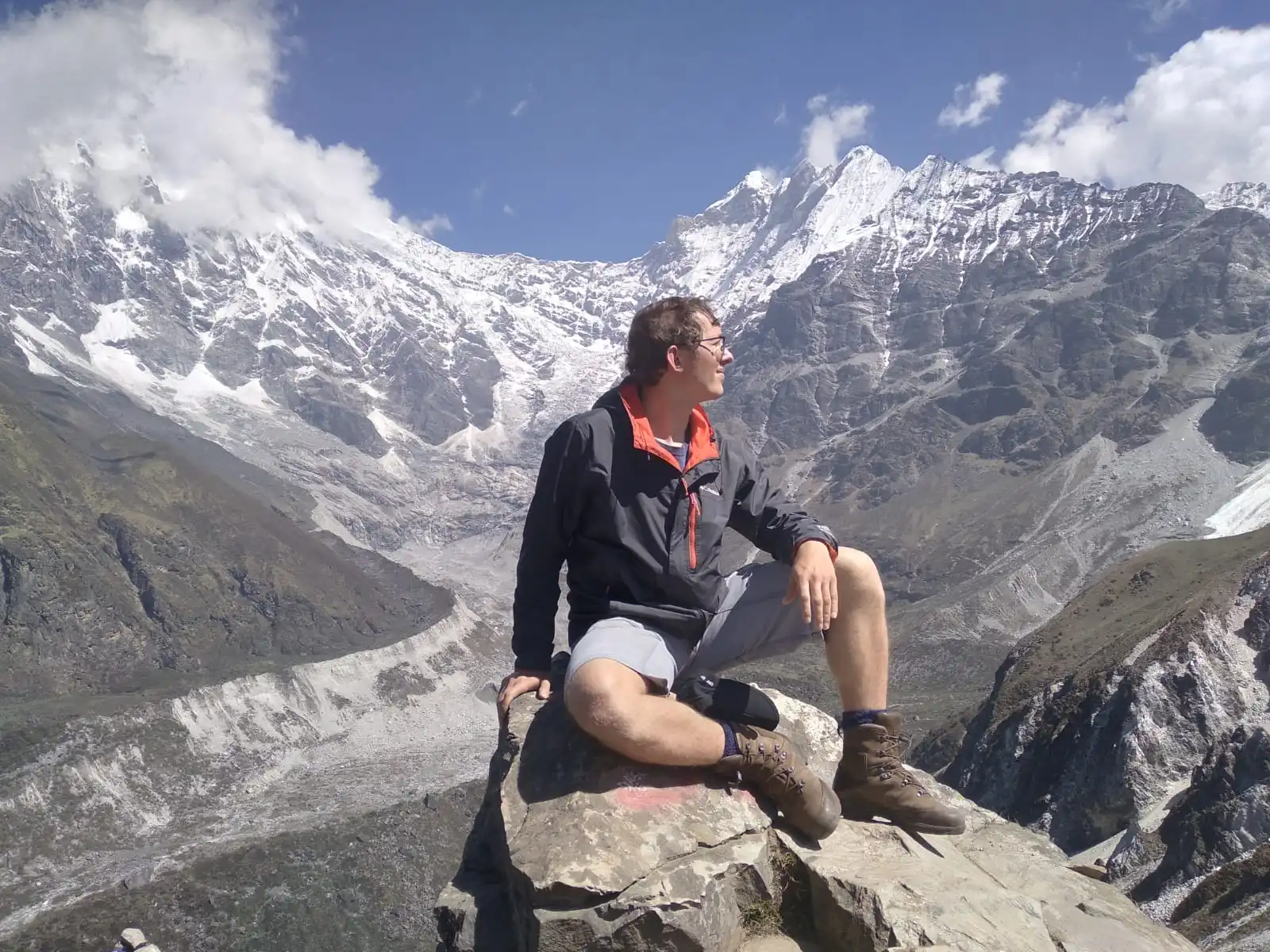
Langtang Valley Trek – 9 Days Gallery
Customer Reviews
Write a ReviewLangtang Valley Trek – 9 Days FAQs
How many kilometers is the trekking distance in Langtang Valley Trek?
The Langtang Valley Trek is around 60 kilometers (37 miles) round trip. From the Syabrubesi (1,460 meters) starting point, reach Langtang Valley (3,430 meters), with a trek sideways to Kyanjin Gompa (3,800 meters). This trek typically takes between 7–10 days, including acclimatization days.
What are the other documents that I will need for trekking in Nepal?
You will be needing a valid passport and visa for Nepal, along with the trekking permit that includes the Langtang National Park Permit and TIMS card. Make sure your travel insurance covers high-altitude trekking and emergency helicopter evacuations. Also, bring your Lukla flight tickets and extra passport-sized photos for permits.
What kind of accommodation does the trek offer?
Teahouses and lodges dot the trek, offering basic facilities such as rooms with beds and shared bathrooms. Food is mostly local, with dal bhat (lentil soup), noodles, and some Western dishes. Accommodation can be more basic higher up the valley.
What physical training is required for trek preparation?
Physical training for trekking includes cardiovascular exercises such as running and cycling, leg strength through squats and lunges, and endurance by hiking with a loaded backpack. Training should start 6–8 weeks prior to the trek, gradually increasing in intensity. Flexibility and prevention of injuries can be achieved by stretching or yoga, while practice in hiking on uneven terrain is a must.
How can I prepare physically for the Langtang Valley trek?
Preparation should start a few months in advance and should include:
- Cardiovascular training: running, cycling, swimming.
- Strength training for your legs and core.
- Practice hiking with a backpack to simulate the trekking conditions.
- Altitude training, if possible, or plan for acclimatization during the trek.
Do guides speak English?
Yes, most of the trekking guides in Nepal who speak English fluently can be licensed. In case of other languages, such as French or Spanish, you would need to ask for a guide well in advance. Guides are trained to communicate with trekkers and be helpful on the road.
Can I do the trek alone, or do I need a guide?
You can trek independently, but hiring a guide is recommended for a safer and more informative experience, especially in remote areas
How does paying for a private helicopter charter work?
To book a private helicopter charter, you need to make reservations in advance through a reliable operator. You usually pay for a deposit at the time of booking and the balance before flying. Prices depend on route, duration, and number of passengers. Make sure you check the cancellation policy and that your travel insurance covers helicopter evacuations.
How does the altitude affect the difficulty of the trek?
Altitude plays a huge role since you will reach over 4,000 meters in some areas, and the risk of AMS increases as you go higher. It’s essential to pace yourself, stay hydrated, and allow time for acclimatization by resting at higher altitudes.
How long does the Langtang Valley trek take?
The Langtang Valley trek typically takes around 7–10 days, depending on your pace and acclimatization needs. This includes trekking to the valley and back, with a rest day at Kyanjin Gompa to explore and acclimatize.
How do I get a special permit for the Langtang Valley Trek?
- Basically, there are two major permits: the Langtang National Park Permit and the TIMS (Trekkers’ Information Management System) Card. The Langtang National Park Permit gives you entrance to the national park, while the TIMS card is one obligatory document to be possessed by every trekker in Nepal. These can be received either from a licensed trekking agency or at the Nepal Tourism Board in Kathmandu. No other special permits are required for this trek, unlike some other treks in Nepal.
What should I do in case of flight delays or cancellations due to weather?
- If flights to Kathmandu are delayed or canceled, clients are advised to rebook with the airline and prepare accommodations for additional days in Kathmandu. Delays are more likely during peak season. Since the beginning of the Langtang Valley trek starts with driving to Syabrubesi, road travel is always an alternative, though it takes several hours. Having extra days in your program for unforeseen delays is a great idea during the monsoon months (June–August) and winter months (December–February) to deal with such unforeseen situations.
Do I Need Prior Trekking Experience?
No prior trekking experience is required. You can easily do the trek if you are physically fit and have an adventurous spirit.
What Kind of Physical Conditioning is Required for Preparing for a Trek?
To prepare for the trek, we recommend a combination of cardiovascular exercise, strength training, and endurance-building activities. Regular hiking, running, stair climbing, or biking can increase your endurance. Strength training exercises that focus on legs, core, and overall body fitness will help you cope with the strain of high-altitude trekking.
Can I Rent a Sleeping Bag, Down Jacket, and Duffle Bag?
Yes, sleeping bags, down jackets, and duffle bags can be hired. for the trekking but you need to return to the office
Is There a Place to Store Things Not Needed for the Trek?
Yes, most hotels in Kathmandu provide free storage facilities where you can leave any items that you will not be needing during the trek.
What Should I Do with My Passport, Medications, and Other Valuable Belongings?
It is advisable to carry a coy of your passport, travel insurance, and other important things in your daypack. If you are taking any daily medication, please bring it along with you in your daypack for your ease. You can leave unnecessary stuff in your hotel or our Kathmandu office safely.
Is It Possible to Get Private Rooms During the Trek or in Kathmandu?
Private rooms in teahouses along the hiking trail cannot be guaranteed, especially during the high seasons. You may get private rooms without any extra fee during the off-season. Most of the teahouses have twin-sharing rooms, with dormitory-style accommodation in some areas. If you wish to get a private room in Kathmandu, we can arrange that for an added fee per night.
Do Your Guides Have Official Trekking Certifications and First Aid Training?
Yes, our trekking guides are professional-grade license holders certified by the Hotel Management and Tourism Center. They have completed a 45-day intensive training course and are specialists in high-altitude first aid. They are English- and other language-speaking (on request at an additional cost).
What If I Fall Sick in the Mountains?
Our guides are on standby 24/7 to assist you. They carry a first-aid kit and an oximeter to measure oxygen levels, to ensure that trekkers are in a fit state to carry on. In the event of serious altitude sickness or any other serious medical condition, our guides will immediately call our Kathmandu office. We are prepared to arrange emergency transportation, or helicopter evacuation if necessary.
What is Your Cancellation trip?
There is no refund of a 20% deposit fee in the cancellation of the trip due to any other reason but we welcome rescheduling your trip on any future day. After paying the full cost of any trip, you will receive a refund but the cancellation charge 20% is deducted from you. You have to give written notice of cancellation in order to cancel any trip.
Why Choose Our Trekking Services?
Our company has a high success rate of organizing successful trekking trips with highly experienced and well-trained guides. We are expert in client safety, satisfaction, and responsible tourism. Beyond adventure, we also practice giving back to the local communities through various social activities, so that our travel experiences make a positive impact on the region.
What should I know about booking my flights to / from Nepal? Di I need to plan extra days in case of delays?
We recommend adding a one- to two-day buffer period before and after your trek in case of unforeseen flight delay, especially in remote areas like Lukla. This also leaves some time to buy last-minute gear. We are not responsible for missed overseas flights due to unforeseen cancellations or delays.
What is the temperature rating of the sleeping bag that you lend to trekkers?
The sleeping bags we provide for trekkers are designed to withstand temperatures of up to -10°C (14°F). If you require more heat, our guides can arrange additional blankets at the teahouses on the trekking route
What sort of insurance do I need? How can I obtain a policy?
Travel insurance is an absolute necessity for all of our trekking trips. Your policy must include medical evacuation to the highest altitude that you will reach on your trek. It should also include coverage for unexpected expenses such as flight cancellations due to bad weather, medical attention, theft, loss, or damage to your belongings. Good travel insurance companies usually offer policies online so you can purchase coverage in advance.
What are the necessary items that I should pack for my trip?
For a full list of equipment required, refer to the Equipment page. If you prefer to buy or hire trekking equipment in Kathmandu, ensure you set aside extra time before beginning your trek.
What type of daypack should I bring?
When selecting a daypack, pick one that is light in weight but that still has enough space to bring your daily essentials such as water, snacks, extra clothing, and personal items.
Is it necessary to bring toilet paper for the trek?
While you can purchase toilet paper at teahouses throughout the trek, it is costly. We recommend that you bring your own supply. Additionally, don’t forget to bring personal hygiene products like soap, towels, hand sanitizer, and wet wipes.
If I am sick can I continue the trek after a day’s rest?
If you fall ill, the decision is based on your status. Altitude sickness requires an immediate descent to a lower elevation, and recovery can take several days. For group trekkers, inquire with your guide whether it is possible to rejoin the group. Private trekkers with a flexible schedule can possibly resume once they recover.
What kind of trekking boot would be best for the trek?
Proper footwear is crucial for an effective trek. Invest in sturdy, comfortable trekking boots with a water-resistant lining. Hard-solved ankle-supported boots are ideal for trekking over rough terrain, allowing comfort and stability on the trail.
Langtang Valley Trek – 9 Days Equipment Lists
Packing the right gear makes your trek more comfortable and helps you stay prepared for changing mountain weather. Use this checklist to organize your essential trekking equipment.
Note: If the sleeping bag, down jacket is lost or damaged, a compensation fee of USD 150 per item will be charged.
General Gear
- Four-season (0°C) sleeping bag and puffy down jacket (recommended)
- Daypack (35–45 liters recommended) with rain cover
- Sleeping bag liner
Head and Upper Body
- Sun hat or cap
- Warm knitted hat or beanie
- Headlamp with spare batteries
- Sunglasses
Torso
- Technical base-layer shirt
- Two short-sleeve and two long-sleeve quick-drying shirts
- Fleece jacket or pullover
- Waterproof and windproof shell jacket
Lower Body
- Technical base-layer trousers
- Two pairs of hiking pants
- Comfortable trousers for evenings in teahouses
- Waterproof and windproof shell pants
- Hiking shorts
Handwear
- Wool or technical-fabric liner gloves
- Insulated hard-shell outer gloves for colder conditions
Footwear
- Warm wool or technical-fabric socks
- Hiking socks
- Liner socks (optional)
- Waterproof trekking boots
- Microspikes or ice cleats (recommended from November to March)
- Comfortable casual shoes
- Gaiters for dust, mud, or snow
Undergarments and Sleepwear
- Quick-drying technical underwear
- Sports bras, if needed
- Pajamas or comfortable sleeping clothes
Personal First Aid and Toiletries
Guides carry a basic first-aid kit and essential medications, but bringing your own personal supplies is recommended.
- Sunscreen
- Lip balm
- Personal ointment or basic medication
- Personal toiletries
Essential Items
- Passport
- Extra passport-sized photos
- Reusable water bottle
- Water purification tablets or UV purifier
- Hydration bladder
- Quick-drying towel
- Pillowcase
- Toilet paper
- High-protein snacks, such as nuts or protein bars
- Waterproof or dry bags for valuables and important documents
- Airline ticket copies
- Earplugs
- Trekking poles
Optional Items
Most additional trekking supplies can be purchased in Kathmandu, particularly around Thamel, where you can find a wide range of trekking gear.
- Power bank or spare batteries
- Camera or mobile phone
- Books or playing cards
- Binoculars
- Whistle
- Thermos flask for hot water
Packing tip: The amount of clothing you need can be adjusted according to the season, trek duration, and your personal preferences. Layering is the best way to stay comfortable in changing mountain conditions.
Similar Tours
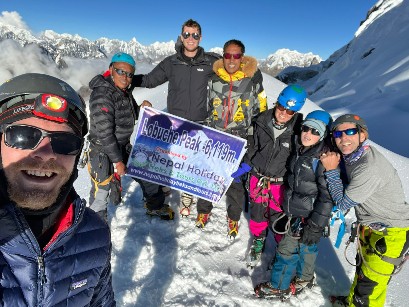
Everest Three High Pass Trek with Lobuche Peak
Overview If you want to experience the best Everest adventure in Nepal, this is it. The Everest Three High Pass...
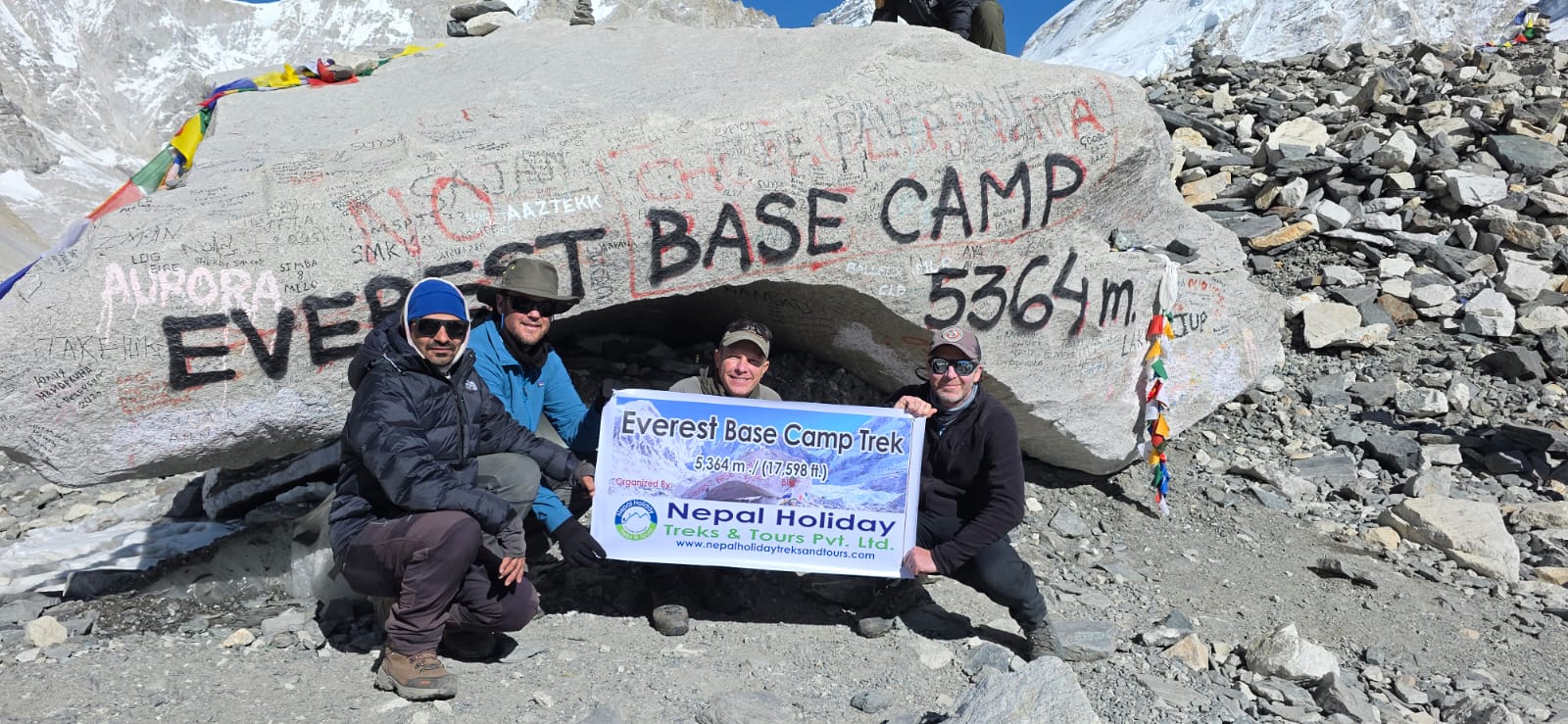
Everest Base Camp Luxury Trek
The Everest Base Camp Luxury Trek is a magnificent Himalayan experience without giving up on luxury. A well-planned journey...
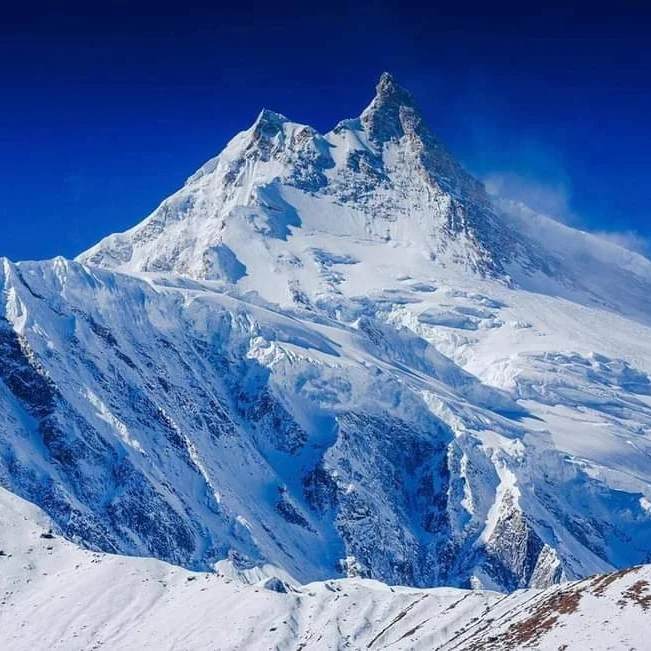
Short Manaslu Tsum Valley Trek
An 17 days trek, the Short Manaslu and Tsum Valley Trek engages trekkers to an adventure close to Mt....
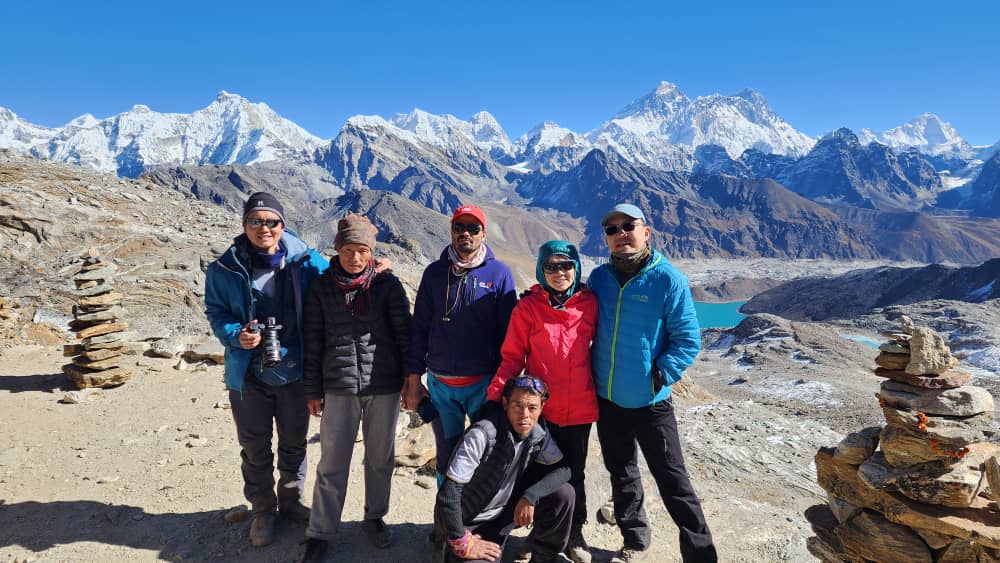
Gokyo Valley Trek Via Renjo-La Pass
Your getaway from the typical trekking route to Everest Base Camp is the Gokyo Valley Trekking. This trekking adventure...
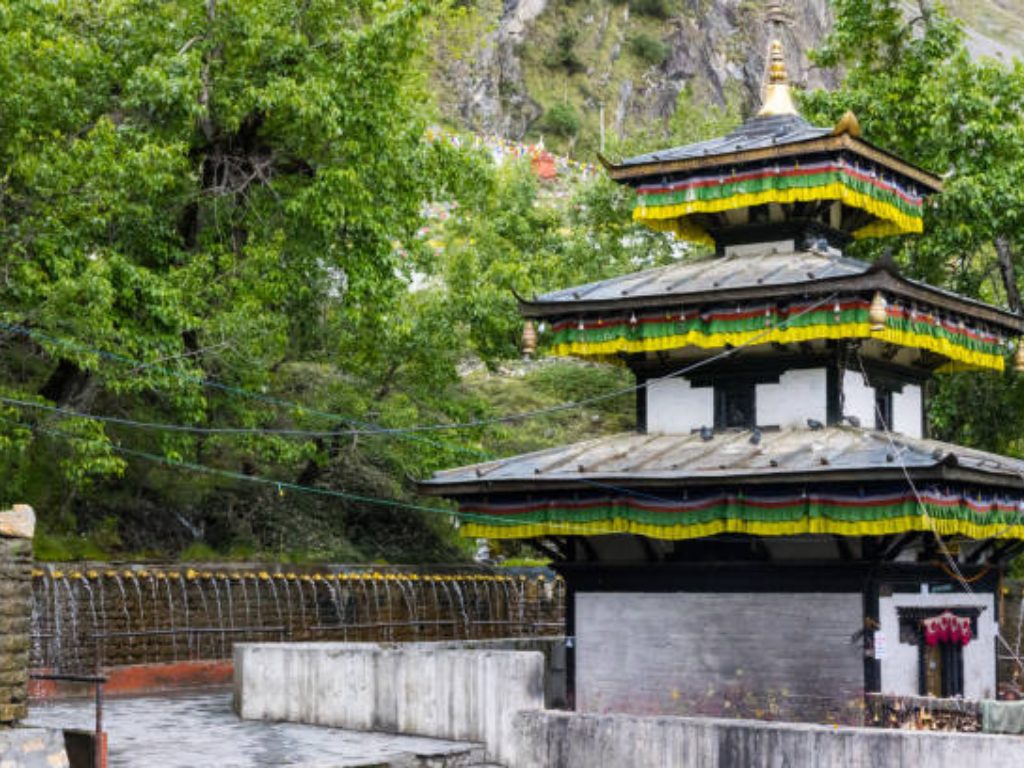
Jomsom Muktinath Trek
Nepal is a stunning country in the Himalayas with magnificent mountains. These mountains’ foothills make for ideal walking terrain....