
Nar Phu Valley: Journey into Nepal’s Hidden Himalayas
Posted by: Nepal Holiday Treks and Tours on February 9, 2026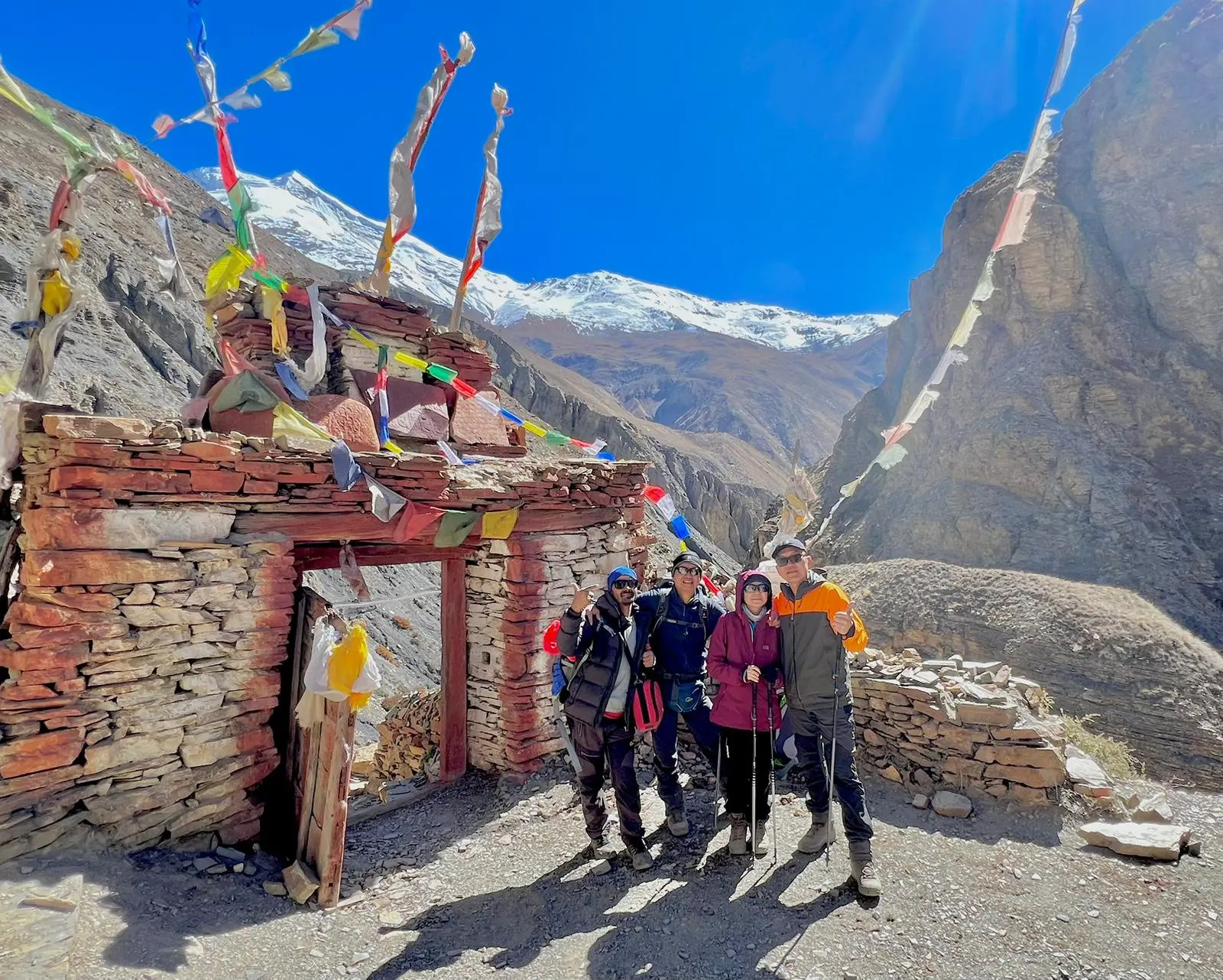
Somewhere beyond the crowded trails of the Annapurna region, beyond deep gorges and wind carved cliffs, lies a place where the Himalayas still feel untouched. Nar and Phu villages are not just remote they are timeless, quiet, and soulful . This hidden corner of Nepal, known as the Nar Phu Valley, rewards travelers who crave more than famous viewpoints. It offers silence instead of crowds, culture instead of convenience, and a feeling you still remember even after the trip is over .
Reaching Nar Phu is a journey that demands patience and intention. The trail winds through narrow canyons carved by centuries of wind and water, across suspension bridges and into vast alpine landscapes where the air grows thinner and the world feels wider. With every step, the noise of everyday life fades, replaced by the whisper of prayer flags and the distant bells of grazing yaks. This isolation has preserved the valley’s soul, allowing its culture and traditions to remain beautifully intact.
Nar Phu valley is situated between the altitude range of 3,500m to 4,100m , the valley feels very plain , spiritual and timeless . Life in this valley revolves around subsistence farming , herding and Buddhist traditions . The trails in this valley wind through narrow gorges , pine forest and high desert terrain , leading to the sacred monasteries like Tashi Lhakhang and Parken Gompa . The Nepal government has officially opened the Nar Phu valley trekking route for foreign trekkers in around 2003 AD .
Why is Nar Phu Valley Called Nepal’s Hidden Himalayas?
The Nar Phu Valley Called Nepal’s Hidden Himalayas, because it remain inaccessible and separated for centuries . It is far away and hard to reach in northern Nepal . It is surrounded by tall mountains and only reachable by long walking trails by which it is peaceful and untouched . The valley still has old villages , monastries, lakes and traditional tibetan culture. Unlike busy tourist places , Nar Phu is quiet and mysterious , making it a special place for people who loves nature and adventure. Its hidden beauty is what makes it Unique among other valleys .
Nar Phu valley has very eye catching and unique natural scenery. Nar Phu valley is located beyond the Himalaya with wide valleys , deep canyons and wind shaped cliffs (like upper mustang ). In the Nar Phu valley there is the presence of high mountains such as Kang Guru, Pisang Peak, Annapurna 1 , Himlung and Gangapurna. The Nar Phu rivers in the Nar Phu valley flows through the glacial valleys and has turquoise-colored water .
Nar Phu Valley Trek Highlights
The Nar Phu valley has the following highlights that can attract any human beings around the world who loves to visit the uncrowded , peaceful and traditional places which is located beyond the Himalayas .
- Ancient Phu village made by stone look like a medieval town .
- Beautiful mountain views of the Annapurna and Trans- Himalayan range .
- Peaceful monastries , stupa , mani walls and prayer flags everywhere.
- Unique Tibetan culture, dress, food and lifestyle .
- Yak caravans, blue sheep and high altitude wildlife.
- Crossing the famous kang La Pass (5,306m) with amazing scenery.
- Fewer tourist because it is restricted area (quiet and untouched)
- Warm and friendly local people with simple living .
- Organic local food like Tibetan bread, yak cheese and butter with mix salt tea .
- A true “hidden valley “ experience far from modern life.
Best Season to visit
The best time to visit Nar phu valley is Spring (March to May ) and Autumn (September to November ).
- Clear mountain views and stable weather .
- Comfortable temperature for trekking .
- Festivals and local activities in villages .
- Safer crossing of Kang La Pass.
(Avoid Monsoon because of danger of landslide and leeches and also avoid peak winter because of heavy snowfall and closed passes. )
Food in Nar Phu
The Nar Phu Valley, located in the remote high Himalayas of northern Nepal, is not only famous for its dramatic landscapes and Tibetan culture but also for its simple and hearty local cuisine. For trekkers exploring the Nar Phu Valley Trek, understanding the food options is essential, as the meals here provide energy for long days at high altitude while giving an authentic taste of local life.
Traditional Meals in Nar Phu Valley
The staple food in Nar Phu Valley revolves around high-energy, nutritious dishes that sustain villagers and trekkers alike. The most common meal is dal bhat tarkari , a traditional Nepali combination of rice, lentil soup, and seasonal vegetables. Dal bhat is often served with pickles, curd, and sometimes meat or yak cheese, providing a balanced diet that fuels the demanding treks in the high Himalayas.
Another popular local dish is Dhindo ( Buckwheat ) made from buckwheat or barely flour and it is eaten with gundruk soup, local pickle or yak ghee . Another local dish is potato , they eat potatoes with salt , chilli and yak butter. Next food is thukpa, a hearty noodle soup influenced by Tibetan cuisine. Warm, flavorful, and easy to digest, thukpa is perfect for cold Himalayan evenings. Trekkers can also try momos, steamed or fried dumplings filled with vegetables, yak meat, or cheese, which are often enjoyed with spicy sauces. Tsampa ( roasted barley flour) , is also consumed occasionally, especially by locals and those acclimatizing to high altitude. The meals are homemade using local ingredients , giving trekkers both warmth and nutrition.
Local Drinks and Snacks
For drinks, butter tea (po cha) is a must try. Made from tea, yak butter, mountain black salt and milk, it is rich in calories and provides energy while keeping trekkers warm in cold mountain conditions. Hot chocolate, instant coffee, and local herbal teas are also available in tea houses, though limited. Snacks like biscuits, nuts, and chocolate bars are often carried by trekkers to supplement meals between villages.
Culture and lifestyle
Culture of Nar Phu valley
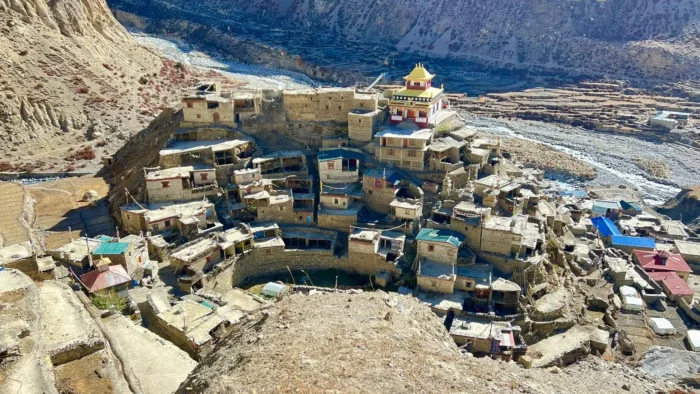
The culture and lifestyle of Nar Phu Village offer a rare glimpse into a traditional Himalayan way of life that has remained largely unchanged for centuries. Located in the remote Nar Phu Valley of northern Nepal, these villages are deeply shaped by geography, climate, and strong spiritual beliefs. Life here is simple, flexible and closely connected to nature .
The people of Nar Phu Village follow Tibetan Buddhism , which plays a central role in everyday life. Religion is not limited to monasteries , it involves into daily routines and community practices . Prayer flags fly from rooftops and mountain passes, mani walls line village paths, and prayer wheels turn gently in the wind.
Local monasteries act as spiritual and social centers, where villagers gather for prayer, festivals, and important ceremonies. Morning and evening prayers are a normal part of life, creating a peaceful atmosphere that defines the spiritual character of the Nar Phu Valley .
Life style of Nar Phu valley
The lifestyle in Nar Phu Village is strongly influenced by its high altitude Himalayan environment . Due to the cold climate and limited farmland, villagers depends mainly on yak and sheep herding , along with small scale farming of barley, potatoes, and buckwheat.
During the warmer months, families move with their livestock to higher grazing land. In winter, life becomes quieter as villagers stay indoors, repairing tools, spinning wool, weaving clothes, and sharing stories . This seasonal lifestyle has helped preserve traditions and strengthen community bonds .
Homes in Nar Phu Village are built using local stone and mud, designed to with stand strong winds and freezing temperatures. These traditional houses have flat roofs and small windows to retain warmth. Inside living spaces are simple but functional, with kitchens serving as the heart of the home.
Community life is strong, as people depend on one another in this remote region. Festivals, religious events, and seasonal gatherings bring villagers together and help pass cultural values to younger generations .
Hospitality and Simplicity in Nar Phu Village
Despite their isolated lifestyle, the people of Nar Phu are known for their warm hospitality. Visitors are often welcomed with traditional butter tea, simple meals, and friendly smiles. Modern technology has limited influence inside this valley . There is a scarce of electricity , mobile networks are weak and roads are totally absent , allowing the culture to remain authentic and deeply rooted in tradition.
Why the Culture of Nar Phu Village Is Unique
The culture and lifestyle of Nar Phu Village reflect a life of resilience, spirituality, and harmony with nature. Unlike many Himalayan regions affected by mass tourism, Nar Phu has preserved its original customs, language, and way of life.
For travelers seeking meaningful cultural experiences, Nar Phu Valley offers more than just scenic beau ty , it provides insight into a timeless Himalayan lifestyle that continues to thrive against all odds.
Flora and Fauna
The Nar Phu Valley in Nepal is a remote Himalayan region known not only for its cultural heritage but also for its rich biodiversity. The plants, flowers, and wildlife of the Nar Phu Valley thrive in a high altitude environment shaped by extreme weather, rugged terrain, and minimal human impact. This unique ecosystem makes the Nar Phu Valley Trek a rewarding experience for nature lovers and wildlife enthusiasts.
Alpine Flowers of the Nar Phu Valley
The Nar Phu Valley Nepal is particularly beautiful during spring and early summer when alpine flowers bloom across the hillsides. Colorful wildflowers such as blue poppies, primulas, gentians , edelweiss, and rhododendrons brighten the harsh mountain landscape .
These Himalayan flowers grow for a short season but play a vital role in the ecosystem by supporting insects and pollinators. Many of these plants also have medicinal value and are traditionally used by local communities in herbal remedies.
Wildlife in the Nar Phu Valley
The wildlife of the Nar Phu Valley includes several rare and endangered Himalayan species. The region is part of a protected conservation area, making it an important habitat for high-altitude animals.
Notable wildlife species include the snow leopard, Himalayan blue sheep (bharal), Himalayan tahr, marmots, and pikas. Although snow leopards are rarely seen, their presence highlights the ecological importance of the Nar Phu region.
Birdlife is also rich, with species such as Himalayan griffon vultures, golden eagles, snow pigeons, and choughs frequently spotted along the trekking trails and cliffs.
Accommodation
The Nar Phu Valley is one of Nepal’s most remote and untouched trekking destinations, located in the high Himalayas of the Annapurna region. When planning the Nar Phu Valley Trek, one of the most important considerations is accommodation, as options are limited due to the valley’s isolation. Staying in Nar Phu Valley is a unique experience, offering simplicity, local culture, and breathtaking views of the mountains.
The accommodation facilities in the Nar Phu valley is mainly tea house .
- Stone built rooms with twin beds and blankets .
- Shared toilets , limited electricity (solar power) .
- Warm dining hall with a fire place .
- No luxury, but genuine hospitality .
Staying here feels like living inside a Himalayan documentary.
Tips for Accommodation in Nar Phu Valley
- Book early during peak trekking seasons (March–May, September to November) to ensure availability.
- Expect basic facilities: Most lodges have shared bathrooms and limited hot water.
- Bring cash: ATM facilities do not exist in the valley.
- Embrace local meals: Home cooked dal bhat and butter tea are both nourishing and part of the cultural experience.
Challenges
In Nar phu valley the trekkers can face many challenges and difficulties because it is in remote area and is in high altitude location. Being in the high altitude location the trekkers may face altitude sickness if they don’t acclimatize properly . The weather is very cold and unpredictable with strong winds, cold temperatures, and snowfall even in trekking seasons . The trails are also rough , narrow and less developed which needs physically strong for walking . Also there are limited lodges for staying , limited food option and medical facilities, so trekkers must be well prepared . In addition, the area requires special permits and local guides, which can be challenging for first-time visitors.
Altitude Sickness
Nar phu ranges from 3,000m to above 5,300m, so Altitude Sickness is a real concern.
Symptoms : headache , nausea , dizziness, loss of apetite.
Preventions
- Walk slowly and acclimatize properly .
- Drink 3 to 4 liters of water daily .
- Avoid alcohol and smoking .
- Eat well and sleep properly .
- Carry Diamox medicine ( after consulting a doctor ) .
- Descend immediately if symptoms worsen.
Enough time for acclimatization should be essential .
If someone suffers from the Altitude Sickness they need to rest for 2 to 3 days , if they does not get well within these days they should come back from the trekking . If their condition goes very bad they need to inform the guide for the helicopter after that the guide contact with the travel agency to bring the helicopter .
Permits Required
Nar Phu is a restricted area , so special permits are mandatory.
- Restricted Area Permit (RAP) : It is issued by the Nepal Government . Trekkers cannot apply themselves they need a registered Nepali trekking agency who apply on the trekker’s behalf . The price of RAP is 100$ as mentioned by the government .
- Annapurna Conservation Area Permit ( ACAP ) : The price of ACAP is 3000Npr.
Trekkers Must trek with a licensed guide as per the Neplal’s government rule.
Travel Insurance
Travel insurance is highly recommended and should cover :
- Trekking above 5,000m
- Emergency helicopter evacuation .
- Medical treatment and trip interruption .
This is essesntial due to remoteness.
12 Day Detailed Itinerary : Nar Phu Valley Trek
Day 1: Drive Kathmandu → Koto | Drive: 8–10 hrs | Altitude: 2,600 m
Day 2: Trek Koto → Meta | Trek: 6–7 hrs | Altitude: 3,560 m
Day 3: Trek Meta → Phu Village | Trek: 6–7 hrs | Altitude: 4,080 m
Day 4: Acclimatization in Phu | Altitude: 4,080 m
Day 5: Trek Phu → Nar Phedi (Monastery Stay) | Trek: 4–5 hrs | Altitude: 3,490 m
Day 6: Trek Nar Phedi → Nar Village | Trek: 3–4 hrs | Altitude: 4,110 m
Day 7: Acclimatization & Exploration in Nar | Altitude: 4,110 m
Day 8: Trek Nar → Kang La Pass → Ngawal | Trek: 7–9 hrs | Highest: 5,322 m | Ngawal: 3,660 m
Day 9: Trek Ngawal → Manang | Trek: 4–5 hrs | Altitude: 3,540 m
Day 10: Rest / Exploration in Manang | Altitude: 3,540 m
Day 11: Drive Manang → Besisahar | Drive: 6–7 hrs
Day 12: Drive Besisahar → Kathmandu | Drive: 6–7 hrs
Conclusion
Nar phu Valley Trek – 13 Days
Nar Phu is one of those regions in Nepal that the vast majority of trekkers are completely unaware of....
Nar Phu valley is truly a hidden gem of Nepal , offering breathtaking mountains, beautiful lakes and a rich Tibetan-influenced culture. Its remote and peaceful environment makes it perfect for travelers seeking adventure and peace away from crowded tourists spot . Visiting Nar Phu is not just a trek , it’s an experience of nature, culture and quiet beauty that will stay in your heart forever.
Related Blogs
Manaslu Trek via Larke Pass Trek FAQs
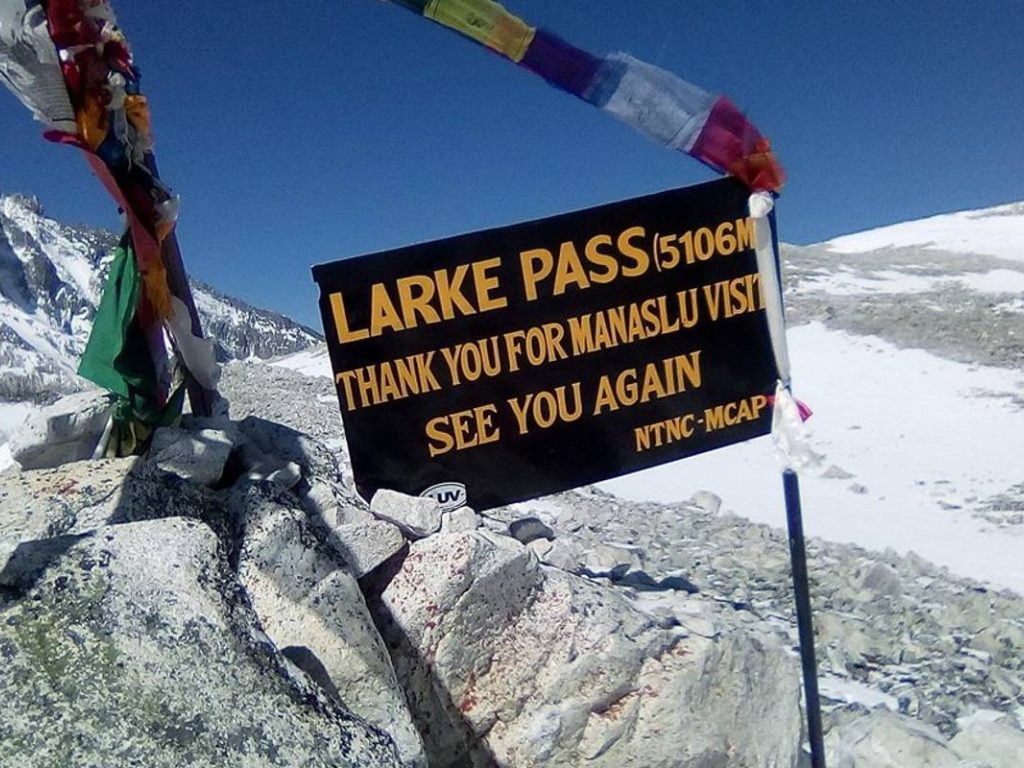
Introduction The Manaslu Trek via Larke Pass is a remote Himalayan adventure around Mount Manaslu, the world’s eighth-highest mountain. The route passes through traditional villages, Buddhist monasteries, dramatic valleys, and high mountain landscapes before crossing the challenging Larke Pass. These FAQs cover the route, permits, difficulty, altitude, best time, accommodation, cost, preparation, and other practical […]
Langtang Valley Trek – Frequently Asked Questions
Introduction Planning a Langtang Valley Trek often comes with questions about the route, difficulty, altitude, permits, best season, accommodation, food, transportation, and preparation. This FAQ guide answers the most common questions trekkers ask before visiting the Langtang region. The Langtang Valley Trek takes you from the lower hills toward Kyanjin Gompa through forests, Tamang villages, […]

Namche Bazaar: The Heartbeat of the Everest Region
Ask any trekker who has walked to Everest Base Camp and most of them will tell you the same thing. It’s just not a random village in the Khumbu region. Namche Bazaar is the town that stays in your heart forever. It is the heart of Khumbu, where you can get luxury services with backdrop […]