
For more information or to plan your trek, contact us. We are always ready to make your journey unforgettable.
Nepali New Year 2083 – Date, History, Celebration and Best Places
Posted by: Nepal Holidays Treks and Tours on March 1, 2026
New Year is a time of reflection, celebration, and anticipation for the future. It marks the beginning of a fresh chapter in our lives, offering an opportunity to set new goals, make resolutions, and embrace positive change. People around the world commemorate New Year’s Eve with parties, fireworks, and gatherings with friends and family. It’s a time to bid farewell to the past year’s experiences, both joyful and challenging, and to welcome the New Year with hope, optimism, and renewed energy.
New Year’s Day often brings a sense of excitement and possibility, symbolizing new beginnings and opportunities. It’s a time to cherish the memories of the past and to embrace the adventures that lie ahead. Whether it’s through traditional rituals, cultural customs, or personal reflections, New Year serves as a universal moment of celebration and renewal for people from diverse backgrounds and cultures.
Nepali New Year for Nepalese is indeed a festive occasion. Baisakh Sankranti is another popular name for the first day. On this day there is a public holiday in the country. It is the time when nature welcomes the year with new life. Everything seems green and colorful resulting in a rejuvenating ambiance for the refreshment of every single Nepali person.
What is the Nepali New Year and When is it in 2026 ?
Nepal uses its own calendar system named Bikram Sambat in which version 2083 starts from 14th April 2026. “Naya Barsha” in Nepali language, is the first day of Bikram Sambat calendar which is 56.8 years ahead of the Gregorian calendar.
So, while the rest of the world celebrated 2026 last January, Nepal welcomes an entirely new year-2083 in mid-April, with a depth of tradition, spirituality, and community celebration that January 1st can rarely match.
The festivities usually start a day ahead of the actual New Year, on 13 April 2026 and run till 15 April 2026, conferring a splendid three-day festive that offers foreign tourists enough opportunity to get caught up in the celebrations before taking off on a spring trek.
What is the Bikram Sambat Calendar? – A Simple Explanation
The Bikram Sambat is the official calendar of Nepal with the first month being Baisakh and the last month being Chaitra. Baisakh 1st is the start of new year in Nepal which usually falls on 13–15 April as per Gregorian calendar.
One of the distinctive elements of the ancient Nepali Calendar is that it is ahead of the Gregorian Calendar by 56 years and 8 months. Using a very complicated Nepali panchang, the Nepali Calendar determines the dates of such major festivals as Dashain, Tihar, Teej, Chhath, Lhosar and Eid.
Bikram Sambat being the first calendar for the official calendar of Nepal but Nepal Sambat is also acknowledged and applicable especially for some cultural events and has some religious hold among the Newar of Kathmandu Valley and some other ethnic groups. Be aware not to mix the two — they are different calendars with unique histories and peoples.
When is Nepalese New Year?
Nepali New Year, also known as “Nepal Sambat,” typically falls in mid-April. The exact date varies each year because it follows the lunar calendar. In the Gregorian calendar, it usually falls between April 11th and April 15th. It’s a joyous occasion celebrated with various cultural and religious festivities across Nepal.
History of Nepalese New Year
Nepal Sambat was established in the 12th century by a legendary figure named Shankhadhar Shakhwa. According to legend, Shankhadhar Shakhwa was a wealthy merchant who lived during the reign of King Amsuvarman in the Kathmandu Valley. He was deeply moved by the suffering of his fellow citizens who were heavily taxed by the ruling king. In response, Shankhadhar Shakhwa paid off the debts of the people and established a new calendar system, Nepal Sambat, to mark the beginning of a new era of prosperity and liberation for the valley.
Nepal Sambat is a lunar calendar based on the phases of the moon. It is believed to have been introduced during the reign of King Raghavadeva, who ruled the Kathmandu Valley in the 9th century. However, it was formally established and named Nepal Sambat by Shankhadhar Shakhwa in the 12th century.
Nepal Sambat holds significant cultural and religious importance in Nepal. It is celebrated as the national calendar and is used for religious and cultural festivals, as well as for administrative purposes. The New Year marks the beginning of a new lunar cycle and is considered an auspicious time for new beginnings, prosperity, and spiritual renewal.
In the 20th century, Nepal Sambat faced a period of decline and was largely forgotten. However, it was revived and reintroduced as a national calendar in the 20th century, thanks to the efforts of scholars, cultural activists, and political leaders. In 2008, the Government of Nepal officially recognized Nepal Sambat as the national calendar of Nepal, reaffirming its cultural and historical significance.
It is celebrated with great enthusiasm and festivities throughout Nepal. Streets and public spaces are decorated with colorful banners, flags, and traditional motifs. There are cultural programs, concerts, and street performances showcasing Nepali music, dance, and arts. Families gather to exchange greetings, share meals, and seek blessings for the coming year from elders and ancestors.
Overall, the history of Nepali New Year reflects the resilience, cultural pride, and unity of the Nepali people, as they celebrate their heritage and traditions passed down through generations.
How do Nepali People celebrate Naya Barsha (New Year) ?
Nepali People celebrate New Year with parties, family meetings, exchanging good wishes and joining rituals for good luck in the coming year. Here is what you will see as an international visitor:
Deep Cleaning and Home Decoration
All homes in Nepal are cleaned from top to bottom to usher in the New Year — to get rid of the dust and dirt of the past year and let in new energy for the year ahead. The doors are adorned with flowers and traditional patterns, oil lamps are lit and the whole house becomes a cozy festive haven.
Temple Visits and Morning Prayers
New Year’s in Nepal begins at the temple on the morning. Thousands of pilgrims flock to holy places — notably Pashupatinath Temple, Swayambhunath Stupa and Boudhanath Stupa in Kathmandu — to pray and offer flowers and incense for blessings, good health and prosperity in the coming year. Observing the dawn ceremonies at Pashupatinath on New Year’s Day is among the most authentically stirring experiences Nepal can provide.
Wearing New Traditional Clothes
This is also an important day for wearing traditional dress. Men wear the daura suruwal and women wear a sari or kurta – and the streets become a living mosaic of color and cultural pride.
Family Feasts and Special Foods
Specialties are cooked and eaten with the family and neighbors. The New Year spread includes a collection of favorite Nepali classics — sel roti (a sweet crispy rice bread), laddoos, kheer, achar, and naturally the ever dependable Dal Bhat. Dishes on New Year’s Day are for sharing, whether that’s your family, friends, or neighbors. You will always be invited to share.
Cultural Parades and Street performance
The streets of Kathmandu and Bhaktapur are bustling with traditional music, folk dances, masked dances, and colorful cultural processions. The sound of the madal drum, sarangi and bansuri flute permeates the air – and though you don’t understand a single word, the vigor of the celebration is totally universal.
Setting New Year Intention
An important part of the Nepali New Year celebrations is making resolutions — typically related to self-betterment, education, familial bonding, and community service. The New Year is a time to stop, reflect and evaluate one’s choices and actions of the past year.
Why the Nepalese New Year is different?
Nepal Sambat is a lunar calendar that has been used in Nepal for centuries. It was initiated by a legendary figure named Shankhadhar Shakhwa in the 9th century. Nepal Sambat follows a lunar system based on the phases of the moon, similar to other lunar calendars like the Islamic Hijri calendar or the Chinese lunar calendar. The first day of the Nepali New Year, also known as “Nava Varsha,” falls on the first day of the waxing moon in the month of Kartik (usually in October or November in the Gregorian calendar).
The Gregorian calendar, which is widely used internationally, is a solar calendar introduced by Pope Gregory XIII in 1582. It is based on the Earth’s orbit around the sun and divides the year into 12 months. The New Year in the Gregorian calendar begins on January 1st, which marks the start of the calendar year in many countries.
The difference in the dates of Nepali New Year and the Gregorian New Year is primarily due to the distinct systems of calculation and cultural traditions associated with each calendar. While the Gregorian New Year is a globally recognized event, Nepali New Year holds cultural and historical significance specifically for the people of Nepal.
Why do people celebrate New Year?
People celebrate New Year for various reasons, including:
Fresh Start: New Year symbolizes the beginning of a new chapter in life. It’s a time for people to reflect on the past year, learn from their experiences, and look forward to starting afresh with renewed energy and optimism.
Setting Goals: Many people use the New Year as an opportunity to set goals and resolutions for themselves. Whether it’s improving health, pursuing personal growth, or achieving career milestones, the start of a new year provides a natural framework for setting intentions and working towards them.
Cultural and Religious Significance: In many cultures, New Year is celebrated as a significant cultural or religious holiday. It often involves traditional rituals, ceremonies, and festivities that have been passed down through generations.
Community and Togetherness: New Year celebrations often bring people together. Whether it’s through parties, gatherings, or public events, New Year’s Eve and New Year’s Day are times for friends and family to come together, celebrate, and strengthen bonds.
Hope and Optimism: New Year is associated with hope and optimism for the future. It’s a time to leave behind any negativity or challenges from the past and embrace the possibilities of the year ahead.
How can we celebrate upcoming New Year 2083?
Nepali New Year, 2083 would likely involve a mix of traditional customs, cultural festivities, and modern celebrations. Here are some ideas on how you could celebrate Nepali New Year in 2083:
We can show their admiration for nature, many opt for trekking in Nepal which includes Everest Base Camp Trek, Annapurna base Camp Trek, Annapurna Circuit trek, Ghorepani Poon Hill trek Langtang Valley Trek, Mardi Himal Trek, and likewise. To get you into the festive spirit for your Nepali New Year soon, book soul-filling escapes as per your schedule. On the occasion of the New Year, one can expect special offers in every single aspect.
As the Nepali New Year welcomes the spring season as the starting season of the year, indeed it is a great idea to join the outdoor trips to embrace the spring weather. During their Nepali New Year visit, many people are eager to upload their Nepali New Year photo as their profile picture.
Attend Cultural Events: Look for local events and festivals organized by Nepali communities or cultural organizations in your area. These events often feature traditional music, dance performances, food stalls serving Nepali cuisine, and cultural exhibitions showcasing art and crafts.
Wear Traditional Attire: Embrace the spirit of Nepali by wearing traditional Nepali clothing such as a daura suruwal for men or a sari or kurta for women. You can also accessorize with traditional jewelry and adornments.
Prepare Nepali Cuisine: Celebrate Nepali New Year by preparing and enjoying traditional Nepali dishes with family and friends. You could cook specialties like momos (dumplings), dal bhat (rice and lentils), sel roti (sweet fried bread), and various chutneys and pickles.
Decorate Your Home: Decorate your home with colorful rangoli designs, flowers, and traditional Nepali decorations like torans (door hangings) and prayer flags. Create a festive atmosphere by lighting candles or oil lamps, known as diyas.
Perform Rituals and Puja: Participate in traditional rituals and puja ceremonies to usher in the New Year. Offer prayers and offerings to deities and seek blessings for prosperity, health, and happiness in the coming year.
Exchange Gifts: Exchange gifts with family and friends as a gesture of goodwill and affection. Traditional Nepali gifts could include sweets, fruits, dried fruits, nuts, or cultural items such as statues of Hindu deities, incense, or prayer beads.
Connect with Loved Ones: Reach out to love ones, whether they’re near or far, to exchange New Year greetings and well wishes. Use modern communication tools like video calls, social media, or messaging apps to connect with friends and family members.
Reflect and Set Intentions: Take time to reflect on the past year and set intentions or resolutions for the year ahead. Consider what you hope to achieve or improve upon in various aspects of your life and commit to positive changes.
By blending traditional customs with modern celebrations, you can create a memorable and meaningful Nepali New Year celebration in 2081 that honors the rich cultural heritage of Nepal while embracing the spirit of renewal and optimism for the future.
The Most Spectacular New Year Festivals to witness in 2026
Bisket Jatra – Bhaktapur ( The ultimate New Year Festival)
Bisket Jatra, a carnival in Bhaktapur, takes place on Baishakh 1 every year.This is by far the most breathtaking New Year festival in all of Nepal – and one of the most mind-blowing cultural events in Asia. The festival includes colossal deity chariot procession of Bhairab and Bhadrakali through narrow streets of ancient city of Bhaktapur, raising of a gigantic ceremonial pole known as Yosin, and a magnificent tug-of-war between the eastern and western parts of the city. If you want to see only one event during the Nepali New Year — make it Bisket Jatra, Bhaktapur.
Sindoor Jatra – Thimi ( The Festival of Vermilion )
Not far from Bhaktapur, the town of Thimi holds perhaps the most visually stunning event of the whole New Year season — Sindoor Jatra. Local inhabitants in traditional clothing carrying palanquins on which deities are seated through the streets throw a bright red vermilion powder into the air accompanied by joyful and colorful yelling, representing the victory of good over darkness. It’s the sort of tableau that halts you in your tracks and lets you know that you are in a very special place.
Kathmandu Street Celebrations
The streets of Thamel, Durbar Square, Asan are teeming with processions, live musical performances, cultural shows and a buzzing festive spirit makes the whole city seem like one big open-air party. It is an ideal location to rub shoulders with the crowds, exchange season’s greetings with strangers and catch the unmistakable spirit of Nepali New Year at full throttle.
Pokhara New Year Festivals
The most beautiful city in Nepal welcomes the New Year from in front of the Annapurna range. The day is celebrated widely throughout the country with celebrations on the streets, family gatherings, cultural programs, and feelings of new beginnings and hope. Lakeside restaurants hold special functions and the fireworks reflection over Phewa Lake on New Year’s Eve is just magical.
Best places to celebrate:
Kathmandu
The capital city of Nepal, Kathmandu, is a vibrant and lively place to celebrate New Year. Thamel, the tourist hub of Kathmandu, comes alive with street parties, live music, and cultural performances. You can also visit historic sites like Durbar Square and Swayambhunath (Monkey Temple) to witness traditional rituals and festivities.
Pokhara
Known for its stunning lakeside setting and panoramic views of the Himalayas, Pokhara is another popular destination to celebrate New Year in Nepal. Lakeside restaurants and cafes host special events and parties, while you can also enjoy boat rides on Phewa Lake and watch fireworks lighting up the night sky.
Chitwan National Park
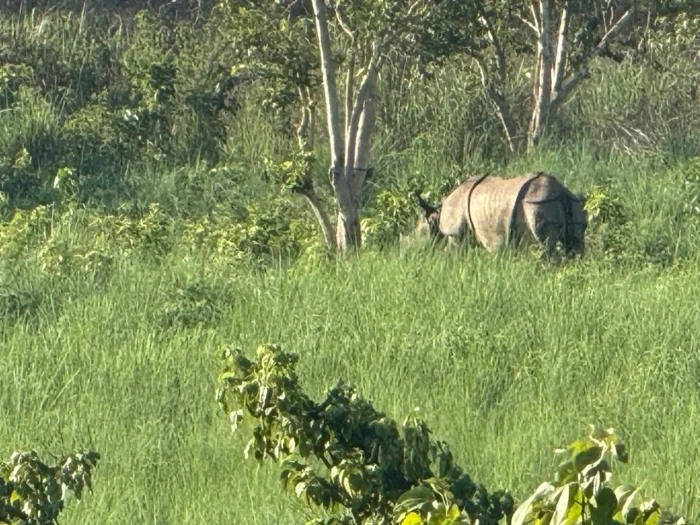
If you prefer a more nature-oriented celebration, Chitwan National Park offers a unique experience amidst lush jungles and wildlife. You can participate in jungle safaris, elephant rides, and cultural programs organized by resorts and lodges in the area.
Nagarkot
For a peaceful and scenic New Year celebration, head to Nagarkot, a hill station located just outside Kathmandu Valley. Famous for its panoramic views of the Himalayas, Nagarkot offers a tranquil retreat away from the hustle and bustle of the city. You can watch the sunrise over the mountains on New Year’s Day and enjoy the serene surroundings.
Bandipur
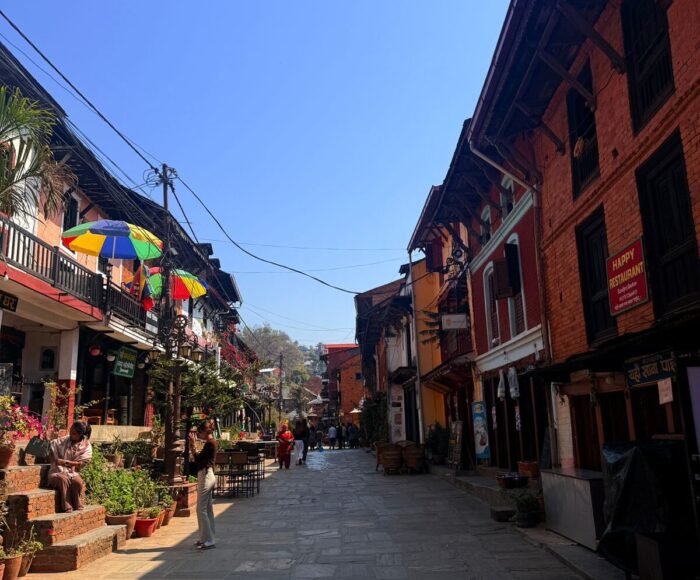
A picturesque hilltop town with well-preserved Newari architecture, Bandipur is a charming destination to welcome a new era. Explore the cobbled streets lined with traditional houses, visit ancient temples, and enjoy breathtaking views of the Himalayas. Many guesthouses and cafes in Bandipur organize cultural programs and festivities for New Year’s Eve.
Lumbini
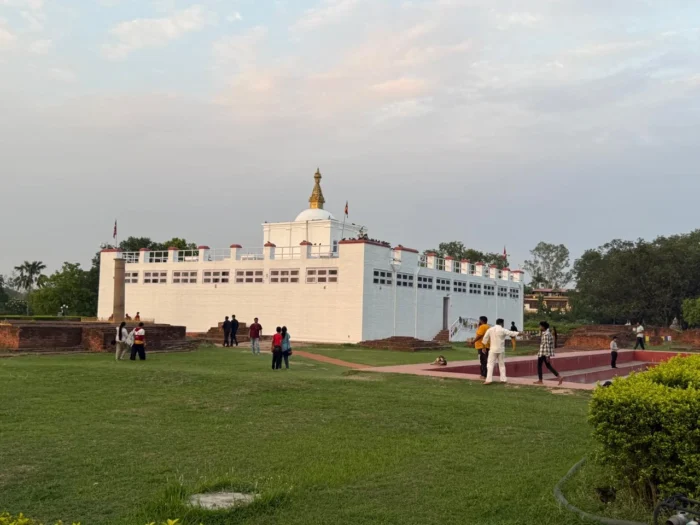
For a spiritual New Year experience, consider visiting Lumbini, the birthplace of Lord Buddha and a UNESCO World Heritage Site. You can explore the sacred gardens, visit monasteries and temples, and participate in meditation and spiritual retreats to welcome the New Year with mindfulness and reflection.
Each of these destinations offers a unique and memorable way to celebrate New Year in Nepal, whether you prefer vibrant city festivities, serene nature escapes, or spiritual experiences.
Ilam ( Tea Gardens and Tranquility in Eastern Nepal )
For the intrepid globetrotter seeking to get away from the bustling crowds and experience the Nepali New Year in a new backdrop — Ilam in eastern Nepal is a hidden paradise of lush green tea gardens, misty hills, and breathtaking views of the Himalayas. To celebrate Naya Barsha here is sipping freshly brewed organic tea on a lush green hillside, looking out over the mountains as the entire valley awakens with soft, communal festivities. It is Nepal, but the sweetest and most beautiful version of it.
What to eat during the Nepali New Year
The most enjoyable way to celebrate New Year is with food — and the New Year spread in Nepal definitely has some real wonders to offer. Here are the traditional foods that are a must try in the Nepali New Year celebration:
Sel Roti : The unquestionable showstopper in Naya Barsha. This ring shaped sweet fried bread is made with rice flour, it is crisp, soft and absolutely delicious. You will find it cooking up fresh on every street corner during the celebrations — sample one warm with yogurt or achar (pickle ) and it will stay with you forever.
Kheer: The favorite festive sweet of Nepal, cooked slowly with full-fat milk, cardamom and saffron until it is rich and creamy. It is served at just about every New Year feast as a sign of sweetness and good luck in the coming year.
Laddoo: Golden and sweet little balls cooked in ghee, prepared with chickpea flour, reciprocated among relatives and neighbors like a sign of love and hearty New year blessings.
Momo: The Nepali version of the dumpling, served with a fiery tomato-based sauce. Consumed all year long, but truly can’t miss in the New Year street celebrations in Kathmandu and Bhaktapur.
Dal Bhat: No Nepali celebration is ever complete without Dal Bhat Tarkari – Nepal’s iconic rice, lentil soup, and vegetable curry that figures in every Nepali feast. Simple, nourishing and prepared with a little extra love on New Year’s Day.
Chiya: Ginger spiced, sweet, and milky tea from Nepal. It is the warm hospitality in a cup that you get knocked out with from the first bowlful that you are served when you step into a Nepali home on Naya Barsha – comforting and soothing, and the most trusting tea bowl, or rather the most welcoming cup of tea, you will ever be handed.
Come hungry, eat generously and let Nepal feed your soul !
Why Nepali New Year 2083 Should be Your Next Travel Adventure
The world is full of New Year festivities, but the Nepali New Year 2083 is one of the very few that stirs your emotions and surprises you, fills your lungs with fresh air and makes you feel truly alive. Here is why you should already have April 14, 2026 marked on your travel calendar.
The Mountains Are at Their Most Beautiful
Mid- April is the best trekking season in Nepal. Rhododendron forests blossom, the skies are clear as crystal and the views of Everest, Annapurna, Langtang, etc. are breath-taking. You are not simply coming for a festival — you are visiting Nepal at its absolute peak.
Festivals Unlike Anything Else on Earth
Among the most spectacular ancient festivals in Asia are the Bisket Jatra in Bhaktapur and the Sindoor Jatra in Thimi — giant chariot processions, the erection of ceremonial poles, and streets erupting with clouds of vermilion powder. This is a living tradition that is 2,000 years old. And you can be right in the middle of it.
The Warmest Hospitality You Will Ever Experience
In Naya Barsha the doors are open, the tables are full, and strangers are received as family. You will be served Sel Roti and Chiya and made to feel really at home. This is real Nepal, wide open and gorgeous.
Celebrate and Trek – The Perfect Combination
Spend Naya Barsha festivities in Kathmandu or Bhaktapur — then head directly from onto the trail on a Langtang Valley Trek, Everest Base Camp Trek, or Annapurna Circuit under ideal spring weather. Culture and adventure. Celebration and wilderness. All on one trip you will never forget.
Practical Tips for International Tourists During Nepali New Year 2083
Arrive 2-3 days early: Give yourself time to settle in and soak up the Festive energy building before April 14.
Book accommodation early: April is Nepal’s peak trekking season. Hotels in Kathmandu, Bhaktapur and Pokhara fill up fast. Book at least 4-6 weeks in advance.
Always carry cash: Street vendors, food stalls and New Year market sellers operate on cash only. Withdraw enough Nepali Rupees before heading to the celebrations.
Dress respectfully at temples: Cover shoulder and knees, remove shoes before entering religious spaces and always ask permission before photographing rituals.
Learn the Greeting: Say “ Naya Barsha ko Suvakamana” to every local you meet. The smiles and warmth you receive in return will be the highlight of your trip.
Pack for changeable weather: April is warm but unpredictable. Pack light clothes for the city and a warm fleece and waterproof jacket for the mountains.
Book your spring trek early: April treks fill up fast. Book your Langtang Valley Trek, Everest Base Camp Trek or Annapurna circuit Trek well in advance.
Eat where the local eats: Skip the tourist restaurants. The best Sel Roti, chiya and festive food is found in the local market of Bhaktapur and Asan in Kathmandu.
Come with an open heart: Leave your expectations at the door and let Nepal surprise you. It always will.
Celebrate Nepali New Year 2083 with Nepal Holiday Treks and Tours
April 14, 2026 is closer than you think – and we want to make sure you are exactly where you need to be.
With Nepal being our home at Nepal Holiday Treks and Tours, from our living room we show travelers from all over the world what real Nepal is — not just the mountains and the trails but the culture and festivals and food and the unparalleled warmth of the Nepali people. While a big Naya Barsha party is what we would recommend for all our experiences, it is the one that sticks with our guests longest when they come home.
What we offer for Nepali New Year 2083
Cultural City Tours
From the UNESCO streets of Bhaktapur where Bisket Jatra fills the air with excitement and color, to the holy Pashupatinath and the bustling festivals in Kathmandu Durbar Square. Our knowledgeable local guides ensure that you are not only spectators to the celebrations — but that you experience them firsthand and understand them more fully.
New Year + Spring Trek Packages
Who says you have to pick between culture and adventure when you can enjoy the best of both? Celebrate Naya Barsha in Kathmandu or Bhaktapur — then head straight onto Nepal’s finest spring trails. Our winning combinations are:
- Naya Barsha + Langtang Valley Trek
- Naya Barsha + Everest Base Camp Trek
- Naya Barsha + Annapurna Circuit Trek
- Naya Barsha + Any Trek of Your Choice
All fully guided, fully supported, and perfectly timed to make the most of Nepal’s finest spring season.
Fully Customized Itineraries
Every traveler is different — and we believe your experience in Nepal should reflect who you are and what you want to see. Whether it is a 5 day “city culture” tour or a 3 week combined festival trekking experience, or something totally different — our team will create the ideal itinerary for you, your schedule and your budget.
FAQs about – Nepali New Year 2083
1. What does Naya Barsha Mean?
Naya Barsha in Nepali means New Year. The words Naya and Barsha mean New and Year respectively. This is the most common colloquial term used for the new year celebration of Nepali New Year. When speaking among themselves, the formal greeting during this period between Nepali peoples is Naya Barshako Shubhakamana — “Best Wishes for the New Year.”
2. Is Nepali New Year a Public Holiday ?
Yes — Baisakh 1 (or the first day of the Nepali New Year) is a given public holiday in Nepal. It is a public holiday in which government offices, banks and schools are closed and the whole nation takes a moment to celebrate Naya Barsha with family, temple visits and party.
3. Is April a good time to trek in Nepal?
Totally – April is one of the best months for trekking in Nepal. With spring comes clear mountain skies, stable weather, and blooms of rhododendrons across the Langtang, Everest, Annapurna region forests. There is no doubt that this is the most satisfying Nepal travel experience.
4. How far in advance should I book my Nepali New Year trip to Nepal?
We highly advise reservations 4–6 weeks in advance — and even earlier if possible. The Nepali New Year 2083 is set to take place on April 14, 2026 — right in the middle of Nepal’s prime spring trekking season. Hotel, guides, and trek departures are full up quickly over this period. Pre-booking gives you the best chance of availability, the least amount of hassle and the most time to personalize your itinerary.
5. Can Nepal Holiday Treks and Tours help me plan a Nepali New Year Trip?
Absolutely — and we would love to. Nepal Holiday Treks and Tours can provide a fully customized cultural tours for Nepali New Year, combined festival and trekking packages, and private guided experience that completely depend on your schedule, interest and budget.
Why Book with Us ?
After all, we are not just a trekking agency – we are a group of enthusiastic locally based Nepali individuals who really love sharing our country with the world. We know which temple to go to first on New Years morning. We know which street corner has the best Sel Roti in Bhaktapur. We know the routes, the teahouses, the secret vistas, and the lulls where travelers most often miss out.
When You Travel with Nepal Holiday Treks and Tours, you are not booking a package. You are gaining a team that treats your journey like their own.
Book Early – April Fills Fast
Nepali New Year 2083 falls on April 14, 2026 — in the midst of Nepal’s bustling spring trekking season. Hotels, guides and trek departures become full very rapidly in this season. The longer in advance you book, the better your experience will be — and the more time we have to create something truly special for you.
Nepal is waiting. The mountains are blooming. The festivals are calling. And we are ready to take you there.
Naya Barsha ko Subhakamana ! – Happy Nepali New Year 2083 !
Related Blogs
September 26, 2026
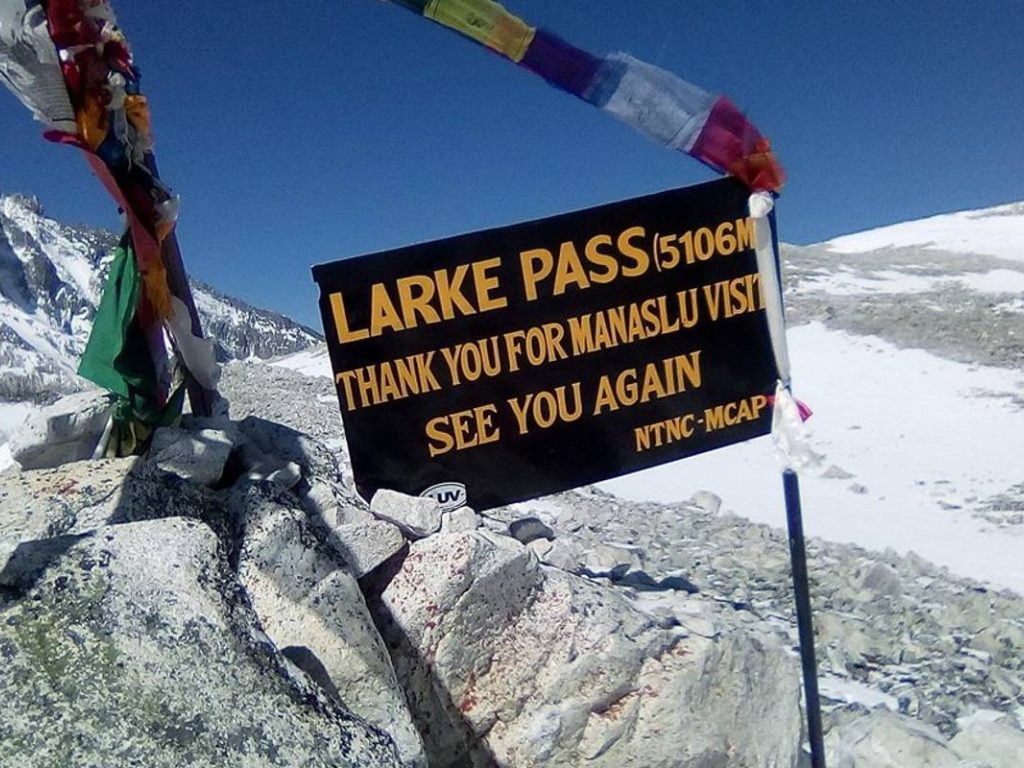
Manaslu Trek via Larke Pass Trek FAQs
Introduction The Manaslu Trek via Larke Pass is a remote Himalayan adventure around Mount Manaslu, the world’s eighth-highest mountain. The route passes through traditional villages, Buddhist monasteries, dramatic valleys, and high mountain landscapes before crossing the challenging Larke Pass. These FAQs cover the route, permits, difficulty, altitude, best time, accommodation, cost, preparation, and other practical […]
September 21, 2026
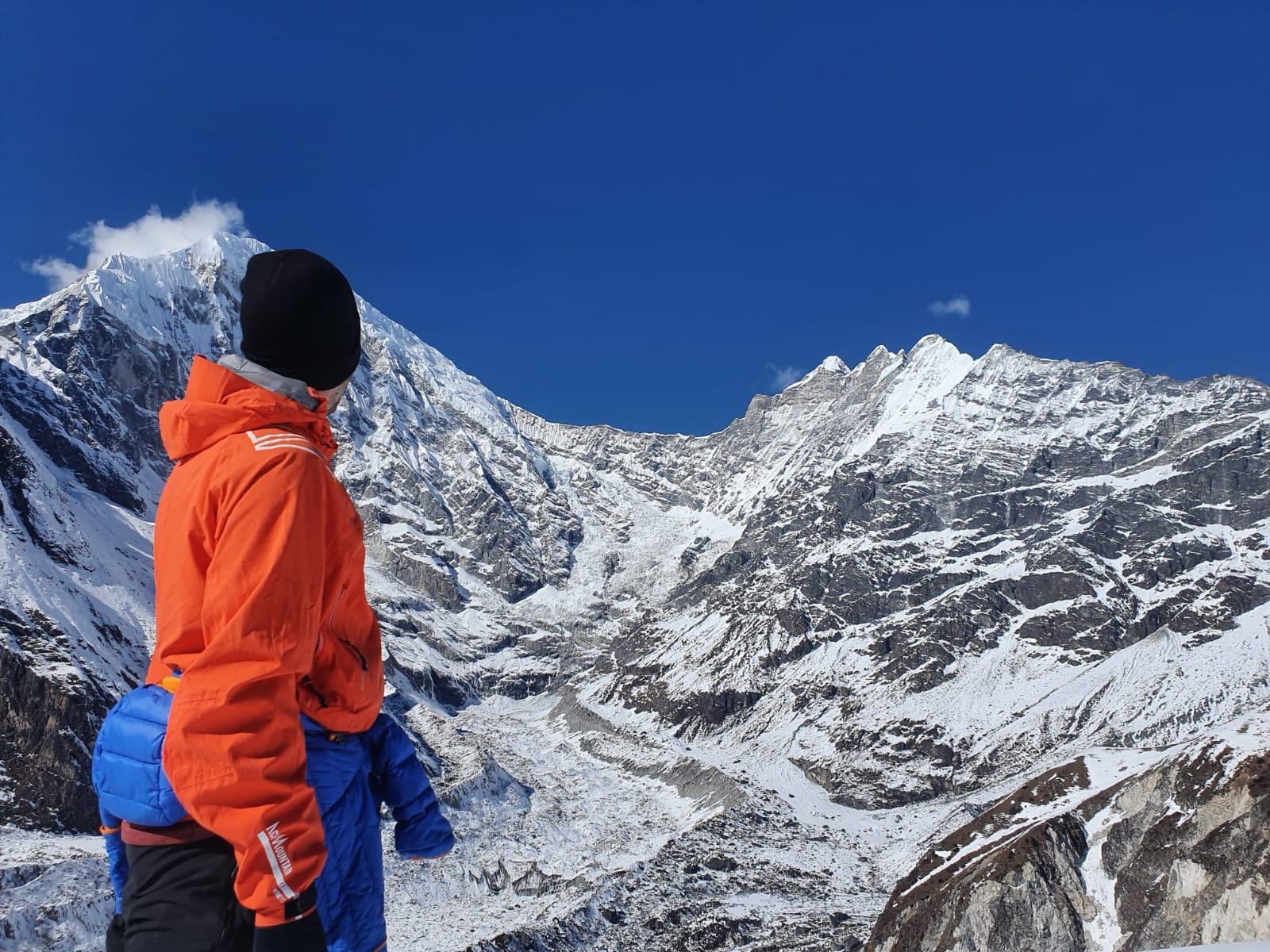
Langtang Valley Trek – Frequently Asked Questions
Introduction Planning a Langtang Valley Trek often comes with questions about the route, difficulty, altitude, permits, best season, accommodation, food, transportation, and preparation. This FAQ guide answers the most common questions trekkers ask before visiting the Langtang region. The Langtang Valley Trek takes you from the lower hills toward Kyanjin Gompa through forests, Tamang villages, […]

September 10, 2026
Namche Bazaar: The Heartbeat of the Everest Region
Ask any trekker who has walked to Everest Base Camp and most of them will tell you the same thing. It’s just not a random village in the Khumbu region. Namche Bazaar is the town that stays in your heart forever. It is the heart of Khumbu, where you can get luxury services with backdrop […]