
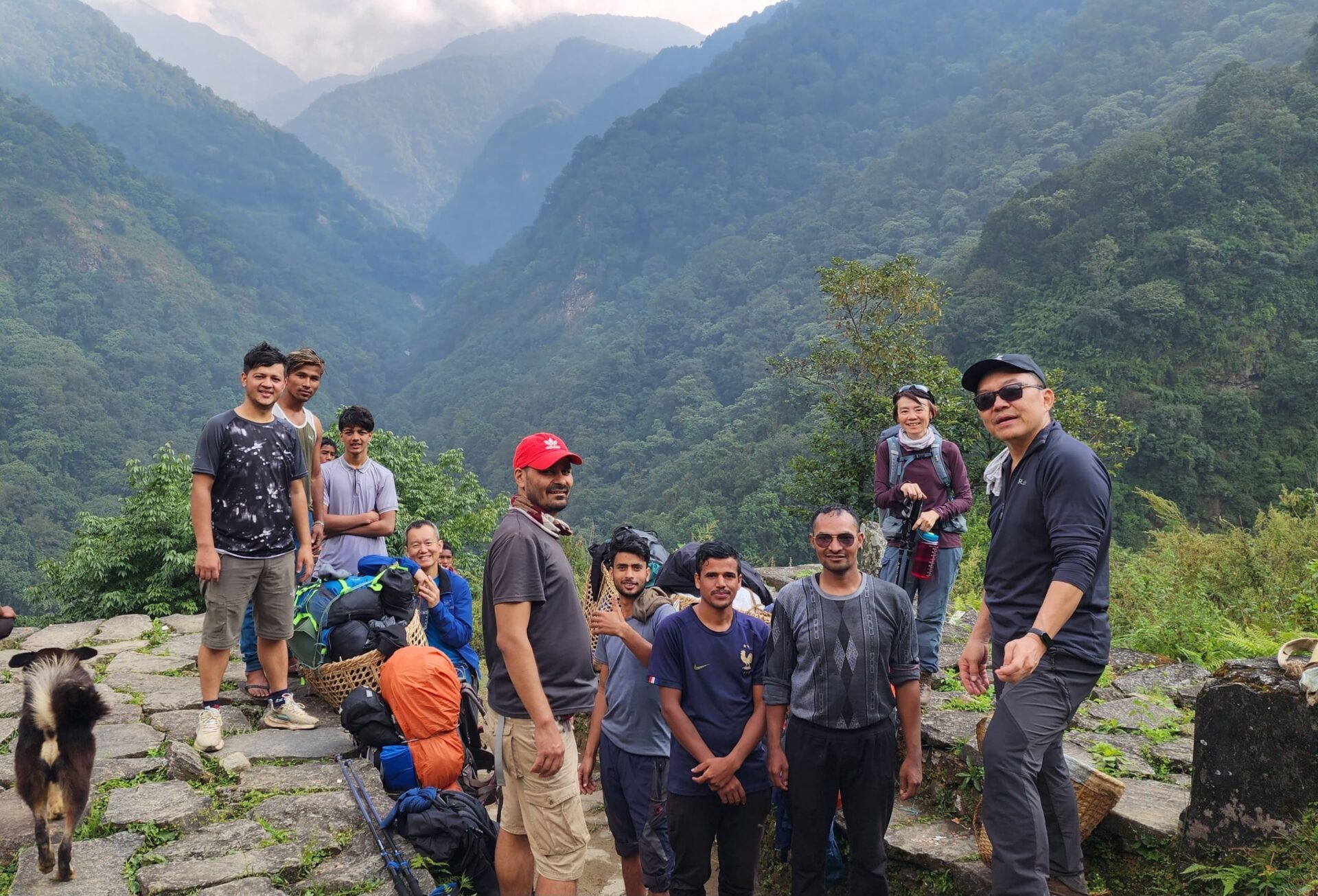


Nar phu Valley Trek – 13 Days Overview
Nar Phu is one of those regions in Nepal that the vast majority of trekkers are completely unaware of. It is situated in the Manang district off the well-trodden Annapurna trails, this secretive valley is home to ancient Tibetan Style villages and weathered chortens and monasteries that look as if they have not changed in hundreds of years.
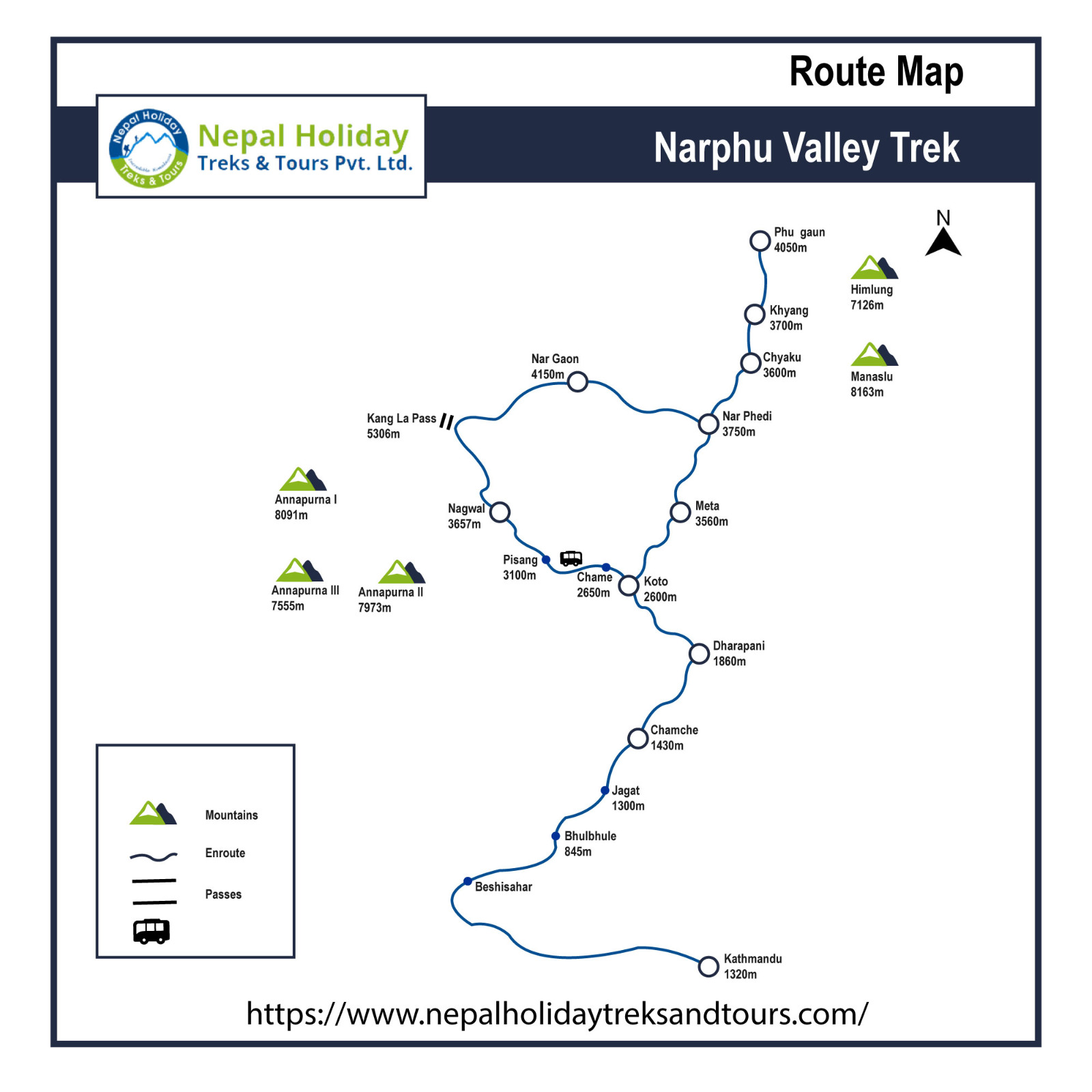
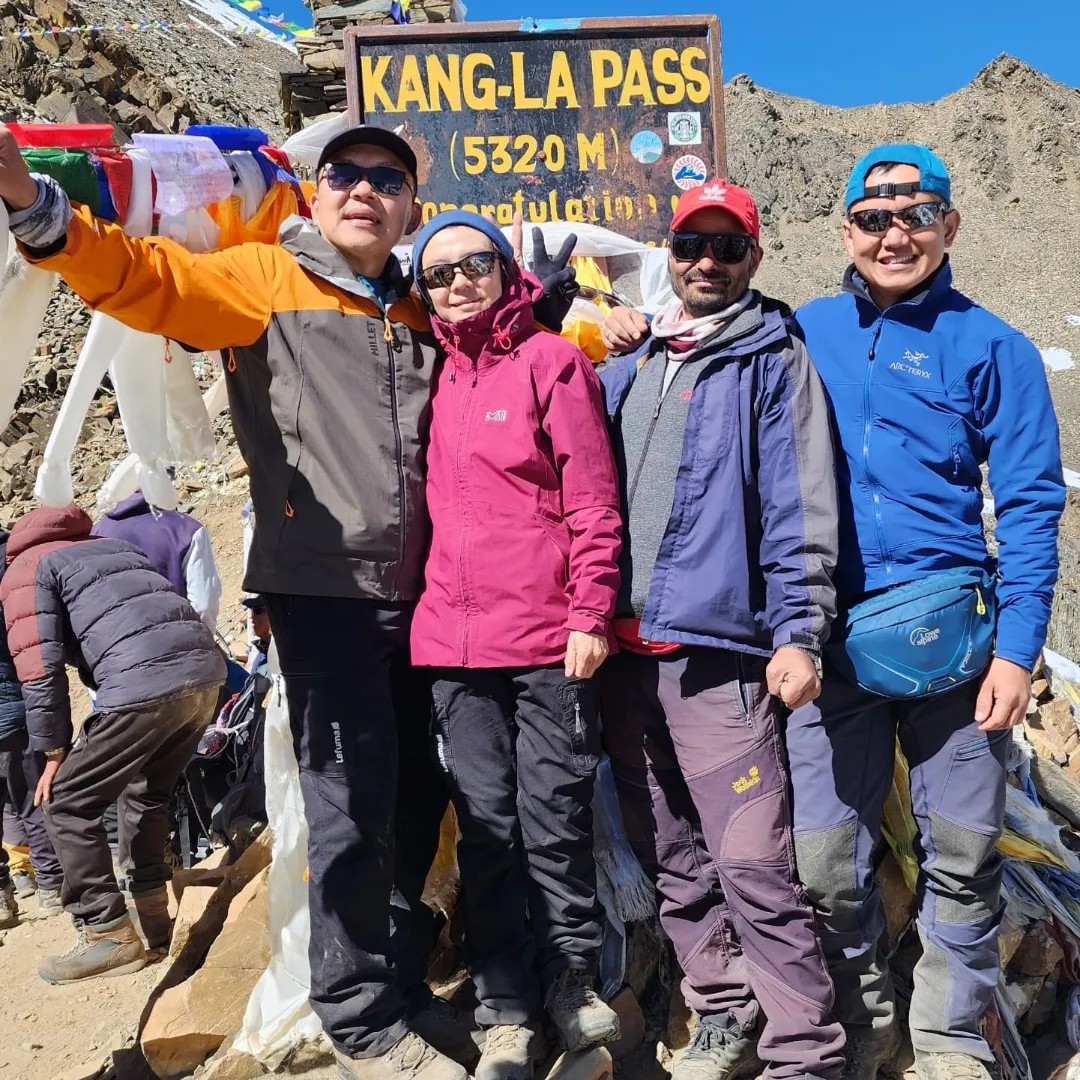
The trek begins with a beautiful drive from Kathmandu to Koto, the valley’s gateway. From there, walk through pine forest and narrow gorges to Meta, continue up to Kyang, then further on to Phu Gaon, a village built right into a Cliffside that feels frozen in time. From Phu Gaon, the trail heads back down toward Nar Village with giant Himalayan summit looming behind where you will take a well-earned rest day to acclimatize before the toughest stretch ahead. But it all pales in comparison to the crowning achievements of this trek – Kang-La Pass, one of the most exhilarating and challenging high passes in the region. Before you drop down into Ngwal and meet up with the main Annapurna Circuit trail.
Not many people trek here and that is really the point. If you want ancient culture, authentic mountain scenery and trails are not overcrowded. Nar Phu Valley has it all.
Best Time for Nar Phu Valley Trek
The best time to trek Nar Phu Valley is during spring (March to May) and autumn (September to November). These months bring clear skies, stable weather and the best mountain views you will get all year without the extreme cold of winter or the muddy trails of monsoon.
Spring is a great pick if you want to see the valley slowly come back to life with clearer trails and pleasant daytime temperatures for trekking. Autumn is usually the most popular choice and for good reason, the air is crisp, visibility is excellent and the views of Annapurna II, Kang Guru and the surrounding peaks are hard to beat.
Since Nar Phu sits in a rain shadow area, it can actually be trekked even during monsoon season with less rainfall than other regions though trails can still get slippery in places. Winter (December to February) is possible too but heavy snow around Kang-La Pass makes crossing it much harder and sometimes unsafe, so it is not usually recommended unless you are experienced high altitude trekker.
Weather on the Nar Phu Valley Trek
Weather in Nar Phu can shift quickly, so it is best to be prepared for anything. At lower altitudes like Koto, daytime temperatures range from 15 degree Celsius to 20 degree Celsius, while night stay mild around 5 degree Celsius to 10 degree Celsius. As you climb higher toward Phu Gaon and Nar, daytime temperatures drop to around 5 degree Celsius to 10 degree Celsius and night can fall well below freezing, sometimes to -10 degree Celsius or lower.
Near Kang-La Pass, at over 5,300 meters, temperatures are at their coldest, often between -10 degree Celsius and -15 degree Celsius with strong winds making it feel even colder. This is why an early morning start is planned for this crossing before the wind picks up further.
Trek Difficulty and Fitness Level Required for the Nar Phu Valley Trek
The Nar Phu Valley Trek is challenging and it is best to go in with realistic expectations. This is not a trek for absolute beginners but you do not need to be an elite mountaineer either. What it really takes is a good base level of fitness and the determination to keep going even on tough days.
Most days involve six to seven hours of walking over uneven trails and steep sections and altitude adds to the effort even for fit trekkers. Kang-La Pass at 5,300 meters is the toughest single day, a long, cold climb followed by a steep descent into Ngwal.
A few things help you prepare:
- Cardiovascular fitness matters more than raw strength, since you are walking for hours at altitude
- Prior trekking experience helps your body and mind know what to expect
- A few months of preparation, hiking, jogging or stair climbing a few times a week, makes a real difference
This is not a technical climb, no ropes or climbing gear needed, just steady legs and a good pace. If you can comfortably hike five to six hours on hilly terrain at home, you are already most of the way there.
Mountains Seen on the Nar Phu Valley Trek
- Annapurna II – visible from several points along the trail with its sharp icy face standing out clearly
- Kang Guru – rises dramatically near Phu Gaon, close enough to feel almost within reach
- Himlung Himal – joins the skyline as you head toward Nar and Kang-La Pass
- Annapurna IV – occasionally visible on clear days from higher points on the trail
- Best viewpoint – Kang-La Pass (5,306m) where Annapurna II, Kang Guru and Himlung Himal are all visible together.
Why Choose the Nar Phu Valley Trek?
If you want a trek that feels like a discovery rather than a checklist, Nar Phu is it. This is one of Nepal’s last hidden valleys, still untouched by mass tourism where ancient Tibetan culture, Cliffside villages and remote monasteries exist just as they have for centuries. You will walk through pine forests and dramatic high altitude desert, sleep in tiny villages most trekkers have never heard of and cross the wild high Kang-La Pass with Annapurna II, Kang Guru and Himlung Himal standing guard around you.
No crowds, no queues, no trail that feels like everyone else’s Instagram photo. Just you, an ancient valley and mountains that have watched over it for thousands of years.
If you are looking for something real, something quiet, something that still feels like a genuine adventure, Nar Phu Valley is where you find it.
Outline Itinerary
Day 1: Arrival in Kathmandu (1,400 m / 4,593 ft) and Transfer to Hotel
Day 2: Drive from Kathmandu to Koto (2,600 m / 8,530 ft) – 8–9 hours
Day 3: Trek from Koto to Meta (3,560 m / 11,680 ft) – 6–7 hours
Day 4: Trek from Meta to Kyang (4,080 m / 13,386 ft) – 4–5 hours
Day 5: Trek from Kyang to Phu Gaon (4,110 m / 13,484 ft) – 4–5 hours
Day 6: Trek from Phu Gaon to Chyarko (3,870 m / 12,697 ft) – 5–6 hours
Day 7: Trek from Chyarko to Nar Phedi (3,490 m / 11,450 ft) – 5–6 hours
Day 8: Trek from Nar Phedi to Nar Village (4,110 m / 13,484 ft) – 3–4 hours
Day 9: Acclimatization Day at Nar Village (4,110 m / 13,484 ft)
Day 10: Trek from Nar to Ngawal (3,675 m / 12,057 ft) via Kang La Pass (5,306 m / 17,408 ft) – 7–8 hours
Day 11: Drive from Ngawal to Kathmandu (1,400 m / 4,593 ft) – 9–10 hours
Day 12: Leisure Day in Kathmandu
Day 13: Final Departure from Kathmandu Airport
Nar phu Valley Trek – 13 Days Highlights
- Trek through one of Nepal’s last restricted Valleys, rarely visited by outsiders
- Explore Phu Gaon, an ancient cliff side village with centuries old stone houses
- Discover Tibetan-influenced culture, chortens and monasteries in Nar and Phu villages
- Visit Tashi Lhakhang Gompa, one of the region’s most sacred Buddhist monasteries
- Walk through dramatic canyons, pine forests and high-altitude desert landscapes
- Cross the challenging Kang-La Pass at over 5,300 meters
- Enjoy panoramic views of Annapurna II, Kang Guru and Himlung Himal along the trail
- Experience remote village life largely untouched by modern tourism
- Connect with the Annapurna Circuit trail after descending to Ngwal
- Spot wildlife such as blue sheep and Himalayan thar along the high trails
Nar phu Valley Trek – 13 Days Itinerary
Expand allDay 01: Arrive in Kathmandu and transfer to hotel.
Upon your arrival at Tribhuvan International Airport, our representative will welcome you and transfer you to your hotel. After check-in, you’ll receive a detailed trek briefing and have time to prepare your gear or explore the lively streets of Thamel.
Day 02: Drive from Kathmandu to Koto (2700m)
Enjoy a full-day scenic drive through winding mountain roads, lush hills, and traditional villages. Following the Marsyangdi River, you’ll pass Besisahar and Chame before reaching Koto, the gateway to the remote Nar Phu Valley.
Day 03: Trek from Koto to Meta (3,560m)
Your trek begins by entering the restricted Nar Phu Valley. Walk through dense pine forests, cross suspension bridges, and follow narrow trails carved into dramatic cliffs before reaching the small settlement of Meta with stunning mountain views.
Day 04: Trek from Meta to Kyang (4,080m)
Continue through a rugged alpine landscape dotted with ancient chortens, yak pastures, and Tibetan-style villages. The trail offers breathtaking views of snow-capped peaks before arriving at the peaceful village of Kyang.
Day 05: Trek from Kyang to Phu Gaon (4,110m)
Today’s trek leads to the fascinating village of Phu Gaon, one of Nepal’s most isolated Himalayan settlements. Explore its centuries-old monastery, traditional stone houses, and experience the unique Tibetan Buddhist culture.
Day 06: Trek Back from Phu Gaon to Chyarko
After enjoying the peaceful atmosphere of Phu, retrace your steps through the spectacular valley. Pass colorful prayer flags, deep gorges, and scenic landscapes before reaching Chyarko for an overnight stay.
Day 07: Trek from Chyarko to Nar Phedi
Descend along the beautiful Nar Phu Valley to Nar Phedi. Visit the peaceful Nar Phedi Monastery, where monks maintain traditional Buddhist practices in a serene mountain setting.
Day 08: Trek from Nar Phedi to Nar
A gradual uphill climb brings you to the traditional village of Nar. Surrounded by towering Himalayan peaks, Nar is famous for its unique Tibetan culture, ancient monasteries, and friendly local community.
Day 09: Acclimatization and exploration of Nar (4,250m)
Spend the day acclimatizing to the altitude while exploring Nar Village and its surroundings. Enjoy short hikes to nearby viewpoints, visit local monasteries, and experience the daily lifestyle of the villagers.
Day 10: Trek from Nar to Nawal (3675m) via Kang-La Pass (5,306m)
This is the most challenging and rewarding day of the trek. Cross the spectacular Kang La Pass (5,306m), where breathtaking panoramic views of Annapurna II, Gangapurna, Tilicho Peak, and the surrounding Himalayas await before descending to Ngawal.
Day 11: Drive to Kathmandu from ngwal.
After breakfast, drive through the beautiful Marshyangdi Valley, passing charming villages, waterfalls, and terraced hillsides before returning to Kathmandu. In the evening, celebrate the successful completion of your adventure.
Day 12: Rest Day at Kathmandu
Enjoy a relaxing day in Kathmandu. You can visit UNESCO World Heritage Sites, shop for souvenirs in Thamel, or simply unwind after your unforgettable Himalayan journey.
Day 13: Departure to airport
If the above Nar phu Valley Trek – 13 Days itinerary does not meet your needs, we can design individualized travel plans based on your preferences and specifications.
Plan My TripNar phu Valley Trek – 13 Days Cost Includes
- International airport pickup and drop service by private jeep.
- 3 nights’ accommodation in Kathmandu (3 star Category hotel) on the B/B plan, 1 night before starting the trek and 2 night after returning from the trek.
- 3 meal a day, Breakfast, lunch, dinner, and 3 coupe of tea or coffee a day during the trek.
- Annapurna conservation area permit
- Nar phu valley special permit.
- Seasonally fruits and desserts on the trek after dinner every day.
- You will be under observation with a pulse oximeter to have your oxygen levels and heart rate measured twice a day during the trek. This is to catch the signs of Altitude Mountain Sickness (AMS) early, thus making trekking safer.
- An experienced, helpful, knowledgeable, friendly, English speaking well trained, government license holder Guide with all his salary, food, Drinks, accommodation, equipment, transport, and insurance.
- From Kathmandu to Besishare by Tourist bus and Besishare to Koto by local jeep. (If you want to go by private jeep you pay Extra cost).
- From Ngwal to Besishare by local jeep and Besishare to kathmandy by local bus.
- Normal First aids kit box.
- Arrangement of Emergency helicopter service (paid by your travel insurance company).
- All taxes and company service charges.
- Nepal Holiday Treks, T-shirt and trekking map.
Nar phu Valley Trek – 13 Days Cost Excludes
- International airfare and visa fees.
- foods in Kathmandu.
- Personal expenses of bar and beverage bills, Wi-Fi, hot shower, bottle of water, extra porters, laundry or any other things which are not mentioned by the company.
- Your trekking gears and extra nights in a certain destination.
- Your travel insurance which should include the emergency rescue.
- Tips for your guide and porters which is compulsory.
- Extra expenses due to any event such as strikes, weather conditions, or flight delays.
Nar phu Valley Trek – 13 Days Additional Info
Accommodation and Meals on the Nar Phu Valley Trek
Accommodation on this trek is simple teahouse style lodging, cozy rooms with basic beds, shared bathrooms in most places and the kind of warm hospitality that makes even the coldest nights feel welcoming. As you go higher, facilities naturally get more basic but that is a part of the charm of trekking somewhere this remote.
Meals are hearty and simple, think dal bhat, noodle soups, momos, porridge and hot tea, exactly what your body needs after a long day of walking. Food options become fewer the higher you climb but there is always something warm waiting for you at the end of the trail. We also provide fresh fruit in the evening after dinner as a light dessert.
Since weather in the mountains can change without warning, especially at higher altitudes, a good sleeping bag is essential to stay warm through the night. Do not worry about arranging one yourself, we provide a quality sleeping bag as part of your trek, so you can rest easy no matter how cold it gets outside.
A Typical Day on the Nar Phu Valley Trek
Mornings start early quiet, the kind of quiet you only get in the mountains. You wake to the sound of someone lighting the kitchen stove, step outside and the cold air hits you along with your first proper view of the peaks. A warm breakfast, usually porridge, eggs or Tibetan bread with tea, sets you up before the day’s walk begins.
The trail unfolds slowly. Some stretches wind through pine forest, others open into wide, dusty valleys with the mountains standing guard on either side. You stop often not because you need to but because the views ask you to. A quick lunch on the trail, usually something simple and warm, keeps you going through the afternoon.
By the time you reach the next village, the light is softening and your legs know exactly how far you have walked. There is something deeply satisfying about the first cup of tea at the teahouse, boots off, muscles finally resting. Dinner is shared with fellow trekkers and your guide, plates of dal bhat or noodle soup, easy conversation, maybe a few stories from the trail.
Then it is early to bed, the sleeping bag zipped up tight, the silence outside broken only by wind or a distant yak bell. Tomorrow starts early again and somehow you are already looking forward to it.
Common Additional Costs on the Nar Phu Valley Trek
- Hot showers in teahouses
- Wi-Fi internet access
- Charging electronic devices
- Bottled drinking water or filtered water
- Snacks, soft drinks, tea or coffee
- Rental personal equipment, if required
- Tips for guides and porters
Planning ahead for these small extras, showers, charging, snacks and tips, goes a long way in making your Nar Phu Valley Trek smooth and stress free. It is a remote region, so these little comforts are not always available or cheap but knowing what to expect to means you can enjoy the journey without worrying about your wallet at every teahouse stop.
Permits Required for the Nar Phu Valley
Since Nar Phu Valley is a restricted region, you will need a few permits before setting foot on the trail and all of them have to be arranged through a registered trekking agency – you cannot get them on your own. A licensed guide is also mandatory for this route, partly for safety in such a remote area and partly because solo trekking is not permitted here at all. We will handle all the permit paperwork for you, so all you really need to focus on is getting yourself ready for the trek itself.
Here are the Required Permits:
- Restricted Area Permit (RAP)
- Annapurna Conservation Area Permit (ACAP)
- TIMS Card (Trekker’s Information Management System)
Travel Insurance for Nar Phu Valley Trek
Travel insurance is not just a formality for this trek, it is essential. Nar Phu Valley is remote, high altitude and far from any hospital, so if something goes wrong, a solid insurance policy is what gets you out safely. Most trekking agencies will actually ask to see proof of insurance before you start, so it is worth sorting this out well before you land in Nepal.
Here is your travel insurance policy must cover:
- Coverage up to at least 5,000 – 6,000 meters
- Emergency helicopter evacuation included, since the nearest road access is days away
- Medical treatment and hospitalization costs covered
- Trip cancellation, delay and baggage loss coverage, useful given how remote and weather dependent this region is
Altitude and Acclimatization on the Nar Phu Valley Trek
Let’s be honest, altitude is the one thing that can make or break this trek and it deserves your full attention before you even book your flight to Nepal. The Nar Phu Valley Trek takes you well above 4,000 meters for the better part of your journey and the trail tops out at the Kang-La Pass, sitting at a lung testing 5,306 meters. That is high enough that your body needs real time to adjust, no matter how fit you are back home.
Here is the thing people often get wrong: Altitude sickness has nothing to do with age or fitness level. A marathon runner can get hit with Acute Mountain Sickness just as easily as someone who rarely exercises. What actually matters is how well you let your body acclimatize and how honestly you listen to it once you are up there.
The good news is that this itinerary is built with acclimatization in mind. The gradual climb from Koto through Meta, Kyang and Phu Gaon gives your body a chance to adjust in stages rather than rushing straight into thin air. The rest day in Nar at 4,250 meters is not just a bonus wander around the village, it is one of the most important days on the whole trek. This is where your body catches up, produces more red blood cells and prepares itself for the push over Kang-La Pass.
A few things worth keeping in mind as you go:
- Walk slowly and steadily
- Drink more water than you think you need
- Watch for early symptoms like headaches, nausea, dizziness or loss of appetite and tell your guide the moment you notice them. Catching it early makes all the difference.
- Avoid alcohol and sleeping pills
- Trust your guide
Why a Guide is Important on the Nar Phu Valley Trek?
Nar Phu Valley is a restricted region and solo trekking is not allowed here. Every trekker must be accompanied by a licensed guide and once you are out there, you understand why. The area is remote and thinly populated, trails branch off toward herding camps and dry riverbeds and it is easy for an unfamiliar eye to end up on the wrong path.
A good guide does more than lead the way. They handle navigation in genuinely remote terrain, watch for early signs of altitude sickness, manage permits and checkpoints along the trail and explain the local culture and monastery etiquette in Nar Phu that you would otherwise walk straight past.
And if something does go wrong, whether it is altitude sickness, a twisted ankle, bleeding from nose or bad weather near the pass, your guide knows exactly what to do. They can radio for help, decide if you need to descend, arrange a helicopter or get you to safe shelter. Days from the nearest hospital, that response is what keeps a bad moment from turning into a real emergency.
In a remote place, your guide is not just a permit requirement. They are the difference between a stressful trek and one you will talk about for years.
Why Choose Us for your Nar Phu Valley Trek?
Nar Phu Valley is not the kind of place you want to figure out on your own and honestly that is where we can help. We have been taking trekkers into this valley for years now and we know these trails, these villages and these people like the back of our hand.
Our guides are not just there to walk in front of you, they genuinely care about getting you through safely and making sure you actually enjoy the journey. We sort out all the permits and logistics ourselves, so once you land in Kathmandu, all you have to think about is putting one foot in front of the other. We will also give you a good sleeping bag and straight up pricing, no surprise charges once you are already on the trail.
At the end of the day, we have walked this valley more times than we can count and we still love it every time. If you trek with us, you are not just another booking, we genuinely want you to have the best experience out here.
Trip Map
Upcoming Departures
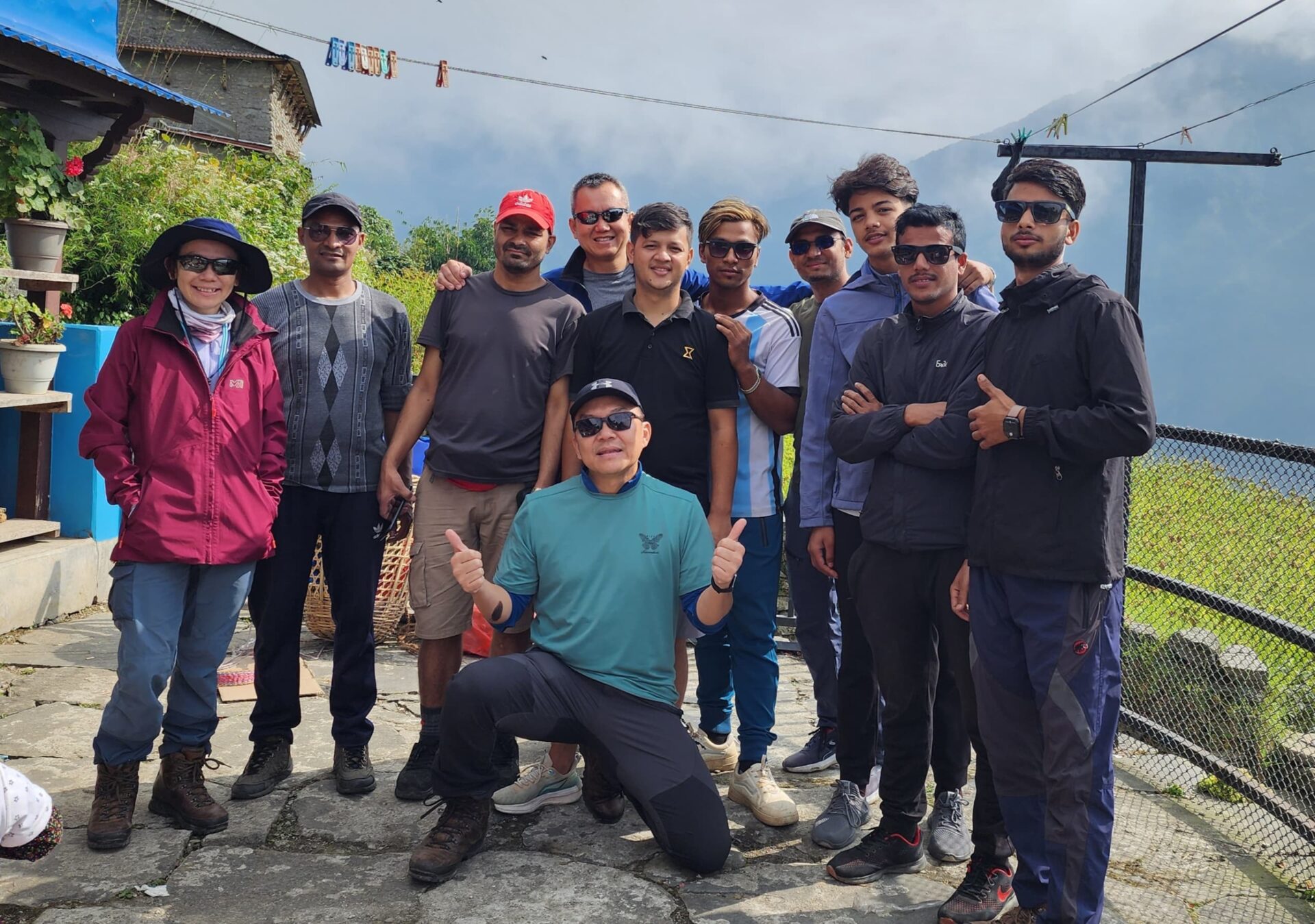
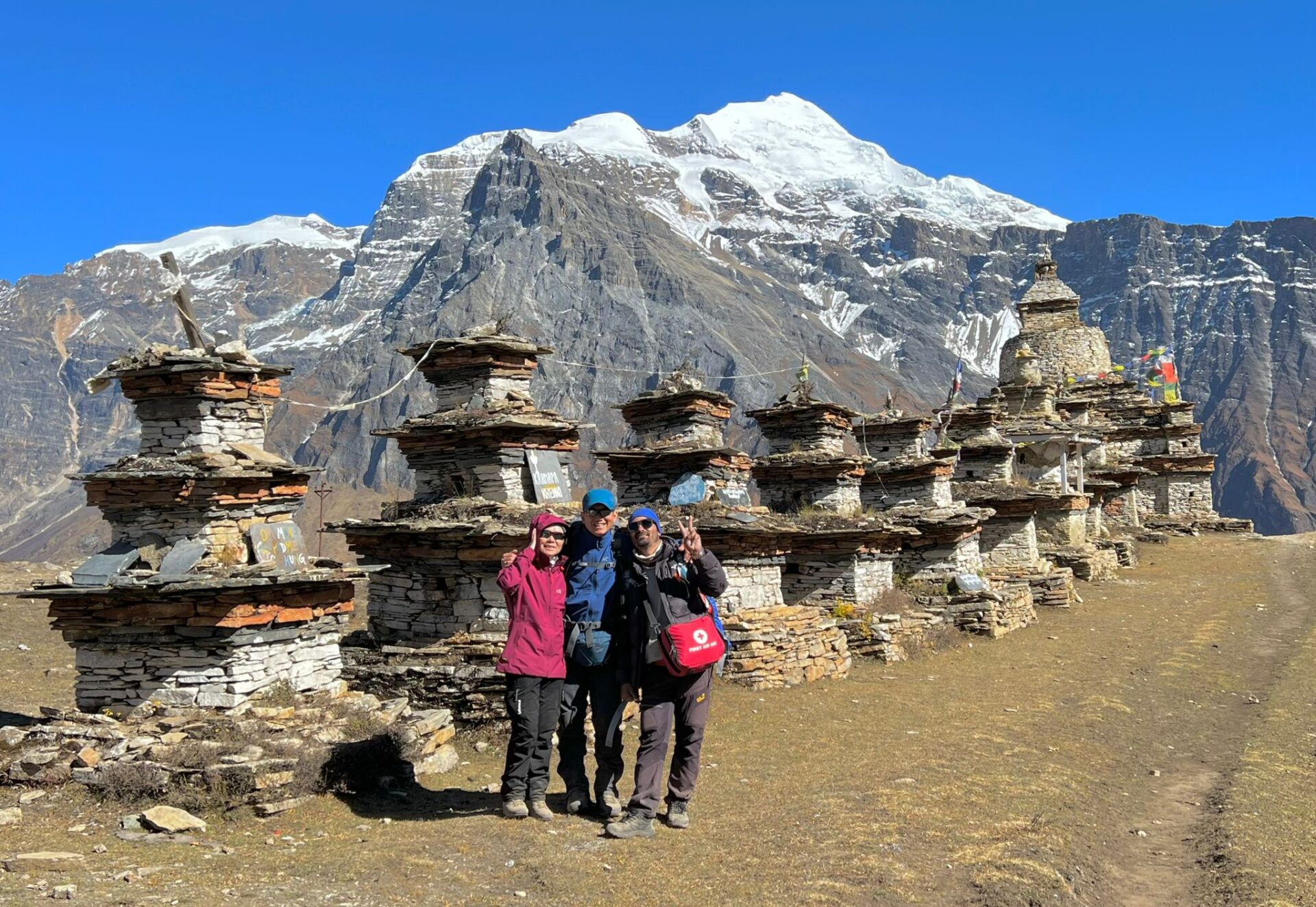
Nar phu Valley Trek – 13 Days Gallery
Customer Reviews
Write a ReviewNar phu Valley Trek – 13 Days Equipment Lists
Pack light, but make sure you bring the essential clothing and equipment needed for changing weather and high-altitude conditions. The following checklist covers the recommended gear for a comfortable and safe trek.
Note: If the sleeping bag, down jacket is lost or damaged, a compensation fee of USD 150 per item will be charged.
Sleeping Gear & Bags
- Four-season (0°C) sleeping bag and puffy down jacket (recommended)
- Daypack (35–45 liters recommended) with rain cover
- Sleeping bag liner
Head & Upper Body
- Sun hat or cap
- UV-protection sunglasses
- Warm knitted hat or beanie
- Headlamp with spare batteries
- Scarf, neck gaiter, or Buff
Torso
- Technical-fabric base layers suitable for the season
- Quick-drying T-shirts or shirts: 2 short-sleeve and 2 long-sleeve
- Fleece jacket or pullover
- Waterproof and windproof outer-shell jacket
Lower Body
- Technical-fabric thermal base layer
- Comfortable pants for wearing inside teahouses
- Waterproof and windproof shell pants
- Hiking pants: 2 pairs
- Hiking shorts
Hands
- Wool or technical-fabric liner gloves
- Insulated hard-shell outer gloves for colder conditions
Feet
- Warm wool or technical-fabric socks
- Liner socks, such as silk, if preferred
- Waterproof trekking or hiking boots
- Hiking socks
- Gaiters for dust, rain, or snow
- Microspikes or ice cleats, especially from November to March
- Comfortable casual shoes
Undergarments & Sleepwear
The quantity of clothing can be adjusted according to your personal preferences and laundry opportunities during the trek.
- Quick-drying technical-fabric underwear
- Sports bras for women
- Pajamas or comfortable sleeping clothes
First Aid & Personal Medications
Our guides carry a basic first-aid kit and essential medications, but bringing your own personal medical supplies is strongly recommended.
- Sunscreen
- Personal ointment or basic skincare products
- Lip balm
- Suitable medication for a dry mountain cough
- Mosquito repellent for Kathmandu and lower-altitude areas
- Personal prescription medications
Other Essentials
- Passport
- Extra passport-sized photographs
- Reusable water bottle
- Toiletry kit
- Toilet paper (2 rolls)
- Water purification tablets or a UV water purifier
- Hydration bladder
- High-protein snacks, such as protein bars or nuts
- Quick-drying towel
- Trekking poles
- Earplugs
- Pillowcase
- Waterproof or dry bags for important documents, electronics, and money
- Airline tickets and copies of travel documents
Optional Items
You can purchase or rent additional trekking gear in Nepal if needed. Thamel, Kathmandu’s main tourist hub, has a wide selection of trekking equipment at reasonable prices, and your guide can assist you with purchasing any last-minute supplies.
- Power bank or spare batteries
- Camera and mobile phone
- Thermos flask for hot water
- Books or playing cards
- Comb
- Binoculars
- Pee bottle or pee funnel for women
- Whistle
- Thermos flask for hot water
Tip: Avoid overpacking. Choose lightweight, quick-drying, and versatile clothing that can be layered according to the temperature and altitude.
Similar Tours
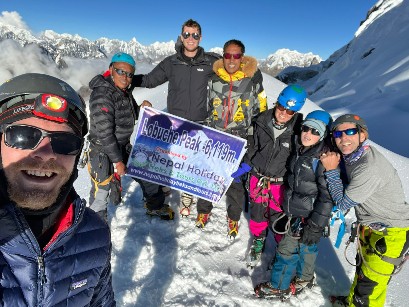
Everest Three High Pass Trek with Lobuche Peak
Overview If you want to experience the best Everest adventure in Nepal, this is it. The Everest Three High Pass...
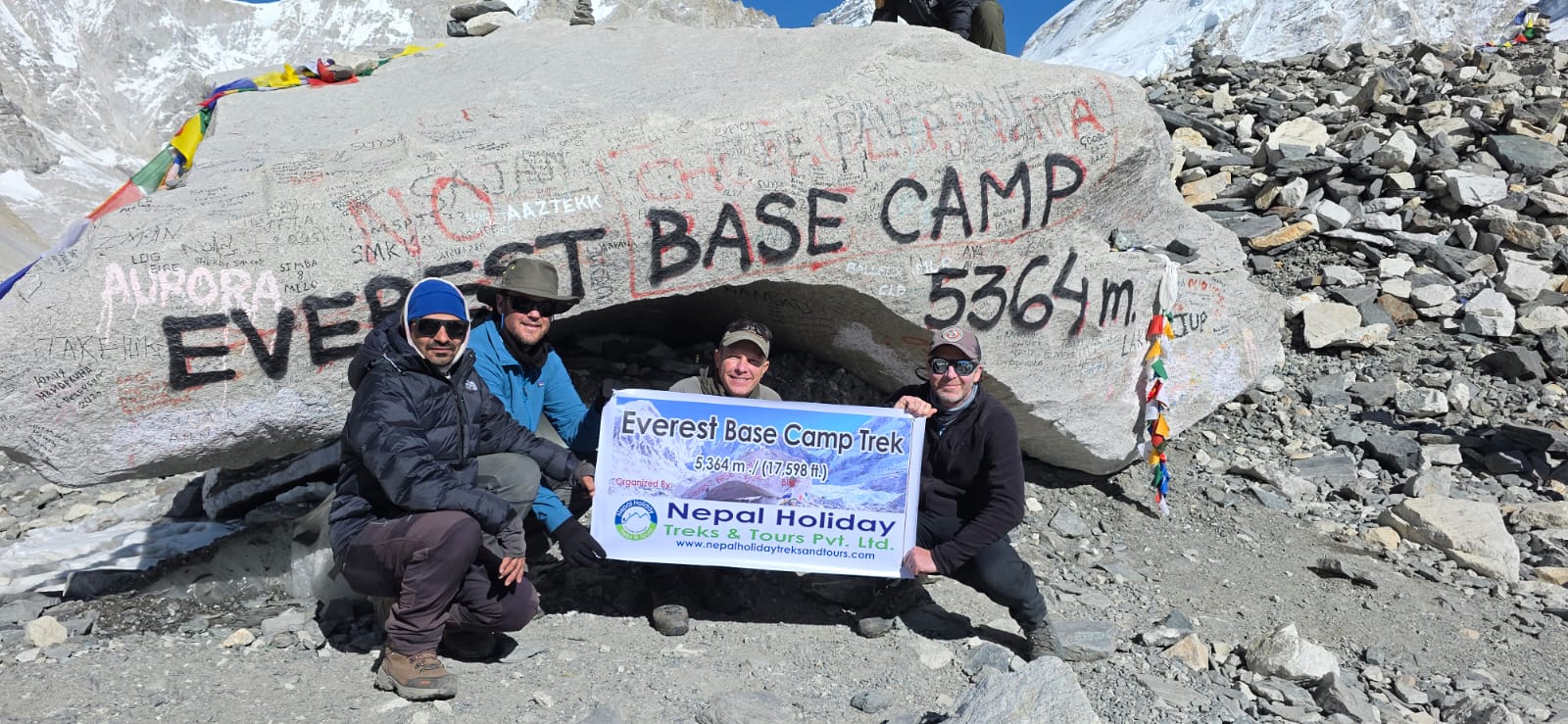
Everest Base Camp Luxury Trek
The Everest Base Camp Luxury Trek is a magnificent Himalayan experience without giving up on luxury. A well-planned journey...
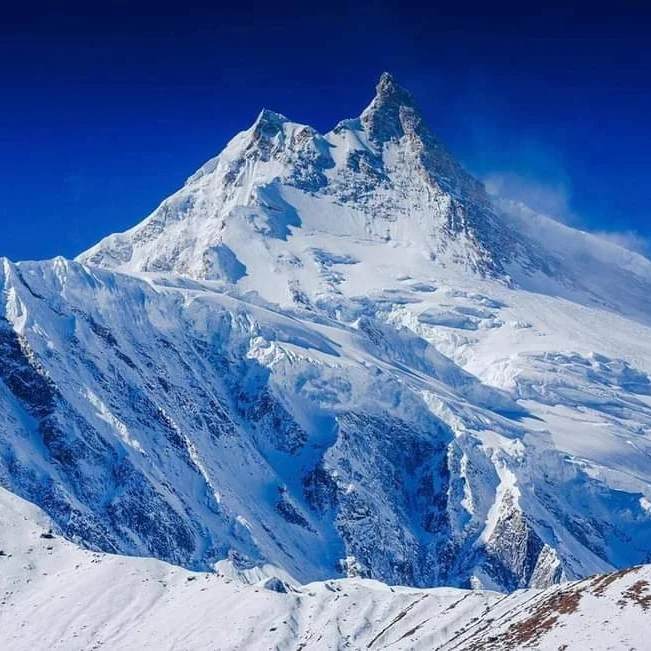
Short Manaslu Tsum Valley Trek
An 17 days trek, the Short Manaslu and Tsum Valley Trek engages trekkers to an adventure close to Mt....
Gokyo Valley Trek Via Renjo-La Pass
Your getaway from the typical trekking route to Everest Base Camp is the Gokyo Valley Trekking. This trekking adventure...
Jomsom Muktinath Trek
Nepal is a stunning country in the Himalayas with magnificent mountains. These mountains’ foothills make for ideal walking terrain....