Kanchenjunga Trekking Permit: Cost & Fees 2026
Posted by: Nepal Holiday Treks and Tours on January 12, 2025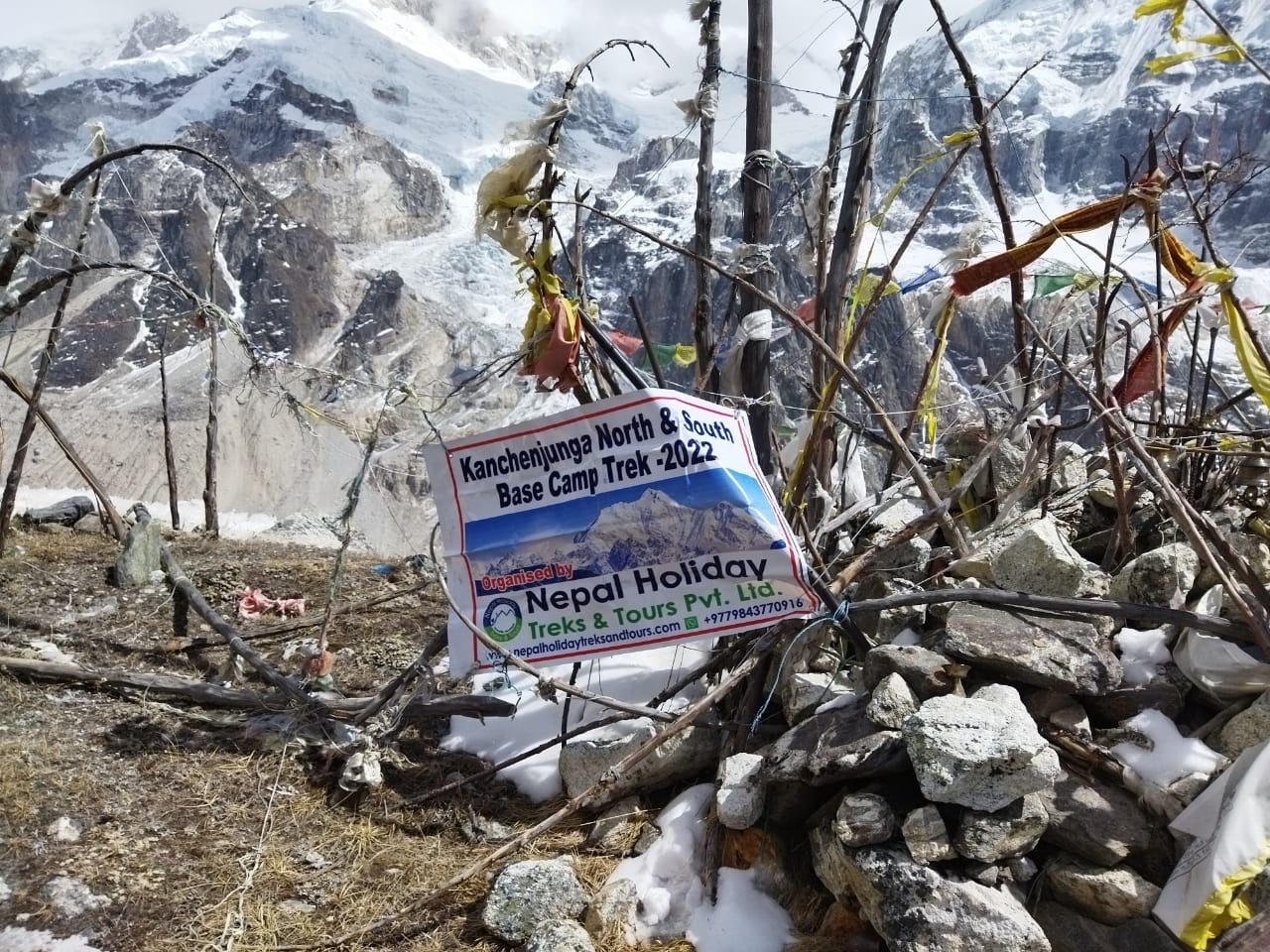
Kanchenjunga is the third-highest mountain in the world located in Nepal and Tibet, the popular trekking route that takes you to the base camp. To enter this area, you require a Kanchenjunga trekking permit.
Kanchenjunga Region
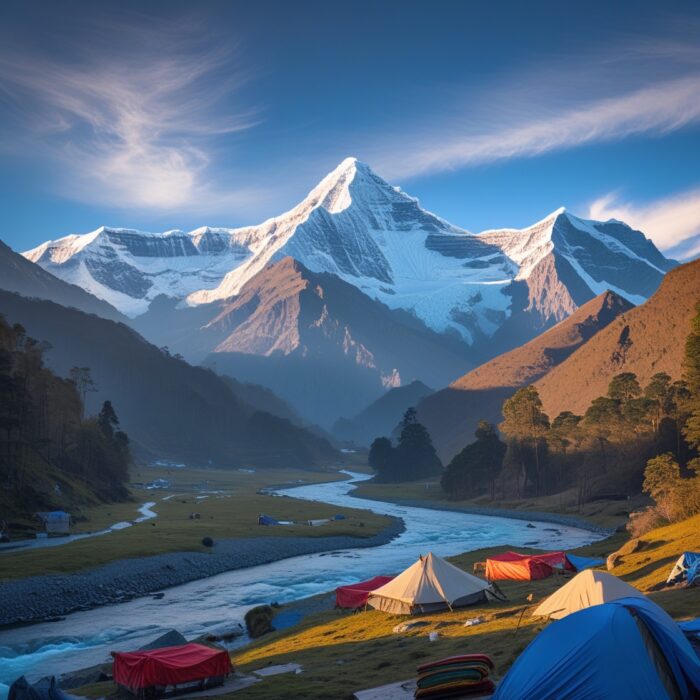
The Kanchenjunga region is a remote and stunningly beautiful area, renowned for its pristine natural beauty, diverse flora and fauna and offers Spectacular Mountain cinerary, opportunity to explore remote trails, encounter traditional village’s passes through the variety of landscapes. We can see the stunning views of Mount Kanchenjunga and other peaks in the Himalayas.
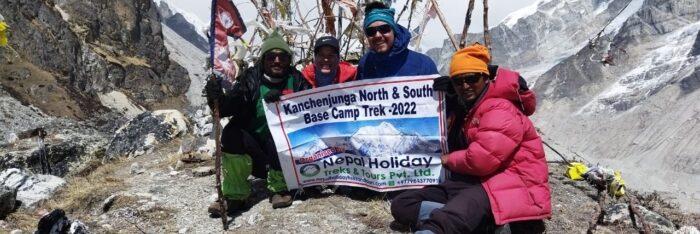
The Kanchenjunga trek is a challenging and demanding trek that requires a good level of physical fitness and endurance while keeping altitude sickness in mind. Before starting this expedition you should be ready at mentally and physically. We can see endangered species such as the snow leopard, red panda, Himalayan black bear, and musk deer. This is an unforgettable experience admits the raw natural beauty and cultural richness of the Himalayas. It is an once-in-a-lifetime journey for outdoor enthusiasts and nature lovers alike.
How to obtain Kanchenjunga Trekking Permit?
Kanchenjunga trek requires two permits:
– The Kanchenjunga Conservation area Permit ( KCAP)
– Restricted area Permit (RAP)
It’s essential to obtain these permits through the Nepal tourism Board in Kathmandu and the Department of immigration office in Kalishthan.
Cost of Kanchenjunga Trekking Permits
Restricted Area Permit: According to the regulations, only a trekking agency registered and licensed by the Nepal Government is authorized to apply for and obtain the necessary permits on behalf of trekkers. The cost of the Kanchenjunga Restricted Area Permit (RAP) varies depending on the duration of your stay along the restricted area trail. You can obtain the permit by paying either in US dollars or the equivalent amount in Nepal currency. For more information, please visit Nepal Immigration Department website.
It usually 2 weeks of expedition,
- USD 20 per person, per week and USD 40 per person for 2 week
Kanchenjunga Conservation Area
The Kanchenjunga Conservation Area project (KCAP) is overseen by the Nepal Army and was established in 1998 with the aim of safe guarding the Kanchenjunga region. It is classified as a restricted or controlled trekking destination in the Himalayas and it required a minimum of two people to undertake the trek.
NPR 3000 (there is no time limit for this permit)
Steps to get permit in the immigration department
The first step is to assemble a group of trekkers. This can be accomplished by either connecting with fellow trekkers online or through a reputable travel agency that will help you to getting the permit and paperwork.
The next step is to show the following documents during the application process:
• Photocopy of your valid passport
• Two recent passport-size photo
• Travel insurance paper
• Report of vaccination
• Itinerary report
• Guide insurance detail
Although the list of required documents may appear extensive, the process becomes simpler because your trekking agency will take charge of gathering the necessary documents from your side and completing the remainder on your behalf and you will have your trekking permit. Now you can enjoy fully the beauty.
Digital Kanchenjunga Trekking Permit
From 23, February 2024, Nepal’s trekking permit system has undergone a significant digital transformation of digital platforms and online portals. Thanks to the Nepal government. From now, saving time and effort previously spent on manual paperwork and in-person visits to government offices.
Benefits of having Kanchenjunga Trekking permit
Permits are mandatory for trekking allows authorities to keep track of trekkers. It often come with fees that contribute to the conservation and maintenance of the trekking trails and surrounding natural environment, and also go towards supporting local communities living along the trekking route.
It also benefit you in another way: it will safety of you from potential risks such as theft on authorized access to restricted area and emergency during trek.
The problem you might face if not having the Kanchenjunga Trekking permit:
Trekking or climbing without permit caught you, you’ll be fined, penalties, or even legal action by local authorities and safety risks for you. It may cause environment impact too. So, it is very important to taking permit while starting your journey.
Frequently asked questions
What is the cost of Kanchenjunga trek?
If one person it will be expensive, if groups, it will be best price for you. We guarantee you! You can directly contact to the Nepal holiday Treks and Tours.
Where to get Kanchenjunga permit?
You can effortlessly secure your Kanchenjunga permit by utilizing the service of Nepal Holiday Treks and tours, ensuring a dependable and fulfilling trekking experience in the captivating Kanchenjunga region.
Do I need a TIMS card permit for Kanchenjunga trek?
No, if you have the restricted permit, there is no need for TIMS card.
Can I do a solo Kanchenjunga trek?
No, it’s not possible; we will not suggest you for solo trek. According to the government regulations, a minimum of two trekkers is required for the Kanchenjunga trek, with at least one licensed guide accompanying the group.
Is it necessary to hire a guide?
Yes, as per as government, having at least one licensed professional guide is compulsory for the Kanchenjunga trek.
When is the best time to trek in the region?
During the spring (March to May) and autumn (September to November) is the best time to trek Kanchenjunga region with the favorable weather.
How long does it take to get the Kanchenjunga trek permit?
Generally, takes two hours to issue the Kanchenjunga trek permit during high season.
What are the different types of permits available for trek?
There are two types of permit: The conservation area permits (KCAP) and the restricted area permits (RAP).
Related Blogs
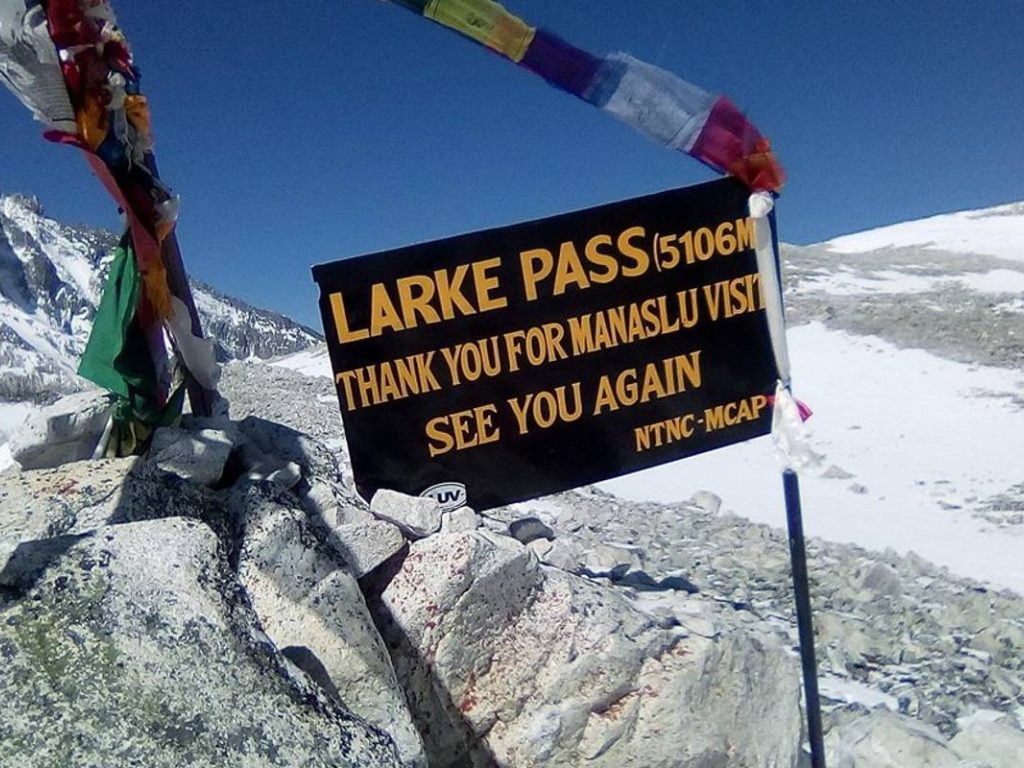
Manaslu Trek via Larke Pass Trek FAQs
Introduction The Manaslu Trek via Larke Pass is a remote Himalayan adventure around Mount Manaslu, the world’s eighth-highest mountain. The route passes through traditional villages, Buddhist monasteries, dramatic valleys, and high mountain landscapes before crossing the challenging Larke Pass. These FAQs cover the route, permits, difficulty, altitude, best time, accommodation, cost, preparation, and other practical […]
Langtang Valley Trek – Frequently Asked Questions
Introduction Planning a Langtang Valley Trek often comes with questions about the route, difficulty, altitude, permits, best season, accommodation, food, transportation, and preparation. This FAQ guide answers the most common questions trekkers ask before visiting the Langtang region. The Langtang Valley Trek takes you from the lower hills toward Kyanjin Gompa through forests, Tamang villages, […]

Namche Bazaar: The Heartbeat of the Everest Region
Ask any trekker who has walked to Everest Base Camp and most of them will tell you the same thing. It’s just not a random village in the Khumbu region. Namche Bazaar is the town that stays in your heart forever. It is the heart of Khumbu, where you can get luxury services with backdrop […]