
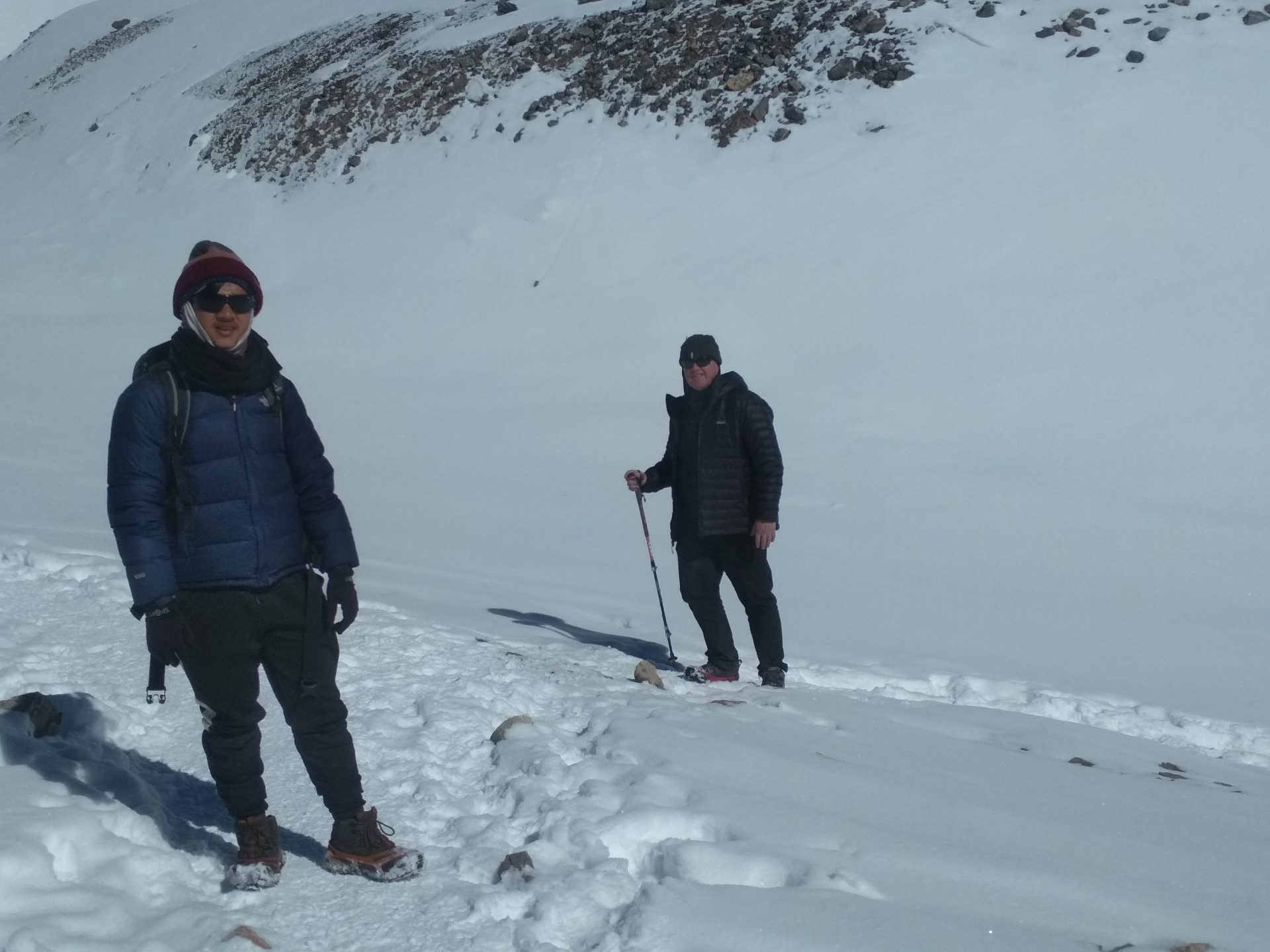


Annapurna Circuit Trek – 29 Days Overview
The Annapurna Circuit Trek is one of the most breathtaking and rewarding trekking journey in the World. In this trek you will be winding through the heart of the Himalayas in Nepal, this legendary trek takes you through diverse landscapes – from lush subtropical forests and terraced rice to high – altitude deserts-capped mountain passes.
The trek circles the entire Annapurna Massif, home to some of the world’s highest peaks including Annapurna I (8,091m), Manaslu (8,163m) and Dhaulagiri (8,167m). The crown jewel of the journey is crossing the mighty Thorong La Pass at 5,416m which is one of the highest trekking passes in the world – which rewards you with jaw – dropping panoramic views you will never forget.
Along the way, you will pass through charming villages like Manang, Marpha and Kagbeni, where ancient Tibetan – influenced culture, colorful prayer flags and centuries old monasteries paint a truly magical picture. The warm hospitality of the Gurung, Thakali and Manangi people makes every step of this journal feel deeply personal and unforgettable.
Best Time for Annapurna Circuit Trek
If you are planning for the Annapurna Circuit Trek appropriate time should be your first priority. It can make all the difference between an ordinary trek and one which is absolutely unforgettable. Here is everything about the best seasons, temperatures and what to expect on the trail.
Spring (March to May) – Warm, colorful and Beautiful
Spring is one of the most popular and beloved season for the Annapurna Circuit Trek. In this season the temperature are warm and comfortable, ranging from 100C to 200C at lower elevations and 00C to 100C at higher altitudes. The entire trail bursts into color with blooming rhododendrons, wild flowers and lush green forests – making every step feel like walking through a painting. Clear skies offer stunning Mountain View and the days are long and pleasant for trekking.
Autumn (September to November) – Clear, Crisp and Perfect
Autumn is widely considered as the best season for the Annapurna Circuit Trek. The temperatures vary from 10°C to 18°C in the lower altitude and -5°C to 5°C on the higher altitude such as Thorong La Pass. Monsoon rains wipe everything away, skies become an azure deep blue, and mountain vistas are at their sharpest – literally, and figuratively, take your breath away. The sky is clear, the weather is cool, the ground is dry and hard, and conditions for trekking are practically flawless. October is the most popular month in this season
Winter (Dec to Feb)
In this time trekking is possible but challenging. Higher elevations got extremely cold and Thorong La Pass can be blocked by heavy snow. Only well-prepared and experienced trekkers should attempt in this time.
Monsoon (June to August)
Monsoon season is generally not recommended for the Annapurna Circuit Trek because in this season heavy rainfall makes trails slippery and muddy, leeches are common at lower elevations and mountain views are mostly hidden behind thick clouds.
In short- for the best Annapurna Circuit Trek experience, spring season and the autumn season is perfect. You can experience the best weather, stunning views and memories that last a lifetime.
Difficulty and Fitness level required for the Annapurna Circuit Trek
The Annapurna Circuit is rated as a moderately challenging to advance level trek. Here is what you need to know:
Difficulty Level : In this trek you should walk for 5 to 7 hours on rugged mountain trails, steep ascents and descents, high altitude challenges and the mighty Thorong La Pass crossing at 5,416m – which is physically and mentally demanding.
Fitness Level Required: For doing this trek you do not need to be a professional trekker, but you should be able to:
Walk for several hours without rest
Handle uphill climbs with a daypack
Function well in cold and high – altitude conditions
How to prepare for the Annapurna Circuit Trek?
For the preparation, start training at least 2 to 3 month before your trek with regular cardio, hiking, cycling or stair climbing. The fitter you are going in, the more you will enjoy every single step on the trail.
What to Except on the Annapurna Circuit Trek
The Annapurna Circuit Trek is truly a journey like no other. Here is what you can experience in this trek.
- Breathtaking and dynamic landscapes
- The mighty Thorong La Pass
- Rich culture and warm people
- Altitude and Physical Challenges
- Tea house comfort along the way
- Natural Hot Springs at Tatopani
- Unforgettable Sunrise at Poon Hill
Outline Itinerary
Day 1: Drive from Kathmandu (1,400m) to Besisahar (760m)
Day 2: Trek – Besisahar to Bhulbule (840m)
Day 3: Trek – Bhulbule to Bahun Danda (1,310m)
Day 4: Trek – Bahun Danda to Jagat (1,300m)
Day 5: Trek – Jagat to Dharapani (1,860m)
Day 6: Trek – Dharapani to Chame (2,670m)
Day 7: Trek – Chame to Pisang (3,330m)
Day 8: Trek – Pisang to Manang via Ngwal (3,540m)
Day 9: Rest Day at Manang (Acclimatization Day)
Day 10: Trek – Manang to Khangsar (3,750m)
Day 11: Trek – Khangsar to Tilicho Base Camp (4,150m)
Day 12: Early morning hike to Tilicho Lake (4,919m) and trek down to Shree Kharka (4,060m)
Day 13: Trek – Shree Kharka to Ledar (4,200m)
Day 14: Trek – Ledar to Thorung Phedi / Thorung High Camp (4.925m)
Day 15: Trek – Thorung Phedi over Thorung La Pass (5,416m) to Muktinath (3,800m)
Day 16: Trek – Muktinath to Kagbeni (2,804m)
Day 17: Trek – Kagbeni to Jomsom (2,720m)
Day 18: Trek – Jomsom to Marpha (2,670m)
Day 19: Drive – Marpha to Tatopani (1,190m)
Day 20: Trek – Tatopani to Ghorepani (2,850m)
Day 21: Trek – Ghorepani to Tadapani (2,630m) via Poon hill (3,210m)
Day 22: Trek – Tadapani to Chhomrong (2,170m)
Day 23: Trek – Chhomrong to Bamboo (2,310m)
Day 24: Trek – Bamboo to Deurali (3,230m)
Day 25: Trek – Deurali to Annapurna Base Camp (ABC) (4,130m)
Day 26: Trek – ABC to Bamboo (2,310m)
Day 27: Trek – Bamboo to Jhinu Danda (1,780m)
Day 28: Trek – Jhinu Danda to Kimche (1,640m) then drive to Pokhara (822m)
Day 29: Drive – Pokhara to Kathmandu (1,400m)
Annapurna Circuit Trek – 29 Days Highlights
- Glorious views of Annapurna I ( 8,091m), Manaslu (8,163m) and Dhaulagiri ( 8,167m)
- Crossing the legendary Thorong La Pass (5,416m) – the point of the trek
- Relaxing in the Natural hot springs at Tatopani
- Visiting the sacred Muktinath Temple – holy site for Hindus and Buddhists
- Exploring the mystical Mustang region with red cliffs and ancient cave dwellings
- Walking through centuries – old Buddhists monasteries and prayer flag lines trails
- Experience the rich culture of Gurung, Thakali and Manangi communities
- Magical sunrise views from Poon Hill (3,193m) over the Annapurna and Dhaulagiri ranges
- Tasting famous Marpha apple products – pie, juice and local apple brandy
- Diverse landscapes from subtropical forests to high – altitude alpine deserts
- Encounter traditional villages and deep dramatic gorges along the trail
- Reaching Annapurna Base camp (4,130m)
Annapurna Circuit Trek – 29 Days Itinerary
Expand allDay 1: Drive from Kathmandu (1,400m) to Besisahar (760m)
Your adventure begins with a picturesque drive from Kathmandu, Nepal’s vibrant capital, to the tiny town of Besisahar that signifies the beginning of the trek. This drive is between 7 to 8 hours, and you will travel through colorful countryside, terraced rice paddies, traditional villages and rolling green hills. The road follows the scenic Marsyangdi River valley with views of the Himalayan foothills, as well as some glimpses of local life along the way. This first driving portion is a portion of your acclimatization to the altitude and serves as a mental warm-up to the hike.
Day 2: Trek - Besisahar to Bhulbule (840m)
After breakfast, you start your trek northerly up the Marsyangdi River valley. The route is fairly easy downhill and along the river past terraced fields, forests and tiny hamlets. You cross a number of suspension bridges, all providing great views of the white foams of water beneath and the surrounding mountains. The walk is not too strenuous, so it is a great way to get started with trekking. In the late afternoon, you reach Bhulbule, a tranquil village to take in the crisp mountain breeze, unwind and get yourself ready for what lies ahead.
Day 3: Bhulbule to Bahun Danda (1,310m)
Today’s trek is a gentle climb as you head upstream along the Marsyangdi River valley on the trail. Terraced fields, forests and pretty villages make up the rural landscape. You will feel the change in altitude and vegetation as you ascend. The trail then ascends to Bahun Danda, a tranquil hill village with stunning vistas of the surrounding hills and valleys. It’s an ideal place to kick back, watch the sunset and take in the breathtaking landscape, tantalizing your taste buds for what lies ahead.
Day 4: Trek - Bahun Danda to Jagat (1,300m)
Today’s route brings you even closer to the Himalayas. The path traverses more suspension bridges across the Marsyangdi River and enters pine, bamboo and rhododendron forests. Farming and traditional life of village farmer, that you meet are local villagers, you talk with them and see life. It’s a moderately difficult walk, with some steep gradients, but the magnificent mountain views and the feeling of wilderness make it worthwhile. You reach Jagat (1,300 m), a traditional village, with mud houses, monasteries and a warm, inviting atmosphere, where you can immerse yourself in the local culture.
Day 5: Trek - Jagat to Dharapani (1,860m)
As you make your way onward, you bid the green river valley farewell and begin your climb to the village of Dharapani. The trail meanders among terraced fields, small streams and suspension bridges, all the while revealing breathtaking views of massive peaks such as Annapurna II, Annapurna III. Dharapani is a busy village and the gateway to the Manang region and a wonderful place to stop, rest, water and acclimatize for the higher altitudes. You might also get to visit local monasteries and see traditional village life in Nepal.
Day 6: Dharapani to Chame (2,670m)
Today’s route takes you up through a combination of pine woodlands and boulder-strewn ground. As you gain elevation, the scenery becomes more alpine, with breathtaking mountain views increasingly appearing. Chame is the district capital town of Manang and it has hot springs that serve as a good means for relax tired muscles. The small town boasts breathtaking views of Annapurna, Lamjung Himal and many other peaks in the vicinity. The mood is tranquil and you can soak in the local hot springs or visit the tiny monasteries that dot the town.
Day 7: Trek - Chame to Pisang (3,330m)
The path from Chame to Pisang offers some of the best mountain views on the trek. You cross rugged terrain following the river valley, but with views of Annapurna II, Annapurna III and Pisang Peak. The path is harder as you climb through thick forest, then across alpine meadows. Arrive at Pisang, a scenic village with ancient stone houses and a monastery, a fine place to get further acclimatized with great mountain views.
Day 8: Trek - Pisang to Manang via Ngwal (3,540m)
This is a big day as you make your way to Manang, a major acclimatization stop. The trail runs through the village of Ngwal, which is dotted with ancient caves and monasteries. As you go up, you find yourself in a stark, dry environment with breathtaking mountain landscapes. The views of Annapurna and Gangapurna are stunning. Arrive at Manang (3,540m) where you are now in a very high altitude environment and need to start acclimatizing for the days ahead.
Day 9: Rest Day at Manang (Acclimatization Day)
Today is rest and acclimatization day. You need to allow your body some time to get used to the higher elevation instead of going straight up to avoid getting altitude sickness. You can visit the monasteries of Manang, go to local markets or trek to nearby viewpoints such as Gangapurna Lake or Ice Lake. This third day enables a safer and more pleasurable trek for you as you get ready to cross even higher passes.
Day 10: Trek - Manang to Khangsar (3,750m)
After a day of rest and acclimatization, you hike from Manang to Khangsar, a tiny mountain settlement at 3,750 meters. The trail ascends through alpine meadows, farmed villages and wild terrain. Khangsar gives tourists the chance to see traditional local Himalayan life, in stone houses and the camps of yak herders. The views are spellbinding and the towering mountains encircle you.
Day 11: Trek - Khangsar to Tilicho Base Camp (4,150m)
Today’s hike will lead you on a rough route to the Tilicho Base Camp at 4150m. The trail crosses lofty mountain passes, rocky terrain and isolated wild places. The dramatic scenery includes snow-capped mountains and deep gorges. This is also the area from where the trek to Tilicho Lake (one of highest lakes in the world) starts.
Day 12: Early morning hike to Tilicho Lake (4,919m) and trek down to Shree Kharka (4,060m)
In the morning you trek to Tilicho Lake (4,919m) which is renowned for its high-altitude environment and surreal beauty. The trek provides breathtaking views of surrounding glaciers and peaks. After the lake visit, you drop Wild, a small village at 4060 m, rugged and challenging terrain to Shree Kharka, where you can rest and acclimatize further.
Day 13: Trek - Shree Kharka to Ledar (4,200m)
Our walk today descends from Shree Kharka into a harsher, high-alpine landscape. The trail meanders along rocky trails, yak herders’ camps, and alpine meadows. Ledar is a comfortable stopping point before the demanding crossing of Thorong La Pass. The mountains were so tall and the valleys are so expansive, that the scenery never stopped to cease to amaze.
Day 14: Trek - Ledar to Thorung Phedi / Thorung High Camp (4.925m)
It is a vital day as you make your way up Ledar to Thorong Phedi or the High Camp at 4,925 m. The path is steep and arduous, so take it slow and acclimate peoperly. The region teems with trekkers getting ready to traverse the Thorong La Pass and you will enjoy spectacular mountain views all the way.
Day 15: Trek - Thorung Phedi over Thorung La Pass (5,416m) to Muktinath (3,800m)
This will be the most difficult day of your trek. Early in the day, you climb the world-renowned Thorong La Pass at 5,416 m, one of the highest passes in the Himalayas. The climb is steep, and the altitude is high, so it is a physical challenge. The sense of achievement just makes the vistas higher up all the better and you can enjoy beautiful views of surrounding peaks once you reach the top. After you cross the pass, you descend into the holy town of Muktinath, known for its temples and spiritual importance. It’s a day of triumph and awe.
Day 16: Trek - Muktinath to Kagbeni (2,804m)
Today’s walk is a gentler descent across semi-desert terrain. You go through the old village of Kagbeni (Tibetan architecture, monasteries, the Kali Gandaki River). The views are spectacular, red cliffs and mountain views, and the spiritual feeling of Muktinath still lingers.
Day 17: Trek - Kagbeni to Jomsom (2,720m)
You follow the Kali Gandaki River on foot to Jomsom, a busy town surrounded by apple orchards and bustling local trade. The countryside is bare and harsh, with sights of the Dhaulagiri and Nilgiri mountains. Jomsom is like the gateway to the Mustang region and after days of isolation it is a bustling center to relax.
Day 18: Trek - Jomsom to Marpha (2,670m)
Today’s trek is an easy walk along the valley of the river, through some beautiful countryside with views of Nilgiri and Dhaulagiri. You reach Marpha, a dashing town known for its apple brandy, cider and native Thakali way of life. The combination of whitewashed houses and apple orchards is very picturesque and friendly, great for a stay and wander.
Day 19: Drive - Marpha to Tatopani (1,190m)
Today, continue your scenic drive southward through a mixture of scenery rolling hills, small villages, terraced fields, etc. toward Tatopani, leaving the mountains behind. It is famous for natural hot springs, Tatopani is a great place to recharge your batteries after long day walks. They said hot springs have healing power, so what better place to relax.
Day 20: Trek - Tatopani to Ghorepani (2,850m)
The path rises gently in green forests, passing small rivers and rice terraces on the way to Ghorepani. The village is known for its stunning mountain views and colorful local culture. This climb is a great chance to continue acclimatizing and getting ready for the end of the trek.
Day 21: Trek - Ghorepani to Tadapani (2,630m) via Poon hill (3,210m)
Before the sun rises, you make your way up to Poon Hill, one of the most popular vantage points in the Himalayas, for a stunning sunrise over the Annapurna and Dhaulagiri ranges. After enjoying the panoramic views you descend through rich forests to Tadapani, surrounded by serenely mountain scenery and the sounds of nature.
Day 22: Trek - Tadapani to Chhomrong (2,170m)
The trail today leads downhill through thick rhododendron and bamboo forests, with views of Annapurna South and Machhapuchhre (Fishtail) at close range. You get to Chhomrong, a wonderful village with the traditional stone houses, terraced fields and calm surroundings. It’s a good place to relax and soak up the views of the mountains.
Day 23: Trek - Chhomrong to Bamboo (2,310m)
This journey is a steep drop down half-forested hillsides to the village of Bamboo at the bottom of the Annapurna Sanctuary. This is the nature of the here and they utilize this as a launching pad for journeys into the Annapurna Base Camp zone. One can relish the cool shade of the forest and the calm ambiance.
Day 24: Trek - Bamboo to Deurali (3,230m)
You hike through gradually increasing forested trails to Deurali, a picturesque mountain pass and rest stop with spectacular mountain views. The terrain turns rough and alpine as you climb higher, with crisp mountain air and towering peaks all around you.
Day 25: Trek - Deurali to Annapurna Base Camp (ABC) (4,130m)
Today is a highlight of the trip as you trek into the Annapurna Sanctuary to the Annapurna Base Camp at 4,130 meters. The path meanders through breathtaking scenery with towering snow-capped peaks such as Annapurna I, Machhapuchhre and Hiunchuli surrounding you. The ambience is stunning and you can visit the base camp, take photos and enjoy the extraordinary mountain views.
Day 26: Trek - ABC to Bamboo (2,310m)
After a memorable stay at ABC, you make your way back down to Bamboo, taking in a different view of the mountains and terrain. The downhill is beautiful and refreshing, you will have time to think about what it’s like to be encircled by some of the world’s tallest mountains.
Day 27: Trek - Bamboo to Jhinu Danda (1,780m)
Today we follow the forested trail down more to Jhinu Danda, known for its natural hot springs. A great place to unwind tired muscles, bath in warm water and relax in tranquil surroundings. The lush greenery and mountain views are great to relax with.
Day 28: Trek - Jhinu Danda to Kimche (1,640m) then drive to Pokhara (822m)
Your trek comes to an end as you walk to Kimche and then by road to Pokhara, a charming lakeside town renowned for breathtaking mountain panoramas, boating, and lively culture. Here you can unwind, browse the lakeside markets and contemplate your amazing adventure through the Himalayas.
Day 29: Drive - Pokhara to Kathmandu (1,400m)
This is the last day of your trek. Your adventure concludes with a scenic drive or flight back to Kathmandu. You will carry memories of towering mountains, remote villages, and personal achievement, concluding an unforgettable trek through the Himalayas.
If the above Annapurna Circuit Trek – 29 Days itinerary does not meet your needs, we can design individualized travel plans based on your preferences and specifications.
Plan My TripAnnapurna Circuit Trek – 29 Days Cost Includes
- Three times three meals a day- Breakfast, Lunch, Dinner and 3 cups of tea/Coffee a day during the trek.
- Accommodation in teahouse/ lodge during the trek.
- Fresh fruits after dinner every night as dessert during the trek.
- Annapurna conservation area permit and TIMS Card (Trekkers information management system).
- Kathmandu to Besishare by local transportation, Kimche to Pokhara by local transport, and Return Back to Kathmandu by tourist Bus.
- 1 Night Tourist standard hotel in Pokhara.
- You will be under observation with a pulse oximeter to have your oxygen levels and heart rate measured twice a day during the trek. This is to catch the signs of Altitude Mountain Sickness (AMS) early, thus making trekking safer.
- An experienced, helpful, knowledgeable, friendly, English speaking well trained, government license holder Trekking Guide with all his salary, food, Drinks, accommodation, equipment, transport, and insurance.
- Normal First aids kit box.
- Arrangement of Emergency Helicopter service (paid by your travel insurance company).
- Nepal Holiday T-shirt & Trekking Map.
Annapurna Circuit Trek – 29 Days Cost Excludes
- International airfare and visa fees.
- Airport pickup and Drop service
- Lunch and dinner in Kathmandu and Pokhara.
- any accommodation in Kathmandu.
- Personal expenses of bar and beverage bills, Wi-Fi, hot shower, bottle of water, extra porters, laundry, or any other things that are not mentioned by the company.
- Your trekking gear and extra nights in a certain destination.
- Your travel insurance, which should include the emergency rescue.
- Tips for your guide and porters, which is compulsory.
- Extra expenses due to any event such as strikes, weather conditions, or flight delays.
Annapurna Circuit Trek – 29 Days Additional Info
Accommodation on the Annapurna Circuit Trek
– What Type of accommodation is available on the Annapurna circuit trek?
Teahouses are the most common options- they provide basic rooms, communal bathrooms, and dining. In bigger villages there are also more comfortable guesthouses where you can have a private room, hot shower and Wi-Fi.
-Do I need to book accommodation In advance?
Advance booking is highly recommended in peak season as places are taken very quickly for popular venues. Famous teahouses on the trail are crowded even out of season.
-Are Bathroom attached or shared?
They too are mostly shared. Warm water showers can be had at most teahouses for an additional cost. Western toilets are found in modern teahouses and squat toilets are standard elsewhere.
-Is electricity available at tea houses?
Yes, electricity are available at teahouses but they are solar-powered for the most part. Charging devices typically carries a small fee. It is highly advised to bring a power bank.
-Is Wi-Fi available in the teahouse?
Yes, Wi-Fi is available is on most of the teahouses but for using a Wi-Fi small charge is taken. Wi-Fi network can be slower as we ascents to higher elevations.
Meals on the Annapurna Circuit Trek
-What kind of food is available on the trek?
Dal Bhat, Noodles, fried rice, soups and potatoes are common in the teahouse. Common breakfast you can found is egg, porridge, pancakes and Tibetan bread.
-Are International food options available?
Yes, international food options are also available in most of the teahouses like Pizza, Pasta, Burgers and Sandwiches, especially in larger settlements.
-Is the food safe to eat in the teahouses?
Yes, the food is totally safe to eat in the teahouse as it follow the proper hygiene standards. At higher altitudes avoid meat and stick to locally available options like yak or local chicken.
– Is drinking Water safe in the teahouses?
Water is available all along the Annapurna Circuit. Most teahouses sell boiled water for a small charge, which is safe to drink as boiling kills all bacteria and germs. But you should not drink tap water or water directly from streams as they can contain dangerous bacteria and parasites. You can also bring water purification tablets for safe drinking water.
-Can vegetarian food options are available on the teahouses?
Yes, absolutely. Teahouses on the Annapurna Circuit are well used to trekkers from across the globe, and vegetarian food is easy to come by, as much of the local cuisine is already vegetarian.
Typical vegetarian options are:
Dal Bhat, vegetable, fried rice, vegetable chowmein, vegetable momos, potato curry, and seasonal vegetable soups.
Culture and Religion on the Annapurna Circuit Trek
-What ethnic communities will I encounter on the trek?
The Annapurna Circuit travels through a rich mixture of ethnic villages — Gurung, Magar, Thakali, Manangi, and Tibetan influenced Loba. Each village has its own distinct language, customs and ways of living, so what you end up with on the trek is a cultural experience that goes beyond just the mountain views.
-Which religion is practiced along the route?
You can witness the best combination of Hinduism and Buddhism in the trek. Hindu shrines and temples are found in the lower villages, while Buddhist monasteries, prayer flags, mani walls and chortens proliferate as you make your way up to Manang and Muktinath.
-What festival might I witness during the trek?
It is based on the time of year, If you are lucky enough the you can get chance to encounter colorful regional festivals like the Yartung Horse Festival in Manang, Mani Rimdu at Braga Monastery, Tihar (Festival of Lights), and Losar (Tibetan New Year). These are great moments to see living traditions.
Permits and Insurance Required for the Annapurna Circuit Trek
1. How many permits is required for the Annapurna Circuit Trek?
There are usually 2 permits required for the Annapurna Base Camp Trek.
2. What are the permits required for the Annapurna Circuit Trek?
The permits required for the Annapurna Circuit Trek are:
- ACAP – Annapurna Conservation Area Permit
- TIMS – Trekker’s Information Management System
3. Is travel insurance compulsory for the Annapurna Circuit Trek?
Yes, it is mandatory to have travel Insurance. The government of Nepal has imposed a new regulation that makes travel insurance compulsory for all foreign trekkers when purchasing trekking permits from April 1, 2025. No trekking permits will be issued without insurance. The policy is implemented from the Nepal Tourism Board (NTB) and the Trekking Agencies Association of Nepal (TAAN).
4. What My Travel Insurance Must Cover?
Your travel insurance must cover:
- Emergency Medical Evacuation
- Altitude Coverage
- Hospitalization and Medical Costs
- Trip Cancellations / Interruption
- Lost or delayed baggage
Flora and Fauna on the Annapurna Circuit Trek
-When do the rhododendron blooms?
Peak bloom is between March and May. There are 30 species of rhododendron in Nepal and the Annapurna slopes at mid-elevations explode with red, pink, white and magenta. Spring is the most beautiful season to many people for this reason.
-What animals might I see on the trek?
The commonly seen wildlife are the Himalayan tahr, blue sheep (bharal), grey langur monkeys, Himalayan marmots, and red fox. Keep your eyes on rocky ledges above Manang – tahr and bharal are common there.
-Can I spot Snow Leopard?
They live here, but seeing them is almost impossible. Snow leopards are solitary, nocturnal and camouflaged cats. The best place to look is to scan ridgelines near blue sheep herds – where bharal, leopards are often found watching.
-What birds can I spot along the circuit?
More than 478 species of birds have been documented in this area.The name of few birds, there are Danphe (Nepal’s national bird), Himalayan griffon, lammergeiers, red-billed choughs and, if you are lucky, bar-headed goose overhead just below the high passes.
-Can I pick flowers or plants along the trail?
No, It’s Against the Law in the Annapurna Conservation Area. This goes for rhododendrons, edelweiss, orchids, seeds and bark. Many alpine plants are decades old as a result of slow growth rates at high altitudes. You can take Photograph but don not pick it.
Is Annapurna Circuit Trek Suitable for you?
The Annapurna Circuit Trek is not everyone’s cup of tea – but it is more doable than you may have thought. If you are fit enough, mentally tough and comfortable for walking 5 to 7 hours a day on the mountains trails, this trek is definitely for you.
You do not have to be a professional athlete or an expert mountaineer. But having a bit of hiking experience and a modest level of fitness will go a long way toward making your trip more enjoyable.
Just be realistic and be sure to equip yourself properly, train ahead of time, listen to your body before you hit the trail, and this legendary Himalayan adventure will reward you with memories to last a lifetime.
Experience the Majestic Beauty of Annapurna Circuit Trek with Confidence and Care
The Annapurna Circuit Trek is truly a voyage of discovery through unspoiled countryside, majestic peaks, verdant woods and isolated villages that can get you a very real taste of life in the Himalayas. As you head off into this spectacular country, your security and well-being are of paramount importance. We strive to offer you full safety measures, professional medical support, and peace of mind while you enjoy the Himalayas. Here is what we offer:
Emergency Protocol on the Annapurna Circuit Trek
Your safety is our top priority during the trek. Our expert guides will keep a daily watch over your health, pace and hydration levels to avoid altitude sickness, exhaustion and related health concerns. We adhere to safety guidelines, have communication access and perform regular health checks to identify issues early on and respond quickly. Pre-trek briefings provide you with the basic knowledge about risks, symptoms, and safe trekking behavior, so you are prepared before you start hiking.
Evacuation Procedure in case of Emergency
When there is a medical or altitude emergency and life is at risk, we deploy our evacuation system at once. This might include a safe descent with guide support or a helicopter evacuation from the closest landing area. Our staff is in direct communication with rescue organizations, insurance companies, and regional medical centers to facilitate a rapid and seamless evacuation, so you can obtain urgent medical attention without delay.
Medical Support during the Trek
Our guides have a fully equipped first aid kit, pulse oximeters, and a small supply of medications for altitude sickness (AMS). They are certified in wilderness first aid and altitude management, so if the need arises they can provide immediate assistance. We provide advice on acclimatization, nutrition and hydration to keep you strong, safe and confident no matter what your adventure.
Our additional safety measures:
- Continuous altitude monitoring and early descent protocol if symptoms develop
- Guides and porters carry satellite phones and emergency communication devices
- Frequent safety briefings and health monitoring throughout the trek
- Individual health screening prior to the journey to confirm they are able to participate in high altitude travel
- Dedicated to environmentally sustainable, safe trekking and community development.
With our experienced guides and comprehensive safety measures, we ensure that you will enjoy the breathtaking views of the Annapurna Circuit with peace of mind and full support throughout the journey.
Altitude Sickness and its Preventive Measures
Altitude Sickness is the one of the most important things to understand before attempting the Annapurna Circuit Trek. Here is everything you need to know to stay safe on the trails.
What is Altitude Sickness?
Altitude Sickness, also known as Acute Mountain Sickness (AMS), occurs when your body struggles to adjust to lower oxygen levels at high altitudes. On the Annapurna Circuit, the risk significantly increases above 3,000m and reaches its peak while crossing Thorong La Pass at 5,416m.
Common Symptoms to watch for:
- headache
- Dizziness and nausea
- Loss of appetite
- Fatigue and weakness
- Shortness of breath
- Disturbed sleep
Preventive Measures:
- Ascend Slowly
- Acclimatize properly
- Stay hydrated
- Avoid alcohol
- Eat well
- Consider Diamox (by consulting to your doctor)
Annapurna Base Camp Trek Vs Annapurna Circuit Trek : What’s the Difference?
Annapurna Base Camp Trek: The Annapurna Base Camp (ABC) Trek is an excellent way to get a taste of the Himalayas in a shorter time. It leads also right to the beautiful Annapurna Sanctuary (4,130 m) for up close views of gigantic peaks such as Annapurna I and Machhapuchhre. Ideal for anyone who wants a bit of adventure, culture and access to astonishing mountain landscapes but without the need to cross High Mountain passes.
Annapurna Circuit Trek: The Annapurna Circuit Trek is famous for circumnavigating the Annapurna massifs, it is a long trek, and it is a classic trek around Annapurna. It takes around 20 – 30 days, by crossing the tough Thorong La Pass (5,416 meters). This hike boasts varying terrain, such as wooded slopes, terraced farming land and alpine desert, and exposes you to different cultures and stunning mountain perspectives.
Alternative Treks to the Annapurna Circuit Trek
If you want a different experience than the Annapurna Circuit or wish to explore other trails in the region, Nepal offers several incredible alternatives.
Annapurna Base Camp Trek:One of the most popular treks in Nepal, this route leads to the beautiful Annapurna Sanctuary, surrounded by peaks like Annapurna I and Machhapuchhre. Lasting about 6–15 days with a maximum altitude of 4,130m, it is a slightly easier but equally scenic alternative to the Annapurna Circuit.
Ghorepani Poon Hill Trek: A perfect beginner-friendly trek reaching 3,210m. The trail passes through rhododendron forests and charming Gurung villages, with a famous sunrise view over the Annapurna and Dhaulagiri ranges from Poon Hill.
Mardi Himal Trek: A quieter trail in the Annapurna region offering stunning views of Machhapuchhre and Annapurna I. The route passes through forests, terraced fields, and traditional villages, making it a peaceful alternative trek.
Nar Phu Valley Trek: A remote and less-explored trek known for its Tibetan-influenced culture and dramatic landscapes. Trekkers enjoy views of Himlung Himal and the surrounding Annapurna peaks while experiencing authentic mountain life.
Khopra Danda (Khopra Ridge) Trek:A hidden gem with incredible views of Dhaulagiri, Annapurna South, and Nilgiri. This 8–10 day trek passes through quiet villages and forests and can be extended to the sacred Khayer Lake.
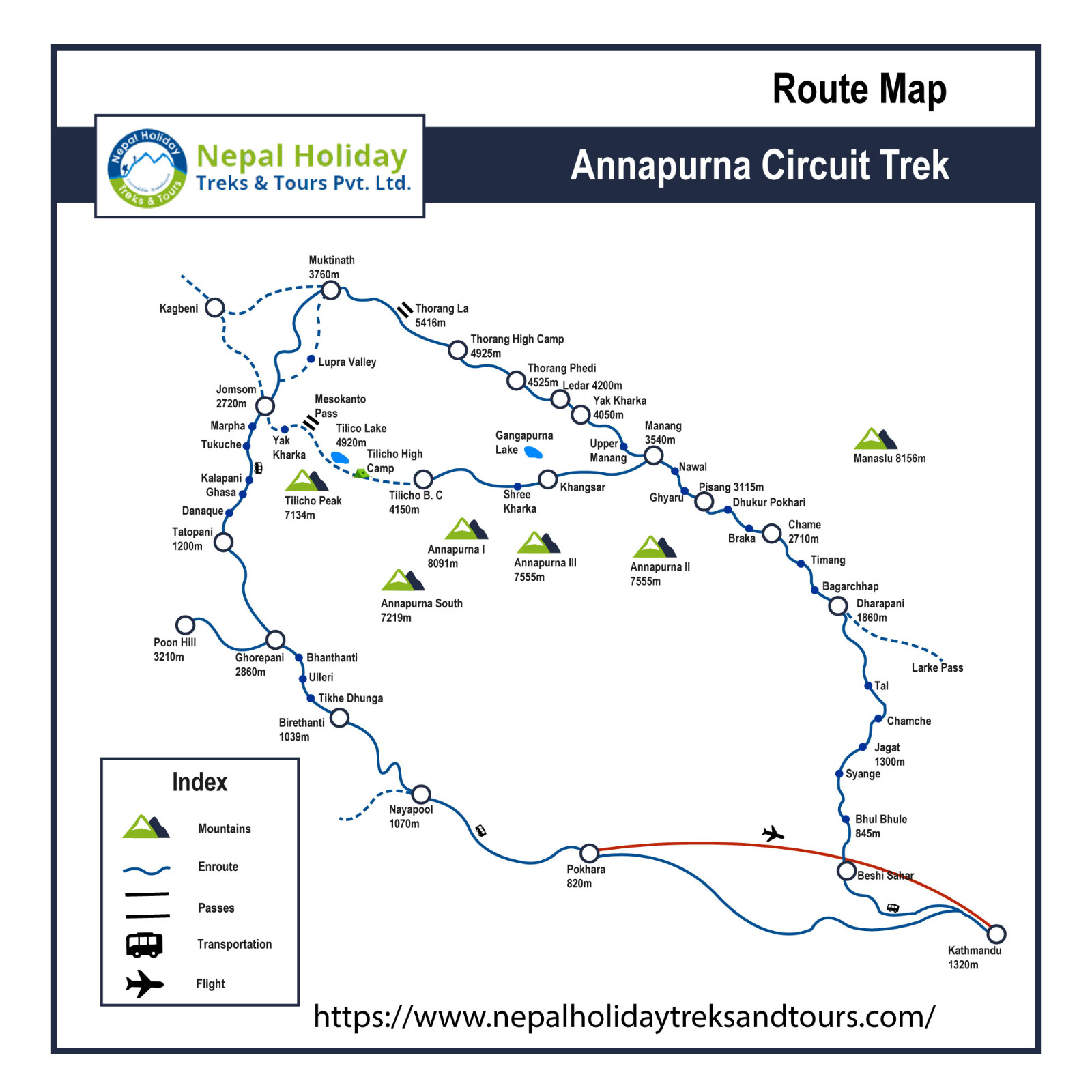
Trip Map
Upcoming Departures
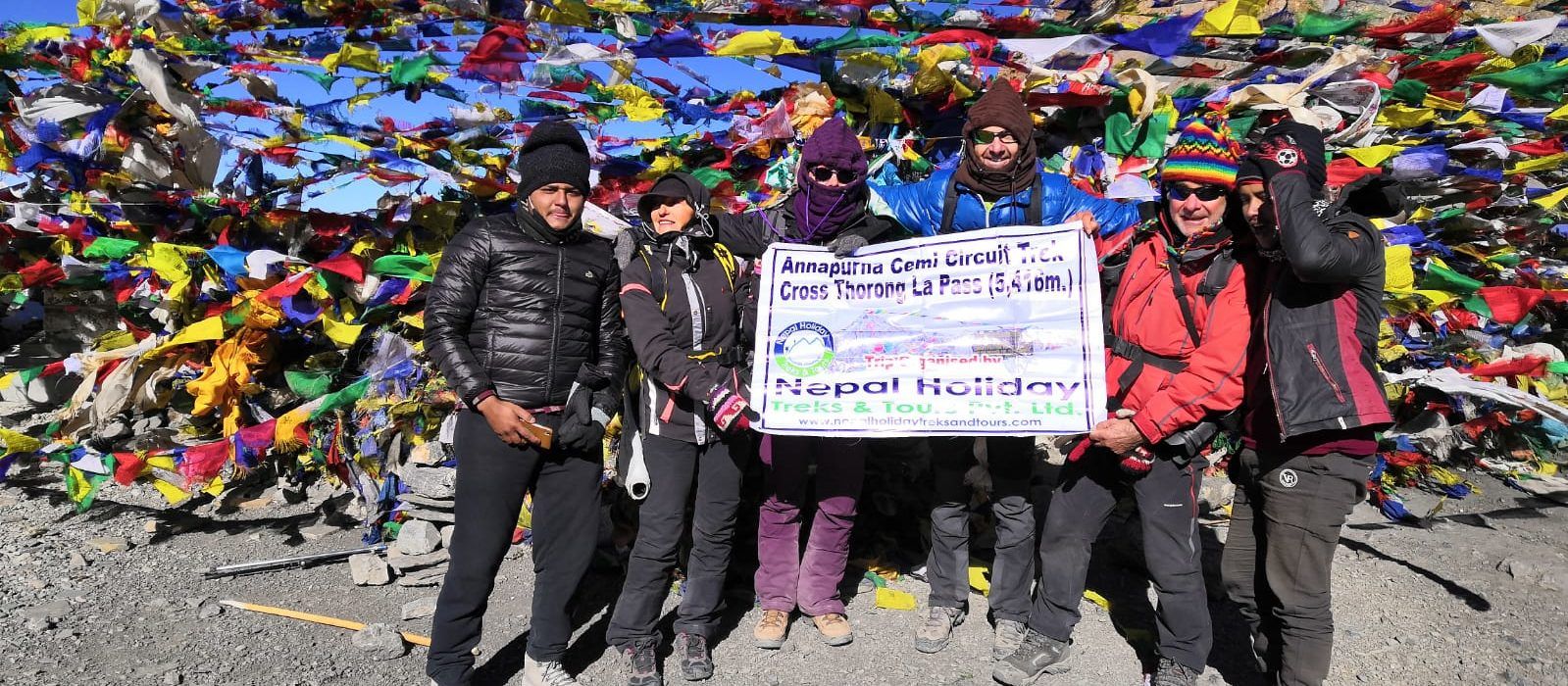
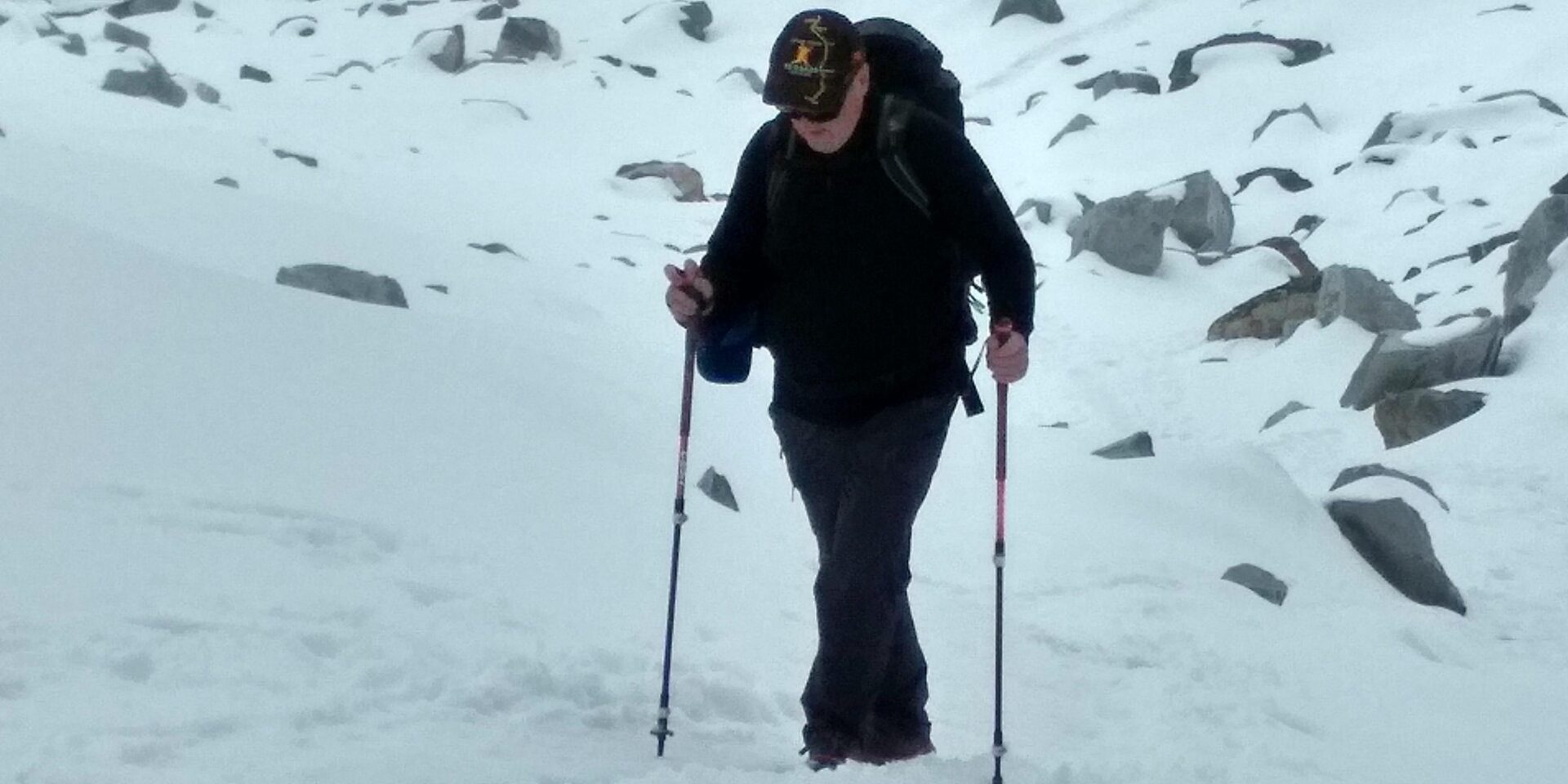
Annapurna Circuit Trek – 29 Days Gallery
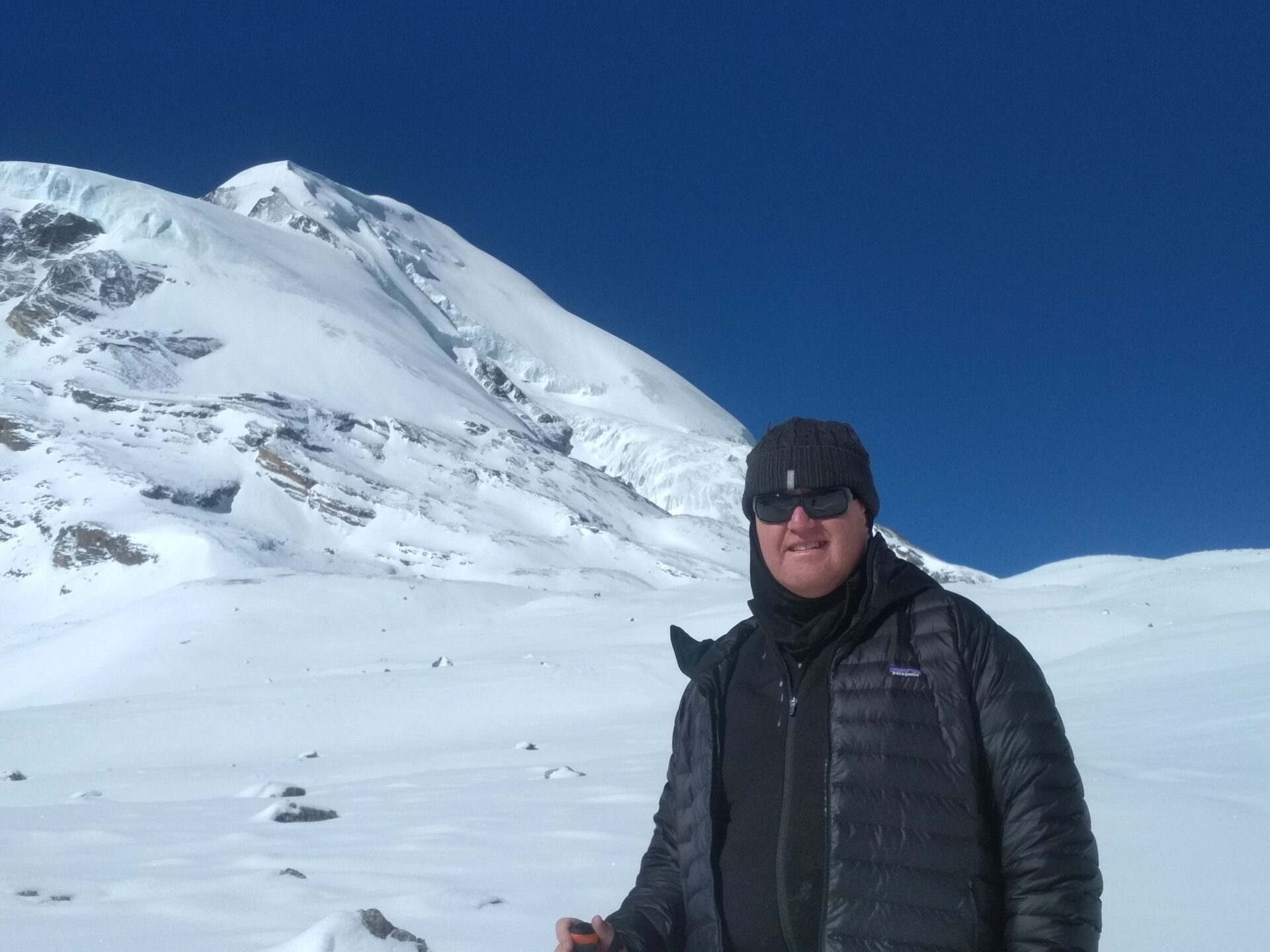
Customer Reviews
Write a ReviewAnnapurna Circuit Trek – 29 Days FAQs
What additional documents do I need?
- Original Passport
- Passport Photocopy
- 2 – Passport size photo
- A Copy of Travel insurance
How long is the Annapurna Circuit Trek?
The total distance of Annapurna Circuit Trek from starting point Kathmandu to ending point Kathmandu is approximately 740 km which includes trek distance as well as driving distance.
What is the highest altitude of the Annapurna Circuit Trek?
The highest altitude of the Annapurna Circuit Trek is 5,416 meters (17,769 feet).
Can your guide can speak English?
Yes, absolutely. Our guides on the Annapurna Circuit Trek are English speaking and have good communication with international trekkers. They offer unique perspectives on culture, history, landscape and much more.
Our guides are highly experienced professionals, many having 5 to 15+years of trekking across Nepal, particularly in the Annapurna region. They know the trails, villages, and weather patterns; are trained in first aid, altitude awareness, and client safety and they make sure your trekking experience is as enjoyable, safe, and knowledgeable as it can be.
Is guide mandatory for this trek even if I have a trekking experience?
Yes, a guide is necessary no matter your experience while trekking. According to a new rule of the Nepal Government from February 2025, all international trekkers must be accompanied by a licensed guide. You cannot go solo trekking anymore on the Annapurna Circuit Trek.
How much weight can porter carry?
A porter on the Annapurna Circuit generally carries 20–25 kg. This burden of weight is generally divided between two trekkers so each person’s duffel bag must not exceed 10 – 12 kg at the most.
With a porter carrying your main bag, you need only a light daypack – letting you hike uninhibited, savor the scenery, and minimize the chance of fatigue and altitude-induced sickness.
What kind of forest will I walk through?
The path goes through five plant life zones – starting with subtropical jungle at Besisahar (ferns, bamboo, orchids), followed by oak and maple forests, thick rhododendron and birch woodland, and ending with alpine shrubs near Manang. Each area has its own unique feel.
Can I visit local homes and monasteries?
Yes, locals tend to be quite friendly towards inquisitive and respectful travelers. Many monasteries on the way may be visited by trekkers. It is considered good manners to make a small donation when visiting religious places as it contributes to their maintenance.
Annapurna Circuit Trek – 29 Days Equipment Lists
Pack light, but make sure you bring the essential clothing and equipment needed for changing weather and high-altitude conditions. The following checklist covers the recommended gear for a comfortable and safe trek.
Note: If the sleeping bag, down jacket is lost or damaged, a compensation fee of USD 150 per item will be charged.
Sleeping Gear & Bags
- Four-season (0°C) sleeping bag and puffy down jacket (recommended)
- Daypack (35–45 liters recommended) with rain cover
- Sleeping bag liner
Head & Upper Body
- Sun hat or cap
- UV-protection sunglasses
- Warm knitted hat or beanie
- Headlamp with spare batteries
- Scarf, neck gaiter, or Buff
Torso
- Technical-fabric base layers suitable for the season
- Quick-drying T-shirts or shirts: 2 short-sleeve and 2 long-sleeve
- Fleece jacket or pullover
- Waterproof and windproof outer-shell jacket
Lower Body
- Technical-fabric thermal base layer
- Comfortable pants for wearing inside teahouses
- Waterproof and windproof shell pants
- Hiking pants: 2 pairs
- Hiking shorts
Hands
- Wool or technical-fabric liner gloves
- Insulated hard-shell outer gloves for colder conditions
Feet
- Warm wool or technical-fabric socks
- Liner socks, such as silk, if preferred
- Waterproof trekking or hiking boots
- Hiking socks
- Gaiters for dust, rain, or snow
- Microspikes or ice cleats, especially from November to March
- Comfortable casual shoes
Undergarments & Sleepwear
The quantity of clothing can be adjusted according to your personal preferences and laundry opportunities during the trek.
- Quick-drying technical-fabric underwear
- Sports bras for women
- Pajamas or comfortable sleeping clothes
First Aid & Personal Medications
Our guides carry a basic first-aid kit and essential medications, but bringing your own personal medical supplies is strongly recommended.
- Sunscreen
- Personal ointment or basic skincare products
- Lip balm
- Suitable medication for a dry mountain cough
- Mosquito repellent for Kathmandu and lower-altitude areas
- Personal prescription medications
Other Essentials
- Passport
- Extra passport-sized photographs
- Reusable water bottle
- Toiletry kit
- Toilet paper (2 rolls)
- Water purification tablets or a UV water purifier
- Hydration bladder
- High-protein snacks, such as protein bars or nuts
- Quick-drying towel
- Trekking poles
- Earplugs
- Pillowcase
- Waterproof or dry bags for important documents, electronics, and money
- Airline tickets and copies of travel documents
Optional Items
You can purchase or rent additional trekking gear in Nepal if needed. Thamel, Kathmandu’s main tourist hub, has a wide selection of trekking equipment at reasonable prices, and your guide can assist you with purchasing any last-minute supplies.
- Power bank or spare batteries
- Camera and mobile phone
- Thermos flask for hot water
- Books or playing cards
- Comb
- Binoculars
- Pee bottle or pee funnel for women
- Whistle
- Thermos flask for hot water
Tip: Avoid overpacking. Choose lightweight, quick-drying, and versatile clothing that can be layered according to the temperature and altitude.
Similar Tours
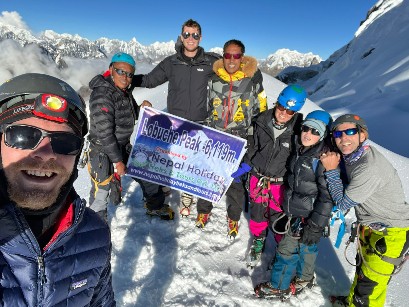
Everest Three High Pass Trek with Lobuche Peak
Overview If you want to experience the best Everest adventure in Nepal, this is it. The Everest Three High Pass...
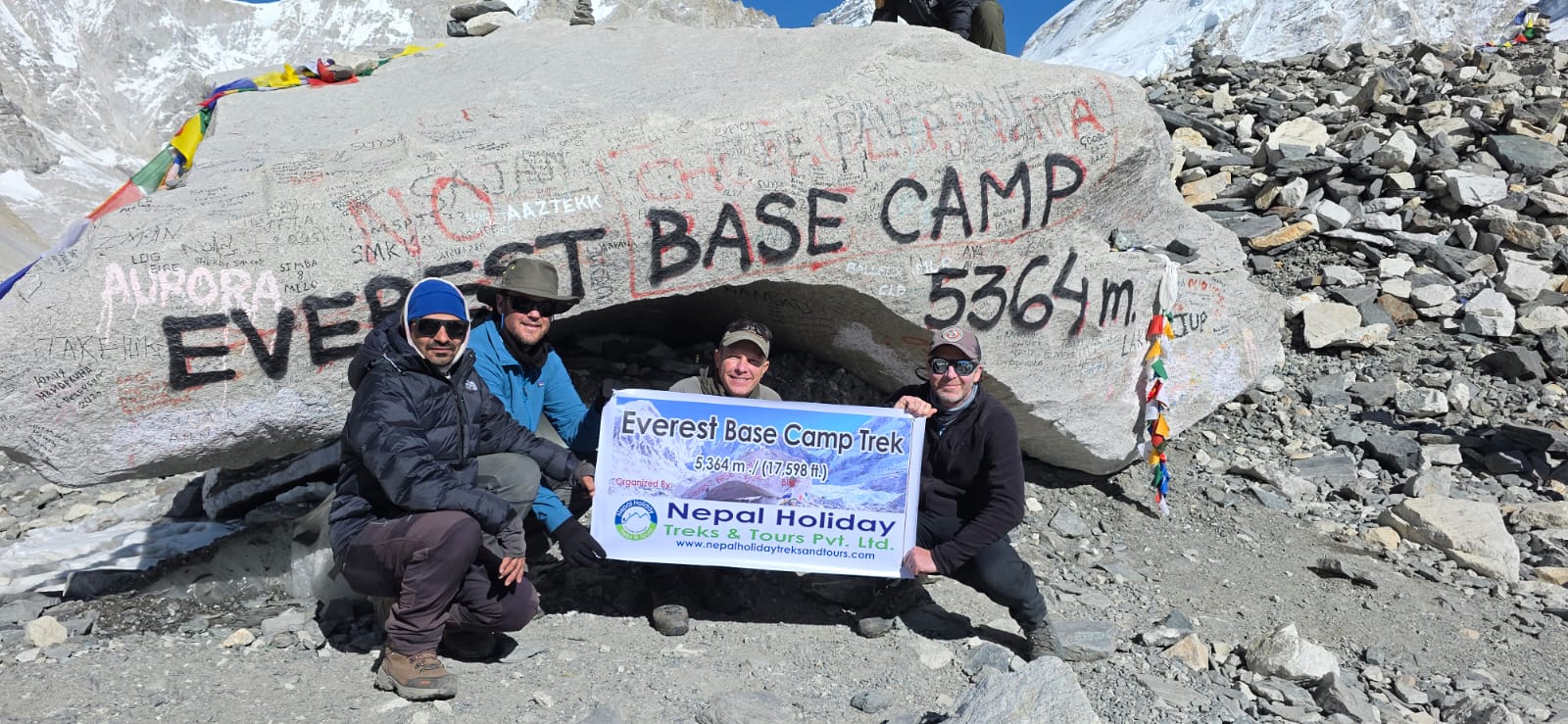
Everest Base Camp Luxury Trek
The Everest Base Camp Luxury Trek is a magnificent Himalayan experience without giving up on luxury. A well-planned journey...
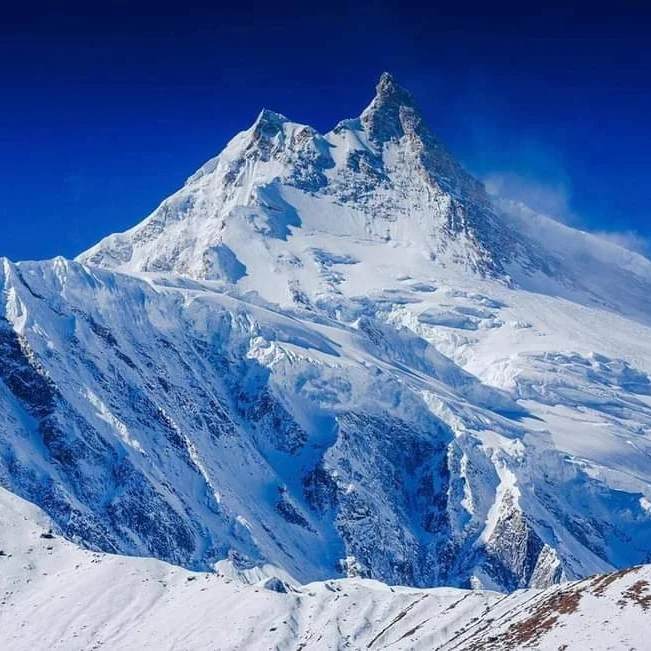
Short Manaslu Tsum Valley Trek
An 17 days trek, the Short Manaslu and Tsum Valley Trek engages trekkers to an adventure close to Mt....
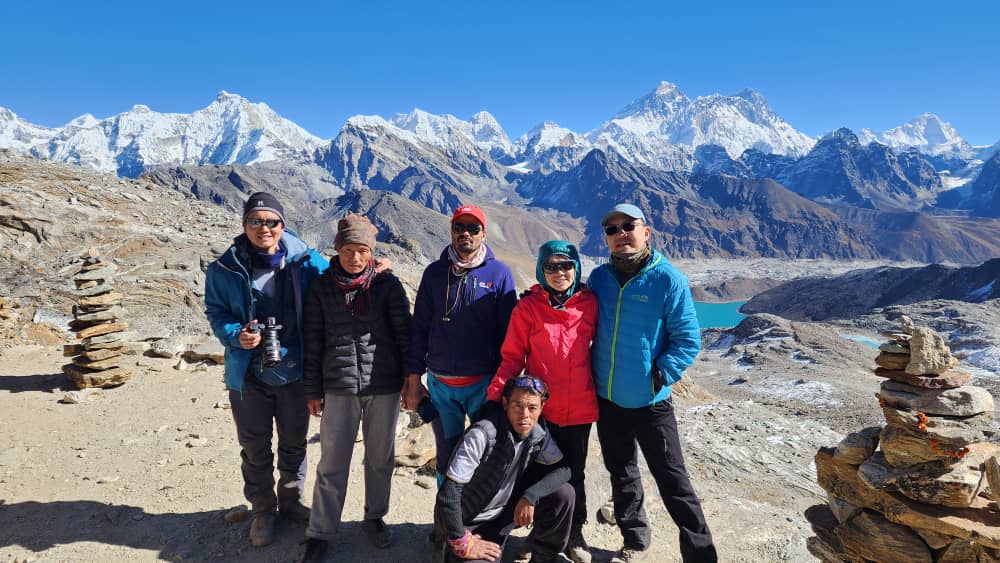
Gokyo Valley Trek Via Renjo-La Pass
Your getaway from the typical trekking route to Everest Base Camp is the Gokyo Valley Trekking. This trekking adventure...
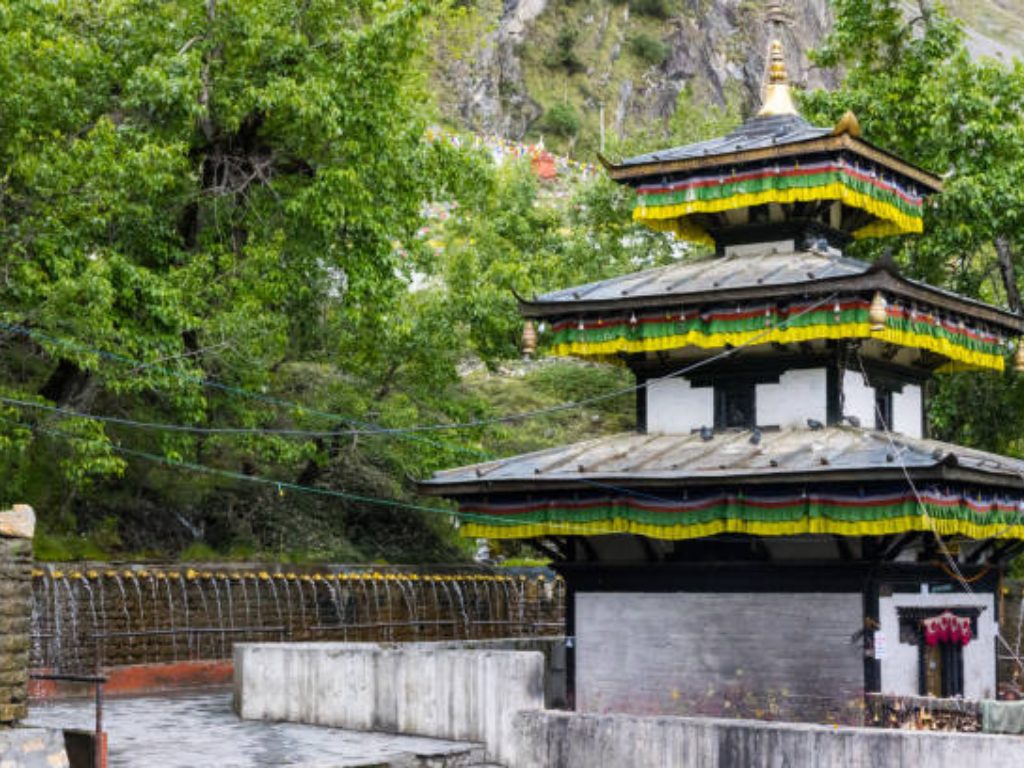
Jomsom Muktinath Trek
Nepal is a stunning country in the Himalayas with magnificent mountains. These mountains’ foothills make for ideal walking terrain....