
Rhododendron Flowers: Nepal’s Colorful Himalayan Blossoms
Posted by: Nepal Holiday Treks and Tours on June 1, 2026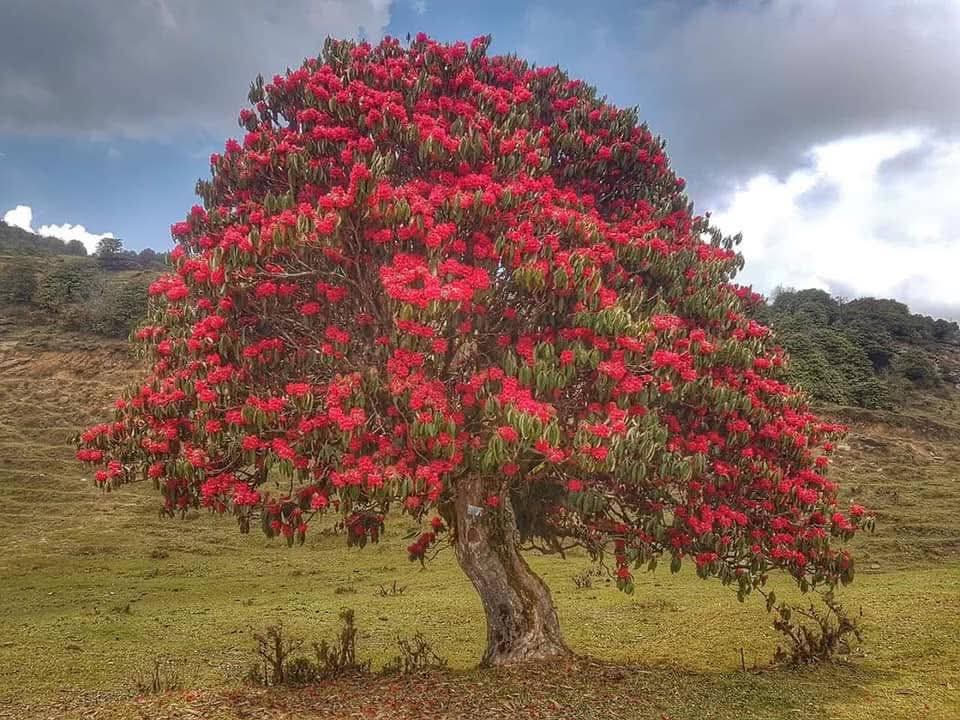
There is a moment, somewhere on the trail between Ghorepani and Poon Hill, when the forest just changes. One minute you are walking through bare oak and pine, your boots crunching on last night’s frost and then almost without warning, the entire hillside catches fire.
Not real fire. Something better.
Thousands of rhododendron trees in full bloom, their crimson flowers stacked so thick across the ridgeline that you forget to walk. You just stand there, breath fogging in the cold mountain air, wondering how you have spent your whole life not knowing about this.
If you have never seen rhododendron bloom in Nepal, this is the only thing you need to know that you are missing one of the most beautiful natural spectacles on the planet.
What is the Rhododendron? Nepal Most Beloved Flowers
Let’s start from the beginning, because rhododendron deserves a proper introduction.
The word rhododendron comes from the Greek – “rhodos” meaning rose and “dendron” meaning tree. So it literally means “rose tree”. And when you see one in full bloom against the snow-capped backdrop of Annapurna or Langtang that name makes complete sense.
In Nepal, we call it “Lali Gurans”. Lali means red and Gurans is the flower. Though Nepali have warmly adopted the name for all rhododendrons, Lali Gurans is specifically the deep crimson one, the one that Nepali poets have written about, that grandmothers have made into juice and that soldiers once wore in their hats as a symbol of pride.
Since 1962, the Rhododendron arboreum has been officially declared as the national flower of Nepal. But truthfully, it has been Nepal’s flower long before any government made it official. It grows across the country from 1,600 meters all the way up to 4,000 meters, turning hill after hill into something that looks like a painting that no artist could be paid enough to recreate.
How Many Species of Rhododendron Grow in Nepal?
Nepal is home to over 30 species of rhododendron. In a small country like Nepal, that kind of biodiversity is extraordinary.
The most famous rhododendron is the deep red tree rhododendron that can grow up to 20 meters tall. But as you climb higher in altitude, something magical happens to the color. The red softens to pink, then gradually washes out into white by the time you are above 3,600 meters. It is as if the mountain itself is choosing the colors.
Some of the rhododendron species you might encounter on a Nepali trek:
- Rhododendron arboreum: The iconic deep red, found from 1,600m to 3,500m
- Rhododendron Campanulatum: Bell shaped, purple to white, found at higher altitudes
- Rhododendron barbatum: Striking red with distinctive hairs on the stem
- Rhododendron hodgsonii: Large leafed beauty found in subalpine zones
Each species blooms at a slightly different altitude and time, which means if you plan your trek well, you can easily experience the bloom uphill for weeks.
When did Rhododendrons Bloom in Nepal?
The above question is always we get asked more than any other at this time of year.
And the short answer is March and April are the peak months. In Nepal calendar terms, that is Chaitra and Baisakh – the heart of spring.
But the full answer is little long and a lot more interesting.
Rhododendrons bloom at different times depending on altitude:
- Lower elevations (1,600 to 2,500m): Blooming starts as early as late February and peaks through March.
- Mid elevations (2,500 to 3,500m): Peak bloom is late March to mid- April
- High elevations (3,500 to 4,000m): Flowers appear from April into early May
This staggered bloom is actually a gift for trekkers. It means that even if you arrive in early March, you will catch the lower forests in full color and if you come in late April, the higher trails will still be blazing red.
One more thing worth knowing is that rhododendron bloom timing is shifting. Locals in Kathmandu and mountain communities have been noticing that flowers are appearing earlier each year – a quiet, beautiful sign of how climate change is reshaping the seasonal rhythms of the Himalayas.
Why Rhododendron is Famous in Nepal?
Nepal has mountains, monasteries and trekking trails more numerous than you could walk in a lifetime. But as spring rolls around, one thing silently takes center stage – the rhododendron.
It is famous here for reasons that go far deeper than beauty. The Lali Gurans has been Nepal’s national flower since 1962 but its roots in Nepali identity go back centuries. Gurkha soldiers wore it in their hats as a badge of pride. Mountain healers used its petals and bark as medicine. Families still make juice and pickles from its flowers every spring. It is not just a flower, it is part of how Nepal understands itself.
Then there is the sheer scale of it. Nepal sits in a sweet spot of altitude and climate that makes it one of the most rhododendron-rich countries on Earth, with over 30 species growing from the subtropical foothills all the way to the tree line. The forest around Ghorepani is often called the largest rhododendron forest in the world. When it blooms in spring, entire ridgelines turn crimson, pink and white – with Himalayan peaks rising behind them. There is genuinely nothing else like it.
Where to See Rhododendron in Nepal? The Best Trekking Routes
Ghorepaani Poon Hill Trek
We are not exaggerating when we say this. Ghorepani sits inside what is widely considered the largest rhododendron forest in the world. In spring, the trail from Tikhedhunga to Ghorepani passes through a seemingly endless tunnel of red, pink and white blossoms. The smell alone is worth the trip.
The Poon Hill Trek is also wonderfully accessible, you do not need mountaineering experience and it can be completed in 4 to 5 days. This makes it the single best rhododendron experience for most trekkers.
- Best time: Late March to Mid-April
- Altitude: 2,874m at Poon Hill Summit
- Difficulty: Easy to moderate
Langtang Valley Trek
The Langtang trail winds through dense rhododendrons and bamboo forests opening up into the dramatic high altitude valley. The lower sections of the trail, particularly between Syabrubesi and Lama Hotel are absolutely stunning in bloom season.
- Best time: Late March to April
- Altitude: Up to 4,984m at Tserko Ri
- Difficulty: Moderate
Everest Base Camp Trek
Most people do not associate the EBC trek with rhododendrons but the forests between Lukla and Namche Bazaar tell a different story. The rhododendron blooms here are shorter-lived but no less beautiful, especially with Ama Dablam hovering in the background.
- Best time: Early April
- Altitude: 5,364m
- Difficulty: Moderate
Annapurna Circuit Trek
The Annapurna circuit passes through some of the most diverse rhododendron zones in Nepal. The stretch between Chamje and Chame and later the descent from the Thorong La pass, rewards trekkers with bloom after bloom.
- Best time: March to early May
- Altitude: 5,416m
- Difficulty: Moderate to challenging
Rhododendron in Nepali Culture: More than Just a Pretty Flower
Here is what most travel blogs miss about Rhododendron (Lali Gurans) – it is not just a flower that looks good in photographs. It is woven into the daily life, medicine, food and soul of Nepal.
A Symbol of Pride and Resilience
During Nepali’s unification campaign in the 18th century, Gurkha soldiers wore the Lali Gurans flower on their hats as a symbol of their loyalty and bravery. That is a flower that carries the weight of history in its petals.
Traditional Medicine
In mountain villages across Nepal, rhododendron has been used as medicine for generations:
- Powdered flowers mixed with rice are a traditional remedy dysentery
- Leaf paste applied to the forehead is used to treat headaches
- Bark extract is taken for coughs and diarrhea
- Folk tradition says a sip of Lali Gurans juice can even dissolve a fish bone stuck in the throat
We are not prescribing anything here, just noting that generations of Nepali people have trusted this flower with their health. There is wisdom in that.
Rhododendron in the Kitchen
Yes, you can eat it.
Fresh rhododendron petals are used to make Gurans ko Achar (pickle) – a tangy, slightly sweet pickle that is a seasonal favorite across the hills. The flowers are also boiled into a deep red juice that looks dramatic and tastes floral and refreshing. If you are trekking with a local teahouse in bloom season, ask whether they have Gurans juice. It is one of those small, specific, perfect things you will remember long after this trek is over.
Rhododendron Honey
The bees of the Himalayan foothills spend spring working the rhododendron forests and the result is one of Nepal’s most special products. Mad honey which is also called Himalayan red honey is made by bees that feed heavily on rhododendron nectar. Collected using traditional methods by honey hunters in Gurung villages, this honey has been used for centuries as a remedy for hypertensions, poor circulation 5and even as a mild sedative.
It is a genuinely extraordinary stuff. And yes, there are trekking experiences where you can witness the honey harvest firsthand.
Why Rhododendron Season is the Best Time to Trek in Nepal
We may be a little biased, we are a trekking company, after all. But we genuinely believe that spring rhododendron season is the finest time to be on a trail in Nepal and here is why:
The Mountains are Visible: Post monsoon October is famous for clarity but March and April often match it, especially in the Annapurna and Langtang regions. You get the dramatic peaks and the flowers in the same frame.
The Trails are Alive: Everything is growing. Birds are calling. Villages smell of wood smoke and blossoms. The whole mountain world feels like it just woke up.
The Colors are Unreal: Red rhododendron against white snow and blue sky is a combination that does not photograph, not really. You have to stand inside it.
The Temperatures are Right: Not the punishing cold of January not the humidity of the monsoon. March and April bring cool mornings, warm afternoons and that are rare Himalayan sweetness in the air.
Rhododendron and Climate Change: A Flower worth Protecting
We would be leaving something important out if we did not mention this.
The rhododendron forests of Nepal are not just beautiful, they are ecologically critical. They protect watersheds, prevent soil erosion on steep Himalayan slopes and provide habitat for a huge range of mountain wildlife, including the red panda.
But these forests are under pressure. Deforestation, unsustainable harvesting and climate change are all threatening them. The bloom season is shifting. Some high altitude species are being pushed to ever higher elevations where there is simply less room to grow.
When you trek through a rhododendron forest, you are walking through something that took decades and centuries to become what it is. Treat it accordingly. Stay on the trail. Leave nothing behind but footprints.
The rhododendron has survived ice ages, empires and monsoons. We owe it the courtesy of our care.
Frequently Asked Questions
Are rhododendrons in Nepal endangered?
Not yet, but under pressure. Deforestation and climate change are shifting bloom times and pushing high-altitude species higher. Conservation efforts are ongoing, trekkers can help by staying on marked trails and leaving nothing behind.
How tall do rhododendron trees grow in Nepal?
The rhododendron arboreum can grow up to 20 meters tall, so these are bot garden shrubs.
When is the best time to see rhododendrons in Nepal?
March and April are the peak months. Lower trails bloom from late February, mid-altitude forests peak in late March and higher elevations stay colorful into early May.
Which trek is best for rhododendron in Nepal?
The top best trek for experiencing the beauty of rhododendron is Ghorepani Poon Hill trek.
What does Lali Gurans mean?
Lali means red and Gurans means flower in Nepali. So it simply means “red flower.” It originally referred to the deep crimson variety, though today Nepali use the name warmly for all rhododendrons.
Plan Your Rhododendron Trek with Us
If reading this has made you want to be standing in a rhododendron forest right now, we completely understand. We feel that way every spring without fail.
We have been leading treks through Nepal’s most beautiful trails for years and the bloom season is still one that makes us fall in love with these mountains over and over again.
Whether you are dreaming of the Poon Hill short trek, the full Annapurna Circuit or something quieter and more remote, we can put together the right trip for you.
Contact us today and let’s figure out when to get you on the trail. The rhododendrons will be waiting.
Related Blogs
Mu Gompa
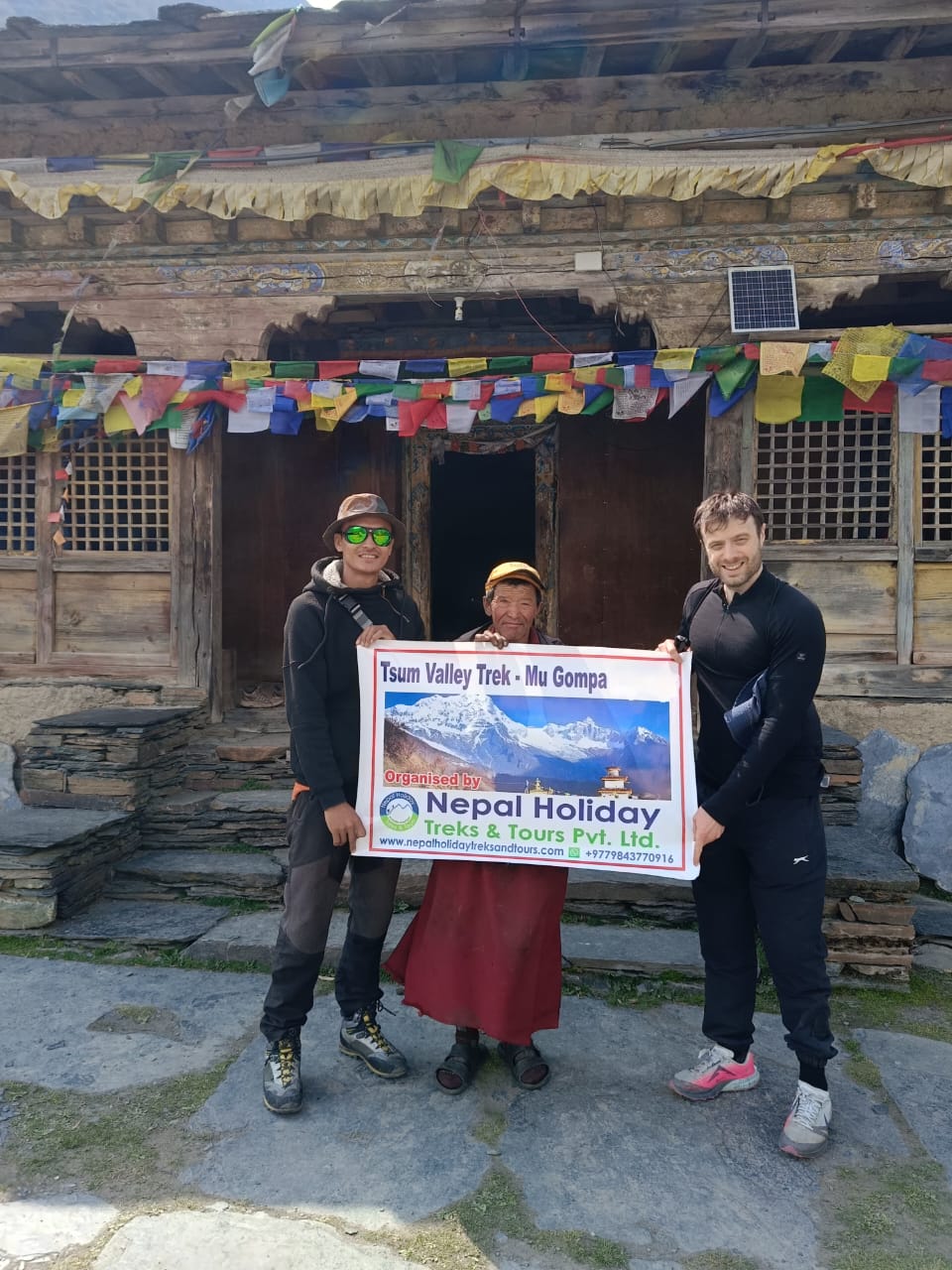
Mu Gompa, also known as Dechen Lhundrup, is an important Buddhist monastery in the Upper Tsum Valley of northern Gorkha, Nepal. Located along the remote Tsum Valley Trek, it is one of the region’s main spiritual and cultural landmarks. The monastery sits at approximately 3,700 m (12,139 ft) above sea level within the Manaslu Conservation […]
Everest Base Camp Trek FAQs
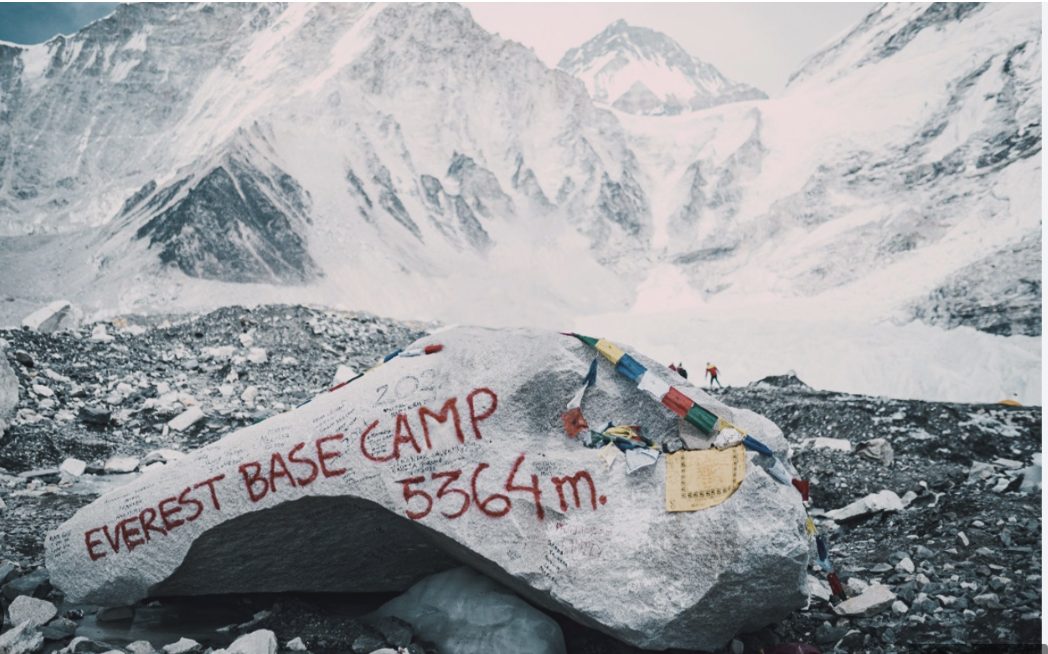
Introduction Planning the Everest Base Camp Trek often comes with questions about the route, duration, altitude, permits, weather, accommodation, fitness, and overall trekking conditions. These frequently asked questions provide clear and practical information to help you understand what to expect before starting the trek to Everest Base Camp. Frequently Asked Questions General Everest Base Camp […]
Manaslu Trek via Larke Pass Trek FAQs
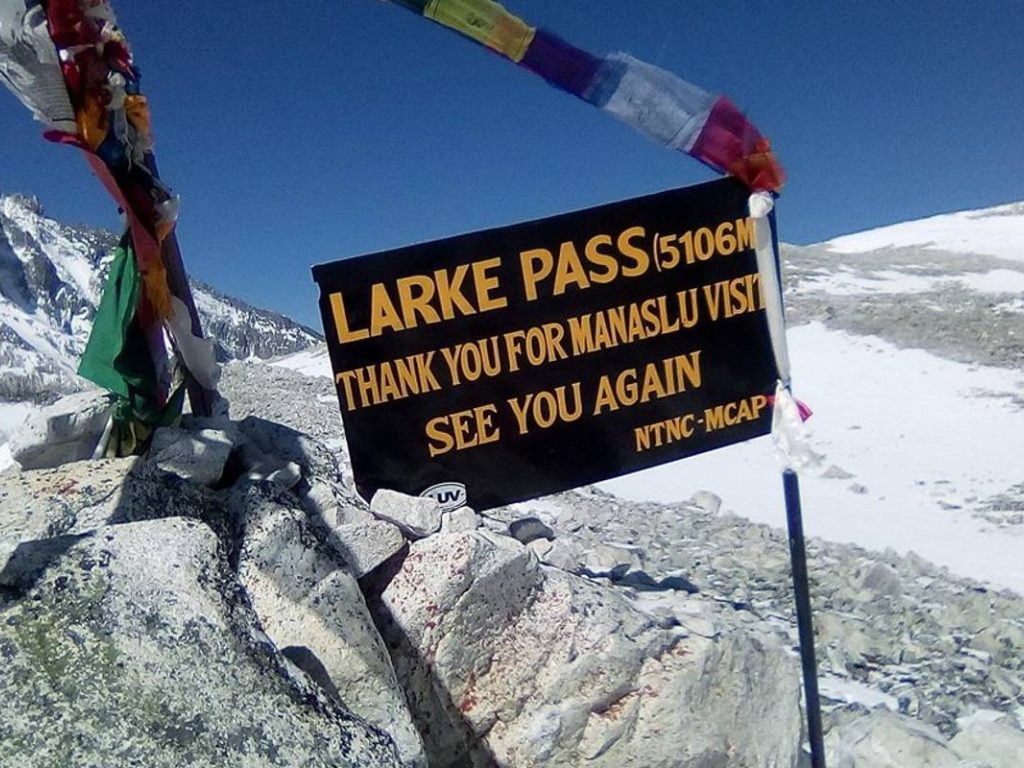
Introduction The Manaslu Trek via Larke Pass is a remote Himalayan adventure around Mount Manaslu, the world’s eighth-highest mountain. The route passes through traditional villages, Buddhist monasteries, dramatic valleys, and high mountain landscapes before crossing the challenging Larke Pass. These FAQs cover the route, permits, difficulty, altitude, best time, accommodation, cost, preparation, and other practical […]