
Complete Guide to Langtang Valley Trek
Posted by: Nepal Holiday Treks and Tours on December 12, 2025
Introduction: Why Trekking to Langtang Still Feels Special
The Langtang Valley Trek is one of Nepal’s most loved trekking routes, especially for students, young hikers, and beginners who want to explore the Himalayas without facing challenging trails. The trek is close to Kathmandu, so you do not need long bus rides or expensive flights. Even though it is near the city, the trek gives you real mountain views, peaceful nature, and cultural experiences. The valley is often called the “Valley of Glaciers” because you can see glaciers, snow-covered mountains, and wide landscapes from various points along the trail. The Langtang region is home to the Tamang people, whose culture is very similar to that of Tibet, so you can see monasteries, prayer flags, traditional houses, and local lifestyles. Many trekkers say Langtang feels like a perfect mix of nature, culture, and adventure.
Difficulty Level of Langtang Valley Trek
Difficulty: Moderate
The Langtang Valley Trek is suitable for trekkers who can walk 5–6 hours a day. It’s not as demanding as Everest Base Camp or Annapurna Circuit, but it still requires stamina and readiness for altitude. You’re not dealing with technical sections, ropes, or glaciers. Most of the trail is a natural trekking route through forests, riversides, and stone-paved steps.
What makes it “moderate”?
- Continuous uphill sections
- 2–3 long days of trekking
- Altitude gain from 1,550m to nearly 3,870m
- Optional but tough summit climbs above 4,700m
These factors add challenge, but the trek remains achievable for anyone with basic fitness.
Day-by-Day Difficulty Breakdown
This breakdown shows what each day typically feels like.
Day 1: Syabrubesi (1,550m) → Lama Hotel (2,380m)
Difficulty: Moderate
The trail begins with a gradual climb through forests. It’s a steady day, but the continuous ascent may feel tiring because it’s the first day of the trek.
Day 2: Lama Hotel → Langtang Village (3,430m)
Difficulty: Moderate to Hard
This is often called the hardest section of the lower route. The trail climbs steeply in many parts, especially near Ghoda Tabela.
You’ll feel altitude beginning to kick in as you reach Langtang Village.
Day 3: Langtang Village → Kyanjin Gompa (3,870m)
Difficulty: Moderate
This day is more open and scenic. The trail becomes gentler, but the altitude gain can make walking slower. You see yak pastures and wide valleys.
Day 4: Kyanjin Ri / Tserko Ri (Optional)
Difficulty: Hard
This is the most difficult day depending on your choice:
- Kyanjin Ri (4,773m): steep but shorter
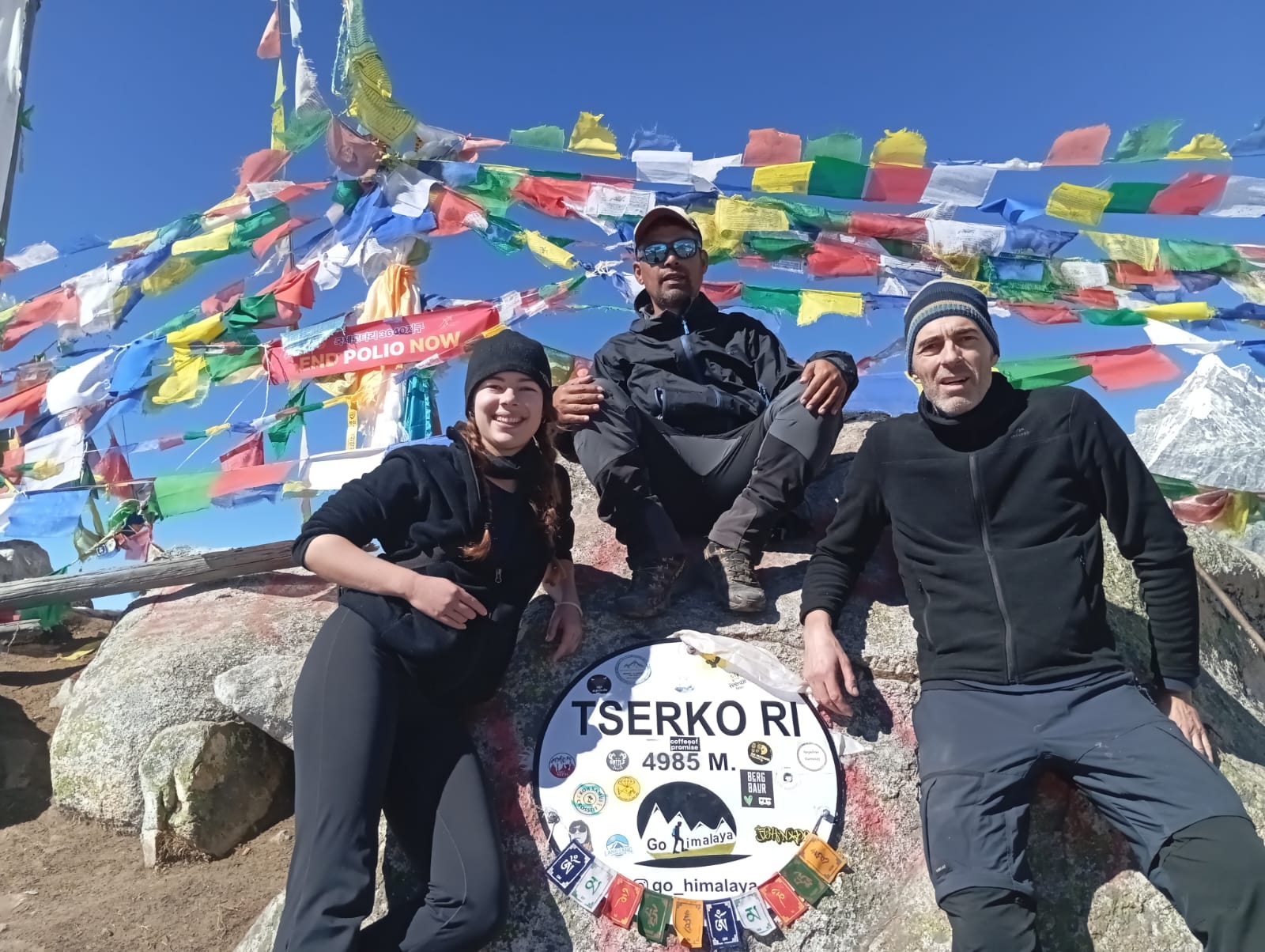
- Tserko Ri (4,984m): long, tough, and very high
The altitude, cold, and wind add difficulty.
Day 5–6: Return journey
Difficulty: Easy to Moderate
Descending is physically easier but can strain knees. The views remain beautiful.
What Makes Langtang Valley Trek Challenging?
Even though Langtang is a beginner-friendly trek, some elements increase its difficulty.
A. Altitude
The highest overnight stop is Kyanjin Gompa at 3,870m.
Symptoms like fatigue, headaches, or shortness of breath are normal at this elevation.
B. Steep Sections
Lama Hotel → Langtang Village is continuously uphill. It’s not technical, but it’s long. This might be difficult part for lot of people
C. Walking Hours
There are long walking hours which makes you feel tired. The average hrs and elevation gain is:
- 5 to 7 hours of walking
- 700m to 900m elevation gain (on some days)
D. Weather
Weather plays a huge role in how challenging the trek becomes. Spring and autumn are easy, but monsoon adds mud, rain, landslides, floods and leeches. In winter snowfall blocks ways and make it harder.
E. High-Altitude Climb (Optional)
If you attempt Kyanjin Ri or Tserko Ri, the trek becomes significantly harder.
The Hardest Sections of the Langtang Valley Trek
1. Climbing Kyanjin Ri or Tserko Ri.
This is the toughest part for almost everyone. The major reasons why its hard are:
- The slope is steep
- Air feels thinner
- It’s windy and cold at higher altitude
- The climb is slow and steady
Most trekkers need 7–8 hours round trip for Tserko Ri.
Best Season for Langtang Valley Trek
Langtang can be trekked throughout the year, but each season offers different difficulty levels.
A. Autumn (September–November)
Difficulty: Easy–Moderate (Best Time)
Stable weather, clear skies, comfortable temperatures, and great mountain views make autumn perfect for trekking.
B. Spring (March–May)
Difficulty: Moderate
Warm weather, blooming forests, and pleasant trail conditions. Slight haze in late April.
C. Winter (December–February)
Difficulty: Moderate–Hard
Colder temperatures and occasional snow make the higher section challenging, but the trail is peaceful.
Langtang Valley Trek Difficulty in June, July, and August (Monsoon Season)
Monsoon is the most unpredictable trekking season in Nepal. Langtang becomes greener and more dramatic, but wetter and riskier.
Trekkers who choose monsoon often look for solitude, photography, or unique nature experiences. But the difficulty increases compared to autumn and spring.
A. Rainfall
Daily afternoon rain makes trails muddy and slippery.
Stepping on wet stones and roots needs attention.
B. Leeches
Lower forests around Bamboo, Rimche, and Lama Hotel have many leeches.
They’re harmless but uncomfortable.
C. Trail Conditions
- Muddy sections
- Slippery stone stairs
- Wet foliage
- Small streams crossing the trail
D. Landslide-Prone Areas
Some stretches between Syabrubesi and Ghoda Tabela become sensitive to heavy rain.
E. Visibility
Clouds block mountain views most mornings and evenings.
F. Road and Travel Delays
Road from Kathmandu to Syabrubesi may face delays due to:
- Slippery roads
- Landslides
- Rainfall
For these reasons, trekking in monsoon becomes Moderate to Hard.
Who Should Trek Langtang in Monsoon?
Monsoon trekking is not ideal for everyone. But it suits specific trekkers:
- Photographers
The valley becomes lush and green. - Experienced trekkers
Those who know how to handle rain and mud. - Trekkers who prefer quiet trails
You won’t see many people during monsoon. - People comfortable with unpredictable weather
Flexible mindset makes monsoon trekking enjoyable.
Safety Tips for Monsoon Langtang Trek
1. Start early
Rain usually falls in the afternoon.
2. Wear leech-proof socks or spray salt water
Leeches love humidity.
3. Trek with a guide
Essential for navigating risky parts during monsoon.
4. Avoid walking in heavy rain
Wait out strong rainfall in teahouses.
5. Carry waterproof covers
Protect your backpack, electronics, and clothes.
6. Choose sturdy trekking shoes
Good grip prevents slipping.
7. Check weather forecasts daily
Avoid sections with active landslides.
Physical Fitness Required for Langtang Trek
You don’t need to be an athlete. Normal fitness is enough.
Ideal preparation:
Regular walking (5–7 km a day)
- Light jogging
- Squats or stair climbing
- Breathing exercises
Balanced Fitness Helps With:
- Uphill climbs
- Altitude
- Long walking hours
- Descending without knee pain
Trekking Difficulty Map (Simplified)
| Section | Difficulty | Notes |
| Syabrubesi → Lama Hotel | Moderate | Forested uphill |
| Lama Hotel → Langtang Village | Moderate–Hard | Long ascent |
| Langtang → Kyanjin Gompa | Moderate | Gradual climb |
| Kyanjin Ri / Tserko Ri | Hard | High altitude |
| Return Journey | Easy–Moderate | Downhill pressure on knees |
Food on the Langtang Trek:
Food on the Langtang Trek is simple, warm, and perfect for trekking. The most common dish is Dal Bhat, which includes rice, lentil soup, vegetables, and pickles. Dal Bhat gives a lot of energy, and the best part is that most teahouses offer unlimited refills. If you want variety, you can find noodles, fried rice, pasta, porridge, omelets, pancakes, Tibet an bread, and soups. Breakfast usually includes porridge, omelets, toast, and tea. Food becomes more expensive as altitude increases because mules or porters must carry it. However, the food is fresh, warm, and satisfying. Since trekking burns a lot of calories, it is important to eat full meals.
Safe Drinking Water on the Trek:
Drinking water is available everywhere. Most trekkers use water purification tablets or filter bottles. Bottled water is available but becomes expensive at higher places. Purifying your own water is cheaper and better for the environment. Hot water and boiled water are available in teahouses. Staying hydrated is very important to avoid altitude sickness. You should drink at least three liters of water per day.
Culture and Local Lifestyle in Langtang Valley:
The Langtang region is culturally rich. The Tamang people living here have traditions similar to Tibetan Buddhists. As you walk, you will see monasteries, chortens, prayer wheels, mani walls, and prayer flags everywhere. These symbols show the strong religious background of the region. Locals are friendly and warm. They welcome trekkers with smiles and kindness. Most families depend on tourism, yak herding, or farming. Their houses are made of stone and wood, and they have simple lifestyles. In Kyanjin Gompa, the cheese factory is a popular place where trekkers enjoy fresh yak cheese. Learning about the culture makes the trek more meaningful. Students especially enjoy interacting with locals and understanding their lifestyle.
Natural Beauty and Wildlife:
Langtang Valley is full of natural beauty. The forests are lush with bamboo, pine, oak, and rhododendrons. Rivers and waterfalls appear everywhere along the trail. The snowy peaks ofLangtang Lirung, Dorje Lakpa, and Yala Peak create a stunning backdrop throughout the trek. Wildlife in the region includes red pandas, monkeys, Himalayan birds, and musk deer. If you’relucky, you may spot a red panda moving through the bamboo forest. The variety of landscapes, from forests to meadows to rocky mountain areas, makes the trek interesting every day.
Why Langtang Is the Nearest Trek to Kathmandu
One of the biggest advantages of Langtang Valley Trek is its closeness to Kathmandu. You can reach Syabrubesi, the starting point, in just six to seven hours by road. This saves time and money. You don’t need a flight like you do for Everest. Even if you have only a short holiday, you can still complete Langtang. Even though it is close to the city, the trail feels peaceful and natural. Once you start trekking, you feel like you are deep inside the mountains.
Conclusion
Langtang Valley Trek – 9 Days
Langtang Valley Trek is a Himalayan valley in the mountains of the north- central Nepal known for its trekking...
Langtang Valley Trek is a perfect trek for beginners, students, families, and experienced trekkers. It is moderate in difficulty, beautiful in scenery, rich in culture, and easy to access. The best seasons, autumn and spring, give the clearest mountain views. Monsoon makes the trek harder but more green. The food and water options are safe, and the accommodation is simple but comfortable. With friendly locals, beautiful forests, peaceful valleys, and snowy mountains, Langtang offers one of the best trekking experiences in Nepal.
Related Blogs
Manaslu Trek via Larke Pass Trek FAQs
Introduction The Manaslu Trek via Larke Pass is a remote Himalayan adventure around Mount Manaslu, the world’s eighth-highest mountain. The route passes through traditional villages, Buddhist monasteries, dramatic valleys, and high mountain landscapes before crossing the challenging Larke Pass. These FAQs cover the route, permits, difficulty, altitude, best time, accommodation, cost, preparation, and other practical […]
Langtang Valley Trek – Frequently Asked Questions
Introduction Planning a Langtang Valley Trek often comes with questions about the route, difficulty, altitude, permits, best season, accommodation, food, transportation, and preparation. This FAQ guide answers the most common questions trekkers ask before visiting the Langtang region. The Langtang Valley Trek takes you from the lower hills toward Kyanjin Gompa through forests, Tamang villages, […]

Namche Bazaar: The Heartbeat of the Everest Region
Ask any trekker who has walked to Everest Base Camp and most of them will tell you the same thing. It’s just not a random village in the Khumbu region. Namche Bazaar is the town that stays in your heart forever. It is the heart of Khumbu, where you can get luxury services with backdrop […]