
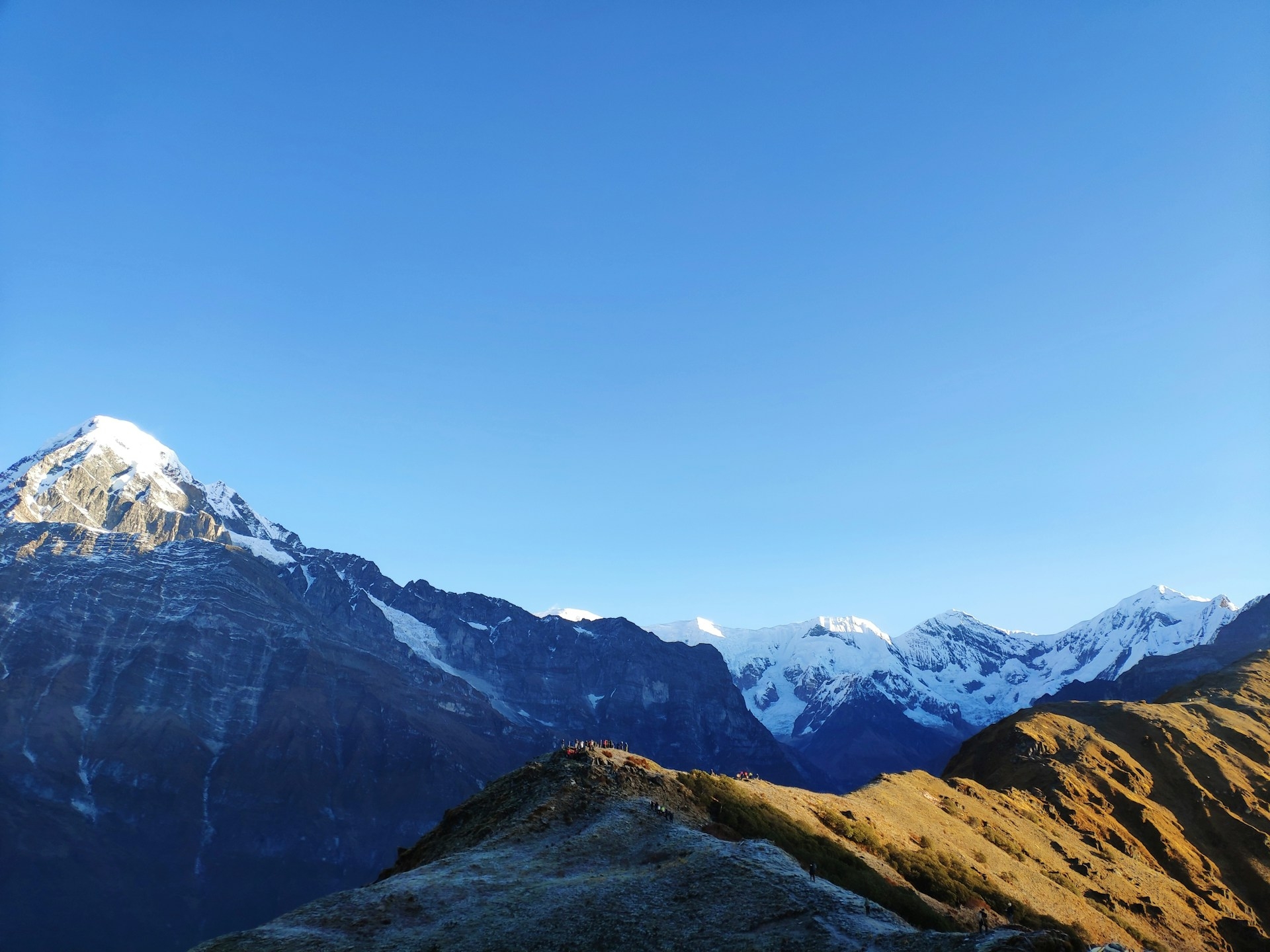


Mardi Himal Trek Overview
The Mardi Himal Trek is among Nepal’s best kept secrets. It is situated in the eastern part of the Annapurna region, this trail is an absolute classic Himalayan trek offering all the best that mountain trekking has to offer – dense rhododendron jungles, high alpine ridges, mind blowing panoramas and authentic cultural exchanges with none of the chaos associated with the more popular trails.
In 7 days from Kathmandu, trekkers climb to Mardi Himal Base Camp (4,500m) for intimate views of Machhapuchhre (Fishtail Mountain), Annapurna South, Annapurna I and Hiunchuli that make every step of the trek worthwhile. Its traditional Gurung and Magar villages give you a peek into the way of life in the Himalayas that the more commercial routes never come close to matching.
Whether you are new to trekking or an experienced hiker seeking a new adventure, the Mardi Himal Trek delivers a once in a lifetime Himalayan experience which is moderate in terms of difficulty, accessible, rewarding and brilliantly uncrowded.
Route Overview of Mardi Himal Trek
Mardi Himal trek follows a beautiful and well defined route through the heart of Annapurna Conservation Area, starting from kande and finishing at siding – with Pokhara serving as the base of the both ends of the journey.
The trek starts with a short drive from Pokhara to Kande and then the trail immediately gets you into terraced farmlands and peaceful hillside communities on your way up to Pitam Deurali. From here the landscapes shifts dramatically as you climb deeper into dense rhododendron and oak forest, passing through Badal Danda at 3,210m – where the mountains begin to reveal themselves for the first time.
Then a short walking day brings you up the Mardi Himal ridge to High Camp at 3,700m where the tree line vanishes and the whole Annapurna massif surrounds you. A day of acclimatization at this site will help you prepare for the longest day of the trek, a pre – dawn departure to Mardi Himal Base Camp at 4,500m, where you will be able to admire Machhapuchhre, Annapurna South and Annapurna I up close from every step of the trek.
The descent follows the same ridge back through Middle Camp and Low Camp, prior to the trail plunging into the Siding village at 800m, where you will find a vehicle waiting to take you back to Pokhara.
Mardi Himal Trek Difficulty – What to except on the trail?
The Mardi Himal Trek is considered to as a moderate trek, tough enough to really make you feel like you are trekking in the Himalayas, but easy enough for fit first time trekkers to make it with good preparation.
The daily walking hours are 2 – 8 hours depending on the day, with the longest and most challenging section being the summit push from High Camp to Mardi Himal Base Camp at 4,500m and return on Day 5. It incorporates steady uphill hiking, a few steep parts through the forested lower sections and exposed ridgeline hiking near the top. No technical climbing or any special gear require on the trail.
The biggest difficulty on the Mardi Himal Trek is not the trail, it is the altitude. At 4,500m your body is really working hard and how well you adjust. Drink water and keep a steady pace are more important than how fit you are. The built in rest day at High Camp on Day 4 is your best friend, use it wisely.
Best Time to Trek Mardi Himal
Choosing the best time to trek is equally important as choosing the destinations. Trekking in the best time means experiencing the best views, moment and best satisfaction. If you are having a problem for selecting the best season for Mardi Himal Trek than don’t worry. Here are the best seasons for the Mardi Himal trek.
Spring (March to May)
Spring season offers the best view for Mardi Himal trekking. Between Kande and Badal Danda you will find brightly colored rhododendron forests (red, pink and white) and mountain views from the Base Camp are sharp and clear in the early mornings. Temperature are comfortable across all elevations which makes this trek ideal for all trekkers.
At lower elevations, temperatures range from 8°C to 18°C, while at High Camp and Base Camp it falls as low as 0°C to 5°C. Mornings and nights at altitude still carry a chill, so you will still need warm layers in May. April is the best month in this season with perfect scent, perfect weather and perfect views.
Autumn (September and November)
After the monsoon clears, the Annapurna skies turn clear blue. Trails are dry, visibility is at its best and the views of Machhapuchhre and Annapurna South from the 4,500m Base Camp are the most breathtaking. It is Nepal’s high season for trekking and with good reason.
The temperature in autumn is from 10°C to 20°C at low altitude and from -2°C to 8°Cat High Camp and Base Camp. Altitude at nights can be truly cold in October, so a good sleeping bag and insulated jacket should not be a debate.
October is the golden month for this trek – skies are crystal clear and the weather is stable from start to finish.
Winter (December to February)
Winter is not for everyone but if you are properly geared and experienced, the snow covered ridge at High Camp can take your breath away. Teahouses are almost empty and the trail feels completely yours. In winter season there is very cold and snowy above 3,500m.
At night winter temperature fall to -100C to -150C at High Camp and Base Camp and are relatively warm around 50C to 120C in the day at lower elevations in Pokhara and Kande. So proper gear is not the kind of thing you can choose to do without – you must have it.
Monsson (June to August)
Monsoon is the very bad season for trekking any destination in Nepal. It is because in this season the trails are slippery due to heavy rain, leeches are found on the trails and poor visibility of the Mountain View. The forest are lush and green but the mountains are hidden inside the clouds. We strongly recommend you not to do treks in this season.
Monsoon temperatures are warm, between 15°C and 25°C at the base of the trail, but the constant humidity and rain make unpleasant conditions and the upper portions of the trail are actually dangerous.
Outline Itinerary
Day 01: Drive to Pokhara
Day 02: Drive to Kande, then trek to Samjay Deurali (1 hr drive and 4-5 hr walk)
Day 03: Trek to Badal Danda (3,210m) (6-7 hr walk)
Day 04: Trek to High camp (3,600m) and Acclimatization (2-3 hr walk)
Day 05: Hike to Mardi Himal Base camp (4,500m) and Trek to low camp (3050m) (7-8 hr walk)
Day 06: Trek to Sidhing and Drive to Pokhara (800m) (3 hr walk and 3 hr drive)
Day 07: Drive back to Kathmandu
Mardi Himal Trek Highlights
- Stunning Close up views of Machhapuchhre, Annapurna South, Annapurna I and Hiunchuli from Base Camp at 4,500m.
- Off the beaten path
- Diverse and beautiful landscapes
- Authentic cultural immersion
- Rhododendron forest in full bloom
- Sunrise from Mardi Himal Base Camp
- A genuinely untouched Himalayan destination
Mardi Himal Trek Itinerary
Expand allDay 01: Drive to Pokhara
We will start our drive from Kathmandu to Pokhara on our Private Vechile. You might find it exhausting to travel the entire length of Nepal’s main highway to Pokhara for a scenic drive, and just stay the night at Pokhara. The most amazing thing to do in Pokhara in the evening is take a beautiful stroll by the lake before heading out to dinner.
Day 02: Drive to Kande, then trek to Samjay Deurali (1 hr drive and 4-5 hr walk)
We set out on our trek from Pokhara. The day before the hike, or at 6:30 a.m., you will meet the guide. You will travel to Kande in the private vehicle in approximately one hour. We will start our journey to Samjay Deurali from Kande. It takes about 1.5 hours to walk from the stone-paved pathway to the forested pathway that leads to Australian Base Camp. We will travel through Pitam Deurali and walk for three to four hours to reach Samjay Deurali.
Day 03: Trek to Badal Danda (3,210m) (6-7 hr walk)
Following our meal at Samjay Deurali, we will continue on our route. We travel through a serene and picturesque forest to Kokar, or Forest Camp, where we will have lunch. Our journey is not over yet. We make our way to Low Camp by ascending the stone-paved path through the rhododendron forests. After a short period of rest at Low Camp, we will continue our journey to Badal Danda. We can see the clouds floating below us from Badal Danda.
Day 04: Trek to High camp (3,600m) and Acclimatization (2-3 hr walk)
We’ll be making a quick hike to High Camp today. A hike to the High Camp rewards hikers with breathtaking views of Mt. Fishtail, the Annapurna South, and numerous other mountain peaks. At High Camp, we relax and have lunch. We will take a short hike in the evening to help the body acclimate.
Day 05: Hike to Mardi Himal Base camp (4,500m) and Trek to low camp (3050m) (7-8 hr walk)
We hike to Mardi Himal Base Camp after rising early at 4 am. We grab the trekking poles and headlamp and head out on our hike. At the summit of the mountain peaks, the sun begins to rise, and this continues until we arrive at the Mardi Himal Viewpoint (4200m). Our final destination, the Mardi Himal Base Camp (4500m), will be reached by foot from Upper Viewpoint. After spending some time at MBC, we head back to the High Camp. After gathering our belongings, we will begin our descent, tracing our route to Low Camp.
Day 06: Trek to Sidhing and Drive to Pokhara (800m) (3 hr walk and 3 hr drive)
We will walk three hours downhill to Sidhing from Low Camp. Trekkers and locals can occasionally be encountered while strolling along the forest path. Before arriving in Sidhing, we can see a few recently opened tea houses along the route. After boarding the private vehicle, we travel to Pokhara, the destination of our 5-day Mardi Himal Trek.
Day 07: Drive back to Kathmandu
After completing our trek to Mardi Himal, we will stay a night in hotel of Pokhara and other day we’ll start our drive for Kathmandu in a private vehicle for a final departure.
If the above Mardi Himal Trek itinerary does not meet your needs, we can design individualized travel plans based on your preferences and specifications.
Plan My TripMardi Himal Trek Cost Includes
- Three times three meals a day- Breakfast, Lunch, Dinner and 3 cups of tea/Coffee a day during the trek.
- Accommodation in tea house during the trek Private room.
- Fresh fruits after dinner every night as dessert during the trek.
- Three-night twin/double occupancy deluxe accommodation with breakfast at a three-star hotel in Kathmandu.
- Local bus From kathmandu to Besishar then sharing jeep to chame
- Drive to pokhara or / Kathmandu by local Bus from jomsom
- Trekking permits and TIMS card
- An experienced, helpful, knowledgeable, friendly, English speaking well trained, government license holder Trekking Guide with all his salary, food, Drinks, accommodation, equipment, transport, and insurance.
- Normal First aids kit box.
- Arrangement of emergency helicopter service (paid by your travel insurance company).
- All government taxes and company service charges.
- Nepal Holiday T-shirt & Trekking Map
Mardi Himal Trek Cost Excludes
- International airfare and visa fees.
- Lunch and dinner in Kathmandu.
- Personal expenses of bar and beverage bills, wifi, hot shower, bottle of water, extra porters, laundry or any other things that are not mentioned by the company.
- Your trekking gear and extra nights in a certain destination.
- Your travel insurance, which should include the emergency rescue.
- Tips for your guide and porters,, which is compulsory.
- A strong, helpful, porter with proper safety equipment and walking equipment, his salary, food, drinks, accommodation, insurance, (one porter for two people, he will carry bag pack max 20-25kg).
- Extra expenses due to any event such as strikes, weather conditions, or flight delays.
Mardi Himal Trek Additional Info
Food and Accommodation on the Mardi Himal Trek
Accommodations on the Mardi Himal Trek is simple and cozy. Teahouses on the trail provide twin beds with thick blankets and bathrooms are shared. At lower elevations, the rooms are larger and less basic and the higher you go the facilities become more basic. You will surrounded with the local hosts who are warm and hospitable.
Hots showers can be taken at the majority of stops, they are usually solar heated and have a small fee attached, so it is always best to shower before getting dark. You can also charge your devices at most teahouses for a small fee, there is Wi-Fi at the lower camps but it becomes slow at higher elevations.
The food on Mardi Himal Trek is fresh and wholesome and just what you need after a tiring day of hiking. The star of every menu is dal bhat – rice accompanied by lentil soup, seasonal vegetables and pickle and with unlimited refills at most teahouses. After that, there are noodles, pasta, fried rice, Tibetan bread, soups, eggs and a reassuringly Western breakfast of porridge, pancakes and toast.
The vegetarian and vegan guests are better catered throughout the route. Remember, the menu gets less varied and the prices higher as you approach High Camp, so eat well at the lower stops and bring personal snacks like energy bars, nuts and chocolate – for the higher stretches.
Permits Required for the Mardi Himal Trek
For trekking in the Mardi Himal, it requires mainly two permits, they are:
- Annapurna Conservation Area Permit
- TIMS Card ( Trekker’s Information Management System)
Documents Required for the Permits
For issuing the permits you will need the following documents:
- Valid Passport
- Passport sized photos
- Visa Details
- Travel Insurance Details
The permits are issued by us, you do not need to sit in the line for the permit.
Can Beginners Do the Mardi Himal Trek?
The answer is yes and many first time trekkers had trek the Mardi Himal which is the most gratifying experience of their life. Although the trail ascends to 4,500m at Base Camp, the path is well marked, teahouses are located all along the way and you do not need any technical climbing skills for a single step. With a bit of preparation, some moderate fitness and an attitude of one step at a time, the Mardi Himal Trek is well within the grasp of the first tome trekker.
Culture and Religion on the Mardi Himal Trek
The Mardi Himal Trek is a unique cultural experience in the region like a mountain adventure. The path takes you through ancient villages inhabited by the Gurung and Magar people, two of the most well -known ethnic groups in Nepal, who practice Buddhism and Hinduism simultaneously, in a manner that is so natural and so deeply embedded in daily life.
The Gurung people who are renowned for their valiant Gurkha soldiers in history, have a rich cultural heritage which they express in their traditional clothing, music and festivals. The cultural identity of the Magar people are a unique amalgamation of the Hindu and the indigenous animist culture. Having a meal in a teahouse or exchanging a humble Namaste with a local host along the trail is one of the most quietly memorable parts of the entire trek.
The higher you go, the more frequently you will encounter prayer flags, mani walls, chortens and small temples on the slopes – they are all living reminders of the spiritual life of the communities. If your treks takes place during a local festival such as Dashain, Tihar or the Gurung New Year Losar, the festivities in these mountain villages are vibrant, joyous and completely authentic.
Additional Expenses on the Mardi Himal Trek
The Mardi Himal Trek package covers all the essentials, however there are some extra expenses on the trail that are worth budgeting for in advance. No surprises, but good to be aware of before you go. Here are some additional expenses on the Mardi Himal Trek are:
- Hot showers and charging fees
- Tips for guide and porters
- Personal gear equipment
- Snacks and chocolates
- Bottled or boiled water
- Wi-Fi
- Entry fees in Monasteries or view tower
Travel Insurance for Mardi Himal Trek
Travel insurance is not just a formality for the Mardi Himal Trek it is one of the important things you should bring. High altitude trekking at elevations up to 4,500m is dangerous and the right coverage lets you concentrate on the trail rather than what to do if things go sideways.
Always make sure that your travel insurance policy has cover this things or not:
- High altitude trekking coverage (more than 4,000m)
- Emergency Helicopter Evacuation
- Medical Expenses
- Trip Cancellation and Delays
- Lost or Damaged Gear
Altitude Sickness on the Mardi Himal Trek
Altitude is one of the most important things to know before trekking Mardi Himal. The trail ascends up to 4,500m at Base Camp and although the itinerary includes a rest day for acclimatization at High Camp, no two bodies are absolutely identical when it comes to how they react to altitude. Being aware is your best defense.
Altitude sickness also known as Acute Mountain Sickness (AMS) which is caused when your body is not getting enough oxygen and it has not enough time to adapt to the lighter air at altitude. Symptoms may begin at only 2,500m on this walk and become more serious as you travel upward towards the High Camp at 3,700m and the Base Camp at 4,500m on the Mardi Himal Trek.
Typical symptoms include headache, nausea, dizziness, tiredness and difficulty sleeping.
Prevention Measures of Altitude Sickness
- Ascend Gradually
- Use your acclimatization day properly
- Avoid alcohol and sleeping pills
- Consider Diamox (if prescribed by the doctor)
- Listen to your body
Why Choose Nepal Holiday Treks and Tours for your Mardi Himal Trek?
Choosing the right trekking company for your trek is equally important as choosing the destination and best time to trek. Travelling the right trekking company means your trip will be hassle free, memorable and enjoyable. Here are some reasons why many trekkers choose us:
- Local and experienced guide
- Your safety is our first priority
- Transparent price
- We know the each and every trail of Mardi Himal Trek
- Customizable Itinerary
- Last minute booking
- 99% percent repeated customer
- 24/7 customer support
Booking and Cancellation Policy
Planning your dream adventure is a thrilling journey in itself and we want to make the planning as seamless as possible. To guarantee your place and enable us to make final arrangements, such as booking hotels and obtaining trekking permits – we need to receive a deposit, equal to 20% of the trip price (non-refundable), within two weeks of your inquiry. You can pay the remaining 80% balance on arrival in Kathmandu for our treks in Nepal.
We know problems happens sometime and when it occurs, we want to make it as easy as possible for you to adjust your plans. Although the initial deposit is non-refundable, you do have the option to reschedule your trip for a later date instead of forfeiting your payment. You will be refunded the balance if you have paid in full and need to cancel, less 20% for administration. If an unprecedented situation arise where we are forced to cancel a trip because of unforeseen events (severe weather, natural disasters, etc.), rest assured you are fully protected – whether that means opting for a similar alternative or receiving a full refund. To be sure you are protected for everything, we always advise getting full travel insurance before you fly.
Upcoming Departures
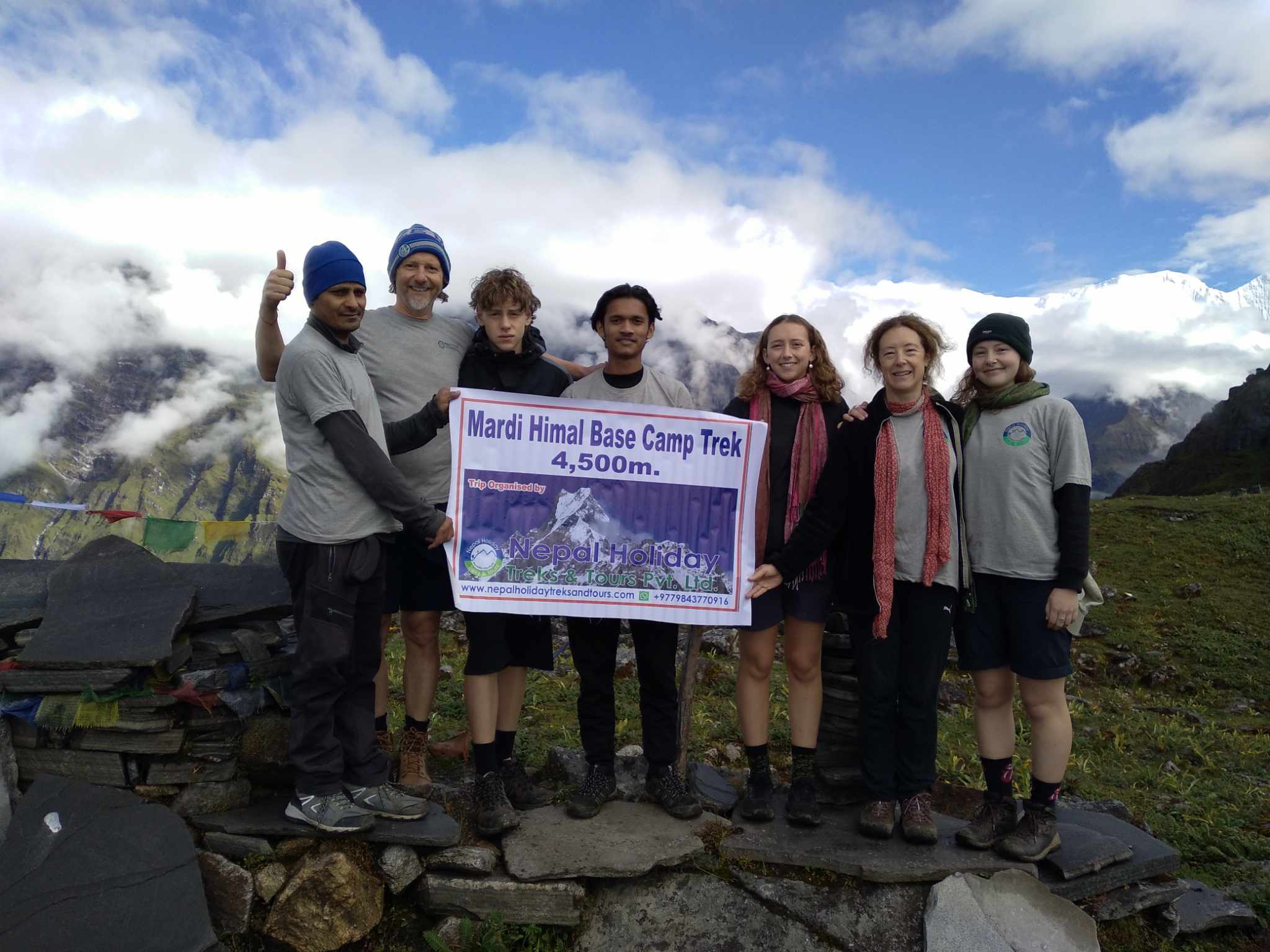
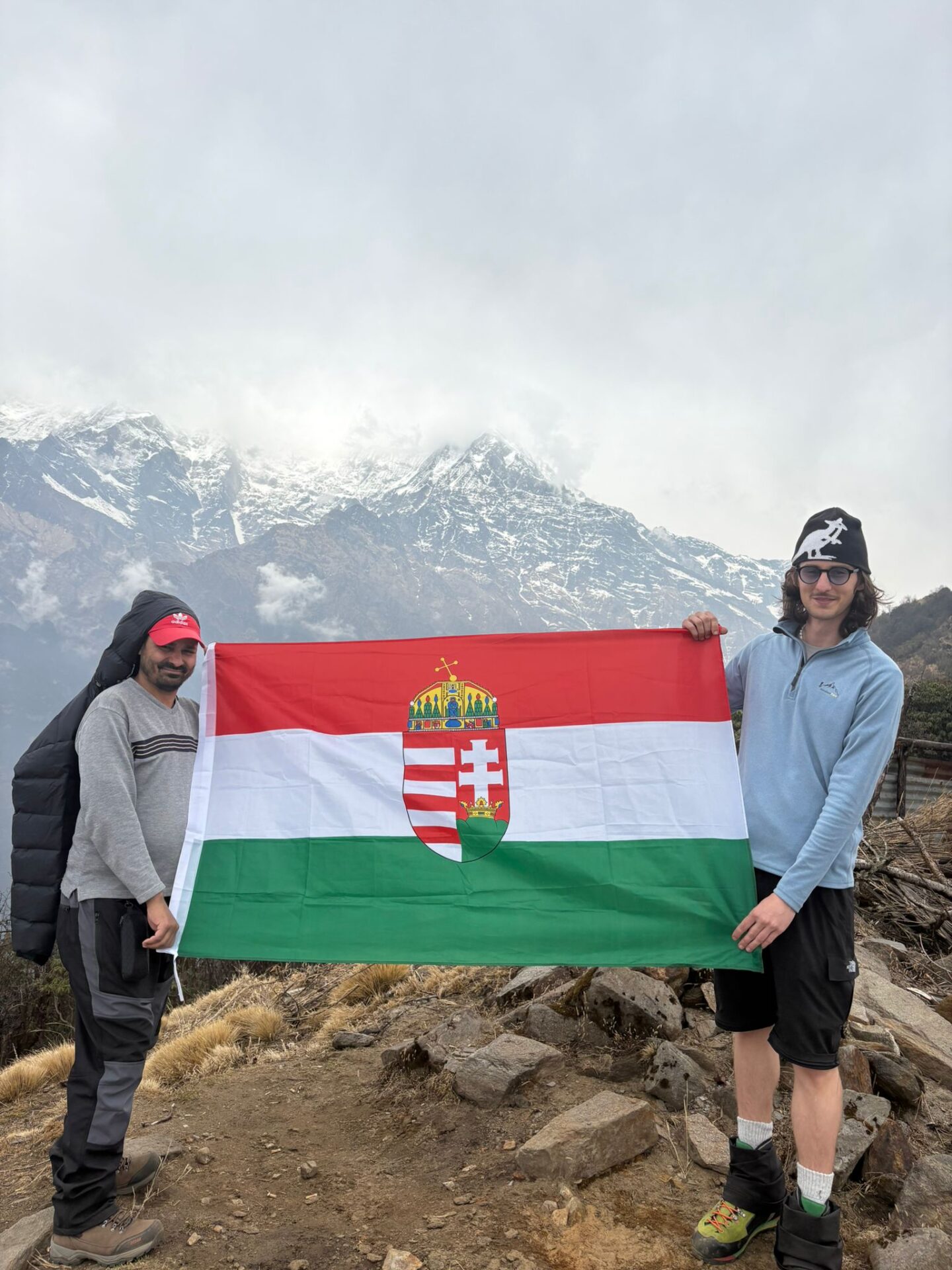
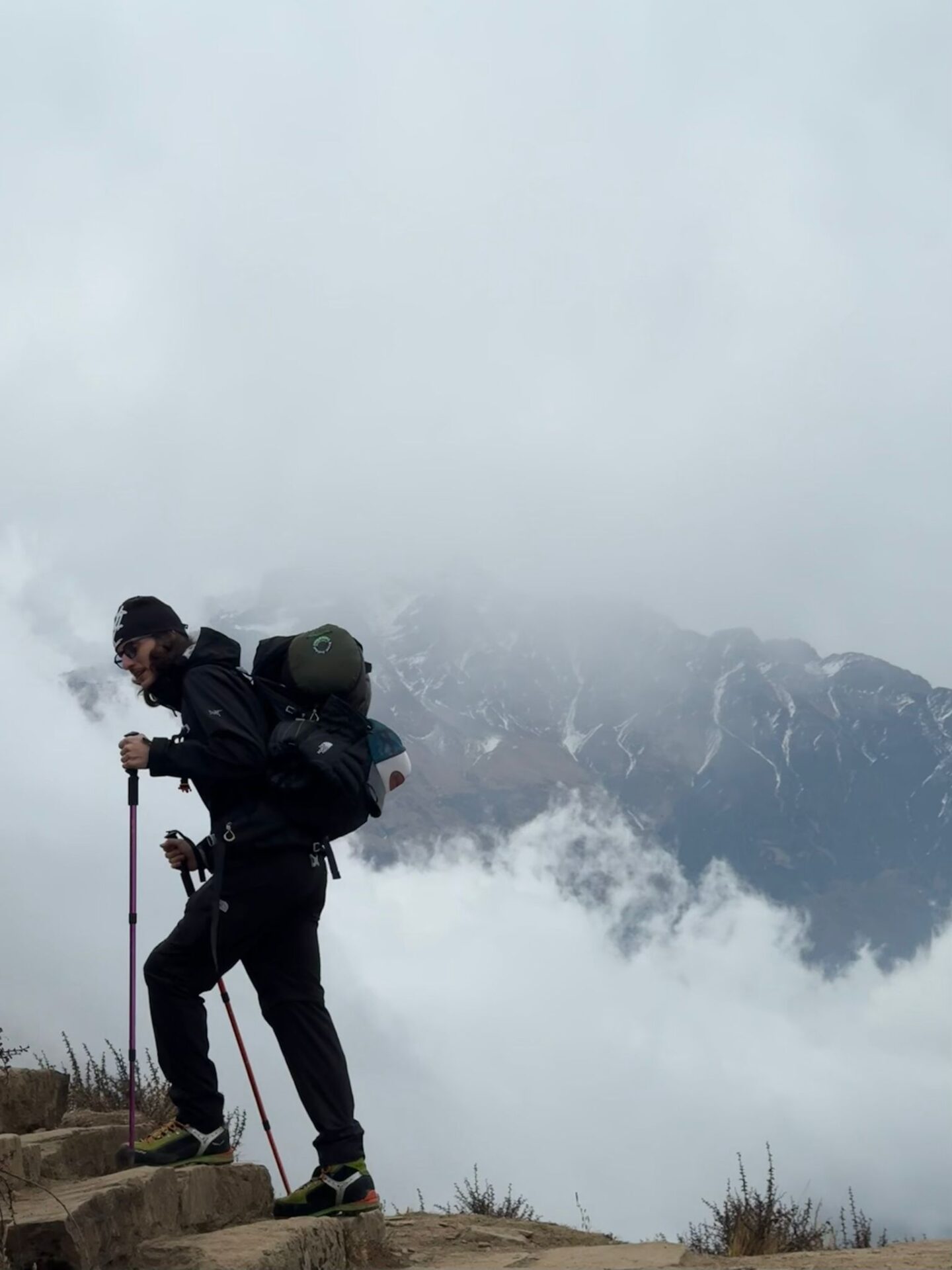
Mardi Himal Trek Gallery
Customer Reviews
Write a ReviewMardi Himal Trek Equipment Lists
Pack light, but make sure you bring the essential clothing and equipment needed for changing weather and high-altitude conditions. The following checklist covers the recommended gear for a comfortable and safe trek.
Note: If the sleeping bag, down jacket is lost or damaged, a compensation fee of USD 150 per item will be charged.
Sleeping Gear & Bags
- Four-season (0°C) sleeping bag and puffy down jacket (recommended)
- Daypack (35–45 liters recommended) with rain cover
- Sleeping bag liner
Head & Upper Body
- Sun hat or cap
- UV-protection sunglasses
- Warm knitted hat or beanie
- Headlamp with spare batteries
- Scarf, neck gaiter, or Buff
Torso
- Technical-fabric base layers suitable for the season
- Quick-drying T-shirts or shirts: 2 short-sleeve and 2 long-sleeve
- Fleece jacket or pullover
- Waterproof and windproof outer-shell jacket
Lower Body
- Technical-fabric thermal base layer
- Comfortable pants for wearing inside teahouses
- Waterproof and windproof shell pants
- Hiking pants: 2 pairs
- Hiking shorts
Hands
- Wool or technical-fabric liner gloves
- Insulated hard-shell outer gloves for colder conditions
Feet
- Warm wool or technical-fabric socks
- Liner socks, such as silk, if preferred
- Waterproof trekking or hiking boots
- Hiking socks
- Gaiters for dust, rain, or snow
- Microspikes or ice cleats, especially from November to March
- Comfortable casual shoes
Undergarments & Sleepwear
The quantity of clothing can be adjusted according to your personal preferences and laundry opportunities during the trek.
- Quick-drying technical-fabric underwear
- Sports bras for women
- Pajamas or comfortable sleeping clothes
First Aid & Personal Medications
Our guides carry a basic first-aid kit and essential medications, but bringing your own personal medical supplies is strongly recommended.
- Sunscreen
- Personal ointment or basic skincare products
- Lip balm
- Suitable medication for a dry mountain cough
- Mosquito repellent for Kathmandu and lower-altitude areas
- Personal prescription medications
Other Essentials
- Passport
- Extra passport-sized photographs
- Reusable water bottle
- Toiletry kit
- Toilet paper (2 rolls)
- Water purification tablets or a UV water purifier
- Hydration bladder
- High-protein snacks, such as protein bars or nuts
- Quick-drying towel
- Trekking poles
- Earplugs
- Pillowcase
- Waterproof or dry bags for important documents, electronics, and money
- Airline tickets and copies of travel documents
Optional Items
You can purchase or rent additional trekking gear in Nepal if needed. Thamel, Kathmandu’s main tourist hub, has a wide selection of trekking equipment at reasonable prices, and your guide can assist you with purchasing any last-minute supplies.
- Power bank or spare batteries
- Camera and mobile phone
- Thermos flask for hot water
- Books or playing cards
- Comb
- Binoculars
- Pee bottle or pee funnel for women
- Whistle
- Thermos flask for hot water
Tip: Avoid overpacking. Choose lightweight, quick-drying, and versatile clothing that can be layered according to the temperature and altitude.
Similar Tours
Everest Three High Pass Trek with Lobuche Peak
Overview If you want to experience the best Everest adventure in Nepal, this is it. The Everest Three High Pass...
Everest Base Camp Luxury Trek
The Everest Base Camp Luxury Trek is a magnificent Himalayan experience without giving up on luxury. A well-planned journey...
Short Manaslu Tsum Valley Trek
An 17 days trek, the Short Manaslu and Tsum Valley Trek engages trekkers to an adventure close to Mt....
Gokyo Valley Trek Via Renjo-La Pass
Your getaway from the typical trekking route to Everest Base Camp is the Gokyo Valley Trekking. This trekking adventure...
Jomsom Muktinath Trek
Nepal is a stunning country in the Himalayas with magnificent mountains. These mountains’ foothills make for ideal walking terrain....