

Gokyo Valley Trek – 14 Days Overview
Some treks takes you a destination. The Gokyo valley takes you somewhere deeper into a world of turquoise lake, ancient glaciers and mountain views so vast they feel unreal.
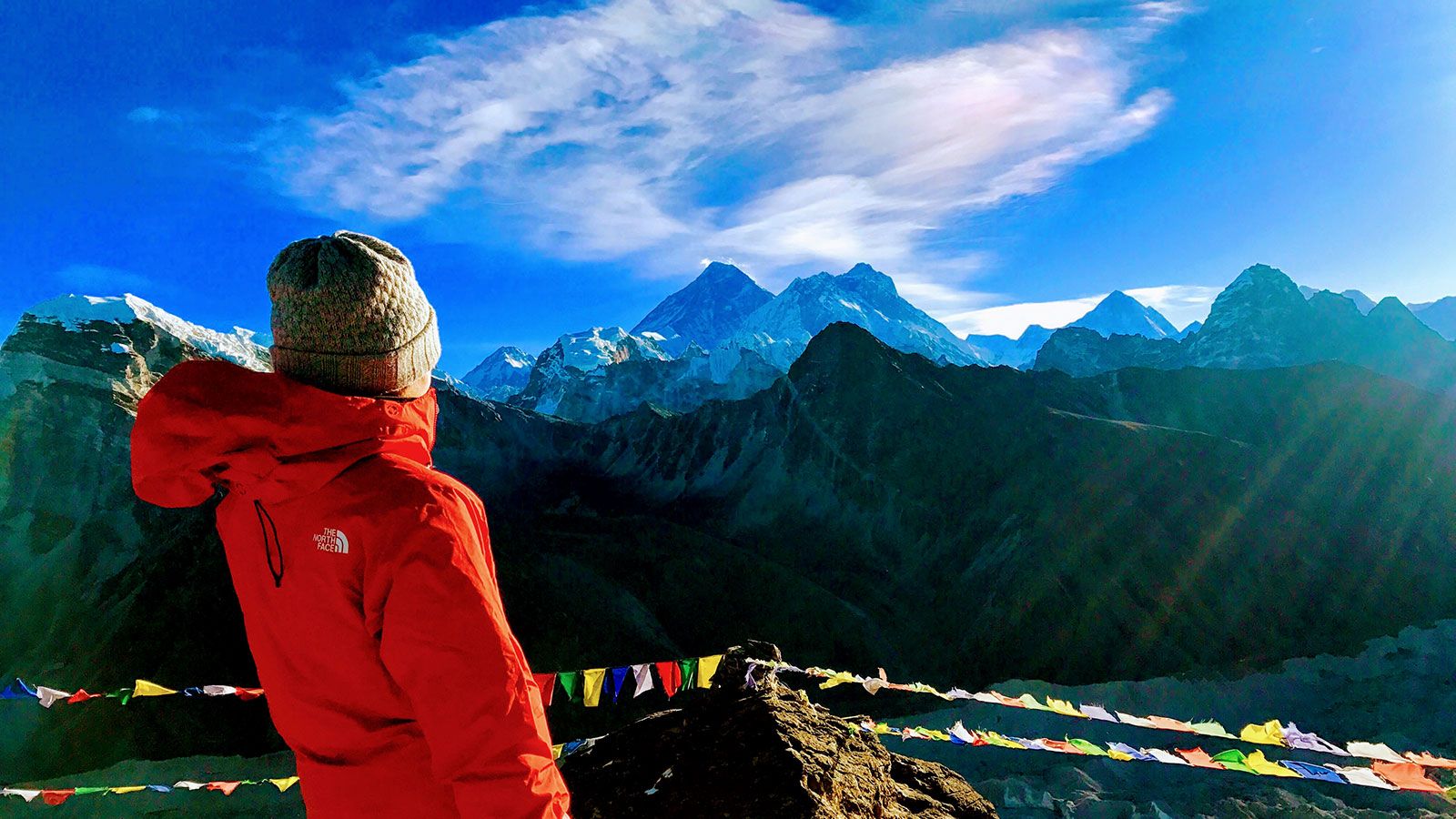
Tucked away in the heart of the Khumbu region, northeast Nepal, the Gokyo Valley is one of those rare places that stops even seasoned trekkers in their tracks. Standing on top of Gokyo Ri at 5,357m with Mount Everest, Lhotse, Makalu and Cho Oyu lined up on the horizon, you will understand why people travel halfway across the world just to be here.
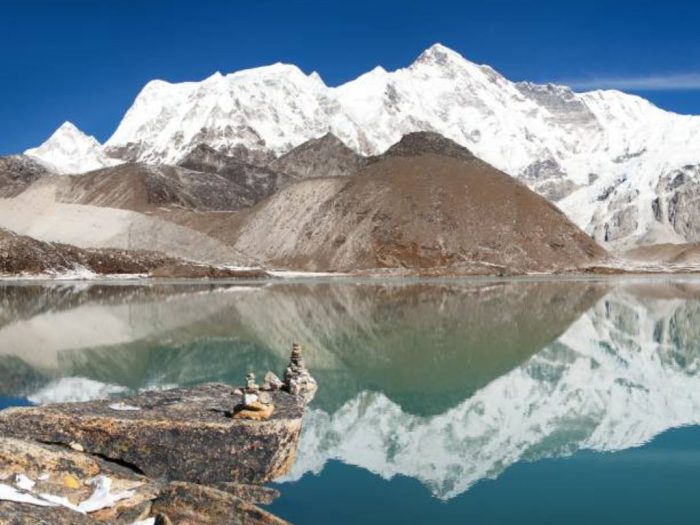
Unlike the Everest Base Camp trail, which can feel like a highway in peak season – the Gokyo route stays quieter, more personal and arguably more rewarding. You walk through rhododendron forests, past prayer flags snapping in the wind, through warm Sherpa villages and alongside the shimmering Gokyo Lakes (a sacred site for both Hindus and Buddhists at 4,750 m). Then the Ngozumpa Glacier, which is the Nepal’s largest glacier comes into view and you realize you are somewhere truly extraordinary.
This is not just a trek. It is 14 days that will stay with you long after you return home.
Highlights of the Gokyo Valley Trek
- 3600 Himalayan Panorama from Gokyo Ri (5,357m) – Mt. Everest, Lhotse, Makalu, Cho Oyu, and Gyachung Kang all at once
- The Sacred Gokyo Lakes – five glacial lakes at 4,750m, shimmering like jewels in the Khumbu highlands
- Ngozumpa Glacier – Nepal’s largest glacier, walking alongside it is unforgettable
- Sunrise over the Himalayas – From Gokyo Ri, arguably the best sunrise view in Nepal
- Sherpa Culture at its Richest – Namche Bazaar, Dole and Machermo offer real, unfiltered Himalayan life
- The famous Sagarmatha National Park – A UNESCO World Heritage Site with rare wildlife and ancient forests
- Peaceful, less crowded trails – Compared to the EBC and ABC trek
- Colorful suspension bridges, mani stones, and fluttering prayer flags throughout the route
Best Time to Do the Gokyo Valley Trek
The Gokyo Valley Trek is best done in spring (March to May) and autumn (September to November). These two windows offer stable weather, clear skies and the kind of mountain views that make your camera work overtime.
Spring (March to May): This season is particularly special. The hillsides below 4,000 m burst into color as rhododendrons bloom in deep pink and red. Daytime temperatures at lower elevations hover between 10°C and 15°C and the skies are usually clear and bright. Higher up near Gokyo Ri, nights drop to around -5°C to -10°C, so layering is essential but the conditions are perfectly manageable.
Autumn (September to November): This season is the other golden window. The monsoon has just washed the atmosphere clean, giving you some of the sharpest mountain visibility of the year. Days are dry and crisp, with temperatures between 7°C and 14°C at lower elevations. The peaks feel close enough to touch. Autumn is especially favored by photographers and those seeking the cleanest skies.
Winter (December to February) is cold and remote with heavy snowfall possible above 4,000m. Monsoon (June to August) brings heavy rainfall and poor visibility at altitude. Both seasons are possible for experienced trekkers but not recommended for first timers.
Physical Fitness Required for the Gokyo Valley Trek
The Gokyo Valley Trek is graded moderate, which means you do not need to be an athlete but you need to be an active, reasonably fit person.
You will be walking 5 to 7 hours per day over 14 days, on trails that range from gentle riverside paths to steep rocky ascents. The high altitude adds to the physical challenge, even a moderate incline at 5,000 m feels harder than it would at sea level.
If you can walk uphill for 2 to 3 hours without stopping, hike regularly on weekends or are training 3 to 4 times a week in the months before the trek – you are ready.
Recommended Preparation: Start hiking or walking on inclines 2 to 3 months before your trek. Add stair climbing, light running or cycling to build cardiovascular endurance. The better your fitness, the more you will enjoy the experience, especially the final push to Gokyo Ri.
No mountaineering skills or technical climbing experience is required.
Route Overview of Gokyo Valley Trek
Gokyo Valley Trek begins with a scenic flight from Kathmandu to Lukla (2,860 m), a thrilling mountain airstrip that is a gateway to the entire Khumbu region. From Lukla, the trail passes through Phakding and then ascends to the bustling Sherpa town of Namche Bazaar (3,440 m) – your first big stop and acclimatization base.
From Namche, the Gokyo trail diverges from the well-trodden Everest Base Camp path, going off to the northwest into more remote and rugged terrain. You ascend through the high altitude Sherpa villages of Phortse, Dole and Machermo as the valley begin to open up and mountains grow larger around you.
Above Machermo, the terrain changes drastically. The track follows the moraine of the Ngozumpa Glacier – the largest glacier in Nepal and the sacred Gokyo Lakes (4,750 m) emerge, each in an improbable turquoise hue rattling beside rock and ice. The trail finishes in Gokyo village and then the climb to Gokyo Ri (5,357 m) offers you a view of Everest, Lhotse, Makalu and Cho Oyu all at once.
The return journey is down the same valley back to Lukla for the flight to Kathmandu. The trail covers approximately 110-120 kilometers over 14 days – every single kilometer worth it.
Why Choose Gokyo Valley over Everest Base Camp?
This is question we get all the time and the honest answer is both are incredible but Gokyo offers something Everest Base Camp does not.
From Everest Base Camp, you do not actually see the summit of Everest, it is hidden behind Nuptse. From Gokyo Ri, you see Everest’s full pyramid rising above everything else, alongside four other 8,000 m peaks in a single glance. Many veteran Himalayan trekkers say the view from Gokyo Ri beats Everest Base Camp by a mile.
Add to that the sacred lakes, the glacier walk, the quieter trails and the deeply authentic Sherpa villages and Gokyo becomes not just an alternative to EBC but a destination worth choosing on its own terms.
Outline Itinerary
Day 01: Arrival in Kathmandu, the Capital of Nepal (1,350m)
Day 02: Drive from Kathmandu to Jagat (1,300m)
Day 03: Trek from Jagat to Dharapani (1,860m)
Day 04: Trek from Dharapani to Chame (2,670m)
Day 05: Trek from Chame to Pisang (3,200m)
Day 06: Trek from Pisang to Manang (3,540m)
Day 07: Acclimatization Day in Manang
Day 08: Trek from Manang to Yak Kharka (4,050m)
Day 09: Trek from Yak Kharka to Thorong Phedi (4,450m)
Day 10: Trek to Muktinath via Thorong La Pass (5,416m)
Day 11: Drive from Muktinath to Jomsom (2,720m)
Day 12: Flight from Jomsom to Pokhara (890m)
Day 13: Drive from Pokhara to Kathmandu (1,400m)
Day 14: Departure from Kathmandu
Gokyo Valley Trek – 14 Days Itinerary
Expand allDay 1: Kathmandu Arrival and Transfer to Hotel
On your arrival to Kathmandu from Tribhuwan International Airport(TIA), the representative from Nepal
Holiday Treks and Tours welcomes you and then you shall be transferred to the categorized Hotel in
Kathmandu to which you are comfortable with.
Day 2: Full day sightseeing in Kathmandu
On the very first day we visit four different UNESCO World Heritage places in Kathmandu which are as
follows:
Kathmandu Durbar Square
Pashupatinath Temple
Boudhhanath Stupa
Swoyambhunath Temple
Day 3: Fly to Lukla (2800m) to Phakding (2610m)
Our trip starts from the domestic terminal of TIA taking the early morning flight to Lukla. While we are in the air flying, we shall be entertained with lots of panoramic view of the dazzling White Mountains and
beautiful scenic villages beneath us. In no time we shall find ourselves at Tenzing-Hillary Airport, Lukla
which is one of the most beautiful and thrilling air routes in the world culminating in a land on a hillside
surrounded by high mountains. And then we start following the trail towards Phakding making through
along the beautiful Sherpa valleys
Day 4: Trek to Namche (3440m)
On our way to Namche following Dudh Koshi River, we shall be enjoying the beautiful view of the
glistening Mt. Thamserku (6608m) on our right, also experience the serenity of pine, fir and juniper forests throughout our journey. If lucky we may even catch a glimpse of Mt. Everest peeking over the Lhotse Nuptse ridge when the days are open and clear. After making through several suspension bridges we have a straight upward climbing trail which embraces us to Namche Bazar.
Day 5: Acclimatization Day at Namche
We will spend a day in Namche Bazar in order to alleviate our tired and lethargic muscle. We will make a
short distance to the way of the museum which is celebrated for the exhibition of the traditional culture of
Sherpa people. After that, we will hike up to the Syangboche Airport which lies closer to the Everest View
Hotel where we can observe the views of the Himalayas with an astonishing sunrise and sunset over the
panorama of Khumbu peaks. Namche is a colorful village which includes interesting and exhilarating
shops and vendors, fabulous food, and stunning views of mountains.
Day 6: Trek to Phortse (3680m)
As we climb steeply out of valley passing through the rhododendron forest, we will see juniper and large
conifers according to the altitude being increased which makes the trekking very much pristine in spring
time. We will observe Khumbu La and Twache throughout the day.
Day 7: Trek to Machherma (4470m) via Dole(4200m)
Today we will be climbing steadily along the side of the valley. As we climb up to more altitude, we will find the small and thorny bushes give way to scrub juniper. The trail takes us through many summer
settlements, which are used when yaks are taken to these pastures to graze in the summer months.
Ahead of us are excellent views of Cho Oyu, while behind us down the valley are the peaks of Kantega
and Thamserku.
Day 8: Trek to Gokyo (4790m)
The trek today will take us to a very scenic path to Pangka and then to the River that flows down the west
side of the Ngozumpa Glacier. We then climb a steep rocky inclined into the valley by the side of the
glacier, passing the first of the holy lakes. And we soon follow the second and third one after another. The
final lake is known as Dudh Pokhari and on its eastern shore is the settlement of Gokyo.
Day 9: Exploration around Gokyo
Gokyo is situated by the side of famous glacier Ngozumpa. Besides taking rest we may take a hike to
Gokyo Ri (5583m) if you don’t want to miss the bests view of the whole Gokyo valley, the massive
Ngozumpa glacier and an incredible panoramic view of the whole Khumbu Himalayas, including the giants Everest, Lhotse, Nuptse, Makalu, Cho-Oyu and Gychung Kang. Or we can take a short walk around
Gokyo valley and circle around the glacier.
Day 10: Trek Back to Dole (4200m)
And we follow back to the descending trail to Dole again .
Day 11: Trek to Namche (3440m)
From Dole we start descending steeply to Phortse Tenga passing through rhododendron forests then the
path immediately ascends steeply to Mongla Danda (4000m) and to Kyanjoma (3500m). Finally, to
Namche following small ups and down the trail.
Day 12: Trek Back to Lukla
On our final day, we trek down toward the Hillary Suspension Bridge and then pass through several local
villages. Our arrival in Lukla brings an evening in a proper hotel. And make some joyful moments thanking
and congratulating each other on our success of the trek and to our teamwork.
Day 13: Fly Back to Kathmandu
We take a flight back to Kathmandu early in the morning and rest day or souvenir shopping day.
Day 14: Final Day Departure at Tribhuwan International Airport
On this day, you shall be transferred to the International Airport at least 3 hours before your flight for
onward destination by a representative of Nepal Holiday Treks and Tours.
If the above Gokyo Valley Trek – 14 Days itinerary does not meet your needs, we can design individualized travel plans based on your preferences and specifications.
Plan My TripGokyo Valley Trek – 14 Days Cost Includes
- Airport pickup and hotel transfers by Private Vehicle.
- 3 times meals a day such as Breakfast, Lunch and Dinner during the trekking.
- Full day sightseeing in Kathmandu (with private vehicle and English speaking Tour guide)
- Boutique hotel accommodation in Kathmandu – 3 Nights with Breakfast included.
- Flight ticket to Lukla from Kathmandu or Ramechhap including airport transfer to domestic airport. Round trip.
- Accommodation in tea house during the trek.
- An experienced, helpful, knowledgeable, friendly, English speaking, well trained, government license holder Trekking Guide with all his salary, food, Drinks, accommodation, equipment, transport, insurance, etc.
- Fresh fruits after dinner every night as dessert during the trek.
- You will be under observation with a pulse oximeter to have your oxygen levels and heart rate measured twice a day during the trek. This is to catch the signs of Altitude Mountain Sickness (AMS) early, thus making trekking safer.
- Trekking permits: All necessary trek entry permits are include.
- Normal First aid kit box.
- Arrangement of Emergency helicopter service (paid by your travel insurance company).
- All taxes and company service charges.
- Nepal Holiday Treks, T-shirt & Trekking map.
Gokyo Valley Trek – 14 Days Cost Excludes
- International airfare and visa fees.
- Lunch and dinner in Kathmandu.
- Personal expenses of bar and beverage bills, Wi-Fi, hot shower, bottle of water, extra porters, laundry, or any other things that are not mentioned by the company.
- All entrance fees(during sightseeing)
- Your trekking gear and extra nights in a certain destination.
- Your travel insurance, which should include the emergency rescue.
- Tips for your guide and porters, which is compulsory.
- Extra expenses due to any event such as strikes, weather conditions, or flight delays.
Gokyo Valley Trek – 14 Days Additional Info
Accommodation, Food and Drinking Water on the Gokyo Valley Trek
Accommodation on the Gokyo Valley Trek is in traditional Himalayan teahouses (lodges) – simple, warm and full of character. You will share a twin room with another trekker or have a private room depending on your preference. Beds come with a mattress, pillow and blanket. At lower elevations, some teahouses have attached bathrooms; at higher elevations, bathroom facilities are usually shared. We provide a -20°C sleeping bag for the duration of the trek (to be returned at the end).
In Kathmandu, you will stay in a comfortable 3-star hotel on a bed & breakfast basis for the nights before and after the trek.
As for food, don’t let the remote location fool you. Teahouse kitchens in the Khumbu produce surprisingly hearty, delicious meals. Expect generous portions of:
- Dal Bhat (lentil soup, rice, vegetables, pickles) – the trekker’s fuel of choice and genuinely unlimited refills.
- Tibetan bread with honey or jam – a breakfast staple
- Sherpa stew – hearty and warming after a long day
- Pasta, noodle soups, fried rice, momo – a full international menu at most lodges
- Ginger lemon honey tea – you will become addicted to this
Drinking Water – Staying hydrated at altitude is critical and we take it seriously. All your drinking water is included in the package. Safe, boiled, or purified water is provided at every teahouse at each meal. We strongly recommend carrying two 1-litre water bottles and refilling them throughout the day. Aim for 3 to 4 liters daily above 3,500m, it is your best natural defense against altitude sickness. We advise against buying single use plastic bottles on the trail, both for your budget and for the environment of this sacred mountain region.
All meals on the trail (breakfast, lunch and dinner) are included in the package, plus three cups of tea or coffee per day.
Permits Required for the Gokyo Valley Trek
To trek in the Gokyo valley, you need three official permits. All three can be arranged through our office before the trek begins – we handle the paperwork so you can focus on the adventure.
Sagarmatha National Park Permit: This permit is required for all trekkers for entering the Everest Region. Sagarmatha National Park is a UNESCO world heritage site and one of the most protected eco systems in Nepal.
Khumbu Pasang Lhamu Rural Municipality Permit: A local government permit required for trekking with in the Khumbu region. This has become mandatory in recently years and cannot be skipped.
TIMS card (Trekker’s Information Management System): It is issued only through licensed trekking agencies, the TIMS Card ensures you are registered and your safety information is on record with Nepal Tourism Board. As per Nepal Tourism Board regulations, all trekkers must obtain a TIMS Card through an authorized agency.
Note: Nepal Holiday Treks and Tours is a government-registered, licensed company and will obtain all required permits on your behalf.
Acclimatization on the Gokyo Valley Trek
Altitude sickness is real and at 5,357m it demands respect. The good news is that the itinerary is designed with smart acclimatization built in and if you follow the pace, your body will adapt well.
The key stops for acclimatization are Namche Bazaar (3,440 m) where you spend an extra rest day and the gradual ascent through Dole (4,200 m) and Machermo (4,470 m) before reaching Gokyo. This “climb high, sleep low” approach gives your body the time it needs to adjust.
Practical tips to prevent Altitude Mountain Sickness (AMS):
- Drink 3 to 4 liters of water daily – hydration is your single best defense
- Ascend no more than 300 – 500m per day above 3,500m
- Avoid alcohol for the first few days at high altitude
- Walk slowly and breathe deeply – this is not a race
- Rest well the night before a big climbing day
- Never ignore symptoms like persistent headache, nausea or dizziness – these are warning signs to descend
Our guides carry pulse oximeters and check your oxygen levels and heart rate twice daily throughout the trek. At the first signs of serious AMS, we prioritize your safety always comes first.
Guide and Porter on the Gokyo Valley Trek – Why They Matters?
Trekking the Gokyo Valley with a knowledgeable local guide is not just recommended, it is one of the best decisions you will make.
Your guide knows every step of this trail. They know where to stop for the best views, which teahouses serve the warmest dal bhat, how to read the weather at altitude and critically how to recognize and respond to altitude sickness. They are government licensed, English speaking, first aid trained and fully insured.
Your porter carries up to 25 kg (shared between two trekkers), so daypack stays light, usually 5 to 7 kg. Walking with a light pack at high altitude is not just more comfortable, it is safer too. It lets you conserve energy for the climbs that matter.
We match every two trekkers with one porter. All our porters are paid fairly, equipped with proper gear, and covered by insurance. When you trek with us, everyone on the team is taken care of – not just the guests.
Sherpa Culture and Local Life along the Way
The Gokyo Valley Trek is not just about mountains – it is about the people who call these mountains home.
The Sherpa people have lived in the Khumbu region for centuries and their warmth, resilience and deep spiritual connection to the mountains is woven into every step of this trail. As you pass through villages like Namche Bazaar, Phortse, Dole, and Machermo, you will be welcomed into a world where Buddhism shapes everything, from the white-domed stupas along the trail to the colorful prayer flags strung between peaks, to the spinning mani stones carved with mantras.
Namche Bazaar – The lively gateway town at 3,440m deserves a full exploration on your acclimatization day. This is where trekkers, Sherpas and yak herders all converge. The Saturday market here has been running for generations. The Sherpa Culture Museum just above Namche tells the story of these mountains from the people who know them best.
Higher up, the landscape grows quieter and more spiritual. The Gokyo Lakes are considered sacred by both Hindus and Buddhists – the largest lake Dudh Pokhari, is the site of the annual Janai Purnima festival, when pilgrims travel from across Nepal to bathe in its glacial waters.
This is the side of the Himalayas that many trekkers never see. On the Gokyo route, it is unavoidable and deeply moving.
Is the Gokyo Valley Trek Suitable for You?
The Gokyo Valley Trek is rated as moderate which means that you do not have to be super fit but a good level of fitness is necessary. If you can hike for 5 to 6 hours uphill, handle cold nights and cheap and basic teahouse accommodation does not bother you, you are good to go on this trek. No technical climbing or previous mountaineering experience is necessary.
Age is not a limit. We have guided trekkers in their 60s and 70s to Gokyo Ri. What is more important than age is fitness, a patient mindset and willingness to listen to your body at altitude. For children we have a minimum age recommendation of 12 to 14 years (depending on the trip) with good fitness and we always suggest you speak with your doctor before booking.
The trek is not recommended for people some heart or lung problems as the altitude remains above 4,000 m. If you have any medical concerns, please consult your doctor and of course contact us. We will be honest with you and if necessary, we will suggest a better option. No sales pressure – just real advice.
Travel Insurance on the Gokyo Valley Trek
Travel insurance is not optional on the Gokyo Valley, it is essential. At 5,357m, in the one of the most remote area, a medical emergency means being airlifted by helicopter. A single helicopter rescue can cost upward of $3,000 to $5,000. If you do not have insurance this cost should be paid from your pocket.
Your travel insurance must cover:
- Medical treatment and hospitalization
- Emergency helicopter evacuation above 5,000m
- Trek cancellation or curtailment due to weather, illness or natural disaster
- Flight delays and cancellation
- Lost or damaged equipment and baggage
Want to Go Further? Extend Your Gokyo Valley Trek
The Gokyo Valley Trek is perfect on its own but if you have extra days and bigger appetite for the Himalayas, the Khumbu has more to offer. Here are four extensions that merge seamlessly with your Gokyo journey.
Gokyo + Everest Base Camp Via Cho La Pass (18 to 20 days)
The most popular extension and deservedly so. After Gokyo Ri, rather than returning back, you cross the Cho La Pass (5,420 m) into the Everest Base Camp valley and continue to Everest Base Camp (5,364 m) and Kala Patthar (5,644 m). Two of Nepal’s greatest destinations in a single itinerary. The Cho La passage itself a craggy, glacier-flanked ridge with panoramic views to both sides – is among the most exhilarating single days in trekking in the Himalayas. If you only get to pick one extension, pick this one.
Gokyo + Renjo La Pass toward Thame (16 to 18 days)
Instead of returning back from Gokyo, cross Renjo La (5,360 m) west – this is a quieter, much less trafficked pass that offers some of the most breathtaking looking back views in the Khumbu – the five Gokyo Lakes glisten far below you as you stand on the ridge. Head down into the Thame Valley, an old-fashioned Sherpa village that produced high-altitude legends of days past and then back to Namche on wooded paths. A beautiful loop with genuine solitude.
Gokyo + Everest Three Passes Circuit (20 to 22 days)
The Best of Khumbu. Cross all three high passes – Renjo La (5,360 m), Cho La (5,420 m), and Kongma La (5,535 m) while visiting Gokyo, Everest Base Camp, Kala Patthar and remote valleys most trekkers never see. This is a full circuit through four different Khumbu valleys. It is strenuous, at times technical and absolutely unforgettable. Seasoned trekkers consistently call it best lodge based trek in all of Nepal.
Gokyo via Jiri/ Pikey Peak (18 to 21 days)
SKIP the Lukla flight entirely. From Jiri or Salleri, both accessible from Kathmandu by road and walk the original Hillary trail through terraced hills, rhododendron forests and Sherpa villages before meeting the Gokyo route at Lukla. Add on a side excursion to Pikey Peak (4,065 m) for a surprise panorama of Everest and Kanchenjunga that very few trekkers ever get to see. No high passes, no technical terrain, just rich culture, total solitude and a deeper Nepal than most visitors ever find.
Not sure which extension suits you? Tell us your available days and fitness level – we will design the perfect itinerary around you.
Upcoming Departures
Customer Reviews
Write a ReviewGokyo Valley Trek – 14 Days Equipment Lists
- Four-season (-20 Degree) Sleeping Bag (Rental available.
- Down jacket & warm layers (Rental available for additional USD 30)
- Thermal base layers
- Waterproof jacket & pants
- Hiking pants & quick-dry clothes
- Trekking boots & socks
- Gloves, beanie & neck buff
- Daypack (10–25L) with rain cover
- Trekking poles & gaiters
- Water bottle/bladder & purifier
- Headlamp & power bank
- Sunscreen, lip balm & personal medicines
- Towel & basic toiletries
- Snacks (energy bars/nuts)
- Sunglasses & sun hat
- Passport & waterproof document bag
- Phone Charger or Power Bank or Charging Cable
- Camera or mobile phone
- Card / Book
- sleeping cloths at Night
- High- Protein Snacks (energy bar/ Nuts)
- water Purification tablets or water Filter
- Crampons (For mountain Passes)
Personal & Medical Kits
- Sunscreen SPF 50+
- Lip balm or Vaseline
- Ointment cream
- Cough syrup and Strepsils (recommended for Khumbu Cough)
- Creams and medicines for any allergies or personal medical conditions
- Small towel
- Toilet paper, small soap, and shampoo
- Anti-diarrhoea medicine, painkillers, blister plasters, and anti-inflammatory medication
Note: Our guides carry medications, oxygen cylinders, and first aid kits during the trip. However, carrying your own personal medical kit and medications is strongly recommended.
Similar Tours
Everest Three High Pass Trek with Lobuche Peak
Overview If you want to experience the best Everest adventure in Nepal, this is it. The Everest Three High Pass...
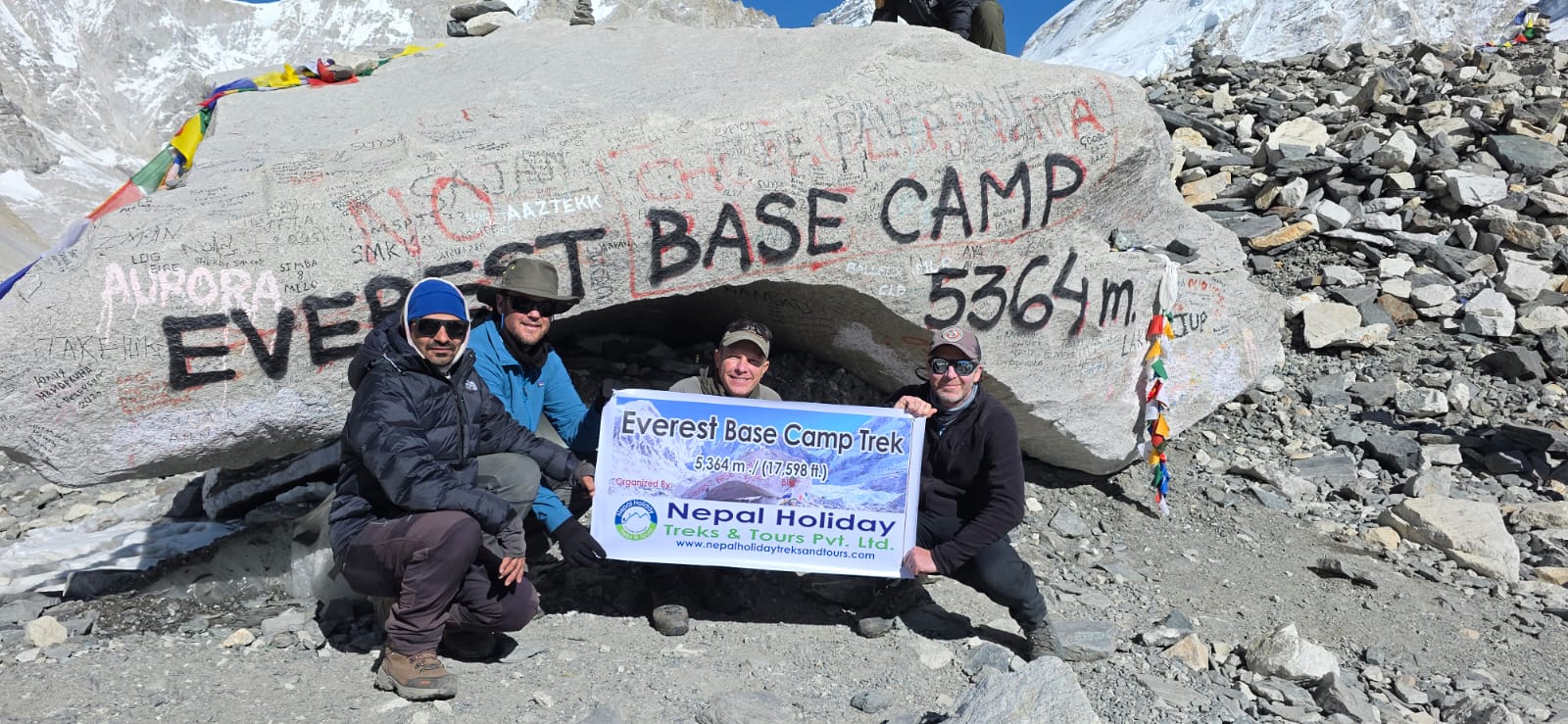
Everest Base Camp Luxury Trek
The Everest Base Camp Luxury Trek is a magnificent Himalayan experience without giving up on luxury. A well-planned journey...
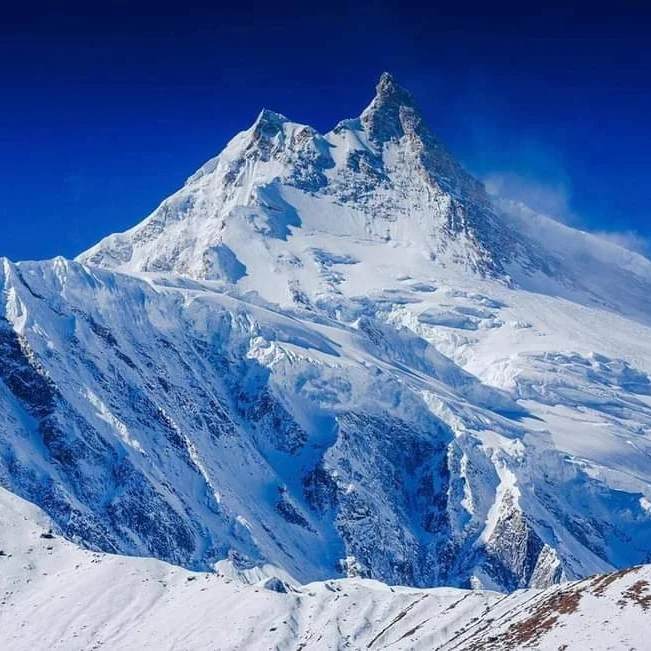
Short Manaslu Tsum Valley Trek
An 17 days trek, the Short Manaslu and Tsum Valley Trek engages trekkers to an adventure close to Mt....
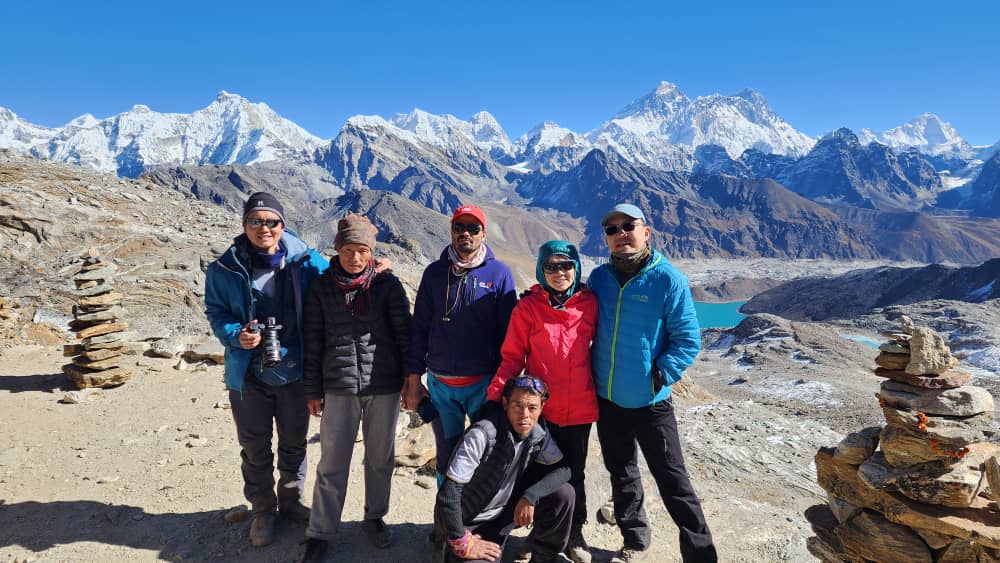
Gokyo Valley Trek Via Renjo-La Pass
Your getaway from the typical trekking route to Everest Base Camp is the Gokyo Valley Trekking. This trekking adventure...
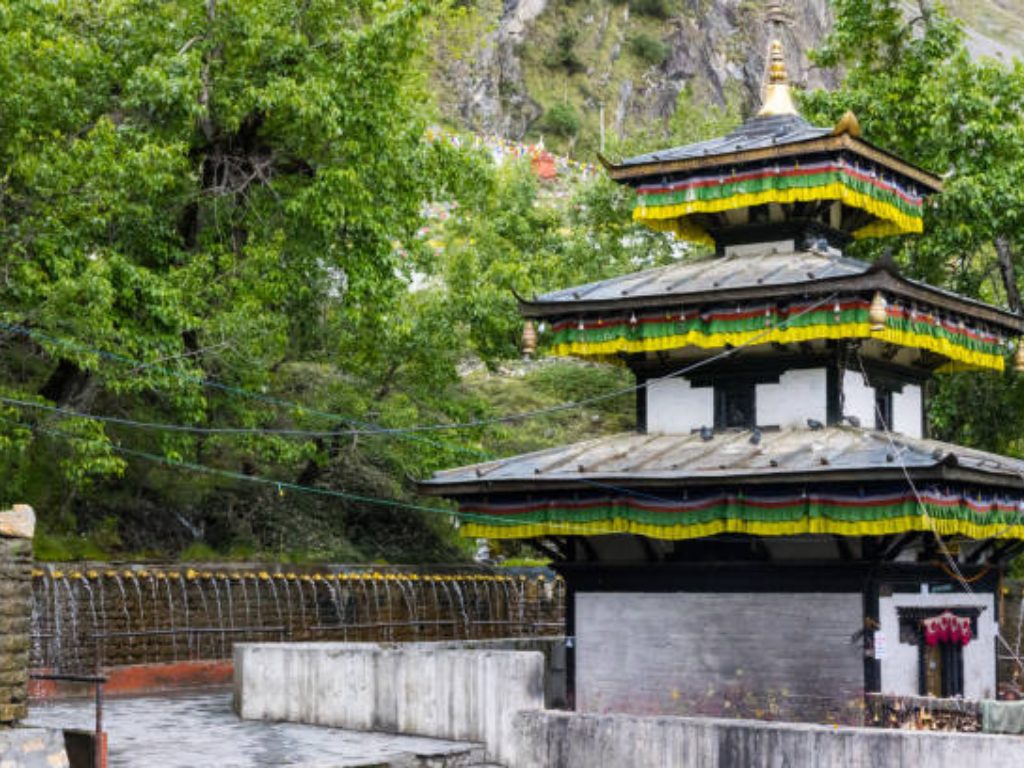
Jomsom Muktinath Trek
Nepal is a stunning country in the Himalayas with magnificent mountains. These mountains’ foothills make for ideal walking terrain....