
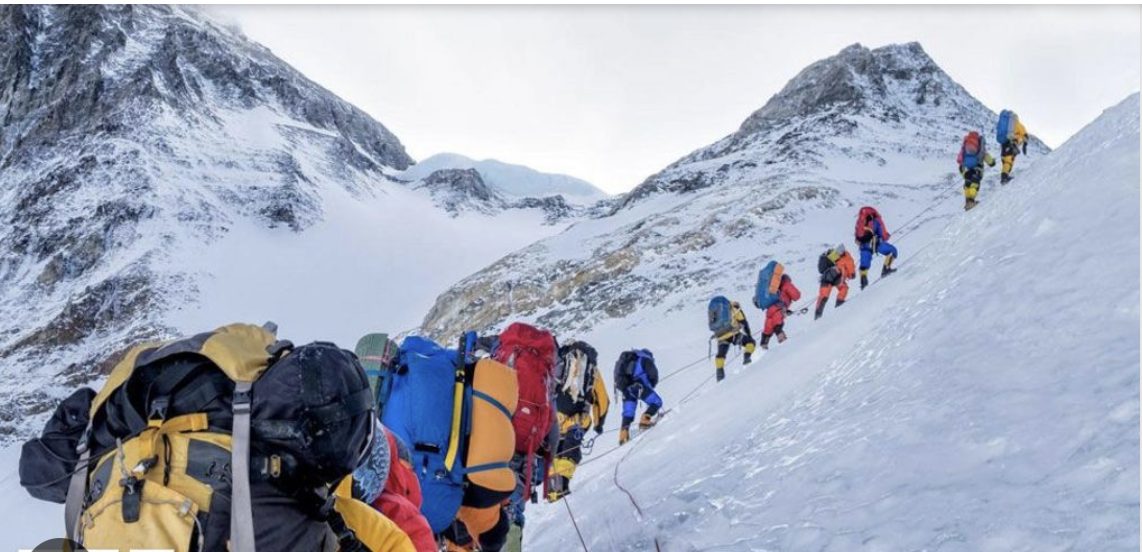


Tashi Lapcha Pass Trek Overview
Tashi Lapcha Pass Trek is a challenging and adventurous high-altitude trekking route in Nepal’s Himalayas that connects Rolwaling Valley to the famous Khumbu Valley of the Everest region. The trek requires you to cross Tashi Lapcha Pass (5,755m), which is a glacier walk, rocky ascents, and technical sections, and hence is an excellent adventure for climbers and trekkers. The pass offers breathtaking panoramic views of Everest, Cho Oyu, and other high-altitude mountains, an experience not to be missed. Tashi Lapcha Pass Trek, a thrilling high-altitude adventure in Nepal that connects Rolwaling Valley to the Khumbu region, offering stunning Himalayan views and a challenging trekking experience.
Due to the steep ascents, crevasses, and dangerous conditions, Tashi Lapcha Pass Trek is a technical and demanding trek, which requires proper mountaineering experience, equipment, and acclimatization at high altitudes. This is a trekking journey that has you exploring stunning alpine terrain, isolated Sherpa villages, and glacial scenery with unspoiled beauty, having a wilderness adventure and back-country experience atmosphere. The route from the Tashi Lapcha Pass descends into the area of Khumbu, with potential to view Everest Base Camp, Tengboche Monastery, and Namche Bazaar.
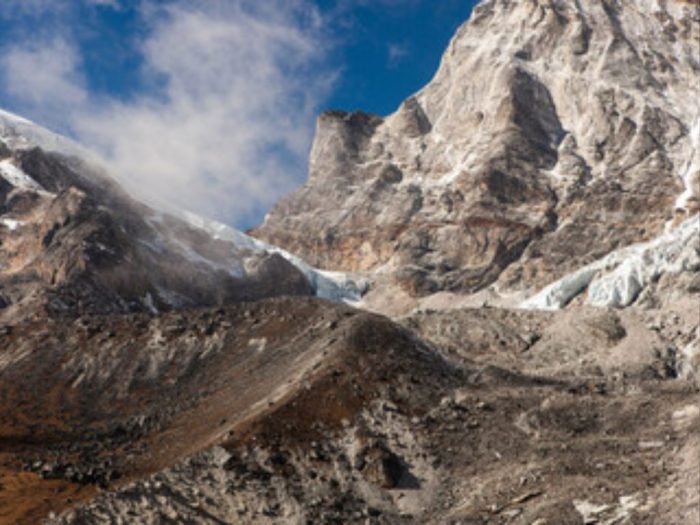
Scenic Beauty of Tashi Lapcha Pass
Trek to Tashi Lapcha Pass offers stunning scenery, from the green woods and terraced cultivable land of the Rolwaling Valley to the dramatic, white–topped vistas of the Khumbu. Throughout the trekking expedition, glacial landscapes such as turquoise alpine lakes and striking peaks like Gaurishankar (7,134m) and Everest (8,848m) are breathtaking for trekkers. The remote high-altitude landscape of Tashi Lapcha Pass (5,755m) provides stunning views of serrated ridges, giant icefalls, and Himalayan vistas, and is regarded as one of the most scenically rewarding and remote trekking routes in Nepal.
Spiritually significant natural amphitheater Tashi Lapcha Pass Trek
Trek to Tashi Lapcha Pass (5,755m) is a place of both natural beauty and spiritual significance, greatly revered by Buddhist and Hindu societies. Then we are trek passes through sacred monasteries, ancient mani walls, chortens, and prayer flags, reflecting the deep spiritual connection of the Sherpa and Tamang cultures with the Himalayas. The pass itself, towering natural amphitheater surrounded by tremendous peaks and massive glaciers, is sacred as a gateway between the legendary Rolwaling Valley and sacred Khumbu territory of Mount Everest and legendary Tengboche Monastery, so that this trek is a spiritual quest as well as an adventure trek.
What to expect at the Tashi Lapcha Pass Trek expedition?
Tashi Lapcha Pass Trek (5,755m) is a challenging expedition that links the remote Rolwaling Valley to the Khumbu with high-altitude trekking and technical climbing. It entails steep climbing, glacier passes, and sleeping in exposed conditions, acclimatization being a prerequisite. The trek is rewarded with stunning Himalayan scenery and an unspoiled wilderness experience for experienced adventurers.
Authentic cultural experiences within traditional villages
We offer authentic cultural experiences in Rolwaling and Khumbu traditional Sherpa, Tamang, and other ethnic village groups. Our clients experience the genuine Himalayan modes of existence, visit old monasteries, witness lively Buddhist rituals, and engage with inhabitants who take pride in ages-long traditions. The hospitable warmth of villages like Beding and Na in Rolwaling and Thame and Namche Bazaar in Khumbu t provides a glimpse into Tibetan-influenced customs, yak herding, and mountain spirituality, and this trek is therefore a rich cultural as well as an adventurous experience.
During the trekking Permits
You need to obtain the necessary permits to undertake the Tashi Lapcha pass trek. The permit can be obtained in Kathmandu or through registered trekking agencies.
1) The Sagarmatha National Park Entry Permit
2) The Gaurishankar Conservation Area Entry permit
Sagarmatha National Park Entry Permit
Since Everest Base Camp is located within Sagarmatha National Park, the trekkers need to pay an entry fee to access this protected area. The Sagarmatha National Park Entry Permit fee is:
- For foreigners: NPR 3,000 per person
- For SAARC nationals: NPR 1,500 per person
- For Nepalese: NPR 100 per person
This permit can be obtained at the Nepal Tourism Board Office in Kathmandu or at Sagarmatha National Park Entrance Gate in Monjo.
Best season to trek Tashi Lapcha pass
The best season to visit the Tashi Lapcha pass trek is during the spring (March to May) and Autumn (September to November) seasons. These seasons provide the most favorable weather conditions and impressive views of the Himalayas. Spring seasons offers generally clear and stable weather, with mild temperatures and longer daylight hours. The trails are filled with blooming rhododendron flowers and lush vegetation, making the trek even more enjoyable.
Autumn months are the time of the harvest season. Leaves on the trees will turn yellow, orange, red, and brown, making the colorful hills. The high mountains are still cold and lower elevations are still warm but the day time walking temperatures are the most pleasant overall.
During the trek Altitude sickness
Altitude sickness is common in mountains above the altitude of 3000 m. While ascending quickly you may feel symptoms like nausea, headache, difficulty in breathing, increased heart rate, and uneasiness. And, if the symptoms persist for a longer duration then know that your body could not resist the altitude variation. So, if you feel these symptoms, please let your guide and your group know. Your guide will provide you with immediate first aid. To minimize the risk of altitude sickness here are some guidelines:
- Stop and rest where you are
- Do not go any higher for at least 24 to 48 hours
- Make sure you are drinking enough water
- Do not smoke, drink alcohol, or exercise
Preventing Altitude Sickness (AMS):
- Rest Well: Ensure that you rest well before starting your trek.
- Stay Hydrated: Continue drinking plenty of water during the journey.
- Balanced Nutrition: Maintain the balance of salt and sugar through proper eating habits and not skipping meals.
- Keep Warm: Layer up to remain warm without profuse sweating.
- Controlled Breathing: Breathe deeply and steadily from your diaphragm to maximize lung capacity. Maintain a comfortable walking speed that will allow for controlled breathing. Nasal breathing avoids drying your throat—wearing a muff or scarf in high altitudes might be of use.
- Pace Yourself: It’s not a competition. Pace yourself with a maintainable and Server consistent pace instead of exhausting yourself too early and taking many rest stops. Stop and admire the stunning views.
Accommodation and Healthy Meals At Tashi Lapcha Pass
During the trek, in lower altitudes teahouses provide you with single rooms with attached bathrooms. But as you trek higher the facilities get limited. Mostly, you will find a twin- sharing room and common bathroom facilities. In a room you will find two beds with mattresses, pillows, bed sheets, and warm blankets. Hot water is available for some additional charge. Most hotels now have geyser, otherwise you will get a bucket of warm water. Tea shops and lodges provide plentiful and delicious foods to suit the preferences of various trekkers. All the food will be cooked by the local cook by using local vegetables so the taste would be very local. The meals include energy giving food and liquid food such as rice, cereals, lentils soup, noodles soup, hot tea, potato, bread toasts, eggs, pancakes, and noodles items.
Best Guide and Porter for the Tashi Lapcha Pass trek
Hiring a guide and porter for the Tashi Lapcha Pass can greatly enhance your trekking experience, safety, and provide valuable cultural insights, allowing you to fully enjoy the trek. Porter will carry up to 10 kg or 15 kg per client. If you wish , you may keep your clothing and items in a storage on room where you are stay on Kathmandu hotel.They can provide you valuable insights into the local culture, traditions, and history of the Everest region. They can explain the significance of monasteries, festivals, and other cultural aspects you encounter along the way. Moreover, they are familiar with the trail conditions and alternate routes. Similarly a porter carries your heavy backpack, and allowing you to trek with a lighter load. Therefore, you can join us for hiring a highly experienced, helpful, friendly, and English speaking licensed trekking guide and porter with their insurance.
Travel Insurance during the Tashi Lapcha Pass trek
Any trek in Nepal, including Tashi Lapcha pass trek, requires travel insurance. The trek includes high-altitude trekking, which may be physically challenging and dangerous. Make sure that, your insurance covers high- altitude trekking, medical expenses, emergency evacuation by helicopter, trip cancellation, and loss or theft of personal belongings. It can offer you with peace of mind and financial protection in the event of an unforeseen accident. However, depending on your plan you may also want to consider obtaining additional coverage of activities like hiking, mountaineering, and adventure sports. Before you buy it, read the insurance documentation thoroughly and understand the coverage.
Why Nepali holiday Treks and tours Pvt.Ltd 19 days itinerary to Tashi Lapcha Pass Trek?
Nepali Holiday Treks and Tours Pvt. Ltd. offers a full 19-day itinerary for the Tashi Lapcha Pass Trek in order to allow proper acclimatization and proper cultural exposure. This timeframe gives trekkers ample time to acclimatize themselves to the high elevations gradually, avoiding the onset of altitude sickness, and to tour the remote Rolwaling Valley and famous Khumbu district. The itinerary covers traveling across varied landscapes, trekking to traditional Sherpa settlements, and crossing the challenging Tashi Lapcha Pass (5,755m). By spending 19 days, the company can strike the right balance between adventure and safety so that the trekkers can completely immerse themselves in the natural beauty and cultural richness of these Himalayan regions.
Outline Itinerary
Day 1: Arrival in Kathmandu then transfer to hotel (1,400m)
Day 2: Preparing for trekking / sightseeing in Kathmandu (1,400m)
Day 3: Drive from Kathmandu to Dokhong. ( 8 hrs Drive)~ (2,800 m) – (190 km)
Day 4: Trek from Dokhong to Simigaun. (5-6 hrs walk) ~~( 2,000 m) – ~ ( 12 km)
Day 5: Trek from Simigaun to Donga. (6-7 hrs walk)~ (2,800 m) –~ ( 14 km)
Day 6: Trek From Donga to Beding. (6-7 hrs walk) ~ (3,740 m) –~ ( 12 km)
Day 7: Trek From Beding to Na. (5 hrs walk) (4,180m) – 7 km)
Day 8: Rest day at Na / Hike to panorama view/ overnight stay at tea house. (4,180m)
Day 9: Trek From Na to Cho Ralpa Lake (Chhumbo ) (5-6 hrs walk) (4,580 m) – 9 km)
Day 10: Trek From Cho Rolpa Lake to Glacier Base Camp. (8-9 hrs walk) (5,000m) – 8 km)
Day 11: Trek From Glacier B C to Tashi Fu. via Tashi Lapcha pass (9-10 hrs walk) (5,755 m) – ( 10 km)
Day 12: Trek From Tashi Fu to Thama. (7-8 hrs walk ) (Tangma )(7-8 hrs walk) (4,350m) – 13 km)
Day 13: Trek From Thama to Thame. (4-5 hrs walk) (3,800m) – 10 km)
Day 14: Trek From to Thame to Namche. (5 hrs walk) (3,440 m) –~ 10 km)
Day 15: Rest Day at Namche Bazaar/ Hike to Everest View Hotel (3,440 m) . overnight stay at tea house.
Day 16: Trek From Namche Bazaar to Lukla. (2,860m) – 19 km ~ / 7 hrs)
Day 17: Fly Back to Kathmandu (1,400 m)
Day 18: Rest Day in Kathmandu / sightseeing in Kathmandu ( 1,400 m)
Day 19: Departure to Airport (1,400m)
Tashi Lapcha Pass Trek Highlights
- Tashi Lapcha Pass 18875 feet above sea level
- Trail leads through remote landscapes offering an off- the- beaten path experience
- Explore iconic places such as Gokyo Lakes, Everest base camp, and Tengboche Monastery
- Magnificent mountains view, including the incredible peaks of Gauri Shankar and Melungtse
- Experience the local Sherpa and Tamang cultures, visit monasteries, and witness their traditional way of life
- Thrilling and rewarding experience for adventure enthusiasts
- Encounter lush forests, snow- capped peaks, glacial rivers, terraced fields, and beautiful Sherpa villages
- The Sagarmatha National park, a UNESCO world heritage site
- Encounter rare Himalayan flowers and plants, wide variety of bird species, and diverse wildlife such as musk deer and snow leopard
Tashi Lapcha Pass Trek Itinerary
Expand allDay 1: Arrival in Kathmandu then transfer to hotel (1,400m)
When you arrive at Tribhuvan International Airport, Kathmandu.Then our representative will pick you up and drop you at your hotel in the middle of Kathmandu. where you will be residing at a hotel in Thamel or its vicinity. You can rest and prepare for your trek.
Day 2: Preparing for trekking / sightseeing in Kathmandu (1,400m)
Then, once you will be prepared for the trek, a final check of your equipment. Alternatively, you may prefer to explore Kathmandu’s UNESCO World Heritage Sites.Stop by Swayambhunath Stupa (Monkey Temple), Pashupatinath Temple (Hindu temple), and Boudhanath Stupa (Buddhist shrine).where the attractions are all within comfortable walking distance from Thamel and easily accessible.
Day 3: Drive from Kathmandu to Dokhong. ( 8 hrs Drive)~ (2,800 m) – (190 km)
You’ll enjoy a picturesque 8-hour drive to Dokhong, a village in Rolwaling.Then you will be driven by private vehicle, passing through small towns and villages, winding roads, and rivers.we where arrive Dokhong, which is located in the Rolwaling Valley, where you will overnight in a teahouse.
Day 4: Trek from Dokhong to Simigaun. (5-6 hrs walk) ~~( 2,000 m) – ~ ( 12 km)
Then later Start trekking to Simigaun. The trail is well walked and passes through dense forest.then hike 5-6 hours, passing through traditional villages and scenic landscape. Steady climb to avoid altitude sickness.we were at Simigaun is a Sherpa village with good views and a relaxed atmosphere. Overnight in a tea house.
Day 5: Trek from Simigaun to Donga. (6-7 hrs walk)~ (2,800 m) –~ ( 14 km)
In next day you’ll Trek from Simigaun to Donga, following the river through valleys and forests.then you will walk for 6-7 hours, crossing suspension bridges, and climbing along the trail. It‘s a steady, moderate hike.where we’ll in Donga is a small settlement providing basic accommodation in a tea house
Day 6: Trek From Donga to Beding. (6-7 hrs walk) ~ (3,740 m) –~ ( 12 km)
Tomorrow we’ll continue hiking to Beding, at the foot of the peaks. One trail will take you via forest and grasslands, and sighting of white topped peaks like Gaurishankar. where we‘re going to Beding which is the largest village of the Rolwaling Valley and has a few teahouses where you overnight.
Day 7: Trek From Beding to Na. (5 hrs walk) (4,180m) – 7 km)
There will be a short hike to Na, a village that is a trekking base at high altitude.Where we are trekking is a easy walk and takes 5 hours to reach. You will pass through yak pasture and have excellent views of surrounding mountains.In Na where is pretty village with backdrop of massive mountains like Chekigo (6,257m). Overnight tea house stay.
Day 8: Rest day at Na / Hike to panorama view/ overnight stay at tea house. (4,180m)
Acclimatize to the high altitude on Day by taking a short hike. We‘ll take a hike to a panoramic view point, and you‘ll be able to see Gaurishankar (7,134m) as well as other peaks in the area. Your body will acclimatize to the altitude from this. Where we are overnight in Na and rest before trekking further.
Day 9: Trek From Na to Cho Ralpa Lake (Chhumbo ) (5-6 hrs walk) (4,580 m) – 9 km)
Then on day 9 we will trek from Na to Cho Rolpa Lake, it’s one of the finest glacial lakes in Nepal. You will trek via moraine, climbing up to the lake. It will take 5-6 hours. Where we see Cho Rolpa which is stunning blue lake, surrounded by snow white peaks. You will camp near the lake or at a tea house.
Day 10: Trek From Cho Rolpa Lake to Glacier Base Camp. (8-9 hrs walk) (5,000m) – 8 km)
then were a hard day since you trek to Glacier Base Camp. Where we have to trek on ice formations, glaciers, and rocky moraine. The trek will take 8-9 hours, so be prepared for a hard day. there is Glacier Base Camp has panoramic views of surrounding peaks and glaciers. You overnight camp here.
Day 11: Trek From Glacier B C to Tashi Fu. via Tashi Lapcha pass (9-10 hrs walk) (5,755 m) – ( 10 km)
After crossing the Tashi Lapcha Pass (5,755m), one of the most challenging points of the trek.You will need to use crampons and ropes to cross the pass securely. The trek is exhausting and will take 9-10 hours.After crossing the pass, head down to Tashi Fu, a valley area where you will overnight camp.
Day 12: Trek From Tashi Fu to Thama. (7-8 hrs walk ) (Tangma )(7-8 hrs walk) (4,350m) – 13 km)
After you’ll descend from Tashi Fu to Thama. you’ll trek to take approximately 7-8 hours, via mountainous country and forests.you visited Thama which is a small village at the foot of the Everest range. Overnight tea house.
Day 13: Trek From Thama to Thame. (4-5 hrs walk) (3,800m) – 10 km)
you’ll trek to Thame, a Sherpa village renowned for its monastery.
where we hike for around 4-5 hours, going down slowly through meadows and woods. where we will reach Thame which is ideal to relax and see the nearby monastery. Tea house overnight stay.
Day 14: Trek From to Thame to Namche. (5 hrs walk) (3,440 m) –~ 10 km)
Then after 14 day’s we’ll hike to Namche Bazaar, the business capital of the Everest region. where the 5-hour hike takes you through forests, over suspension bridges, and finally to the bustling market town of Namche. where you’ll see Namche Bazaar has plenty of lodges, restaurants, and shops.
Day 15: Rest Day at Namche Bazaar/ Hike to Everest View Hotel (3,440 m) . overnight stay at tea house.
Next 15 day’s we were Take a day off to rest and acclimatize.
where we‘ll Hike to the Everest View Hotel (3,880m) and get panoramic views of Everest and the surrounding mountains. Visit Sherpa Museum.
then we were overnight stay in a tea house in Namche.
Day 16: Trek From Namche Bazaar to Lukla. (2,860m) – 19 km ~ / 7 hrs)
After we rest then we were trek to Lukla, the gate of the Everest region.Where it will took 7-hour trek through forests and villages. The trail descends gradually before it arrives at Lukla. And Overnight in a tea house in Lukla.
Day 17: Fly Back to Kathmandu (1,400 m)
Then in 17 day’s we finished our trekking then you were Fly back to Kathmandu from Lukla. Then it will takes 35-minute flight will take you to Kathmandu. where your backpack then you’ll Transfer to your hotel and rest.
Day 18: Rest Day in Kathmandu / sightseeing in Kathmandu ( 1,400 m)
Then after you will spend the day resting or more exploration of Kathmandu.
where you can enjoy lots of extra activities like visit Bhaktapur Durbar Square, shopping, or relax with a spa. then you’ll Explore Kathmandu as your wish.
Day 19: Departure to Airport (1,400m)
Then at the last day of trekking then site seen you’ll drive to airport for your flight back home. then we’ll representative will drop you to the airport for your flight back home. where you’ll at Departure from Tribhuvan International Airport, Kathmandu.
If the above Tashi Lapcha Pass Trek itinerary does not meet your needs, we can design individualized travel plans based on your preferences and specifications.
Plan My TripTashi Lapcha Pass Trek Cost Includes
- Airport Pick up and drop by private vehicle.
- Three times Three meals a day- Breakfast, Lunch, Dinner and 3 cup’s of tea/Coffee a day during the trek.
- Accommodation in tea house during the trek.
- National park Trekking permits & local government permit and TIMS Card
- 3 nights accommodation in Kathmandu (3 star hotel) on the BB plan, 1 night before starting the trek and 1 night the day after returning from the trek.
- An experienced, helpful, knowledgeable, friendly, English speaking well trained, government license holder Trekking Guide with all his salary, food, Drinks, accommodation, equipment, transport, and insurance.
- Climbing Gear: Crampons, Ice axe, Helmet, harness, Climbing boot, and Carabineers are included.
- In a day time tea break with cookies every day.
- Seasonally fruits and desserts on the trek after dinner every day.
- Arrangement of Emergency helicopter service (paid by your travel insurance company)
- Normal First aids kit box
- One porter for two trekkers
- All taxes and company service charge
Tashi Lapcha Pass Trek Cost Excludes
- International airfare and visa fees
- Lunch and dinner in Kathmandu
- Personal expenses of bar and beverage bills, WiFi, hot shower, bottle of water, extra porters, laundry or any other things which are not mentioned by the company.
- Your trekking gears and extra nights in a certain destination
- Extra days in Kathmandu and the mountains such as weather condition, flight delays, or strikes and health issues.
- Your travel insurance which should include the emergency rescue
- Tips for your guide and porters which is comparison.
- Extra expenses due to any event such as strikes, weather conditions, or flight delays.
Upcoming Departures
Customer Reviews
Write a ReviewTashi Lapcha Pass Trek FAQs
Why trek with Nepal holiday treks and tours?
We have a great track record of leading treks with experienced and qualified guides, so all your travel needs are professionally taken care of. We are a certified sustainable travel operator and are committed to responsible tourism and actively contribute to the local community through various Trekking.
Do I Need Prior Trekking Experience?
No prior trekking experience is required. You can easily do the trek if you are physically fit and have an adventurous spirit.
What Kind of Physical Conditioning is Required for Preparing for a Trek?
To prepare for the trek, we recommend a combination of cardiovascular exercise, strength training, and endurance-building activities. Regular hiking, running, stair climbing, or biking can increase your endurance. Strength training exercises that focus on legs, core, and overall body fitness will help you cope with the strain of high-altitude trekking.
Can I Rent a Sleeping Bag, Down Jacket, and Duffle Bag?
Yes, sleeping bags, down jackets, and duffle bags can be hired. for the trekking but you need to return to the office
Is There a Place to Store Things Not Needed for the Trek?
Yes, most hotels in Kathmandu provide free storage facilities where you can leave any items that you will not be needing during the trek.
What Should I Do with My Passport, Medications, and Other Valuable Belongings?
It is advisable to carry a copy of your passport, travel insurance, and other important things in your daypack. If you are taking any daily medication, please bring it along with you in your daypack for your ease. You can leave unnecessary stuff in your hotel or our Kathmandu office safely.
Is It Possible to Get Private Rooms During the Trek or in Kathmandu?
Private rooms in teahouses along the hiking trail cannot be guaranteed, especially during the high seasons. You may get private rooms without any extra fee during the off-season. Most of the teahouses have twin-sharing rooms, with dormitory-style accommodation in some areas. If you wish to get a private room in Kathmandu, we can arrange that for an added fee per night.
Do Your Guides Have Official Trekking Certifications and First Aid Training?
Yes, our trekking guides are professional-grade license holders certified by the Hotel Management and Tourism Center. They have completed a 45-day intensive training course and are specialists in high-altitude first aid. They are English- and other language-speaking (on request at an additional cost).
What If I Fall Sick in the Mountains?
Our guides are on standby 24/7 to assist you. They carry a first-aid kit and an oximeter to measure oxygen levels, to ensure that trekkers are in a fit state to carry on. In the event of serious altitude sickness or any other serious medical condition, our guides will immediately call our Kathmandu office. We are prepared to arrange emergency transportation, or helicopter evacuation if necessary.
What is Your Cancellation trip?
There is no refund of a 20% deposit fee in the cancellation of the trip due to any other reason but we welcome rescheduling your trip on any future day. After paying the full cost of any trip, you will receive a refund but the cancellation charge 20% is deducted from you. You have to give written notice of cancellation in order to cancel any trip.
Why Choose Our Trekking Services?
Our company has a high success rate of organizing successful trekking trips with highly experienced and well-trained guides. We are expert in client safety, satisfaction, and responsible tourism. Beyond adventure, we also practice giving back to the local communities through various social activities, so that our travel experiences make a positive impact on the region.
What should I know about booking my flights to / from Nepal? Di I need to plan extra days in case of delays?
We recommend adding a one- to two-day buffer period before and after your trek in case of unforeseen flight delay, especially in remote areas like Lukla. This also leaves some time to buy last-minute gear. We are not responsible for missed overseas flights due to unforeseen cancellations or delays.
What is the temperature rating of the sleeping bag that you lend to trekkers?
The sleeping bags we provide for trekkers are designed to withstand temperatures of up to -10°C (14°F). If you require more heat, our guides can arrange additional blankets at the teahouses on the trekking route.
What sort of insurance do I need? How can I obtain a policy?
Travel insurance is an absolute necessity for all of our trekking trips. Your policy must include medical evacuation to the highest altitude that you will reach on your trek. It should also include coverage for unexpected expenses such as flight cancellations due to bad weather, medical attention, theft, loss, or damage to your belongings. Good travel insurance companies usually offer policies online so you can purchase coverage in advance.
What are the necessary items that I should pack for my trip?What are the necessary items that I should pack for my trip?
For a full list of equipment required, refer to the Equipment page. If you prefer to buy or hire trekking equipment in Kathmandu, ensure you set aside extra time before beginning your trek.
What type of daypack should I bring?
When selecting a daypack, pick one that is light in weight but that still has enough space to bring your daily essentials such as water, snacks, extra clothing, and personal items.
Is it necessary to bring toilet paper for the trek?
While you can purchase toilet paper at teahouses throughout the trek, it is costly. We recommend that you bring your own supply. Additionally, don’t forget to bring personal hygiene products like soap, towels, hand sanitizer, and wet wipes.
If am sick can I continue the trek after a day’s rest?
If you fall ill, the decision is based on your status. Altitude sickness requires an immediate descent to a lower elevation, and recovery can take several days. For group trekkers, inquire with your guide whether it is possible to rejoin the group. Private trekkers with a flexible schedule can possibly resume once they recover.
What kind of trekking boot would be best for the trek?
Proper footwear is crucial for an effective trek. Invest in sturdy, comfortable trekking boots with a water-resistant lining. Hard-solved ankle-supported boots are ideal for trekking over rough terrain, allowing comfort and stability on the trail.
Tashi Lapcha Pass Trek Equipment Lists
Pack light, but make sure you bring the essential clothing and equipment needed for changing weather and high-altitude conditions. The following checklist covers the recommended gear for a comfortable and safe trek.
Note: If the sleeping bag, down jacket is lost or damaged, a compensation fee of USD 150 per item will be charged.
Sleeping Gear & Bags
- Four-season (0°C) sleeping bag and puffy down jacket (recommended)
- Daypack (35–45 liters recommended) with rain cover
- Sleeping bag liner
Head & Upper Body
- Sun hat or cap
- UV-protection sunglasses
- Warm knitted hat or beanie
- Headlamp with spare batteries
- Scarf, neck gaiter, or Buff
Torso
- Technical-fabric base layers suitable for the season
- Quick-drying T-shirts or shirts: 2 short-sleeve and 2 long-sleeve
- Fleece jacket or pullover
- Waterproof and windproof outer-shell jacket
Lower Body
- Technical-fabric thermal base layer
- Comfortable pants for wearing inside teahouses
- Waterproof and windproof shell pants
- Hiking pants: 2 pairs
- Hiking shorts
Hands
- Wool or technical-fabric liner gloves
- Insulated hard-shell outer gloves for colder conditions
Feet
- Warm wool or technical-fabric socks
- Liner socks, such as silk, if preferred
- Waterproof trekking or hiking boots
- Hiking socks
- Gaiters for dust, rain, or snow
- Microspikes or ice cleats, especially from November to March
- Comfortable casual shoes
Undergarments & Sleepwear
The quantity of clothing can be adjusted according to your personal preferences and laundry opportunities during the trek.
- Quick-drying technical-fabric underwear
- Sports bras for women
- Pajamas or comfortable sleeping clothes
First Aid & Personal Medications
Our guides carry a basic first-aid kit and essential medications, but bringing your own personal medical supplies is strongly recommended.
- Sunscreen
- Personal ointment or basic skincare products
- Lip balm
- Suitable medication for a dry mountain cough
- Mosquito repellent for Kathmandu and lower-altitude areas
- Personal prescription medications
Other Essentials
- Passport
- Extra passport-sized photographs
- Reusable water bottle
- Toiletry kit
- Toilet paper (2 rolls)
- Water purification tablets or a UV water purifier
- Hydration bladder
- High-protein snacks, such as protein bars or nuts
- Quick-drying towel
- Trekking poles
- Earplugs
- Pillowcase
- Waterproof or dry bags for important documents, electronics, and money
- Airline tickets and copies of travel documents
Optional Items
You can purchase or rent additional trekking gear in Nepal if needed. Thamel, Kathmandu’s main tourist hub, has a wide selection of trekking equipment at reasonable prices, and your guide can assist you with purchasing any last-minute supplies.
- Power bank or spare batteries
- Camera and mobile phone
- Thermos flask for hot water
- Books or playing cards
- Comb
- Binoculars
- Pee bottle or pee funnel for women
- Whistle
- Thermos flask for hot water
Tip: Avoid overpacking. Choose lightweight, quick-drying, and versatile clothing that can be layered according to the temperature and altitude.
Similar Tours
Everest Three High Pass Trek with Lobuche Peak
Overview If you want to experience the best Everest adventure in Nepal, this is it. The Everest Three High Pass...
Everest Base Camp Luxury Trek
The Everest Base Camp Luxury Trek is a magnificent Himalayan experience without giving up on luxury. A well-planned journey...
Short Manaslu Tsum Valley Trek
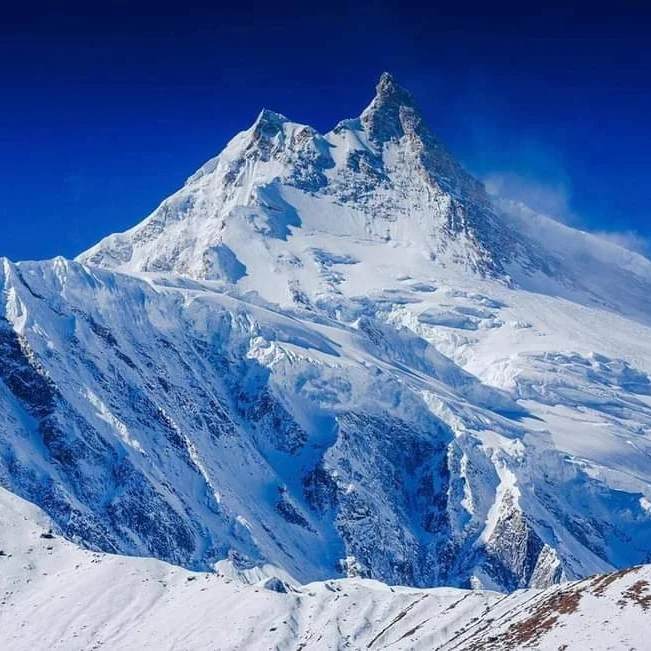
An 17 days trek, the Short Manaslu and Tsum Valley Trek engages trekkers to an adventure close to Mt....
Gokyo Valley Trek Via Renjo-La Pass
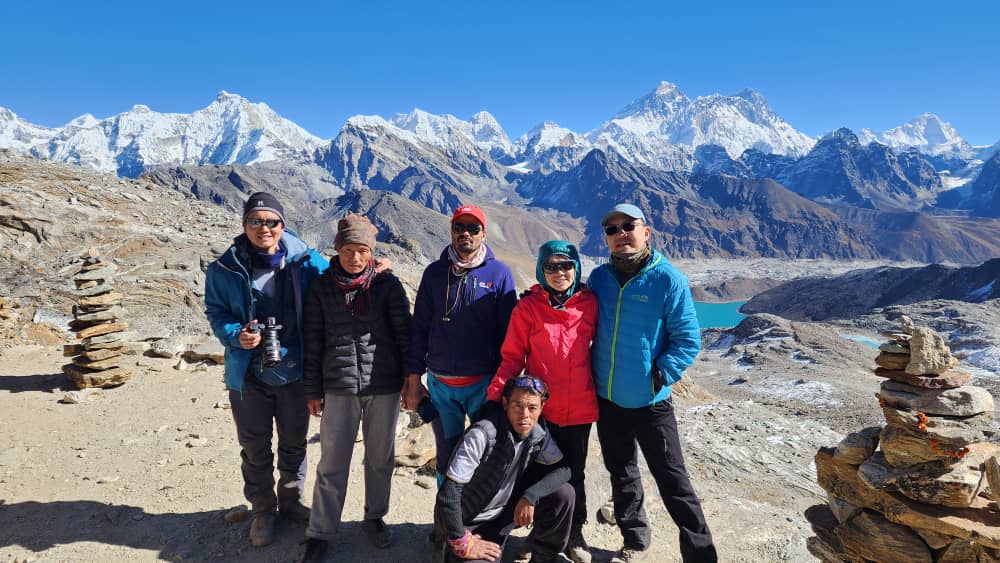
Your getaway from the typical trekking route to Everest Base Camp is the Gokyo Valley Trekking. This trekking adventure...
Jomsom Muktinath Trek
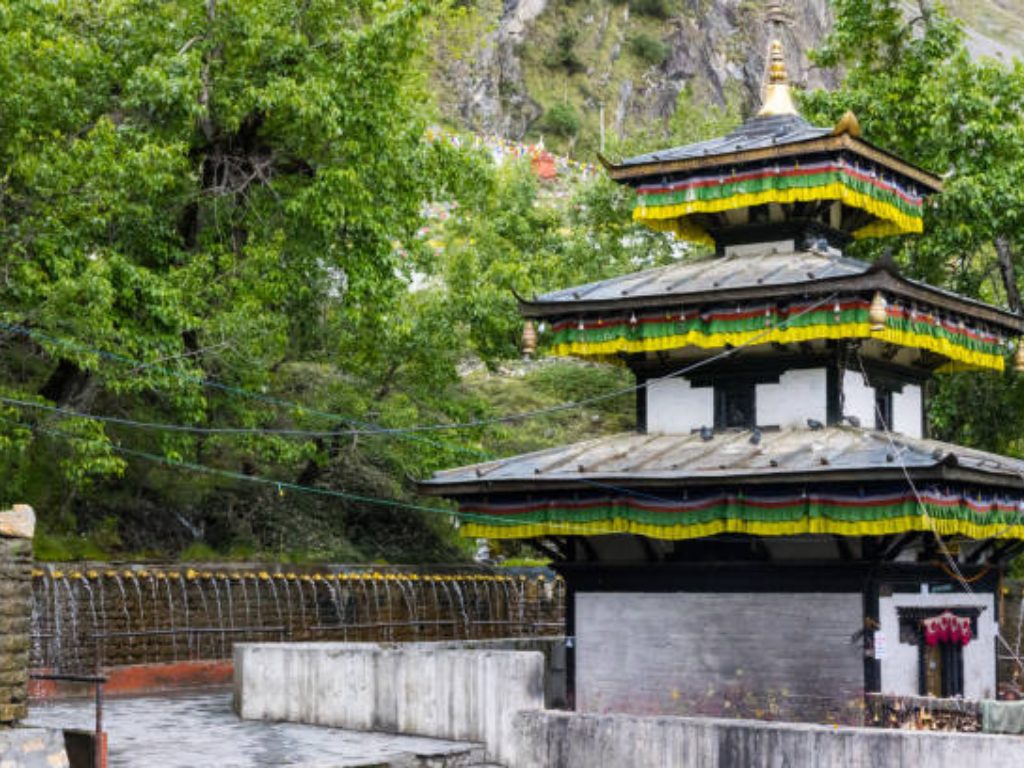
Nepal is a stunning country in the Himalayas with magnificent mountains. These mountains’ foothills make for ideal walking terrain....