
Mu Gompa
Posted by: Nepal Holiday Treks and Tours on October 11, 2026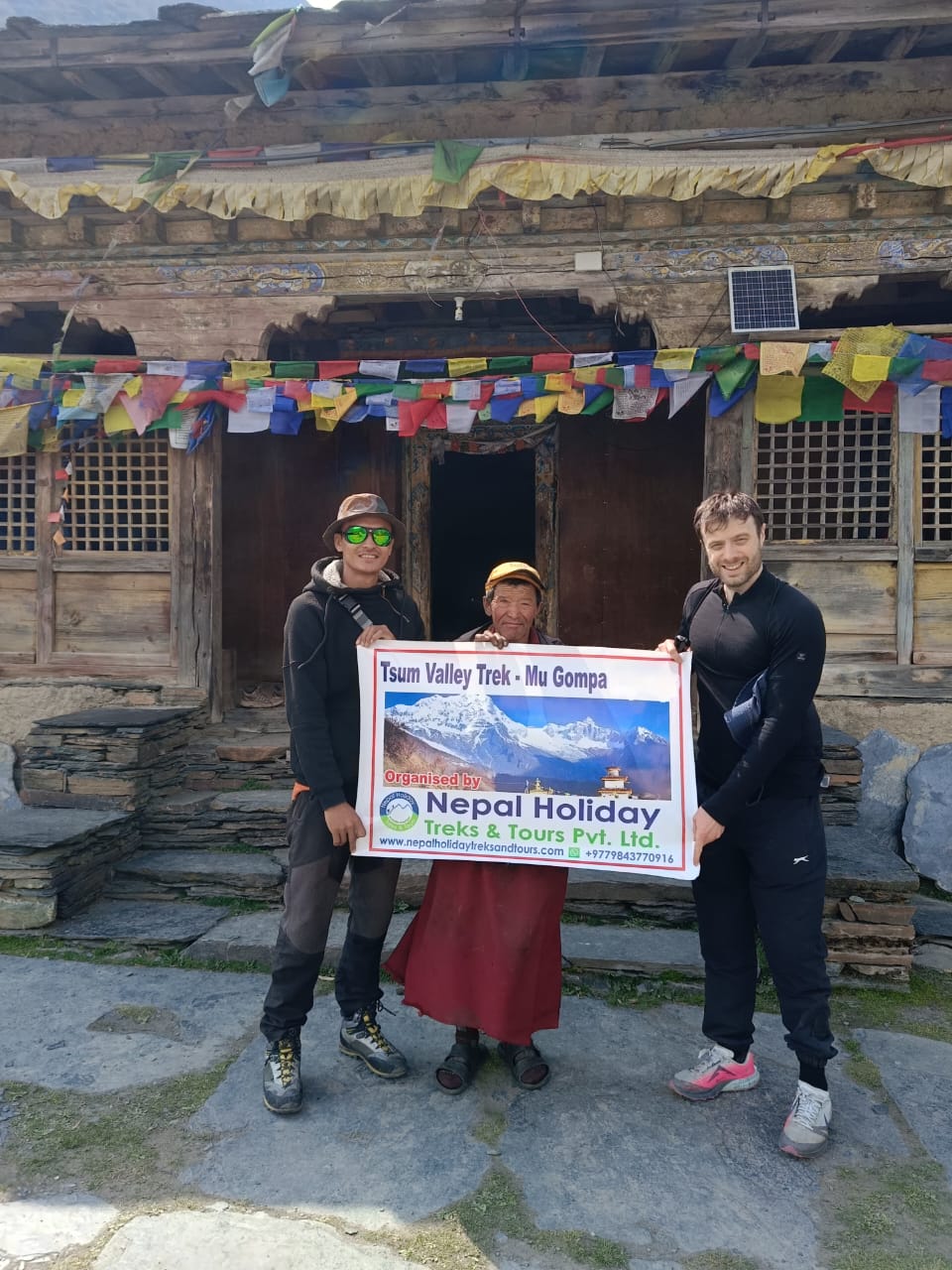
Mu Gompa, also known as Dechen Lhundrup, is an important Buddhist monastery in the Upper Tsum Valley of northern Gorkha, Nepal. Located along the remote Tsum Valley Trek, it is one of the region’s main spiritual and cultural landmarks.
The monastery sits at approximately 3,700 m (12,139 ft) above sea level within the Manaslu Conservation Area. Surrounded by rugged Himalayan terrain near the Nepal–Tibet border, it offers visitors an insight into the religious traditions and daily life of the Upper Tsum Valley.
Established in 1895, Mu Gompa has long served as a centre of Buddhist learning and religious practice. It holds particular importance for the Tsumba people, whose cultural identity is closely connected to Tibetan Buddhist traditions.
Beyond its historical significance, Mu Gompa remains a place of worship, study, and spiritual reflection. It also serves as a monastic learning centre, where monks study Buddhist scriptures, Tibetan philosophy, and traditional religious practices. For trekkers, visiting the monastery offers a chance to understand the living Buddhist heritage of the Tsum Valley while experiencing the quiet surroundings of this remote Himalayan settlement.
Where Is Mu Gompa and How High Is It?
Mu Gompa sits in the upper Tsum Valley of Gorkha District, Nepal, at an elevation of around 3,700 metres above sea level. Located beyond the Nile, one of the valley’s highest permanent settlements, the monastery is accessible only on foot along traditional mountain trails.
The surrounding landscape is marked by open alpine slopes, glacial streams, and distant snow-covered peaks. Forests become scarce at this altitude, giving way to rugged terrain shaped by strong winds and long winters. The wide-open sky, crisp mountain air, and quiet surroundings give Mu Gompa a peaceful atmosphere, making it an important spiritual destination in the remote Tsum Valley.
History of Mu Gompa
Mu Gompa is an important Buddhist monastery in the upper Tsum Valley of Gorkha District, Nepal. For generations, it has been connected with Buddhist teachings, meditation, prayer, and monastic life in this remote Himalayan region. Its spiritual importance reflects the deep influence of Tibetan Buddhist traditions on the culture and daily lives of local communities.
According to many published accounts, the present monastery was established in the late nineteenth century, around 1895. However, Buddhist traditions in the wider Tsum Valley existed long before the current monastery buildings. The region has preserved its religious customs and spiritual heritage through generations.
Although historical sources do not always agree on the monastery’s exact origins and early development, Mu Gompa continues to hold an important place in Upper Tsum. Its isolated mountain setting, religious practices, and cultural connections make it a significant destination for trekkers interested in the spiritual history of the Himalayas.
How to Get to Mu Gompa
Reaching Mu Gompa requires trekking through the remote Tsum Valley in Gorkha District, Nepal. The journey usually begins with a drive from Kathmandu to Machha Khola or Jagat, depending on road conditions and the chosen itinerary. From there, trekkers follow the Budhi Gandaki River before turning into the Tsum Valley through Lokpa.
The trail passes through traditional villages such as Chumling, Chhokang Paro, and Nile before reaching Mu Gompa. Along the way, you encounter stone houses, Buddhist mani walls, prayer flags, chortens, and monasteries that reflect the region’s Tibetan Buddhist heritage. Since Mu Gompa lies at approximately 3,700 metres, it is important to allow enough time for acclimatization and adjust your walking pace to the altitude.
Most trekkers visit Mu Gompa as part of a Tsum Valley Trek, which generally takes around 12–16 days, depending on the starting point, itinerary, and return route. Hiring a licensed guide through a registered trekking agency is recommended for navigating this remote region and arranging the necessary permits.
Ideal Time to Visit Mu Gompa
The best time to visit Mu Gompa is during spring (March–May) and autumn (September–November), when weather conditions are generally favourable for trekking and mountain views are often clearer.
Autumn (September–November)
Autumn offers clear skies, dry trails, and good Himalayan views. October is particularly popular, although nights can be very cold at higher elevations.
Spring (March–May)
Spring brings blooming rhododendrons, wildflowers, and greener landscapes in the lower valley. Temperatures become milder, but snow may remain at higher elevations.
Monsoon (June–August)
Heavy rain can cause slippery trails, landslides, and poor visibility. Check weather forecasts and local trail conditions before starting the trek.
Winter (December–February)
Winter brings freezing temperatures and possible heavy snowfall. Trails may become difficult to navigate, and accommodation services can be limited. Proper winter gear and an experienced local guide are essential.
Permits Required for Mu Gompa Trek
- Tsum Valley Restricted Area Permit (RAP): Required to enter the restricted Tsum Valley and reach Mu Gompa.
- Manaslu Conservation Area Permit (MCAP): Required for trekking within the Manaslu Conservation Area.
- Licensed Trekking Guide: A guide is required for the restricted Tsum Valley area.
- Registered Trekking Agency: The restricted-area permit must be arranged through a registered trekking agency.
Major Attractions of Mu Gompa
Mu Gompa is one of the significant cultural and spiritual sites in the Upper Tsum Valley. Located in a remote Himalayan setting, the monastery offers visitors an opportunity to explore Buddhist traditions, local heritage, and the quiet landscapes of the region. Its major attractions include:
Traditional Buddhist Monastery: Explore Mu Gompa’s traditional architecture and religious spaces, which reflect the influence of Tibetan Buddhist culture in the Tsum Valley.
Buddhist Statues and Religious Art: Discover Buddhist images, religious decorations, and sacred objects associated with the monastery’s spiritual practices.
Prayer Flags, Mani Walls, and Chortens: Observe these important features of Tibetan Buddhist tradition along the trails and around religious sites in the valley.
Mountain Landscapes: Enjoy views of the surrounding highlands, rugged slopes, open valleys, and distant Himalayan peaks.
Monastic Life and Buddhist Traditions: Learn about the religious customs, prayers, and spiritual practices that continue to shape life in Upper Tsum.
Peaceful and Remote Setting: Experience the quiet atmosphere of this isolated mountain destination, away from Nepal’s busier trekking routes.
Cultural Heritage of Tsum Valley: Discover the region’s Tibetan Buddhist influence through its monasteries, traditional settlements, and long-preserved local customs.
These attractions make Mu Gompa an important stop on the Tsum Valley Trek, particularly for trekkers interested in Himalayan culture, Buddhist heritage, and remote mountain landscapes.
Mountain Views from Mu Gompa
Mu Gompa offers a remote Himalayan setting with rugged hills, open valleys, and mountain scenery near the Nepal–Tibet border. On clear days, trekkers exploring the wider Tsum Valley may see peaks such as Ganesh Himal, Shringi Himal, and Himalchuli.
Mountain visibility depends on weather conditions, cloud cover, and your location along the trail. Beyond individual peaks, the quiet surroundings, barren slopes, and vast landscapes of the Upper Tsum Valley make the visit to Mu Gompa special.
Mu Gompa Altitude and Acclimatisation
Mu Gompa lies at approximately 3,700 m (12,139 ft) in the Upper Tsum Valley. Although it is lower than major trekking high points such as Larke La Pass on the Manaslu Circuit (5,160 m / 16,929 ft) and Everest Base Camp (5,364 m / 17,598 ft), altitude sickness remains a concern. Acute mountain sickness (AMS) can develop above 2,500 m (8,200 ft), particularly when trekkers ascend too quickly. Understanding the symptoms and prevention measures is important.
Proper acclimatisation is especially important before reaching Mu Gompa. Spending a night in Nile (also spelled Nyile) before continuing uphill gives your body more time to adjust to the elevation. From there, you can visit the monastery and return to Nile for the night or stay overnight at Mu Gompa if accommodation is available. Travelling directly from Chhokangparo (3,031 m / 9,944 ft) to Mu Gompa (3,700 m / 12,139 ft) increases sleeping altitude by approximately 669 m (2,195 ft) in one day, so a gradual ascent and attention to symptoms are advisable.
The remote setting of the Upper Tsum Valley makes careful planning essential. Road access and evacuation options are limited, while helicopter evacuations depend on weather, visibility, and landing conditions. Allow enough time in your itinerary to acclimatise, stay hydrated, and avoid ascending further if symptoms develop. A headache accompanied by nausea, dizziness, or unusual fatigue may indicate altitude sickness. If symptoms worsen, descend to a lower elevation and seek medical assistance rather than continuing the trek.
Mu Gompa Monastery Rules and Visitor Etiquette
Mu Gompa is an active Buddhist monastery in the Upper Tsum Valley. Visitors should respect local customs and religious practices during their visit.
- Dress Modestly: Wear respectful clothing and remove your shoes before entering areas where required.
- Ask Before Taking Photos: Get permission before photographing monks, ceremonies, or monastery interiors.
- Maintain Silence: Speak quietly and avoid disturbing prayers or meditation.
- Respect Sacred Objects: Do not touch Buddhist statues, scriptures, or religious items without permission.
- Follow Local Customs: Walk around mani walls and chortens in a clockwise direction.
- Keep the Area Clean: Carry your rubbish with you and respect the surrounding environment.
Following these simple guidelines helps preserve Mu Gompa’s Buddhist traditions and peaceful atmosphere.
Importance of Mu Gompa
- Religious Significance: An important Buddhist monastery in the Upper Tsum Valley.
- Tibetan Buddhist Heritage: Preserves traditional Buddhist beliefs, rituals, and spiritual practices.
- Meditation and Prayer: Provides a peaceful place for monks to practise meditation and worship.
- Local Culture: Reflects the customs, traditions, and religious identity of the Tsumba community.
- Historical Value: Represents the longstanding Buddhist heritage of the remote Himalayan valley.
- Cultural Experience: Offers trekkers an opportunity to learn about local spirituality and monastery life.
- Peaceful Setting: Its isolated location creates a quiet atmosphere for reflection amid the Himalayan landscape.
Conclusion
Mu Gompa is more than a Buddhist monastery; it is an important part of the cultural and spiritual life of the Upper Tsum Valley. Its remote location, traditional Buddhist practices, and connection to Tibetan culture make it a meaningful stop for trekkers exploring this part of Gorkha. The journey through villages such as Chumling, Chhokang Paro, and Nile also offers a closer look at local life and traditions.
If you are planning a Tsum Valley Trek, visiting Mu Gompa gives you an opportunity to learn about the region’s Buddhist heritage while experiencing the quiet mountain landscape. Choose a suitable season, allow enough time for acclimatisation, and respect the monastery’s religious customs to make your visit safe and meaningful.
Frequently Asked Questions
1. Where is Mu Gompa located?
Mu Gompa is a Buddhist monastery in the Upper Tsum Valley of Gorkha District, Nepal, near the Nepal–Tibet border. It is an important cultural and spiritual landmark along the Tsum Valley Trek.
2. What is the altitude of Mu Gompa?
Mu Gompa is located at approximately 3,700 m (12,139 ft) above sea level. Trekkers should ascend gradually and allow enough time for acclimatisation to reduce the risk of altitude sickness.
3. How many days does it take to complete the Mu Gompa Trek?
The Tsum Valley Trek, including a visit to Mu Gompa, generally takes around 12–16 days from Kathmandu. The exact duration depends on the itinerary, starting point, acclimatisation days, and return route.
4. When is the best time to visit Mu Gompa?
Spring (March–May) and autumn (September–November) are generally the best seasons to visit Mu Gompa. These periods often offer favourable trekking conditions and clearer mountain views, although weather can change quickly at higher elevations.
5. How difficult is the Mu Gompa Trek?
The Mu Gompa Trek is generally moderate to challenging due to its remote location, uneven mountain trails, long walking days, and high elevation. Good physical fitness, proper preparation, and a gradual ascent help make the journey more manageable.
6. Is a guide required for the Mu Gompa Trek?
An experienced local guide is strongly recommended for the Mu Gompa Trek because the route passes through remote mountain settlements. Check the latest restricted-area permit rules and guide requirements with a registered trekking agency before departure.
7. Which permits are needed to visit Mu Gompa?
Trekkers generally need a Tsum Valley Restricted Area Permit (RAP) and a Manaslu Conservation Area Permit (MCAP). Permit requirements, fees, and eligibility conditions should be confirmed with a registered trekking agency before starting the journey.
8. Can beginners visit Mu Gompa?
Yes, beginners with good fitness can consider visiting Mu Gompa with adequate preparation and a suitable itinerary. Regular walking practice, sufficient rest, gradual ascent, and guidance from an experienced trekking guide are helpful.
9. Is altitude sickness a risk at Mu Gompa?
Yes. At approximately 3,700 m, Mu Gompa is high enough for acute mountain sickness (AMS) to develop. Common symptoms include headache, nausea, dizziness, and unusual fatigue. If symptoms worsen, stop ascending, descend when necessary, and seek medical assistance.
10. Where can I stay during the Mu Gompa?
Trekkers can generally find teahouses and basic lodges in villages along the Tsum Valley route. Accommodation options are more limited in the upper valley, so confirm whether overnight stays are available at Mu Gompa or plan to return to Nile.
11. What food is available on the Mu Gompa Trek?
Common meals along the route include dal bhat, rice, noodles, potatoes, vegetable dishes, and soups. Food choices may become more limited in the upper valley, so carrying a few energy-rich snacks is advisable.
12. Which mountains can be seen around Mu Gompa?
The wider Tsum Valley offers views of Himalayan landscapes and peaks such as Ganesh Himal and Shringi Himal from suitable viewpoints. Actual visibility from Mu Gompa depends on the weather, cloud cover, and viewing direction.
13. Is it possible to trek to Mu Gompa in winter?
Yes, but winter trekking can be more difficult because of freezing temperatures, snowfall, and icy trails. Accommodation and food services may also be limited, so check local weather, trail conditions, and lodge availability before travelling.
14. Can visitors enter Mu Gompa Monastery?
Visitors may be able to explore designated areas of Mu Gompa and learn about its Buddhist traditions. As it is an active religious site, respect prayer times, follow the monks’ guidance, ask permission before taking photographs, and avoid entering restricted areas.
15. What should I pack for the Mu Gompa Trek?
Essential items include layered clothing, a warm down jacket, waterproof outerwear, sturdy trekking boots, a suitable sleeping bag, sun protection, personal medication, a reusable water bottle, and a basic first-aid kit. Carry enough snacks and other essentials for the remote upper valley.
Related Blogs
Everest Base Camp Trek FAQs
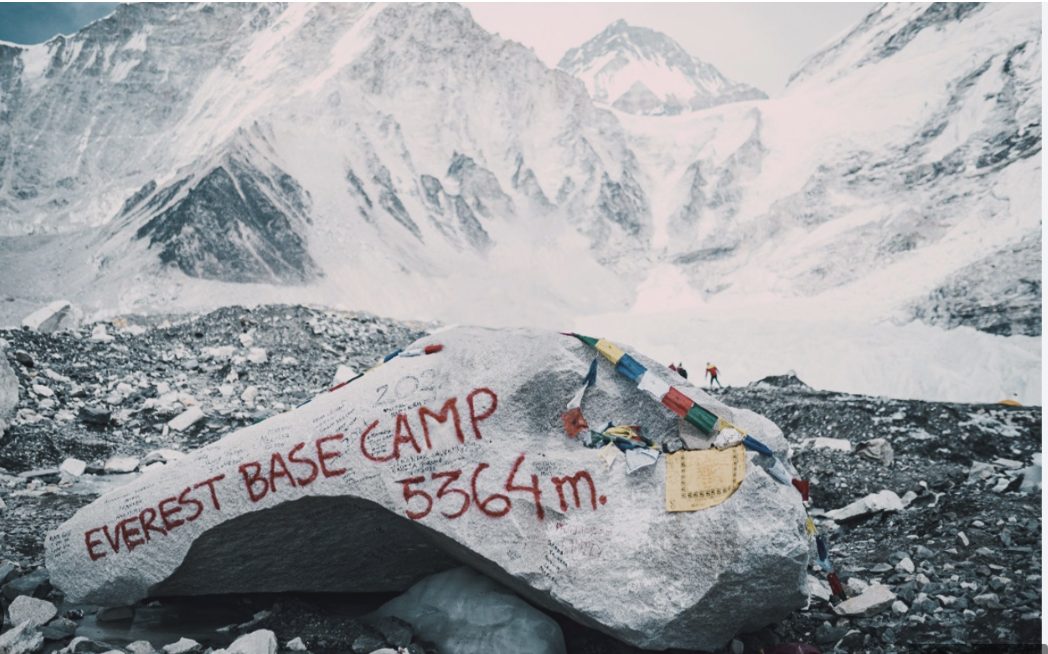
Introduction Planning the Everest Base Camp Trek often comes with questions about the route, duration, altitude, permits, weather, accommodation, fitness, and overall trekking conditions. These frequently asked questions provide clear and practical information to help you understand what to expect before starting the trek to Everest Base Camp. Frequently Asked Questions General Everest Base Camp […]
Manaslu Trek via Larke Pass Trek FAQs
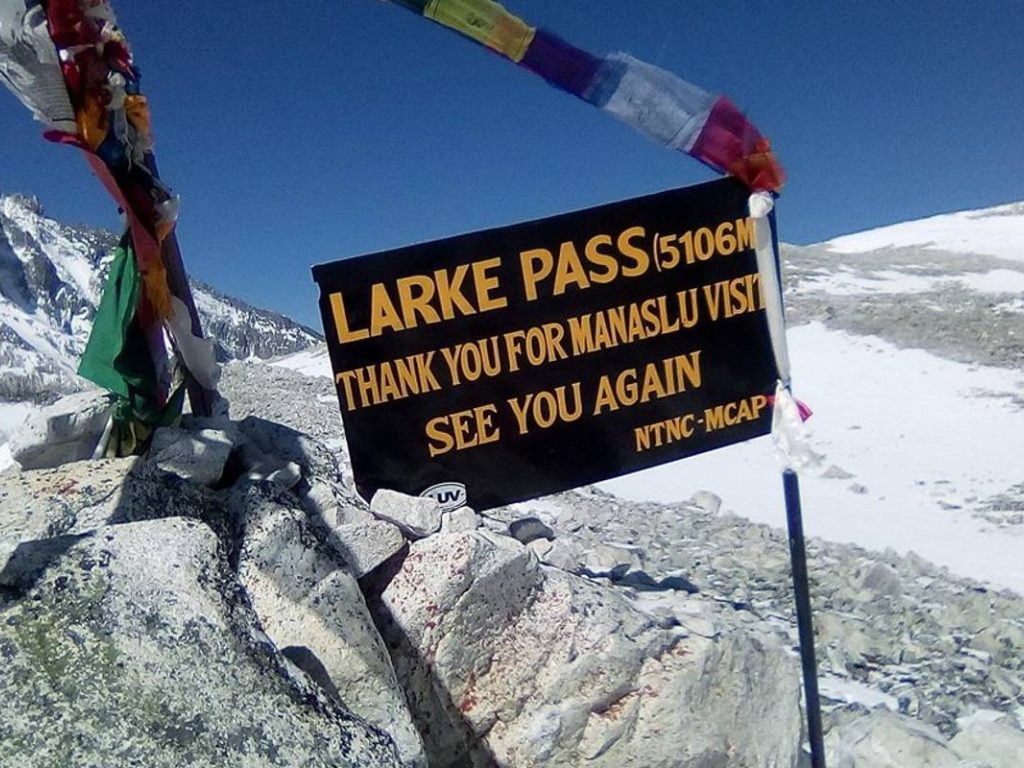
Introduction The Manaslu Trek via Larke Pass is a remote Himalayan adventure around Mount Manaslu, the world’s eighth-highest mountain. The route passes through traditional villages, Buddhist monasteries, dramatic valleys, and high mountain landscapes before crossing the challenging Larke Pass. These FAQs cover the route, permits, difficulty, altitude, best time, accommodation, cost, preparation, and other practical […]
Langtang Valley Trek – Frequently Asked Questions
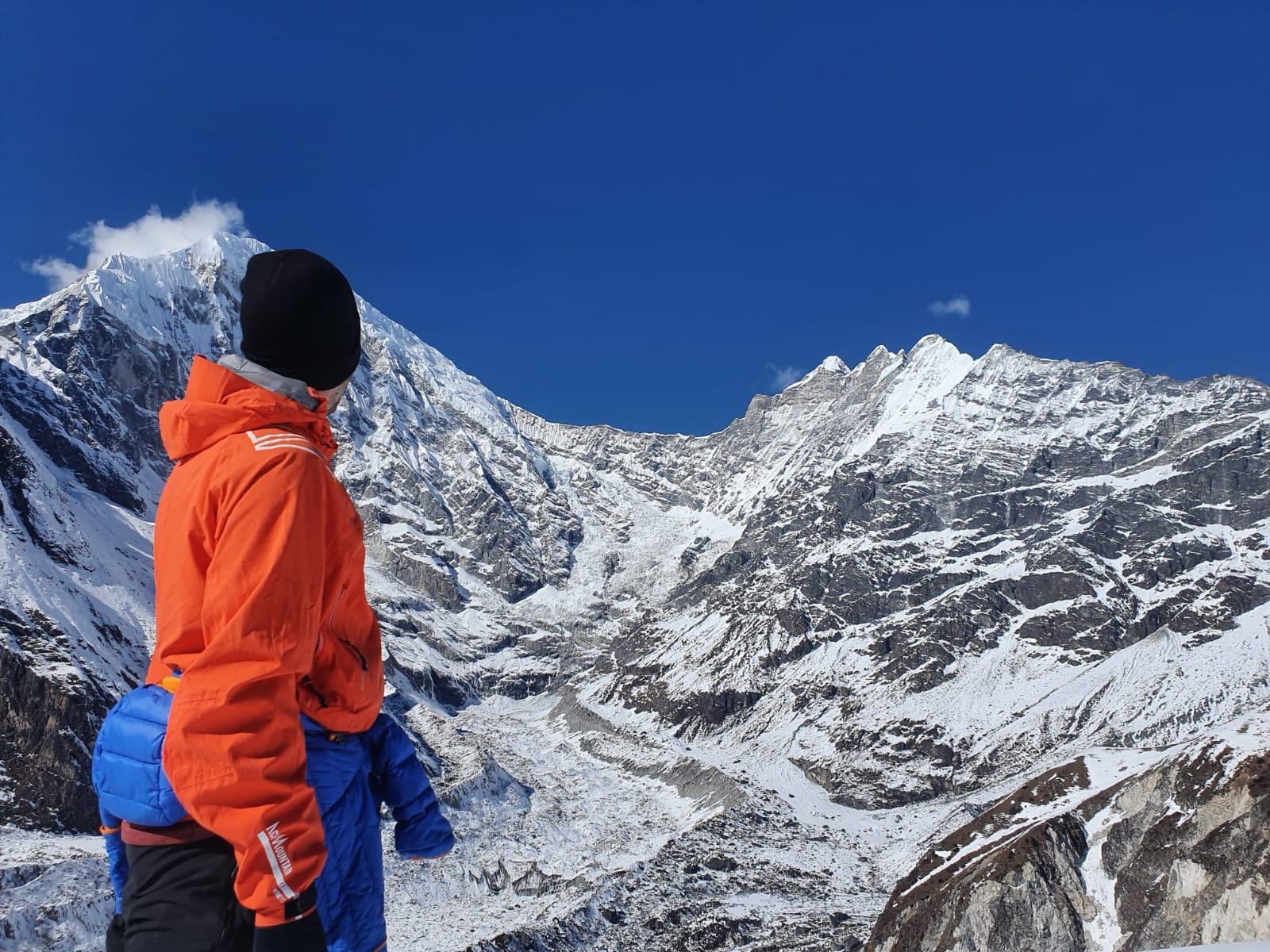
Introduction Planning a Langtang Valley Trek often comes with questions about the route, difficulty, altitude, permits, best season, accommodation, food, transportation, and preparation. This FAQ guide answers the most common questions trekkers ask before visiting the Langtang region. The Langtang Valley Trek takes you from the lower hills toward Kyanjin Gompa through forests, Tamang villages, […]