
Everest Base Camp Trek FAQs
Posted by: Nepal Holiday Treks and Tours on September 30, 2026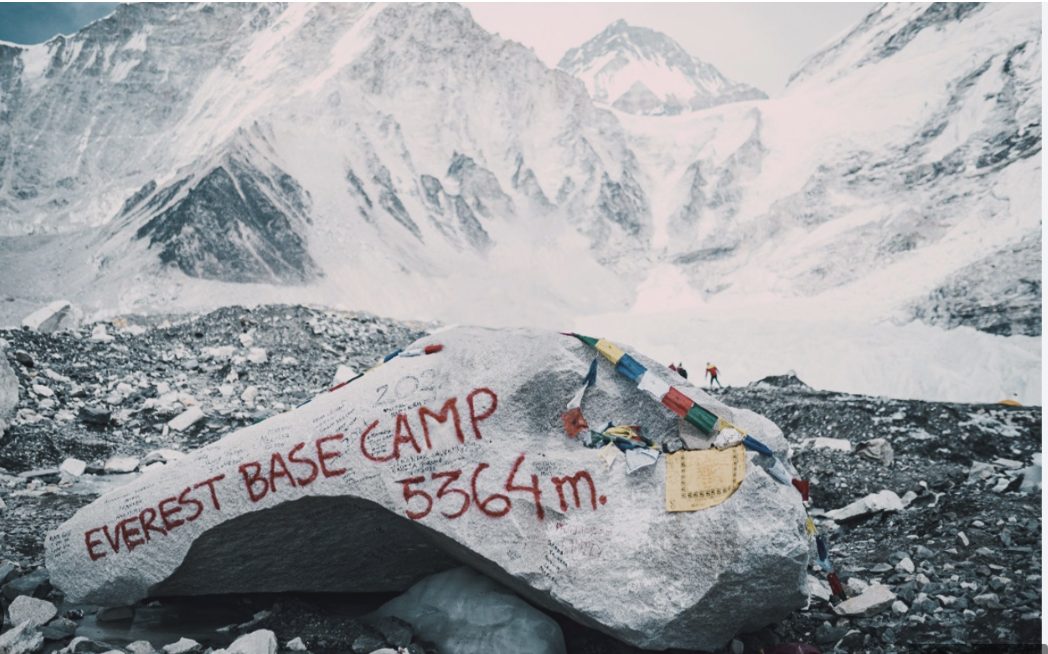
Introduction
Planning the Everest Base Camp Trek often comes with questions about the route, duration, altitude, permits, weather, accommodation, fitness, and overall trekking conditions. These frequently asked questions provide clear and practical information to help you understand what to expect before starting the trek to Everest Base Camp.
Frequently Asked Questions
General Everest Base Camp Trek FAQs
1. What is the Everest Base Camp Trek?
The Everest Base Camp Trek is a popular trekking route in Nepal that takes you through the Khumbu region to Everest Base Camp at about 5,364 meters. The route passes through Sherpa villages, Buddhist monasteries, valleys, glaciers, and mountain viewpoints. Nepal Tourism Board
2. Where is Everest Base Camp located?
Everest Base Camp is located in the Khumbu region of Nepal, inside Sagarmatha National Park, at approximately 5,364 meters above sea level.
3. How long does the Everest Base Camp Trek take?
A standard Everest Base Camp Trek usually takes around 12 to 14 days, including the flights to and from Lukla and acclimatization days. The exact duration depends on the itinerary and travel arrangements.
4. How difficult is the Everest Base Camp Trek?
The Everest Base Camp Trek is generally considered moderate to challenging because of the long walking days, steep sections, rugged terrain, cold temperatures, and increasing altitude. It does not require technical climbing skills.
5. What is the highest point of the Everest Base Camp Trek?
The highest point commonly reached during the trek is Kala Patthar at about 5,545 meters. Everest Base Camp itself is lower, at approximately 5,364 meters.
6. What is the altitude of Everest Base Camp?
Everest Base Camp on the Nepal side is approximately 5,364 meters (17,598 feet) above sea level. Magical Nepal
7. How high is Kala Patthar?
Kala Patthar is approximately 5,545 meters (18,192 feet) high and is the highest point reached on many standard Everest Base Camp itineraries. Trade NTB
8. How far is Everest Base Camp from Lukla?
The trekking distance varies depending on the exact route and side trips, but the complete Lukla–Everest Base Camp–Lukla journey is commonly around 120–140 km.
9. Where does the Everest Base Camp Trek start?
The standard Everest Base Camp Trek traditionally starts in Lukla, a small mountain town and the main gateway to the Everest region. Most trekkers fly from Kathmandu to Tenzing-Hillary Airport in Lukla and begin walking from there toward Phakding, Namche Bazaar, and eventually Everest Base Camp.
10. How do I get to Lukla for the Everest Base Camp Trek?
Trekkers usually take a Kathmandu to Lukla flight to reach the starting point of the Everest Base Camp Trek. During peak trekking seasons, some flights may operate from Ramechhap/Manthali Airport instead of Kathmandu due to air traffic and operational arrangements. Lukla flights are also dependent on weather conditions, so it is wise to keep some flexibility in your trekking schedule in case of delays or cancellations.
Everest Base Camp Trek Itinerary FAQs
11. What is the best itinerary for the Everest Base Camp Trek?
A good itinerary should include gradual altitude gain and sufficient acclimatization. A typical route includes Lukla, Phakding, Namche Bazaar, Tengboche, Dingboche, Lobuche, Gorak Shep, Everest Base Camp, and Kala Patthar before returning to Lukla.
12. How many days do you need for Everest Base Camp?
Most trekkers should allow around 12–14 days for a standard round-trip itinerary from Lukla. Longer itineraries can provide additional acclimatization and contingency time.
13. What are the main stops on the Everest Base Camp Trek?
Major stops include Lukla, Phakding, Namche Bazaar, Tengboche, Dingboche, Lobuche, Gorak Shep, and Everest Base Camp. Kala Patthar is also included in many itineraries.
14. How many acclimatization days are needed for Everest Base Camp?
A standard itinerary usually includes acclimatization stops at Namche Bazaar and Dingboche. These rest days are important because altitude increases significantly as you approach Everest Base Camp.
15. What happens on an acclimatization day during the EBC trek?
An acclimatization day does not necessarily mean staying inside the lodge all day. Trekkers normally take a short hike to a higher elevation and return to sleep at the same village.
16. Can I do the Everest Base Camp Trek in 10 days?
A 10-day itinerary is possible for some experienced trekkers, but it allows less time for acclimatization and recovery. A longer itinerary is generally used to provide a more gradual ascent.
17. Can I do the Everest Base Camp Trek in 12 days?
Yes. A 12-day Everest Base Camp Trek can be organized with a carefully planned itinerary that includes acclimatization and the main attractions of the route.
18. Can I do the Everest Base Camp Trek in 14 days?
Yes. A 14-day Everest Base Camp Trek is a common option because it allows time for acclimatization, trekking, and the return journey.
19. How many hours do you walk each day on the EBC trek?
Most trekking days involve approximately 5–8 hours of walking, although the duration varies according to the route, altitude, terrain, and individual pace.
20. Which day is the hardest on the Everest Base Camp Trek?
The trek from Lobuche to Gorak Shep and onward to Everest Base Camp, along with the Kala Patthar hike, can feel particularly demanding because of the high altitude and thin air.
Difficulty and Fitness FAQs
21. Do I need previous trekking experience for Everest Base Camp?
No. Previous high-altitude trekking experience is helpful but not essential. However, you should be physically prepared for several consecutive days of walking.
22. How fit do I need to be for Everest Base Camp?
You should have good cardiovascular endurance and be comfortable walking for several hours on consecutive days. Regular hiking, walking, stair climbing, and aerobic exercise can help prepare you.
23. Is Everest Base Camp harder than Annapurna Base Camp?
The two treks have different challenges. Everest Base Camp involves greater altitude, while Annapurna Base Camp has different terrain and elevation patterns. Your experience can depend on fitness, acclimatization, itinerary, and weather.
24. Can beginners do the Everest Base Camp Trek?
Yes, beginners can complete the trek if they are physically prepared, follow a suitable itinerary, walk at a steady pace, and allow enough time for acclimatization.
25. Is Everest Base Camp Trek suitable for older trekkers?
Age alone does not determine whether someone can complete the trek. Fitness, previous trekking experience, acclimatization, and individual health considerations are more relevant.
26. Do I need training for the Everest Base Camp Trek?
Training is recommended. Building endurance through walking, hiking, stair climbing, and other aerobic activities can make the long trekking days easier.
27. Is there technical climbing on the Everest Base Camp Trek?
No. The standard Everest Base Camp Trek is a trekking route and does not require technical mountaineering or rope-climbing skills.
Altitude and Acclimatization FAQs
28. Is altitude sickness common on the Everest Base Camp Trek?
Altitude-related illness is an important consideration because the trek reaches more than 5,000 meters. Gradual ascent, acclimatization, hydration, and recognizing symptoms early are important.
29. How do I prevent altitude sickness on the EBC trek?
The main precautions include ascending gradually, taking acclimatization days, staying hydrated, avoiding overexertion, and informing your guide immediately if you develop symptoms.
30. What are the symptoms of altitude sickness?
Common symptoms can include headache, dizziness, nausea, unusual tiredness, loss of appetite, and difficulty sleeping. Severe symptoms require immediate attention and descent.
31. Can I take medicine for altitude sickness?
Some trekkers use medication such as acetazolamide, but medication decisions should be discussed with a qualified medical professional before the trek.
32. How can I acclimatize for Everest Base Camp?
Follow a gradual itinerary with acclimatization days, avoid rushing to higher elevations, stay hydrated, and maintain a comfortable walking pace.
33. What should I do if I feel sick at high altitude?
Tell your guide immediately. Depending on the symptoms and their severity, you may need rest, medical evaluation, or descent to a lower altitude.
34. Why are Namche Bazaar and Dingboche important on the EBC trek?
Namche Bazaar and Dingboche are commonly used as acclimatization locations because they allow trekkers to spend additional time adjusting to increasing elevation.
Best Time and Weather FAQs
35. What is the best time to trek to Everest Base Camp?
The main trekking seasons are generally spring and autumn, particularly March–May and October–November. Nepal Tourism Board also identifies October–November and March–May as favorable periods for Sagarmatha National Park.
36. Can I trek to Everest Base Camp in winter?
Yes, but winter brings colder temperatures and potential snow, especially at higher elevations. You need suitable clothing and should be prepared for changing trail conditions.
37. Can I trek to Everest Base Camp during the monsoon?
It is possible, but monsoon conditions can affect travel and flight operations, and rain can make lower trails wetter. The Everest region generally receives less rain than many other parts of Nepal because it lies in a rain-shadow area.
38. Is Everest Base Camp Trek possible in December?
Yes. December can offer cold but clear conditions, although temperatures drop significantly at night and some higher sections may have snow or icy conditions.
39. Is March a good month for Everest Base Camp?
March is part of the spring trekking season and can offer increasingly favorable conditions, although early March may still be cold at higher elevations.
40. Is October a good month for Everest Base Camp?
October is traditionally one of the popular months for trekking in the Everest region, with generally favorable autumn conditions.
Accommodation and Food FAQs
41. Where do you stay during the Everest Base Camp Trek?
Trekkers normally stay in teahouses and mountain lodges along the route. The Everest region has many established lodging facilities on the main trail.
42. Are rooms private or shared on the EBC trek?
Most standard teahouse accommodation provides twin-sharing rooms, although private rooms may sometimes be available depending on the location and season.
43. Do Everest Base Camp teahouses have bathrooms?
Yes. Many lodges have shared bathrooms, while some offer attached bathrooms. Facilities become more basic as you travel toward higher elevations.
44. What food is available during the Everest Base Camp Trek?
Teahouses commonly serve meals such as dal bhat, noodles, pasta, rice, soup, potatoes, eggs, bread, and other simple trekking foods.
45. Can vegetarians trek to Everest Base Camp?
Yes. Vegetarian food is widely available along the main Everest trekking route.
46. Is Wi-Fi available during the EBC trek?
Wi-Fi is available at many lodges, but connection quality varies by location, weather, and altitude. Some trekkers also use local mobile networks or other communication options.
47. Is electricity available on the Everest Base Camp Trek?
Electricity is available in many lodges, but charging facilities can become more limited and may involve additional fees at higher elevations.
Packing and Equipment FAQs
48. What should I pack for the Everest Base Camp Trek?
Essential items include trekking boots, warm layers, a down jacket, thermal clothing, gloves, hat, sunglasses, sunscreen, water bottles, personal medication, toiletries, a headlamp, and a sleeping bag.
49. Do I need a sleeping bag for Everest Base Camp?
A sleeping bag is strongly recommended because temperatures can be very cold at higher elevations, even when blankets are provided by teahouses.
50. Do I need trekking poles for Everest Base Camp?
Trekking poles are optional but useful on steep ascents, descents, rocky sections, and uneven terrain.
51. What type of shoes should I wear for Everest Base Camp?
Wear comfortable, broken-in trekking boots with good grip and adequate ankle support. Avoid using brand-new footwear on the trek.
52. How much luggage can I take on the EBC trek?
The amount depends on your trekking package and porter arrangement. Many organized treks use a porter-sharing system, while trekkers carry a smaller daypack themselves.
Permits and Guide FAQs
53. Do I need a guide for the Everest Base Camp Trek?
Yes. Nepal Tourism Board currently lists Everest Base Camp Trek among the routes where trekkers must be accompanied by a licensed trekking guide and carry a trekking-agency-issued TIMS card.
54. Do I need a TIMS card for Everest Base Camp?
Yes. Nepal Tourism Board’s current TIMS information lists Everest Base Camp among the trekking routes requiring a TIMS card and licensed guide.
55. What permits are required for the Everest Base Camp Trek?
The trek involves entry requirements for the Sagarmatha National Park and the local Khumbu area, along with the applicable TIMS requirement. Nepal Tourism Board currently lists the Sagarmatha National Park entrance fee for foreign visitors as NPR 3,000.
56. How much is the Sagarmatha National Park permit?
According to the Nepal Tourism Board, the Sagarmatha National Park entrance fee is currently NPR 3,000 for foreign visitors and NPR 1,500 for SAARC nationals.
57. Can I trek Everest Base Camp without a guide?
Current Nepal Tourism Board guidance lists Everest Base Camp among the routes requiring trekkers to be accompanied by a licensed trekking guide.
Conclusion
The Everest Base Camp Trek is a well-established Himalayan trekking route, but good preparation is important, especially because of the increasing altitude. Understanding the itinerary, weather, permits, packing requirements, and acclimatization can help you plan the trek with greater confidence. If you have further questions about the Everest Base Camp Trek, Contact us for more information and trip planning support.
Related Blogs
Manaslu Trek via Larke Pass Trek FAQs
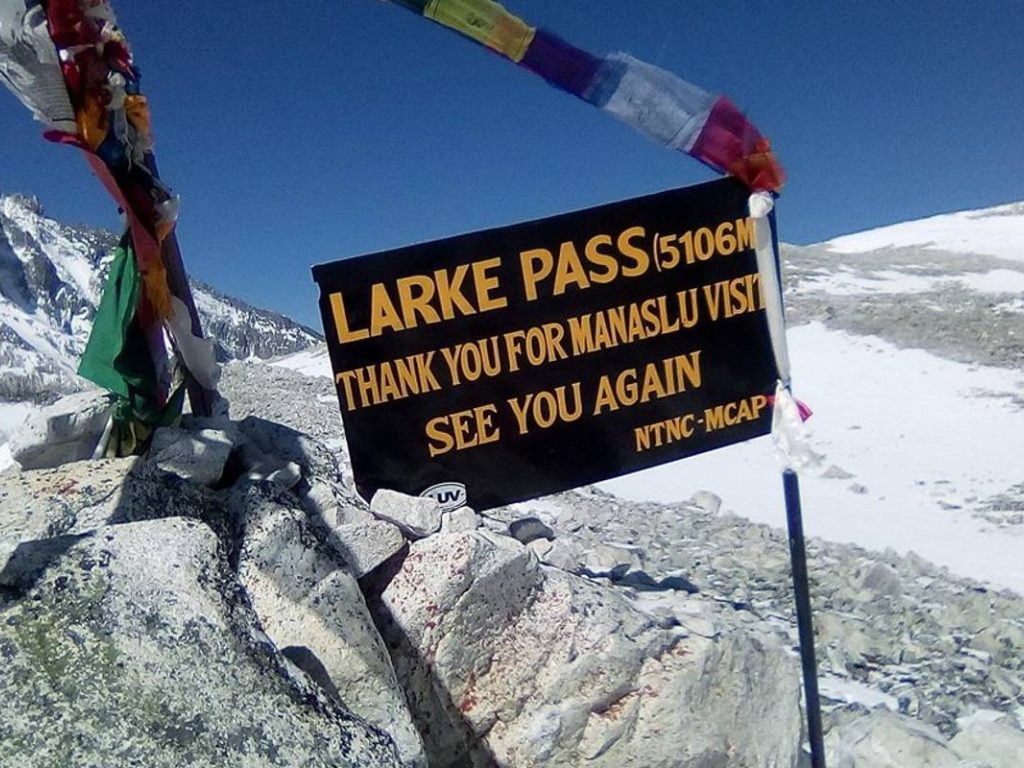
Introduction The Manaslu Trek via Larke Pass is a remote Himalayan adventure around Mount Manaslu, the world’s eighth-highest mountain. The route passes through traditional villages, Buddhist monasteries, dramatic valleys, and high mountain landscapes before crossing the challenging Larke Pass. These FAQs cover the route, permits, difficulty, altitude, best time, accommodation, cost, preparation, and other practical […]
Langtang Valley Trek – Frequently Asked Questions
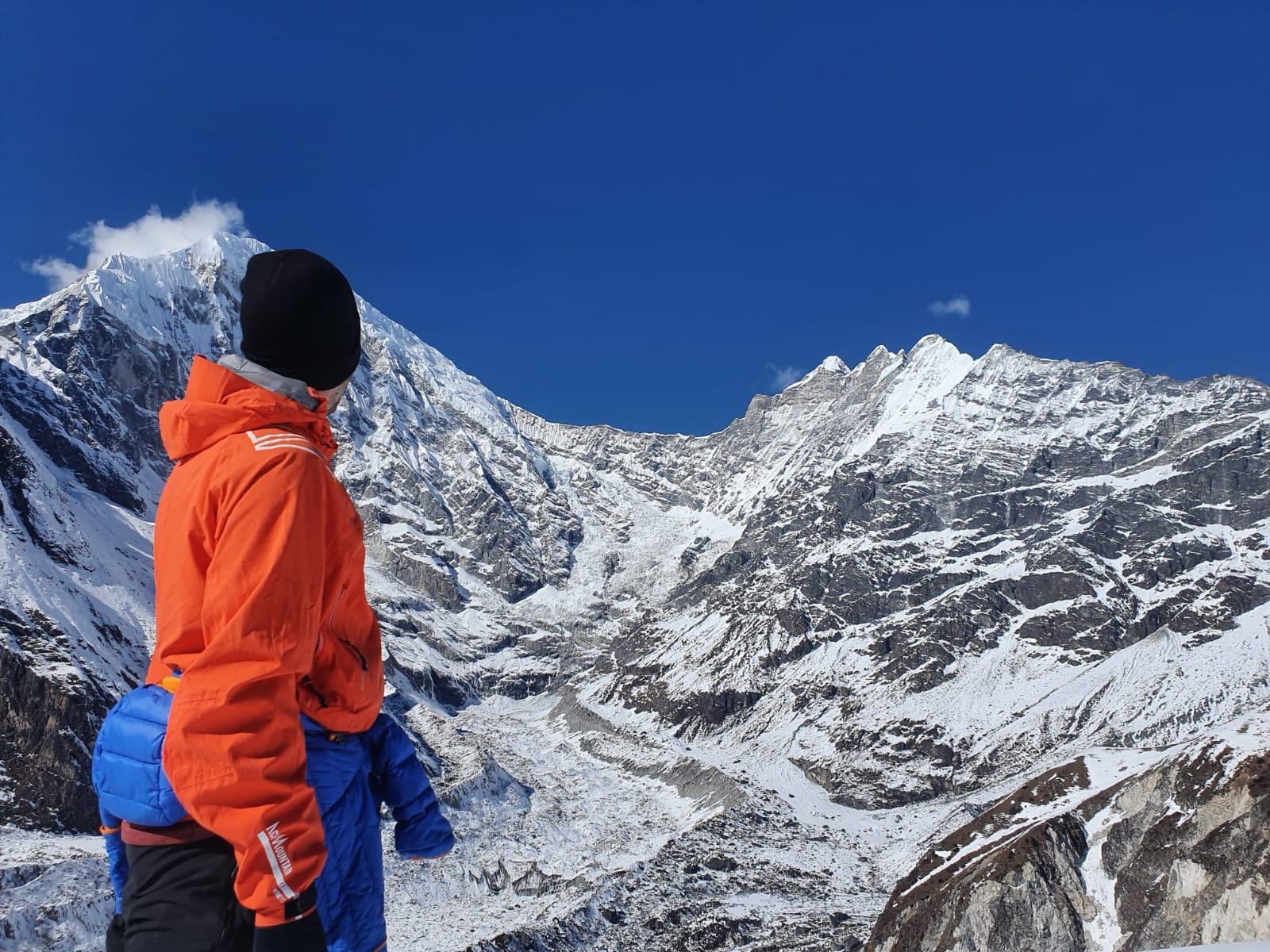
Introduction Planning a Langtang Valley Trek often comes with questions about the route, difficulty, altitude, permits, best season, accommodation, food, transportation, and preparation. This FAQ guide answers the most common questions trekkers ask before visiting the Langtang region. The Langtang Valley Trek takes you from the lower hills toward Kyanjin Gompa through forests, Tamang villages, […]

Namche Bazaar: The Heartbeat of the Everest Region
Ask any trekker who has walked to Everest Base Camp and most of them will tell you the same thing. It’s just not a random village in the Khumbu region. Namche Bazaar is the town that stays in your heart forever. It is the heart of Khumbu, where you can get luxury services with backdrop […]