
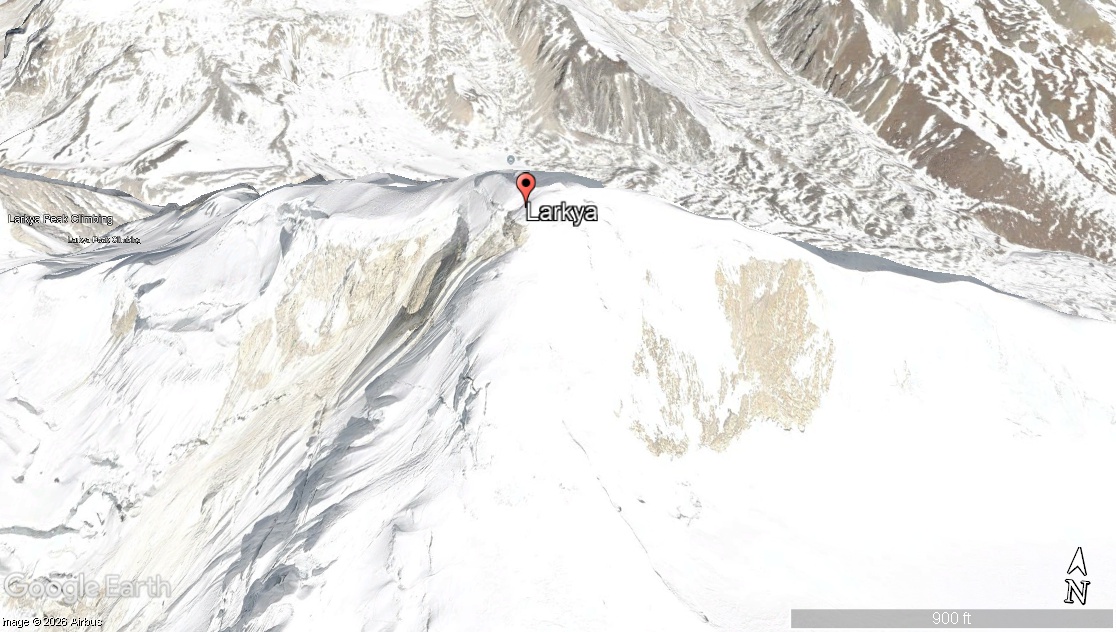


Larke Peak Climbing – 16 Days Overview
Larke Peak (20,502ft/6249m) is one of the most rewarding trekking peaks in Nepal, it is situated in a perfect position to offer an adventurous trek at high altitude combined with a true mountaineering experience. Situated in the remote and pristine Manaslu area, it attracts climbers worldwide who are seeking the excitement of a true summit that is not as technically challenging of an 8,000 meters adventure.
Larke Peak is located near to the popular Larke La Pass (5,106 m) on the Manaslu Circuit Trek, the mountain is in the Manaslu Conservation Area near the border with Tibet. And that strategic location is what makes the summit views so spectacular – on a clear day you will see Manaslu (8,163m), the world’s eighth highest mountain, Himalchuli, Cheo Himal, Kang Guru, Himlung Himal and Annapurna ll stretching endlessly across the horizon.
Larke Peak is one of the newly introduced trekking peak of Nepal but now it is established as the best introductory climbing peak in Manaslu area. It is accessible for well-prepared trekkers who have taken a basic course on snow and ice, but challenging enough to give a real sense of mountaineering accomplishment when you reach the summit.
The extra dimension that the Manaslu Circuit Trek adds another layer to the whole experience is ancient Buddhist monasteries, isolated Tibetan hamlets, stunning river gorges and glacial valleys that will greet you well before you lay eyes on the mountain.
Highlight of the Larke Peak Climbing
- Stand on a True 6,000 meters Summit
- Breathtaking 3600 panoramic views
- Perfect introduction to Himalayan Mountaineering
- The legendary Manaslu Circuit Trek
- Rich Tibetan Buddhist Culture
- Remote and unspoiled Wilderness
- Crossing the iconic Larke la Pass
- Close to Tibetan border
- A complete Himalayan experience in one trip
Best Time for Larke Peak Climbing
Climbing the Larke Peak in a right time makes the expedition successful, enjoyable and memorable while if you climb in the wrong or bad season your expedition may face obstacles like unclear view, heavy snowfall, slippery trails, blocked path, etc. If you are struggling to choose the best season for the Larke Peak Climbing, no worries we are always here for you. Here is the complete guide of the best season for climbing the Larke peak:
Spring (March to May)
Spring season is generally regarded as the best time to climb Larke Peak. In this season temperatures on the trail during the day are moderate at 10°C to 15°C at lower altitudes, while the temperature at base camp and higher drop to about -5°C to -10°C). The weather is stable and days are long and the mountain comes alive in color as rhododendrons flower blooms along the lower Manaslu Circuit trails. Especially April and May is the sweet spot – warm enough to be comfortable on the trail, but cold enough to keep the snow firm and safe to walk on in the upper mountain.
Autumn (September to November)
Autumn is also best season after spring in terms of popularity. In this season daytime temperatures on the lower trails are between 10 to 18°C and at higher camps at night they range from -8 to -15°C. Right after the monsoons finishes, the Himalayas come out in full glory – stark, clear skies, fresh mountain air, and visibility that goes on for hundreds of kilometers from the summit. October is considered as the best month for Larke Peak as the weather is ideal and the post monsoon visibility is breath taking.
Monsoon (June to August)
Monsoon Season sees temperatures reach 20°C to 25°C at the lower elevations but the warm has its consequences. The heavy rain, muddy trails and leeches on the lower routes plus dangerous and unstable snow conditions on the upper mountain make this entire season to stay well clear of. The Manaslu Circuit also experiences regular landslides during this time, which make travel even less safe without adding anything of value to the journey. We genuinely recommend not to go for the Larke Peak in this season whether you are experienced or beginner.
Winter (December to February)
The hardest time to be on the mountain is winter. In this season temperatures at base camp and above drop to a punishing -20°C to -30°C and the top portions of the route turn dangerously cold and icy. The Larke La Pass is often blocked by heavy snow, which disrupts access to the peak. While expert mountaineers do try the ascent in winter but most climbers sensibly wait for the weather to improve. If you are an expert in mountaineering and have some experience then you can go for it, it can give the best reward in winter but if you are beginners we kindly suggest to wait for the best season.
Larke Peak Climbing Difficulty and Challenging
Larke Peak Climbing is categorized as a moderate trekking peak by the Nepal Mountaineering Association (NMA) but don’t let that word “moderate” lull you into a false sense of security. It is a real mountain and it deserves real respect. Although you don’t need to have the technical expertise of a seasoned alpinist to reach the summit, you need to be physically fit, mentally strong and a genuine understand of high altitude mountaineering. Here are the top difficulties and challenges that all climbers should be ready for:
- High Altitude and Thin air
- Acute Mountain Sickness (AMS)
- Glaciated and Icy Terrain on Summit Day
- Unpredictable weather condition
- Physically demanding long days on the trail
- Extreme cold at high elevations
- Crevasse hazards on the glacier
- The mental challenges of the summit day
- Remote location and limited emergency access
- Crossing the Larke La Pass
Despite all these challenges, thousands of climbers successfully summit Larke Peak every year. With the right preparation, a good guide, quality gear and a healthy respect for the mountain, the difficulties become part of the story and reaching that summit makes every hard moment completely worth it.
Fitness Level Required for Larke Peak Climbing
As mentioned above Larke Peak is not a casual weekend hike but if you are a trekker who is serious about preparation, it is definitely within reach. You don’t have to be pro athlete but you should fit, strong and prepared to spend multiple days doing grueling physical labor at altitude. Here’s what your body needs to be capable of before you set foot on this mountain:
- Cardiovascular Endurance
- Leg strength and stamina
- Load bearing fitness
- High altitude experience
- Core stability and balance
- Mental fitness
- Recovery ability
- Flexibility and injury preparation
Why Choose Larke Peak Climbing?
If you have been dreaming to stand on a real Himalayan summit, but do not have the time to spend years for training for an 8,000 metre expedition, Larke Peak is your answer. At 6,249 meters, it is the perfect spot between a tough high altitude trek and a real mountaineering expedition — it is doable for motivated trekkers but challenging enough to make them feel they have really achieved something.
The expereince is more than just the climb. The Manaslu Circuit route leads you through some of the most isolated areas of Nepal where you will find ancient Buddhist Monasteries, traditional Tibetan villages, dramatic glacial valleys and mountain scenery that few tourists get to see. You don’t just climb a peak, you live a full Himalayan journey.
The views from the summit alone are worth in every step. Sitting on the top with Manaslu (8,163m), Himalchuli, Cheo Himal and Annapurna II on all sides is one of those moments that completely changes the way you look at the world.
And it is not like the trekking circuits of Everest and Annapurna, which are busier, the Manaslu area still has a sense of pristine wilder interval that definitely have scarce feeling of getting out there into real adventure.
In terms of culture, wilderness and mountaineering, you could not find better than Larke Peak, all in one unforgettable journey. If you are ready to push beyond the trail and on to the mountain, this is the peak for you.
Outline Itinerary of larke peak climbing
Day 01: Arrival in Kathmandu (1,350m) and transfer to hotel
Day 02: Drive from Kathmandu to Soti Khola – 700m (7 to 8 hours) / 145 km
Day 03: Trek from Soti Khola to Machha Khola – 869m (5 to 6 hours) / 14 km
Day 04: Trek from Machhakhola to Jagat – 1,340m (6 to 7 hours) / 16 km
Day 05: Trek from Jagat to Deng – 1860m (5 to 6 hours) / 14 km
Day 06: Trek from Deng to Namrung – 2,630m (6 to 7 hours) / 14 km
Day 07: Trek from Namrung to Shya – 2800m (4 to 5 hours) / 9 km
Day 08: Trek from Shya to Samagaon via Pungyen Monastery – 3530m (4 to 5 hours) + 2 hours side trip
Day 09: Acclimatization and Exploration day at Samagaon (3,530m)
Day 10: Trek from Samagaon to Samdo – 3875m (3 to 4 hours) / 6 km
Day 11: Trek from Samdo to Dharamasala – 4,460m (Larke Phedi) /4 to 5 hours
Day 12: Trek from Dharmasala to Larke High Camp – 5,650m (4 to 5 hours)
Day 13: Summit Day of Larke Peak – 6,249m
Day 14: Descend to Bhimthang and Rest – 3,800m
Day 15: Trek from Bhimthang to Tilche – 2,300m (6 to 7 hours) / 18 km
Day 16: Drive from Tilche to Kathmandu – 1,350m (8 to 9 hours) / 200 km
If you can visit the Nepal whenever you can, then come in October or April and go for the Larke Peak Climbing and we guarantee you that you will thank us later.
And also let us be your partner for the Larke Peak Climbing. We promise you to give our best services by making your journey enjoyable and satisfy in the way that you will definitely choose us for your next trip.
Larke Peak Climbing – 16 Days Itinerary
Expand allDay 01: Arrival in Kathmandu and transfer to hotel
Welcome to Nepal, the home of the Himalayas. Your Larke Peak climbing adventure starts as soon as you touchdown at Tribhuwan International Airport in Kathmandu. Our team will be waiting you at the arrivals hall to give you a warm welcome along with a flower garland. We will pick you up and take you to your hotel, where you can get cleaned up and rest up for your trip. In afternoon your trek leader will call and give you a full trip briefing, including itinerary, safety guidelines, gear checklist and special permits for the Manaslu restricted Area. In the rest of the day you can walk through the bustling streets of Thamel, have a taste of real Nepali food or just take rest for the exciting trip ahead.
Day 02: Drive from Kathmandu to Soti Khola
Wake up early for beautiful overland drive that marks the true beginning your Larke Peak trek. Leaving Kathmandu behind, you head northwest along the lush Trishuli River through the bustling Arughat Bazaar and the rainforest foothills on to Soti Khola.
The road winds through terraced rice paddies, traditional Gurung and Brahmin villages, high forests and precipitating river gorges. Even on the worst parts of the road, every bend hurls you into a vista you want to capture from a window seat.
Day 03: Trek from Soti Khola to Machha Khola
Your first day on foot is a scenic light trek on the banks of the Budhi Gandaki River. The trail passes through humid subtropical forests, small farm villages and along narrow river banks that are naturally hewn into the mountainside.
You will cross a lots of suspension bridges as you bounce over turquoise waters, through the village of Riden, over the village of Almara and at the end of the day,you will reach Machha Khola. The name means “fish river” and local still catch fish in these waters, which are crystal clear just as they have for generations.
This is a superb introduction to the multi-ethnic culture of the region where the Hindu farming communities of the lower hills begin to mingle with the Buddist influences that you will encounter further up the valley.
Day 04: Trek from Machhakhola to Jagat
Today the path leads you even further down into the sheer Budhi Gandaki valley, crisscrossing the river on a series of suspension bridges. Along the route you cross Khorlabesi and Doban before reaching the natural hot springs at Tatopani – a great place to relax your legs and take in the view.
As you get closer to Jagat the scenery becomes even more stunning with sheer cliff walls and thunderous waterfalls surrounding the path on all sides. Jagat is the main entry point for the Manaslu Conservation Area, where your permits will be checked thoroughly.
Day 05: Trek from Jagat to Deng
From Jagat, the trail ascends gradually through thick bamboo forests and terraced village on hillsides. You walk through Sirdibas and cross another suspension bridge before the path leads you into a very narrow gorge – the Gandaki, it is one of the most visually spectacular portions of the entire trek.
At altitude increases, you get your first look of Sringi Himal (7,187m) towering majestically in the north- a spectacular foretaste of the high Himalayan scenery still to come. The trail also traverses isolated landslide sites, a sobering testament to the potent, raw energies of nature in this corner of the world.
Deng is a small Tibetan village with warm teahouse accommodation. Buddhist monasteries, prayer wheels turning and brightly colored prayer flags are now the cultural nerve center of the Manaslu region.
Day 06: Trek from Deng to Namrung
Today is probably the toughest day on the lower trail as you gain elevation steadily through ancient pines and rhododendron. The trail skirts Rana, Bihi Phedi and Ghap – each a quiet gem of Tibetan-Buddhist heritage, with elaborately carved mani stones that border every street.
You cross the Budhi Gandaki River one last time before making your way up to Namrung, an old customs stop that regulated the salt trade between Nepal and Tibet. The village has spectacular views of Ganesh Himal to the south and even the first teasing sight of the ridge of Manaslu to the north.
Day 07: Trek from Namrung to Shya
This is a shorter and very scenic day with your body being given the chance to slowly adapt to the increasing altitudes, as you ascend gradually and comfortably. The trail meanders through alpine meadows and yak pastures, revealing breathtaking mountain panoramas around every bend.
You cross the village of Lho, which is located right under the massive south face of Mount Manaslu (8,163m). This is without doubt one of the most photographed places on the entire Manaslu Circuit – a real Himalayan postcard moment. Relax, take your time and here and breathe it in all.
Shya is a quiet, perfectly peaceful village where time seems to stand still. In the evening, sit back, enjoy the silence of the mountains and let the altitude work its magic.
Day 08: Trek from Shya to Samagaon via Pungyen Monastery
It is one of those days where you feel paid for all the walking and pain. The main path to Samagaon is actually not very long, so you have plenty of time for an unforgettable detour to Pungyen Monastery – a two-hour round trip that is worth every step.
Pungyen Gompa sits perched high above the valley with a breathtaking Manaslu massif, the Manaslu Glacier and dramatic icefall pouring from summit right behind is truly stunning. One of the greatest views in the entire Himalayas.
Day 09: Acclimatization and Exploration day at Samagaon (3,530m)
This day of rest is not merely a luxury, it is a crucial investment in your safety and success on the summit. With a good acclimatization in Samagaon, the risk of altitude sickness gets minimalized going into the challenging high-altitude segments that still lie ahead.
We strongly recommend you to make the hike up to Manaslu Base Camp (4,900m) today, a 4 to 5 hour round trip that provides your body with the critical climb high, sleep low’ acclimatization it requires. The base camp views of Manaslu massive south face are stunning and are nothing like you will see from the trail.
Or visit Ribung Gompa, the spectacular monastery situated above the village, stroll through Samagaon’s cobbled streets or just relax in the sun and absorb the vibes of one of the most isolated and stunning locations in Nepal.
Day 10: Trek from Samagaon to Samdo
A short but meaningful day as you make your way deeper into the upper Manaslu valley. The trail meanders along the north bank of the Budhi Gandaki River through yak pastures and glacial moraine lands and mountain views on each step rolling 360 degrees.
Samdo lies in the last substantial village before the high camps and is only a few km away from the Tibetan border. It is a tiny village but a very interesting one with strong Tibetan cultural influences, if the weather is good you will see traders crossing the border from Tibet.
Spend the afternoon wandering the village or making a short acclimatization hike towards Samdo Ri for panoramic views of surrounding mountains. Sleep well tonight and tomorrow the high altitude climbing section starts.
Day 11: Trek from Samdo to Dharamasala
Today you ascend above 4,000m for the first time in true high altitude terrain. The path gradually climbs above the glacial lakes and boulder strewn meadows, crosses the Salka Khola stream and then ascends to Dharmasala, which is also known as Larke Phedi.
This will be your final teahouse stop prior to the peak. Dharmasala lies in a dramatic, fully exposed position at 4,460m directly above the Larke Glacier with the high ridgeline you will cross on your summit push right there in front of you.
Come early, dine heartily and get all your climbing gear ready tonight. Drink enough water, sleep too much as if you could and check the head torch batteries. Tomorrow night, you are going for the top.
Day 12: Trek from Dharmasala to Larke High Camp
Today, you step into the climbing zone. From Dharmasala, the path steeply ascends straight into glacial environment on your way to Larke High Camp at 5,650m. Your climbing guide will rope the team together for glacier travel – crampons and ice axes will be in active use throughout the climb.
The view from High Camp is just extraordinary, a panoramic 360 degree window into all of Himalaya including Manaslu (8,163m), it also includes Cheo Himal, Himlung Himal, Kang Guru and Annapurna II spanning the entire sky line.
At High Camp, the team pitches tents, cooks a hot meal and conducts a detailed briefing on the summit push. Sleep as much as possible – even a little light rest at this altitude has a big impact. The alarm is set for midnight.
Day 13: Summit Day of Larke Peak
Training: 1-1.5 hours / Summit Push: nearly 12:00 AM / Summit: 6:00–7:00 AM (can be early or late as per your pace)
This is the day you train for, the day you dream of and trekked for. Summit day on Larke Peak is a experience you will never forget.
Pre-Summit Training (1 to 1.5 hours)
Before you head into the dark, your lead climbing guide will conduct a brief 1 to 1.5 hour training and gear check at High Camp. This includes crampon use on ice, ice axe self-arrest, rope management and a complete walk through of the summit route conditions. This is not a formality, this briefing is a crucial safety precaution and all climbers on team are bonded in this training session.
Summit Push: 12:00 AM to 1:00 AM
In the quiet silence of the Himalayan darkness, we start out on our summit push. The midnight start makes the most of the most stable snow and ice conditions of the top portion of the mountain – crucial for safe and efficient climbing. Your guide takes the lead as the rope team all the way to the summit, moving at a consistent, moderate pace across the glacier, up fixed rope sections and along the final ridge to the summit.
Reaching the Summit: 6:00 AM – 7:00 AM (based on your pace)
With a bright golden sunlight cascading over all of the Himalayas, you make your way to the top of Larke Peak at 6,249m together with the first rays of dawn. The feeling is so good that you cannot describe it. Before you lies one of the most stunning landscapes in all of Nepal, the imposing Manaslu summit, an unbroken string of Himalayan peaks that fades into the horizon and verdant valleys thousands of meters beneath your soles.
Take in the roof of your world. Snap a few pics. Breathe it in. Let the achievement soak in. You earned this.
Descent: After enjoying every moment at the top, we begin our slow retreat through High Camp and then press down to Bhimthang (3,800 m) for relaxation and restoration. The downhill is around 2,400 m in altitude – pace yourself and rely on your trekking poles and listen to your guide.
Day 14: Rest and Recovery at Bhimthang
After the extraordinary summit achieved yesterday, today is completely yours – rest, reflection and celebration. Bhimthang is a wonderful high altitude grassland village surrounded by snow-capped mountains, tranquility and clean air makes it one of the best places to rest on the entire trek.
Sleep in. Have a hearty breakfast. Let the reality of what you just did really wash over you. Many climbers describe the day after a Himalayan summit are some of the most deeply rewarding and tranquil days of their lives.
Take a leisurely walk in the afternoon through the beautiful meadows and get excellent views of Manaslu and Himlung Himal from a different angle. You stood on a 6,249m summit. Tonight, that deserves a real celebration.
Day 15: Trek from Bhimthang to Tilche
The trail descending from Bhimthang is long but it is one of the most satisfying walks through beautiful upper valley scenery on the whole trip. The path falls precipitously through high alpine birch and rhododendron forest before emerging onto the broad, warm valley floor of the Marsyangdi River.
You pass through Thonje and cross a suspension bridge over the Marsyangdi River to reach Tilche – a large, friendly Gurung village with beautifully paved “flagstone” streets (locally known as gaun tok) and stone traditional architecture.
As you descend as the air thickens and warmth returns to your bones. Just 48 hours ago you were standing on a 6,249m summit. Now, as you stroll down a village lane lined with flowers, children waving hello and the smell of dal bhat seeping out of rustic kitchen doors, you know exactly where you are: in the heartland of Nepali life. Cherish the contrast.
Day 16: Drive from Tilche to Kathmandu
The final chapter of your Larke Peak climbing experience. A long but nostalgic drives takes you back to Kathmandu along the Marsyangdi and Trishuli River valleys, with recollections of every mountain, every village and every step of this unbelievable trek going through your mind. The road leads you to the Dharapani, Besisahar and Dumre before meeting the main Prithvi Highway heading back to the Kathmandu. Stop for a roadside lunch on the side of the road and steal one more look at the Annapurna and Manaslu ranges as they recede in the distance behind you.
You will arrive Kathmandu in the early evening. Check into your hotel, take a shower and we will treat you with a celebratory dinner in Thamel. Your Larke Peak climbing expedition is complete and the summit of 6,249m is now part of your story forever.
If the above Larke Peak Climbing – 16 Days itinerary does not meet your needs, we can design individualized travel plans based on your preferences and specifications.
Plan My TripLarke Peak Climbing – 16 Days Cost Includes
- Pick up and drop from Kathmandu international airport by private vehicle to your hotel
- Three wholesome meals a day – Breakfast, Lunch and Dinner, including 3 cups of tea or coffee daily throughout the trek.
- Comfortable teahouse accommodation during the entire trek
- Seasonal fresh fruits as a dessert is served after the meal every night on the trek.
- Included Climbing Gear: Crampons, Ice Axe, Helmet, Harness, Climbing Boots, and Carabiners
- One night tent camping at Larke High Camp
- Bed and Breakfast in 3 star category hotel in Katmandu for 1 nights (arrival day)
- Private transport from Kathmandu to the beginning of the trek (Soti Khola) and from Tilche back to Kathmandu.
- Service for pick up and drop from your hotel to the departure point and vice versa.
- All necessary trekking permits – including the Manaslu Conservation Area Permit (MCAP), Annapurna Conservation Area Permit (ACAP), Restricted Area Permit for the Manaslu region, and TIMS Card.
- Special Larke Peak Climbing Permit (SP) from the Nepal Mountaineering Association (NMA).
- Nepal Holiday Treks and Tours – 20°C sleeping bag, along with a duffel bag for the duration of the trek (should handed back to the office after completing the trip).
- An experienced, government licensed, English speaking trekking and climbing guide – plus all his salary, meals, drinks, accommodation, equipment, transport and insurance for the entire expedition.
- A strong and dependable porter with all the necessary safety and walking equipments, including his wage, meals, drinks, accommodation, and insurance (1 porter for 2 guests only, max weight 20-25 kg).
- Twice a day monitoring of pulse oximetry throughout the trek for checking your oxygen saturation and heart rate – a critical early warning system for Altitude Mountain Sickness (AMS) that help you keep trekking safe.
- Provision of emergency helicopter evacuation service, if necessary (to be paid by your personal travel insurance).
- Standard first aid kit is taken along the expedition
- A complementary lunch or dinner in Kathmandu on your final day as a celebration by us for free.
- The official Nepal Holiday Treks and Tours completion trek certificate will be awarded to you at the end of your journey.
- Government taxes and company service charges where applicable.
Larke Peak Climbing – 16 Days Cost Excludes
- Personal travel insurance with emergency evacuation is mandatory and must be obtained before trekking.
- Lunch and dinner in Kathmandu during your stay
- Additional nights in Kathmandu or in the trek due to weather delays, cancelled flights, strikes or any personal health issue.
- Personal expenses (including drinks, bottled water, hot showers, laundry, extra snacks, WiFi, phone charging, or any services not specifically included)
- The costs of optional extensions at any of the stops along the route.
- Tips for your guides and porters – It is very much appreciated and culturally expected in Nepal.
Larke Peak Climbing – 16 Days Additional Info
Accommodation and Meals on the Larke Peak Climbing
Through the Manaslu Circuit, you will stay in cozy teahouses and basic lodges with twin or shared rooms. You will get your own bed with a clean warm blanket and just enough comfort to get you through the next day on the trail. The teahouses in bigger villages like Jagat, Samagaon and Samdo are cozy, friendly and managed by exceptionally hospitable local families.
The only exception is your night at Larke High Camp (5,650 m) – this is tent camping and Nepal Holiday Treks and Tours supply everything from tents to sleeping mats and a kitchen tent, so you do not need to carry any of it.
- A few thing to keep in mind:
- -20°C sleeping bag is needed but don’t worry we provide it for our guest free of charge – just bring it back after the trek.
- Hot showers are a rarity above Samagaon – bring wet wipes and enjoy it.
- Bring a fully charged power bank as electricity is erratic at altitude.
Three nutritious meals a day – breakfast, lunch and dinner are provided throughout the trip, with three cups of tea or coffee daily. And every evening there are fresh seasonal fruits as the dessert is served – a little but really lovely touch after a tough day on the mountain.
Dal Bhat is the undisputed kings on the the trail. Rice, lentil soup, vegetable curry and endless refills after eight hours of hiking at elevation, there is nothing better in this world. In addition to Dal Bhat, there is Tibetan bread, thick Thukpa noodle soup, porridge, fried rice and vegetable curries. The food is simpler as you get higher but you will never starve.
If you are vegetarian, no problem – The Manaslu Circuit is the most natural plant based food that is attainable and you will eat from the first day to the last without any compromise.
Permits Required for Larke Peak Climbing
Before you make your way to Larke Peak, you have some important paperwork to complete. Because the peak lies within the restricted Manaslu Conservation Area, you will require several permits, each designed to serve the mountain environment and the mountain communities that reside in this region. Here are the permits that are required:
- Nepal Mountaineering Association (NMA) Peak Climbing Permit
- Manaslu Conservation Area Permit (MCAP)
- Manaslu Restricted Area Permit (RAP)
- Trekker’s Information Management System (TIMS Card)
- Annapurna Conservation Area Permit (ACAP)
The above permit fee are approximate and may increase or decrease at any time according to the seasonal policy or government regulations. We keep ourselves updated so you don’t have to. When you make your Larke Peak booking with us, we take care of all your permits from beginning to end getting them at the latest official rates, so there are no surprises when you get to Nepal. Contact our team today and let us handle every aspect of your climb.
Documents Required for the Larke Peak Climibing Permits
- Valid Passport
- Valid Nepal Visa
- Pass port sized photos
- Travel Insurance documents
- Climbing permit application form
Important Note: Permits should be issued only through the licensed trekking agency and a government licensed guide is mandatory for the Larke Peak Climbing.
Our Guide and Porter Service for Larke Peak Climbing
Guide and porter can make your journey best out of the best, if they are experienced, helpful and knowledgeable. Here at our agency you are not just provide a guide, we pair you with experienced, certified and truly passionate mountain professional who will be with you every step of the way and knows the Manaslu region like the back of their hand.
Our Guides
Our guides are all registered and affiliated members of the NMA and have official government trekking and climbing permits in their hand, so you are in safe, professional hands right from the start. Having years of experience spent on the ground running trips on Larke Peak and the Manaslu Circuit, our guides are familiar with the routes of mountains. Our guides are all trained in wilderness first aid, high altitude rescue and emergency evacuation procedures, so they make safety, the highest priority in your journey. They are born and raised in the Himalayas and their local expertise is unparalleled on any journey – they can predict subtle changes in weather, find the finest teahouses, secret viewpoints and are steeped in the culture along the route. And since all our guides are native English speakers, you will enjoy clear and comfortable communication at every stage of your climb.
Our Porters
Our porters are strong, experienced and deeply familiar with every twist and turn of the Manaslu Circuit trail. By carrying your heavy load, they free you to walk lighter, move more comfortably and truly soak in every breathtaking moment of the journey – arriving at camp each day fresher, stronger and ready to recover properly for whatever the mountain has in store next. We are deeply committed to the ethical and fair treatment of every porter on our team. They receive fair wages, proper climbing and weather equipment, adequate food and comfortable accommodation throughout the expedition and are never asked to carry beyond their recommended load limit. When you climb with us, you can feel good knowing that every member of your team is genuinely valued and well looked after.
Travel Insurance for Larke Peak Climbing
Travel insurance is not just a formality for Larke Peak, it is an absolute necessity. To climb a 6,249 meters peak in one of Nepal’s remotest areas is to expose yourself to danger and buying the right insurance policy at home before you go is one of the best things you can do for your journey.
Here is what your travel insurance policy must cover:
- High Altitude Coverage above 6,000 meters
- Emergency Helicopter Evacuation
- Medical Expenses and Hospitalization
- Trip cancellation or Delays
- Lost or Damaged Equipment
Altitude Sickness on Larke Peak Climbing
Larke Peak is 6249 meters above sea level and therefore altitude sickness is the most dangerous and genuine concern for risk that every climber should be aware. It does not matter how fit or experienced mountaineer you are, the thin air at altitude affects everyone and Larke Peak is no exception. Headaches, dizziness, nausea, tiredness, and inability of sleep are all common symptoms that can happen during any time of the ascent. The important thing is to detect these signs early and respond appropriately, rather than going on and wishing for the best.
Best Alternatives to Larke Peak Climbing In Nepal
Larke Peak is an incredible climb but it is not the only peak in Nepal. Whether you want something a bit easier or in a different part of Nepal or just a mountain you can tackle in a shorter time frame, there are some great options out there. Here are the best peaks for a similar adventure and high altitude thrill:
- Mera Peak (6,476m) – Best for first time trekkers
- Island Peak (6,189m) – Best for technical and challenge takers trekkers
- Chulu East or Chulu West (6,584m/6419m) – Best in the Annapurna region
- Pisang Peak (6,091m) – Best short and sweet alternative
- Yala Peak (5,732m) – Best for budget friendly
Why Choose Nepal Holiday Treks and Tours for your Larke Peak Climbing
Choosing the right trekking agency for your Larke Peak expedition is just as important as choosing the right gear. We are a government licensed, experienced and deeply passionate team of Himalayan travel professionals and here is why hundreds of climbers trust us to take them to the top:
- Government licensed and Registered Local Trekking Agency
- Experienced and Certified Team
- Transparent and honest price
- Customizable itineraries
- Safety is our first priority
- 24/7 support
- Eco friendly and Sustainable travel
Upcoming Departures
Customer Reviews
Write a ReviewLarke Peak Climbing – 16 Days FAQs
How long does it to take to climb Larke Peak?
In total a customary Larke Peak expedition requires 17 to 21 days, including the Manaslu Circuit approach trek, acclimatization days, the summit push and the descent to Kathmandu.
What is the height of the Larke Peak?
The height of the Larke Peak is 6,249 meters.
Do I need a prior climbing experience for Larke Peak?
Previous trekking experience above 4,000 to 4,500 meters is highly recommended. You should be at comfortable with crampons, ice axe and fixed rope prior to this peak.
Is a Guide a Mandatory for the Larke Peak Climbing?
A licensed and certified guide is mandatory for the Larke Peak Climbing.
What is the success rate for the summiting Larke Peak?
Good preparation, acclimatization and decent guiding means the success rate on Larke Peak is quite high compared to many other Himalayan peaks. The majority of climbers who are well-prepared and listen to their guide make it to the top safely.
Is Altitude Sickness a risk on the Larke Peak?
Yes, altitude sickness is a legitimate danger on any mountain top over 6,000 meters. Appropriate acclimatization, good hydration, slow ascent and having Diamox on hand are the best means of significantly mitigating the risk.
Can beginners climb Larke Peak?
Larke Peak is not for the beginners who does not have any high altitude experience
What is the local culture like in the Manaslu region?
The Manaslu area has been an integral part of Tibetan Buddhist culture. Villages such as Sama Gaon, Samdo and Namrung provide cozy and genuine Himalayan experiences – ancient monasteries, spinning prayer wheels, colorful prayer flags and a lifestyle that has been beautifully unaltered for centuries.
Larke Peak Climbing – 16 Days Equipment Lists
General
- -200C Sleeping Bag – also provided by us for free but you have to return us after your journey is completed.
- Day Pack – Usually 30 – 40l bag for keeping your essentials
Clothing
- Thermal base layers (top and bottom)
- Fleece or light weight down jacket
- Heavy down jacket
- Water proof jacket and pants
- Trekking trousers (2 pairs)
- Waterproof gaiters
- Warm trekking shocks (4 to 5 pairs)
- Sun hat
Footwear
- Crampon
- Comfortable trekking shoes
- Camp Sandals
Health and Safety
- Personal medicines
- First aid kit (also provided by us)
- Diamox (if needed and prescribed by the doctor)
- Water purification tablets or filters
- Sunscreen
- Lip Balm
- Hand sanitizer and wet wipes
Electronics and Gadgets
- Headlamp with extra batteries
- Power Bank
- Charger with adaptor
- Camera or Go Pro
- Waterproof dry bags for covering electronics
Documents and Essentials
- Passport and Visa copies
- All climbing permits
- Travel Insurance documents
- Emergency cash in Nepali Rupees
Climbing Gears
- Crampons
- Ice Axe
- Helmet
- Harness
- Climbing boot
- Carabiner
Similar Tours
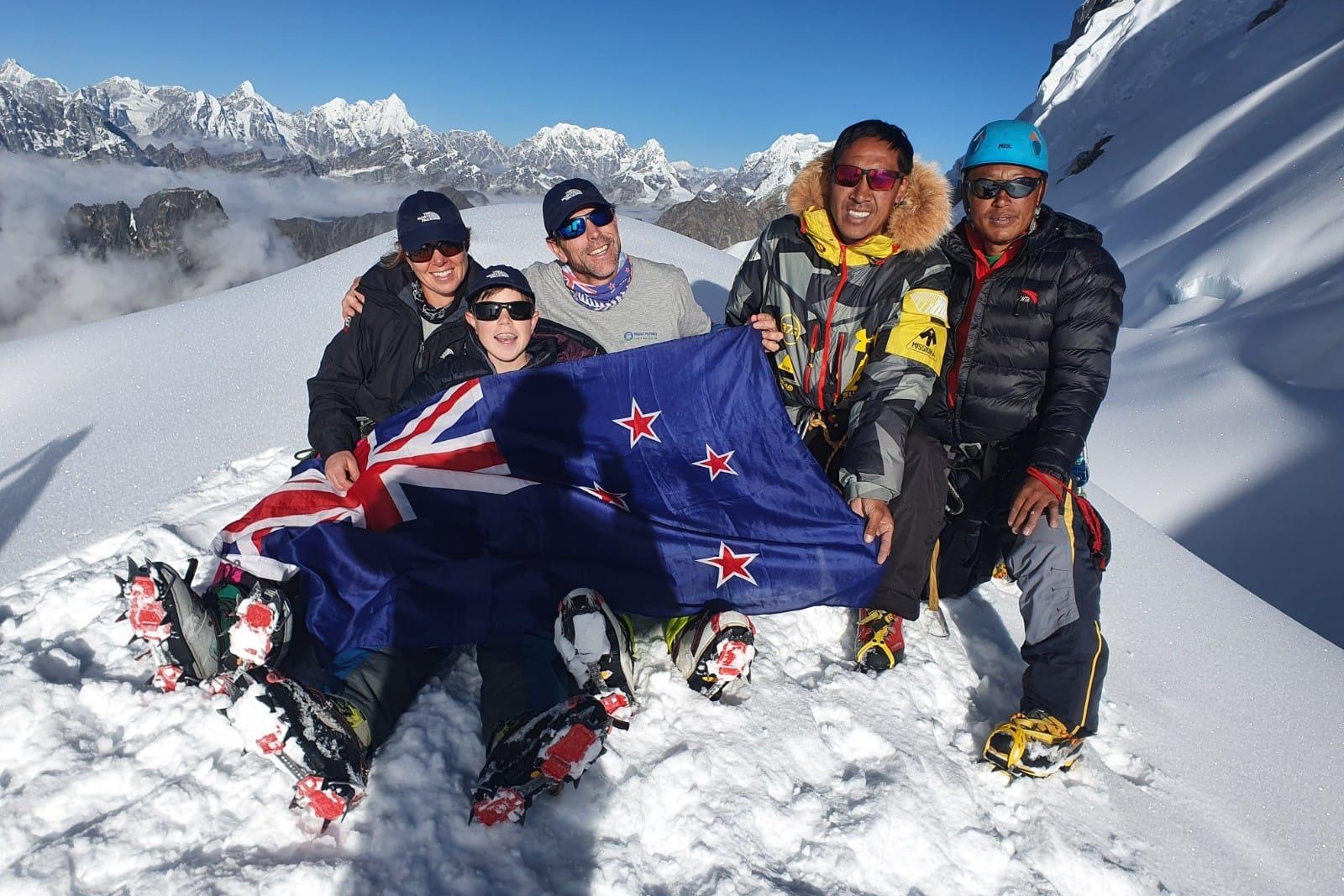
Everest Base Camp Trek with Lobuche Peak – 18 Days
Everest Base Camp trek with Lobuche Peak climb is an adventure that includes the standard Everest Base Camp trek combined with the challenge of ascending Lobuche Peak to 6,119 m. Enjoy stunning...
Mera Peak Climbing – 19 Days
Mera Peak is the highest permitted trekking peak in Nepal standing at 6,476 meters (21,247 feet) and that single...
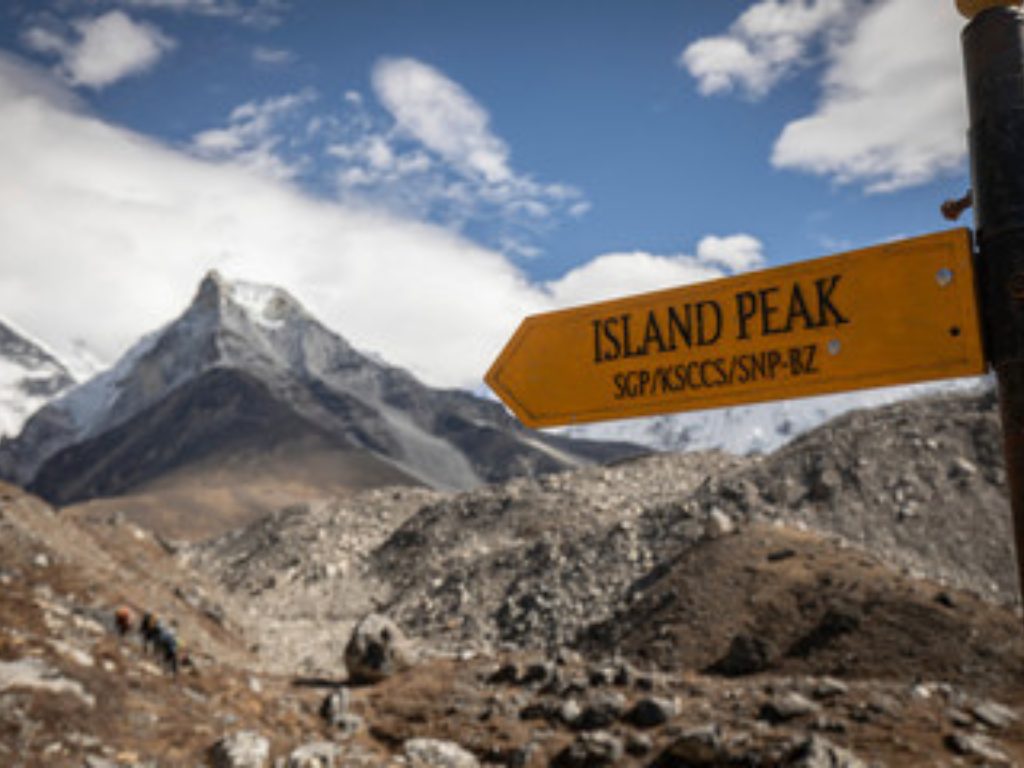
Island Peak Climbing
Island Peak which is also known as Imja Tse stands at 6,189 meters in the heart of Khumbu Himalaya,...