
How to Prepare for the Manaslu Circuit Trek
Posted by: Nepal Holiday Treks and Tours on September 7, 2025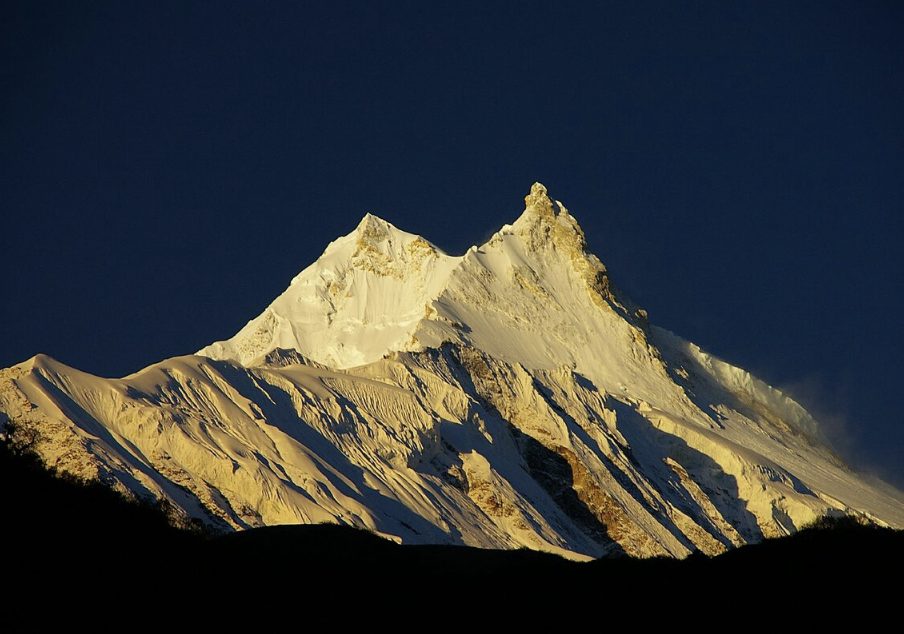
The Manaslu Circuit Trek has gained popularity recently, and there are really good reasons for this. Picture yourself walking amidst villages where prayer flags flutter in the wind. At the same time, suspension bridges sway over noisy rivers, and the snow-clad summit of Mount Manaslu (8,163 m) looms large over everything. Compared to Everest or Annapurna, Manaslu seems more wild, less populated, and untouched.
Now, here’s the thing: due to its remoteness and restricted nature, this trek will require a bit more planning than others. If you’ve been contemplating this one, then you probably already know that it is not one of those backpack-and-go trips. Proper preparation can make all the difference: it is what turns an enjoyable trek into a life-altering one or, in its absence, a test that will wear you down.
This comprehensive guide will help you prepare for the Manaslu Circuit Trek. Whether you’re still dreaming or already collecting boarding passes, these tips will bring some clarity on what is in store.
Understanding the Trek: What Makes the Manaslu Circuit Trek Unique:
The Circuit of Manaslu extends about 177 kilometers and normally takes 13 to 16 days to complete. A usual day can be a 6-8-hour trek or longer when working up altitude in the passes.
The Larkya La Pass, elevation 5106 meters, is the highest point on the trek and offers views of the Himalayas that are simply breathtaking. It may not be all about the mountains.
You will move through Gurung and Tibetan villages, dense pine forests, glacial rivers, and very old monasteries, which lend the trek a sense of nature and culture.
Unlike Annapurna or the Everest, this one is not packed with tea houses at every corner of the way, with some stretches feeling extraordinarily remote—another element of magic, but also that is the reason why a lot of preparations matter.
Picking the Right Season
If you only remember one piece of advice, make it this: go in the right season.
Spring (March to May): The days are warmer, rhododendrons bloom in full color, and the mountains look beautiful against the clear skies. One of the best seasons among all.
Autumn (September to November): Perhaps the most popular season. The weather is stable, the skies are crystal clear, and the views are unbeatable.
Winter (December to February): It’s beautiful, but risky. Heavy snow often blocks the Larkya La Pass, making the trek dangerous.
Monsoon (June to August): The trails get muddy and leech-infested, and landslides are common. It’s the most risky season and not preferred at all.
If it’s your first time, I’d suggest autumn for the best mix of weather, visibility, and trail conditions.
Getting the Permits
Here’s where Manaslu is different from many other treks: you can’t just grab your backpack and start walking.
You’ll need:
Manaslu Restricted Area Permit (MRAP)
Manaslu Conservation Area Permit (MCAP)
Annapurna Conservation Area Permit (ACAP), since part of the route overlaps with the Annapurna.
And importantly:
Solo trekking is not allowed. You need to be part of a group of at least two, plus a licensed guide.
All permits must be arranged through a registered trekking agency.
This rule exists to protect both trekkers and the environment, and honestly, it’s a blessing. You’ll be glad to have a guide when the trails get tricky.
Building the Right Fitness Level
The Manaslu Circuit isn’t just a stroll through the hills. You’ll be climbing, descending, and walking long hours every day. That said, you need to be just reasonably fit and prepared.
Start 8–10 weeks before your trek:
Cardio training: Running, cycling, or swimming 3–4 times per week to build stamina.
Strength training: Focus on legs- squats, lunges, stair climbing. Add core workouts for stability.
Endurance hikes: Do weekend hikes with a loaded backpack (10–12 kg). Build up to walking 10–15 km in one go.
Flexibility: Stretching or yoga helps prevent injuries.
Packing Smart but Light
Packing for Manaslu is a balancing act. You need enough gear to stay warm and safe, but not so much that it weighs you down.
Clothing:
Quick-dry trekking shirts and pants
Thermal base layers
Warm fleece and down jacket
Waterproof jacket and trousers
Gloves, beanie, and buff
Gear:
Sturdy trekking boots (broken in before the trek)
Sleeping bag rated for -10°C or lower
Trekking poles, backpack, headlamp
Water purification tablets or filter
Personal items:
Sunscreen, lip balm, sunglasses
First aid kit with medicines you trust
Snacks for energy boosts (nuts, chocolates, bars)
Camera and spare batteries
Preparing for Altitude
Altitude is one of the biggest challenges of the Manaslu Circuit. Symptoms like headaches, nausea, and dizziness can appear above 3,000 meters. The key is to ascend gradually and give your body time to adjust.
Tips to stay safe:
Take rest/acclimatization days in Samagaon and Samdo.
Drink at least 3–4 liters of water daily.
Avoid alcohol and heavy meals at high altitude.
- Walk slowly and gently.
Know the signs of Acute Mountain Sickness (AMS) and don’t ignore them.
Some trekkers carry Diamox as a precaution, but always consult your doctor first. And most importantly, listen to your guide—they know when it’s time to rest or descend.
Food and Accommodation
Manaslu is a teahouse trek, which means you’ll find simple lodges in most villages. Don’t expect luxury—rooms are basic, often with shared bathrooms, and heating is minimal. Bring a warm sleeping bag.
Food is simple but filling. The staple is Dal Bhat: rice, lentils, and vegetables, which fuels trekkers better than anything else. You’ll also find noodles, soups, Tibetan bread, and sometimes momos (dumplings). Carrying your own snacks is a good idea for extra energy.
Cultural Etiquette
One of the highlights of the trek is meeting the local Gurung and Tibetan communities. Show respect, and you’ll be welcomed warmly.
Always greet people with a smile or a “Namaste.”
Dress modestly, especially around monasteries.
Walk clockwise around stupas and prayer wheels.
Ask permission before taking photos.
These little acts of respect make the trek far more meaningful.
Safety and Insurance
Never underestimate the importance of travel insurance. Make sure it covers:
High-altitude trekking (above 5000 m)
Helicopter evacuation
Medical emergencies and trip delays
Helicopter rescues are expensive, and in Manaslu’s remoteness, sometimes they’re the only option. Carry a copy of your insurance and emergency contacts at all times.
Optional Side Trips
If you have extra time, consider:
Tsum Valley: Adds 5–7 days, rich in Tibetan culture and ancient monasteries.
Manaslu Base Camp: A day hike from Samagaon with stunning glacier views.
Birendra Lake: A short hike near Samagaon to a peaceful glacial lake.
These side trips add depth and variety to the trek.
Final Thoughts on Manaslu Circuit Trek
The Manaslu Circuit Trek isn’t just about walking from one village to another; it’s about experiencing a slice of Nepal that still feels wild and authentic. Yes, it’s challenging. Yes, it takes preparation. But the reward is immense: landscapes that will stay in your memory forever and cultural encounters that go far beyond the ordinary.
Prepare well-train your body, pack wisely, get your permits sorted, and respect the local culture. Do that, and the Manaslu Circuit will give you one of the richest trekking experiences of your life.
Related Blogs
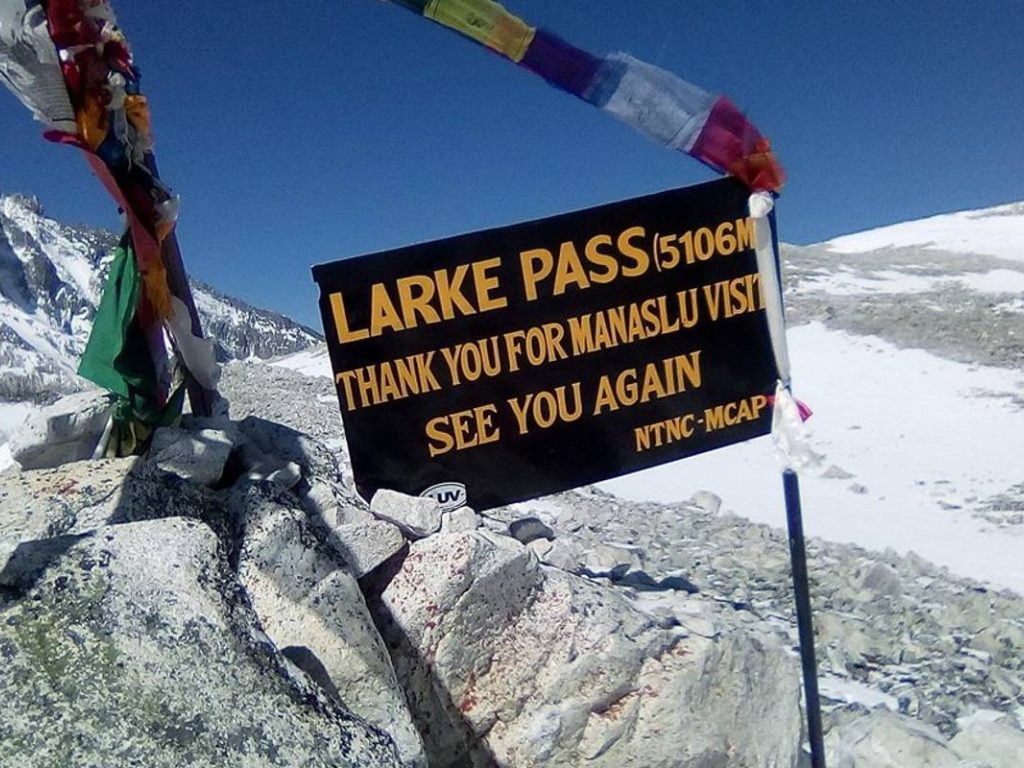
Manaslu Trek via Larke Pass Trek FAQs
Introduction The Manaslu Trek via Larke Pass is a remote Himalayan adventure around Mount Manaslu, the world’s eighth-highest mountain. The route passes through traditional villages, Buddhist monasteries, dramatic valleys, and high mountain landscapes before crossing the challenging Larke Pass. These FAQs cover the route, permits, difficulty, altitude, best time, accommodation, cost, preparation, and other practical […]
Langtang Valley Trek – Frequently Asked Questions
Introduction Planning a Langtang Valley Trek often comes with questions about the route, difficulty, altitude, permits, best season, accommodation, food, transportation, and preparation. This FAQ guide answers the most common questions trekkers ask before visiting the Langtang region. The Langtang Valley Trek takes you from the lower hills toward Kyanjin Gompa through forests, Tamang villages, […]

Namche Bazaar: The Heartbeat of the Everest Region
Ask any trekker who has walked to Everest Base Camp and most of them will tell you the same thing. It’s just not a random village in the Khumbu region. Namche Bazaar is the town that stays in your heart forever. It is the heart of Khumbu, where you can get luxury services with backdrop […]