

Rapid Everest Base Camp Trek Overview
Rapid Everest Base Camp trek is most adventurous, thrilling and suitable trip for the trekkers, who have eager desire to take part in adventurous activities and have limited time but looking to experience Everest both from the land and the air. It can accomplish your long-awaited dreams of exploring the Everest Base Camp and its surrounding area. The Rapid Everest Base Camp Trek brings hikers walk through the beautiful valleys of Khumbu, and the village of the Sherpa people and observe Tibetan culture and Buddhism. Furthermore, astonishing views of the mountains, diversity of nature and natural resources, and cultural context enhance lure to this Everest trek.
Moreover, religious objects like Mani stones, chortens, and prayers flags are used to decorate our trek route, which makes the trails attractive and beautiful. Along the way, you will visit the world’s oldest Tengboche Monastery. It is believed that, taking part in the ritual ceremony make you pure and get rid of all the evildoer activities.
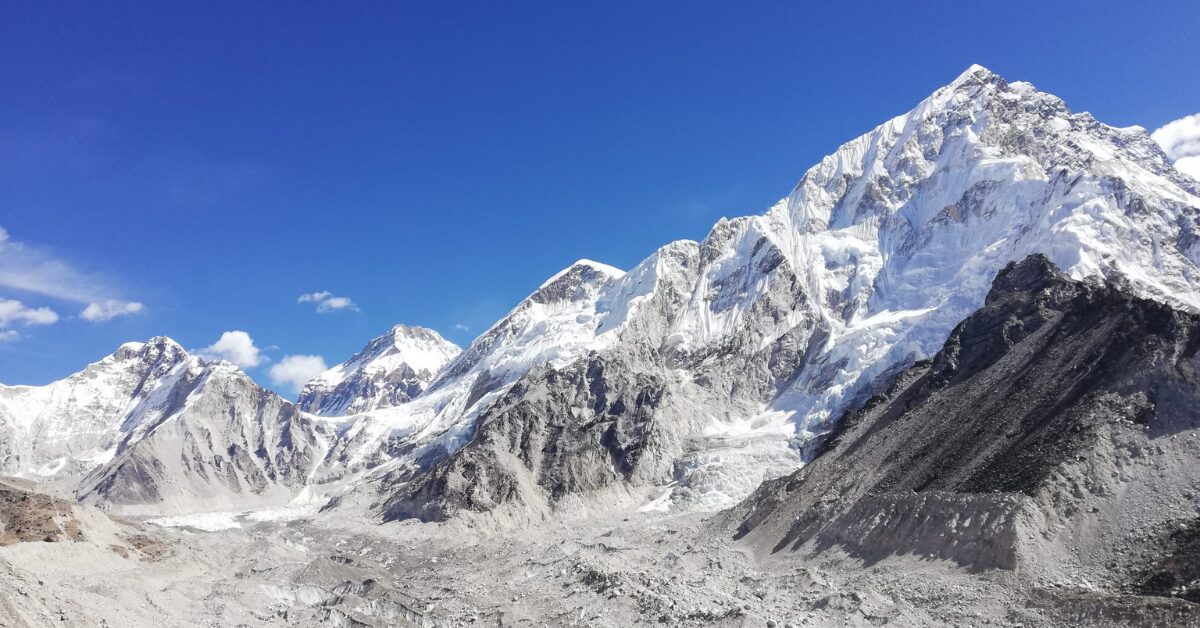
Overall, Rapid Everest Base Camp trek offers stunning views of the Dudhkoshi river valleys and foot of Khumbu Himalayas including Lhotse, Mt. Everest, Makalu and other numerous Himalayas vistas. Similarly, you will experience unique culture of the Sherpa people.
Best season for Rapid EBC Trek
Simply, all the seasons are the best for doing this trek, but especially, the months ranging from March to May and September to November are considered as best time because the morning stays clear with bright sunshine till afternoon and wildflowers bloom in plenty making refreshing and pleasant environment for trekking.
However, the months of October to early December are the second best time for trekking. There is more possibility of snowfall in some high areas euin route to EBC. The temperature drop down to minus degree Celsius in the morning and night. Despite this, the temperatures during the daytime skies are still clean as the mountain views are clearer and are a good time for trekking on Everest.
Difficulty and Challenges on the Rapid Everest Base Camp Trek
The Rapid Everest Base Camp Trek is somewhat more strenuous than the normal trek as it involves a condensed itinerary, leading to longer walking days and less time for altitude acclimatization. From the flight to Lukla to the trail toward Everest Base Camp, trekkers undertake hourly uphill walks on rocky slopes and downhill walks on tired legs for 6 to 8 hours a day. The early days from Lukla to Namche Bazaar can be frustrating because of the steep ascents, but the higher stretches Dingboche, lobubche, and Gorak Shep will get more difficult as the air becomes thinner and you become colder. As the altitude increases, trekkers can become breathless, tired, have headaches or even stop eating, making the itinerary more strenuous. The hike to Kala Patthar and Everest Base Camp are generally the most strenuous parts, where every step is at a very high elevation combined with a very long walking distance. Although it is s easier to breathe going downhill, long downhill hikes are very tough on your knees and legs. Due to the pace and altitude, this trek demands good fitness, high stamina and adequate preparation to be completed safely and comfortably.
Rapid Everest Base Camp Trek Highlights
- The world’s highest mountain Mt. Everest (8848 m)
- Everest base camp within 2 weeks
- Spectacular scenic flight
- Amazing landscapes of high snow mountains and green hills
- Eye catching views of Everest sunrise/sunset from Kala pathar
- Explore oldest Tengboche Monastery
- Experience Tibetan culture and Buddhism
- Dense forests and wide species of flowers
- Khumbu icefall and Khumbu glaciers
Rapid Everest Base Camp Trek Itinerary
Expand allDay 01: Fly to Lukla and trek to Phakding (8.5km) (3 to 4 hrs,)
You’ll take an early flight from domestic terminal of International Airport, Kathmandu to Lukla. On the way, you will view the breathtaking mountains. After landing on Lukla, you will be taking rest, and head towards Phakding by following Dudh Koshi river crossing the suspension bridge, and see mani stone, prayer flag etc in the way.
On the first day of the trek, you will start viewing the beautiful mountains like Karyolung, Nupla and Gongla. You’ll take rest several stops for a short tea break or lunch break. You will be spending a night on Phakding.
Day 02: Phakding to Namche Bazaar (10 kilometers (6.2 miles) (6 to 8 hrs)
On the 2nd day, after having your breakfast, you will head towards Namche Bazaar. The trial involves high climbing and steep steps through the wildest forests, crossing river through swaying bridges.
After a long day hike, you will reach Namche Bazaar, where you will view the golden mountains at the sunset period. You will spend a night at Namche Bazaar.
Day 03: Namche to Tengboche (10 kilometers (6.2 miles) (5 to 6 hrs)
On the third day of the trek, we will begin our journey with early breakfast and head through narrow trails along with outstanding views of Mount Amadablam, Mount Tabuchi, Mount Thamserku etc.
After a few hours of walks, the trail will take you to the hilltop village of Tengboche.
Day 04: Trek to Dingboche (10 kilometers (6.2 miles) (5 to 6 hrs)
On the fourth day, the trek begins with the gradual steep climbs through the rhododendron forests. After climbing countless mani stones, you will reach Pangboche.
Again, the trail ascended to Dingboche and you’ll spend our night here. On the way to Dingboche, you will see a lot of yaks grazing over the pasture slopes of the cliffs. The amazing view of Mountain Lhotse, Amadablam, and Taboche will be just beyond your expectations.
Day 05: Tek to Lobuche (8 kilometers (5 miles)) (4 to 5 hrs)
On the fifth day of the trek, the trail will lead via little upwards climb and after crossing the suspension bridge to Thukla, a steep hike will take you to the Lobuche pass. You will see various colourful flags, Khagan Chorten, and a cemetery ground with hundreds of cairn memorials of died person on the mountain.
Besides Lobuche, will offers some breathtaking views of mountains also. Night stay will be at Lobuche.
Day 06: Trek to Gorak Shep and Everest Base Camp (4 kilometers (2.5 miles)) (2 to 3 hrs)
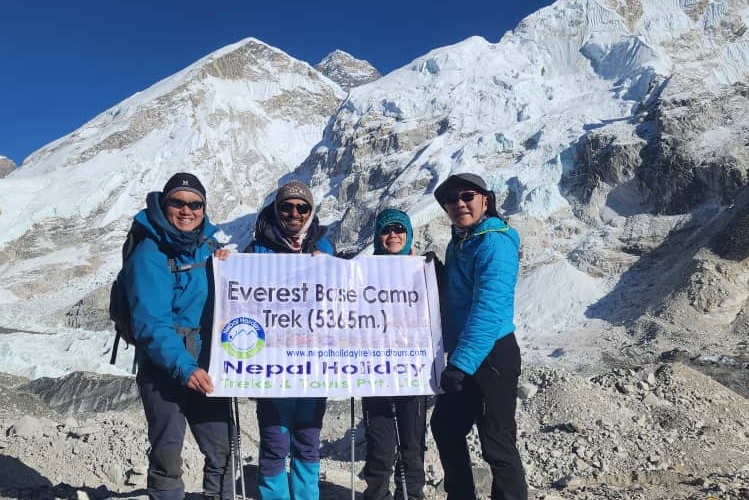
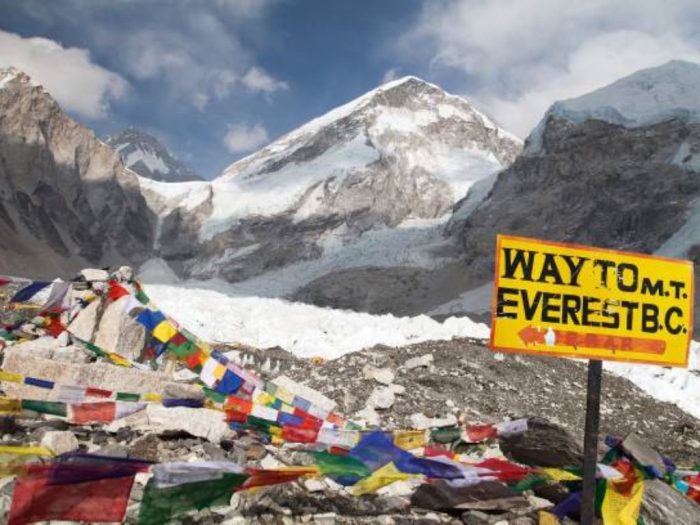
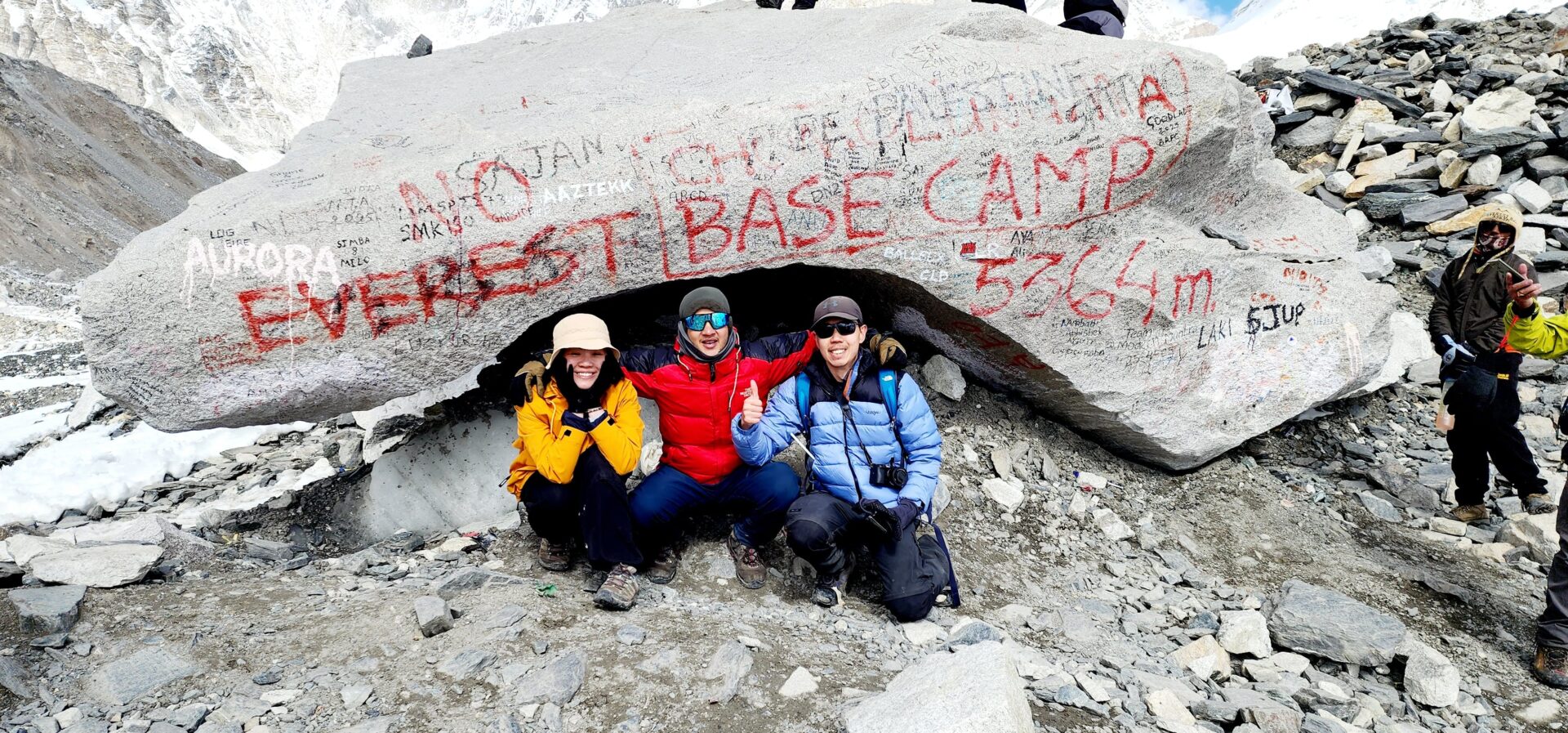
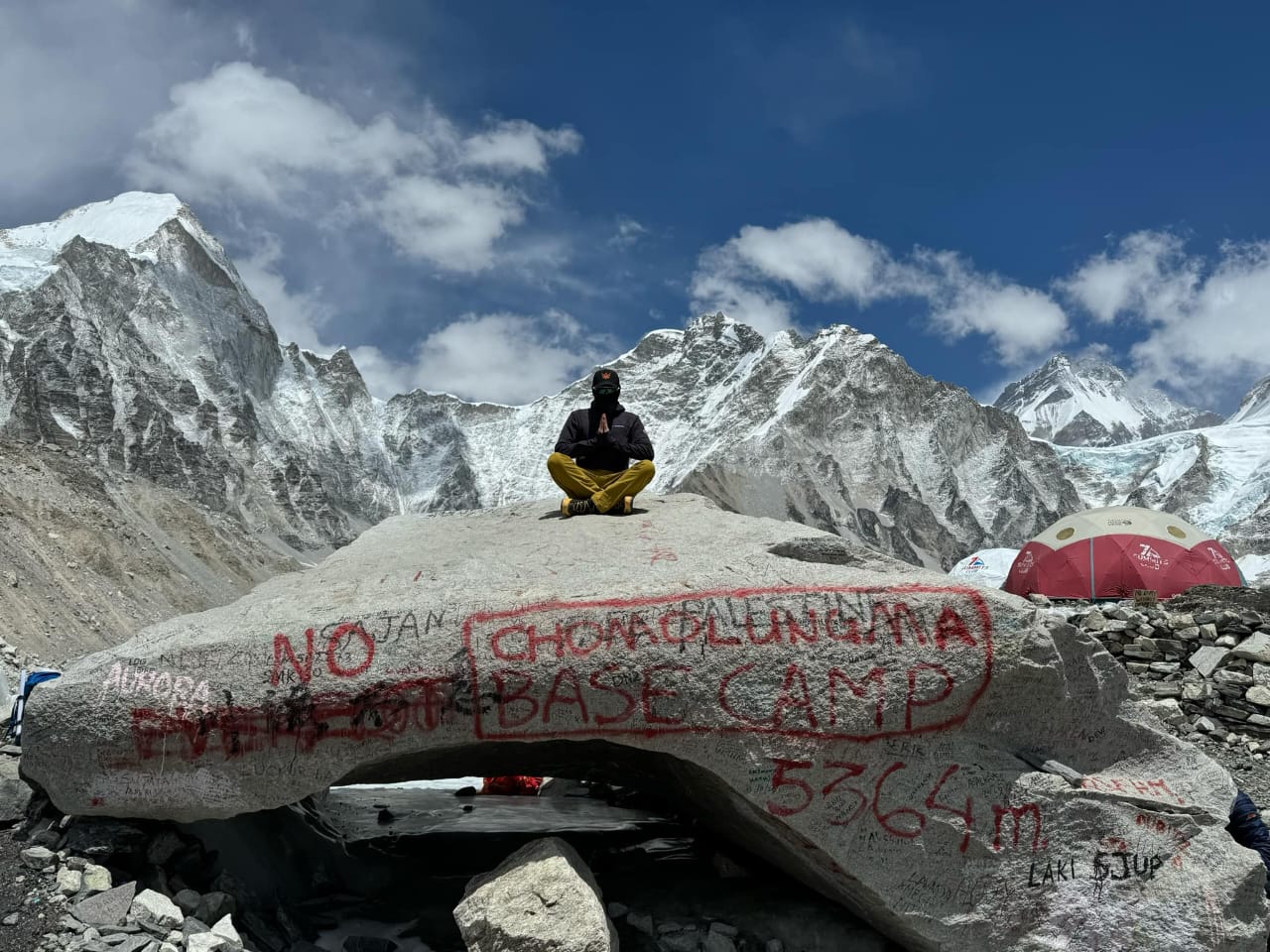
On the sixth day, you’ll finally reach in the base camp which will make you proud and excited to be so close to the top of the world. The trails will be smoothly up and down. After having breakfast, first, you’ll head towards Gorak Shep through the wide trails and with the view of the Khumbu glacier and mountains.
After you reached Gorakshep, you will take some rest and after then head towards Everest Base Camp. From there you can view Mount Everest, Mt. Nuptse, Mt Pumori, Mt. Khumbutse, and Mt. Lingtren.
After enjoying some beautiful moments at Everest Base Camp you will again back to Gorakshep for the overnight.
Day 07: Trek to Kala Pattar and Back to Pheriche (13 kilometers (8 miles) ) (7 to 9 hours)
On the seventh day, early in the morning, you will hike to Kala Patthar. After reaching there your breath is truly taken away, with the panoramic Mountain View along with Khumbu Glacier. When you’re done viewing the mountains, you will trek back to Gorak Shep and then descend to Pheriche. You will spend a night at Pheriche.
Day 08: Trek to Namche Bazaar (14 kilometers (8.7 miles)) (6 to 7 hrs)
On the eighth day, you will trek back to Namche Bazaar. You will stop at a different place for a short tea break and lunch break. The trail continues via passing different Man stone, and stupas. Then you’ll reach Namche Bazaar and rest of the night.
Day 09: Trek back to Lukla (11 kilometers (6.8 miles)) (6 to 7 hrs)
On the ninth day of your trek, you’ll trek back down to the Lukla Airport, where you catch your flight to Kathmandu. The trail continues along the Dudh Koshi river with the flashback memorizing of past 10 days trek. Overnight stay at Lukla.
Day 10: Fly to Kathmandu from Lukla and transfer to your Hotel
On the last day of the trek, you will take a beautiful flight to come back to Kathmandu. After reaching to Kathmandu you will be transferred to your respective hotel.
If the above Rapid Everest Base Camp Trek itinerary does not meet your needs, we can design individualized travel plans based on your preferences and specifications.
Plan My TripRapid Everest Base Camp Trek Cost Includes
- 3 times meals a day: Breakfast, Lunch and Dinner during the trekking.
- Flight ticket to Lukla from Kathmandu or Ramechhap including airport transfer to domestic airport. Round trip.
- accommodation in tea house during the trek (Twin Sharing Base)
- An experienced, helpful, knowledgeable, friendly, English speaking, well trained, government license holder Trekking Guide with all his salary, food, Drinks, accommodation, equipment, transport, insurance, etc.
- Fresh fruits after dinner every night as dessert during the trek.
- You will be under observation with a pulse oximeter to have your oxygen levels and heart rate measured twice a day during the trek. This is to catch the signs of Altitude Mountain Sickness (AMS) early, thus making trekking safer.
- Trekking permits: All necessary trek entry permits are include.
- Normal First aid kit box.
- Arrangement of Emergency helicopter service (paid by your travel insurance company).
- All taxes and company service charges.
- Nepal Holiday Treks: T-shirt & Trekking map.
Rapid Everest Base Camp Trek Cost Excludes
- International airfare and visa fees.
- Lunch and dinner in Kathmandu.
- any airport pickup & drop service .
- any accommodation in Kathmandu.
- Personal expenses of bar and beverage bills, Wi-Fi, hot shower, bottle of water, extra porters, laundry, or any other things that are not mentioned by the company.
- Your trekking gear and extra nights in a certain destination.
- Your travel insurance, which should include the emergency rescue.
- Tips for your guide and porters, which is compulsory.
- Extra expenses due to any event such as strikes, weather conditions, or flight delays.
Rapid Everest Base Camp Trek Additional Info
Meals at Rapid EBC Trek
The lodge/ teahouses provide various kinds of foods. It consists of soups, steaks, sandwiches, momo, macaroni dishes, pizza, etc. It is better to include light foods during lunchtime as it makes you feel lighter and easy while you walk. You can also eat Nepalese Dal Bhat, pickle and fresh organic vegetables curry. But for high altitude, we always recommended garlic soup which is a natural means of preventing altitude sickness along with the Nepalese staple diet of Dal Bhat.
The teahouses provide cozy rooms during the Rapid Everest Base Camp trek . As you ascend higher, the rooms are available in twin- sharing basis. The room is comfortable and clean. The shower and rest room will be shared. In a room, you will find two beds with mattresses, a pillow and warm blankets.
Fitness/ Experience at the Rapid Everest Base Camp Trek
Physical fitness level, health, and medical required for the Rapid Everest Base Camp trek . The EBC is not a strenuous trekking trail. You will be regularly hiking for around 3 to 4 hours on average, depending on the destination. So, this trek is not recommended for trekkers who are suffering from chronic ailments or have heart or lung diseases. It is better to avoid this trip.
However, all the trekkers having an average level of fitness can easily complete this trek. If you have any kind of previous trekking experience or regular exercise it will be an added advantage but not compulsory.
Is Rapid Everest Base Camp Trek Suitable for Beginners ?
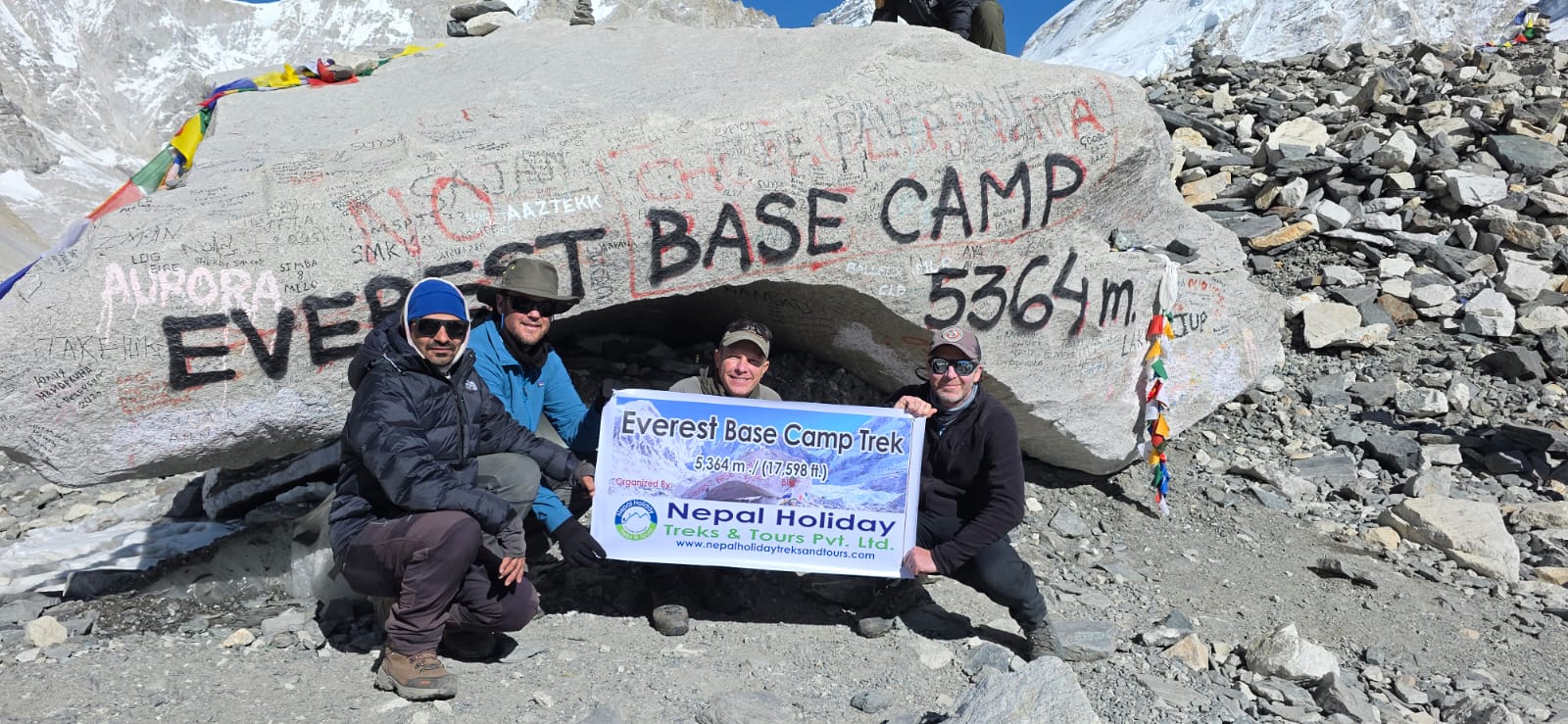
Rapid Everest Base Camp Trek usually is not for beginner trekkers, as it is a pacey walk-up to high altitude, in a matter of few days. The trek ends at popular Everest Base Camp (5,364m), and the blistering pace allows less time for acclimatization, making it more demanding than the classic EBC trek.
Trekkers should have good physical fitness, previous trekking experience and be can walk for long hours for consecutive days. The trail has steep ascents and descents, uneven surfaces, and cold weather and the danger of altitude sickness is increased following a quick schedule.
Very fit, experienced beginner trekkers can still do the trek with suitable training and support but the regular full day EBC trek is usually a better and safer option for first time trekkers.
Wi-Fi, Charging and ATMs on the Rapid Everest Base Camp Trek
During the Rapid Everest Base Camp Trek, Wi-Fi, Charging and ATMs facilities are available but they become more limited when you ascend to the higher altitude. Since, this is a remote area so you should always be prepared about this things.
- Wi-Fi : Most villages like Lukla, Namche Bazaar, and Dingboche have Wi-Fi access points in teahouses (with a fee). However, at higher elevations, the connection may be slow or non-existent due to weather and network conditions.
- Charging: You can charge your phone, camera and power bank in most lodges, but you will have to pay a small fee. Everest region electricity is usually solar powered, therefore charges for charging may be higher in higher villages such as Lobuche and Gorak Shep. It is recommended to have a power bank.
- ATMs : You can find ATMs in Kathmandu as well as Namche Bazaar, but they are sometimes down due to network issues. There are no trustworthy ATM services after Namche, so trekkers should have sufficient Nepali cash before commencing the trek.
Travel Insurance for a Safe Rapid Everest Base Camp Trek
Any trek in Nepal, including the Rapid Everest Base Camp trek , demands travel insurance. The trek includes high-altitude trekking, which may be physically challenging and dangerous. When buying travel insurance for the Rapid Everest Base Camp trek , ensure that it covers high-altitude trekking and emergency helicopter evacuation, as these can be expensive without insurance. Furthermore, obtain additional coverage of activities like hiking, mountaineering, and adventure sports.
Altitude sickness
Altitude sickness is common in mountains above the altitude of 3000 m. Headache, nausea, tiredness, shortness in breathe, difficulty sleeping, loss of appetite, rapid pulse and extreme dehydration etc. are the symptoms that occur when your body tries to adjust to the lower air pressure and lower oxygen levels at high altitudes. If any of these symptoms are seen in you while trekking in Everest region you should immediately get the medical help before it is too late.
Here are the tips which has been tried our experienced trekking guides to prevent altitude sickness in EBC trek.
- Stop and rest where you are
- Make sure you’re drinking enough water
- Do not smoke, drink alcohol or exercise
- Eating foods and drinking fluids that contain carbs
Guide and Porter for the safety on Rapid Everest Base Camp Trek
All the trekkers are required to obtain services of a licensed trekking guide and to obtain TIMS card through authorized trekking agencies registered with the government of Nepal. Porter will carry up to 10 kg or 15 kg per client. If you wish, you may keep your clothing and items in a storage on room where you are staying at the Kathmandu hotel.
However, our guides are highly experienced, helpful, qualified, friendly, English-speaking, and well-trained. More importantly, they are licensed trekking guide with guide insurance and technically competent. They always carry essential safety equipment, gear, and first aid kid.
Preventing Altitude Sickness (AMS):
- Rest Well: Ensure that you rest well before starting your trek.
- Stay Hydrated: Continue drinking plenty of water during the journey.
- Balanced Nutrition: Maintain the balance of salt and sugar through proper eating habits and not skipping meals.
- Keep Warm: Layer up to remain warm without profuse sweating.
- Controlled Breathing: Breathe deeply and steadily from your diaphragm to maximize lung capacity. Maintain a comfortable walking speed that will allow for controlled breathing. Nasal breathing avoids drying your throat—wearing a muff or scarf in high altitudes might be of use.
- Pace Yourself: It’s not a competition. Pace yourself with a maintainable and Server consistent pace instead of exhausting yourself too early and taking many rest stops. Stop and admire the stunning views.
Optional Activities to Include in Your Stay in Kathmandu Prior to or Post Your Everest Trek
Trekking Planner Nepal provides a number of interesting activities to enrich your stay in Kathmandu. These activities offer an understanding of the culture of Nepal and Himalayan way of life. Some of the activities are:
- Kathmandu City Tours – Visit the capital’s renowned temples, historical sites, and cultural symbols.
- One Day Hike – A great method to acclimatize for your trek and enjoy the surrounding natural beauty of the city.
- Jungle Safaris – Encounter Nepal’s flora and fauna by visiting national parks like Chitwan.
- Ethnic Cooking Classes – Get to learn hands-on how to prepare Nepali traditional food.
- Yoga Sessions – Unwind and refresh prior to or after your trek.
- Orphanage and Local Community School Visits – Volunteer back to the local communities by visiting and serving for their welfare.
Personal Services for Your Everest Trek
In case you would like a more personalized experience, we also have personalized services available to suit your needs, which include:
- Personalized Itineraries – Personalize your 14-day Everest Base Camp Trek according to your preferences.
- Guide and Porter-Only Service – For people who want to organize the accommodations and meals on their own.
- Accommodation-Only Services – Book your Everest Base Camp Short Trek accommodation as needed.
- Transport Services – Car service from Kathmandu to Ramechhap for your convenience.
- Hotel Options – Accommodate at 4-star or 5-star hotels, or budget hostel services according to your desire.
- Comfortable Accommodation – Sleep in lodges with amenities like electric blankets and en-suite bathrooms..
Upcoming Departures
Rapid Everest Base Camp Trek Gallery
Rapid Everest Base Camp Trek Equipment Lists
Pack light, but make sure you bring the essential clothing and equipment needed for changing weather and high-altitude conditions. The following checklist covers the recommended gear for a comfortable and safe trek.
Note: If the sleeping bag, down jacket is lost or damaged, a compensation fee of USD 150 per item will be charged.
Sleeping Gear & Bags
- Four-season (0°C) sleeping bag and puffy down jacket (recommended)
- Daypack (35–45 liters recommended) with rain cover
- Sleeping bag liner
Head & Upper Body
- Sun hat or cap
- UV-protection sunglasses
- Warm knitted hat or beanie
- Headlamp with spare batteries
- Scarf, neck gaiter, or Buff
Torso
- Technical-fabric base layers suitable for the season
- Quick-drying T-shirts or shirts: 2 short-sleeve and 2 long-sleeve
- Fleece jacket or pullover
- Waterproof and windproof outer-shell jacket
Lower Body
- Technical-fabric thermal base layer
- Comfortable pants for wearing inside teahouses
- Waterproof and windproof shell pants
- Hiking pants: 2 pairs
- Hiking shorts
Hands
- Wool or technical-fabric liner gloves
- Insulated hard-shell outer gloves for colder conditions
Feet
- Warm wool or technical-fabric socks
- Liner socks, such as silk, if preferred
- Waterproof trekking or hiking boots
- Hiking socks
- Gaiters for dust, rain, or snow
- Microspikes or ice cleats, especially from November to March
- Comfortable casual shoes
Undergarments & Sleepwear
The quantity of clothing can be adjusted according to your personal preferences and laundry opportunities during the trek.
- Quick-drying technical-fabric underwear
- Sports bras for women
- Pajamas or comfortable sleeping clothes
First Aid & Personal Medications
Our guides carry a basic first-aid kit and essential medications, but bringing your own personal medical supplies is strongly recommended.
- Sunscreen
- Personal ointment or basic skincare products
- Lip balm
- Suitable medication for a dry mountain cough
- Mosquito repellent for Kathmandu and lower-altitude areas
- Personal prescription medications
Other Essentials
- Passport
- Extra passport-sized photographs
- Reusable water bottle
- Toiletry kit
- Toilet paper (2 rolls)
- Water purification tablets or a UV water purifier
- Hydration bladder
- High-protein snacks, such as protein bars or nuts
- Quick-drying towel
- Trekking poles
- Earplugs
- Pillowcase
- Waterproof or dry bags for important documents, electronics, and money
- Airline tickets and copies of travel documents
Optional Items
You can purchase or rent additional trekking gear in Nepal if needed. Thamel, Kathmandu’s main tourist hub, has a wide selection of trekking equipment at reasonable prices, and your guide can assist you with purchasing any last-minute supplies.
- Power bank or spare batteries
- Camera and mobile phone
- Thermos flask for hot water
- Books or playing cards
- Comb
- Binoculars
- Pee bottle or pee funnel for women
- Whistle
- Thermos flask for hot water
Tip: Avoid overpacking. Choose lightweight, quick-drying, and versatile clothing that can be layered according to the temperature and altitude.
Similar Tours
Everest Three High Pass Trek with Lobuche Peak
Overview If you want to experience the best Everest adventure in Nepal, this is it. The Everest Three High Pass...
Everest Base Camp Luxury Trek
The Everest Base Camp Luxury Trek is a magnificent Himalayan experience without giving up on luxury. A well-planned journey...
Short Manaslu Tsum Valley Trek
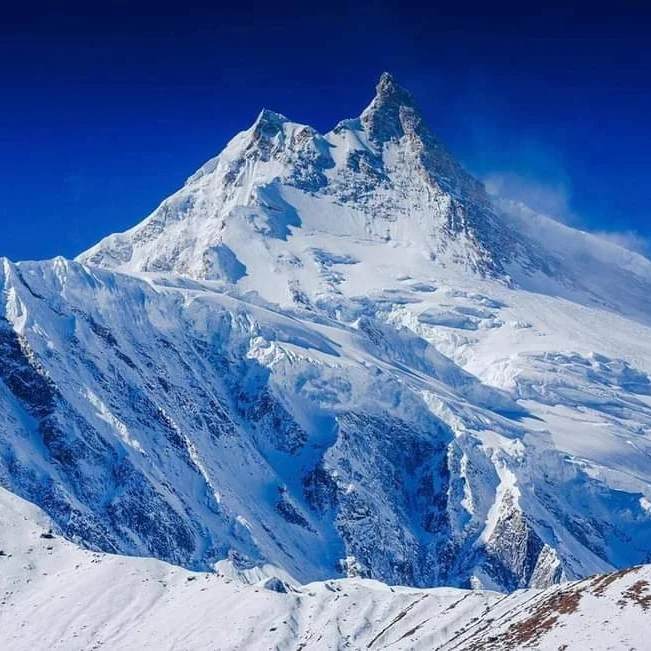
An 17 days trek, the Short Manaslu and Tsum Valley Trek engages trekkers to an adventure close to Mt....
Gokyo Valley Trek Via Renjo-La Pass
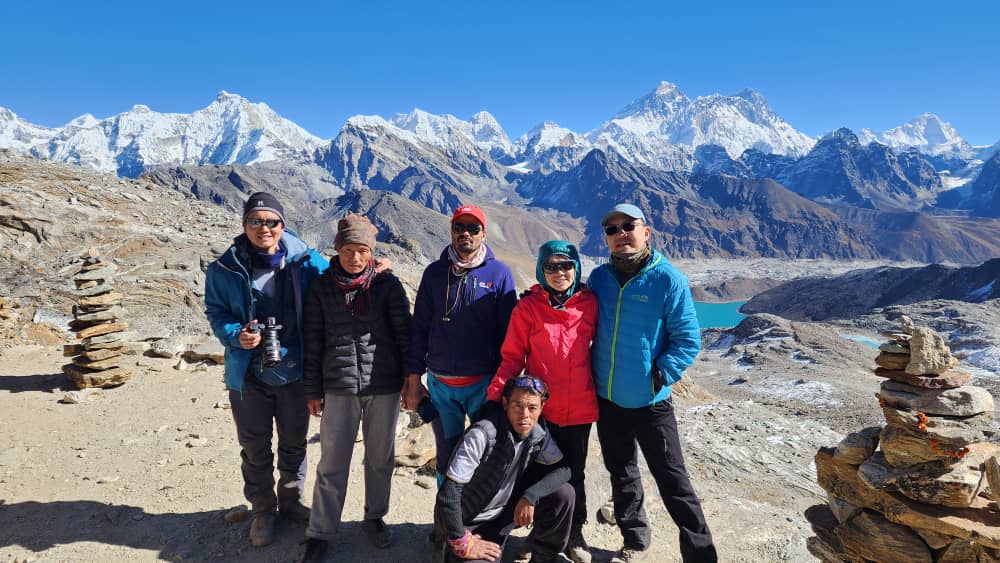
Your getaway from the typical trekking route to Everest Base Camp is the Gokyo Valley Trekking. This trekking adventure...
Jomsom Muktinath Trek
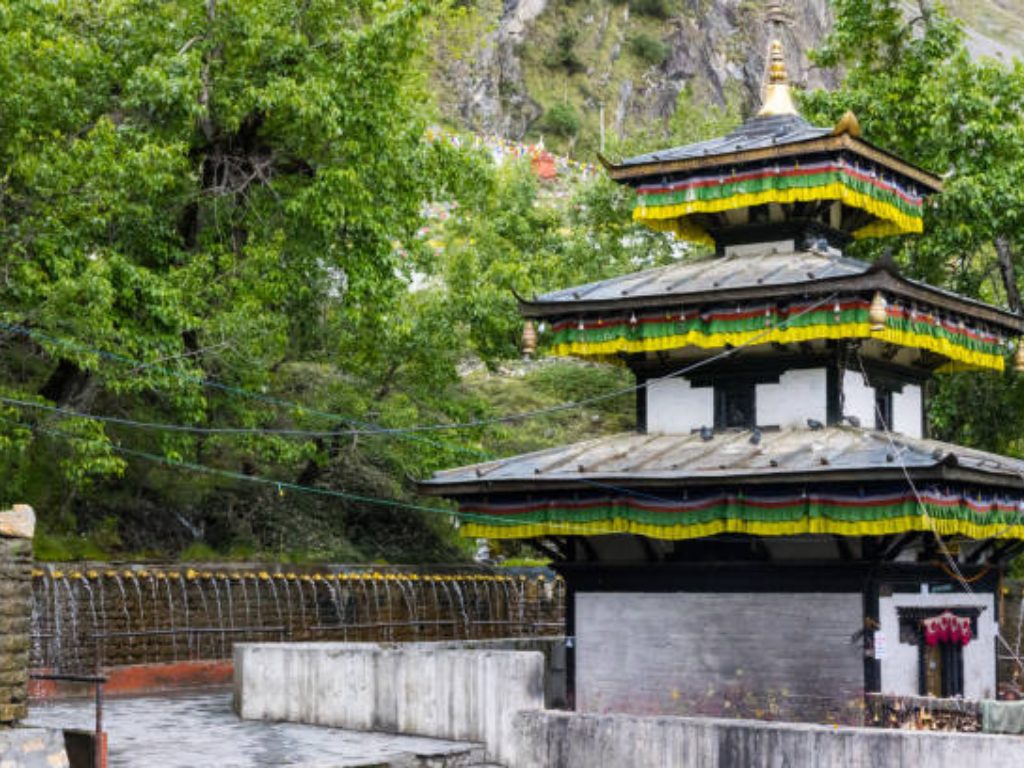
Nepal is a stunning country in the Himalayas with magnificent mountains. These mountains’ foothills make for ideal walking terrain....