


Lower Manaslu Trek Overview
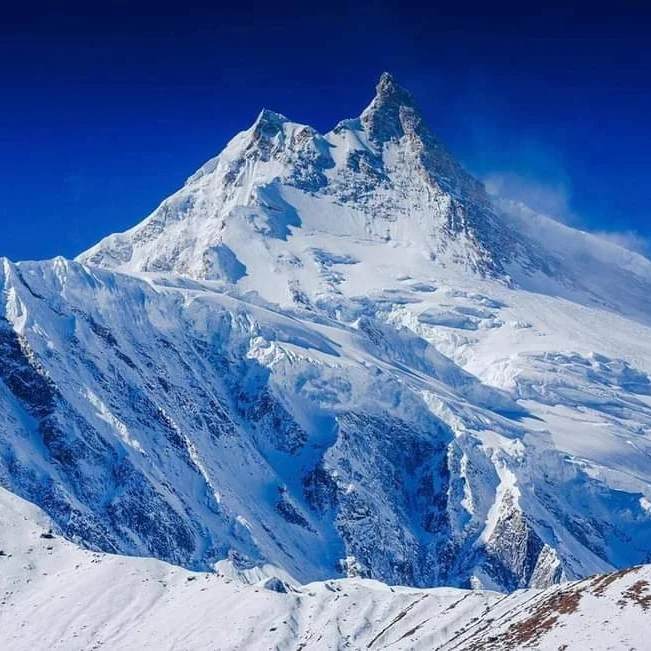
The Lower Manaslu trek offers a tranquil yet breathtaking alternative to the more popular trekking routes of Nepal. Nestled in the Gorkha district, this trek lies at the foothills of the majestic Mount Manaslu (8163 m), the eighth highest mountain in the world. Unlike the busy trails of the Annapurna and Everest regions, Lower Manaslu remains less crowded, thus very appropriate for those trekkers in search of tranquility and an intimate experience with nature. The panorama of towering peaks, including Manaslu, Himalchuli, and Ganesh Himal, often greets the trekkers along the way and makes it very appealing.
It goes through different kinds of landscapes, from the dense forests of rhododendron, oak, and pine to the rich, terraced fields with their villages depicting traditional culture. It also winds its way through a most remote area so as to catch a glimpse of the rural lifestyle that the locals, including Gurung, Magar, and Tamang people, pursue. These ethnic groups are originally from the local area and are renowned for their hospitality and rich cultural heritage. Village trekking displays the real picture of the people of these mountain communities.
The Lower Manaslu Trek is a non-technical trekking route that can easily be undertaken by individuals who maintain a reasonable level of fitness. It contains uphill and downhill parts, meaning most trekkers who enjoy good health and are also accustomed to rough trails can do the trek. This trek does not require any technical skill of climbing but requires physical fitness due to the varied elevation gain and challenging terrain. As such, it is ideal for those seeking a relatively less strenuous trek without compromising on beauty and the cultural experience.
Those with less time or a preference for avoiding overcrowded trails will find the Lower Manaslu trek an excellent option. This is an opportunity to see the startling beauty of Manaslu, vibrant ethnic cultures, and sublimity of the Himalayas. This natural and cultural diversification makes it perfect for any person seeking an enriching adventure in one of the most picturesque and historically rich parts of Nepal.
1) Permits for Lower Manaslu Trek
1) Manaslu Conservation Area Permit (MCAP)
2) Annapurna Conservation Area Permit (ACAP)
Manaslu Restricted Area Permit (MRAP) is required for trekking within the Manaslu area as it is a restricted area. Its cost differs according to season and trek duration:
September to November: USD 100 per person for up to 7 days, then USD 15 per day per person.
December to August: USD 75 per person for the first 7 days, and USD 10 per day per person thereafter.
Important Points:
At least two trekkers are needed to apply for this permit. Solo trekking is not allowed.
You need to trek with a licensed guide and obtain the permit from a registered trekking agency.
You also need an Annapurna Conservation Area Permit (ACAP) and a Manaslu Conservation Area Permit (MCAP) for this trek.
Best time for trekking
Spring and Autumn seasons are the ideal time for the Lower Manaslu trek. These months offer incredible visibility of the mountains, stable weather, and clear skies. It’s a great time to witness the vibrant colors of nature and enjoy the panoramic views of the mountains.
Guide and Porters for the safety on Lower Manaslu trek
It is highly recommended to hire a licensed guide for the Lower Manaslu trek. Therefore, you can join us for a highly experienced, helpful, friendly, English-speaking, licensed guide with guide insurance. They provide valuable assistance, carry your belongings, share local knowledge, and allow you to fully enjoy the trek.
Altitude sickness during the Lower Manaslu trek
While ascending quickly you may feel symptoms like nausea, headache, difficulty in breathing, increased heart rate, and uneasiness. And, if the symptoms persist for a longer duration, then know that your body could not resist the altitude variation. So, if you feel these symptoms, please let your guide and your group know. Your guide will provide you with immediate first aid. To minimize the risk of altitude sickness, here are some guidelines:
- Stop and rest where you are
- Do not go any higher for at least 24 to 48 hours
- Make sure you are drinking enough water
- Do not smoke, drink alcohol, or exercise
Preventing Altitude Sickness (AMS):
- Rest Well: Ensure that you rest well before starting your trek.
- Stay Hydrated: Continue drinking plenty of water during the journey.
- Balanced Nutrition: Maintain the balance of salt and sugar through proper eating habits and not skipping meals.
- Keep Warm: Layer up to remain warm without profuse sweating.
- Controlled Breathing: Breathe deeply and steadily from your diaphragm to maximize lung capacity. Maintain a comfortable walking speed that will allow for controlled breathing. Nasal breathing avoids drying your throat—wearing a muff or scarf in high altitudes might be of use.
- Pace Yourself: It’s not a competition. Pace yourself with a maintainable and Server consistent pace instead of exhausting yourself too early and taking many rest stops. Stop and admire the stunning views.
Healthy Meals and lodging at Lower Manaslu trek
During the trek, teahouses usually provide basic room with a bed and shared bathroom facilities. The beds have mattresses, pillows, bed sheets, and some blankets. Hot water is available for some additional charge. Most hotels now have a geyser; otherwise, you will get a bucket of warm water. Tea shops and lodges provide plentiful and delicious foods to suit the preferences of various trekkers. All the food will be cooked by the local cook by using local vegetables so the taste will be very local. However, the many teahouses provide food with Nepali, Indian, Italian, Tibetan, and continental flavors.
Travel Insurance for a Safe Lower Manaslu trek
We strongly recommend you get travel insurance before going on a Lower Manaslu trek. Make sure that your insurance covers high-altitude trekking, medical expenses, emergency evacuation by helicopter, trip cancellation, and loss or theft of personal belongings. It can offer you peace of mind and financial protection in the event of an unforeseen accident.
Outline Itinerary
Day 1: Arrival in Kathmandu Then Transfer To Hotel
Day 2: Sightseeing Day in Kathmandu
Day 3: Drive to Ghairung from kathmandu ( 103 kilometers) ( 3 hrs)
Day 4: Trek to Gorkha Bazaar via Bungkot, Kaule Bhangar ( 900 m) ( 5 hrs)
Day 5: Excursion Tour in Gorkha Palace ( 141 km) ( 4 hrs)
Day 6: Trek From Gorkha Bazaar to Sirandada ( 135 km) ( 2:26 hrs)
Day 7: Sirandada to Barpak Village
Day 8: Barpak to Laprak
Day 9: Trek From Laprak – Nambai Kharka ( 15 km) ( 4 hrs)
Day 10: Trek From Nambai Kharka – Darche Danda ( 3,220 m) ( 3 hrs)
Day 11: Trek From Darche Danda – Gyampesal via Sita cave ( 1,165 m) ( 6 hrs)
Day 12: Trek From Gyampesal to Kathmandu ( 1,350 m) ( 2.5-hrs)
Day 13: Final Departure from Kathmandu
Lower Manaslu Trek Highlights
- Breathtaking views of Mount Manaslu and the surrounding Himalayan peaks.
- Experience local unique culture, lifestyle and traditions of the Gurung and Tamang communities.
- Explore the remote villages and rich cultural heritage of the region.
- Passes through picturesque villages, lush forests, beautiful landscapes, and walking on rugged terrain.
- Crossing high mountain pass Larkya La Pass (5160 m).
- The Manaslu Conservation area known for its diverse flora and fauna.
- Witness lush forests of rhododendron, oak, and pine trees, various bird species, and wildlife.
- Remote and less crowded trekking destination takes you off the beaten path.
- Experience warm hospitality, taste local cuisine, and witness cultural ceremonies and dances.
Important Notes
Nepal Holiday Treks and Tours Pvt. Ltd. has years of expertise in the field of Himalayan trekking and can curate unforgettable experiences for adventurers like you. In order for trekkers to have a really comfortable and pleasant Everest Base Camp Trek, we are offering different optional services as per your need.
Weather
In March, the Manaslu Circuit Trek from Soti Khola to Dharapani provides trekkers with a diverse range of climatic conditions due to huge variations in elevation. Starting at Soti Khola (approximately 730 meters), daytime temperatures are pleasant and warm, averaging about 24°C, while nighttime temperatures are approximately 13°C. As you ascend towards higher elevations, such as Samagaon (3,691 meters), daytime temperatures hover between 2°C and 3°C while at night quite often fall as low as -8°C. The highest point of the trek, Larkya La Pass (5,160 meters), is chilly during March with a daytime temperature around -2°C to 5°C and in the night to -10°C to -5°C. The path descends toward Dharapani (1,860m), where the climate is a shade warmer, and the day ranges from 10°C to 20°C while the night is around 5°C. Trekkers have to be prepared with the fluctuating weather trends, like the snowfall in upper levels and bright sunshine in the lower levels, thus March remains a good time to see the diverse weathers of Manaslu.”.
Optional Add-Ons Available:
✅ Porter Service – USD 20 $ Let’s relax and stroll in comfort! Our porters are professional and can handle a maximum of 25 kg of luggage, which can be shared between two travelers. Enjoy the stunning views without the burden of heavy gear.
✅ Private Jeep Transfers – USD 180 $ (Kathmandu to Machha Khola Transportation)
Enhance your trekking experience by taking a private jeep transfer to and from trek starting points, in a comfortable and hassle-free manner without using public means of transport.
✅ Upgraded Accommodation – USD $
Upgrade your trek with enhanced lodges having attached bathrooms strategically located. Enjoy more comfort and relaxation after tired trekking days.
✅ Extra Night in Kathmandu – USD 50 $ night
Early arrival or extended stay? Add extra nights at our partnered 3-star hotel in Kathmandu, with breakfast, to relax prior to or post-trekking.
What Does the Company Provide?
To make your trekking experience more comfortable, we provide the following complimentary items during your pre-trip briefing in Kathmandu:
- Free duffel bag (must be returned after the trek)
- Company T-shirt
- Detailed trekking map
The duffel bag is provided for your trekking gear and will be carried by your porter throughout the trek.
Porter Service
We assign one porter for every two trekkers. Each porter carries up to 20 kg (44 lbs) in total, allowing 10 kg (22 lbs) per trekker. Please ensure your duffel bag does not exceed this weight limit.
Your Daypack
You are responsible for carrying your own daypack during the trek. We recommend using a backpack with a waterproof rain cover. Your daypack should include your daily essentials, such as:
- Passport, cash, and important documents
- Water bottle or hydration bladder
- Camera and electronics
- Toiletries and personal medications
- Sunscreen and lip balm
- Notebook or guidebook
- Extra clothing and other personal items
- Luggage Storage
Any luggage or belongings not needed for the trek can be safely stored at your hotel in Kathmandu at no additional cost.
Rental Equipment
If you do not have suitable trekking gear, the following equipment is available for rent:
Down Jacket: USD 30
- A hooded down jacket is essential for trekking above 4,000 meters.
- In case of loss or damage, a replacement fee of USD 100 applies.
4-Season Sleeping Bag: USD 30
- Suitable for cold, high-altitude conditions.
- In case of loss or damage, a replacement fee of USD 100 applies.
Clothing Advice
Nepal is culturally conservative, particularly in rural mountain communities. While comfort is important during your trek, we recommend dressing modestly. If you wear form-fitting or figure-hugging clothing, such as leggings or yoga pants, please consider wearing shorts or a longer top over them out of respect for local customs.
Lower Manaslu Trek Itinerary
Expand allDay 1: Arrival in Kathmandu Then Transfer To Hotel
You will be warmly welcomed at the airport by our office representative and then you will be transferred to hotel. Our staff will give a brief explanation of the program. This day you can stay within the hotel or enjoy the night at Thamel.
Day 2: Sightseeing Day in Kathmandu
Today, you will visit many cultural heritage, which includes some of the famous world’s heritages like
Pashupatinath, Swayambhunath, Kathmandu Durbar Square, Boudhanath stupa and many more. You can
do shopping of various Nepalese cultural stuff on this day. And Back to the hotel for overnight.
Day 3: Drive to Ghairung from kathmandu ( 103 kilometers) ( 3 hrs)
After breakfast, we take a drive to Kurintar, for about 3 hours, along Manakamana with the bank of the
Trishuli river. After lunch gathering at Manakamana bazaar, we begins the trek to Bakeswori Mahadeva
temple (1515m) situated 2 Km north of Manakamana temple and trek goes until Pipalchap village at
Ghairung VDC.
Day 4: Trek to Gorkha Bazaar via Bungkot, Kaule Bhangar ( 900 m) ( 5 hrs)
We start our trek to Gorkha Bazaar after breakfast. Bungkot is a historic birthplace of Lakhan Thapa, (the
first martyr of Nepal). Many people visit Kaule Bhangar to pay tribute to the first martyr of the nation. Apart from the historical significance, other attraction is Lakhan Thapa memorial park built in the remembrance of the first martyr where a bust of the martyr has been caught up. The park has a collection of Lakhan Thapa’s belongings like swords and stone spout. fascinatingly, locals have stepped up efforts in preserving these work of arts with any external assistance. Majority of the population in the village is from the Magar community. Bungkot offers a homestay facility and a delicious gracefulness made with fresh and locally grown produce. From here, Gorkha Bazaar is 1.5 hours of walk, the district headquarter of Gorkha.
Day 5: Excursion Tour in Gorkha Palace ( 141 km) ( 4 hrs)
The historical Gorkha palace from where King Prithvi Narayan Shah initiated unification of modern Nepal is suspended one thousand feet above Gorkha Bazaar; the place dominates the surroundings and is visible
from all surrounding area. It is regarded as a holy shrine. It also offers visitors with fantastic views of green valleys and the Himalayan panorama. Gorkhanath Cave is situated about 10m below the palace. The
cave is believed to be the shelter of Gorakhnath Baba (great sage) after whom the district obtained its
name. The sage was the guide of Shah dynasty who blessed and provided his precious guidance to the
homestay for the fusion of nation. Gorkha museum is situated at Gorkha Bazaar. It has a wide range of
pieces and personal belongings of King Prithivi Narayan Shah along with his 52 feet long chino. Apart from these collections is has also widened the of objects such as art, sculptures, coins and several other
articles on display.
Day 6: Trek From Gorkha Bazaar to Sirandada ( 135 km) ( 2:26 hrs)
Bhachek is about 6 to 7 hours of bus/jeep drive from Gorkha Bazaar. Driving through curved mountain
roads overlooking Daraudi River is a breathtaking experience. Sirandanda, the final leg of day four, is
arrived after a short hike of one hour from Bhachek. A Hyolmo village, it is situated at the hilltop from
where its name has been derived from Sirandanda. Major attractions of Sirandanda are Nage pokhari,
Dudh pokhari, Bhot dodar, Chima, Dharadi and tea garden. It also offers a splendid view of sunrise and a
stunning Manaslu range. The village has a rich diversity of medicinal herbs also.
Day 7: Sirandada to Barpak Village
After a walk of about 1.5 hours towards Northeast in Mathar village lies Ghyachowk. A. The destination for
the fifth day i.e. Barpak village is at a walking of about 4 and a half hours from Ghyanchowk. On route to
Barpak are Dewalsara, Sum river, Daraudi river, Goje and Alagang.
Day 8: Barpak to Laprak
While on way to Laprak, one will come across Basukang. Laprak village is located at Laprak VDC is a
landslide defenceless zone. The rain triggered a landslide in 1999 swept away houses and about 12
hectares of cultivated land. The most notable character of Laprak is the wooden-roofed houses which bear
a uniform look in the entire VDC. Laprak, a typical Gurung village, is also a pit stop for the Manaslu
trekkers.
Day 9: Trek From Laprak - Nambai Kharka ( 15 km) ( 4 hrs)
The Kharka arrives after a moderate walk of 4 hours from Laprak. The Kharka is an open pasture land with few temporary houses of Laprak which provides them shelter during plantation and harvest period of potatoes. Trekkers need to be self-sufficient for food and lodging. There is no toilet facility as well. During
the stay in Nambai Kharka, it is advised that one should stick with a vegetarian diet as local believe that
slaughtering of animals will bring ill to the trekkers.
Day 10: Trek From Nambai Kharka - Darche Danda ( 3,220 m) ( 3 hrs)
Darche, the highest point of the lower Manaslu trekking route, offers an awe-inspiring 180-degree
panoramic view of more than 20 Himalayan peaks. Among Gurung community, Darche Danda holds a
religious significance. They offer prayer to the hill holy being to avoid natural calamities. Also, no felling of
trees is allowed in the area. It is also believed that if tourist offer prayer to the hill holy being, they will be
blessed with clear visibility and will ward off bad luck while on a trek. Some of the well-known peaks that
can be viewed from the top of Darche are: Annapurna, Annapurna I, Annapurna II, Bharatsikhar,
Gangapurna, Machhapuchhre, Lamtang, Himalchuli, Buddha Himal, Sarang peak, Malhunti peak, Babu
Himal, Sringi Himal, Ganesh I, Ganesh II and Ganesh II among many others.
Day 11: Trek From Darche Danda - Gyampesal via Sita cave ( 1,165 m) ( 6 hrs)
The famous cave Sita Cave is reached after walking down 1.8 Km from Tallo Thotneri. The cave is situated
at 1165m. It is surrounded by dense forest, which holds religious importance among Hindus and it is one of the major tourist attractions. Every year during Ram Navami, thousands of Hindu devotees gather to pay homage to Lord Ram. It is believed that goddess Sita, (wife of Lord Ram) spent some time and stayed
here. The caving experience in Sita Cave is thrilling and daring. After touring the cave we end the day in
Gyampesal, the final destination of the trek, which is few hours walk from for the Sita cave for an overnight stay on camp or homestay with full board meal (Breakfast/Lunch/Dinner).
Day 12: Trek From Gyampesal to Kathmandu ( 1,350 m) ( 2.5-hrs)
After taking a hot breakfast, we take a drive to Gorkha Bazaar at sharp 8 am which is about of 2 and a half
hours from Ghyampesal. Bus services are available on a regular interval from Gorkha to Kathmandu which
is 6 hrs of journey. We will also transfer you to the hotel for overnight.
Day 13: Final Departure from Kathmandu
It is your departure day, also the last day in the land of Nepal. On this day we will drop you to the
International airport to grab your flight back to your home and pray for your Safe journey.
If the above Lower Manaslu Trek itinerary does not meet your needs, we can design individualized travel plans based on your preferences and specifications.
Plan My TripLower Manaslu Trek Cost Includes
- Airport picks up and drops by private vehicle
- One day full Kathmandu sightseeing by private vehicle
- Three meals a day- breakfast, Lunch, Dinner and 3 cups of tea/Coffee a day during the trek.
- Accommodation in a teahouse during the trek.
- Seasonally, fruits and desserts were served on the trek after dinner every day.
- 3 nights accommodation in Kathmandu (3-star hotel) on the BB plan, 1 night before starting the trek and 1 night the day after returning from the trek.
- You will be under observation with a pulse oximeter to have your oxygen levels and heart rate measured twice a day during the trek. This is to catch the signs of Altitude Mountain Sickness (AMS) early, thus making trekking safer.
- Kathmandu to Ghairung and Gyampesal to Kathmandu by local Bus
- TIMS card (Trekkers Information Management System) fees
- Manaslu Conservation Area entry fees
- Farewell dinner, Nepali culture cuisine
- Normal First aids kit box.
- Arrangement of Emergency helicopter service (paid by your travel insurance company).
- All taxes and company service charges.
- Nepal Holiday T-shirt & Map.
Lower Manaslu Trek Cost Excludes
- International airfare and visa fees
- Lunch and dinner in Kathmandu
- Personal expenses of bar and beverage bills, wifi, hot shower, bottle of water, extra porters, laundry or any other things which are not mentioned by the company
- Your trekking gears and extra nights in a certain destination
- Your travel insurance which should include the emergency rescue
- Tips for your guide and porters which is compulsory.
- A strong, helpful, porters with proper safety equipment and walking equipment his salary, food, drinks, accommodation, insurance, (one porter for two people he will carry bag pack max 20-25kg).
- Extra expenses due to any event such as strikes, weather conditions, or flight delays
Upcoming Departures
Customer Reviews
Write a ReviewLower Manaslu Trek Equipment Lists
- Four-season (-20 Degree) Sleeping Bag (Rental available for an additional USD 30)
- Down jacket & warm layers (Rental available for an additional USD 30)
- Thermal base layers
- Waterproof jacket & pants
- Hiking pants & quick-dry clothes
- Trekking boots & socks
- Gloves, beanie & neck buff
- Daypack (10–25L) with rain cover
- Trekking poles & gaiters
- Water bottle/bladder & purifier
- Headlamp & power bank
- Sunscreen, lip balm & personal medicines
- Towel & basic toiletries
- Snacks (energy bars/nuts)
- Sunglasses & sun hat
- Passport & waterproof document bag
- Phone Charger or Power Bank or Charging Cable
- Camera or mobile phone
- Card / Book
- Sleeping cloths at Night
- High- Protein Snacks (energy bar/ Nuts)
- Water Purification tablets or water Filter
- Crampons (For mountain Passes)
Personal & Medical Kits
- Sunscreen SPF 50+
- Lip balm or Vaseline
- Ointment cream
- Cough syrup and Strepsils (recommended for Khumbu Cough)
- Creams and medicines for any allergies or personal medical conditions
- Small towel
- Toilet paper, small soap, and shampoo
- Anti-diarrhoea medicine, painkillers, blister plasters, and anti-inflammatory medication
Note: Our guides carry medications, oxygen cylinders, and first aid kits during the trip. However, carrying your own personal medical kit and medications is strongly recommended.
Similar Tours
Short Manaslu Tsum Valley Trek
An 17 days trek, the Short Manaslu and Tsum Valley Trek engages trekkers to an adventure close to Mt....
Manaslu Trek via Larke Pass Trek
Manaslu Trek via Larke Pass Trek is a memorable trek that offers trekkers a chance to see one of...