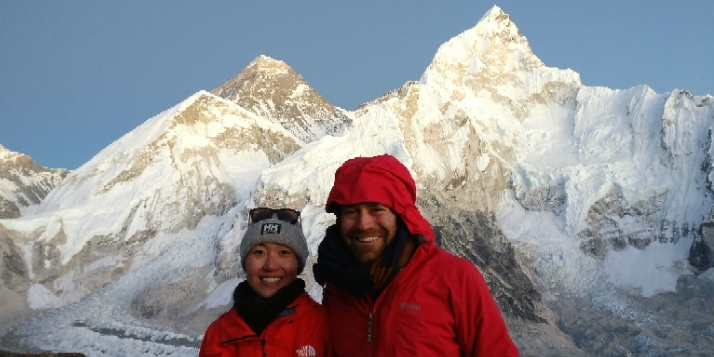


Everest Base Camp Trek – 14 Days Overview
The Everest Base Camp trek is not just a trek; it is an experience. Trekking to Everest Base Camp is like poking your nose miles deep into the Himalayas and standing face to face with the giant 8,848 meters tall Mount Everest (29,029 feet). This trek will give you memories for a lifetime.
Everest is the giant you hear so much about in the Solukhumbu district in Nepal, and it is a part of the great Himalayan range. The mountain is shared between Nepal and Tibet, which is a region of China. On the Nepal side, trekkers get to enjoy and follow the famous and beloved trails that climbers have been trekking for decades.
Everest is known by different names. In Tibetan Everest is known as Chomolungma, which means “Mother Goddess of the World.” Sagarmatha is the Nepali name, taken from Sanskrit, which stands for “Peak of Heaven,” while the rest of the world calls it Mount Everest, which is a raised nineteenth-century name after Sir George Everest.
Adventurers going hiking to the Everest Base Camp trek is more than just an Everest Base Camp trekking physical challenge. It is a pilgrimage of a Sherpa culture reshape, awe-inspiring nature reshaping and thrilling strolling reshaping with the tallest Himalayan mountains reshaping around.
In case of needing advice for hiking in Nepal, Everest Base Camp should be on your radar. It happens to be Everest Base Camp, trekking to and from the mountain, hiking alongside the tallest mountain on earth, and submitting to Everest trekking highlights combo offer.
Earth scientists estimate that Everest is 50 to 60 million years old, a youngster by geological standards. The first ever recorded people to climb Everest were sir Edmund Hillary (a mountaineer from New Zealand) and his Tibetan guide Tenzing Norgay. They climbed the mountain in 1953 and hold the record together. The weather conditions are extreme on Mount Everest. It was always hard to predict the weather of Mount Everest.
The temperature never rises above freezing. So, there is very little native flora and fauna on Everest. The species that animals found are very rare and they are limited. Such as snow leopard, Himalayan bear, Himalayan goral, red panda, Himalayan Tahr etc. Similarly, major plants are birch, juniper, blue pines, firs, bamboo, wild rose, rhododendron, and hemlock etc. The himalayan mountain have long been home to indigenous groups living in the valleys. The most of these are the Sherpa people. Traditionally, their lifestyle has consisted of farming,herding, and trade. overall, Everest trekking is more than climbing and trekking, it is a life changing experience and many see it as a journey close to achieving Nirvana.
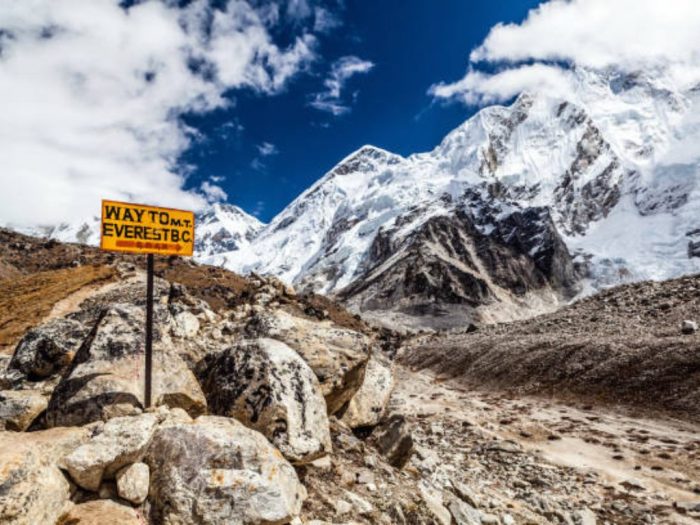
Climate and weather on Everest Base Camp Trek
The climate of the mountains is ever-changing and unpredictable. The average temperature is 17°C, which is considered the coldest during the year. Every season is suitable for Everest Base Camp. But, the different season enhance your trekking experience differently. So spring and autumn is mainly considered as best season for Everest. It the same time monsoon and winter is also good to trek.
Spring and Autumn
Spring (March, April, May) at EBC is one of the best times of the year to visit. The temperature warms up rapidly but the night remains still cold and chilly, dropping to below freezing. The weather is generally bright with clear skies, days are longer with enough sunlight hours and few clouds, and view of the summit is awesome.
Autumn (September, October, and November) is another best season for Everest with the skies being clear once more after the monsoon rains and the landscape still and verdant as ever. Bright sunshine is warming, with highs of up to 17°C, though the winds can still be strong and cold, making it feel cooler. The heavier clouds are gone now, and the summit of the mountain is once more clearly visible from the base camp.
Monsoon and winter
Monsoon (June, July, and August ) season sees a much higher rainfall at EBC than throughout the rest of the year. Temperature is high, reaching up to around 22°C, but the higher rainfall can make the area muddy and hard to traverse. Trekking during this month is for adventure seekers and nature lovers.
Winter (December, January and February) is the months for snowfall, ice-cold season of the year, but the trek is entirely enjoyable at this time.
The Local culture and religion on Everest base camp trek
Sherpa are the natives of Everest and other higher Himalayan regions, these days ethnic people like Tamang, Rai, and Sherpa people are living in the Everest region. The language is distinct as it is primarily spoken. However, it is occasionally written in Tibetan or Devanagari script. Most Sherpas live in Nepal and speak Nepali along with their native language. They can also communicate in one or more of the languages used by climbers and tourists. They construct Gompas to practice their religious practices. Tengboche was the first celibate monastery in the region. As you walk from one village to another, you will come across many prayer walls and religious monuments of stupas (domens), with rows os spinning prayer wheels. The majority of people are Buddhists. They mostly celebrate Lhosar as well as celebrate a festival called mani rimdu. It is celebrated massively in the Tengboche monastery.
Foods or meal during Everest Base Camp trek
Trekking all day at altitude makes you hungry! luckly you can order a variety of hot cooked dishes at your tea houses with a choice of both Nepali and western meals every meal. The meals include energy giving food and liquid food like rice, cereals, lentils soup, noodles soup, hot tea potato etc.
Accommodation Facilities 14 days of Everest Base Camp trek
In Everest region, most accommodations are managed by sherpas. The Sherpa community populates the Namche village. You get great Hospitality from them when you visit Namche. You can find friendly tea houses and luxurious hotels. There are still possible to tented camp but not so popular since easily find the tea house or hotels. Rooms are available on a twin-sharing basis. Each room comes with two beds and does not have a bathroom attached. There are more luxurious options during the trek in some logdes with better room facilities. The beds have mattresses, pillows, bed sheets, and some blankets. Almost all have hot showers available which are mostly gas heated somewhere they offer buckets filled with hot water for bathing purpose. Wi-Fi is available everywhere in the khumbu (Everest) region. A good and reliable speed is not guaranteed.
Requirement of Travel Insurance for Everest base camp trek
We strongly recommend you to get travel insurance before going on a trek. Make sure that, your insurance covers accidents abroad and high in the mountains. We do our best to take care of you, but sometimes we have to face unavoidable accident that is out of our control. So in case of a medical emergency, leading to a helicopter evacuation, it is best to have insurance.
Altitude Sickness during the Everest base camp trek
Normally altitude sickness occurs when you travel to a high altitude too quickly. Headache, Dizziness, loss of appetite, fatigue, shortness of breath, drowsiness, flatulence peripheral, fluctuation is body temperature, nausea, tiredness etc are the symptoms occur when your body tries to adjust to the lower air pressure and lower oxygen levels at high altitudes. Here are some things you can do to prevent yourself from getting altitude sickness.
- Stop and rest where you are
- Do not go any higher for at least 24 to 48 hours
- Make sure you are drinking enough water
- Do not smoke, drink alcohol, or exercise
- Eating foods and drinking fluids that contain carbs such as bread, pasta, fruits, milk, rice, and so on.
Preventing Altitude Sickness (AMS):
- Rest Well: Ensure that you rest well before starting your trek.
- Stay Hydrated: Continue drinking plenty of water during the journey.
- Balanced Nutrition: Maintain the balance of salt and sugar through proper eating habits and not skipping meals.
- Keep Warm: Layer up to remain warm without profuse sweating.
- Controlled Breathing: Breathe deeply and steadily from your diaphragm to maximize lung capacity. Maintain a comfortable walking speed that will allow for controlled breathing. Nasal breathing avoids drying your throat—wearing a muff or scarf in high altitudes might be of use.
- Pace Yourself: It’s not a competition. Pace yourself with a maintainable and Server consistent pace instead of exhausting yourself too early and taking many rest stops. Stop and admire the stunning views.
Challenges and Altitude of the Everest Base Camp Trek
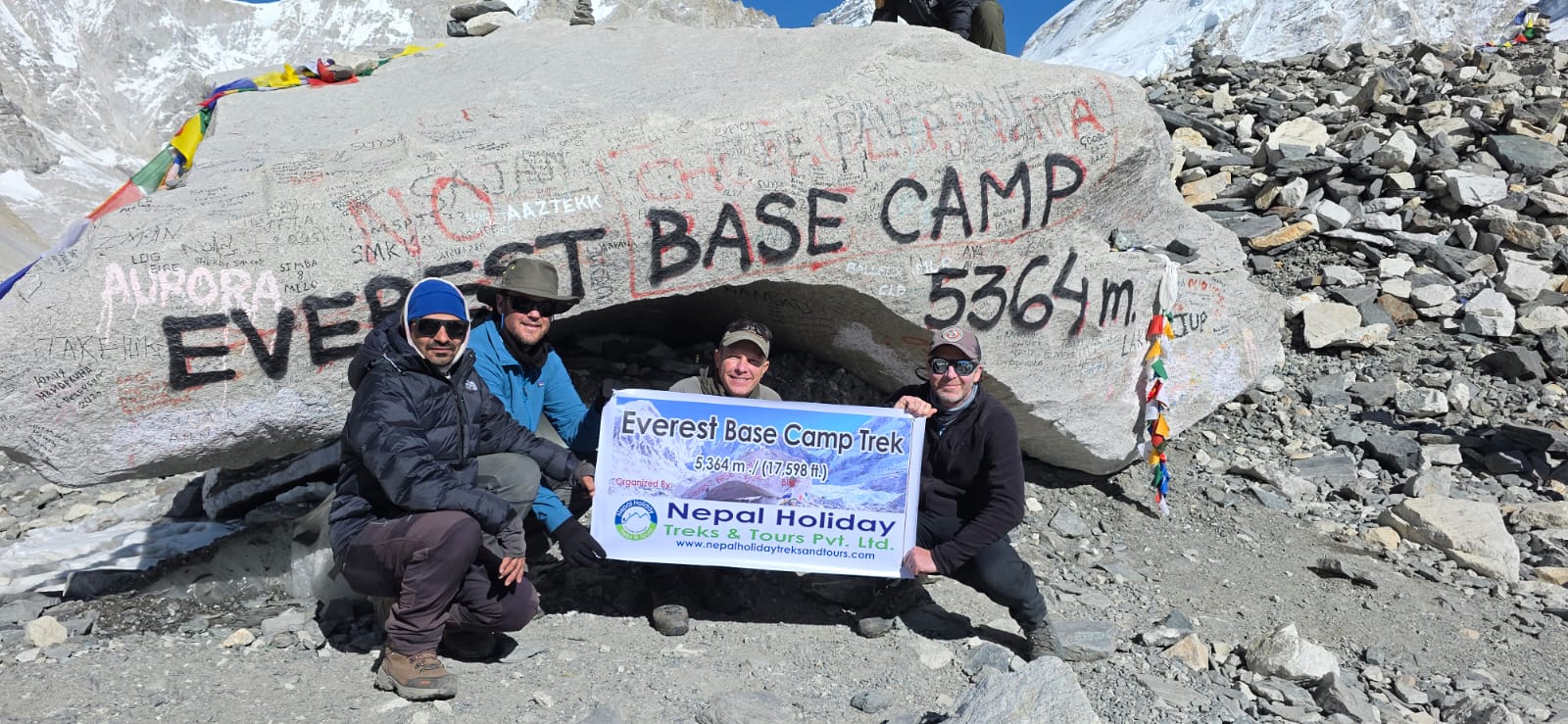
Everest Base Camp (EBC) Trek is a challenging trek, primarily due to its high altitude, steep terrain, and inclement weather. The trek reaches as high as 5,364 meters (17,598 feet) at EBC itself, with certain segments of the trail exceeding 4,000 meters, such as Namche Bazaar (3,440 meters) and Dingboche (4,410 meters). The slow ascent is required to acclimatize and reduce the risks of altitude sickness. The lack of oxygen at such heights can cause breathlessness, drowsiness, and inability to perform simple tasks. In addition, trekkers must be prepared for unpredictable weather, with cold temperatures and occasional snow, making the trek even more challenging. Good preparation, physical fitness, and awareness of the hazards of high-altitude trekking are the keys to a successful EBC trek.
Khumbu Rural Municipality Permit
The Khumbu Rural Municipality Permit is the new Trekkers Information Management System (TIMS) Card for trekkers in the Khumbu area. The cost of the permit is as follows:
For foreigners (including SAARC countries) for the first 4 weeks: NPR 2,000 per person
For foreigners from beyond 4 weeks: NPR 2,500 per person
You can obtain this permit at the check post counters of Monjo or Lukla from the Khumbu Pasang Rural Municipality Office. Don’t forget that you have no other offices in Kathmandu where you can obtain this permit. But representatives of Trekking Nepal Holiday treks and tours can help obtain this permit to make your job easier.
Sagarmatha National Park Entry Permit
Since Everest Base Camp is located within Sagarmatha National Park, the trekkers need to pay an entry fee to access this protected area. The Sagarmatha National Park Entry Permit fee is:
- For foreigners: NPR 3,000 per person
- For SAARC nationals: NPR 1,500 per person
- Khumbu Pasang Lhamu Rural Municipality: NPR 3,000 per person (first 4 weeks)
- For Nepalese: NPR 100 per person
This permit can be obtained at the Nepal Tourism Board Office in Kathmandu or at Sagarmatha National Park Entrance Gate in Monjo.
Optional Activities to Include in Your Stay in Kathmandu Prior to or Post Your Everest Trek
Nepal Holiday Treks and Tours provides a number of interesting activities to enrich your stay in Kathmandu. These activities offer an understanding of the culture of Nepal and Himalayan way of life. Some of the activities are:
Kathmandu City Tours – Visit the capital’s renowned temples, historical sites, and cultural symbols.
One Day Hike – A great method to acclimatize for your trek and enjoy the surrounding natural beauty of the city.
Jungle Safaris – Encounter Nepal’s flora and fauna by visiting national parks like Chitwan.
Ethnic Cooking Classes – Get to learn hands-on how to prepare Nepali traditional food.
Yoga Sessions – Unwind and refresh prior to or after your trek.
Orphanage and Local Community School Visits – Volunteer back to the local communities by visiting and serving for their welfare.
Personal Services for Your Everest Base Camp Trek
In case you would like a more personalized experience, we also have personalized services available to suit your needs, which include:
- Personalized Itineraries – Personalize your 13-day Everest Base Camp Trek according to your preferences.
- Guide and Porter-Only Service – For people who want to organize the accommodations and meals on their own.
- Accommodation-Only Services – Book your Everest Base Camp Trek accommodation as needed.
- Flight Facilities – Book flights from Kathmandu to Lukla, or Ramechhap to Lukla flight.
- Transport Services – Car service from Kathmandu to Ramechhap for your convenience.
- Hotel Options – Accommodate at 4-star or 5-star hotels, or budget hostel services according to your desire.
- Comfortable Accommodation – Sleep in lodges with amenities like electric blankets and en-suite bathrooms.
- Helicopter Flights – Enjoy scenic helicopter flight from Kathmandu, Lukla, or any other destination of choice.
Note: If you are looking for a more adventurous and less crowded alternative to the classic Everest Base Camp trek, our Everest Three Pass Trek or Everest Base Camp via Cho-la Pass with Gokyo Valley Trek are excellent options. These treks offer breathtaking Himalayan views, the thrill of crossing high mountain passes, and a more unique and unforgettable trekking experience.
Everest Base Camp Trek – 14 Days Highlights
- World’s highest Mount Everest Base Camp
- Trek to the base of mighty Mt. Everest – Everest Base Camp.
- Explore Sherpa culture, tradition and lifestyle, exotic Himalayan wildlife vegetation, Buddhist monasteries, chortens, alleys, long mane walls and Sherpa cultural museum.
- The Sherpa’s capital (Namche Bazar)
- Popular Viewpoints: Everest View Hotel, Nagarjun Hill, Everest Base Camp, and Kala Patthar.
Reach: Everest View Hotel–the highest hotel on the planet sits at 3880m, Everest Base - Camp at 5364m, and Kala Patthar at 5545m which is the highest point of this trek.
- Walk: Follow the well–maintained and marked classic Everest Base Camp route alongside the Khumbu Valley through lush vegetation and distinct wildlife inside Sagarmatha National Park, ethnic Sherpa settlements, rickety suspension bridges, pristine waterfalls, beautiful rivers, religious monuments, and cultural heritages.
- Visit the oldest monastery in the Everest region, Tengboche Monastery.
- Nepal’s biggest khumbu and longest Ngozumpa Glacier
- Experience a Helicopter flight above the Himalayans
- Outdoor activities
Everest Base Camp Trek – 14 Days Itinerary
Expand allDay 1: Arrival in Kathmandu then transfer to hotel
Our office representative will be waiting for you at the Tribhuvan International airport to warmly welcome you with a garland of flowers in their hands and your names in their placard. You will be transferred for recreation and overnight stay at Hotel in Kathmandu.
Day 2: Flight from Kathmandu to Lukla and trek to Phakding. 4-5 hrs .
We will fly from Kathmandu to Lukla which takes approximately 40 minutes. We will begin our trekking from Lukla at 2865 meters situated in Khumbu region to Phakding (2650 meters) walking for 3 to 4 hours. We will be observing the lifestyle of the people as well as the terraced landscapes and the valley. Our overnight stay will be at a teahouse in Phakding. The best seasons for trekking from Lukla to Phakding are autumn, which falls on September to December , and spring, which falls on March to May . During these seasons, the sky is clear, the temperature is moderate, and the Everest region is visible, making it an ideal time for a comfortable and scenic trek.
Day 3: Trek from Phakding to Namche Bazaar ( 11 km (7 miles) ( 5 - 7hrs)
We will lead our way through the unbelievable forest of rhododendron, blue pine forests, firs and junipers. We reach Namche Bazaar after 7 hours of walk. We will stay overnight for this day at Namche Bazaar.
Day 4: Acclimatization day at Namche Bazaar / Hike to Everest View Hotel
We will be spending this whole day for acclimatization in Namche Bazaar wandering through the village and be close to its natives. We will also be visiting the local museum to know and be more familiar with the place this following day and stay overnight at the Namche Bazaar.
Day 5: Trek from Namche Bazaar to Tengboche ( 10 km (6 miles) ( 5 - 6 hrs)
We will trek all the way to Tengboche through Phunki walking for about 3 hours. Mesmerizing views of Mt Everest, Nuptse, Lhotse, Cholatse, Kantaiga, Ama Dablam and Thamserku will inspire you all along the way. We will have our overnight stay at Tengboche.
Day 6: Trek from Tengboche to Dingboche (11 km (7 miles ) ( 5 - 6 hrs)
We will begin our journey through the rhododendron forest to make our way to Dingboche. We will be passing our way to reach Dingboche where we will be staying at a guest house there.
Day 7: Acclimatization at Dingboche / Hike to Nangkar Tshang
On the seventh day of our adventurous trek; we will be staying for one more day at Dingboche to acclimatize ourselves and be ready to move further.
Day 8: Trek from Dingboche to Lobuche ( 8 km (5 miles) ( 5- 6 hrs)
Continuing our journey; we will be climbing to the terminal rubble of Khumbu Glacier where we can see six monuments of Sherpa who passed away in Lobuche inundation. We will be staying overnight at an altitude of 4940 meters in Lobuche at a guest house.
Day 9: Trek from Lobuche to Gorakshep and EBC, EBC to Gorakshep ( 15 km (9.3 miles) ( 8 - 9 hrs)
The early morning we will start trekking to Gorakshep and within some hours of walk we will be reaching to the closest and most beautiful view of Mount Everest from its top to bottom at once sight. We will be returning back to Gorak Shep for overnight stay. During the September to December, and spring, about March 15 to May 30. During these periods, one can get clear skies, moderate temperatures, and the best vistas, which will make this trek to EBC memorable.
Day 10: Hike to Kala Pathar then Trek Back to Pangboche. 6 hrs.
On this particular day of trekking; we will be at Kalapatthar at the mid of our trekking where every traveller dreams to be. Then after we will be at Pangboche to stay overnight.
Day 11: Trek from Pangboche to Namche ( 17 km (10.5 miles) and takes about 6 to 7 hours.)
We will gradually descent from Pangboche to Namche enjoying most striking natural scenarios. Overnight stay will be at Namche Bazaar.
Day 12: Trek from Namche Bazaar to Lukla ( 19 km (12 miles) ( 6 - 8 hrs)
We will again descend to Lukla enjoying the splendid and incomparable scenarios on the way from Namche Bazaar. The pine, oak and rhododendron tree bids farewell to you as you reach Lukla for your overnight stay on this day.
Day 13: Fly back to Kathmandu from Lukla
We will take you back to Kathmandu and let you refresh in the day. After a long trek, we will try our body to acclimatize as soon as possible after reaching the hotel of Kathmandu. We will stay overnight at a guesthouse in Kathmandu.
Day 14 : Final Day at Departure day. Transfer to the airport.
We will accompany you to the airport for your departure to your homeland.
Day 14: Final Day at Departure day. Transfer to the airport
We will accompany you to the airport for your departure to your homeland.
If the above Everest Base Camp Trek – 14 Days itinerary does not meet your needs, we can design individualized travel plans based on your preferences and specifications.
Plan My TripEverest Base Camp Trek – 14 Days Cost Includes
- Airport pickup and hotel transfers by Private Vehicle.
- 3 times meals a day such as Breakfast, Lunch and Dinner during the trekking.
- Boutique hotel accommodation in Kathmandu – 2 Nights with Breakfast included.
- Flight ticket to Lukla from Kathmandu or Ramechhap including airport transfer to domestic airport. Round trip.
- 11 nights’ accommodation during the trek (Twin Sharing Base)
- An experienced, helpful, knowledgeable, friendly, English speaking, well trained, government license holder Trekking Guide with all his salary, food, Drinks, accommodation, equipment, transport, insurance, etc.
- Fresh fruits after dinner every night as dessert during the trek.
- You will be under observation with a pulse oximeter to have your oxygen levels and heart rate measured twice a day during the trek. This is to catch the signs of Altitude Mountain Sickness (AMS) early, thus making trekking safer.
- Trekking permits: All necessary trek entry permits are include.
- Normal First aid kit box.
- Arrangement of Emergency helicopter service (paid by your travel insurance company).
- All taxes and company service charges.
- Nepal Holiday Treks, T-shirt & Trekking map.
Everest Base Camp Trek – 14 Days Cost Excludes
- International airfare and visa fees.
- Lunch and dinner in Kathmandu.
- Personal expenses of bar and beverage bills, Wi-Fi, hot shower, bottle of water, extra porters, laundry, or any other things that are not mentioned by the company.
- Your trekking gear and extra nights in a certain destination.
- Your travel insurance, which should include the emergency rescue.
- Tips for your guide and porters, which is compulsory.
- Extra expenses due to any event such as strikes, weather conditions, or flight delays.
Everest Base Camp Trek – 14 Days Additional Info
Our Safety and Medical Support on the Everest Base Camp Trek
Emergency protocols on Everest Base Camp Trek
Your safety is always our first priority on the Everest Base Camp trek. Our professional guides keep a close watch on your health, pace and hydration on a daily basis to help prevent altitude sickness and fatigue. We observe strict safety protocol, have communication access and do regular condition checks so that any problem is discovered early and dealt with swiftly. Pre-trek briefings prepare you for the trail so you know what to expect in terms of risk, symptoms and safe practice, before you even put foot on the trail.
Evacuation Procedure in case of Emergency
If a serious medical or altitude emergency occurs, we activate our evacuation protocol immediately. Depending on the situation, we arrange safe descent with guide support or organize a helicopter rescue from the nearest landing point. Our team coordinates directly with rescue operators, insurance providers, and hospitals to ensure a fast, smooth evacuation process so you receive urgent care without delay.
Medical Support Provided During the trek
During the trek to the Everest Base Camp, the guide bring a full first aid kit, pulse oximeters and basic medicine for altitude sickness (AMS). They are wilderness first aid and altitude aware trained which means they can treat you immediately if you need help on the trail. We also provide guidance on acclimatization, nutrition and hydration to keep you strong, safe and confident from beginning to end.
With our experienced team and strong safety system, you can trek to Everest Base Camp with confidence, peace of mind, and complete support at every step.
Our Guide and Porter Service on Everest Base Camp trek
We deeply respect our guides and porters, the heart of every Everest Base Camp trek. Their experience, care, and dedication ensure your journey is safe, comfortable, and truly memorable – because with us, you trek with trusted local professionals, not just staff. The reason why our guides and Porters are different from others are :
Professional Qualifications
Our guides are government – licensed trekking professionals trained in mountain safety , first aid , altitude awareness and rescue coordination . They meet official trekking standards and are authorized to guide in restricted Himalayan regions .
Extensive Experience
We work only with guides and porters who have years of experience in the Everest region. They know the terrain , weather patterns , trail conditions and acclimatization strategies , ensuring a smoother and safer journey for you .
Safety and First – Aid Training
Your wellbeing matters most . Our guides are trained in Wilderness first aid and altitude sickness response, carry medical kits and your healthy daily. They know exactly when to slow down, rest or descend if needed.
Deep Local Knowledge
Our team members are locals from Himalayan regions who share authentic insights into Sherpa culture, monasteries, traditions and mountains stories . Trekking with them turns your trip into a meaningful cultural experience , not just trek .
Strong and Supportive Porters
Our porters are physically fit, well-equipped, and treated ethically with fair wages, proper gear, insurance, and comfortable lodging. Their strength and dedication allow you to trek light and enjoy every step.
Communication Skill
Our guides speak clear English , making communication easy and comfortable. They explain routes, daily plans, and safety tips so you always feel informed and confident.
Personalized Care and Hospitality
Unlike standard services, our team focuses on genuine hospitality. From adjusting your pace to helping with gear and encouraging you on tough climbs, they treat every guest like family.
Note: Porters can only carry up to 25 kg of weight , If your baggage weight is more than that another porter will needed .
With our highly trained guides and dependable porters, you don’t just trek to Everest Base Camp – you experience it with trusted professionals who turn your adventure into a safe, inspiring, and unforgettable journey.
How to Book Your Trek – Easy Steps for a Smooth Himalayan Adventure
Booking your trek is easy and hassle-free if you know what to do. Select your trekking destination, the dates you want to travel and your preferred difficulty rating – and that’s it. As soon as you reach out to us, our travel consultants will assist you on itinerary options, pricing and customization as per your interests, fitness level and duration.
Once you have booked your trip with us, we take care of all the permits, flights, accommodations, guides and porters needed so that everything is in place before your arrival. You will also receive a full pre-departure briefing, packing list and travel tips to ensure you are fully equipped for your journey.
With our expert guidance, clear process and personalized support, planning your trek is simple and hassle-free – so you can spend time getting excited, not overwhelmed. Plan with us, book with us, and walk into the Himalayas better prepared.
Plan with us, book with confidence, and step into the Himalayas fully prepared.
Everest Base Camp Trek Schedule & Flight Timeline Explained
Everest Base Camp Trekking is from Day 2 to Day 12 in your itinerary. Day 2 take a spectacular flight to Lukla and begin your trek along the classic trail across Sherpa villages and mountain vistas. You will complete the trek and return to Lukla on Day 12. On Day 13, fly back to Kathmandu and our team will transfer you to your hotel.
For example , if your journey is from 5 January to 18 January 2026, your Lukla flight and trek starts on 6 January and return to Kathmandu on 17 January for you the last day is devoted to your journey . This properly paced journey ensures good acclimatization leisurely trekking speed and smooth travel.
Standard Trekking Day on the Everest Base Camp Trail
A standard day on the Everest Base Camp trek is a perfect blend of adventure, comfort, and breathtaking Himalayan beauty. Over the course of 12 days and 11 nights, you journey from Lukla to Everest Base Camp and back, staying in charming mountain villages like Phakding, Namche Bazaar, Tengboche, Dingboche, Lobuche, Gorakshep, Pheriche, and Lukla.
Each morning typically begins around 7:30 AM, when the mountains are calm and the air is fresh. You will walk at a steady, comfortable pace, with frequent rest stops to catch your breath, enjoy the views, and take photos of snow-capped peaks, prayer flags, and traditional villages. Trekking usually ends by late afternoon, giving you time to relax, explore, and acclimatize.
Meals are thoughtfully arranged for your comfort – breakfast and dinner are served at your overnight lodge, while lunch is enjoyed along the trail at scenic teahouses. Throughout the journey, our team provides daily briefings about the route, timing, and stops, so you always feel prepared, confident, and excited for the next day’s adventure.
In short, each trekking day is carefully designed to balance safety, scenery, and enjoyment – making your Everest Base Camp experience smooth, memorable, and truly rewarding.
Baggage Limit for Everest Base Camp Trek
When you are flying to Lukla for the Everest Base Camp trek, the baggage allowance is restricted as small aircrafts are used in mountain flights. Most airlines have a 15 kg per passenger limit for both your main duffel bag and hand carry. Usually, this consists of 10 Kg for the checked in baggage and 5 Kg for the hand baggage.
If your portion of the luggage is overweight, you might be asked either to pay for the excess weight or the luggage might get to the destination by a later flight if space is available. To minimize such delays, we suggest you bring as little as possible, just the bare essentials for trekking. Our team will help you with a packing checklist so you can stay within the limit and still be fully prepared for your Himalaya adventure.
Safe Drinking Water on the Everest Base Camp Trek
It is important to drink enough water while hiking to Everest Base Camp, particularly at altitude. Safe drinking water is generally readily available along the trail at teahouses and lodges, and you can buy boiled or filtered water for a small fee. Many trekkers also fill up bottles at local taps or streams, but that water should always be purified before drinking.
We suggest bringing your own water bottle along with water purification tablets/drops or a water filter for safe drinking on the trail. Our guides will tell you always when and where to refill safely and keep on reminding you to drink because hydration prevents altitude sickness and keeps you energized.
Tip: Avoid single-use plastic bottles on the trail , using refillable bottles is safer, eco-friendly and supported by local communities.
Electricity, Charging and Wi-Fi on the Everest Base Camp Trek
Electricity and Wi-Fi are available on the Everest Base Camp trek but the facilities are rudimentary and altitude-dependent. Most teahouses have solar-powered charging stations which you can use for a small fee, particularly at higher altitudes, so it is best to bring a power bank. Wi-Fi is available in some villages, but as you ascend, the connection may be slow and unreliable. You get all that and with a little bit of planning, you can stay connected and still get the tranquility of the Himalayas.
Our guides will always let you know each day charging and internet services are available, so you can schedule your day accordingly. With a bit of planning, you can keep your devices powered, touch base with loved ones, and still enjoy the tranquility of a digital detox in the Himalayas.
Advice : Don’t forget a universal adapter, power bank and charging cables for the ultimate trekking preparedness.
Money for Tipping and Extras
During the Everest Base camp trek, it is important to carry extra cash ( Nepali Rupees) for personal expenses such as hot showers , charging , Wi-Fi , snacks , drinks and souvenirs as ATMs are not available along most of the trail . Tipping guides and porters is also customary and a meaningful way to appreciate their hard work and support. Bringing small denomination makes payments easier in remote mountain villages . You Should carry about 150 to 200 USD equivalent Nepali rupees . And then there is the tip money for your guide and porter of about $200-$250. Amount may vary depending on the service field staff offers.
Temperature in the Everest Base Camp Trek
Temperatures on the Everest Base Camp trek vary by altitude and season. In lower areas like Lukla and Namche, daytime temperatures range from 10°C to 15°C, while nights can drop to 0°C or below. Higher up near Base Camp, daytime temperatures are usually -5°C to 5°C, and nights can fall to –10°C to –20°C. Proper layering, warm clothing, and a good sleeping bag are essential to stay comfortable throughout the trek.
Solo Trekking to Everest Base Camp – Safe, Supported & Social
Joining the trek as a solo traveler is completely safe, flexible, and rewarding. We welcome independent adventurers and can place you in a group with other trekkers or arrange a private trek based on your preference. Traveling solo lets you meet like-minded people from around the world while still enjoying full support from our experienced guides, organized logistics, and 24/7 assistance. With us, you can explore the Himalayas independently – yet never feel alone on the trail.
Extension of your Stay
Want to linger longer in Nepal once your trek is over? We are happy to customize an extension of your stay based on your interests, schedule, and traveling style. Whether you want to roam around in Kathmandu , go to Pokhara, visit cultural heritage sites or take a wildlife safari, our staff can adjust your itinerary, hotel reservations and transportations with flexible itineraries and full support, adding time to your trip is easy helping you get the most out of your Himalaya experience without any fuss.
Why Choose Nepal Holidays Treks and Tours ?
Choosing the right trekking company makes all the difference in your Himalayan journey, and we are committed to giving you an experience that is safe, seamless, and unforgettable. Here are the reasons why choose us :
- Professional Local Knowledge – Our guides and team are fully professional, knowledgeable and experienced to provide you advise, support and insight that only real locals can.
- Safety First Policy – Your safety is our priority at all times, from trained staff to emergency planning.
- Customized Itineraries – We customize every trip to your pace, interests and travel style so no two travels look the same.
- Transparent Pricing – No hidden charges – Honest rates with best value for your money & quality services.
- Trustworthy Support System – We are with you every step of the way, from the moment you ask until you finally leave.
- Ethical & Responsible Travel – We pay our guides and porters fairly, and we support local communities along the trails.
- 99 % Repeated Customers – At our travel agency , many of our trekkers don’t just travel with us once, they come back again and again . From Everest Base Camp to Manaslu from Annapurna to Nar phu , our returning guests are true proof of the care , safety and honesty we deliver on every journey.
With us, you don’t book a trek – you gain a committed team focused on making your Nepal adventure fluid, meaningful, and exceptional.
Upcoming Departures
Everest Base Camp Trek – 14 Days Gallery
Customer Reviews
Write a ReviewEverest Base Camp Trek – 14 Days FAQs
What distance is covered in the Everest Base Camp Trek?
The Everest Base Camp Trek measures approximately 130 kilometers (81 miles) round trip. The trek starts from Lukla, at 2,860 meters, passing through Namche Bazaar, Tengboche, and Dingboche before reaching Gorak Shep and, finally, Everest Base Camp at 5,364 meters. Normally, it is a 12 to 14 days Trek, including acclimatization day to prevent altitude sickness.
What other documents do I need for trekking in Nepal?
Basic requirements for trekking in Nepal include a valid passport, a Nepal visa, and trekking permits that include the Sagarmatha National Park Permit and a TIMS card. Ensure that your travel insurance covers high-altitude trekking and helicopter evacuations. Bring your flight tickets for Lukla and extra passport-sized photos for permit applications.
Why is Everest Base Camp Trek so popular among trekkers?
EBC trek offers a unique combination of breathtaking mountain views, cultural immersion into the Sherpa’s way of life, and the opportunity to stand at the foot of the world’s tallest mountain, Mount Everest. The trek to Everest Base Camp is an adventure found in the bucket list of many outdoor lovers.
How do I physically train for the Everest Base Camp Trek?
The physical preparation should be grounded on cardiovascular exercises like running, cycling, or swimming, strength training, and practice hikes with a loaded backpack. Building stamina and endurance is essential for this trek.
What physical training is necessary for trek preparation?
Cardiovascular training can be done by running, cycling, or swimming; leg strength by squats and lunges; and endurance by hiking itself with a backpack. It is best to start 6–8 weeks prior to your trek and gradually build up the intensity of your workout. Flexibility exercises like yoga will help prevent injuries, and hiking practice on uneven terrain will prepare you for the challenges of the trek.
What permits are required for the Everest Base Camp Trek, and how am I to obtain them?
You will need two major permits:
TIMS Card (Trekkers’ Information Management System): Obtainable in Kathmandu or Pokhara.
Sagarmatha National Park Entry Permit: Available in Kathmandu or along the route in Monjo.
A local agency organizing the trek can handle these permits.
How can I reduce the risk of developing altitude sickness during the trek?
Go up gradually. Have rest days in Namche Bazaar and Dingboche. Hydrate your body well. Say no to alcohol. Go upwards slowly. One can also take diamox, but that is on recommendation by your doctor.
Do guides speak English?
Yes, most of the licensed trekking guides in Nepal can speak fluent English. However, if you need a guide in any other language, like French, Spanish, or German, prior arrangements may be made. Guides are not only trained in communications skills but also to ensure smooth trekking.
How, exactly, is this private helicopter charter booked and paid for?
To book a private helicopter charter, you’ll need to reserve your flight in advance. Payment typically involves a deposit when booking, with the balance due before the flight. Costs depend on the route and the number of passengers, and it’s essential to check the operator’s cancellation policy. Be sure to have travel insurance that covers helicopter evacuations in case of emergency.
What is the role of guides and porters during the trek?
Guides ensure your safety, navigate the trail, and provide cultural insights, while porters carry your heavy luggage. Hiring them supports the local economy and enhances your trekking experience.
What kind of weather should I expect on the Everest Base Camp Trek?
Weather varies by season:
Spring (March-May): Clear skies, moderate temperatures, and blooming rhododendrons.
Autumn (September-November): Crisp air and excellent visibility.
Winter (December to February): There is cold but less crowd. During the Monsoon season: Heavy rain, which creates bad conditions during June to August. 7. What are the conditions of the available accommodations on this trek? Teahouses come first, but in basic, comfortable facilities- including a bed, communal dining areas, and meals, the service is delivered. Higher altitude has limited options.
How much time does Everest Base Camp Trek take for completion?
The standard trek takes about 12-14 days, including acclimatization days, depending on the itinerary.
What should I pack for the trek?
Pack wisely, focusing on essentials such as:
- Clothing in layers to keep up with various temperatures..
- Sturdy trekking boots.
- Sleeping bag rated for cold temperatures.
- Trekking poles, sunscreen, and sunglasses.
- First aid kit and high-energy snacks.
Why choose a professional trekking agency for the Everest Base Camp Trek?
An agency ensures a professional guiding service, logistics, proper permits, safety measures, and itineraries custom-made for you. This will provide a hassle-free and enriching trekking experience, especially to the first-time trekkers.
Everest Base Camp Trek – 14 Days Equipment Lists
Pack light, but make sure you bring the essential clothing and equipment needed for changing weather and high-altitude conditions. The following checklist covers the recommended gear for a comfortable and safe trek.
Note: If the sleeping bag, down jacket is lost or damaged, a compensation fee of USD 150 per item will be charged.
Sleeping Gear & Bags
- Four-season (0°C) sleeping bag and puffy down jacket (recommended)
- Daypack (35–45 liters recommended) with rain cover
- Sleeping bag liner
Head & Upper Body
- Sun hat or cap
- UV-protection sunglasses
- Warm knitted hat or beanie
- Headlamp with spare batteries
- Scarf, neck gaiter, or Buff
Torso
- Technical-fabric base layers suitable for the season
- Quick-drying T-shirts or shirts: 2 short-sleeve and 2 long-sleeve
- Fleece jacket or pullover
- Waterproof and windproof outer-shell jacket
Lower Body
- Technical-fabric thermal base layer
- Comfortable pants for wearing inside teahouses
- Waterproof and windproof shell pants
- Hiking pants: 2 pairs
- Hiking shorts
Hands
- Wool or technical-fabric liner gloves
- Insulated hard-shell outer gloves for colder conditions
Feet
- Warm wool or technical-fabric socks
- Liner socks, such as silk, if preferred
- Waterproof trekking or hiking boots
- Hiking socks
- Gaiters for dust, rain, or snow
- Microspikes or ice cleats, especially from November to March
- Comfortable casual shoes
Undergarments & Sleepwear
The quantity of clothing can be adjusted according to your personal preferences and laundry opportunities during the trek.
- Quick-drying technical-fabric underwear
- Sports bras for women
- Pajamas or comfortable sleeping clothes
First Aid & Personal Medications
Our guides carry a basic first-aid kit and essential medications, but bringing your own personal medical supplies is strongly recommended.
- Sunscreen
- Personal ointment or basic skincare products
- Lip balm
- Suitable medication for a dry mountain cough
- Mosquito repellent for Kathmandu and lower-altitude areas
- Personal prescription medications
Other Essentials
- Passport
- Extra passport-sized photographs
- Reusable water bottle
- Toiletry kit
- Toilet paper (2 rolls)
- Water purification tablets or a UV water purifier
- Hydration bladder
- High-protein snacks, such as protein bars or nuts
- Quick-drying towel
- Trekking poles
- Earplugs
- Pillowcase
- Waterproof or dry bags for important documents, electronics, and money
- Airline tickets and copies of travel documents
Optional Items
You can purchase or rent additional trekking gear in Nepal if needed. Thamel, Kathmandu’s main tourist hub, has a wide selection of trekking equipment at reasonable prices, and your guide can assist you with purchasing any last-minute supplies.
- Power bank or spare batteries
- Camera and mobile phone
- Thermos flask for hot water
- Books or playing cards
- Comb
- Binoculars
- Pee bottle or pee funnel for women
- Whistle
- Thermos flask for hot water
Tip: Avoid overpacking. Choose lightweight, quick-drying, and versatile clothing that can be layered according to the temperature and altitude.
Similar Tours
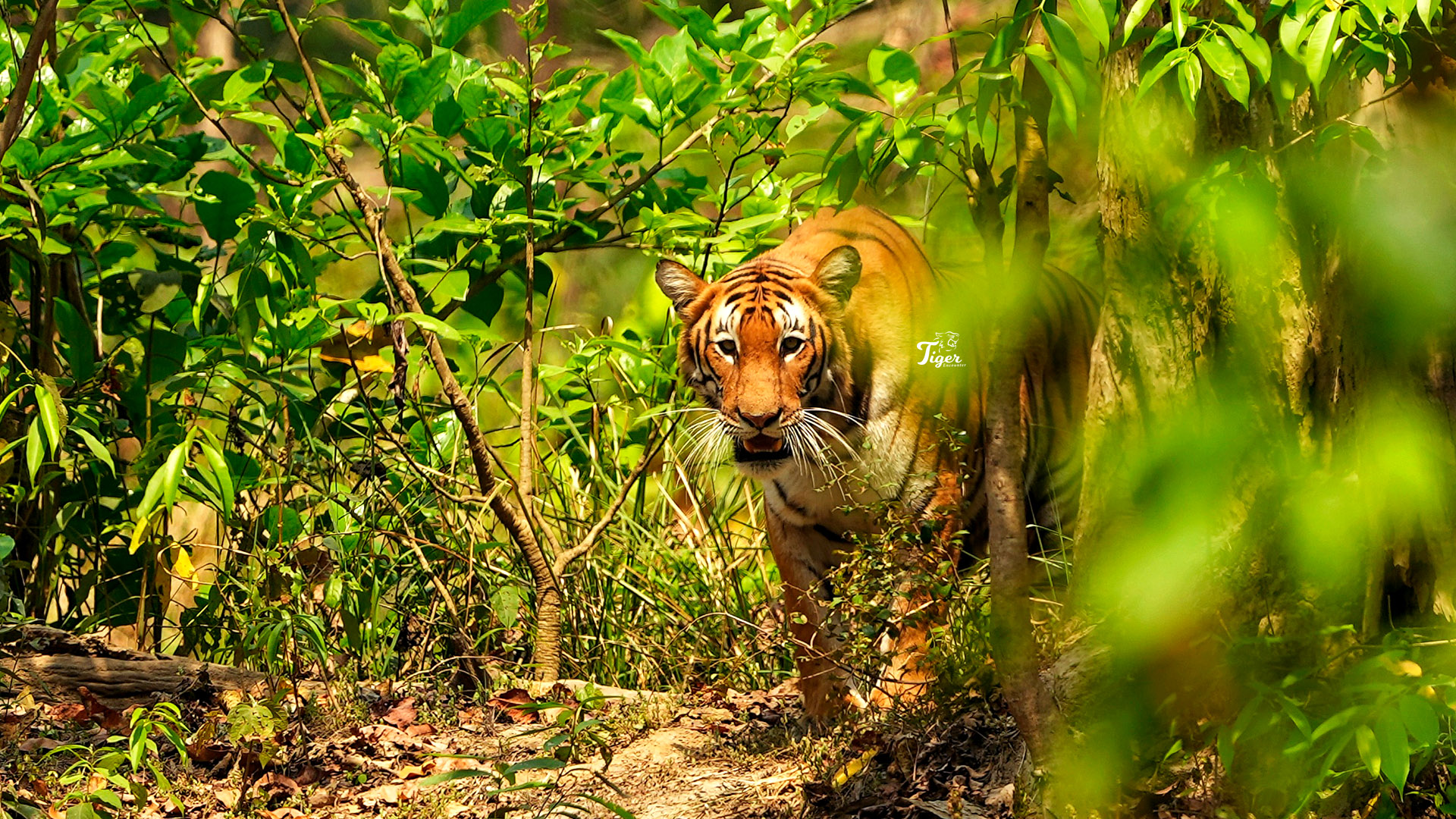
Bardiya National Park Tour
Overview of Bardiya National Park Want to step into untouched wilderness in one of the biggest national parks of...
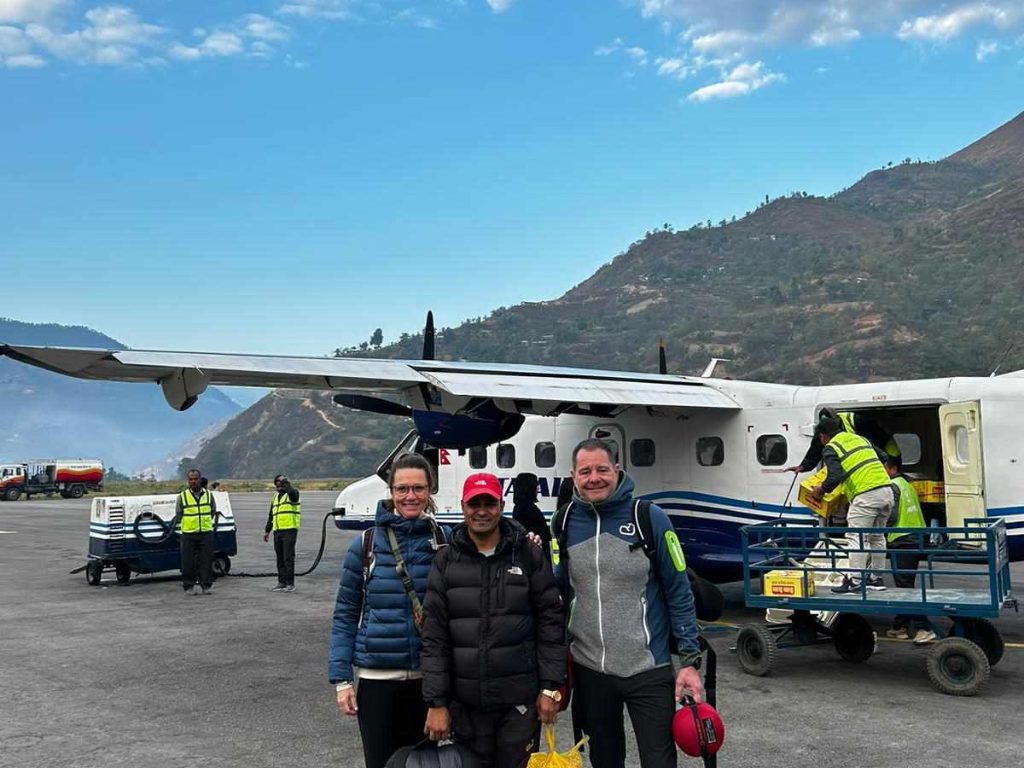
Kathmandu to Lukla flight
Kathmandu to Lukla flight service and one of the most efficient ways to reach the Everest Region. The distance...
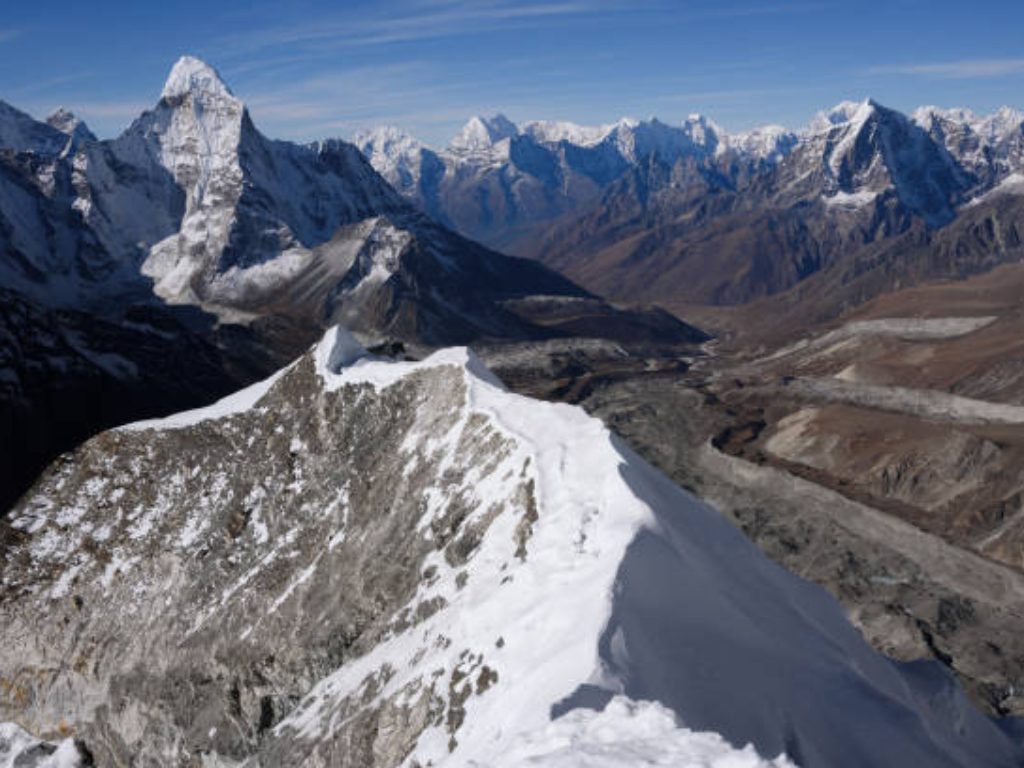
Everest Base Camp Trek with Island Peak Climbing
Island Peak Climbing and Everest Base Camp Trek is a thrilling experience that combines two of Nepal’s most in-demand...
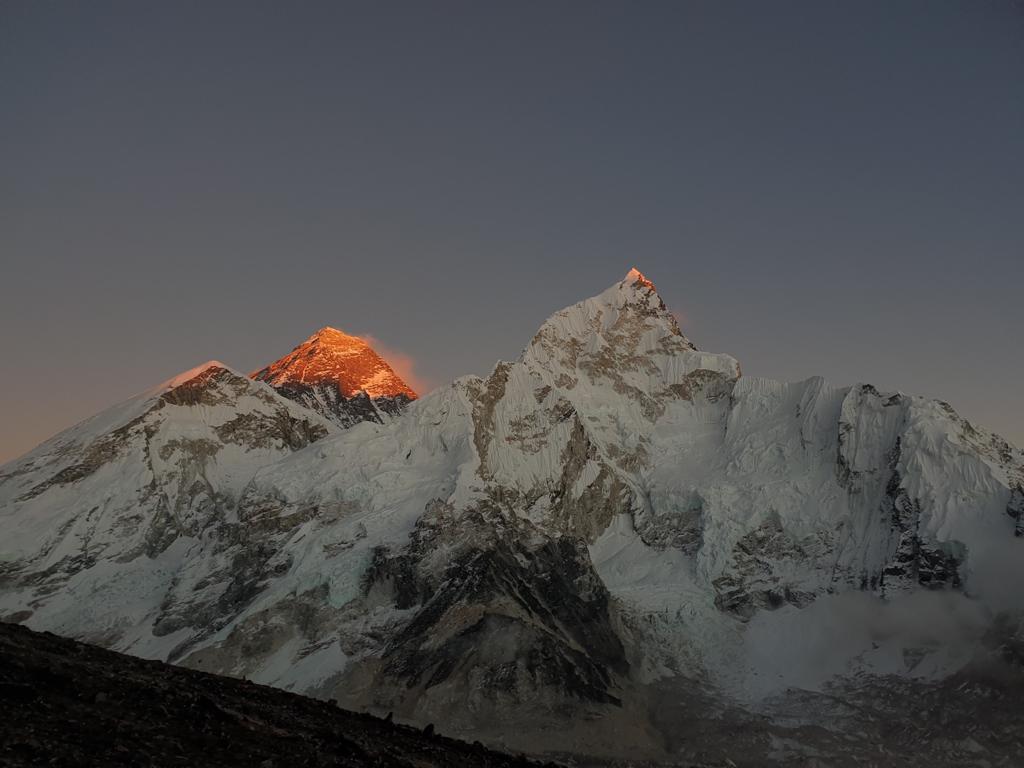
Everest Base Camp Trek with Helicopter Return
Everest base camp trek with Helicopter Return is a popular and challenging trekking adventure in Nepal that takes you...
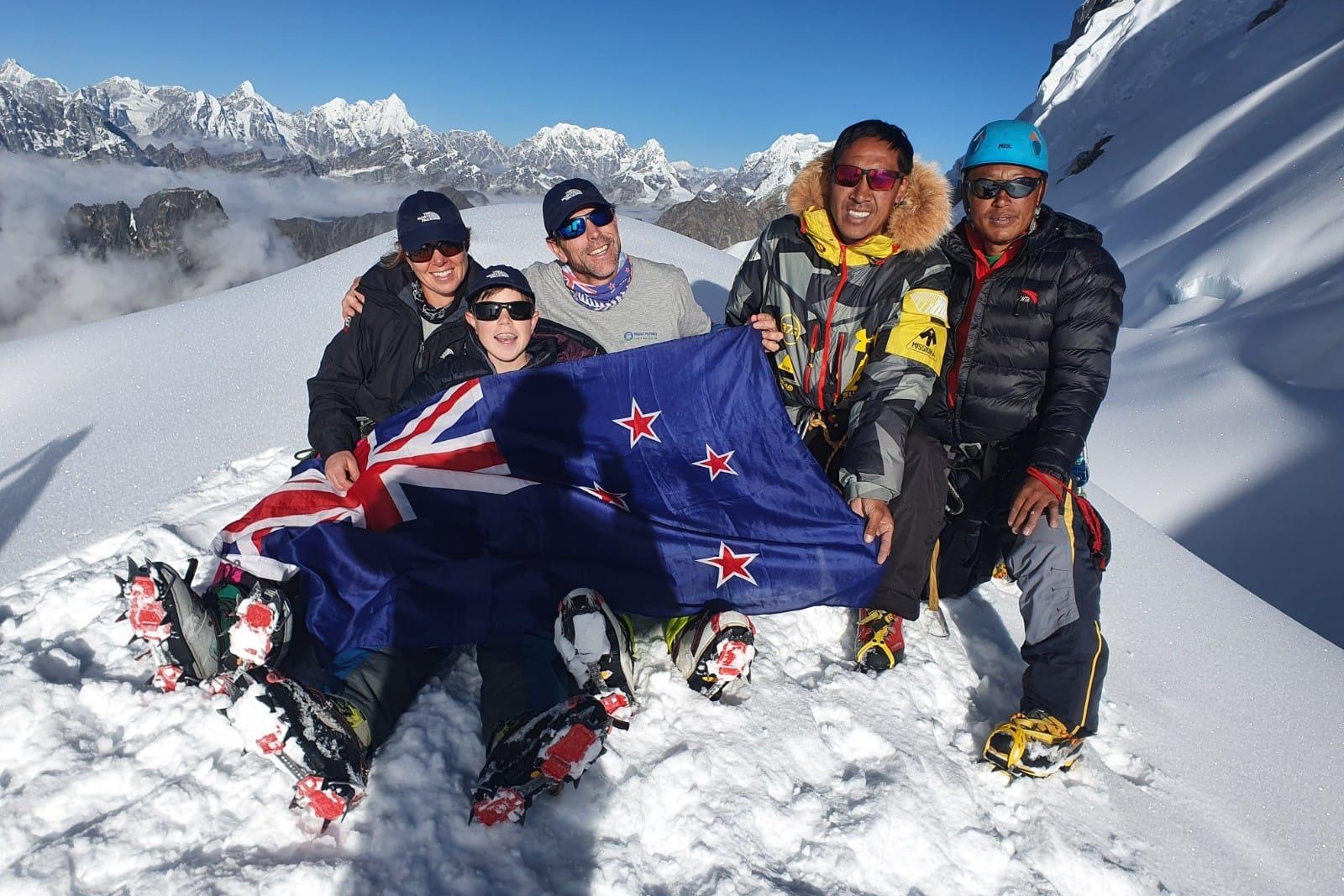
Everest Base Camp Trek with Lobuche Peak – 18 Days
Everest Base Camp trek with Lobuche Peak climb is an adventure that includes the standard Everest Base Camp trek combined with the challenge of ascending Lobuche Peak to 6,119 m. Enjoy stunning...