Namche Bazaar: The Heartbeat of the Everest Region
Posted by: Nepal Holiday Treks and Tours on September 10, 2026
Ask any trekker who has walked to Everest Base Camp and most of them will tell you the same thing. It’s just not a random village in the Khumbu region. Namche Bazaar is the town that stays in your heart forever. It is the heart of Khumbu, where you can get luxury services with backdrop of the world’s tallest mountains. Sitting at 3,440 meters on a hillside shaped like a horseshoe, it is the point where the place starts feeling that you have reached another world.
Most people pass through Namche twice, once heading up and once coming back down. Both times the place feels different. Every time you visit it, you can feel something new, and start to love this place a little bit more.
A Trading Town First, a Trekking Town Second
Namche was busy long before trekkers showed up here. For generations, it sat on the trade route between Tibet and Nepal. Sherpa traders used it to swap salt, wool, and yak products for rice and grain from lower down. They crossed the Nangpa La pass into Tibet to do it, and that trade shaped the town.
You can still get to witness the glimpses of that history on Saturdays. When the weekly market fills the town with vegetables, meat, household goods, and mountain gear. Porters show up with heavy loads, people argue over prices, and the whole place feels alive with the trade and peoples gathering together. Being a part of it feels like being at the ancient trading time but with a modern touch.
Why Everyone Stops Here
For everyone trekking towards Everest Base Camp, Namche is where the actual trip really begins. You fly into Lukla, spend a day or two walking through forest and crossing bridges, and then you climb into Namche. It lies inside Sagarmatha National Park, a UNESCO World Heritage Site. It’s the last town with real infrastructure before everything shifts towards much more basic.
It’s also where most people take their first rest day. At this altitude, your body needs time to adjust, so instead of pushing straight up, people usually spend the day on a short hike, often to the Everest View Hotel or up to Khumjung village. Both give you your first glimpse at Everest, tucked behind Nuptse and Lhotse. Guides in the region all say the same thing: climb high, sleep low. Namche is where you start doing that.
Besides that the town itself makes you stay here. Begin placed this high, you can get every kind of luxury here with touch of himalayan life. Just imagine you can have the most comfortable room, wake up with a coffee with views ofworlds highest mountains towering besides you.
What the Town Looks Like
The shape of Namche is what catches most people off guard. Houses and lodges are built in tiers up the curve of the hillside, so from the top you can look down over rooftops, prayer flags, and the mountains behind them all at once. The town is built according to the landscape that already existed, that makes it look more dramatic and stunning.
The town has changed a lot over the past few years. There are bakeries, bars with pool tables, internet cafes, and pharmacies now. You can sit and drink a coffee at nearly 3,500 meters while looking out at some of the tallest mountains. You can have luxury facilities even at this height and place. It’s a strange contrast, but somehow it works, and the town hasn’t lost its character despite all the tourism.
You’ll find electricity, hot showers, and Wi-Fi here, though everything gets pricier the higher you go and the connection isn’t always reliable.
Sherpa Life in Namche
People often call Namche the unofficial capital of the Sherpa people, and that shows in daily life here. Buddhism runs through everything, from the prayer wheels and mani stones to the flags strung between buildings.
The Sherpa Culture Museum sits just above town and is worth the short walk up. It covers Sherpa traditions, clothing, and mountaineering history, and the viewpoint outside gives you a clear look at Everest, Lhotse, and Ama Dablam on a good day.
Not far from there is the Sagarmatha National Park Visitor Center, which explains the park’s wildlife, geology, and conservation work, along with some history on the expeditions that passed through here on their way up Everest.
Talk to local guides while you’re here. Many of them, or their families, have direct ties to famous Everest expeditions. It’s one of the few places on the trail where mountaineering history feels close rather than distant.
Gear and Shopping
If you need gear, Namche is the best place on the whole route to find it. Shops sell down jackets, sleeping bags, poles, and gloves, and while some of it is knockoff versions of well known brands, it works fine and costs a fraction of the price back home.
If you forgot something or didn’t pack warm enough, this is where you fix it. Prices aren’t fixed, so it’s fine to negotiate a bit, though keep in mind a lot of these shopkeepers depend on this business to get through the season.
The bakeries deserve a mention too. Cinnamon rolls and apple pie taste like something close to a miracle after a few days of dal bhat and instant noodles. Most trekkers end up picking a favorite bakery before they move on.
Where to Sleep
Mostly stay is in teahouses with simple rooms and a common dining hall warmed by a stove. Meals usually come with the room or get added separately, and the dining hall is where the evening actually happens, full of trekkers from everywhere swapping stories over plates of food.
A few lodges offer better rooms with private bathrooms if you want a bit more comfort. During peak season, March to May and September to November, it’s worth booking ahead since Namche fills up fast. The stay at this altitude is generally wonderful compared to other places that lies in similar altitude ranges.
Getting There
Normally, you can fly from Kathmandu to Lukla, a short flight that’s famous for the tiny runway cut into the mountainside. From Lukla, it’s two or three days of walking through villages like Phakding and Monjo then you climb into Namche.
That last climb is steep and it’s the place where the altitude starts to catch up. It’s often the hardest uphill of the early trek. Walk slowly, drink plenty of water, and don’t rush it so that it will be easier and helps prevents the ams.
You can also skip the flight entirely and walk in from Jiri or Salleri instead. It follows the old route that Hillary and Tenzing Norgay’s expedition once used before Lukla had an airport. It takes longer, but it shows you a side of rural Nepal that the flight can never show you.
When to Go
Spring, from March to May, and autumn, from late September to November, are the two main seasons to go there. Spring brings blooming rhododendrons and generally steady weather. Autumn usually has the clearest mountain views. Both the season have comfortable and favourable temperatures, weather condition to trek through.
Winter is possible, but it’s cold and snow can block the higher passes. If you can bear cold, you can witness the beauty of Namche covered in snow. Summer brings monsoon rain, leeches on the lower trails, and cloud cover that hides the mountains most days, so it’s the least popular time to come.
A Few Practical Tips
Don’t skip the rest day in Namche, even if you feel fine. Altitude sickness can develop fast, and this is where you give your body the time it needs before going higher.
Bring cash. ATMs in Namche aren’t reliable and often run dry during busy months, so withdraw what you need back in Kathmandu or Lukla.
Pack layers instead of one big jacket. The temperature changes drastically between a warm afternoon and a freezing night, and layers give you more control than one heavy coat ever will.
And when you visit a monastery or pass a mani wall, walk clockwise, and always ask before photographing people, especially during ceremonies.
Don’t forget to try the local sherpa foods such as reldok, thuppa, momos, etc and experience the warm hospitality of them which makes the place even more special.
5 things you can do at Namche
1. Visit Kanchha Sherpa’s Home
Kanchha Sherpa, the last surviving climbing Sherpa from the 1953 Everest Expedition, sadly passed away in October 2025. He lived an extraordinary life, taking part in expeditions on Island Peak, Makalu, and Everest itself. You can visit his home at Nirvana Lodge in Namche and pick up a copy of his book, Tough and Cheerful. It’s a must-read while you’re on the trail to Everest.
2. Head Up to Shangbouche Hill
Most trekkers pile into the Everest View Hotel, but honestly, it’s not where the best views are. You can skip the crowds and walk up to Shangbouche Hill instead, sitting at 3,900m (12,795ft). From here you get incredible views of Everest, Lhotse, Ama Dablam, Thamserku, Konde Ri, and Khumbila, without the crowds. It’s quiet and peaceful, and a great spot to relax for an hour while you acclimatize.
3. Grab a Coffee at Café Danphe
This is Namche’s original bar, once covered in T-shirts from old Everest expeditions (though these days it’s mostly EBC trekking tees). Sit down for a coffee and cake, catch an Everest documentary or film, and maybe play a round of pool. It’s an old-school spot at 11,300ft. Just save the Everest Beer for your way back down the trail! Or you can explore other cafes too with incredibly good coffee and vibes.
4. Bring Small Gifts for Local Kids
If you’re trekking through the Everest region, consider walking up to Jamling Lodge with some gifts for the local children. Many kids here could use practical items like shoes, coloring books, pencils, or small toys. We’d suggest steering clear of sweets or candy, since dental care is hard to come by in this area. And if you do bring gifts, make sure you’ve got enough for every child around, so no one’s left out. Supporting the local community is a small gesture that goes a long way on your Everest base camp trek.
5. Explore the Sherpa Museum
Take a short walk up to the Sherpa Museum, next to the military compound at 3,555m (11,663ft). There’s talk of a new interactive exhibit in the works, but for now, you can wander through and learn about Sherpa culture, Sagarmatha National Park, and the wider Everest region. Look out for the large statue of Tenzing Norgay with Everest rising behind it, plus rocks collected from both the ocean floor and the summit of Everest. We visit the museum on day two while acclimatizing in Namche.
Altitude of Namche Bazaar, Nepal
Namche Bazaar lies at an elevation of 3,440 meters (11,286 feet) above sea level. This place is where the risk of altitude sickness exists but doesn’t rise sharply. This is exactly why it functions as the primary acclimatization stop for trekkers heading toward Everest Base Camp, Gokyo, and the Three Passes.
Nearby viewpoints sit higher still. The Everest View Hotel stands at around 3,880 meters, while Khumjung village reaches roughly 3,790 meters. These short hikes above Namche, followed by a return to sleep at the lower altitude, follow the standard mountaineering principle of climbing high and sleeping low.
Popular Treks Passing Through Namche Bazaar

Namche Bazaar is the most important stop point in the Khumbu region. Every trekker heading into Everest region passes through its stone streets at least once, often twice, since many routes loop back through the town on the way down.
The Everest Base Camp Trek is the obvious anchor. Trekkers arrive in Namche after flying into Lukla and spend two nights here for acclimatization before continuing toward Tengboche, Dingboche, and eventually base camp itself.
The Everest Base Camp via Cho-la Pass with Gokyo Valley Trek, a longer and more demanding variation, also goes through Namche before heading off towards the turquoise lakes and the Cho La pass.
The Everest Three Passes Trek, one of the toughest treks in the region, uses Namche as its starting gateway before tackling Kongma La, Cho La, and Renjo La in succession.
For people with less time, the Everest View Trek offers a shorter itinerary that still reaches Namche and the nearby Everest View Hotel, giving a taste of high Khumbu scenery without pushing all the way to base camp.
Namche also serves the approach to Island Peak (Imja Tse) and Lobuche Peak for climbers combining trekking with a peak climbing. It’s the last major town before routes goes towards Gokyo Ri and the Ngozumpa Glacier, Nepal’s largest.
In short, if a trek goes into the Khumbu, the trail passes through Namche.
Final Thoughts
Namche Bazaar is more than a stop on the way to Everest Base Camp. It’s a town with centuries of trading history, a strong Sherpa identity, and enough comfort tucked into the mountains to surprise you. Whether you’re buying gear, eating a slice of apple pie, or just watching the sun hit the peaks from a rooftop, Namche gives you a reason to slow down and enjoy the Himalayan life.
If you’re planning a trek through this region, give yourself proper time here instead of rushing through. It is one of the best places on the whole route to understand what makes the Khumbu so special.
FAQs About Namche Bazaar
What is Namche Bazaar known for?
It’s the largest town and main trading hub in the Khumbu region, known as the gateway to Everest and the cultural heart of the Sherpa community. Its Saturday market, bakeries, and lodges make it the last proper town before the high mountains begin.
How many days do trekkers usually spend in Namche?
Most itineraries include two nights, with one full acclimatization day. This allows the body to adjust before pushing higher toward Tengboche and Dingboche.
How do you get to Namche Bazaar?
Usually a flight from Kathmandu to Lukla, then roughly two days trek helps you get to Namche, passing through Phakding and crossing several suspension bridges over the Dudh Koshi river along the way.
Is there internet and mobile network in Namche?
Yes. Namche has reliable Wi-Fi in most lodges and cafés, along with mobile network coverage, though speeds and connectivity can vary with weather and season.
What should trekkers do during the acclimatization day?
The standard advice is to climb high and sleep low. Popular short hikes like the Everest View Hotel, and the villages of Khumjung and Khunde, offering mountain views is the best thing to do. Also, you can explore the Namche bazaar itself too.
Are there ATMs and shops in Namche?
Yes. Namche has some of the highest-altitude ATMs in the world, along with shops selling and renting trekking gear, often at surprisingly good prices for last-minute needs.
Related Blogs
Top 9 Trekking in Nepal Better Than Everest Base Camp
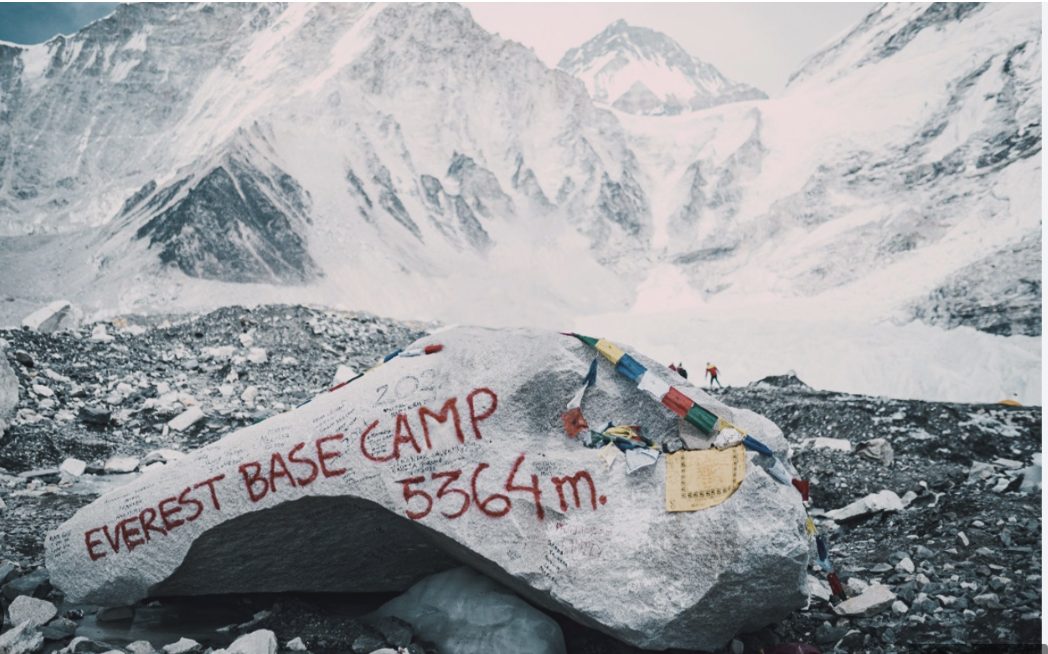
Nepal, home of the mighty Himalayas, has long been a dream destination for trekkers. Its trails offer everything: snow-capped peaks, rich culture, spiritual monasteries, and jaw-dropping landscapes. Trekking in Nepal has been a famous adventure activity around the world. For decades, the Everest Base Camp (EBC) trek has been the most popular route. Walking to […]
Mu Gompa
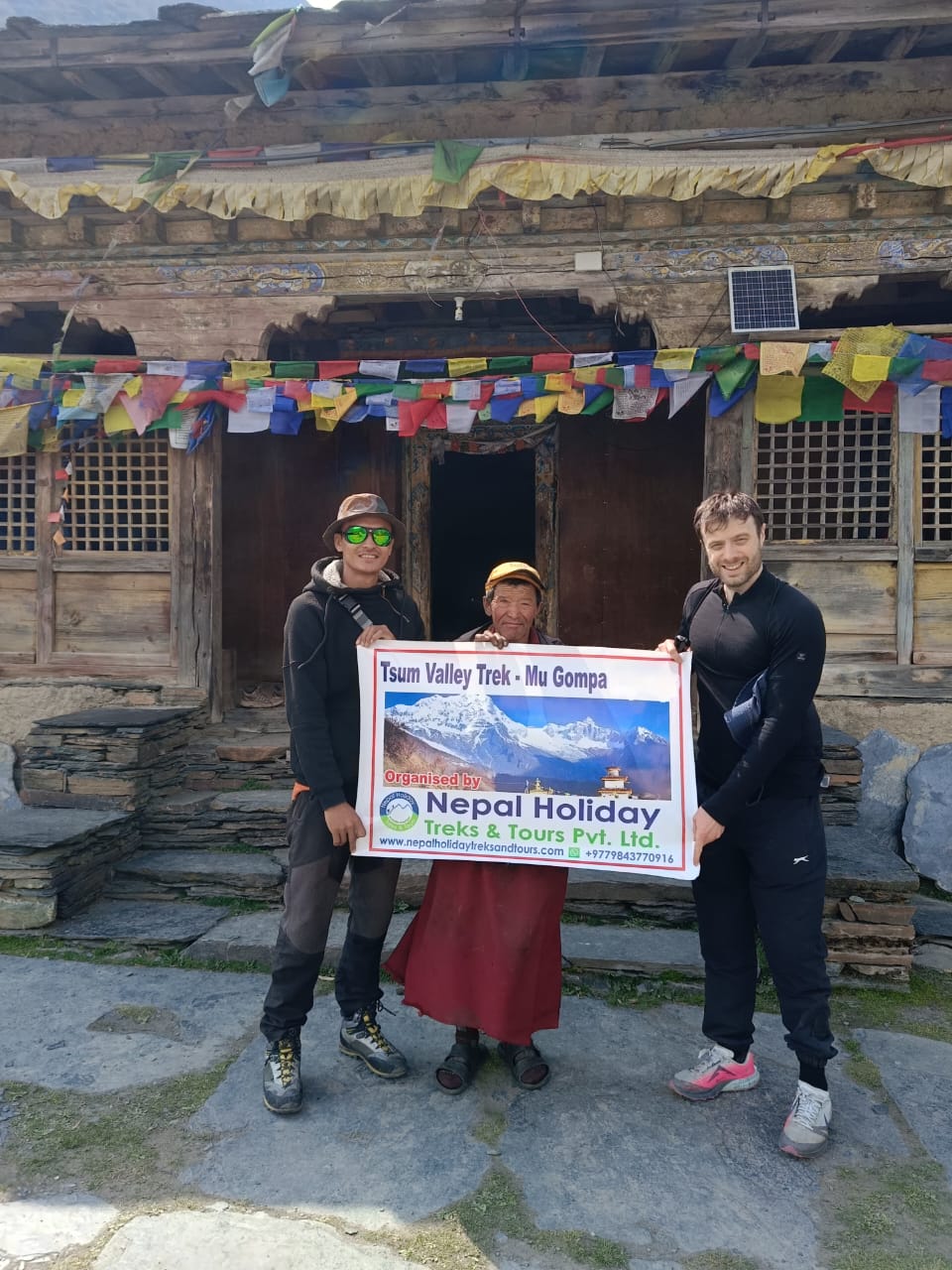
Mu Gompa, also known as Dechen Lhundrup, is an important Buddhist monastery in the Upper Tsum Valley of northern Gorkha, Nepal. Located along the remote Tsum Valley Trek, it is one of the region’s main spiritual and cultural landmarks. The monastery sits at approximately 3,700 m (12,139 ft) above sea level within the Manaslu Conservation […]
Everest Base Camp Trek FAQs
Introduction Planning the Everest Base Camp Trek often comes with questions about the route, duration, altitude, permits, weather, accommodation, fitness, and overall trekking conditions. These frequently asked questions provide clear and practical information to help you understand what to expect before starting the trek to Everest Base Camp. Frequently Asked Questions General Everest Base Camp […]